
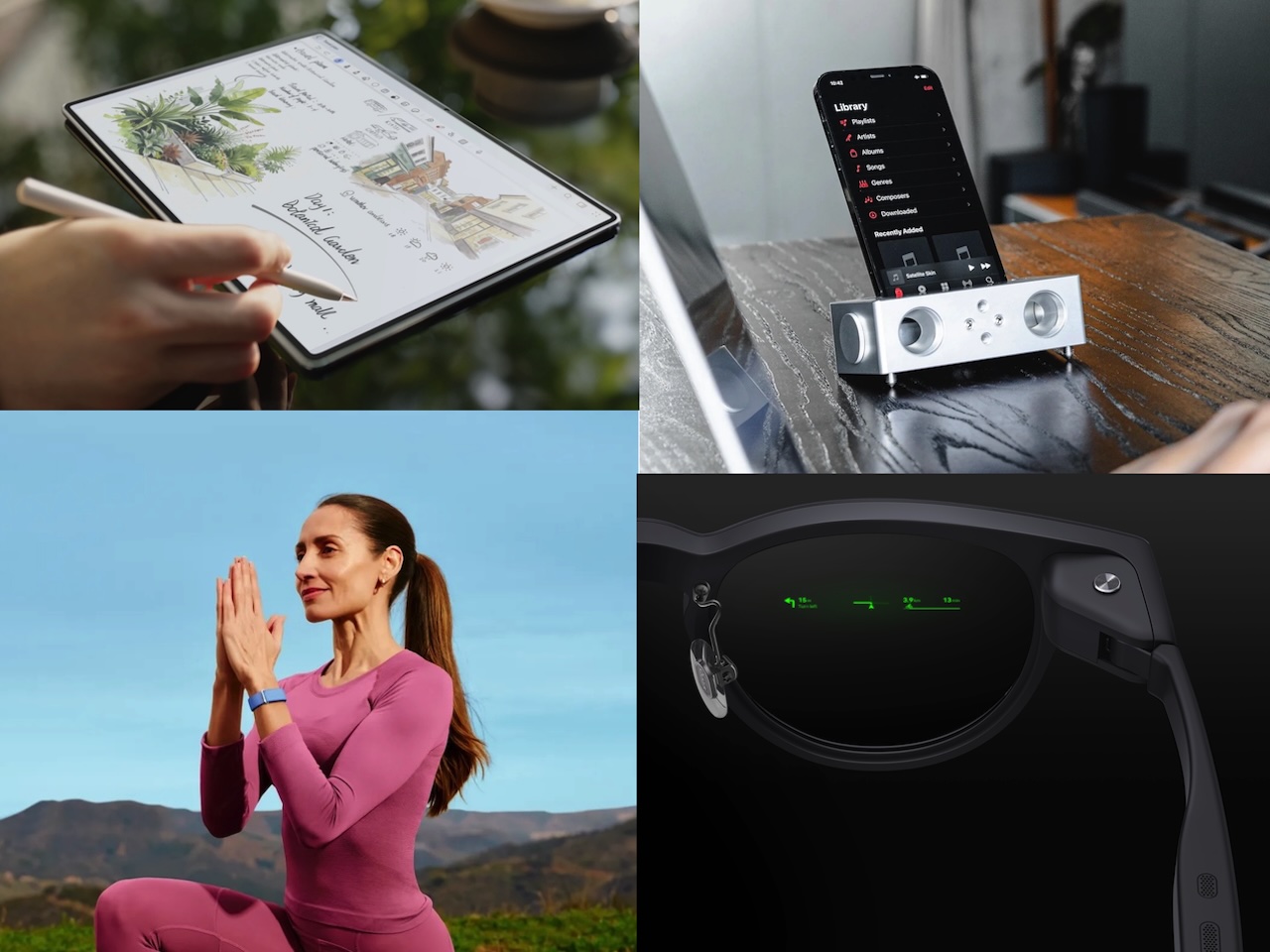
 There’s a fitness tracker without a screen, a phone with a swappable back panel, a tablet that wants to be a laptop, and a speaker that runs on zero electricity. Each one caught our attention in the last two months, and not one of them looks like the safe version of its category.
That’s what’s interesting about the spring 2026 release window. The wave isn’t dominated by a single brand or a single price tier. It’s a stack of products that took the long way around the obvious answer.
Here are ten that caught our attention.
The 10 at a glance:
- EcoFlow DELTA 3 Plus: 1024Wh LiFePO4 portable power station with 1800W AC and a 5-year warranty
- Fitbit Air: screenless fitness tracker, $99.99 base / $129.99 Stephen Curry Special Edition, ships May 26 in the US
- HMD Fusion: modular Android phone with Smart Outfits and an iFixit repair partnership, $249.99
- HUAWEI WATCH FIT 5 Series: fitness band with a smartwatch silhouette, from £159.99 / €199
- HUAWEI MatePad Pro 13.2: 13.2-inch Flexible OLED tablet running HarmonyOS PC Mode
- Quark AI Glasses S1: proactive AI smart glasses with Qwen integration, ¥3,799 (around $537)
- Pit-A-Pat iSpeaker: passive duralumin amplifier dock for phones, from $179
- Narwal Freo Z10 Turbo: hot-water mop robot vacuum, $599.99 launch through May 31 / $899.99 MSRP
- Lenovo ThinkPad L16 Gen 3: 16-inch Copilot+ business laptop on AMD Ryzen AI PRO 400 Series
- Sony Xperia 1 VIII: flagship phone that still ships with a 3.5mm jack, from €1,499 / £1,399
The portable power station that drops the screen-and-wait routine
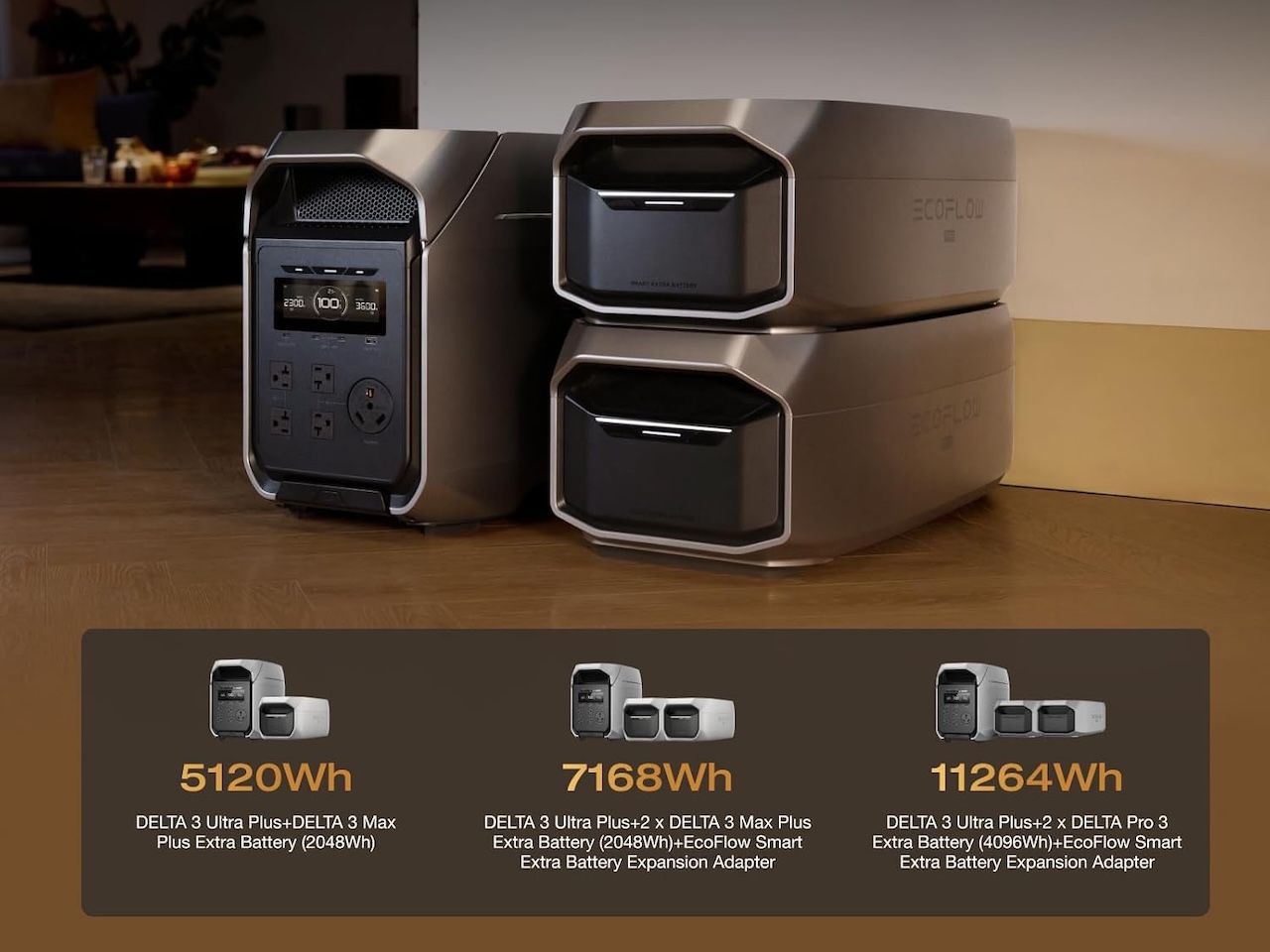
EcoFlow’s DELTA 3 Plus quietly retired the cold-start wait most backup power stations still bake in. The Plus pairs 1024Wh of LiFePO4 capacity with 1800W of steady AC output and 2200W under X-Boost mode, with surge headroom reaching 3600W for appliances that need a brief spike to spin up.
Price: $1,499 (From $2,199)
Where to Buy: Amazon
What’s changed against the previous generation is the recharge flexibility. The Plus accepts five fast-recharge methods (AC, solar, an 800W Alternator Charger, EcoFlow’s Smart Generator 3000 dual-fuel unit, and multicharging), and slots in under the DELTA Pro line without giving up the built-in UPS or app control. It ships with a 5-year warranty, and that’s the spec that says more than the watt-hour number.
EcoFlow’s lineup is built around stacking, so the Plus is the unit you start with if you want backup that’s ready to expand without committing to whole-home capacity on day one.
The fitness tracker that quietly removed the screen
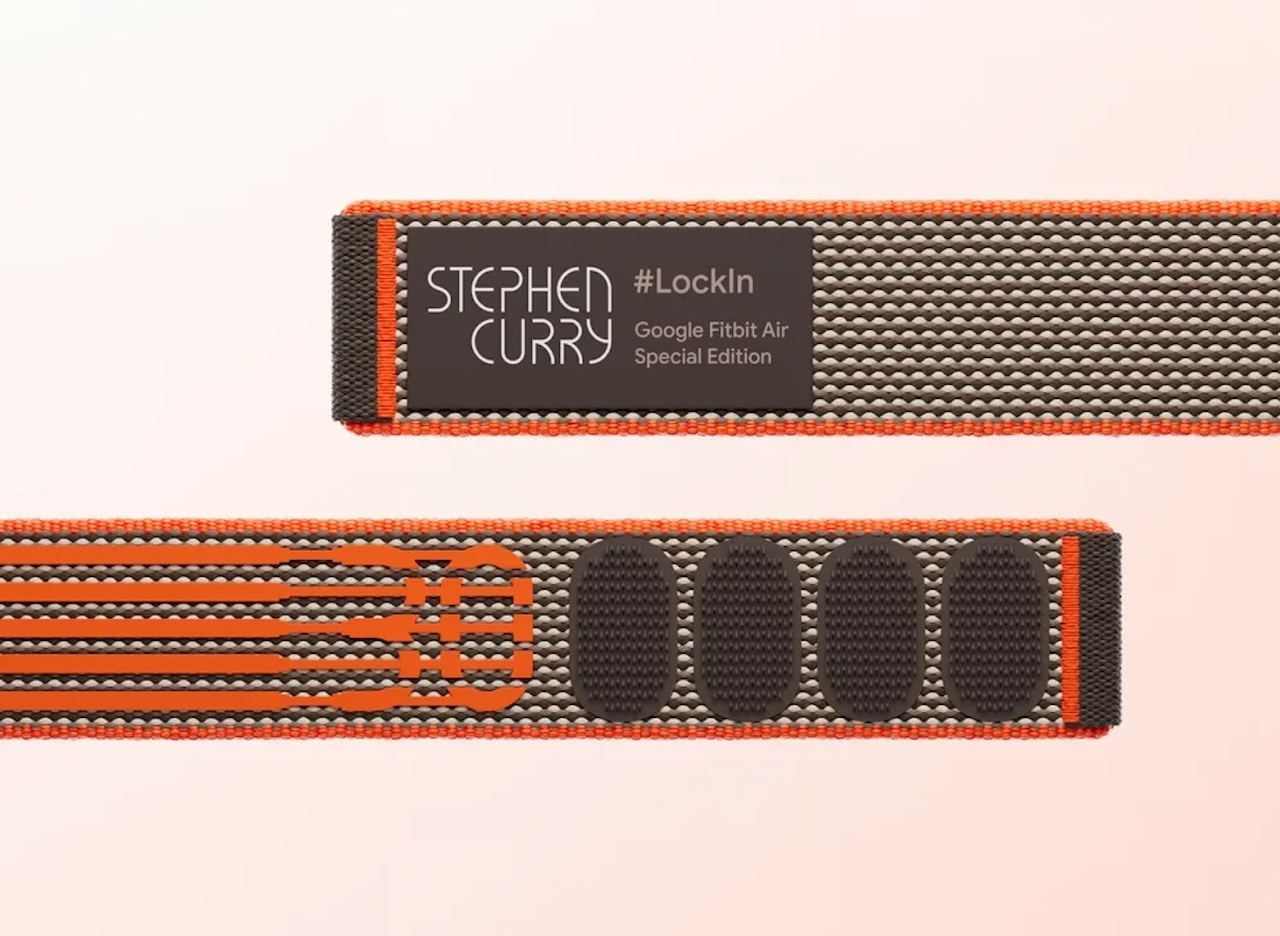
Fitbit Air starts at $99.99, with a $129.99 Stephen Curry Special Edition variant, and it’s the brand’s first device built around removing the screen instead of polishing one. The body sits flat against the wrist with a week of battery life and a five-minute fast charge that returns a full day of use.
Price: From $99.99
Where to Buy: Google, Amazon
Inside, it’s still doing the work that put Fitbit on the map: 24/7 heart rate, Afib alerts, SpO2, HRV, sleep stages, and auto workout detection. The pitch is that the data doesn’t need a screen on the band when the new Google Health app and Health Coach can read a meal photo and turn your phone camera into a workout reference.
Pre-orders open May 16, and the Curry Special Edition ships in the US on May 26. Compatibility runs Android 11 and up or iOS 16.4 and up, with a three-month Google Health Premium trial before the $9.99 monthly subscription kicks in.
The modular phone that doesn’t ask you to rethink your daily carry
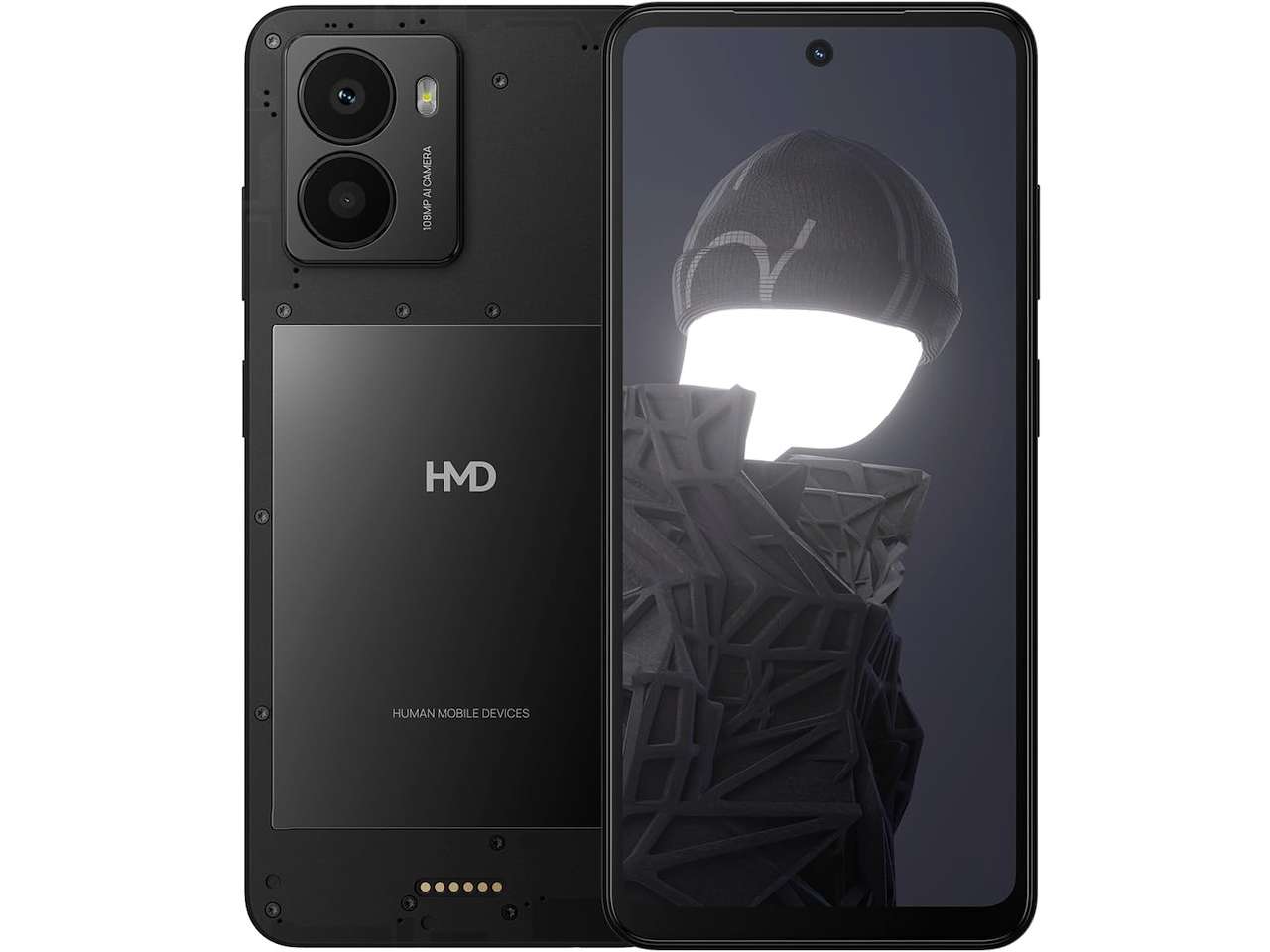
HMD Fusion sits at $249.99, launched at IFA Berlin in September 2024, and is still on shelves in 2026 because the format works. Instead of asking you to swap internals, the Fusion bets on the back of the phone: a six-pin pogo connector accepts Smart Outfits like a Flashy Outfit with a built-in ring light, a Gaming Outfit with physical buttons, and rugged-protection panels, with an open-source toolkit so third parties can build more.
Price: $249.99
Where to Buy: Amazon
It’s the closest the modular pitch has gotten to a normal phone you can actually live with. HMD pairs the Outfits system with an iFixit partnership for the internals you can’t reach with a magnet, which is the missing half of every previous modular attempt.
The fitness band that finally looks like a real watch
HUAWEI’s FIT line spent three generations sitting in an awkward middle: smartwatch silhouette, fitness band internals, neither identity fully committed. The FIT 5 Series moves past that. The base FIT 5 ships with a 1.82-inch AMOLED at 2,500 nits peak, while the FIT 5 Pro stretches to 1.92 inches at 3,000 nits with a sapphire crystal cover.

Price: From £159.99 (About $200)
Where to Buy: Huawei
Both watches run on HUAWEI’s TruSense System and share a 471 mAh battery, with HUAWEI claiming up to 10 days of light use and 7 days of typical use. A week of wear without a charger is the spec that makes a fitness band start to feel like a watch.
The FIT 5 Pro pairs a titanium alloy bezel with an aluminum mid-frame and a 40-meter free-dive certification. Pricing starts at £159.99 (about $200) for the base FIT 5, with EU launch around €199, and the Pro stepping noticeably above for the materials and the deeper certification. That’s still well under the rectangular wearables Samsung and Apple ship at flagship pricing.
The 13.2-inch tablet that stopped pretending to be a tablet
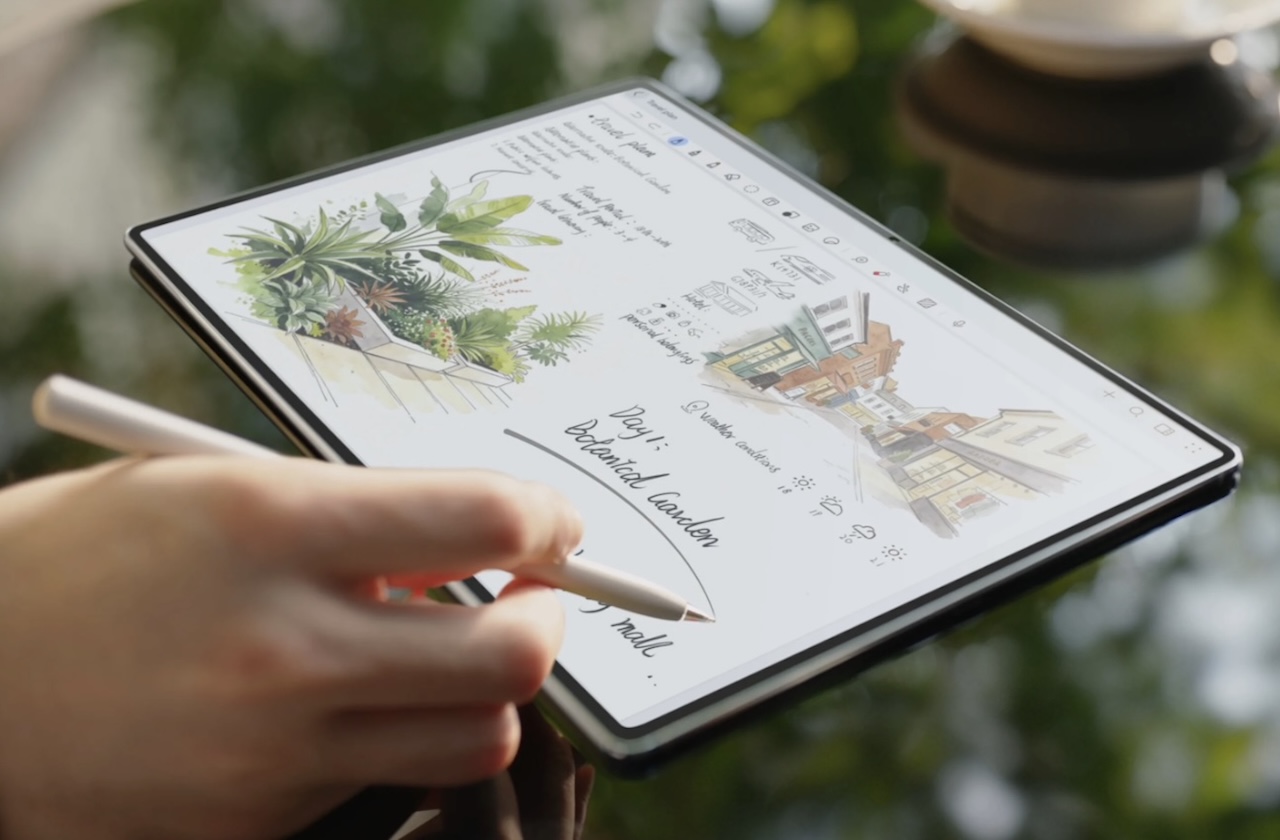
HUAWEI’s MatePad Pro 13.2 runs a 2880×1920 Flexible OLED panel at 144Hz with a 1,000-nit peak, in a 5.5mm body that weighs 580g. The spec sheet pairs 12GB of RAM with 256GB or 512GB of storage, six speakers, and a HarmonyOS PC Mode UI that reads less like a tablet trying to imitate a laptop and more like a second OS that knows what it is.
Price: From $1,399
Where to Buy: Huawei
The open question is regional. Google Mobile Services aren’t bundled in many markets, and HUAWEI’s Petal Search, AppGallery, and GBox workarounds still ask for a different setup ritual than an iPad or a Galaxy Tab S. The tablet itself is the most committed tablet-as-laptop pitch HUAWEI has shipped, but the OS detour is the line on the spec sheet that matters for buyers outside China.
The smart glasses that just learned to act before you ask
Alibaba’s Quark AI Glasses S1 launched in China in late 2025 at ¥3,799 (about $537), with a display-free G1 sibling at ¥1,899 ($268). Two swappable batteries, each rated for around 12 hours, combine for all-day wear.

The May 2026 software push is what makes the S1 worth flagging now. Proactive AI surfaces weather, location, and calendar nudges before you ask, and Qwen App integration turns the glasses into a hands-free hook for ride-hailing, food delivery, trip planning, reviews, and movie tickets.
Each lens carries a micro OLED display, the cameras shoot 3K native with AI-upscaled 4K output, and the design picked up an iF Design Award 2026. Proactive AI, Qwen, and swappable batteries land together on a product that ships outside the prototype bin.
The speaker that gets loud with zero electronics inside
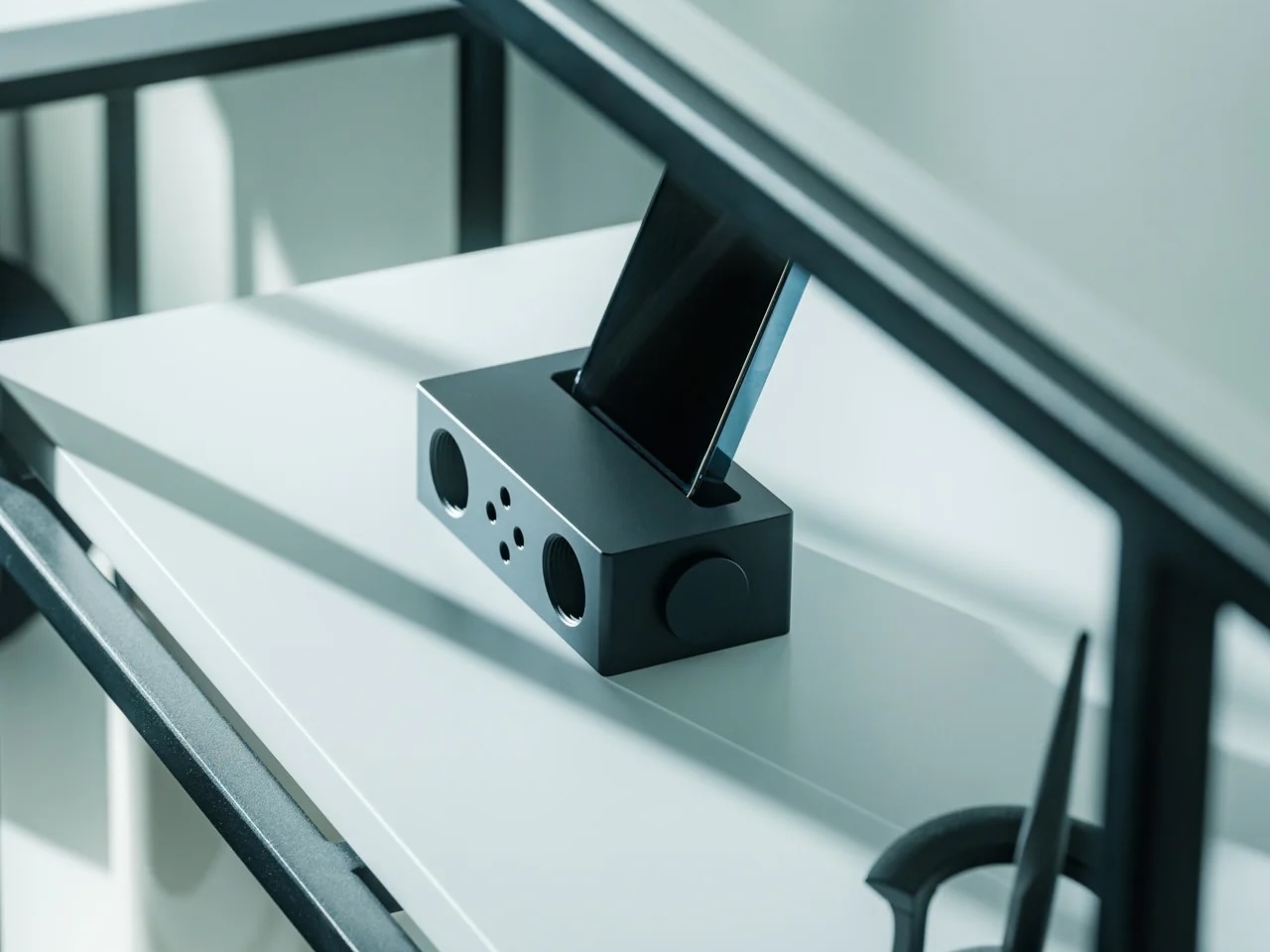
The iSpeaker from Pit-A-Pat is a 4.54-inch passive amplifier machined from duralumin and designed by Ooi Masato around the golden ratio. You slot a phone into the dock, the cavity catches the speaker output and projects it forward, and the volume jumps without a single watt of power, a Bluetooth pairing, or a firmware update.
Price: $179
Where to Buy: Yanko Design Select
Pricing starts at $179 for the base, with $259 and $299 SKUs that add accent finishes like the Jet and Bloom variants. It’s the kind of product that gets dismissed as an art object until you actually hear what an honest passive amplifier does to a phone speaker.
The robot vacuum that just put hot-water mop cleaning in the mid-range
Narwal’s Freo Z10 Turbo launches in the US on May 18, 2026 at $599.99, with that launch price holding through May 31 before settling to an $899.99 MSRP. It’s the first non-Flow model to inherit Narwal’s CarpetFocus Technology. The adaptive brush cover seals the high-pressure suction zone over carpets, and the mop auto-lifts 12mm so wet pads never touch the pile.

Price: $599.99 launch through May 31, $899.99 MSRP after
Where to buy: Narwal.com | Amazon
The headline spec is 25,000 Pa of suction, but the more interesting numbers sit elsewhere: tri-laser structured light navigation with 1cm-level obstacle detection, 12N of mop downforce, hot-water mop wash between 113°F and 167°F, and a sealed 2.5L dust bag that stretches maintenance to 120 days.
Narwal CEO Junbin Zhang put it directly: “Mid-range no longer means mid-performance.” The Z10 Turbo is the proof, and the Carpet Max Mode is the feature people who actually live with carpet will keep enabling.
The 16-inch ThinkPad that refuses to cost like a workstation
Lenovo’s ThinkPad L16 Gen 3 is the value tier doing flagship work: a 16-inch business laptop on AMD’s Ryzen AI PRO 400 Series, with a 50 TOPS NPU clearing the Copilot+ threshold in a 1.78 kg chassis. The 16-inch WUXGA IPS display runs at 400 nits with an 87% screen-to-body ratio, in non-touch low blue light or anti-glare touch. Memory tops out at 64GB of DDR5 5600, storage at 2TB of PCIe Gen4x4, with battery cells made from 90% post-consumer recycled materials.
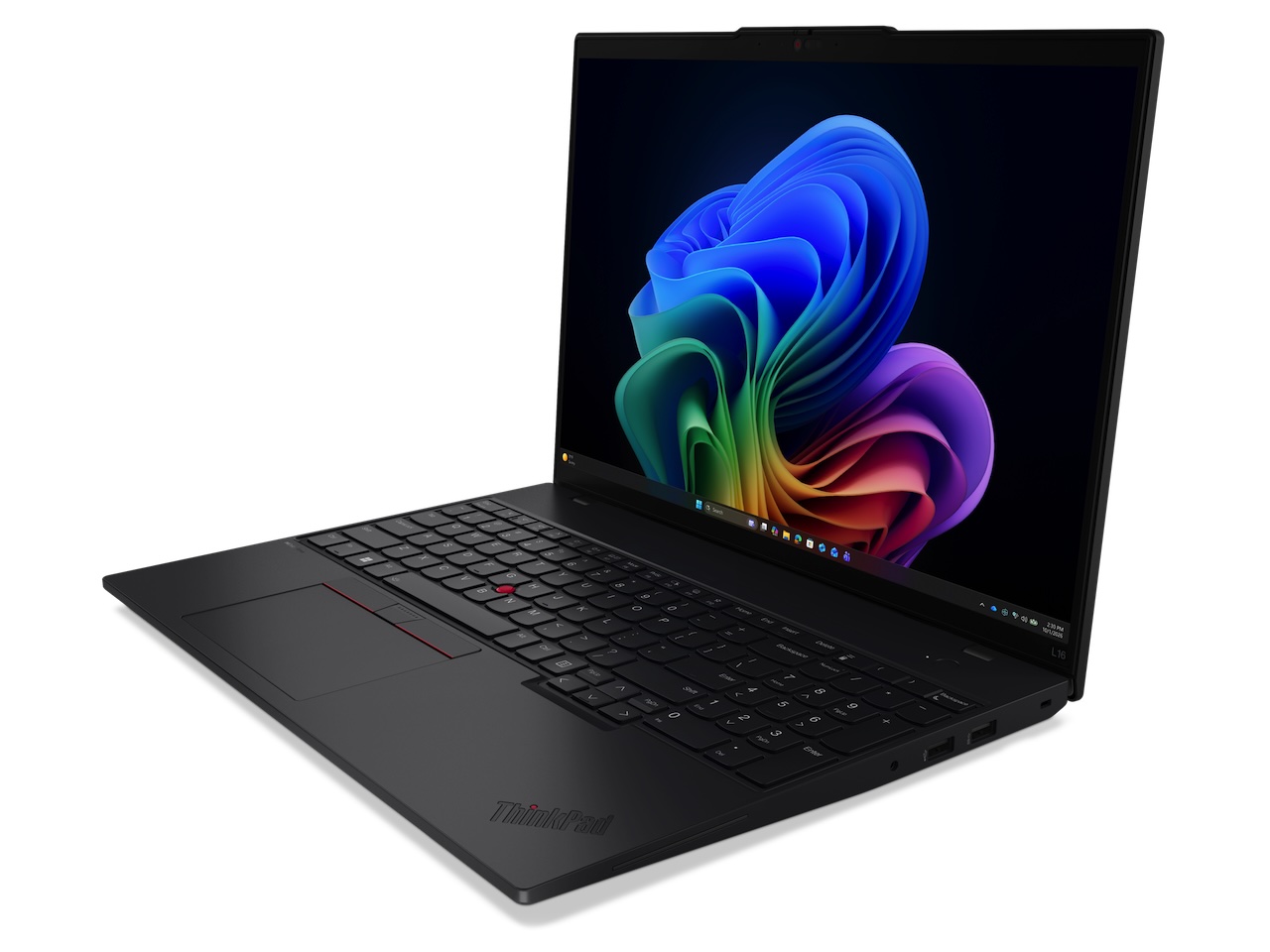
Port layout reads like a holdover from when ThinkPads were taken seriously by buyers: two Thunderbolt 4, one USB 2.0, two USB 3.2 Gen 1, HDMI 2.1, RJ45, audio combo, Smartcard, and NanoSIM, with Wi-Fi 7, Bluetooth 5.4, and 4G LTE on wireless. ThinkShield, AMD PRO Security, MIL-SPEC 810H, and EPEAT Gold round out the spec sheet, and Lenovo hasn’t published US pricing at embargo.
The flagship phone that still ships with a headphone jack
Sony’s Xperia 1 VIII keeps the parts the spec sheet wars left behind. The flagship runs the Snapdragon 8 Elite Gen 5 with up to 16GB of RAM and 1TB of storage, paired with a 5,000mAh battery Sony rates for two-day endurance and a four-year battery health guarantee no other flagship is matching at this scale.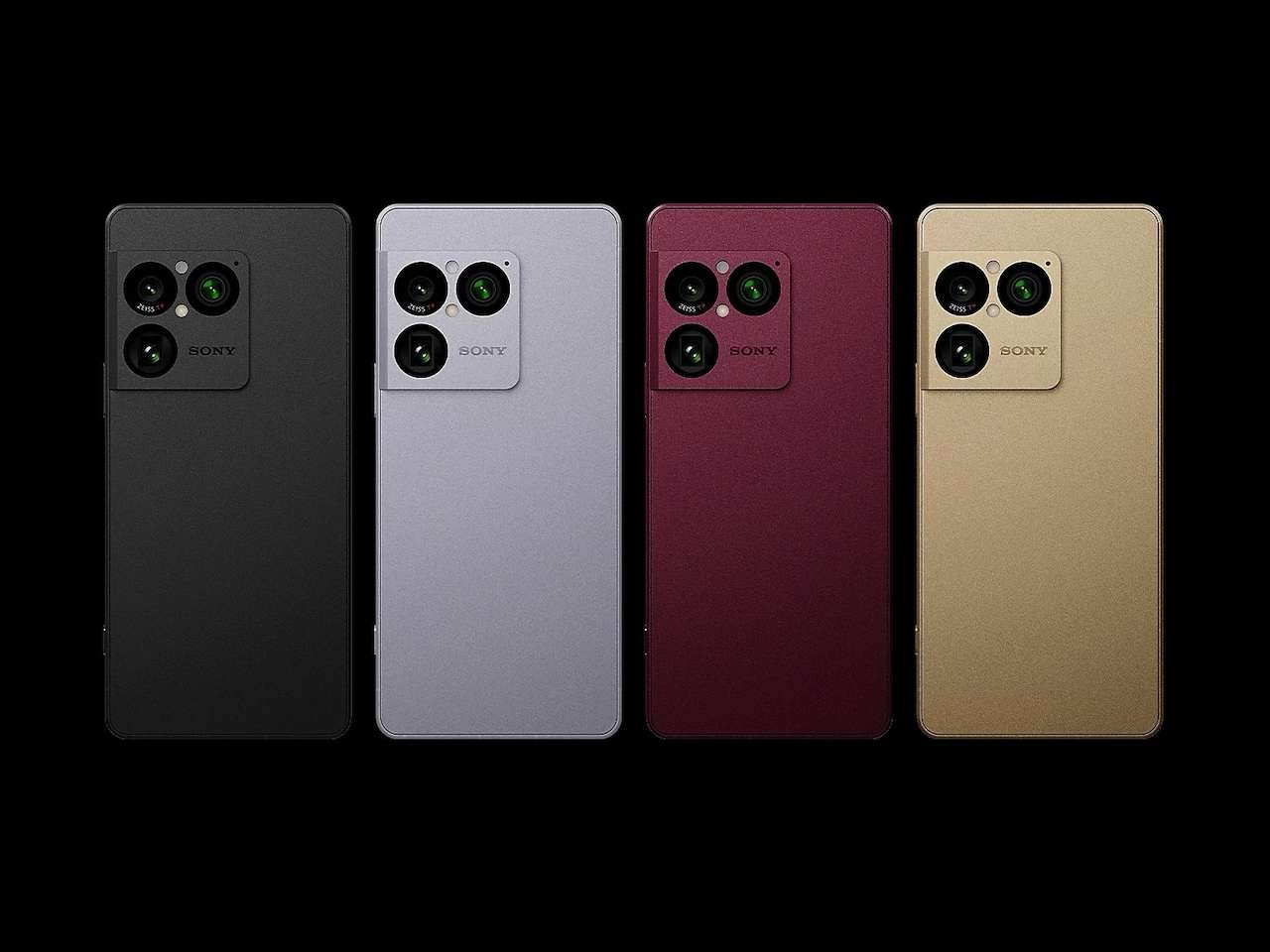
Price: S$ 1,989 (About $1,500)
Where to Buy: Sony SG
The camera is the headline. The triple 48MP rear stack pairs a 1/1.35″ main (f/1.9, 24mm), a 1/1.56″ ultrawide (f/2.0, 16mm), and a brand-new 70mm telephoto macro on a 1/1.56″ sensor roughly four times larger than the variable-zoom telephoto on the VII, with the AI Camera Assistant and Alpha-pulled Creative Look profiles on top of a two-stage hardware shutter.
The rest of the device commits to its identity: a 6.5-inch FHD+ OLED at 120Hz, the 3.5mm jack, microSD up to 2TB, front-stage stereo speakers, IP65/IP68 ratings, and dual eSIM plus a tool-free nano-SIM tray. Pricing runs €1,499 / £1,399 for the 12GB/256GB base and €1,999 / £1,849 for the 16GB/1TB top, with announce on May 13 and shipping on June 19.
The pattern worth watching when the category goes quiet
None of these were the obvious move for their category in 2026. That’s the through-line worth landing: when the category gets quiet, the product that doesn’t conform is usually the one to put on the watch list.
Auto Amazon Links: No products found.
