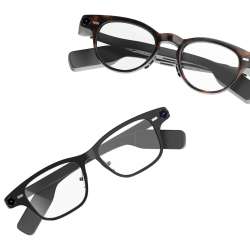
Smart glasses have a runtime problem nobody likes to talk about. You’re spending ~$500 on something that lives on your face, then pulling it off every few hours to find an outlet. The biggest blocker to all-day wear isn’t the camera or the AI. It’s the battery.
Alibaba’s Quark AI Glasses S1, launched in China in late 2025, took an embarrassingly simple route: swap the battery. Five months later, no other mainstream pair of AI smart glasses has matched the move. The rest of the industry is cramming cells into thinner temples.
We’re revisiting the S1 because Alibaba’s latest software update layers proactive AI and deeper app integrations on top of a design the category was already trailing. What’s happening on top of these glasses points to where this category is actually headed.
What’s changed since launch
The biggest shift came this week. Alibaba pushed a software update adding proactive AI to the S1, plus deeper Qwen App integration for ride-hailing, food delivery, trip planning, review search, and movie tickets. Full breakdown two sections down.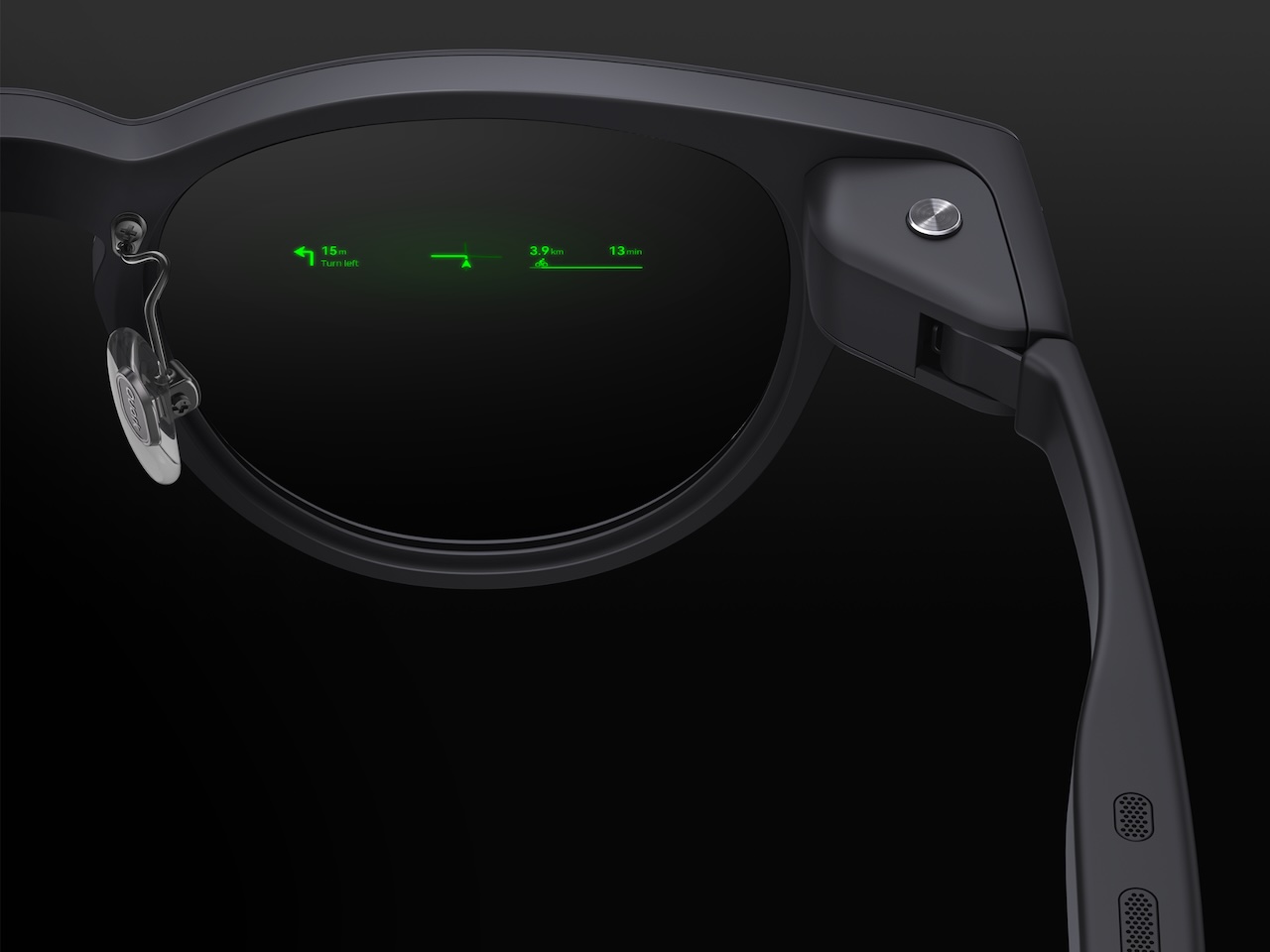
Hardware-wise, less has moved. The S1 stays China-only at ¥3,799 (roughly $537), with the display-free G1 at ¥1,899 (about $268) for buyers who want cameras and voice without the in-lens screen. The S1 hasn’t surfaced through US retail, and remains import-only via resellers.
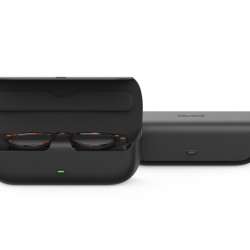
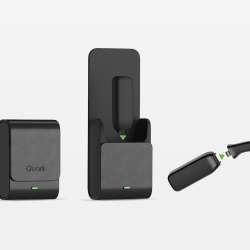
What hasn’t changed: the runtime claim. Alibaba still promises up to 24 hours across two batteries, each pack rated for about 12 hours alone. That figure assumes you bring the spare and remember to charge it.
The latest update: proactive AI lands
Alibaba didn’t sit on its lead. The latest update introduces proactive AI, designed to surface reminders and context-aware suggestions before you ask. The glasses use weather, location, and calendar signals to volunteer information instead of waiting on a voice trigger.
Alibaba’s examples paint the picture: a nudge to grab an umbrella before you leave, a reminder to fix your posture at your desk. Future versions, per Alibaba, will pull from purchase history to flag water after a third coffee, or read live traffic to tell you to leave the office early.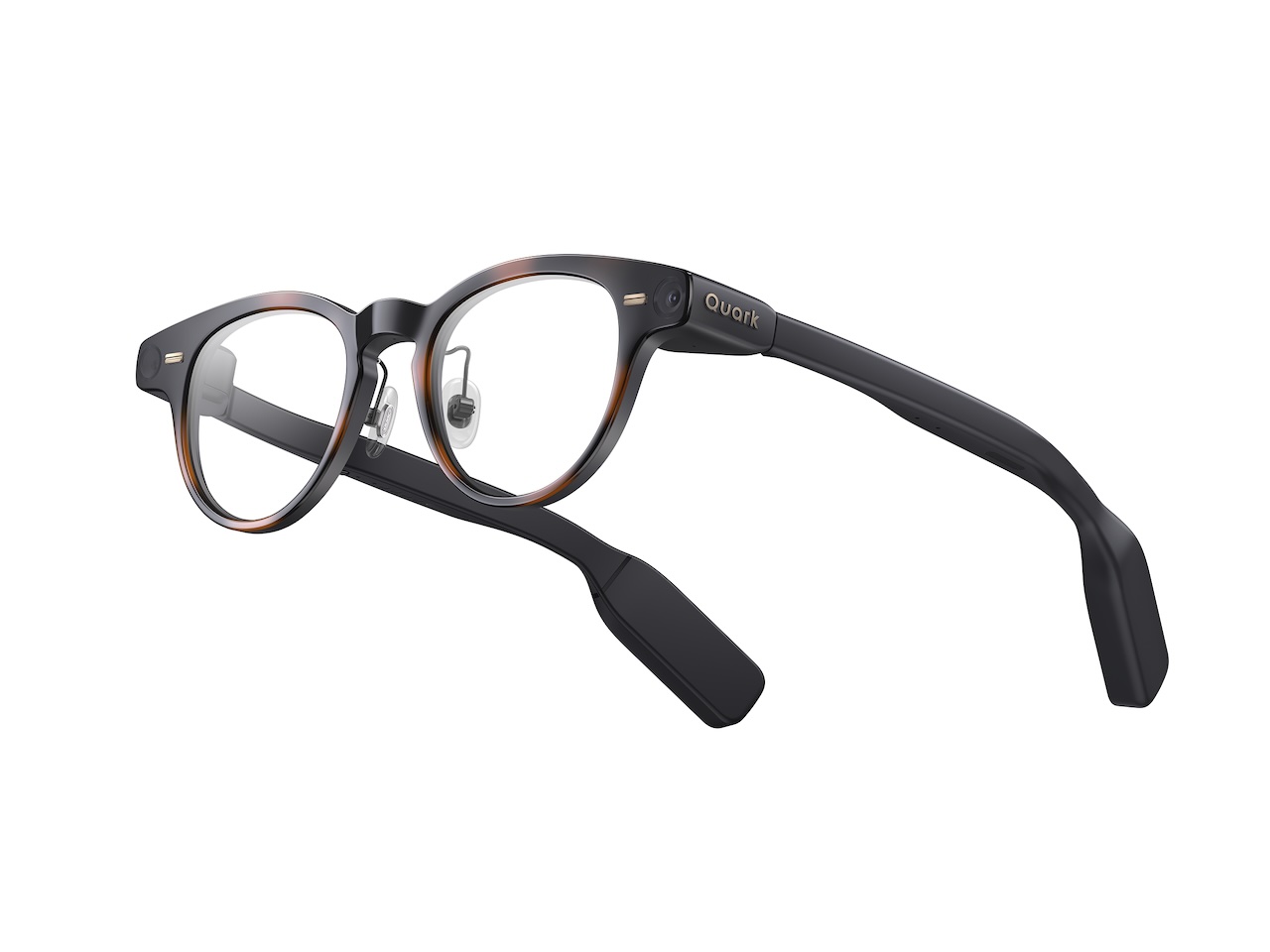
Some of this overlaps with what a wrist wearable does. The difference is presentation. A prompt inside your field of view lands differently from a buzz on your wrist, and it doesn’t ask you to pull out a phone.
The update also widens the Qwen App connection. Ride-hailing, food delivery, trip planning, review search, and movie tickets are reachable through the glasses. For a buyer inside Alibaba’s ecosystem, that’s a real daily expansion. For everyone else, it signals Alibaba is treating these as a flagship platform.
How well any of it works in practice is still open. Nobody outside Alibaba has had hands-on time with the post-update software.
The hardware actually doing the work
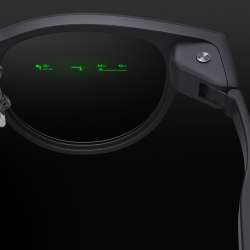
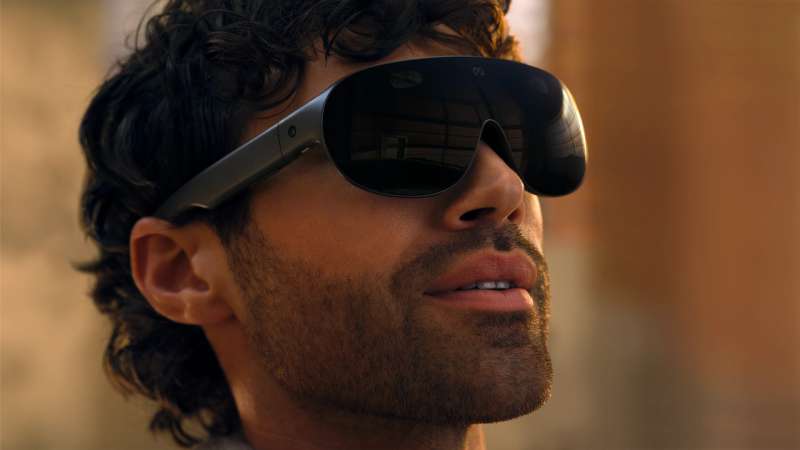
Start with the display. Each lens carries a micro OLED panel, which separates the S1 from the cheaper G1 and from a lot of basic AI eyewear. It’s a display you can actually use for text, navigation cues, and translation overlays.
Cameras shoot 3K natively, with what Alibaba calls AI-enhanced 4K output. The sensor records at 3K and on-device AI upscales to 4K on export. True 4K capture and AI-upscaled 4K aren’t the same thing, and shouldn’t be priced like they are.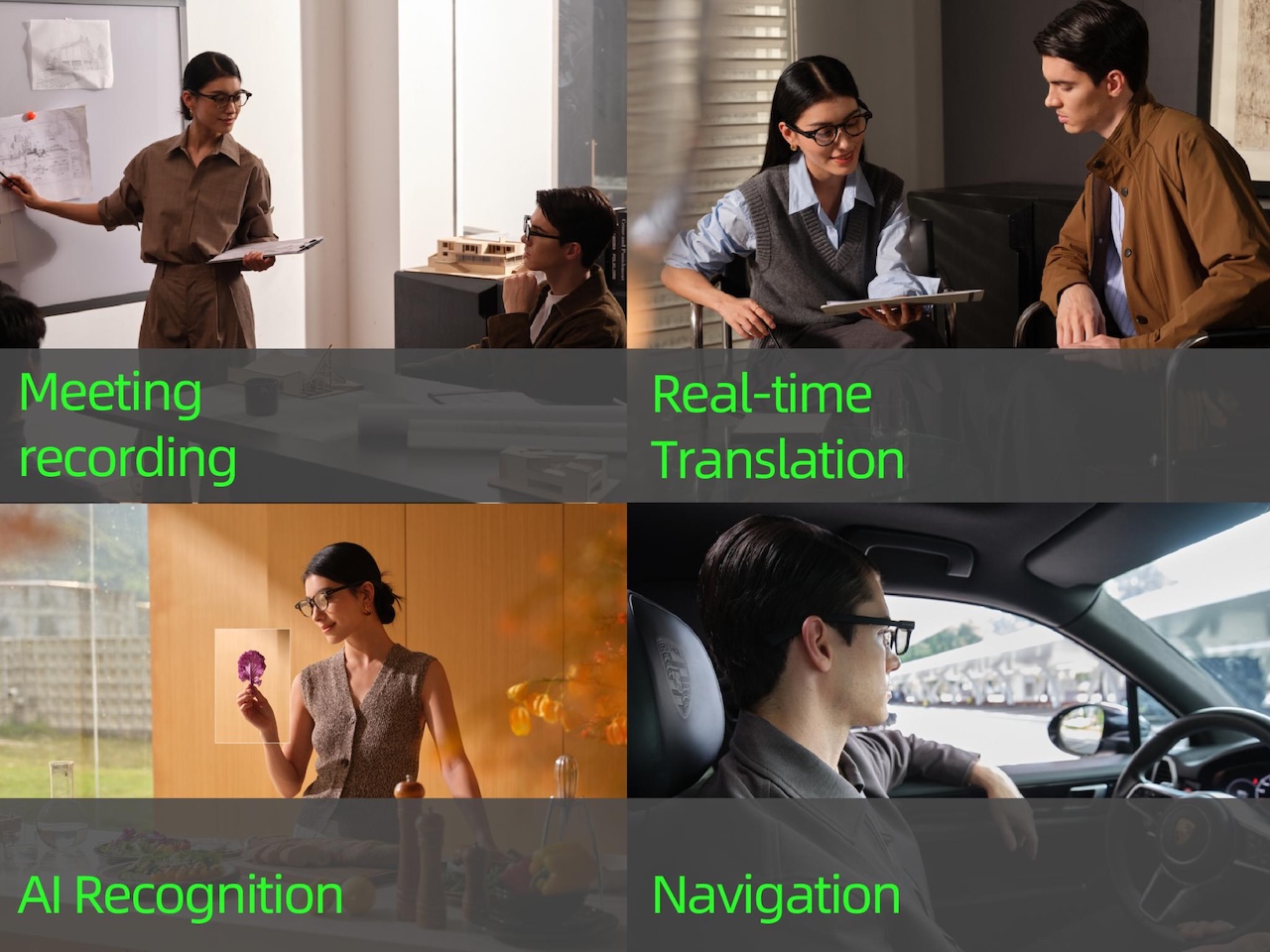
The rest of the feature list reads like category table stakes: voice assistant, computer vision, real-time translation, turn-by-turn navigation, transcription, reminders, teleprompter mode, and context-aware search. The S1 also ties into Alibaba’s ecosystem, with music, Amap navigation, and payments via Alipay and Taobao.
A few specs from secondary chatter haven’t shown up in Alibaba’s primary materials. Reports of a Snapdragon AR1 plus low-power co-processor, peak 4,000-nit brightness, and 4K60 video capture are circulating, but remain unconfirmed.
The catch you can’t engineer around
For a US or European reader, the S1 isn’t realistically buyable today through normal channels. Reseller listings exist, but they’re priced well above the China retail figure, and the deep ecosystem integration only pays off if you’re already inside Alipay, Amap, and Taobao.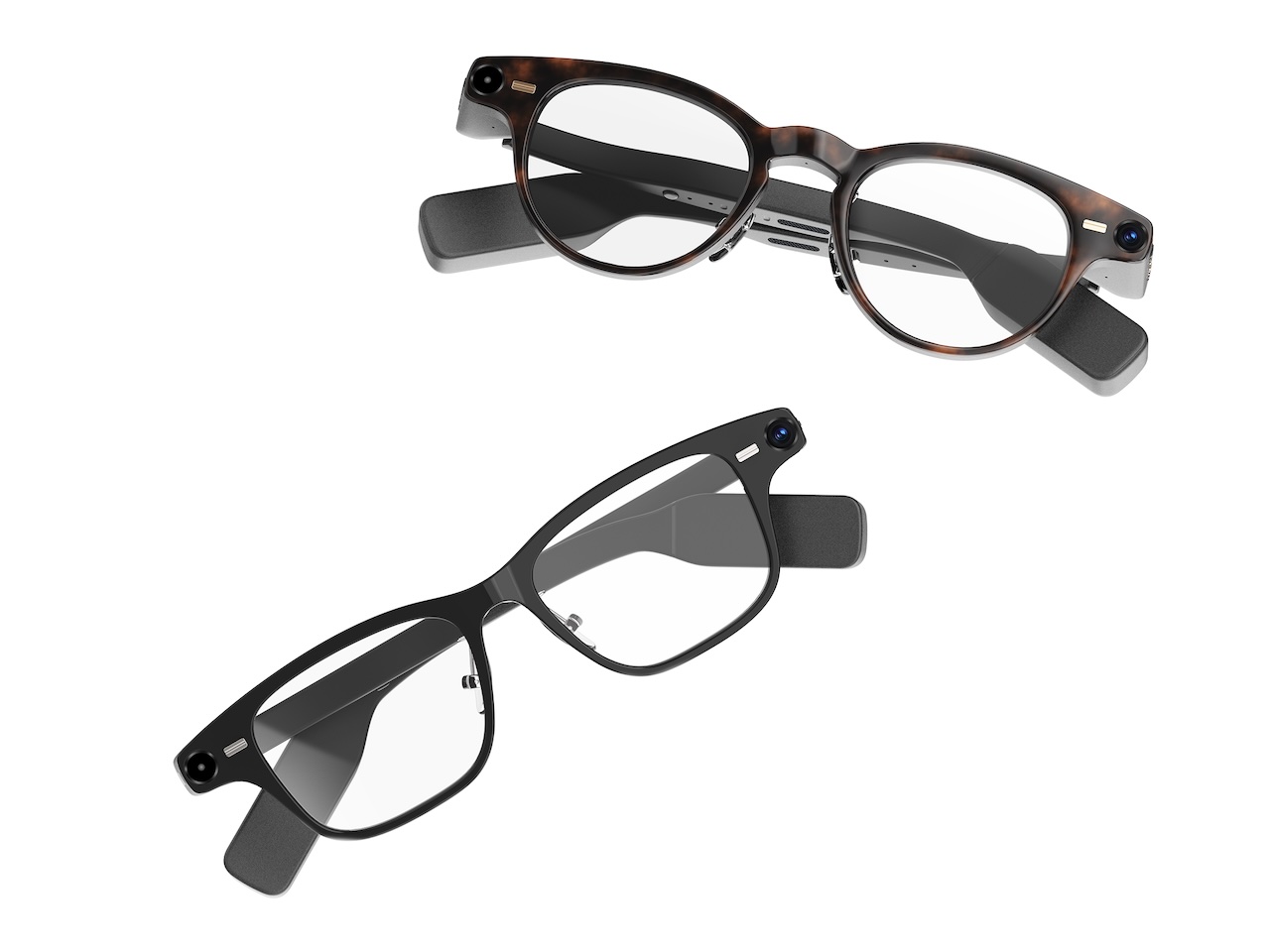
That makes the S1 less of a buying recommendation and more of a signal. It’s the first mainstream pair of AI smart glasses to take the all-day battery problem seriously enough to add a moving part.
Why nobody has copied it yet
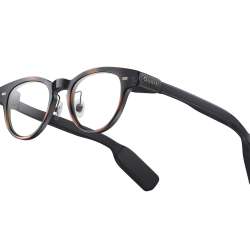
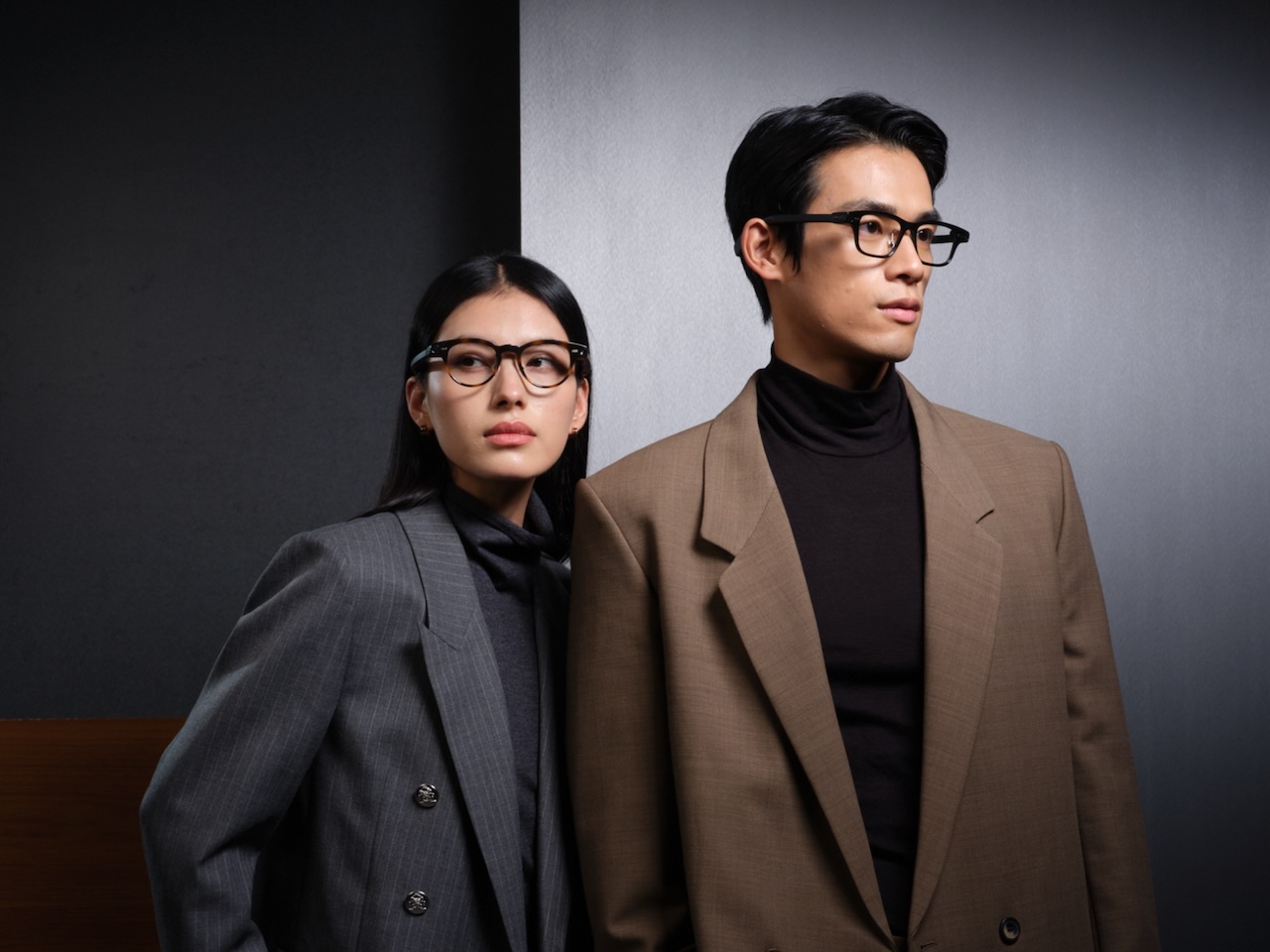
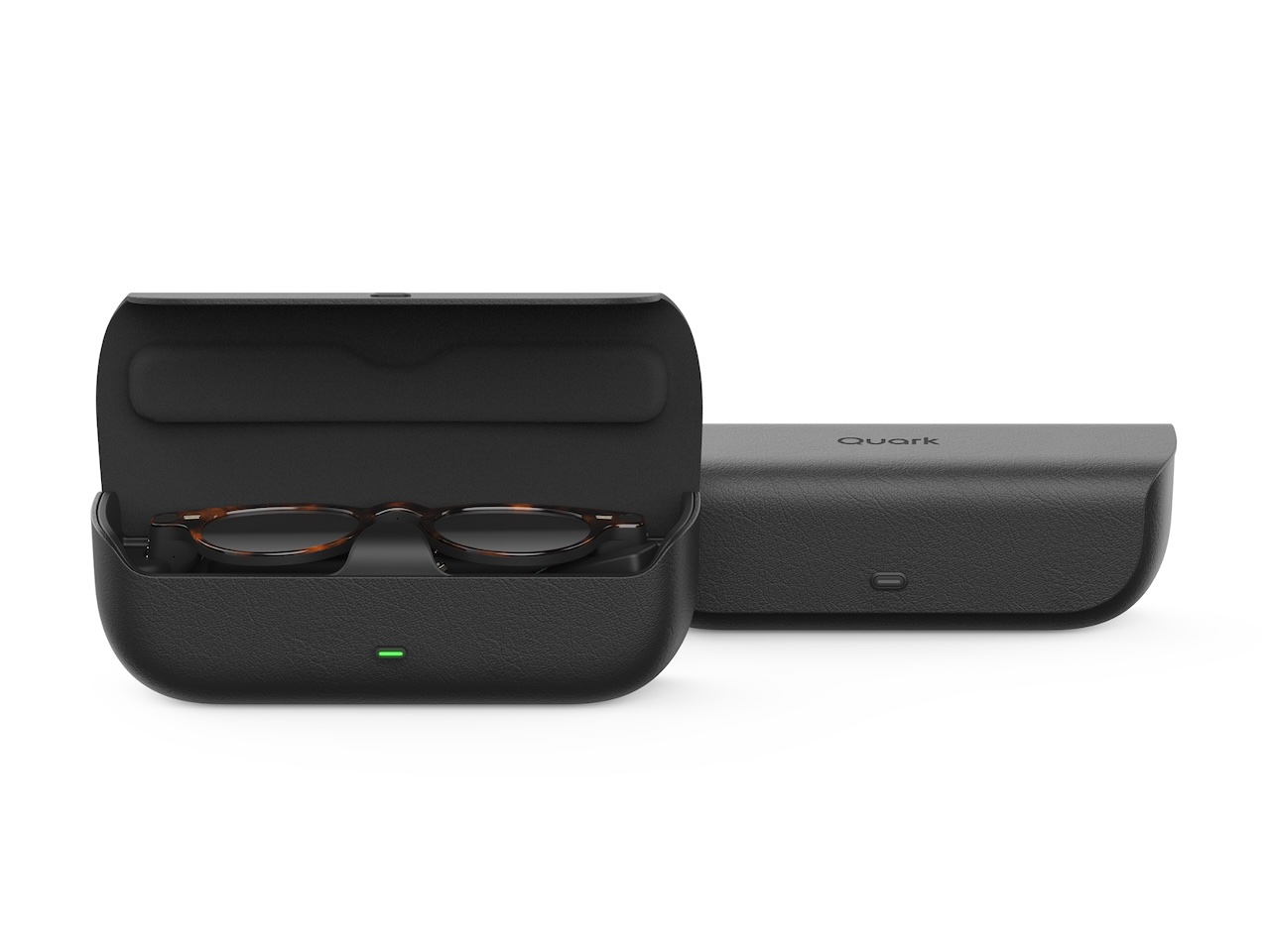
There’s a real engineering reason the swappable battery hasn’t spread, and it isn’t laziness. A removable cell means a hinge, a contact array, and seals against sweat and rain, all packed into a frame that has to look like ordinary eyewear. Most brands have bet that battery chemistry will catch up faster than the industrial design pain is worth solving. The S1 picked up an iF Design Award 2026 (like the Kodak Charmera) in smart eyewear for solving it anyway, with the jury citing the replaceable battery design and ergonomic weight distribution.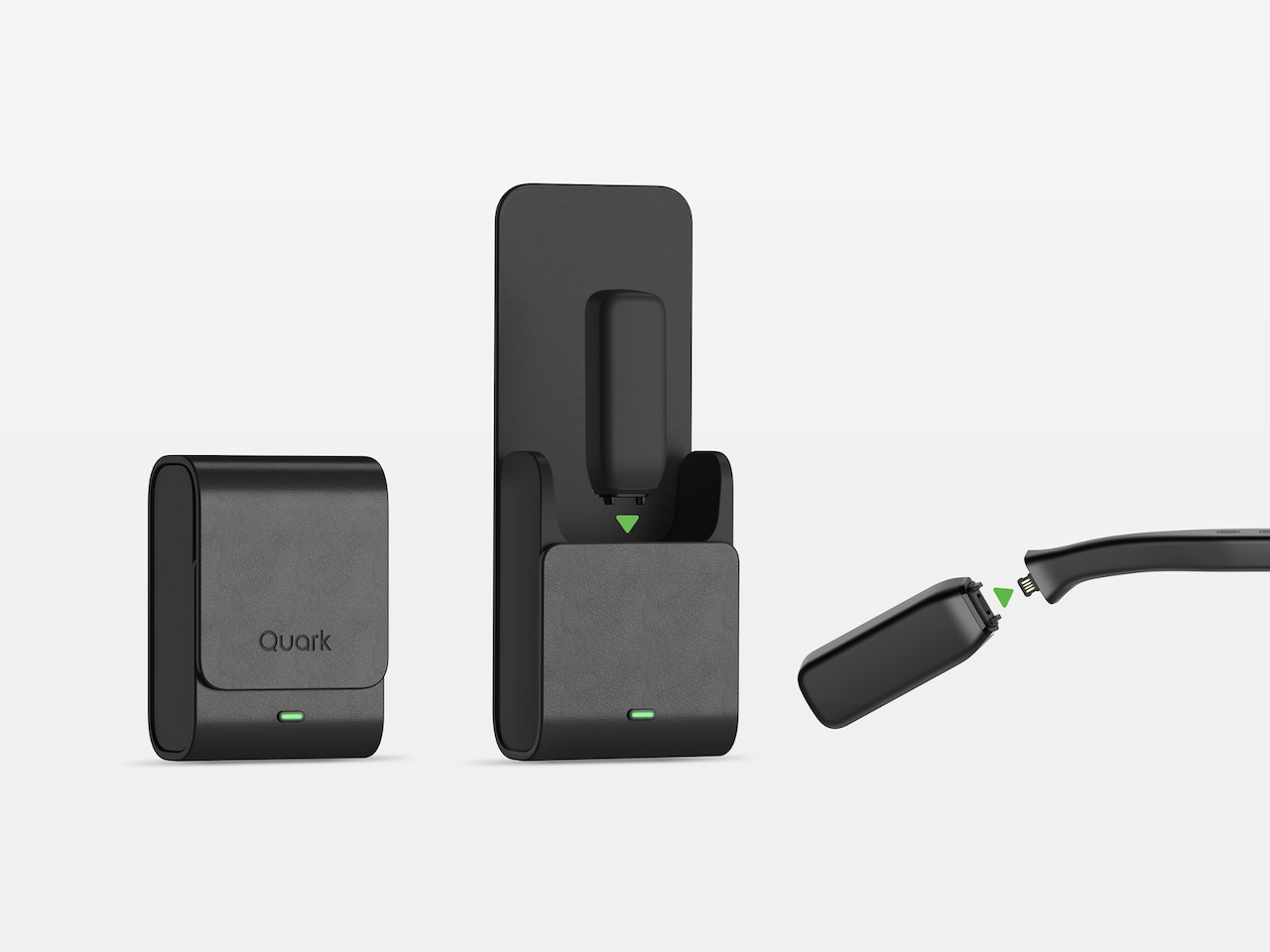
Alibaba bet the other way. The frames still read as glasses, the spare is small enough to forget you’re carrying, and the runtime ceiling jumps from a half day to a full one with no battery breakthrough required.
The deeper question is whether anyone else feels the pressure in 2026. Whether the answer is bigger fixed batteries, smarter low-power modes, or a Quark-style swap is one of the more interesting open questions this year.
Bottom line
The S1 still isn’t a product most Western buyers can pick up at retail, and the China-first ecosystem play makes the value proposition lopsided outside that market. The swappable-battery design has aged well, and the latest update widens the software lead in step with the hardware one.
If you’re tracking where smart glasses go from here, the S1 is the data point you’ve been undervaluing.