

You’ve probably got a phone in a drawer somewhere with a swollen battery, a cracked back, or a screen that finally gave up. For years, the answer was to throw it out and buy the next flagship. That answer’s getting harder to defend in 2026. The European Union’s repairability scoring system is forcing every major brand to rethink internals, and a new wave of repairable phones is finally shipping at every price tier: the modular ones worth buying this year aren’t always the brands with the biggest marketing budgets.
Some of these phones have been quietly building toward this moment for half a decade. Others have only recently committed to the repair-first design language now that EU rules demand it. Either way, the result is the same: phones you can actually open, fix, and keep using.
Here are five modular phones to watch in 2026.
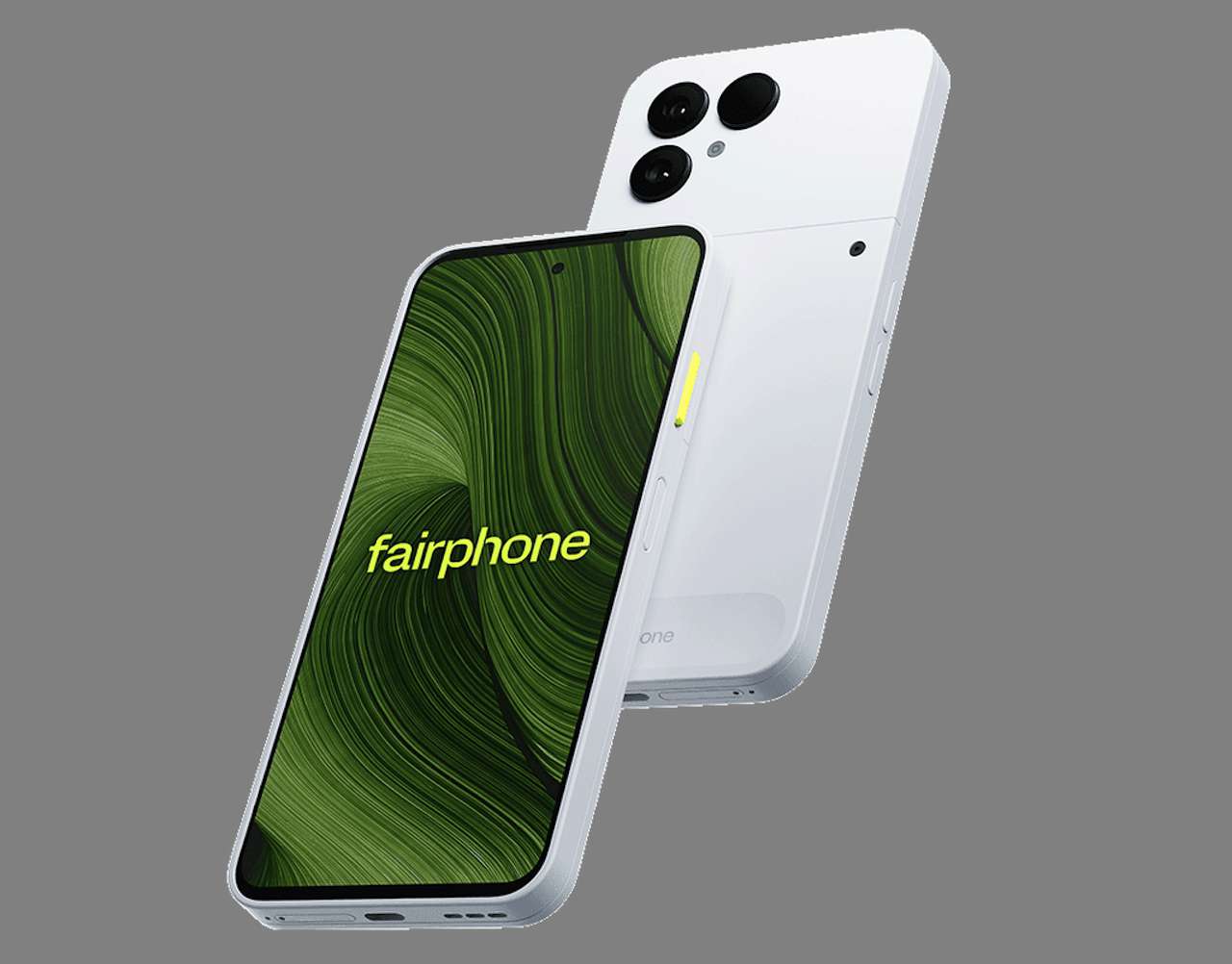
01 Fairphone 6
Price: From €549.00 (About $640)
Where to Buy: Fairphone (EU and global)
If there’s one phone that anchors this entire conversation, it’s the Fairphone 6. Search interest for the model is up roughly 1,025% year over year, and the brand’s case for being the most repairable phone you can buy in 2026 is simple: own it once, repair it for years, and trust the security patches will keep landing through 2033.
The Fairphone 6 splits into five replaceable module groups: battery, display, top unit, cameras and earpiece, and the loudspeaker-and-USB-C-port assembly, all accessed with a single Torx T5 screwdriver. A five-year warranty backs the hardware.
Fairphone commits to seven years of Android OS updates and eight years of security patches from launch, alongside spare parts for at least five years. That’s not a marketing flourish. It’s the actual product spec.
What’s surprising in 2026 isn’t that the Fairphone 6 exists. It’s that the rest of the industry is finally being measured against it.
02 HMD Skyline

Price: $398
Where to Buy: HMD (direct) | iFixit parts | Amazon US
The HMD Skyline doesn’t try to reinvent the phone. It reinvents the screwdriver. HMD’s repair-it-yourself Android uses a single internal screw, attached to a camshaft mechanism, to pop the back cover off in seconds. That one design choice is why iFixit handed the Skyline a 9 out of 10 repairability score, one of the highest any US-channel Android phone has earned in years.
The Skyline ships with genuine HMD parts sold directly through iFixit, with battery, screen, charging port, and back cover all available alongside full repair guides. Each part swaps with basic tools. Wireless Qi2 charging comes baked in, which is rare in the repair-first category.
It isn’t a Fairphone-level commitment to a decade of support, but it’s the closest a brand with US retail presence has come. If you want a daily-driver phone with a 9 out of 10 repair score and a price tag that doesn’t read like a sustainability tax, this is the pick.
03 Murena Teracube 2s
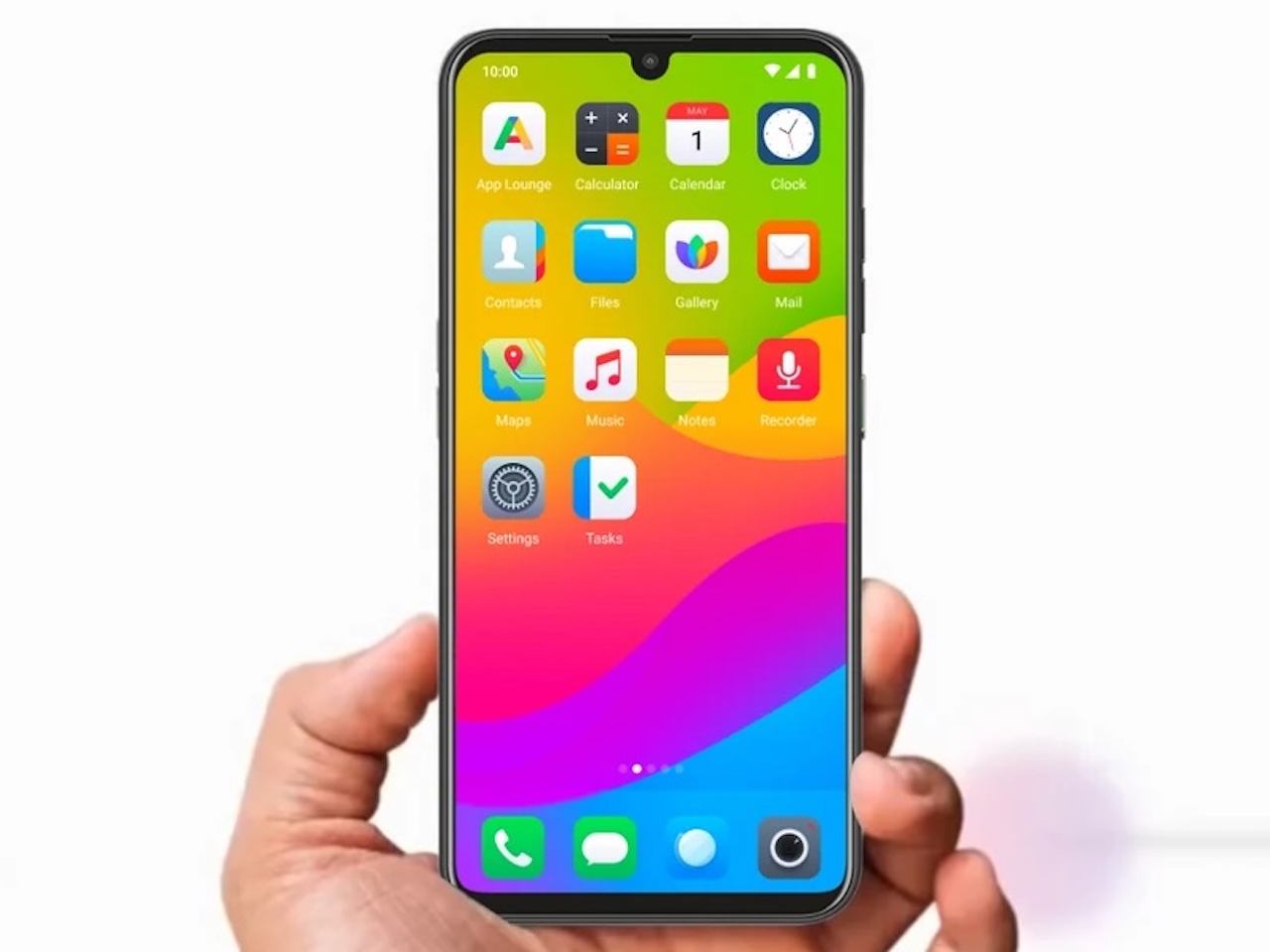 The Murena Teracube 2s is the budget pick that takes the repair promise seriously. Murena launched it in June 2025 as the deGoogled refresh of the long-running Teracube 2 hardware platform, and €389 in Europe or $339.90 through Murena’s America store gets you a swappable 4,000 mAh battery, a modular chassis, recycled-material construction, and a biodegradable case in the box.
Murena’s pitch reaches past the hardware. The Teracube 2s ships with a four-year warranty and a flat fee for accidental repair, which is the kind of post-sale commitment most flagship brands won’t put in writing.
It also runs /e/OS, Murena’s deGoogled Android, for readers who want a privacy footprint that matches the repair ethic.
The specs sit firmly entry-level. The chipset isn’t the point. The point is that a budget phone you can still buy in 2026 can be opened, fixed, and kept alive for years longer than the disposable phones of 2018 to 2022. That’s the category shift, not just a product release.
04 HMD Fusion
 Price: $249.99
Where to Buy: Amazon
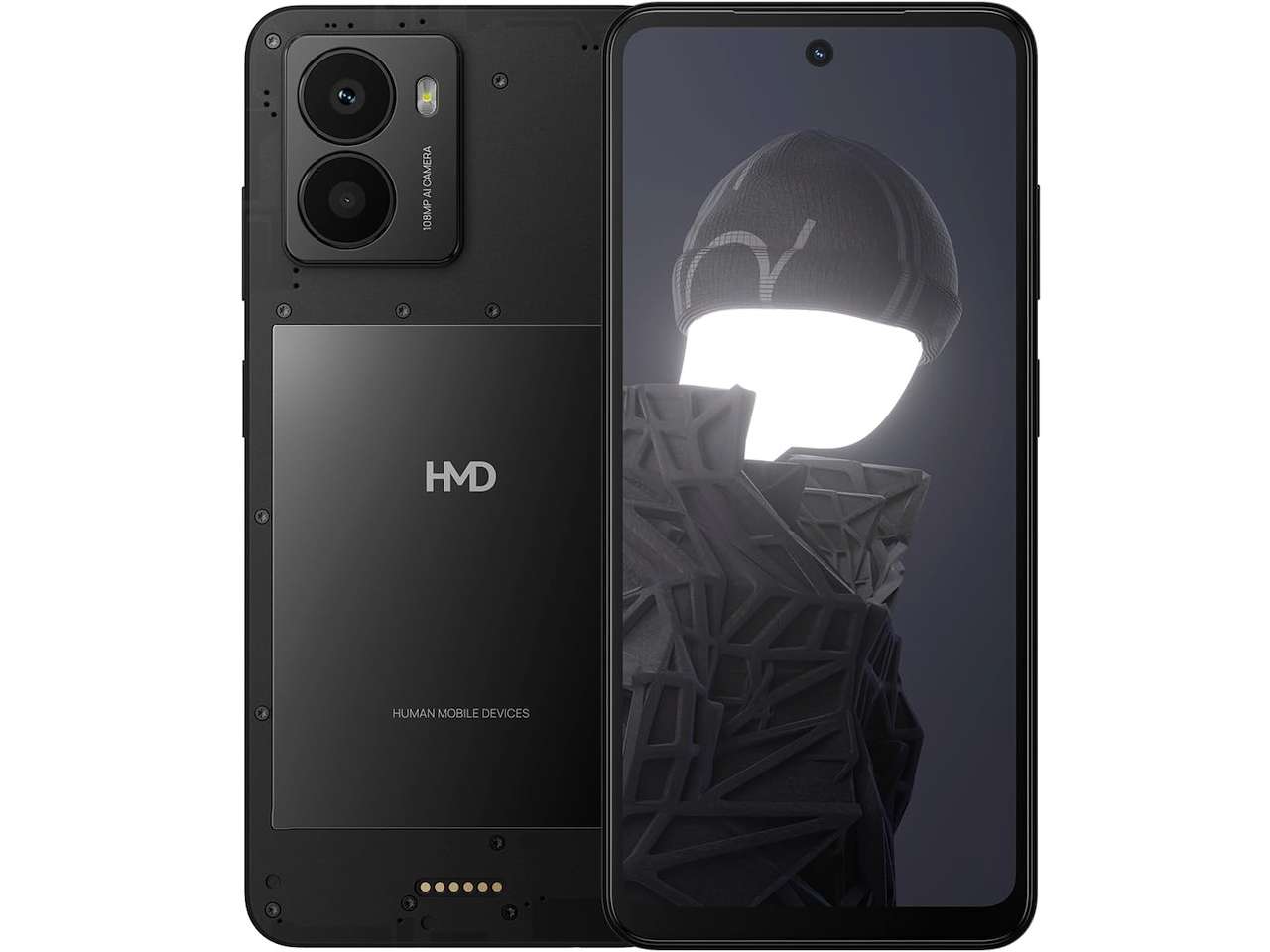
HMD’s Fusion launched in September 2024 at IFA Berlin and is still on shelves in 2026, which is part of the story. Instead of trying to make every internal part swappable, the Fusion bets on the back of the phone. Its “Smart Outfits” system uses a six-pin pogo connector to attach functional back panels that add real hardware: a Flashy Outfit with a ring light, a Gaming Outfit with physical buttons, and rugged-protection panels, with an open-source toolkit so third parties can build more.
The execution matters here. Modular accessories failed once already with Motorola’s Moto Mods and LG’s G5, and both attempts felt expensive and lonely. The Fusion’s pitch is friendlier: a normal phone with a back you can change for a use case, paired with an iFixit partnership for the internals you can’t reach with a magnet.
It’s the first modular phone in years that doesn’t ask you to rethink your entire daily carry. That’s why it works.
05 SHIFTphone 8.1
 Price:€ 759,00 (About $890)
Where to Buy: Vireo
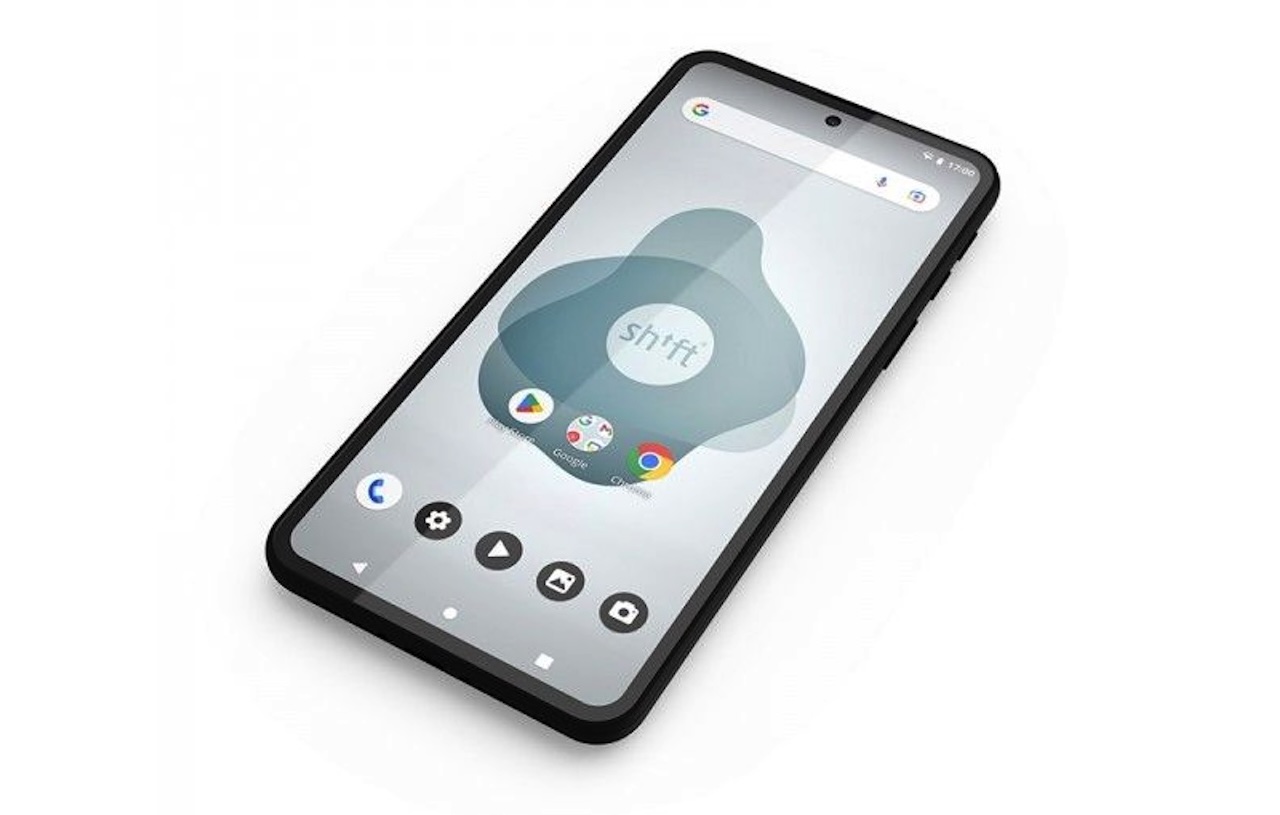
The SHIFTphone 8.1 is the most over-engineered phone on this list, and that’s the compliment. Shift’s eighth-generation phone is the German maker’s first IP-certified device, carrying an IP66 dust and water resistance rating, a first for a fully modular phone. The 8.1 refresh launched in November 2025 through NovaCustom with iodéOS pre-installed, layering privacy-focused software on top of the modular chassis.
The headline feature isn’t the swappable battery, though that’s here too. It’s the pair of hardware kill switches sitting beneath the battery cover, one for the cameras and one for the microphones.
Flip them with a paperclip and your phone is physically incapable of listening or watching, no software toggle required.
It won’t outsell anything you’ve heard of. It matters because it shows what’s possible when a small team designs around repair, privacy, and sustainability from day one, instead of bolting any of those on after a regulatory deadline.
What this list means for 2026
Three years ago, a list like this would’ve been mostly aspirational. Concepts. Crowdfunded one-offs. The Fairphone line, and that was it. In 2026, the list is real, the brands are diverse, and the price ladder runs from sub-$300 to flagship. The phones you can actually fix are no longer the phones nobody wants to use.
If you’re upgrading this year and you want the next phone in your hand to outlast the warranty, start with these five. The one that fits your budget probably also fits your repair tolerance, and that wasn’t true at any point in the last decade.


Gadgeteer Comment Policy - Please read before commenting
Fabulous list and helpful summaries. Here is where I always get stuck: I’m hard on phones. Every phone I own gets put into a waterproof case before it’s allowed out of the carpeted rooms of my house.
Do any of these have true wireless case support? Lifeproof/Otterbox, BodyGlove, Casebus, etc? Not just a TPU bag.