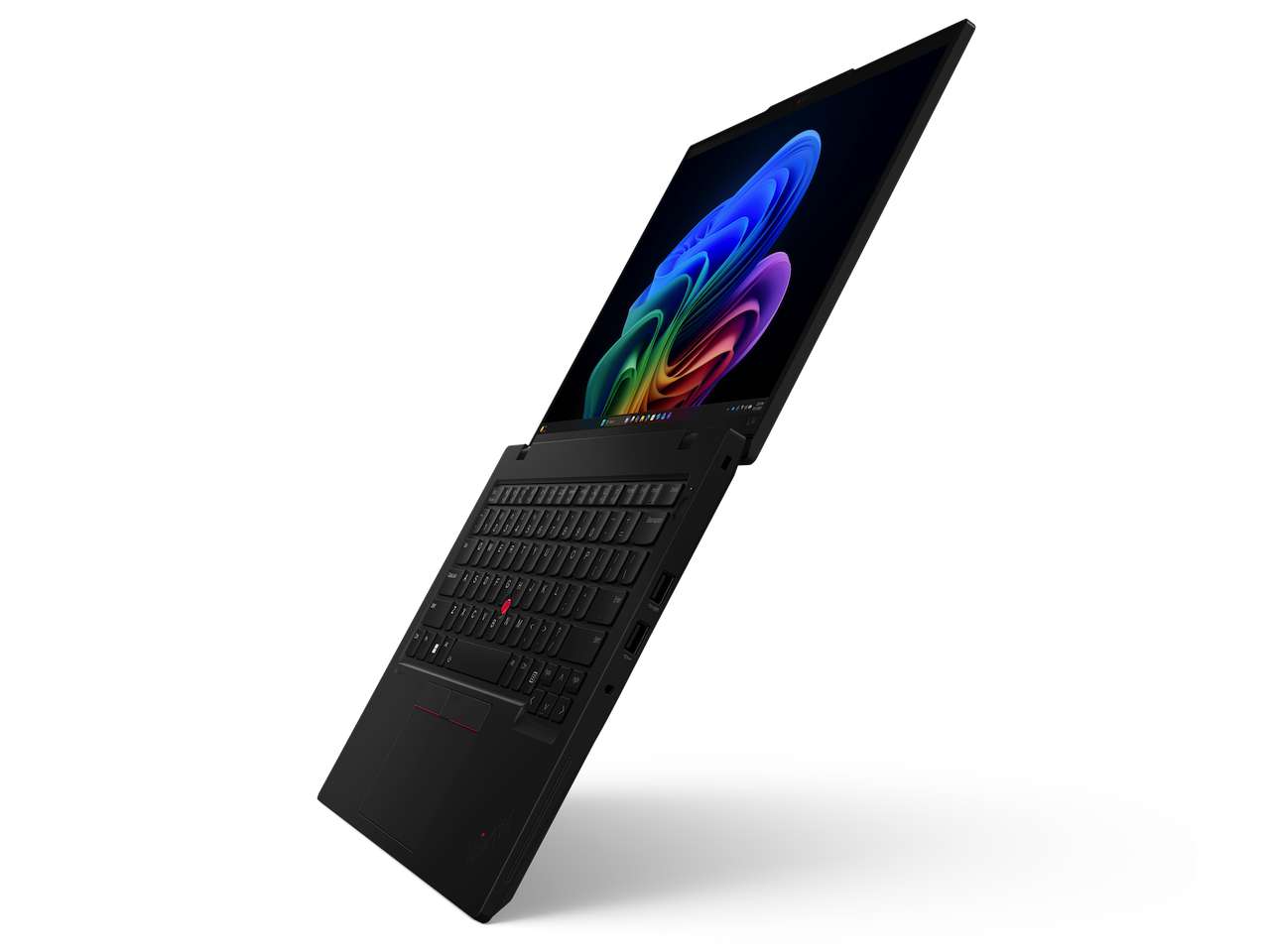
The ThinkPad L-series sits in the part of Lenovo’s lineup that IT teams pick by the pallet and end users rarely think about. It’s been the value tier, the one priced for refresh cycles rather than headlines. The Gen 7 L14 is the one that changes that math without changing the budget, and it does it twice over: once on Intel, once on AMD.
Both versions hit the same 50 TOPS NPU ceiling. Both clear the Copilot+ PC bar. Both ship in the same 1.39 kg chassis with the same screen options and the same fleet-deployable wireless story. For the first time in the L-series, the processor question is genuinely a coin flip rather than a feature trade.
That parity is the actual news. The on-device AI floor is now the new floor on both camps.
The Intel side of the bet
The Intel variant runs up to Intel Core Ultra 7 Series 3 with a 50 TOPS NPU. That’s the same on-device AI threshold the consumer halo laptops use, now riding inside a 14-inch enterprise notebook built for fleet purchasing. Voice-call denoising, live captions, and Studio Effects you’ve been hearing about for premium hardware now ship on the value tier.
Intel’s side adds vPro-enabled security as part of ThinkShield, plus the Intel Connectivity Performance Suite layer for IT teams managing distributed fleets. If your shop standardized on Intel client devices, the L14 Gen 7 (Intel) doesn’t ask you to compromise to get into Copilot+ PC territory. Wi-Fi 7 “5 Gig” is the Intel-branded silicon on the wireless side.
The AMD side of the bet
The AMD variant runs up to AMD Ryzen AI PRO 400 Series with a 50 TOPS NPU and integrated AMD Radeon graphics. The NPU number matches, the chassis weight matches, and the screen options match. What changes is the iGPU floor (Radeon typically outpunches Intel integrated graphics on light creative and casual gaming workloads) and the manageability stack.
AMD PRO Security and Manageability handles the role Intel vPro plays on the Intel side. Remote provisioning, firmware-level security, and managed sleep are all there. If your shop already standardized on AMD client devices, this is the L-series tier you’ve been waiting for.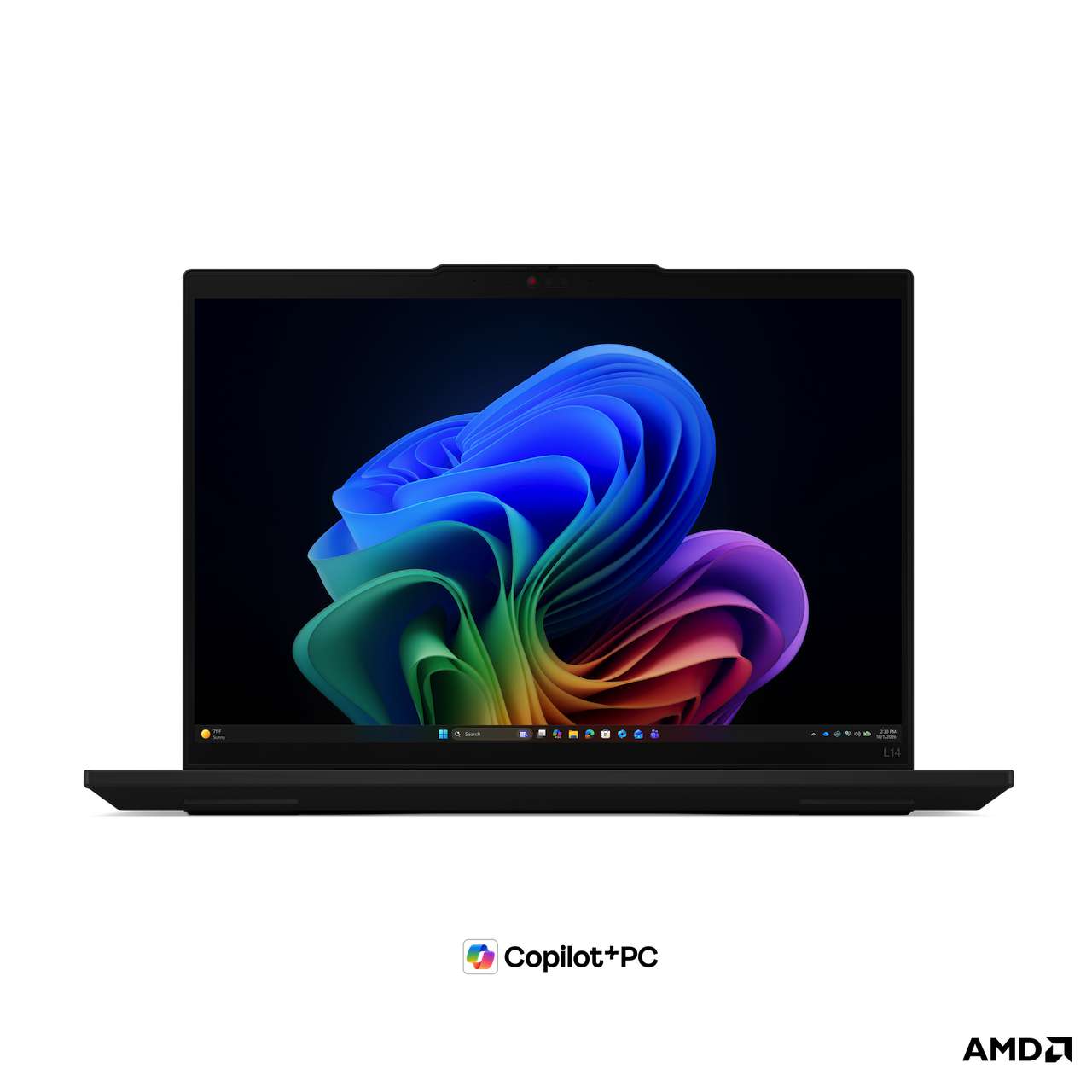
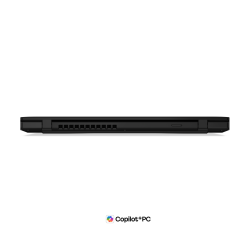
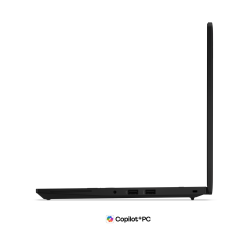
Chassis dimensions are reported on different reference points across the two datasheets, so a clean taper comparison is not really apples to apples. The AMD model lists 313.7 x 226 mm with thickness called out as 11.32 mm at the front edge and 17.01 mm at the back. The Intel model lists 313.6 x 221.7 mm with thickness called out as 21.95 mm at the rear and 15.88 mm at the front. Treat those numbers as datasheet citations, not a head to head taper read. Weight lands identically at 1.39 kg on both variants.
What both versions share
Memory caps at 64 GB of DDR5 at 5600 MT/s across dual SODIMM slots on both, and Lenovo lists it as CRU (Customer Replaceable Unit, i.e. user-serviceable) on both datasheets. Storage tops out at 2 TB of PCIe Gen4x4 SSD in the 2280 form factor on both, also CRU. That matters when this is the laptop your IT team is going to pry open at year three to upgrade rather than replace.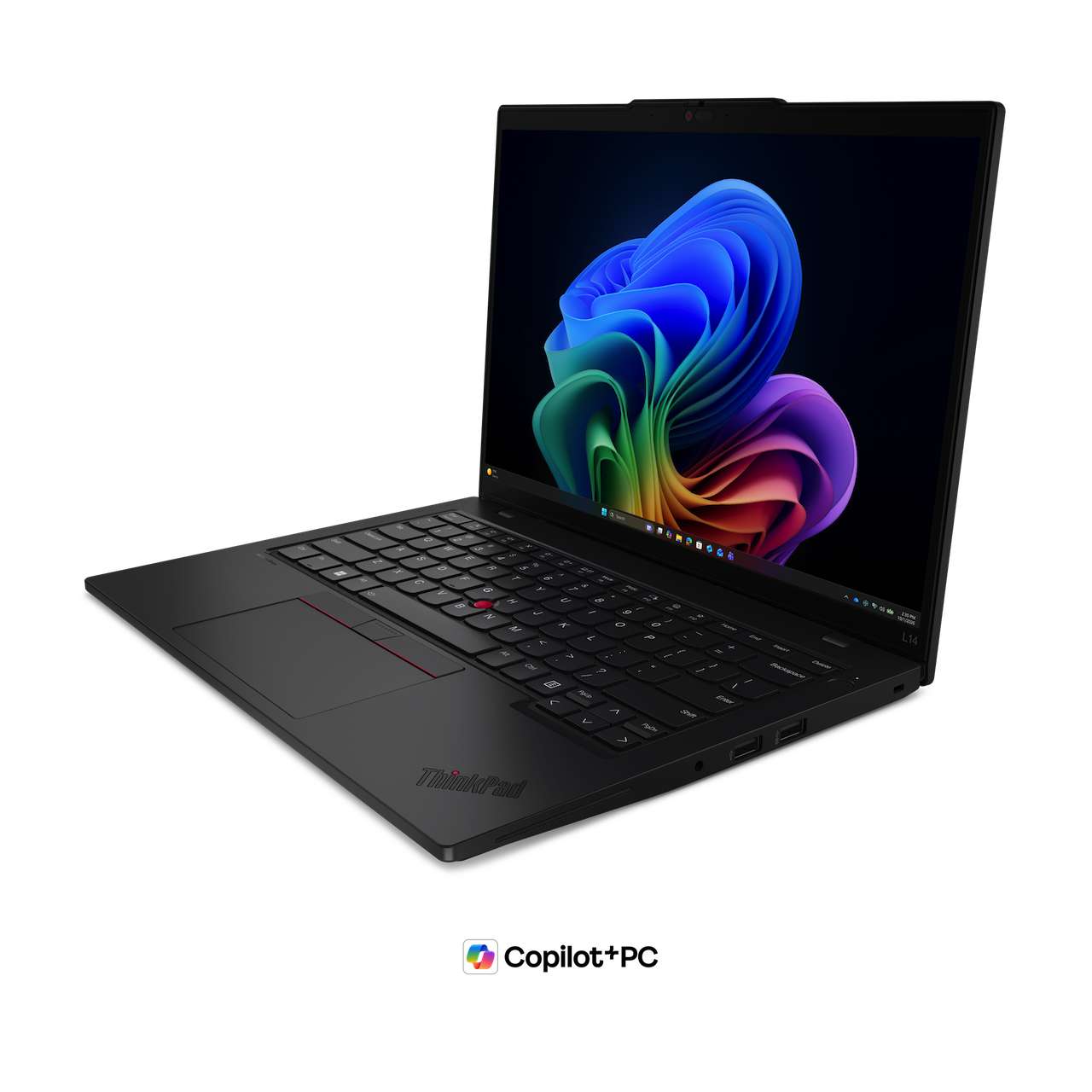
Three 14-inch WUXGA IPS panels are on the menu across the lineup: a 400-nit non-touch, a 400-nit touch with low blue light, and a 500-nit low-power option that hits 100% sRGB. The 500-nit panel is the one that matters if you spend any time looking at color-critical material. Keyboard is the spill-resistant ThinkPad TrackPoint design with 1.5 mm travel and a 115 x 56 mm three-button TrackPad.
Battery options are 57 Whr or 46.5 Whr, both made from 90% post-consumer recycled content. Charging is USB-C Power Delivery up to 65 W with RapidCharge, so you’re not stuck carrying a brick. Two Thunderbolt 4 ports run at 40 Gbps with Power Delivery 3.0 and DisplayPort 2.1, three USB-A ports cover the legacy side, plus HDMI 2.1, RJ45, audio combo, Smartcard, and NanoSIM with WWAN-ready Cat6 support.
Choosing between the two
The practical buying question splits cleanly. If your fleet already runs Intel vPro at the management layer, the Intel variant slots straight in. If you’re cross-shopping AMD Ryzen PRO for the iGPU bump on Premiere proxy edits or local LLM inference, the AMD variant probably reads better on a TCO basis.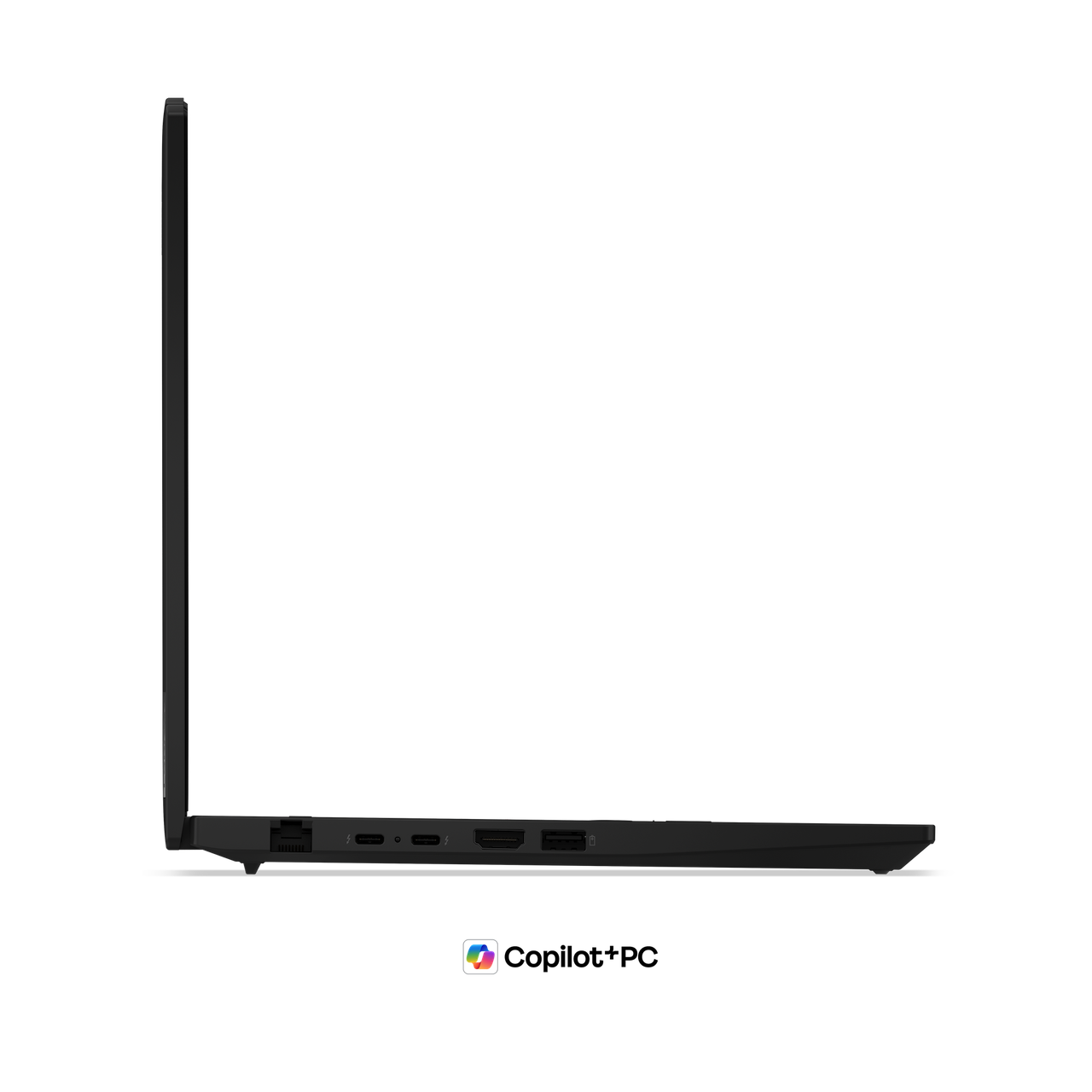
Battery life under mixed productivity load is where the AMD efficiency story usually plays best on the larger 57 Whr cell. Neither side asks you to give up Copilot+ PC features, which is what makes this a genuine parallel buy rather than a tiered upsell.
Security, sustainability, and the procurement story
Lenovo’s ThinkShield stack covers both variants. The Intel SKU adds Intel vPro security; the AMD SKU adds AMD PRO security and manageability. Both ship the Power-On Touch Fingerprint Reader, optional IR camera, dTPM 2.0, a Kensington Nano Lock Slot, and the webcam shutter. Software adds Lenovo Commercial Vantage, Lenovo Smart Connect, Dolby Settings, and Smart Noise Cancellation (Intel-side configurations also include the Intel Connectivity Performance Suite).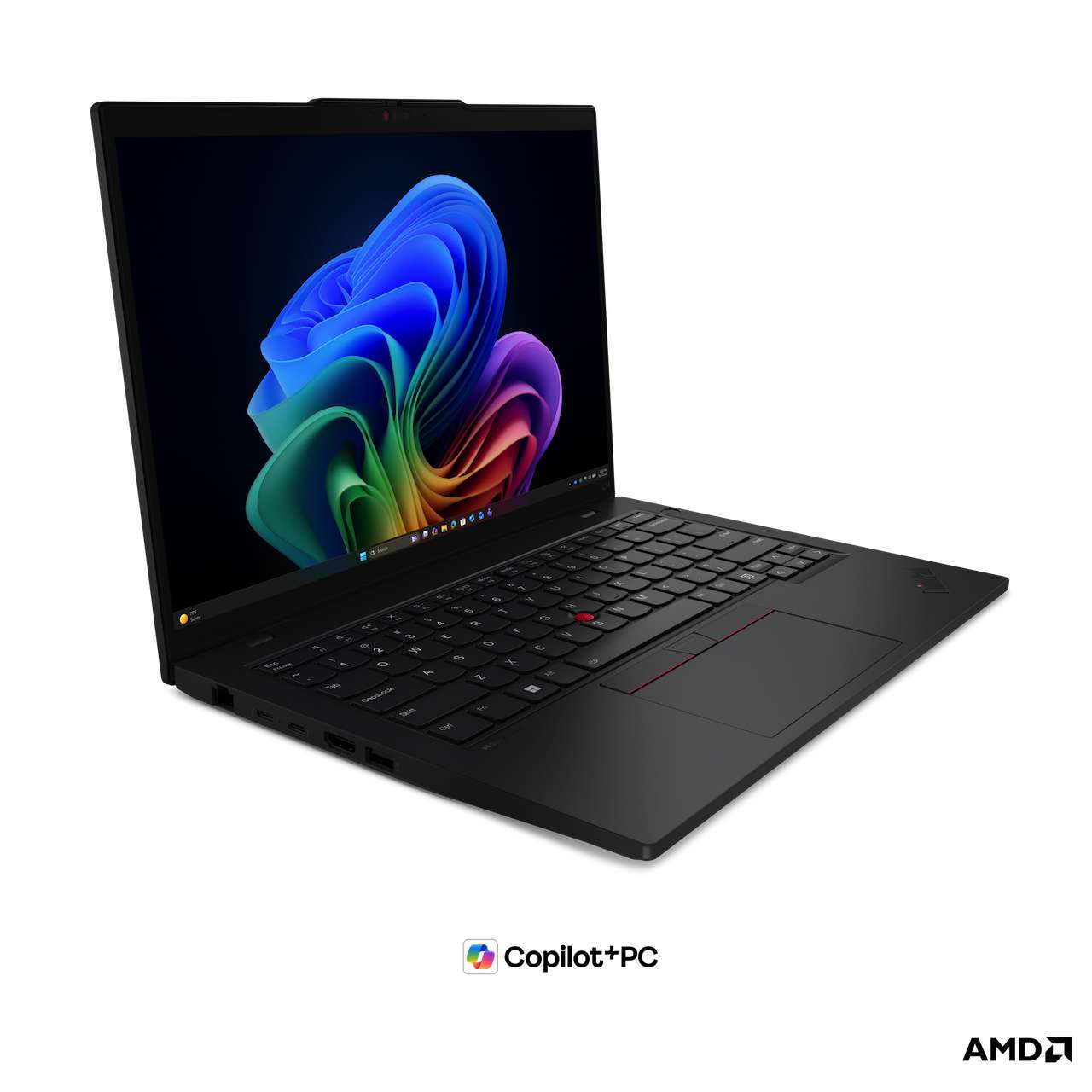
Recycled content sits at a total post-consumer mix of 24.23 to 32.62% on both variants, packaging is 100% recycled, and certifications include ENERGY STAR 9.0, EPEAT Gold in the US, Canada, and Germany, TCO 10.0, CO2 Offset, and MIL-SPEC 810H. That stack matters because ThinkPad sustainability disclosures have moved from marketing footnote to procurement requirement.
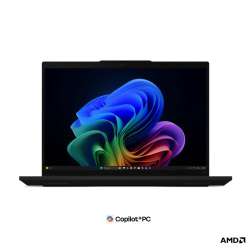
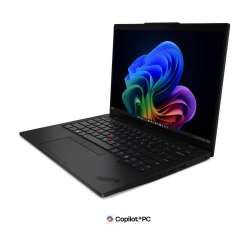
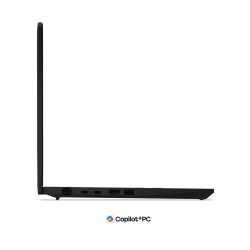
Availability and pricing weren’t locked in the embargoed brief and should land closer to launch. The bigger signal is that on-device AI has reached the laptop tier most enterprise buyers actually deploy, and Lenovo’s covered both processor camps at the same ceiling. The Copilot+ PC tag isn’t a halo product feature anymore, it’s the new floor on either side of the silicon aisle.