HUAWEI’s been quietly stacking its lineup with releases that aren’t getting the airtime they earn. Two of them landed this spring and they’re the ones reshaping how the ecosystem hangs together: the WATCH FIT 5 Series and the MatePad Pro Max. Around them, four current-generation devices round out an ecosystem story that’s pushing into territory most rivals are still mapping out.
If you’ve been waiting to see what HUAWEI’s actually building toward this year, these are the six devices that explain it.
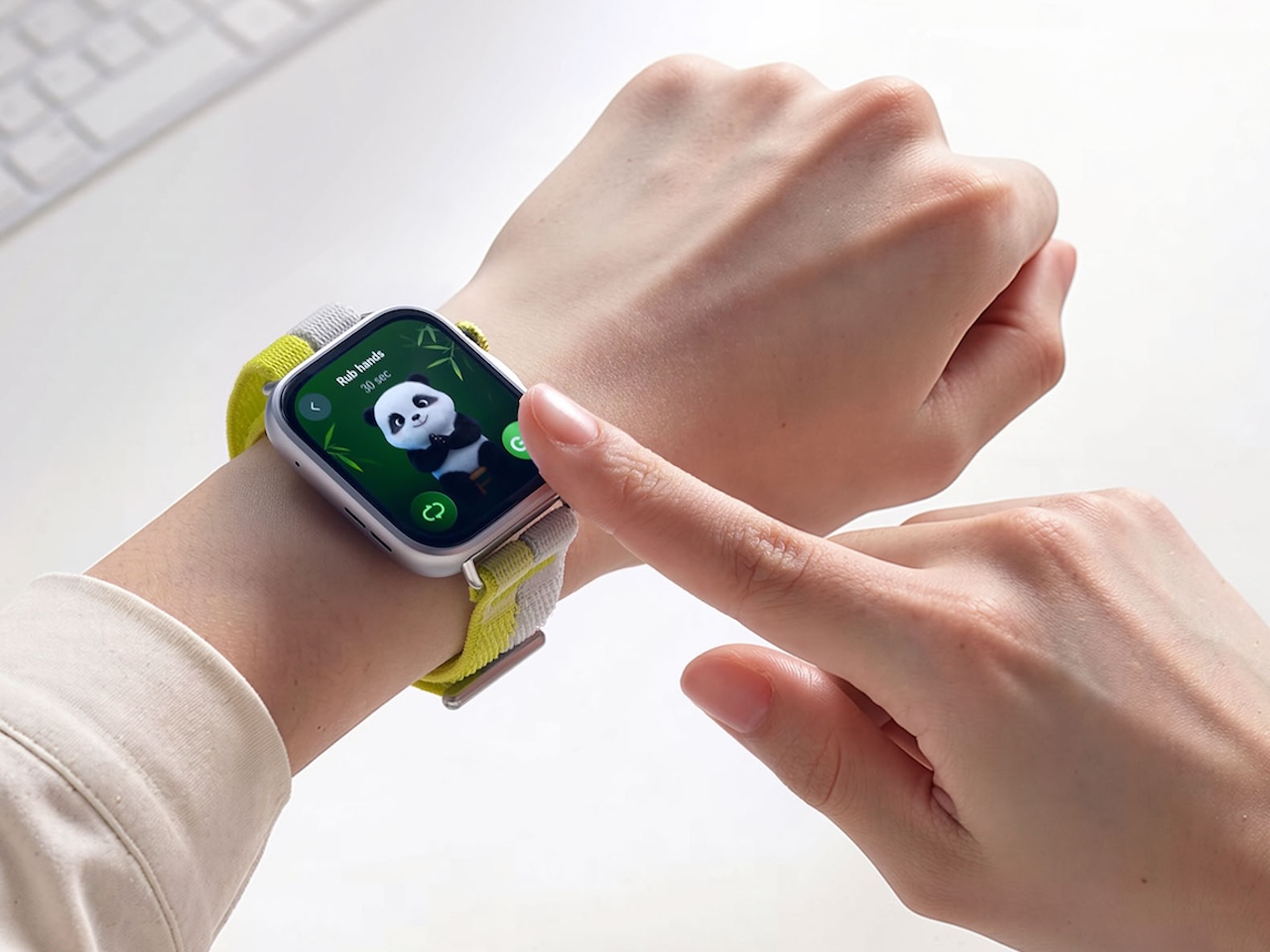
HUAWEI WATCH FIT 5 Series, the fitness band that finally acts like a real watch
The FIT line always sat in an awkward spot. It looked like a smartwatch, priced like a fitness band, and felt like neither. The FIT 5 Series flips that. The base FIT 5 ships with a 1.82-inch AMOLED at 2,500 nits peak, while the FIT 5 Pro stretches that to 1.92 inches and 3,000 nits with a sapphire crystal cover, both running on HUAWEI’s TruSense System and a 471 mAh battery.
I’d been hoping the FIT 5 Pro would close the design gap with the WATCH GT line, and the early look says it does. The rectangular case feels less plasticky in the hand than the FIT 3, and the strap mounts are finally flush enough that the watch sits flat under a sleeve. If you’ve been wearing a FIT 2 or FIT 3 and felt the silhouette starting to date, this is the swap that earns itself back.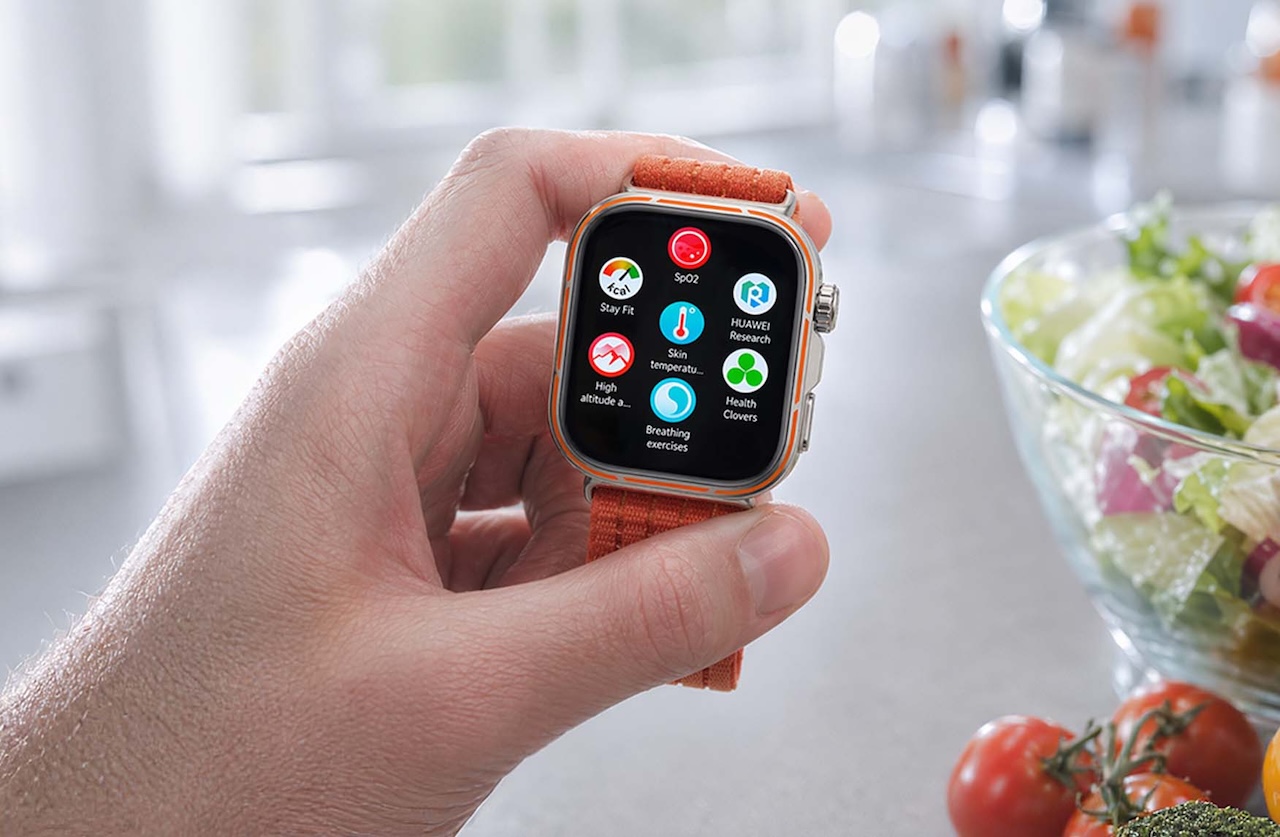
Price: From £159.99 (About $200)
Where to Buy: Huawei
The pricing line is what makes or breaks this generation. The FIT 5 base lands at around €199 at EU launch, with the FIT 5 Pro stepping noticeably above that for the titanium alloy bezel, aluminum mid-frame, and 40-meter free-dive certification. That’s a step up from earlier FIT generations, but it’s still well under what Samsung and Apple charge for their rectangular wearables.
Battery is where I want to see hands-on testing land. HUAWEI claims up to 10 days of light use and 7 days of typical use on the FIT 5 series, and the brand’s battery numbers have historically matched real-world use better than most. If the FIT 5 holds up the way the GT 4 did, you’re looking at a watch you can genuinely forget to charge for a workweek.
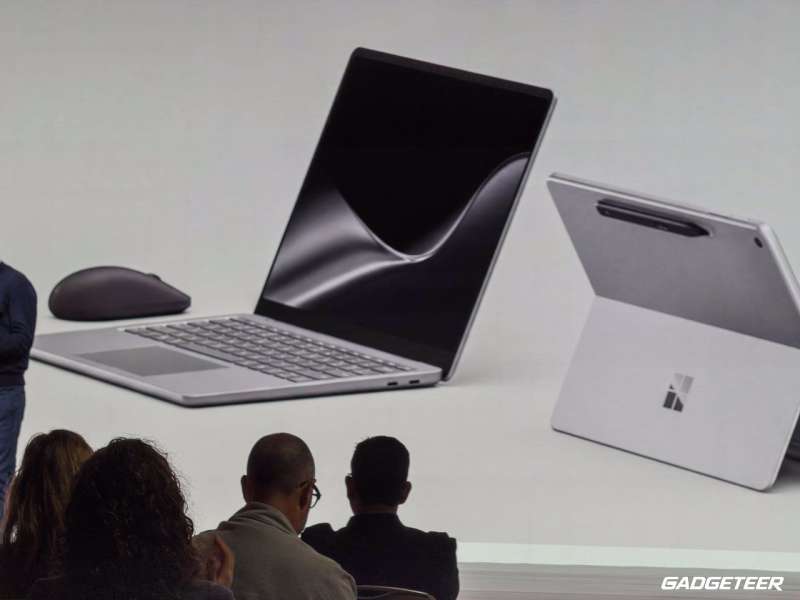
HUAWEI MatePad Pro Max, the 13.2-inch tablet swinging at the laptop class
Tablets stopped being interesting a few years ago. The MatePad Pro Max isn’t a tablet pitch anymore, it’s a HarmonyOS productivity pitch. The Max badge isn’t subtle marketing, and the spec sheet backs it up.
The Pro Max runs a 13.2-inch 3000×2000 Flexible OLED panel at 144Hz with a 1,600-nit peak, packed into a 4.7mm body that weighs 499g (the PaperMatte Edition is a separate SKU and weighs 509g). The spec sheet pairs 12GB of RAM with either 256GB or 512GB of storage, six speakers, and a 50MP rear camera that’s overkill for a tablet and exactly the point.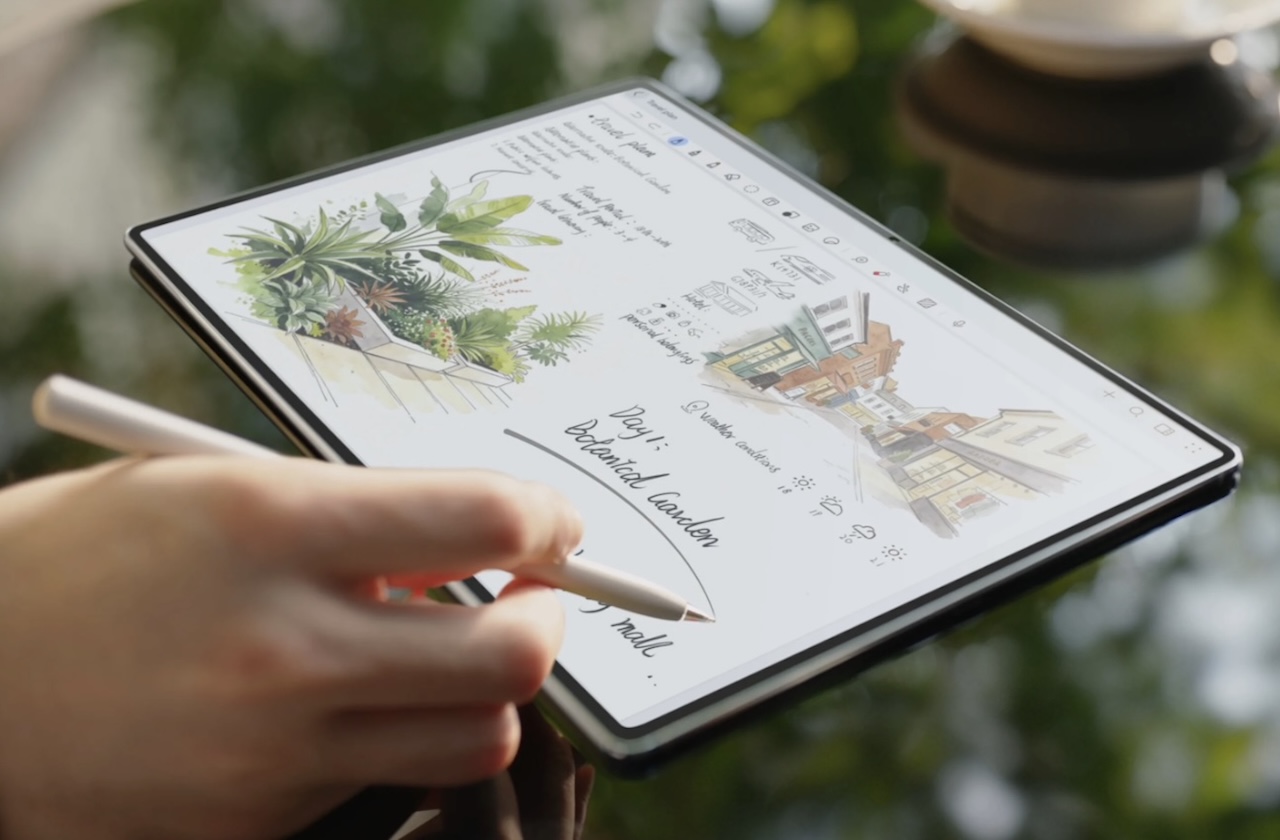
Price: From $1,399
Where to Buy: Huawei
What stands out is how the M-Pencil and keyboard ecosystem has matured. Earlier MatePad Pros got close to laptop-replacement but kept tripping on small things like app density and multi-window behavior. HUAWEI’s HarmonyOS updates over the last two cycles addressed most of those friction points, and the Pro Max ships with the polish that previous generations needed. The PC Mode UI in particular reads less like a tablet trying to be a laptop and more like an actual second OS that knows what it is.
If you’ve been watching Apple lock down ProRes workflows or Samsung lean harder into DeX, the Pro Max is HUAWEI’s version of that conversation. It’s a flagship that’s meant to anchor the lineup, not just sit alongside it.
The one open question is software access in regions where Google Mobile Services aren’t bundled. HUAWEI’s Petal Search, AppGallery, and GBox workarounds keep getting better, but it’s still a different setup ritual than an iPad or a Galaxy Tab S. Worth knowing before you commit.
HUAWEI WATCH GT 5 Pro, the smartwatch you forget you’re wearing
The GT 5 Pro does the one thing flagship smartwatches keep failing at: it lasts. HUAWEI claims up to 14 days max and 9 days typical on the 46mm. Low-power sensor tuning instead of the always-on AMOLED arms race, and the result is a watch you charge on weekends.
The titanium finish on the 46mm feels like a detail HUAWEI used to save for the Ultimate line (the 42mm swaps in nanocrystal ceramic). It’s lighter on the wrist than most flagship Galaxy Watches and less overbuilt than a Garmin Fenix. If you want a smartwatch that disappears during sleep tracking and still looks like a real watch in a meeting, this is it.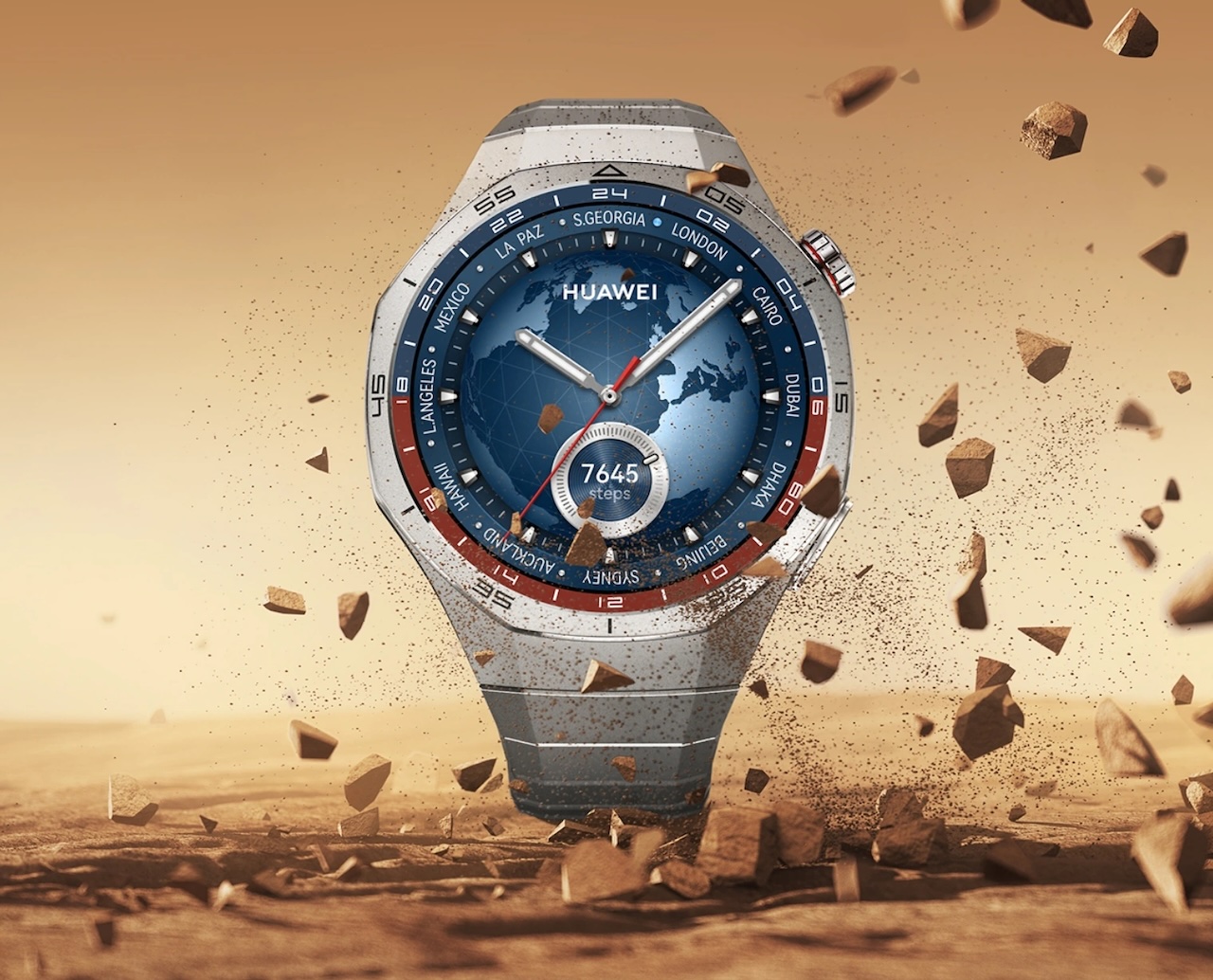
Price: $304 SGD
Where to Buy: Amazon
Health tracking is where the GT line pulls ahead. Dual-band GPS and the TruSense System sensor block deliver workout data that holds up against dedicated sports watches, with a six-sensor module covering heart rate, SpO2, skin temperature, and ECG. Who should buy it: anyone who wants two-week battery, workout-grade tracking, and a flagship smartwatch that still looks like a watch first.
HUAWEI FreeBuds Pro 4, earbuds that finally read your room
The FreeBuds Pro 4 don’t try to out-spec AirPods Pro on paper. They try to out-fit them. The 11mm dynamic driver pairs with a planar diaphragm tweeter, and the three-layer shape-memory foam tips claim 30% better noise cancellation than the Pro 3. The comfort gap between a thirty-minute session and a four-hour one is gone.
Adaptive ANC is the headline. The buds read the ambient floor and dial noise canceling up or down across four sub-modes (dynamic, cosy, general, ultra) without you touching anything, which sounds obvious until you’ve used buds that don’t do it. Voice calls are the other quiet win, with third-party testing showing the mic array filtering ambient noise up to 100 dB(A).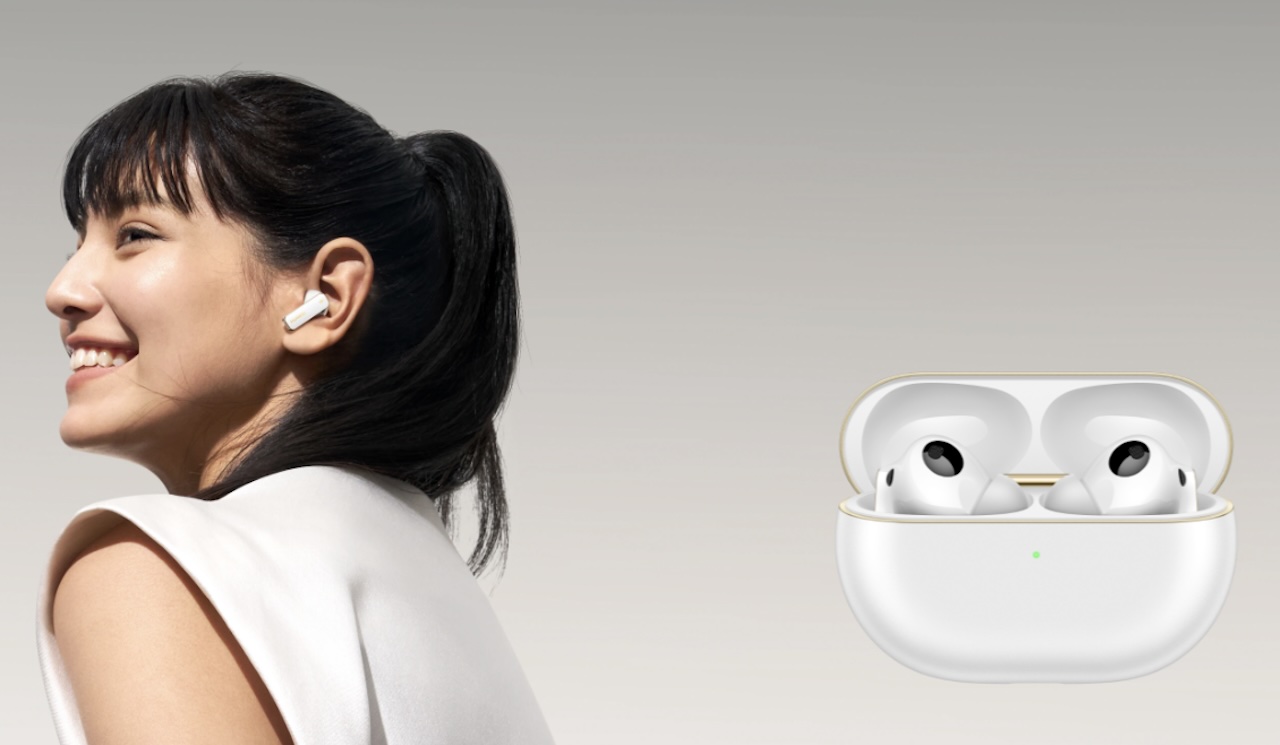
Price: $216 SGD
Where to Buy: Amazon
Inside the HUAWEI ecosystem, the handoff between the MatePad Pro Max and the FreeBuds Pro 4 happens without a setup ritual. Outside it, Bluetooth multipoint holds its own next to AirPods on iOS. Who should buy them: HUAWEI tablet or phone owners chasing the deepest ecosystem handoffs, plus iOS users who care more about adaptive ANC than brand lock-in.
HUAWEI Mate XT Ultimate Design, the trifold that nobody’s matched yet
The Mate XT keeps being the foldable conversation everyone else is still chasing. HUAWEI was the first to commercialize a trifold globally, and the polish of two generations of hinge engineering shows in the in-hand feel. Samsung’s Galaxy Z TriFold finally entered the category in early 2026, which makes the conversation more interesting, not less, but the Mate XT’s HarmonyOS layout work remains the deeper differentiator.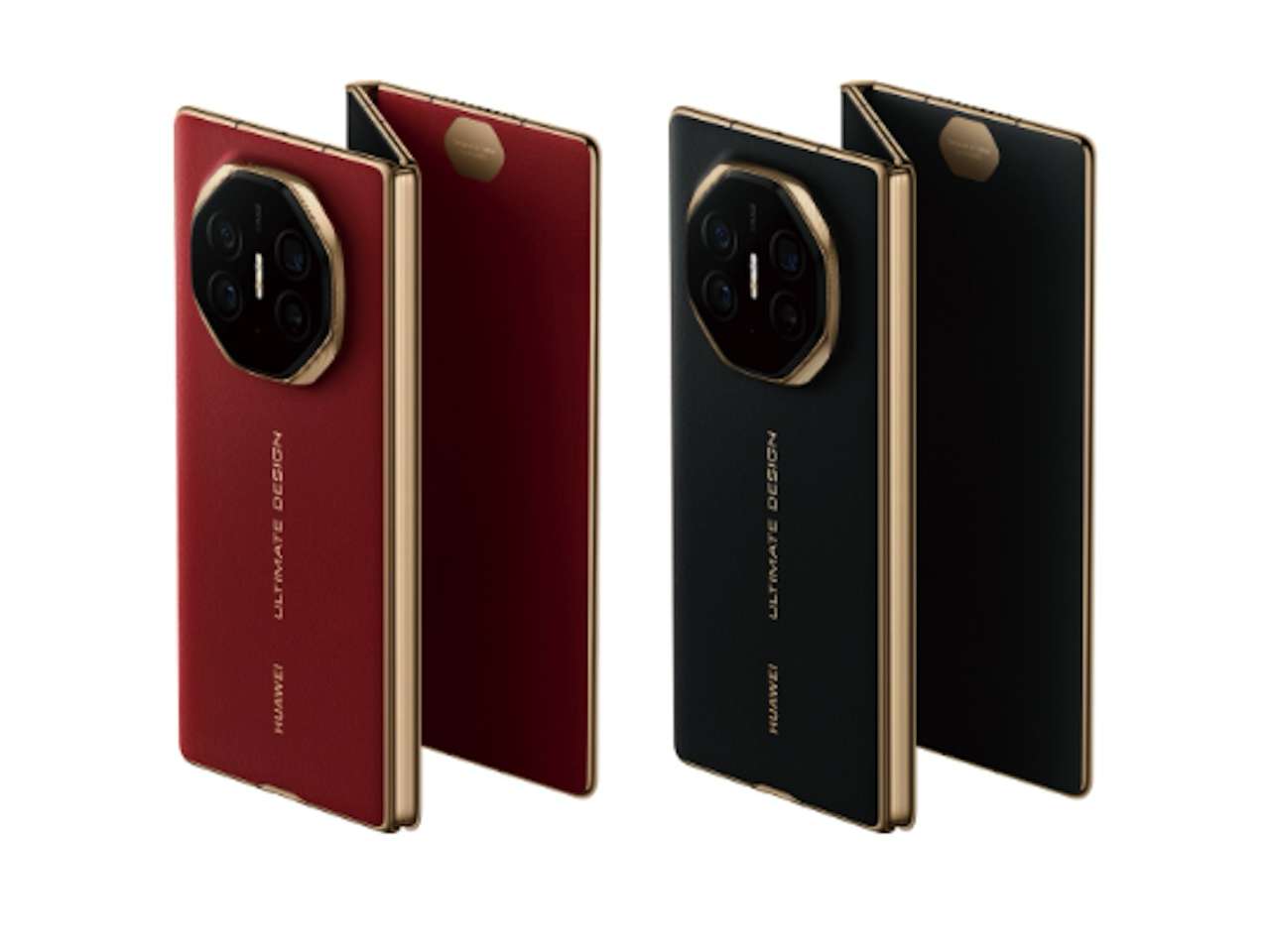
Price: From 19,999 yuan (About $2,800 USD)
Where to Buy: Huawei
It’s not a phone for everyone. It’s expensive, it’s regional, and the software story is HarmonyOS-only. But if you’re the kind of buyer who wants the device that genuinely doesn’t exist anywhere else, the XT is still it. The unfolded experience reads more like a small tablet than a phone, which is exactly why it works as a productivity device when paired with a FreeBuds Pro 4 and a MatePad Pro Max.
For the readers who watch the foldable category as a leading indicator, the Mate XT is the device that tells you where HUAWEI’s hinge engineering and HarmonyOS layout team are heading next. Who should buy it: early-adopter buyers in supported regions who want the trifold experience nobody else is shipping at this polish level yet.
HUAWEI FreeArc, the open-ear pair that nailed the fit
Open-ear earbuds usually fail in one of two ways. They either slip off mid-run, or they sound like a phone speaker held an inch from your ear. The FreeArc skips both. The Ni-Ti shape memory alloy hook wrapped in liquid silicone holds the ear with enough tension to stay put during a run, and the IP57 rating means rain and pool-deck splashes aren’t a concern.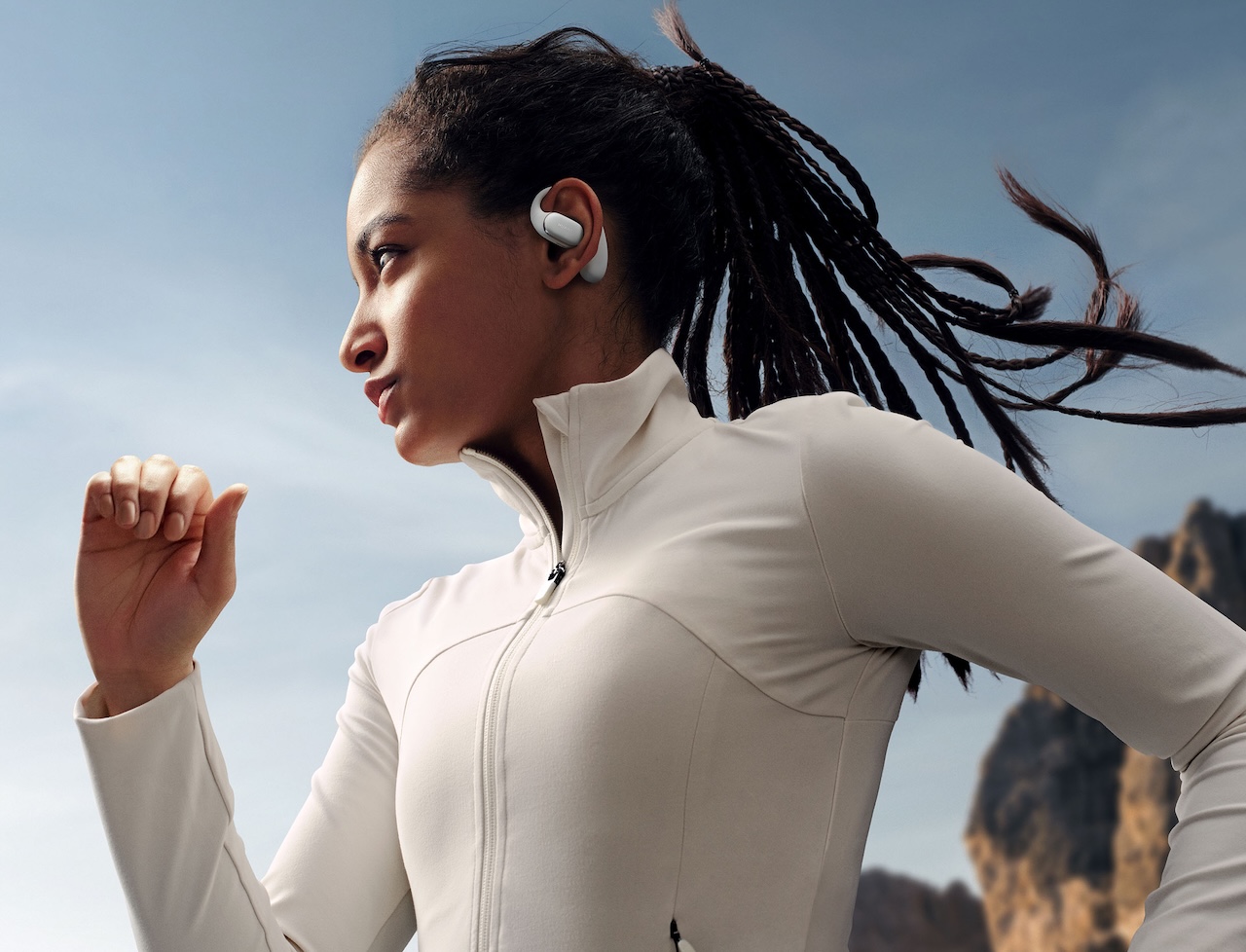
Price: £59.66
Where to Buy: Amazon
I keep coming back to the FreeArc for outdoor sessions where I want to hear the road. At £99.99 in the UK and available in Black, Gray, and Green, the combination of stable fit, 28-hour total battery with the case, and a price that sits well below the open-ear flagships from Shokz or Bose makes them an easy second pair to keep around.
For anyone in the HUAWEI ecosystem who’s been waiting for a wearable that handles workouts without the in-ear seal of the FreeBuds Pro 4, this is the answer.
Why this lineup matters
HUAWEI’s playing a longer ecosystem game than the launch volume usually gets credit for. Each of these six devices clicks into the next: the FIT 5 Series talks to the MatePad Pro Max, the GT 5 Pro shares health data with the FreeBuds Pro 4 audio coaching, and the Mate XT acts as the central hub. None of this is unique to HUAWEI on paper, but the polish level of the handoffs is.
If you’re shopping inside the brand, the WATCH FIT 5 Series is the entry point that delivers the most upgrade-per-dollar. The MatePad Pro Max is the flagship that genuinely changes what the lineup feels like. The other four fill in the gaps that round out a real ecosystem story, not a checkbox lineup.
Watch this list refresh when HUAWEI’s next wave drops later this year. The cadence on new HUAWEI products has been picking up, and there’s no sign of it slowing down.