Google I/O 2026 was an AI keynote with a hardware coda. The keynote ran almost entirely on Gemini 3.5, Gemini Spark, a Search rebuild, and agentic tools, then Google saved the last segment for the hardware story it has been building toward for two years: smart glasses.
The hardware list out of Shoreline this week is short, deliberate, and almost entirely on your face. There are no new Pixel phones, no Nest devices, no Pixel Watch, no Pixel Buds, and no Pixelsnap updates, all of that is saved for the August Pixel event. Here are the four hardware moments worth tracking, what each one actually changes, and what to do (or not do) before the fall ship window.
1. Intelligent Eyewear: two tiers, three brand partners, fall 2026
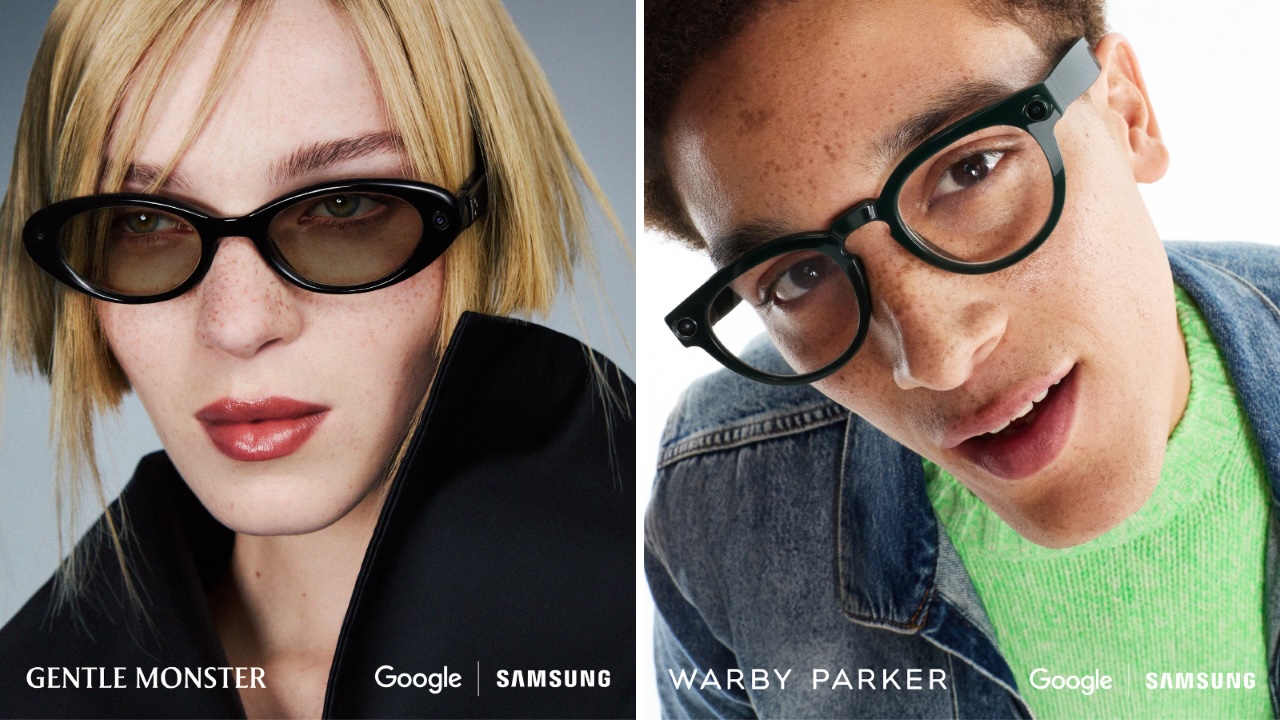
Google confirmed the first wave of “Intelligent Eyewear” in partnership with Gentle Monster, Warby Parker, and Samsung. The category is split into two tiers: an audio-only tier that ships this fall, and a display tier that shows information “right when you need it,” with no announced ship date or partner list. The audio glasses will pair with both Android and iOS devices.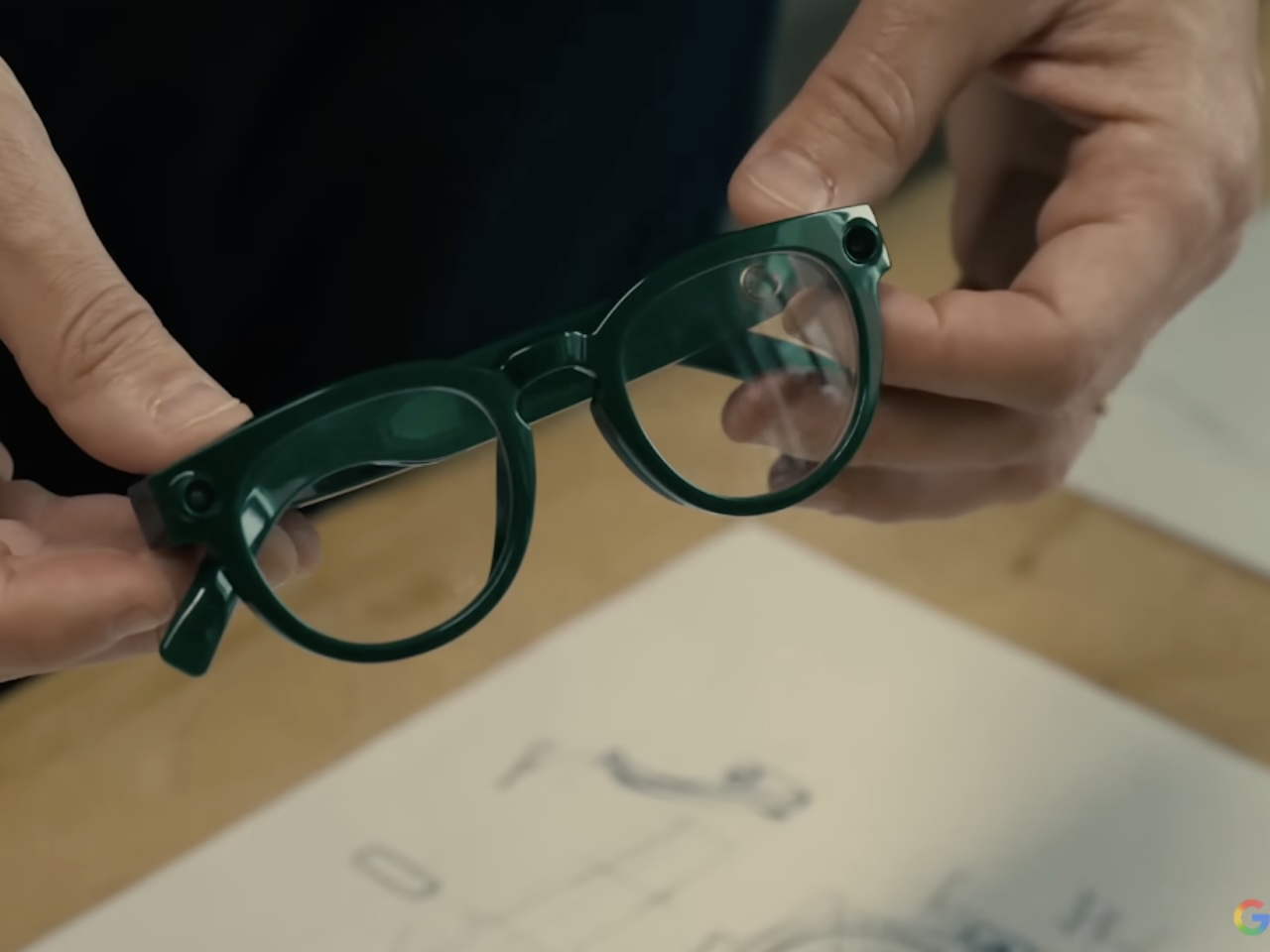
For deeper background on the Warby Parker partnership, see Article: Warby Parker x Google AI Glasses Are Closer Than You Think.
Why it matters for your setup: Ray-Ban Meta has owned the AI-glasses conversation since 2024, and Google’s response is a coordinated three-partner counter rather than a single device. The split into audio and display tiers tells the market that “smart glasses” is not one category but two, with different price points and daily use cases. The three partner roles map to three distinct strengths: Samsung supplies the hardware engineering and silicon (the company described its own role in those terms in its May 19 press release), Gentle Monster brings Korean luxury design credibility, and Warby Parker brings the US optical-retail front door, prescription handling, in-person fittings, and insurance billing. Cross-platform compatibility is the kicker, Meta’s glasses run on both Android and iOS too, but their deeper agentic features are tied to Meta AI; Google’s bet is that an iPhone owner will still let Gemini ride along on their face.
What to do now: if you have been holding off on Ray-Ban Meta, the fall window is close enough to wait. Pricing has not been announced. Treat the display tier as next year’s purchase at the earliest, Google announced no ship date or partner list for it, only that audio ships first.
2. Xreal Project Aura: a third smart-glasses path on Android XR
Outside the Intelligent Eyewear branding, Xreal demoed Project Aura at I/O, display-equipped AR glasses running Xreal’s X1S spatial-computing chip on the frame, tethered to a separate puck that houses a Qualcomm Snapdragon chip and the battery. These are closer in spirit to the Samsung Galaxy XR headset and Apple Vision Pro than to Ray-Ban Meta, but they run on Android XR and look more like ordinary glasses on the face.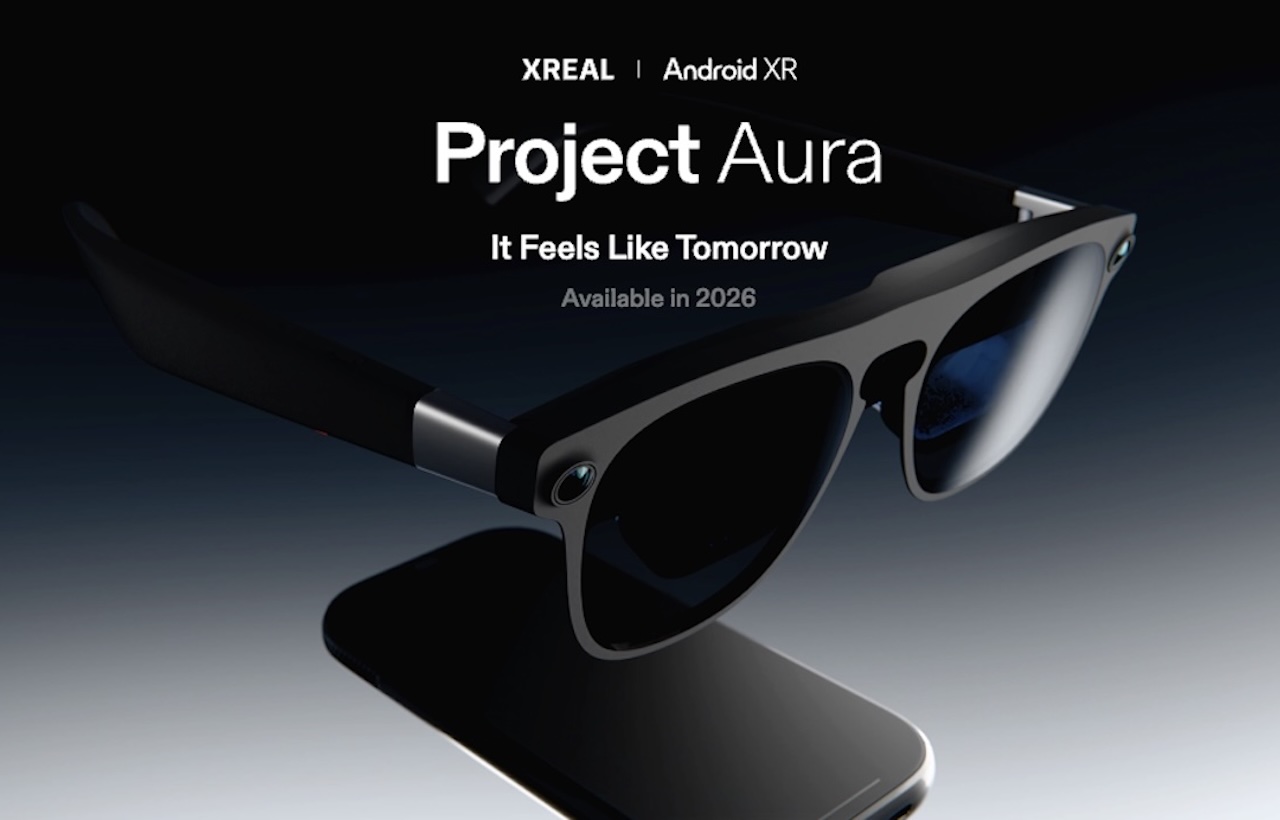
Why it matters for your setup: the puck architecture is the interesting story. Pushing the chip off the frame means lighter glasses and longer battery life, at the cost of carrying a second piece of hardware. If you carry a phone already, you can probably carry a puck, and the trade is worth it for full AR.
What to do now: watch for the Project Aura developer kit pricing later this year. That number signals where consumer pricing lands. If you want a head-start on the category today, the existing Xreal Air lineup [TODO: affiliate link] is the closest shipping product. For the full landscape, see Six Smart Glasses Worth Watching as Apple Joins the Race.
3. Samsung Galaxy Glasses: the Unpacked tease
Samsung is one of the three audio Intelligent Eyewear partners and did appear at I/O with a first-look frame, but Samsung’s own “Fall 2026” target and the “additional details in the coming months” framing point to a fuller Galaxy Glasses unveil tied to the July Galaxy Unpacked event, where the Galaxy Z Fold 8 is expected.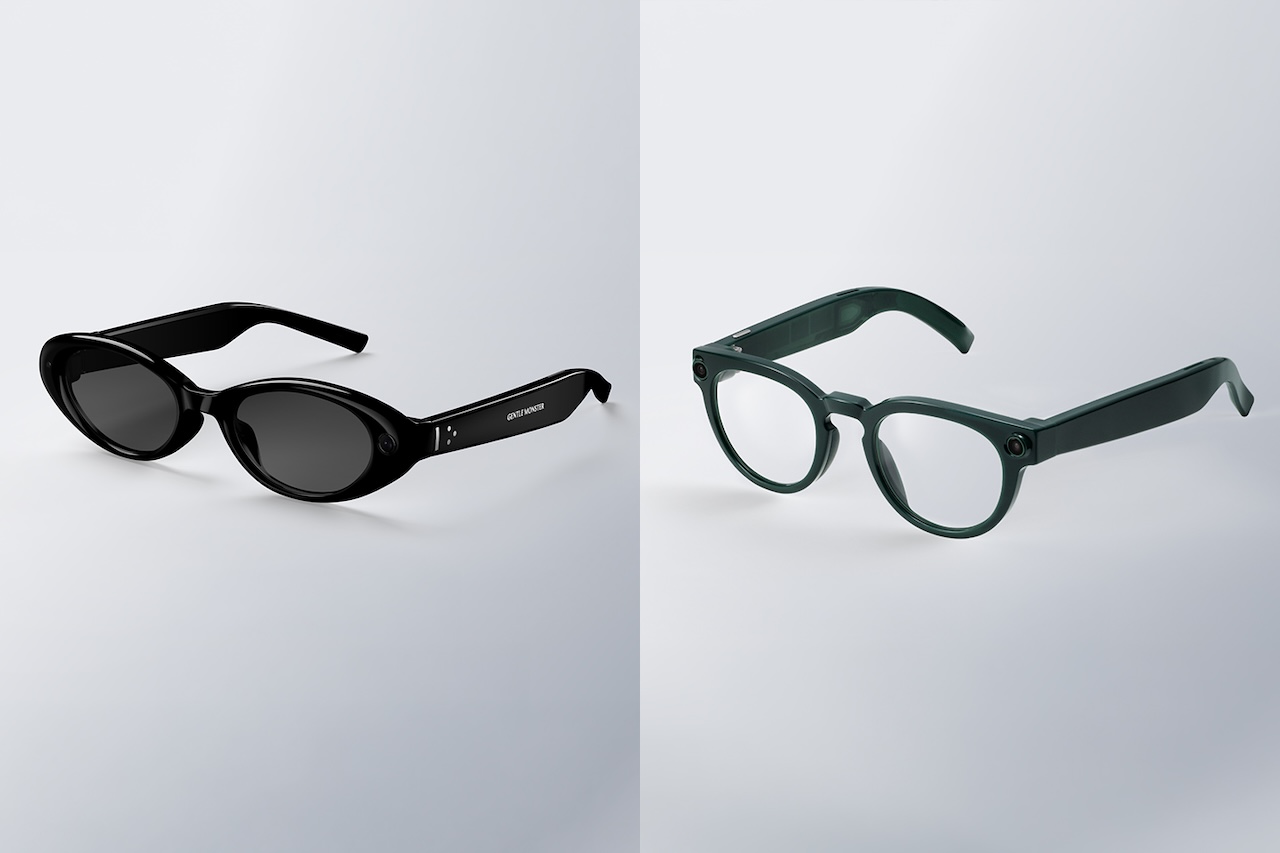
Why it matters for your setup: if you are a Galaxy phone owner, the Samsung-branded glasses are the ones you will see in carrier stores and trade-in promos. The Gentle Monster and Warby Parker versions are the optical-retail play; the Samsung version is the carrier play.
What to do now: if you are due for a Galaxy upgrade, wait for the July Unpacked bundle pricing before buying either the phone or the glasses standalone. For accessory cross-shopping, the Samsung Galaxy Buds [TODO: affiliate link] are the natural pairing.
4. Googlebook: the laptop story that bookended the keynote
Google’s new Googlebook laptop category, premium hardware built around Gemini Intelligence, was revealed the week before I/O at the Android Show, not at the main keynote. The I/O keynote skipped over what Googlebook’s hardware partners are doing with their own versions.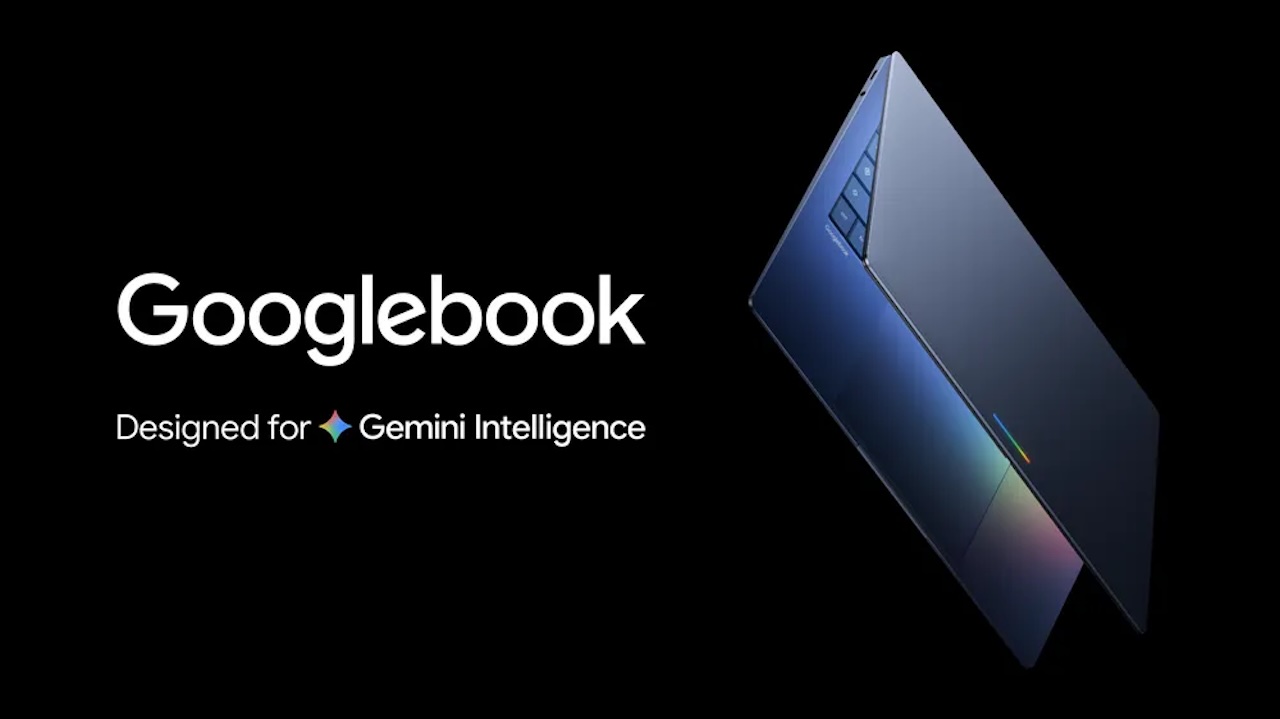
Why it matters for your setup: Googlebook is the latest in a long line of Google premium-laptop pushes (Pixelbook in 2017, Pixel Slate in 2018, Pixelbook Go in 2019, the Chromebook Plus tier in 2023), but it is the first to launch with external OEM partners from day one rather than as a Google reference design. It runs an Android-derived OS (reportedly the long-rumored Aluminium OS project) and Google’s positioning, “premium hardware built with Gemini at the core”, points it at MacBook and Surface buyers, not the Chromebook tier.
What to do now: do not buy a new MacBook Air or Surface Laptop on impulse this summer. The confirmed first-wave Googlebook OEMs are Acer, Asus, Dell, HP, and Lenovo; individual model details may emerge over the coming months, with IFA in September a plausible window.
The throughline
I/O 2026 made one thing clear: Google’s hardware bet for the next 18 months is your face, not your pocket. The Pixel lineup sat this keynote out. What Google did show was a coherent smart-glasses strategy spanning three brand partners, two device tiers, and one cross-platform commitment. Apple is still building toward its own answer, see Apple Smart Glasses Tracking for 2026 Reveal, 2027 Launch for the latest on that timeline.
If you are buying anything between now and fall, the only Google purchase that makes sense is something you can trade in later. Every piece of new hardware Google highlighted ships in the second half of 2026 or beyond, software features land sooner, but no consumer device does.