

The wait for a mainstream pair of AI glasses isn’t open-ended anymore. Google and Warby Parker are publicly aiming for a 2026 launch, and the picture of what they’re actually building has filled in a lot since the partnership was first announced. If existing smart eyewear has felt like an accessory built around a tech demo, this collaboration is shaping up to be a different kind of pitch.
Warby Parker confirmed back in May 2025 that Google had committed up to $150 million to the partnership, structured as $75 million toward product development plus another $75 million in equity tied to collaboration milestones. The deal made Warby Parker the first eyewear partner for Android XR. Then in December 2025, Google followed up with more concrete plans, naming a 2026 launch window and breaking down what the lineup will look like. The next two natural windows for fresh detail are weeks away: Warby Parker reports Q1 2026 earnings on May 7, and Google I/O 2026 runs May 19-20.
We recently broke down Samsung’s Galaxy Glasses, Google’s wider Android XR smart glasses lineup, and Gucci’s run at Ray-Ban Meta with Google’s help. The Warby Parker pair is the one most likely to land on faces that already wear glasses.
The partnership at a glance
Google and Warby Parker aren’t building one product. They’re building a platform play. The glasses will run on Android XR and tap into Gemini, Google’s multimodal AI model, which can take in text, audio, video, and images at the same time. Warby Parker’s role is easy to overlook: prescription lens infrastructure, retail footprint, and the design sensibility that’s kept the brand at the center of the eyewear conversation for over a decade.
Co-founder and co-CEO Dave Gilboa described the upcoming glasses on a recent earnings call as devices that “will bring the world’s most advanced AI to glasses designed for all-day wear,” according to Forbes. Co-founder and co-CEO Neil Blumenthal framed the partnership as a chance to build eyewear that fits into the way people already move through their day. The pitch is meant to make wearable AI feel ordinary.
Two glasses, two different ideas
In a December 2025 Android XR blog post, Google clarified that the partner lineup includes two distinct types of devices.
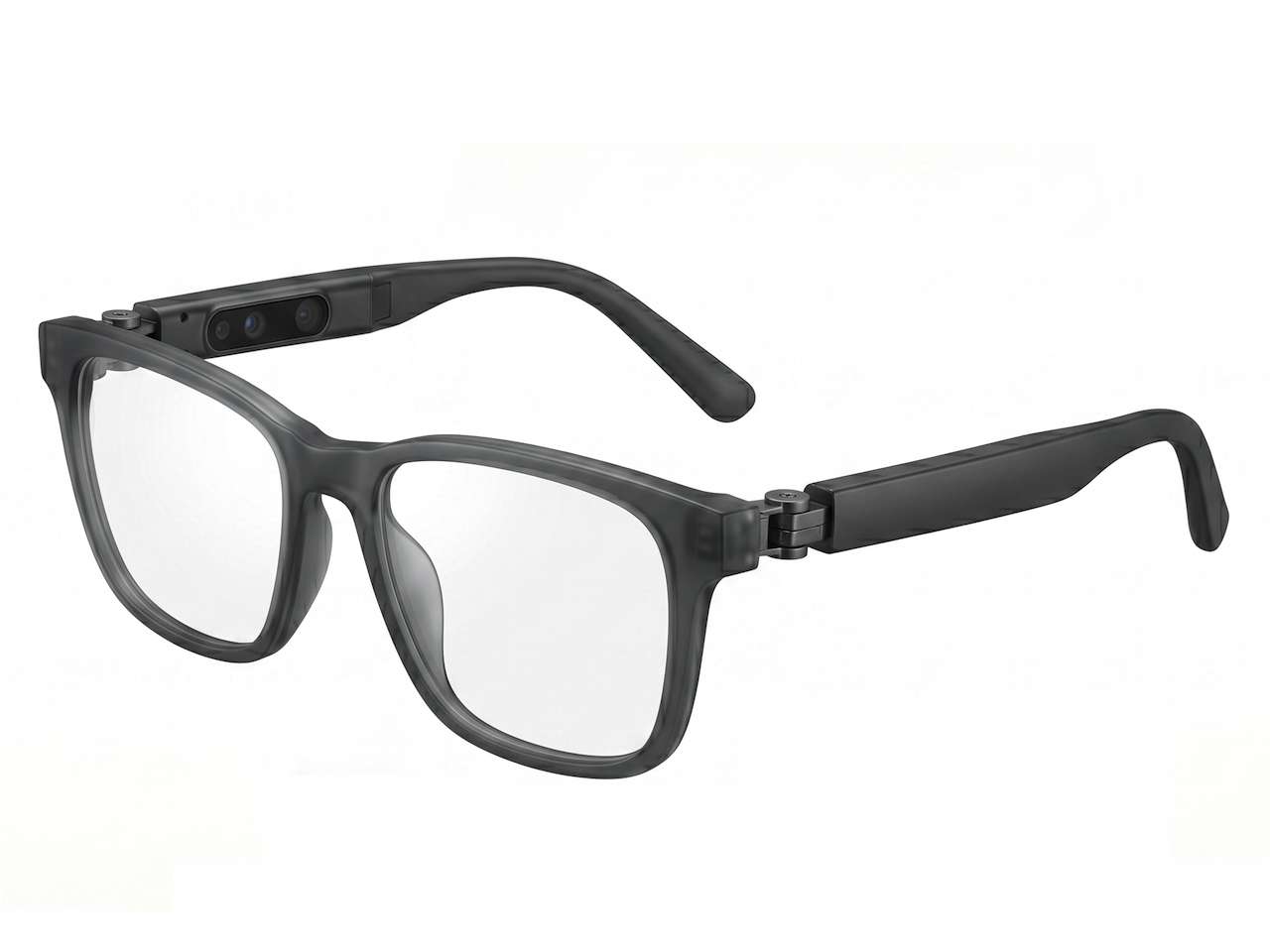
The first is a pair of AI glasses built for what Google calls screen-free assistance. These have speakers, microphones, and cameras, but no display. You’d talk to Gemini, listen for replies, and let the cameras feed the model context about whatever’s in front of you. It’s an assistant in your line of sight without a screen sitting between you and the world.
The second type is display AI glasses, which add a small in-lens display. Google’s examples are practical and grounded: navigation prompts, translation captions, and other quick reference info that benefits from being visible rather than spoken. It’s a more involved hardware story, and likely a more expensive one.
Both versions will be available with prescription and non-prescription lenses, per Warby Parker, which is the obvious advantage of building this with an eyewear company rather than starting from scratch.
What Gemini brings to the lenses
This is where the partnership starts to look different from what’s on shelves now. Multimodal Gemini means the glasses do more than listen and respond to voice commands. They’ll be able to see what you see and reason about it in real time. The goal has been described to be multimodal intelligence in everyday eyewear, suitable for all-day wear.
In practice, that opens up use cases that have been theoretical for years. Pointing your face at a menu in a foreign language and getting a translation read back. Standing in a hardware aisle and asking which size you actually need. None of it requires a new app or a phone in your hand.
Whether delivery matches ambition is the open question. We’ll find out when the hardware arrives.
Why Warby Parker makes sense here
Picking Warby Parker as the eyewear lead reads like a strategic choice rather than a marketing one. The company opened 47 stores in 2025, the most in a single year in its history, and ended the year with 323 stores across 102 markets in 44 U.S. states and Canadian provinces, according to Forbes. It plans to add 50 more locations in 2026, with a long-term goal of 900 stores. It also offers in-store eye exams, with that program expanding to 285 locations this year.
When these glasses launch, there’s a real-world place to try them on, get fitted, and walk out wearing them. That’s a meaningful gap from the typical tech launch, where the only path is a website and a return window.
For Google, this also offers a chance to reset the cultural memory of Glass, the company’s first attempt at smart eyewear, which Google shelved more than a decade ago. Pairing the technology with a brand people already wear willingly is a different kind of launch from the one that produced the Glasshole headlines.
The pieces we still don’t have
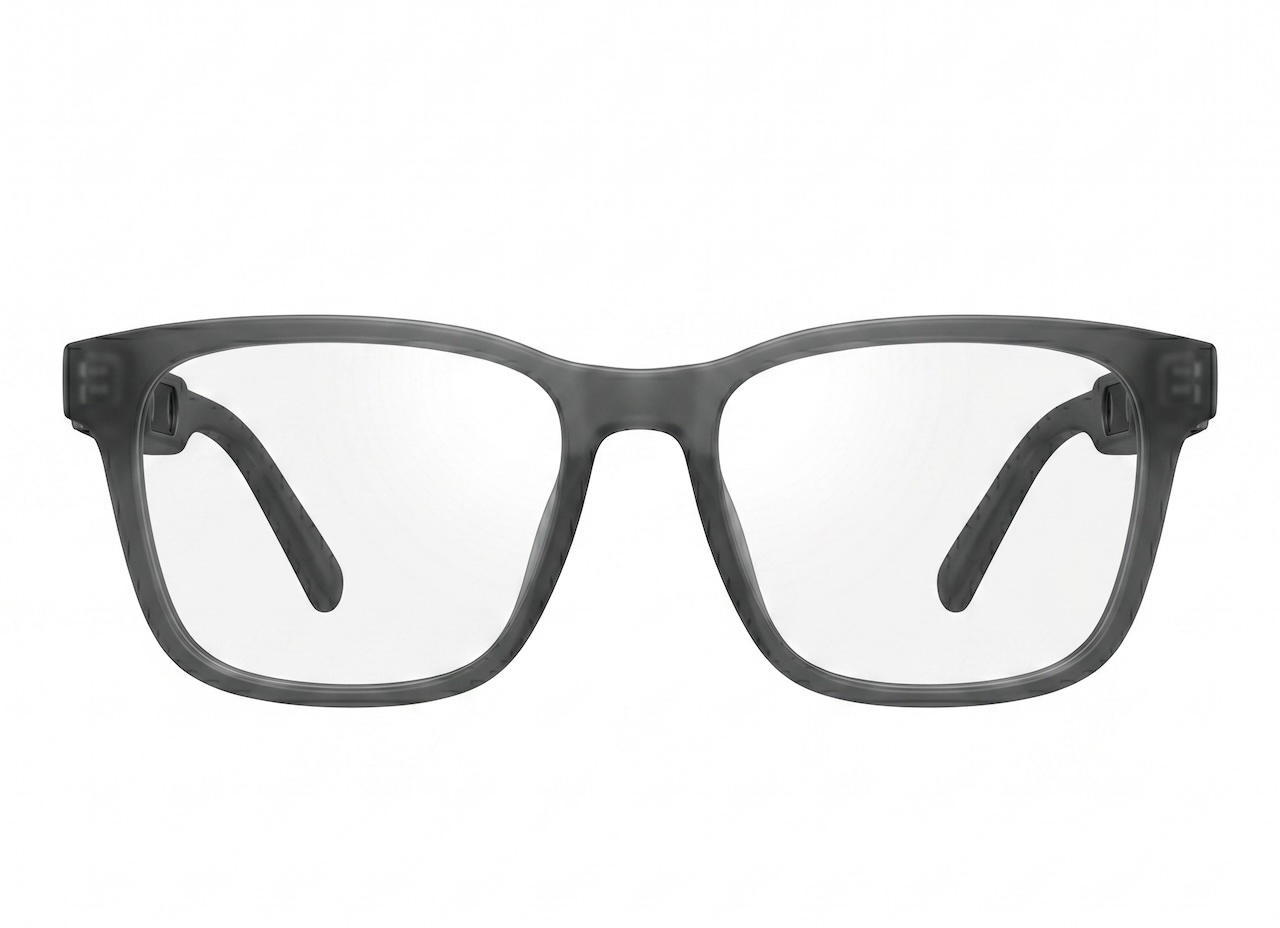
For all the confirmed partnership details, a lot of consumer-facing specifics are still missing. Warby Parker has positioned the glasses as AI-powered eyewear designed for all-day wear, but hasn’t shared pricing, exact 2026 timing, frame styles, battery life, or distribution beyond the existing retail footprint.
Google’s positioning has been similarly broad. The lineup includes work with Samsung, Gentle Monster, and Warby Parker, but no final Warby Parker hardware has surfaced. That’s a notable gap given how close the launch window is.
The things to watch are Warby Parker’s Q1 2026 earnings call on May 7, where the company will likely talk through its AI glasses launch positioning, and Google I/O on May 19, where the partner lineup could finally get a hardware reveal.
What this means for everyday use
If you wear glasses already, this is the first AI eyewear pitch that actually accounts for that. Meta’s Ray-Ban smart glasses, on the market in their current form since 2023, do support prescription lenses, but adding them is a separate process. Building the partnership around an eyewear company that already handles prescriptions, fittings, and in-store service changes the friction equation.
The harder question is whether the Gemini experience earns its place on your face all day. AI glasses live or die on whether the assistance feels useful in real moments rather than novel in demo videos. The 2026 launch is when we’ll see if the result lives up to that goal.
Auto Amazon Links: No products found.
