

The smart glasses race finally has a credible Apple release window, and it isn’t the one fans were hoping for.
Longtime Apple reporter Mark Gurman now says the company plans to show off its first smart glasses in 2026 and ship them in 2027, per coverage from MacRumors and Macworld of Gurman’s Power On newsletter. That timeline lands more than three years after Meta’s AI-equipped Ray-Ban glasses launched in October 2023 and turned wearable AI into a real category, which is the part Apple can’t afford to ignore.
The release window everyone was waiting on
Two separate forecasts now point to the same launch year. Gurman has shifted from “as soon as 2026” to a 2026 preview with a 2027 launch, per MacRumors’ report on the Bloomberg newsletter. Analyst Ming-Chi Kuo separately expects Ray-Ban-style Apple smart glasses to enter mass production in Q2 2027, with 3 to 5 million or more shipments in 2027, per his own published roadmap and AppleInsider’s coverage of it. Macworld notes that an internal pivot accelerated this push, with Apple reportedly pausing a Vision Pro redesign in October 2025 to prioritize the glasses.
The catch is that a “real release window” still leaves a meaningful gap between announcement and shelf. A late-2026 unveiling followed by an early-2027 launch is the most bullish reading. Macworld’s coverage flags a wider expected launch range of late 2026 to 2028, leaving a slip into late 2027 or 2028 on the table.
What’s actually being built
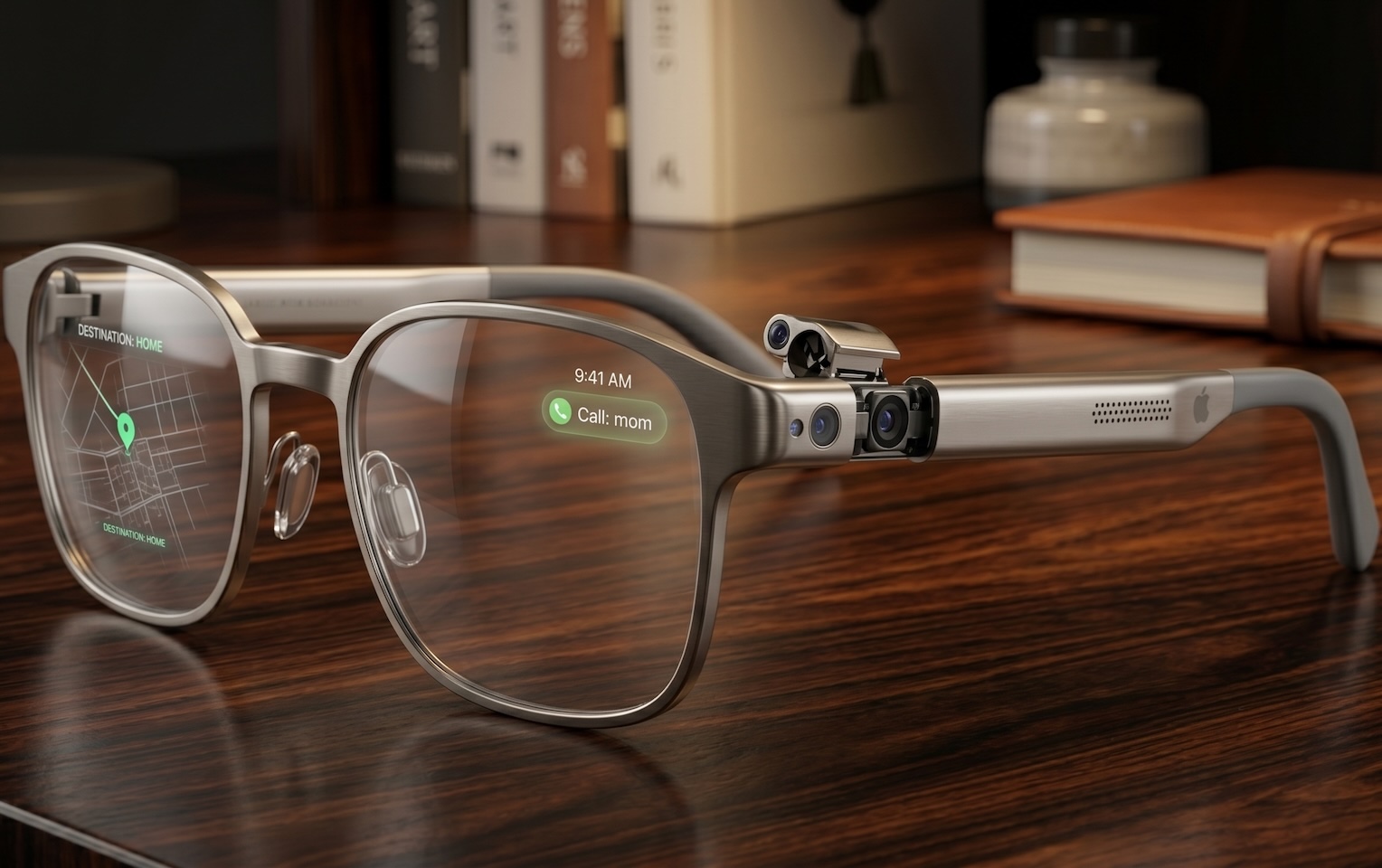
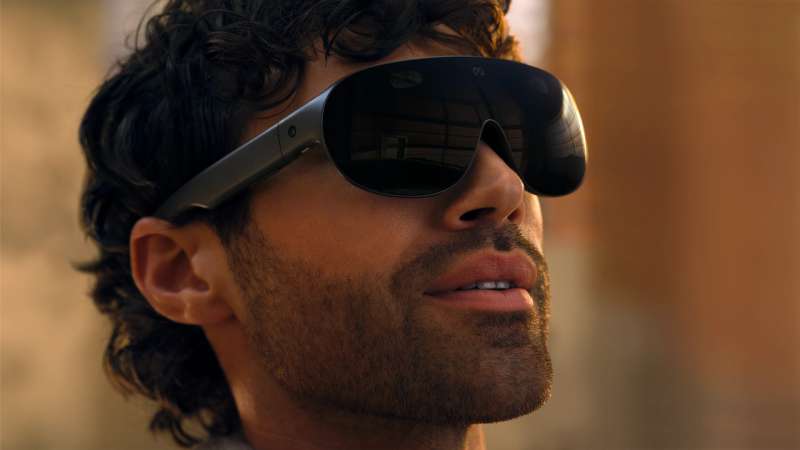
Apple’s first smart glasses won’t have a display. They’re being designed as an iPhone accessory along the lines of AirPods or the Apple Watch, leaning on cameras, microphones, speakers, and an upgraded Siri rather than spatial computing, per MacRumors and Macworld.
MacRumors’ guide describes a feature set that mirrors Meta’s playbook: photo and video capture (including spatial video), audio playback, turn-by-turn directions, live translation, object and landmark identification, phone calls, and Visual Intelligence powered by Apple Intelligence. A later MacRumors update adds that the device will likely carry two cameras, a higher-resolution sensor for capture plus a lower-resolution wide-angle lens dedicated to reading hand gestures and feeding visual input to Siri, with gesture controls reportedly under exploration.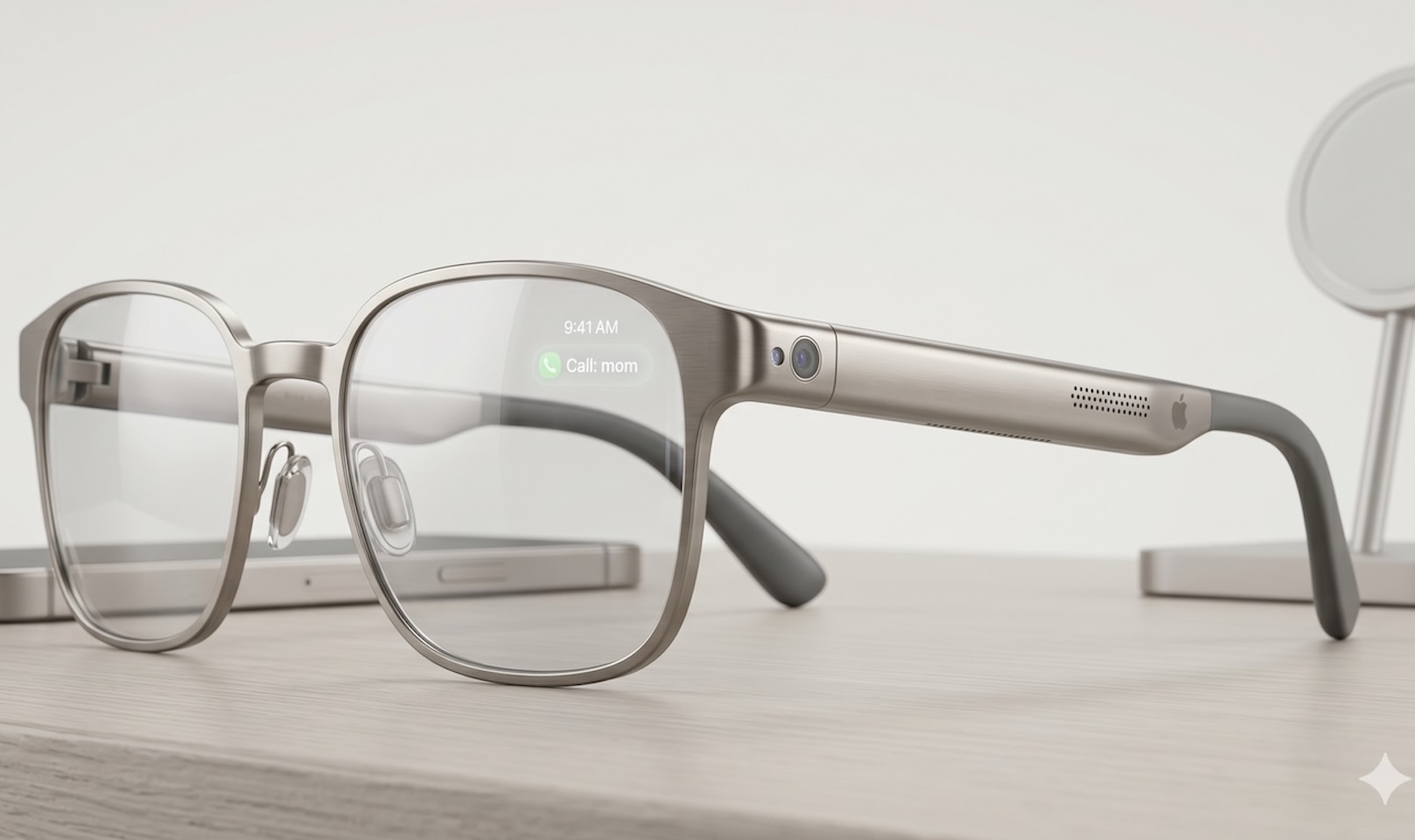
The four-frame strategy hiding in plain sight
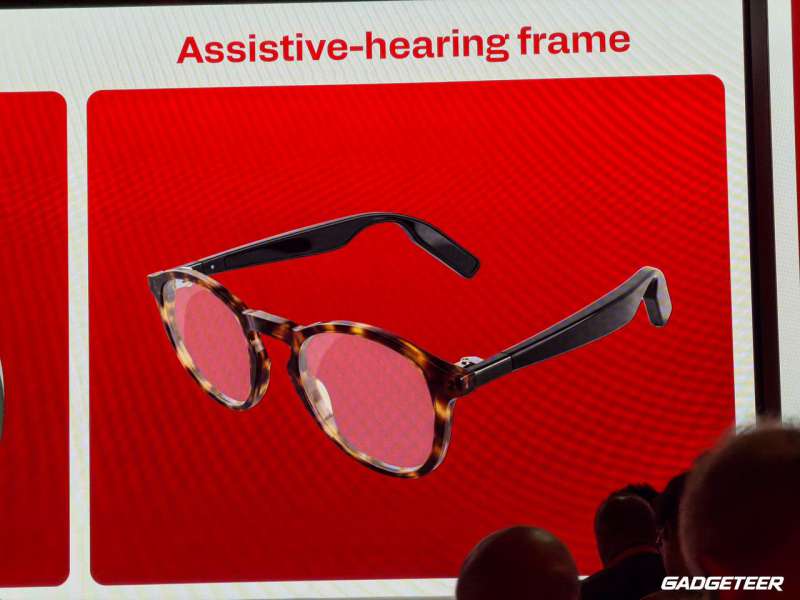
This part is the tell that Apple isn’t chasing a gadget aesthetic. Gurman’s report, describes four frame styles in testing, all built from acetate rather than standard plastic because it reads more like designer eyewear.
- A large rectangular frame in the spirit of Ray-Ban Wayfarers
- A slim rectangular design styled after Tim Cook’s own glasses
- A larger oval or circular profile
- A smaller, more refined oval option
Color experiments include black, ocean blue, and light brown. Apple is reportedly developing the frames in-house instead of co-branding with an eyewear maker, which is a sharp departure from Meta’s Ray-Ban and Oakley partnerships and Google’s Warby Parker tie-up that Macworld highlights as the prevailing industry pattern.
The chip choice is the real signal
The device is tracked internally under the codename N50, with a custom system-on-chip reportedly codenamed N401 and derived from the Apple Watch S-series, tuned for extreme power efficiency to drive cameras and on-device AI without flattening the battery, per Macworld, MacRumors, and AppleInsider. That’s a different bet than putting an M-class chip in a head-worn device, and it points to where the heavy lifting will actually happen, which is on the paired iPhone.
Some functions will still require an iPhone tether over Bluetooth, while basic on-device tasks should run locally. How much works without the phone in your pocket is still unclear from the reporting Macworld has compiled.
Pricing math nobody’s confirmed
There isn’t an official price yet, and no leaked Apple target has surfaced either. The reference points are public, though, and Macworld lays them out.
Meta’s current lineup starts around $299 for entry-level Ray-Ban Meta Wayfarer (Gen 1), runs $379 to $459 for Skyler (Gen 1), Wayfarer (Gen 2), and Headliner models, and $399 for the Oakley Meta HSTN, and tops out at $499 for the Oakley Meta Vanguard alongside the new prescription-focused Ray-Ban Meta Blayzer Optics and Scriber Optics released this spring, per Ray-Ban, Meta, and Oakley’s current pricing as reported by Reuters and Forbes. Apple typically sits at or above the top of any category it enters, so a starting figure in the upper half of that band with premium variants stretching higher would track with the company’s pricing history.
What isn’t coming in the first generation
True augmented reality is still a longer-horizon project. MacRumors reports that a second-generation model with an in-lens display could arrive as soon as 2028, potentially running visionOS when paired with a Mac and a lighter, more mobile-friendly interface when paired with an iPhone.
If you’ve been waiting for Apple’s answer to a heads-up display you can wear all day, the realistic expectation is that the 2027 launch is the audio-and-camera step. The visual overlay layer comes later, and likely as a separate product tier.
Why the timing actually matters
Apple’s competition isn’t standing still. Meta keeps iterating on its Ray-Ban and Oakley collaborations, and Google’s smart glasses push with Warby Parker is moving in parallel, per Macworld’s competitive read. A 2027 Apple launch means Meta will have multiple full product cycles of head start in a category that’s already showing real consumer traction.
The upside for Apple is that it’s reportedly skipping the science-experiment phase entirely and going straight for a fashion-forward, AI-first product the existing iPhone install base already knows how to pair, charge, and update. That’s the bet, and the 2026 reveal will be the first real test of whether it lands.

What to watch next
The near-term checkpoints toward an Apple smart glasses release date are clearer than they’ve been in months. A late-2026 unveiling is the first signal, the move into mass production is the second, and an early-2027 on-sale date is the third, per Gurman’s reporting in Bloomberg. Kuo separately pegs mass production to Q2 2027. Any slip on the production target is the one that would push the launch into late 2027 or 2028.
If Apple holds the schedule, the smart glasses category gets its first genuine three-way race, with Apple, Meta, and Google all on retail shelves inside the same calendar year. That’s the story to track between now and WWDC 2026, where any early tease would land first.

Gadgeteer Comment Policy - Please read before commenting
will the smart glasses be unisex?
Hi Patrick, we believe so. Major manufacturers design their frames as unisex by default. 🙂