Pocket knife law used to live in a fog of city ordinances, county add-ons, and state preemption fights. A handful of statehouse moves this cycle have started thinning that fog. North Carolina’s H439, advancing through the 2025-2026 session, defines an “ordinary pocket knife” as a folder with a blade up to 6 inches. Ohio and Michigan both layered on new preemption laws this year, blocking cities and counties from passing knife rules stricter than the state’s.
The cleanest read is that the legal map is becoming more consistent at the state level, not more permissive at the federal one. A folder that lived in the “ask a lawyer” zone six months ago is closer to “carry it daily” in the states that acted. States that didn’t move stay a patchwork.
The map still isn’t uniform. NYC bans visible clips, and some California cities keep their own quirks. The folders that benefit most are the ones we already love: short, slim, mechanically simple.
How we sorted
Blade length came first. Anything pushing 3 inches got dropped. For a “small” folder, legal posture and carry posture come first; pocket comfort is the bonus you pick up along the way.
Lock type was the next gate. Liner locks, frame locks, button locks, and slip joints all earned a spot in the running. Automatics didn’t, and we’ll come back to why at the end.
The tiebreakers were weight and steel. Once a knife gets past two ounces, you stop forgetting it’s there. If a small folder shows up with S90V or 154CM at a fair price, it’s worth pointing out.
Orioner Z6: the sub-2-inch ultralight that fits on a keyring
The Z6 is the smallest folder we’d actually recommend in 2026. Folded length sits well under 2 inches, and the whole thing weighs 0.48 ounces. That puts it in keyring territory, not pocket-clip territory. Most knives in that size class give up something obvious: the steel, the frame material, or the deployment.
The Z6 gives up almost nothing. We covered the launch in March, so we’ll skip the spec rehearsal: what’s worth adding six weeks later is that no rival at this price has emerged, and the tritium-slot glow keeps surprising people who don’t expect it on a $49 keyring blade.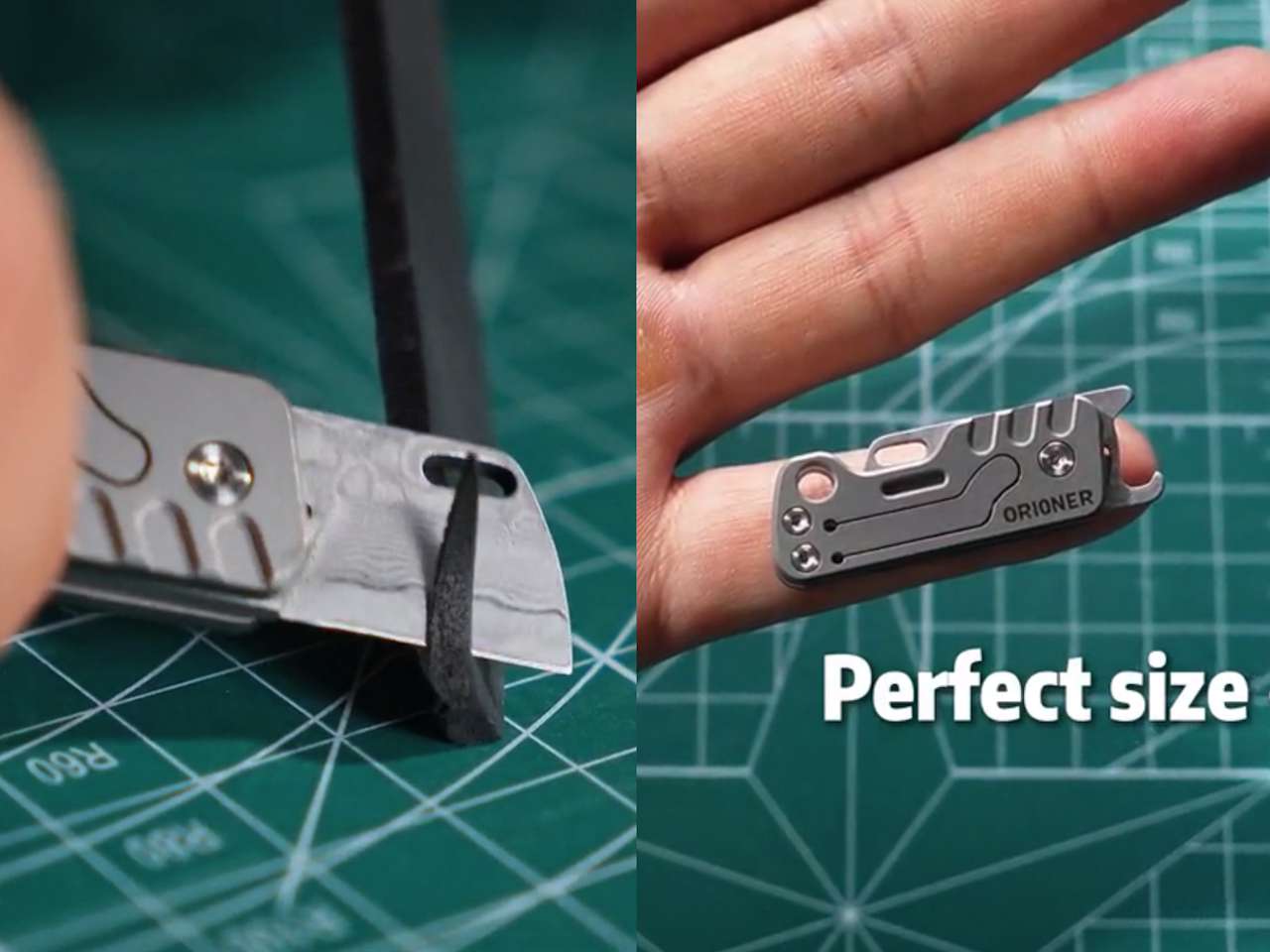
Price: HK$ 251 – Combo Pack (About $33)
Where to Buy: Kickstarter
Deployment is a flipper tab that doubles as the bottle opener, with a liner-style lock holding the blade in place. A magnetic clip and a keyring hole round out the kit.
Pricing started at $29 at launch, with retail at $49. That’s wild for the steel and the frame material on offer.
The first week, you’ll think it’s a toy. By the third week, the bigger knife stays home.
James Brand Ellis 2026: slimmer than the pack of gum next to it
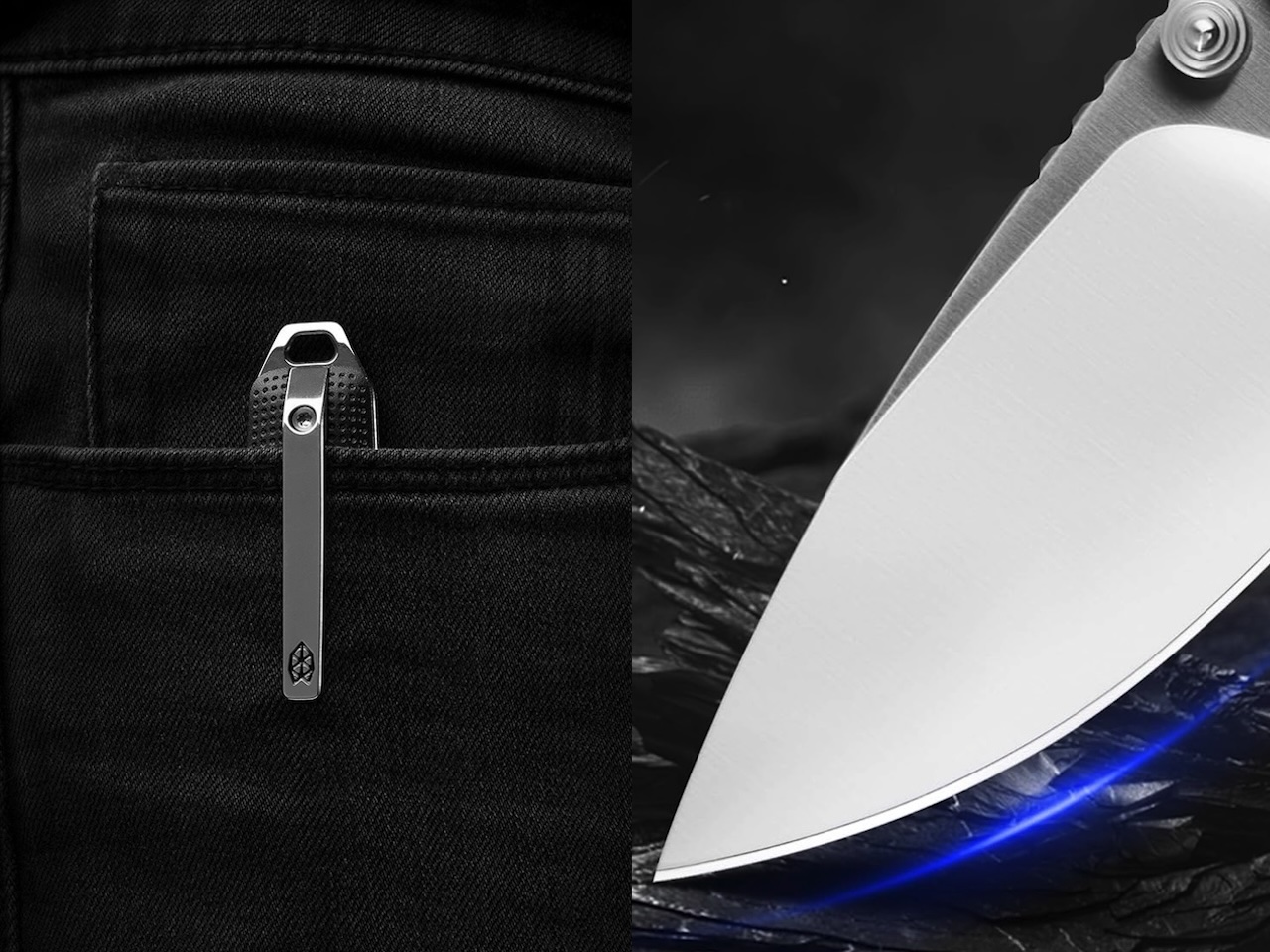
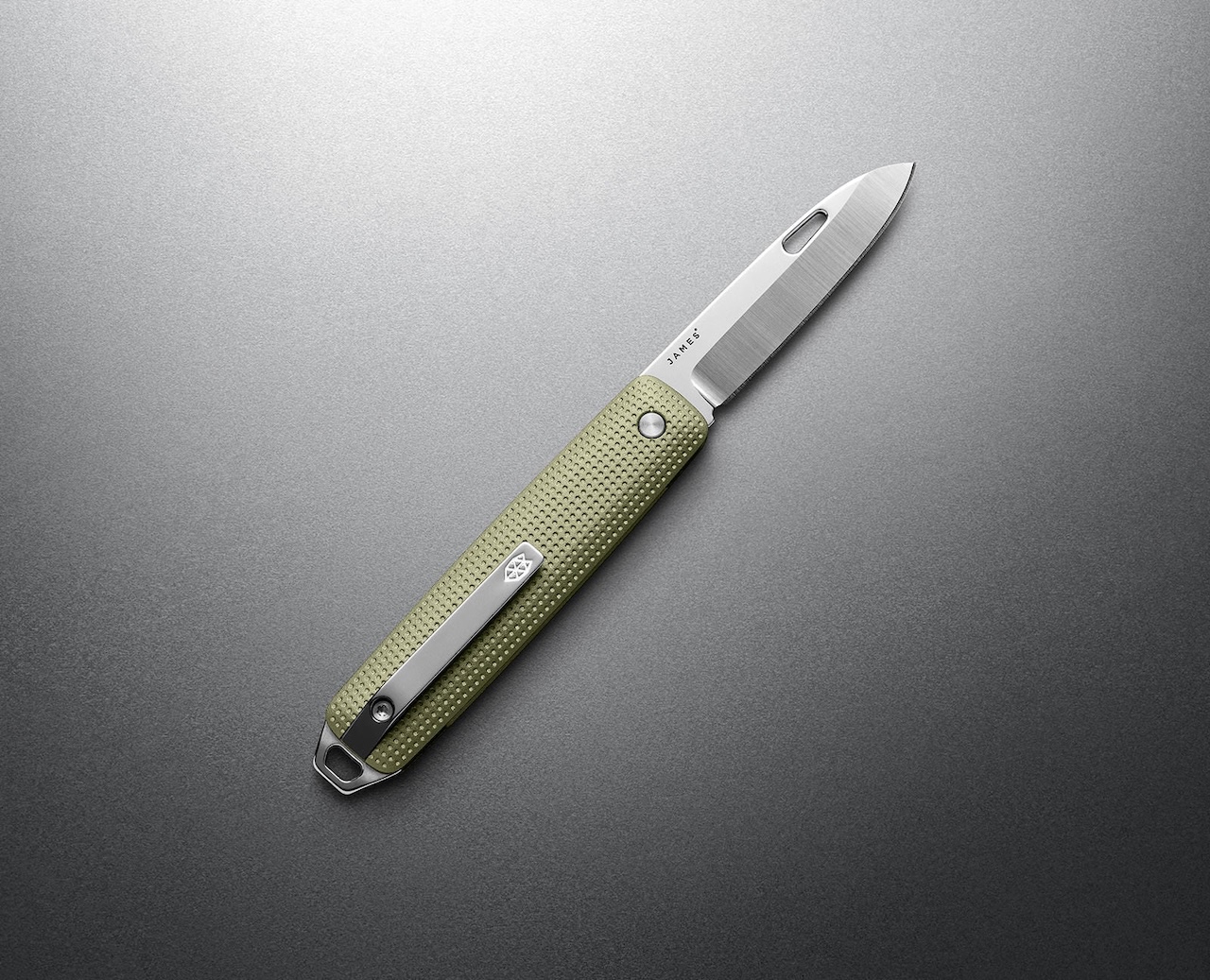
The Ellis got a from-scratch rebuild this year. The headline spec is that it’s thinner than a standard pack of gum. The wire clip from older Ellis generations is gone. In its place sits a flat machined stainless clip pressed close to the dimpled aluminum scales, so the knife barely lifts off your pocket seam.
Price: $99
Where to Buy: James Brand
That clip is the most interesting design move on the knife. The shape borrows from high-end writing instruments more than from knife conventions, which gives the Ellis a posture in the pocket that wire clips can’t match.
Inside, it’s a UK-legal slip joint. Sandvik 12C27 blade steel, anodized aluminum scales, and the brand’s All Things pry and scraper integrated as a second tool. Retail is $99.
KANSEPT Pluto: S90V drop-point in 2.5 inches
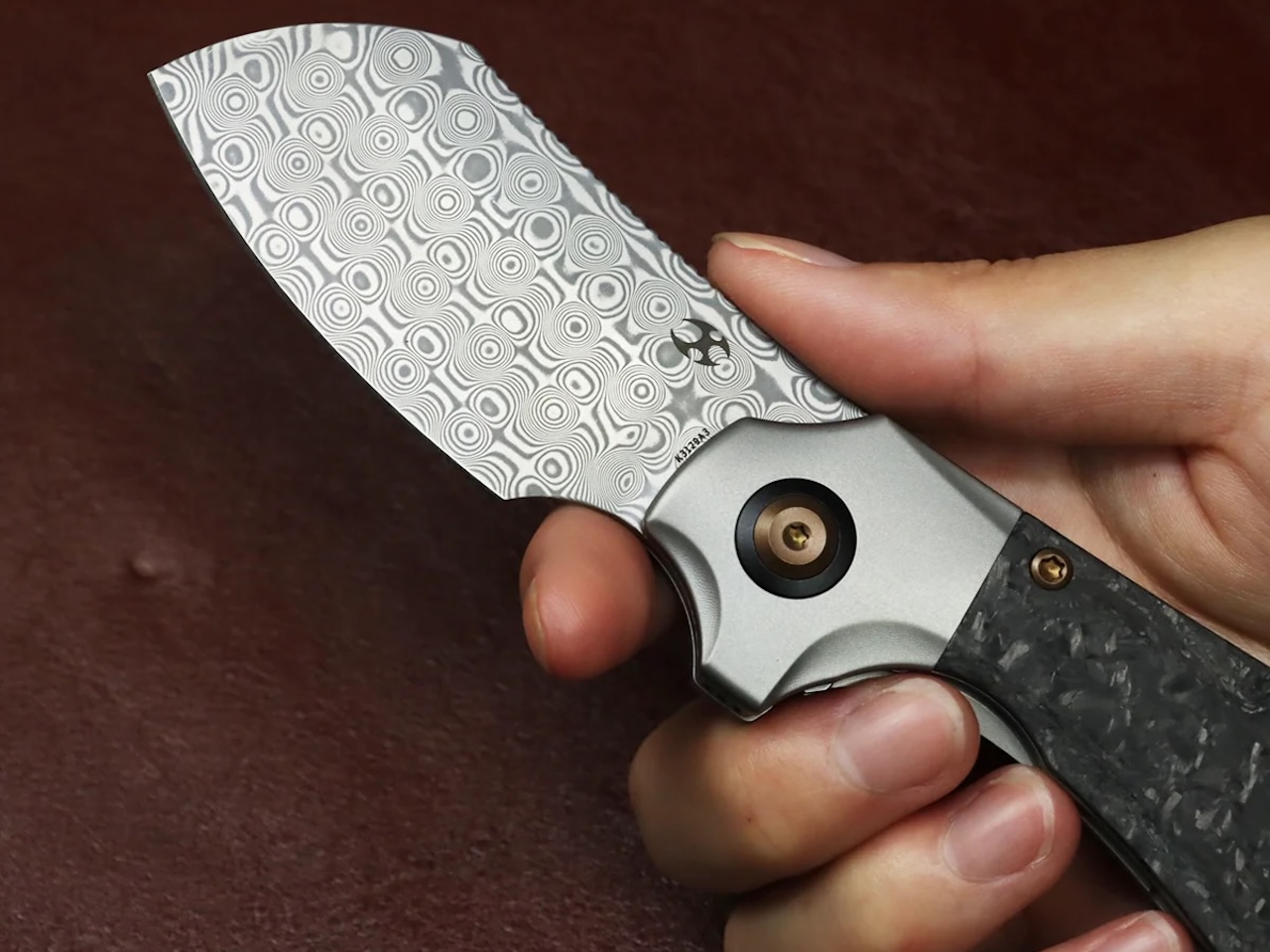
S90V on a small folder used to be a $300 conversation. The Pluto puts it in a 2.5-inch drop-point blade with a titanium handle, a purple Micarta inlay, and a bolster lock.
What you’re paying for is edge retention. S90V is among the longest-edge-holding production steels at this size, which matters less if you sharpen weekly and a lot if you don’t. The 2.5-inch blade keeps you well under the legal-bright-line for most 2026 jurisdictions, and the titanium handle keeps the carry weight from creeping into pocket-noticeable territory.
Price: From $155
Where to Buy: Kansept Knives
The bolster lock is the underdog story here. A steel insert in the handle bolster engages the blade tang at the heel, giving you a stiffer lockup than a liner lock at the same weight. KANSEPT has been refining the design across its lineup, and the Pluto is the cleanest execution yet.
It’s the pick for the reader who already owns a Z6 or an Ellis and wants more cutting authority for a workday.
Vosteed Parallel: 154CM in a titanium frame thinner than a pack of gum
154CM is the steel that disappears in a pocket without disappearing in performance. It’s American-made, easy to sharpen at home, and corrosion-resistant enough to ride a sweaty workday without spotting.
The Parallel wraps that steel in a titanium handle that measures 0.28 inches thick. The whole knife sits flat against your pocket lining, and the crossbar lock gives you a one-handed close without bringing fingers near the blade path. Crossbar locks have quietly become the default lock for slim premium folders, and the Parallel earns its spot in that lineage.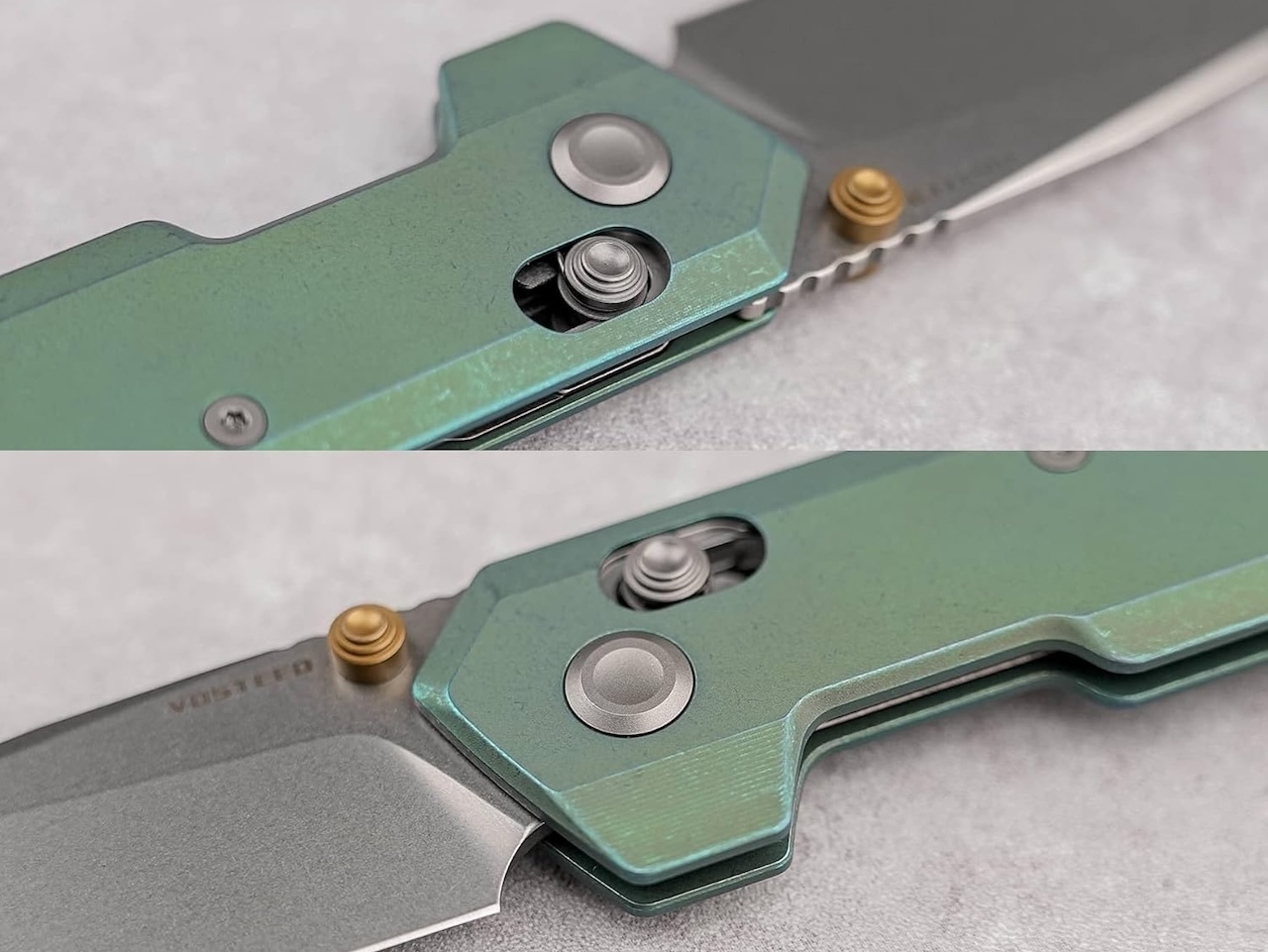
Price: $129
Where to Buy: Amazon
The 2.90-inch blade keeps it under the 3-inch line that most 2026 state-law clarifications care about. Retail is $129. For the steel, the handle material, and the lock action, that price is fair.
CJRB Maileah and Mica: two sub-3-inch AR-RPM9 folders, two lock approaches
The Maileah is the smallest folder CJRB sells. A 2.39-inch modified Wharncliffe blade in AR-RPM9, a liner lock, and a G10 handle that fits the fifth coin pocket on most jeans without bulging. Weight comes in at 2.17 ounces. Pricing sits around $30, which makes it the easiest “yes” in the AR-RPM9 family.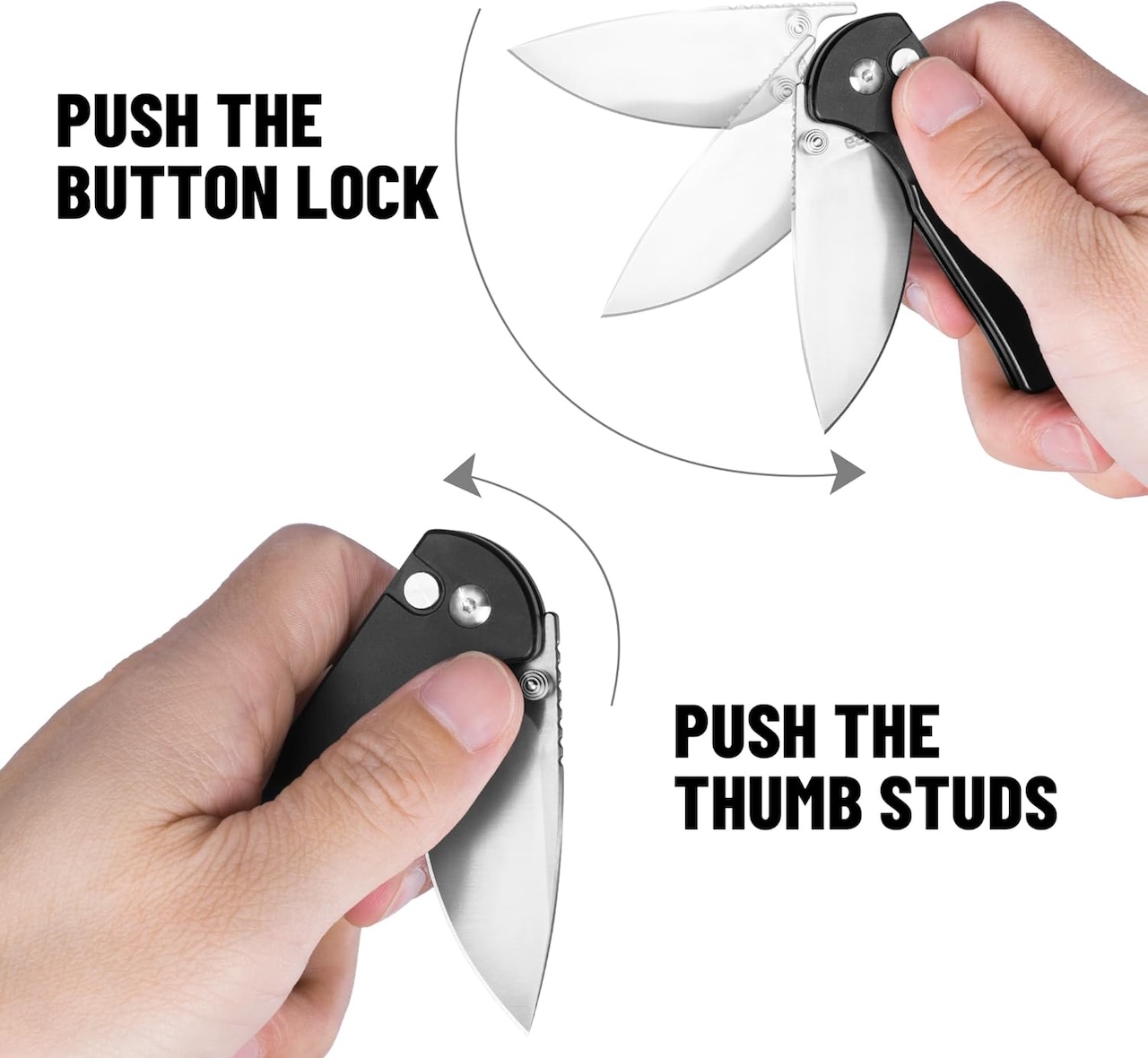
Price: $36.99
Where to Buy: Amazon
The Mica is the same steel in a different posture. A 2.36-inch drop point, a button lock with ceramic ball bearings, and a choice of aluminum, forged carbon, or Ultem handles. It runs $39.86 on sale, $61.32 at regular.
If you’re picking only one, the Mica wins for daily comfort. The Maileah wins if you prefer a liner lock or want the cheapest serious folder in the article.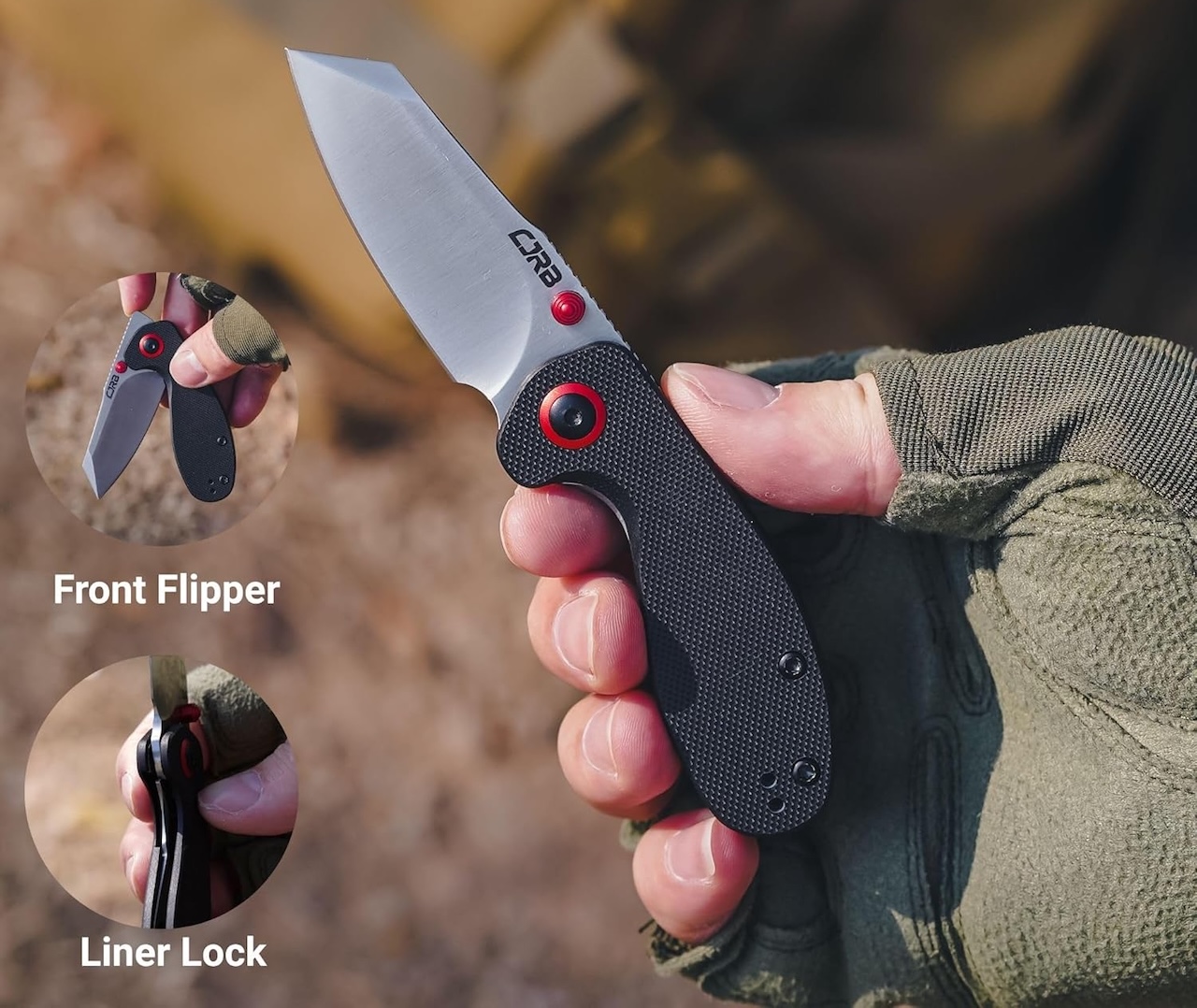
Price: $30.99
Where to Buy: Amazon
Both stay under 3 inches, both fit cleanly inside states that issued 2026 clarifications, and both come in well under $100 combined.
What we skipped
Autos didn’t make this list. The legal map for OTF and side-opening automatics shifted in a handful of states this year, but not enough to fold them into a recommendation for general readers. If you know your local rules cold, fine. If you don’t, skip them.
Larger frame locks didn’t make it either. Once the blade pushes past 3 inches, you’ve left the small folder category entirely, and you’re playing by a different rulebook.
The other near-miss is small fixed blades. Some carry well horizontally and stay legal in more places than the laws of physics would suggest, but they aren’t folders, so they’re a different article.
Small EDC folder FAQ
What blade length is legal for EDC pocket knives in 2026? Most states this year either left blade-length thresholds untouched or expanded them. North Carolina’s H439 defines an “ordinary pocket knife” as a folder with a blade up to 6 inches. Most municipalities still treat sub-3-inch folders as the clear-cut category, so every pick in this article stays comfortably inside that window. Check your county rules before you carry.
What’s the difference between a slip joint, liner lock, button lock, and crossbar lock? A slip joint has no lock; the blade stays open by detent tension. Liner locks snap a flexible internal liner behind the blade tang. Button locks use a spring-loaded pin you press to release. Crossbar locks pull a horizontal bar rearward, which makes them ambidextrous and the default on slim premium folders.
Is S90V worth it on a sub-3-inch folder? Yes, if you don’t sharpen often. S90V holds an edge longer than AR-RPM9 or 154CM, so you sharpen less but it takes longer when you do. Daily light cutting: the premium pays off. Sharpening weekly anyway: a cheaper steel does the same job.