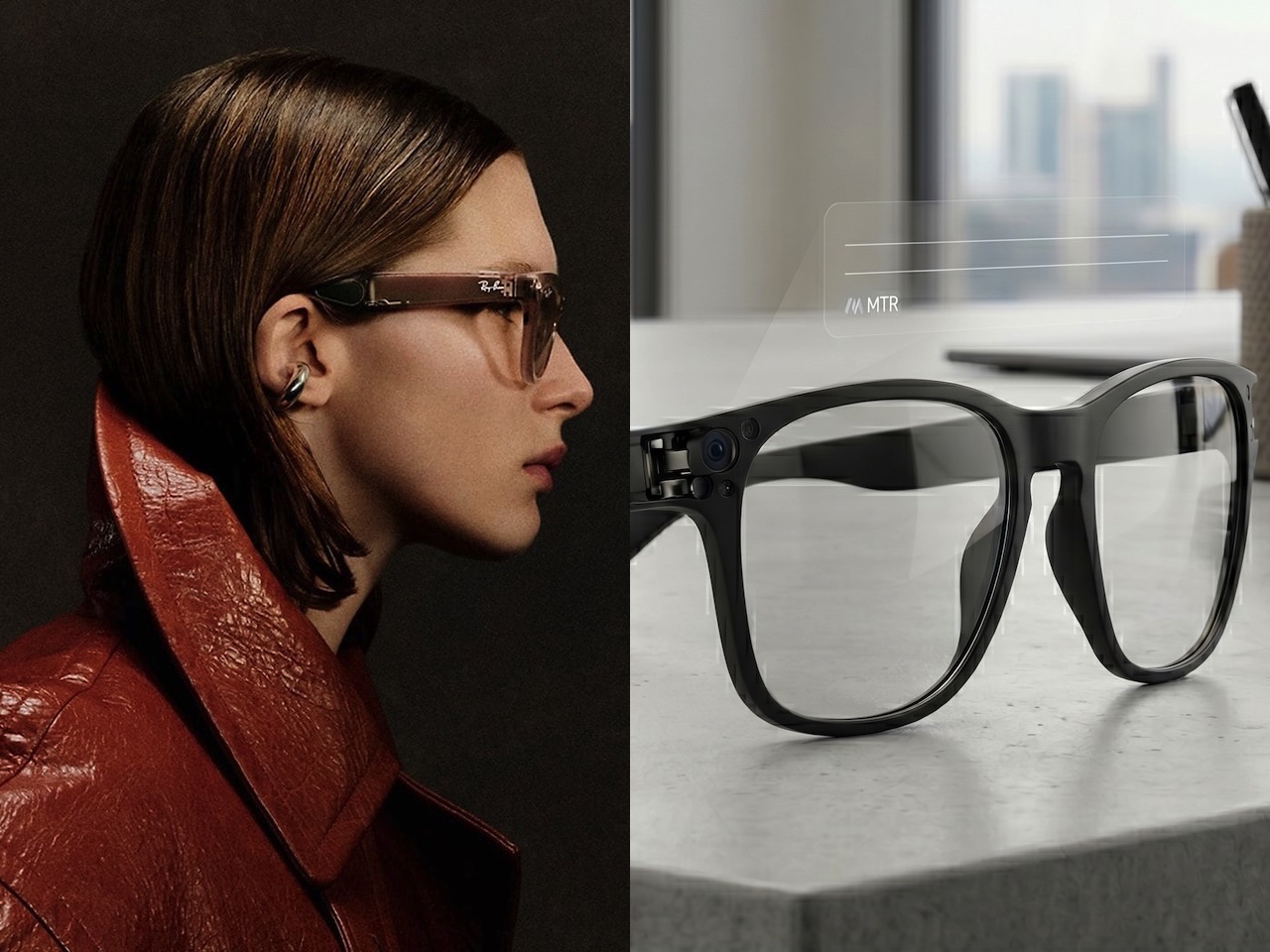
The smart glasses category is having its third loud year in a row, and the shape of the products on the way says more about strategy than any keynote slide. Meta keeps shipping frames that look like regular Ray-Bans. Google and Samsung partnered with Warby Parker and Gentle Monster before partnering on hardware. The Ray-Ban Display offloads input to a wrist band instead of cramming more onto your face. Each choice points to a specific bet about how mainstream this category wants to be.
The mainstream play is hiding the tech inside familiar frames
The biggest design pattern this year is restraint. Meta’s Ray-Ban Meta Gen 2, launched September 2025 starting at $379, packs a 3K camera and double the battery of the original but still looks like a regular pair of Ray-Bans. Meta added the athletic Oakley Meta Vanguard for active wear in October 2025, then followed up in March 2026 with a prescription-forward Ray-Ban Meta line that hit optical retail on April 14. Interchangeable nose pads, optician-adjustable temple tips. These are eyewear features, not tech features.
Google and Samsung are running the same play. At Google I/O 2026, they previewed Android XR audio glasses co-designed with Warby Parker and Gentle Monster. The talking point wasn’t sensor count. It was that the frames would fit inside those brands’ regular collections. When two of the biggest hardware companies on Earth lead with the eyewear brand instead of the silicon, the bottleneck is adoption, not capability.
Meta’s two-track plan splits the work between glasses and wrist
The Meta Ray-Ban Display, out September 2025 at $799, is the most interesting design call of the year. It’s the first full-color waveguide tucked inside a Ray-Ban frame, but Meta didn’t try to make it a full AR headset. It ships with a wrist-worn Neural Band that reads EMG signals from your forearm and turns them into gestures.
That’s a strategy decision dressed up as hardware. Every gram added to the temples is a gram people won’t wear all day. Pushing input to the wrist keeps the glasses thin and lets Meta iterate on gestures without redesigning eyewear every cycle. It also creates a quiet platform play. If glasses become normal, the wristband becomes the controller everyone already owns.

Google and Samsung borrowed from the optical world first
The Android XR glasses Google and Samsung previewed at I/O 2026 still lack a name and price, but the partner list is the reveal. Warby Parker handles accessible direct-to-consumer eyewear. Gentle Monster owns the fashion end. Putting both inside the same launch says Google isn’t picking one buyer.
Samsung confirmed on its Q4 2025 earnings call that the glasses run on Android XR. Reports peg Qualcomm’s Snapdragon AR1 as the silicon. Audio glasses launch first this fall, display glasses follow. Leading with audio keeps entry price lower and constraints closer to regular frames. Letting the audio pair carry the brand introduction builds a customer base before the harder hardware arrives. That’s the opposite of how Meta started.
Display first or audio first tells you who they’re chasing
The split between audio AI glasses and display glasses isn’t a feature distinction. It’s a customer distinction.
Audio glasses, like the Ray-Ban Meta Gen 2 and the coming Android XR audio frames, target people who already wear glasses. They work as sunglasses or prescription frames and add hands-free calls, voice AI, and a camera. Bank of America Institute projected AI glasses shipments would exceed 10 million units in 2025, while Omdia’s later forecast put actual 2025 shipments closer to 5 million and pushed the 10-million threshold into 2026.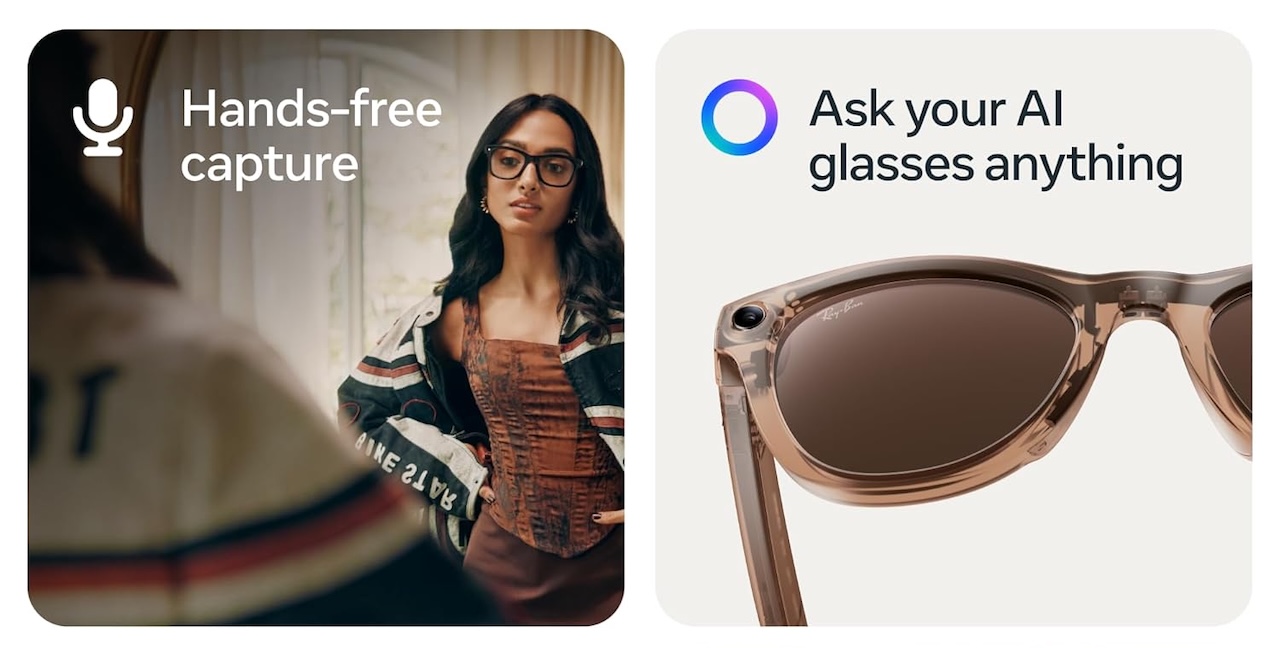
Display glasses, like the Ray-Ban Display and XREAL’s lineup, target people who want a private screen on demand. Notifications, navigation, translation, gaming on a virtual screen. Short-session devices, heavier by necessity.
If you’re trying to figure out which design’s for you, the question’s simple. Do you want one pair that does more, or a screen you can put on your face when needed?
XR glasses and AR glasses aren’t running the same race
A lot of CES 2026 noise conflated XR display glasses, AR display glasses, and AI glasses. They aren’t the same.
XREAL stole the spotlight at CES with the ROG Xreal R1, the first 240 Hz AR gaming glasses driving spatial screens up to 171 inches. It’s tethered to a PC or console and built for AAA gaming. Rokid showed glasses with mobile payments. Even Realities G2 pairs with a companion R1 ring for health metrics.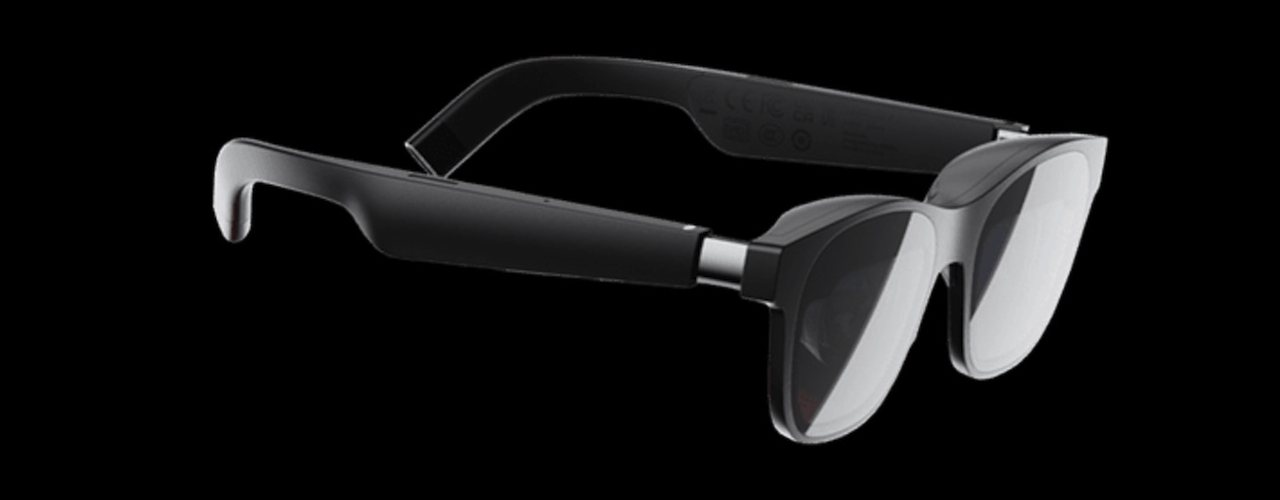
“Smart glasses” will splinter the way “smartwatch” did, but faster, because eyewear is already a category people own multiples of. By 2028, expect the typical tech-forward buyer to own two pairs: a daily-wear audio frame in prescription or sun lenses, and a display pair pulled out for specific tasks. The single-pair-does-everything bet is the one nobody’s actually making.
The companies that win will look like eyewear brands
EssilorLuxottica, the company behind Ray-Ban, Oakley, Persol, and most of the optical chains you’ve walked into, is now Meta’s manufacturing and distribution partner. Rocco Basilico, then EssilorLuxottica’s chief wearables officer, told Business of Fashion the company believes it cracked the code on making smart glasses mainstream before he stepped down in January 2026.
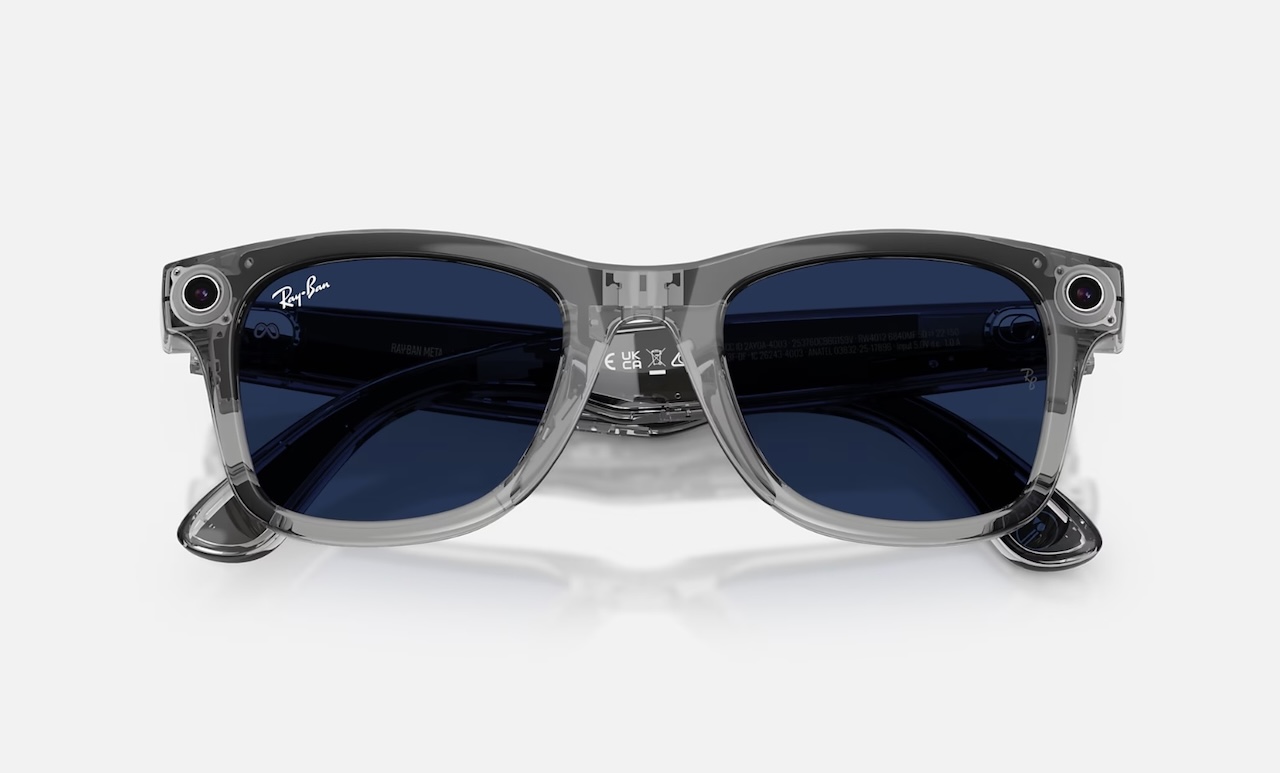 Meta’s Ray-Bans look right because the same teams that design regular Ray-Bans design them. They fit prescription lenses through the same retail network. They show up in LensCrafters and Sunglass Hut. Google and Samsung found their version of that partner in Warby Parker and Gentle Monster. Apple will need one too. By 2028, any smart glasses launch shipping at consumer scale will carry an eyewear-brand co-sign on the box. Anything that doesn’t will get treated as a tech demo.
Forecasts vary widely, but Smart Analytics Global lands on the bullish end and expects AI smart glasses revenue to quadruple in 2026, from $1.2 billion to $5.6 billion, with units rising from 6 million to 20 million. The winners won’t be the companies with the most sensors. They’ll be the ones whose glasses end up on the most faces.
What to watch through the rest of 2026
Three things will tell you whether the design bets are working.
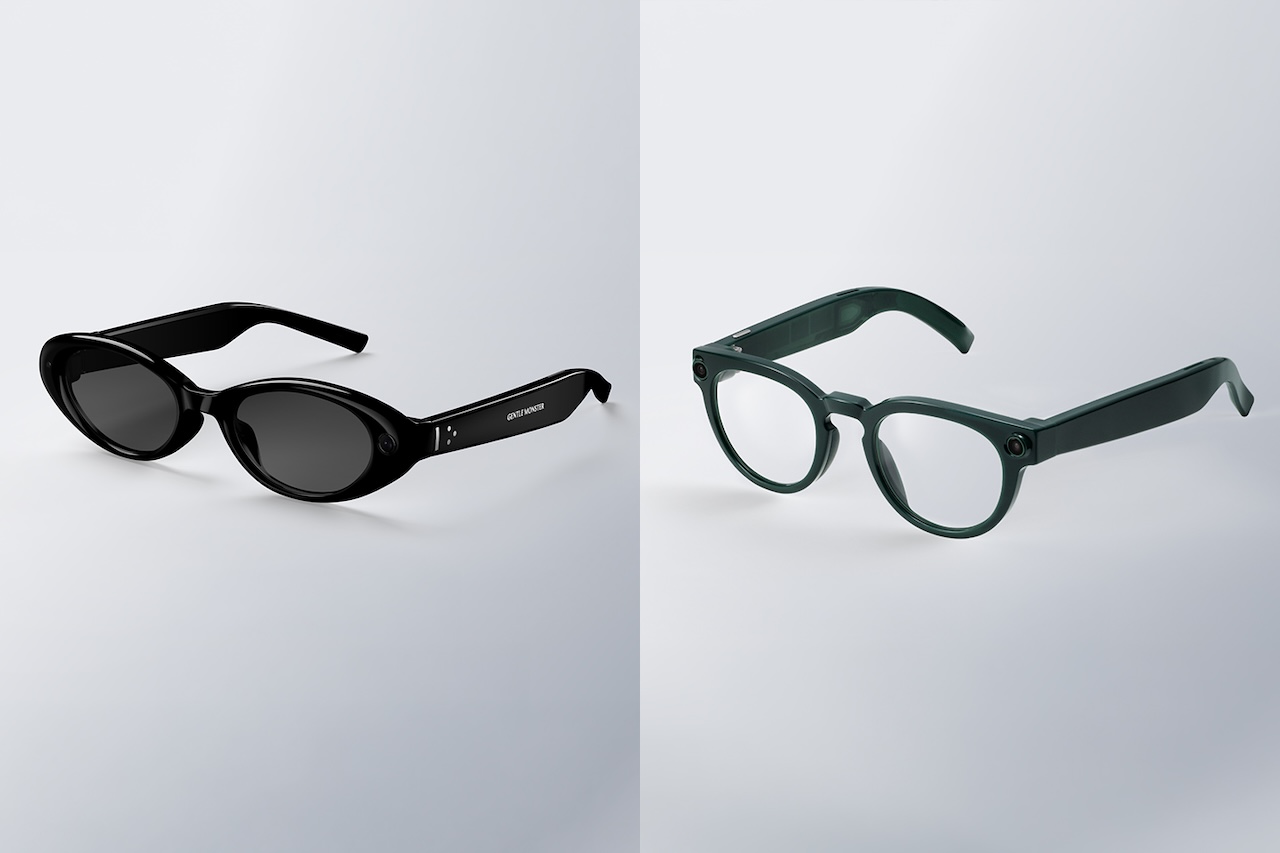
First, Google and Samsung’s fall launch. If the audio glasses ship at a price that undercuts the Gen 2 and sell through Warby Parker and Gentle Monster channels, it’s a serious mainstream play. If they’re priced like a flagship phone accessory and locked to Samsung stores, it’s a slower start.
Second, the Ray-Ban Meta Gen 3. Reports point to a Meta Connect 2026 unveiling. The Gen 3 is where Meta either holds the lead or shows that Gen 2 was the peak.
Third, Apple’s silence. When and how Apple enters reshapes the conversation again. If they partner with an eyewear giant, the strategy convergence is complete.