
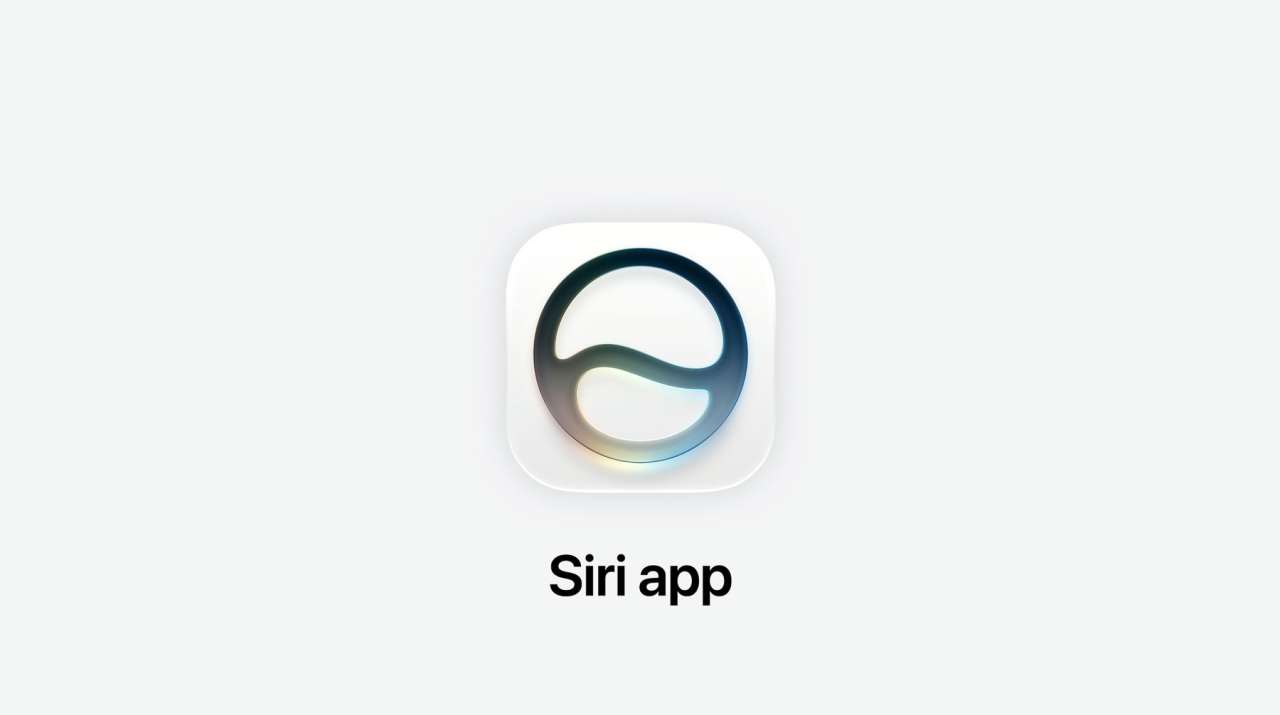
Apple spent two years talking about a smarter Siri. On June 8, 2026, the company finally showed it. The WWDC 2026 keynote introduced Siri AI, a rebuilt voice assistant that runs inside its own standalone app, carries on conversations, and understands context across your apps. The operating system updates get a public beta next month and reach users this fall, while Siri AI itself launches for customers in beta later this year. English-speaking markets get it first, and the EU and China do not.
What Apple announced at WWDC 2026 for the long-awaited Siri AI overhaul
Tim Cook took the stage at Apple Park on June 8 with a familiar problem to solve. Siri has been the butt of voice assistant jokes for years, and Apple knows it. The WWDC 2026 keynote was the company’s first real chance to change that narrative.
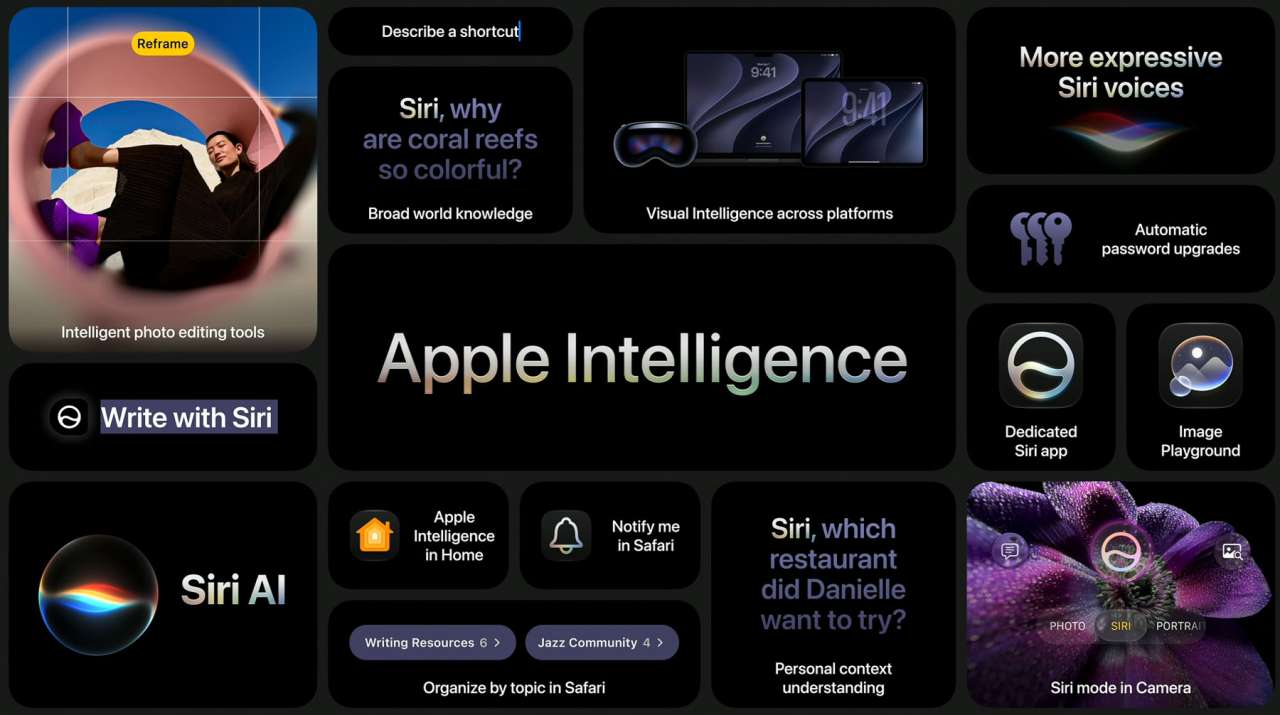
Siri AI is the answer, and it’s built on the Apple Intelligence architecture Apple first announced in 2024. The assistant uses on-device processing and private cloud compute to understand personal context, take actions inside apps, and identify what’s on your screen. Apple collaborated with Google, using Gemini technologies to power the next generation of Apple Foundation models that run locally and on servers.
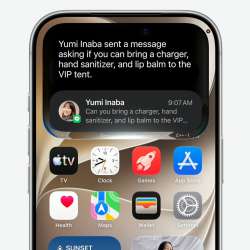

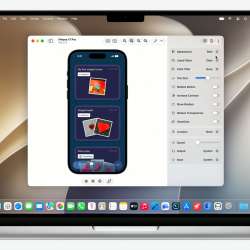
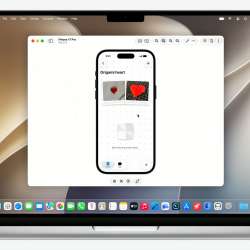
The biggest structural change is the standalone Siri app. Unlike the old Siri, which lived inside the operating system and disappeared after each query, the new version gets its own dedicated app where conversations persist and sync privately across devices through iCloud. You can revisit a conversation, pick up where you left off, and build context over time.
The standalone app model and how conversational context replaces old commands
The standalone Siri app is the strongest signal that Apple is done with the command-and-control era. Old Siri excelled at setting timers and sending texts. New Siri AI handles back-and-forth dialogue for detailed answers, much like the chatbots people have spent three years getting used to.
Conversational context is the feature that makes this possible. Siri AI can reference what you said three turns ago, understand follow-up questions without repeating the subject, and maintain thread continuity across the entire exchange. This isn’t a skin on top of the old engine. Apple rebuilt the underlying architecture to support genuine dialogue.
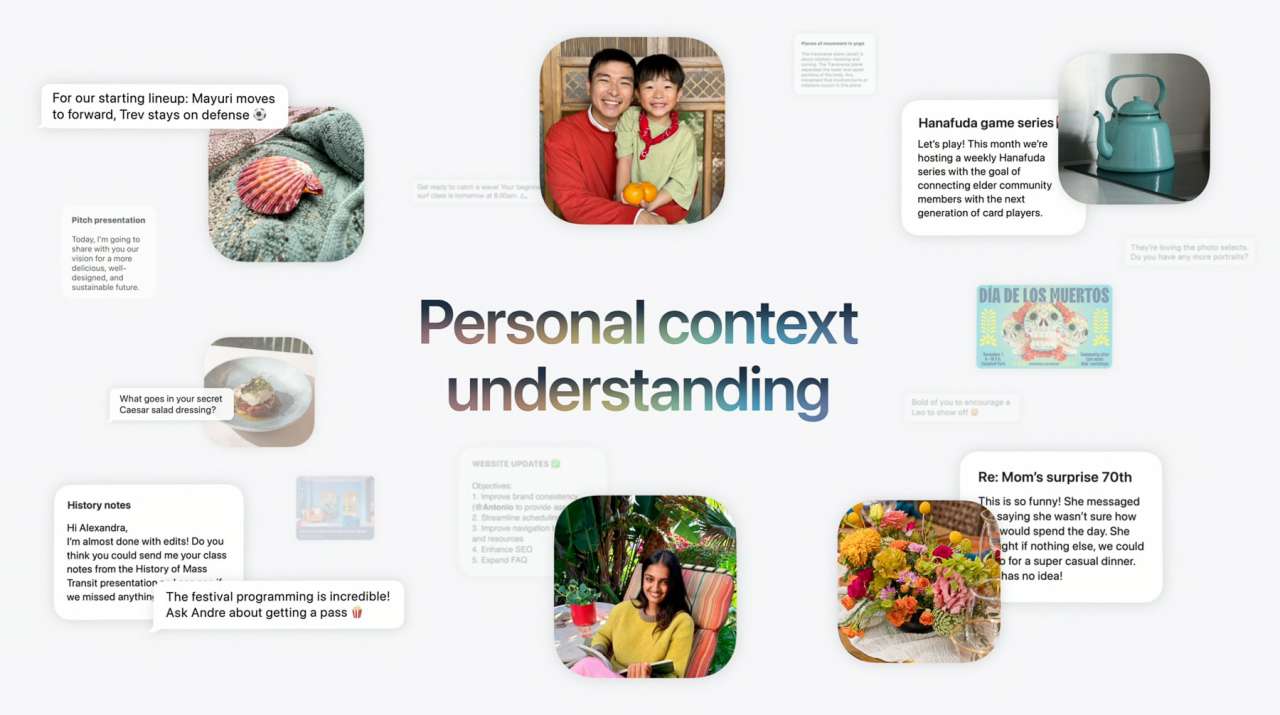
The app itself serves as a conversation history browser. Every exchange is stored locally and synced privately through iCloud. You can scroll back through previous chats, search them, and resume any thread.
This shift also changes how Siri interacts with the rest of the system. Instead of bouncing you to apps to complete tasks, Siri AI can take actions directly inside third-party apps using the App Intents framework. Developers can surface information and enable Siri actions without building custom integrations from scratch.
Cross-app awareness, Visual Intelligence, and improved voice recognition specifics
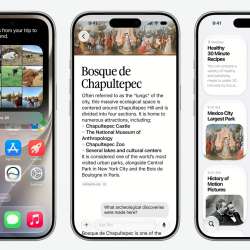
The old Siri knew almost nothing about what was happening outside its own bubble. The new Siri AI reads your screen, understands your photos, and pulls context from your messages, mail, and calendar. It’s the difference between a voice remote and an assistant.
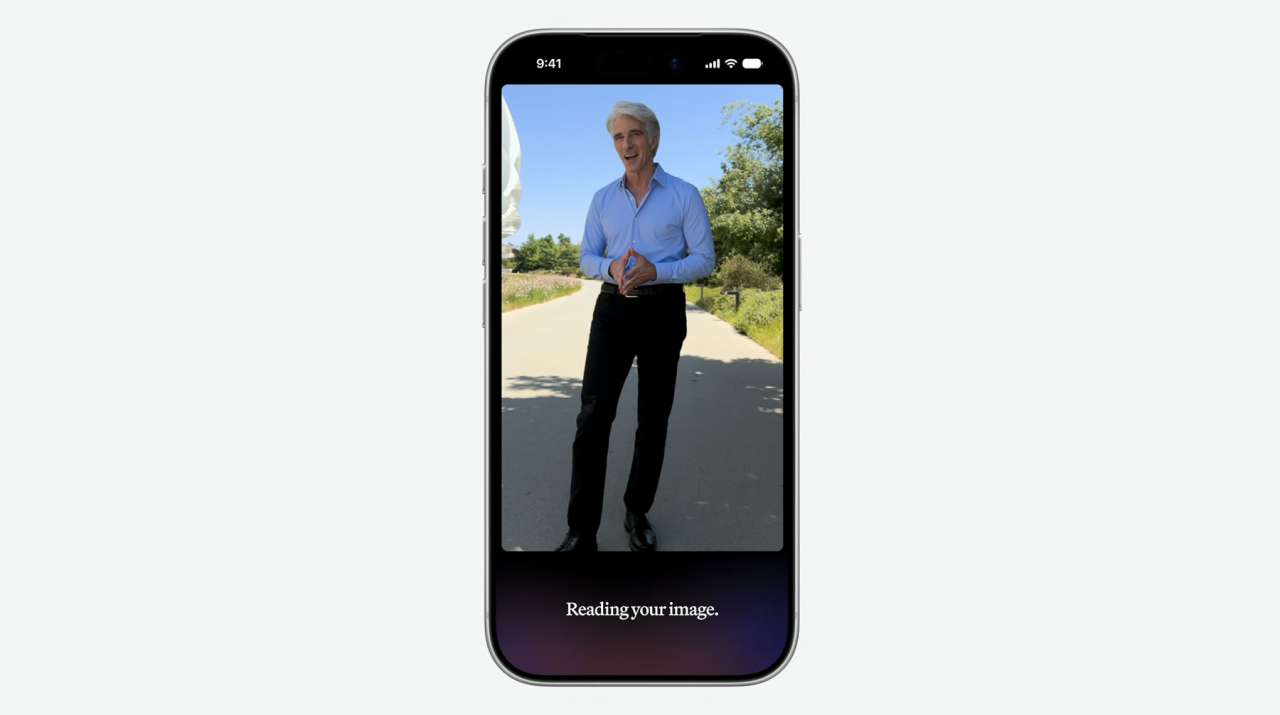
Visual Intelligence is the most platform-specific part of the overhaul. On iPhone, a new Siri mode inside the Camera app identifies what’s in front of the lens and answers questions about it. On macOS, dedicated keyboard shortcuts let you query screen content without reaching for the mouse. iPad integrates Visual Intelligence into the screenshot experience, and on VisionOS you can ask about physical objects around you only by looking at them.



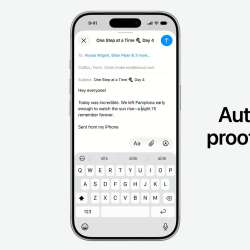
Voice recognition got a meaningful upgrade too. Siri AI offers more expressive voices with adjustable expressivity and pace, and system-wide dictation accuracy has improved for spelling, punctuation, and capitalization. The improvements work across keyboard-equipped apps, which means the benefits extend far beyond voice commands.
Release roadmap: July public beta, fall stable launch, and platform timing
The timeline is aggressive but familiar for Apple. Developer betas for iOS 27, iPadOS 27, macOS Golden Gate, and the other platform updates are available now. The public beta for the operating systems arrives next month, giving developers and early adopters a narrow window to test before the wider release. Apple plans to launch Siri AI itself in beta for customers later this year.
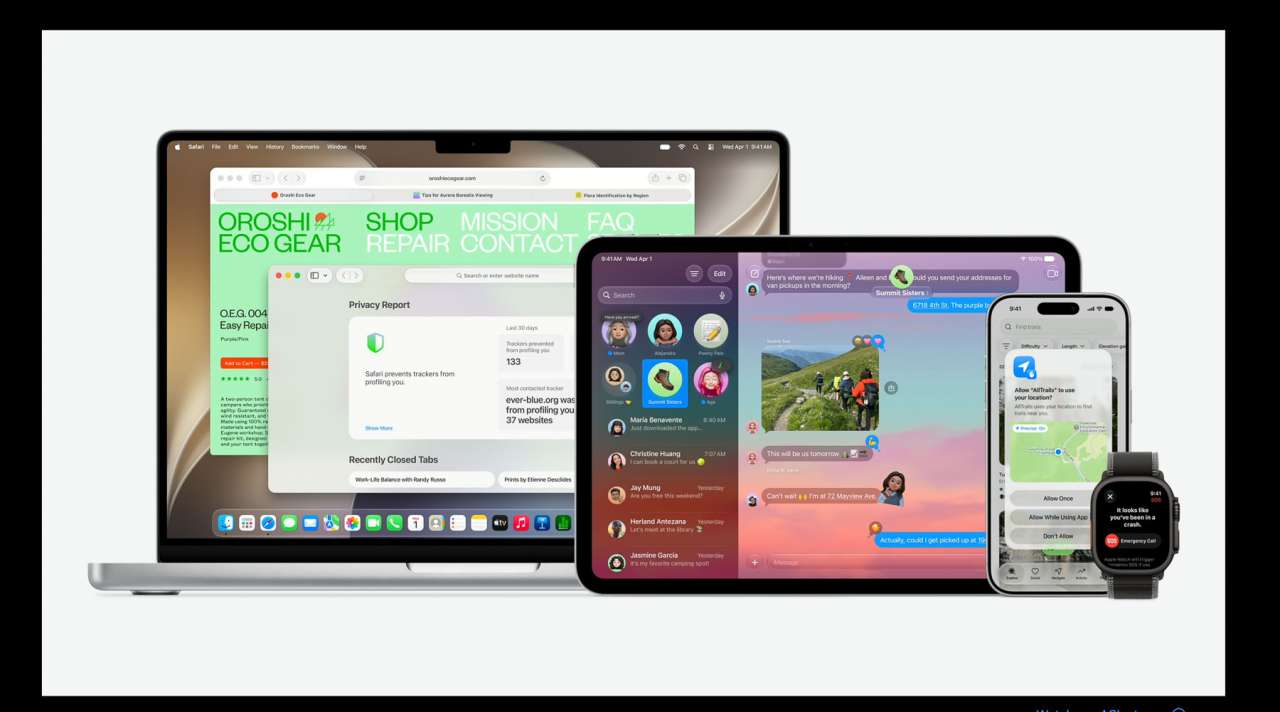
The stable release is expected this fall, in line with Apple’s typical software cycle. Most Apple Intelligence features ship free with the latest software updates, though image generation tools carry daily usage limits with expanded access for iCloud Plus subscribers.
Hardware matters for the full experience. The full on-device model, along with expressive voices and advanced dictation, requires the most capable iPhone, iPad, and Mac systems. Older devices will get a scaled-back version of the assistant, though Apple hasn’t yet published the exact compatibility list.
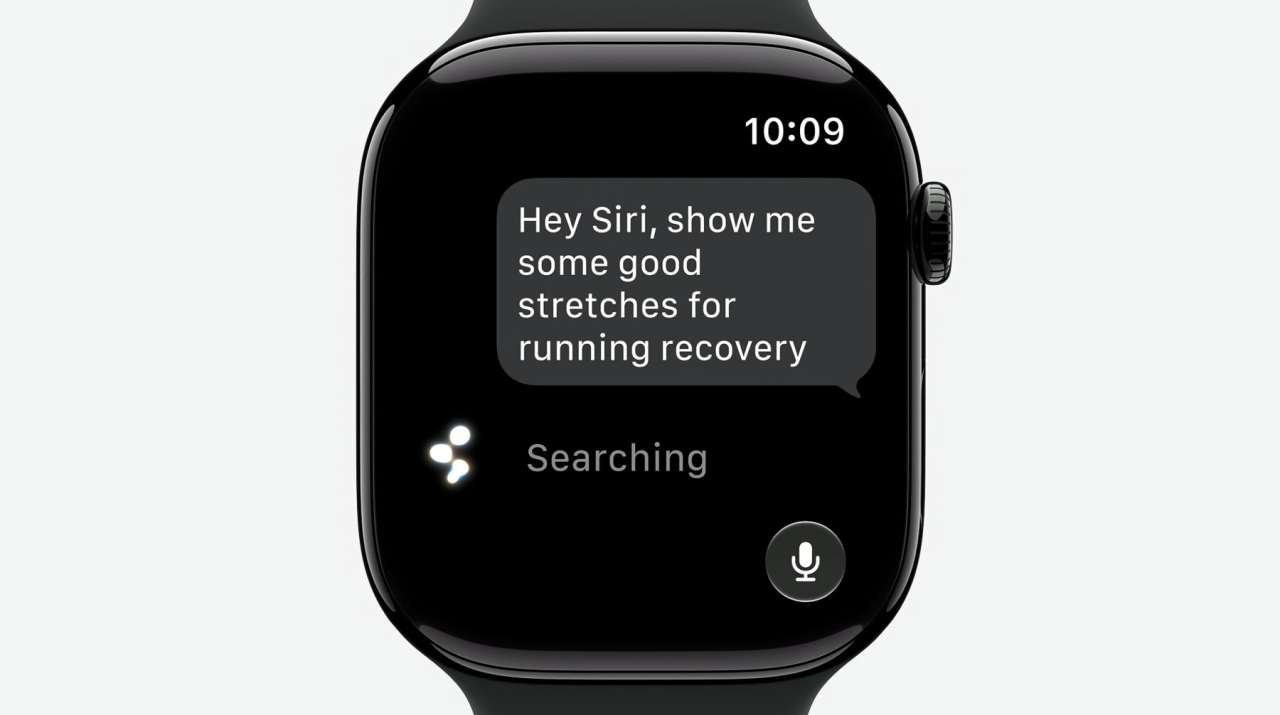
Apple also confirmed that Siri AI extends beyond the iPhone. It’s coming to iPadOS, watchOS with on-wrist interaction support, and VisionOS with spatial visualization that doesn’t require the “Hey Siri” voice trigger. The cross-platform scope is wider than any previous Siri launch.
Language limits and regional exclusions: why EU and China miss out now
Not everyone gets Siri AI on day one. Apple stated explicitly that the assistant won’t be available in the EU on iOS and iPadOS at launch, citing the company’s work to preserve user privacy and security under local regulations. In China, Siri AI and new Apple Intelligence features are unavailable while Apple addresses regulatory requirements there.
The EU exclusion is particularly notable given the region’s history with Apple services. The Digital Markets Act and related privacy frameworks have delayed or modified several Apple features in recent years, including alternative app stores and browser engine choice.
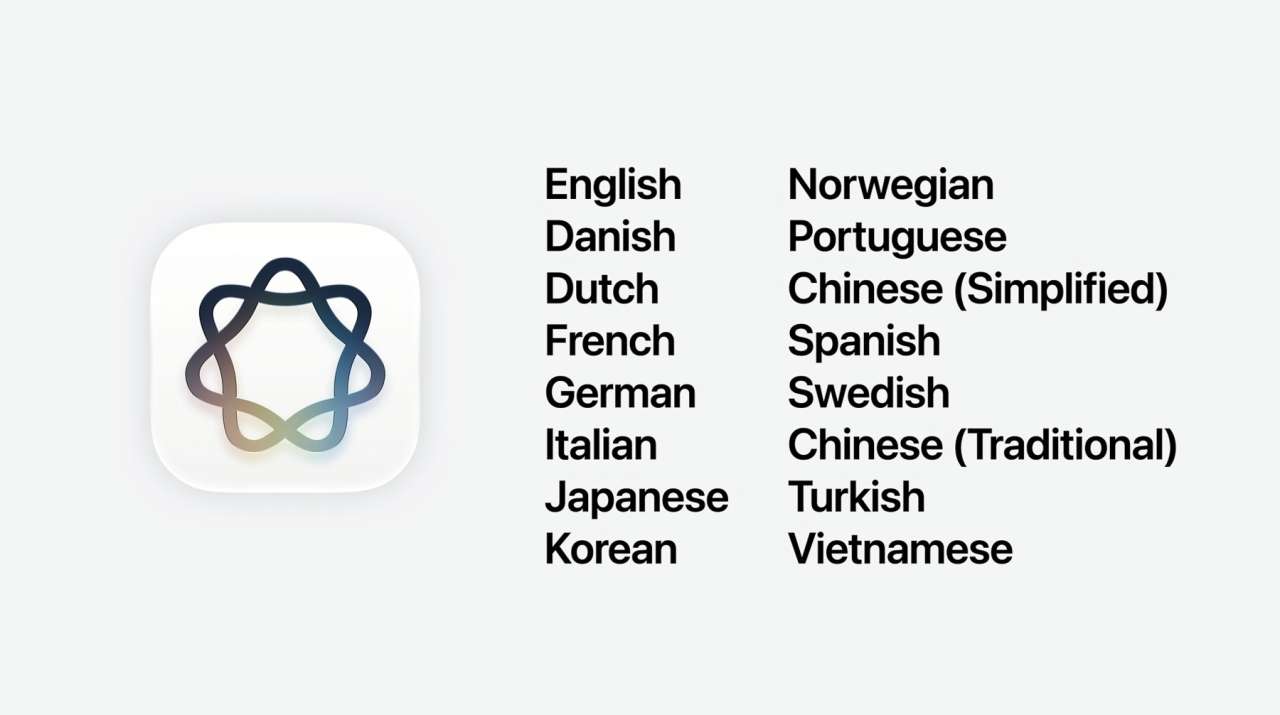
English-speaking markets get priority, with additional languages promised for future updates. The phased rollout mirrors Apple’s historical approach to major features, but the two-month gap between the July beta and the fall stable release means non-English users could be waiting well into 2027 for full support.
How this compares to the Siri improvements originally promised back in 2024
Apple first demoed many of these capabilities in 2024, then quietly pushed them back twice. The original Apple Intelligence announcement promised a more capable Siri with on-screen awareness and deeper app integration. What shipped in 2024 was a modest upgrade that barely moved the needle.
The 2026 version delivers on most of what Apple teased two years ago. Siri AI reads what’s on your screen, pulls context from messages and photos, and chains actions across apps. There’s a standalone app with conversation history. The assistant behaves like the chatbot competitors Apple spent years downplaying.







The gap between promise and delivery is worth remembering. Apple announced Apple Intelligence in June 2024, delayed key Siri features to 2025, then delayed them again. The WWDC 2026 unveiling arrives nearly two years after the original tease, which is an eternity in the AI race.
Whether Siri AI closes the gap with ChatGPT and Gemini depends on execution, not demos. The July beta will tell us if the conversational engine is as capable as the keynote suggested, or if Apple is still playing catch-up. For now, at least, the standalone app and cross-app context are real steps forward.
