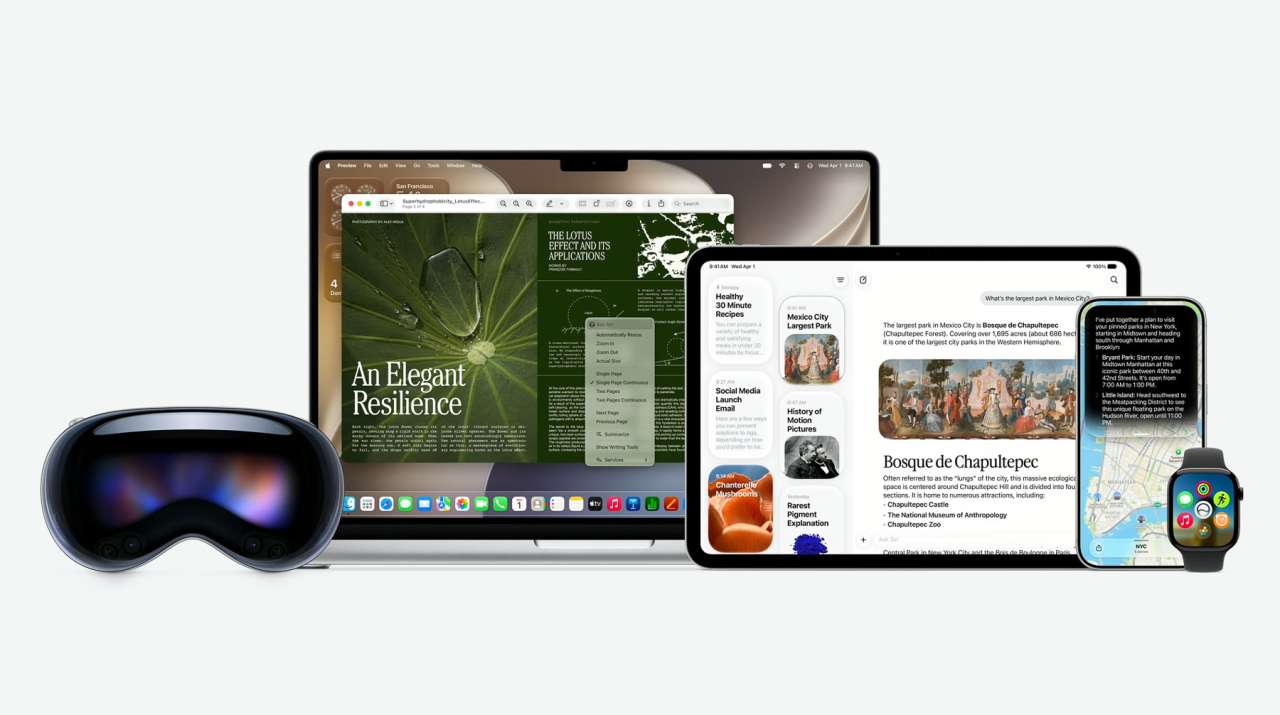
Tim Cook’s WWDC 2026 keynote was not about one headline feature. It was about Apple admitting what it could not build alone, while quietly doing something remarkable for anyone who keeps their hardware longer than two years.
After two years of promising an AI leap that never fully arrived, Apple changed strategy: it called in help, and a lot of it. The result is the most consequential software cycle in a decade, though not always for the reasons the headlines are chasing. We watched the full keynote, parsed the transcript, and checked every claim against what Apple actually said on stage. Here is what matters for the people who use these devices every day.
Apple built its AI on Google’s Gemini technology, and that is good news
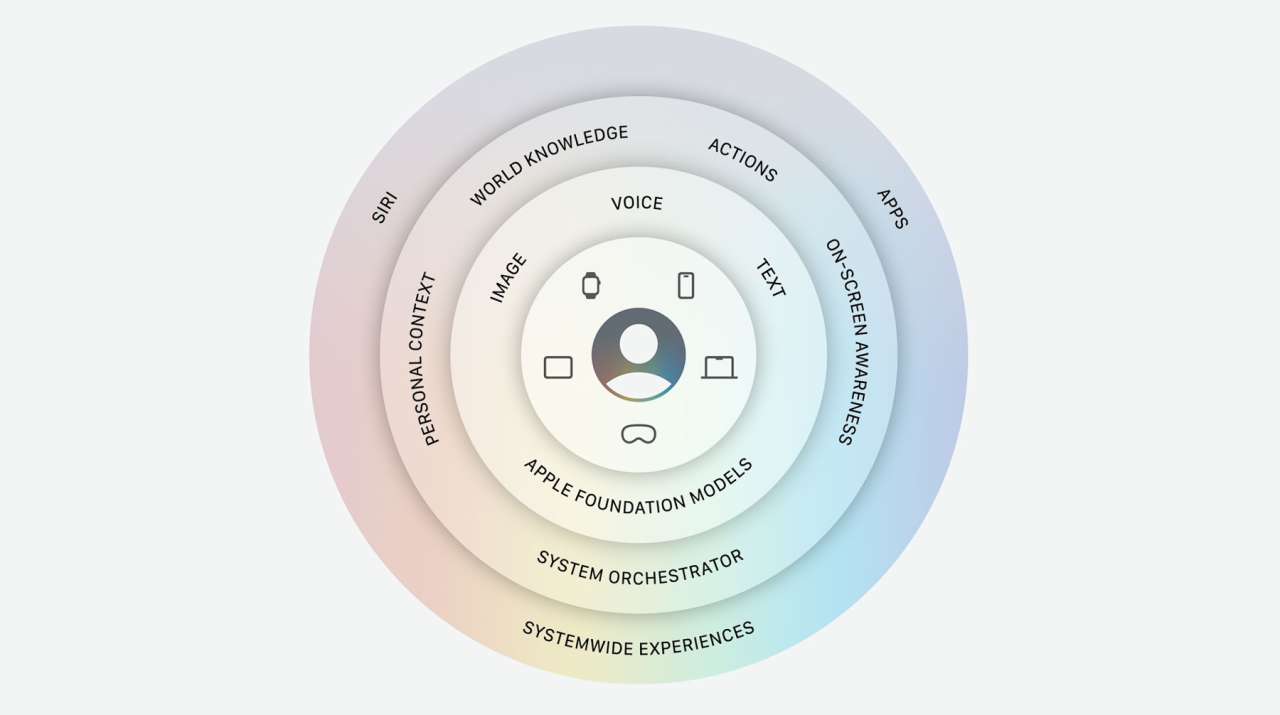
Let us start where Apple started. Siri AI is the new name for a completely rebuilt assistant, and the foundation under it changed in a way Apple rarely admits. Apple described “a deep collaboration with Google, leveraging the technologies behind their Gemini family of models,” and said that together they “created the next generation of Apple Foundation models” that run on device and on servers using Private Cloud Compute.
The nuance matters, and it is where a lot of early coverage gets it wrong. Apple is not piping your requests into Google’s consumer Gemini. It built its own next-generation Apple Foundation models using Gemini technology, then runs them inside its own infrastructure. The honest read is still striking: Apple, after a decade of insisting it could do frontier AI entirely in-house, leaned on Google to get there.
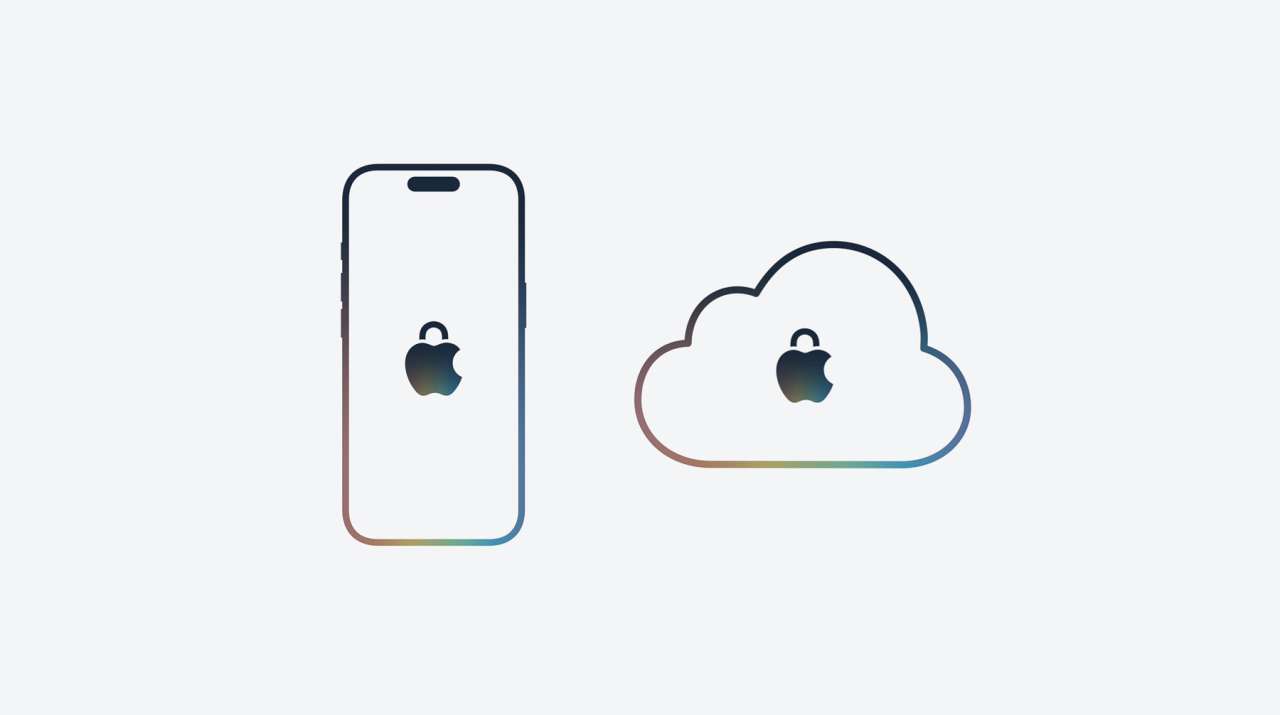
Here is what that means in practice. Siri AI uses two paths. Simple and personal requests, like setting a timer, pulling a location, or searching your own photos, run on device. Heavier reasoning routes to Apple’s server models inside Private Cloud Compute. Apple says your data “is not stored or accessible to Apple or anyone else,” is used only to execute your request, and that outside experts can continue to verify that promise.
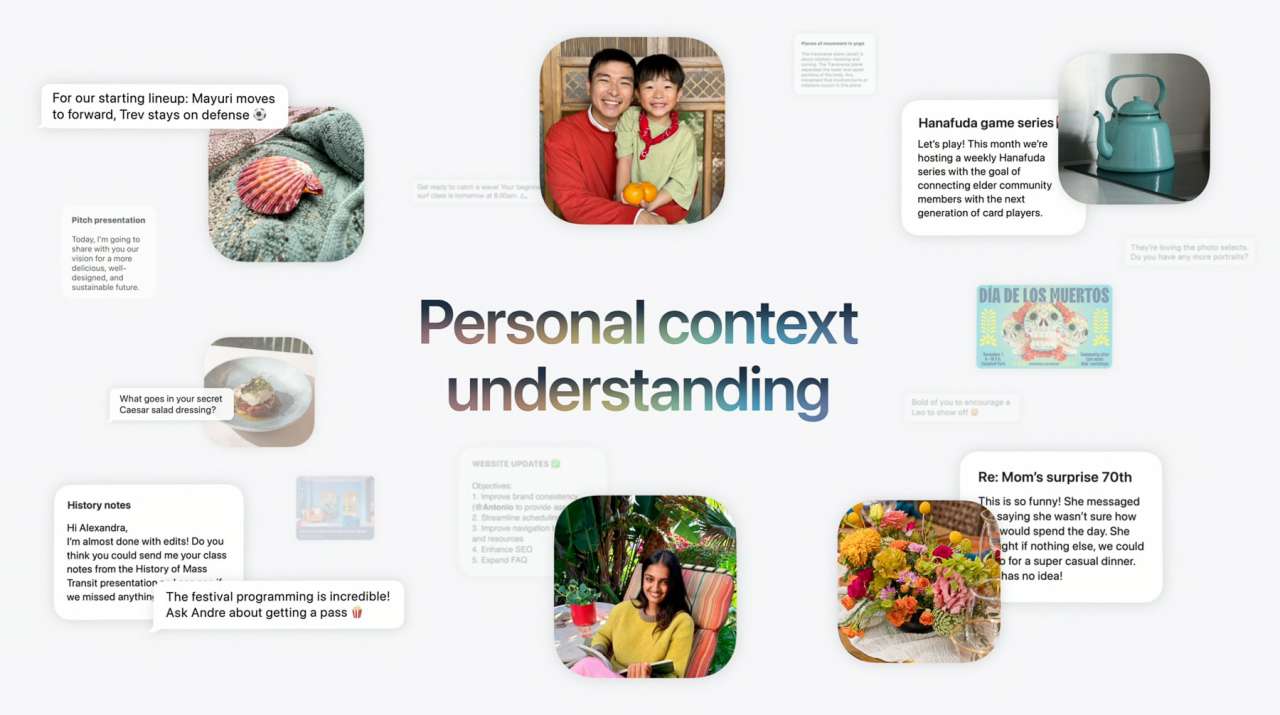
The practical result is a Siri that can finally hold a conversation. In the demo, Mike asked Siri about a Suki Waterhouse concert in San Francisco, followed up about tickets, set a reminder to enter the ticket lottery, and then asked to hear one of her songs. Siri held context across all four requests without the user re-explaining anything. That alone puts it in the same conversation as ChatGPT and Gemini.
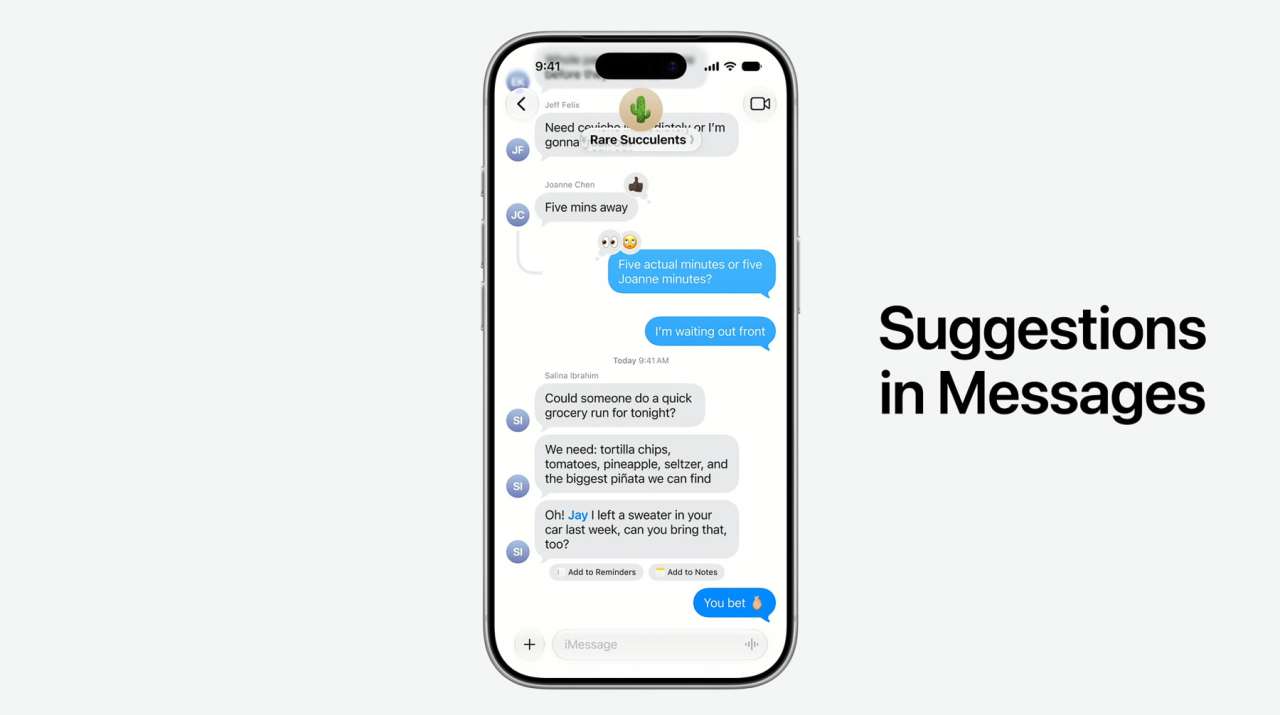
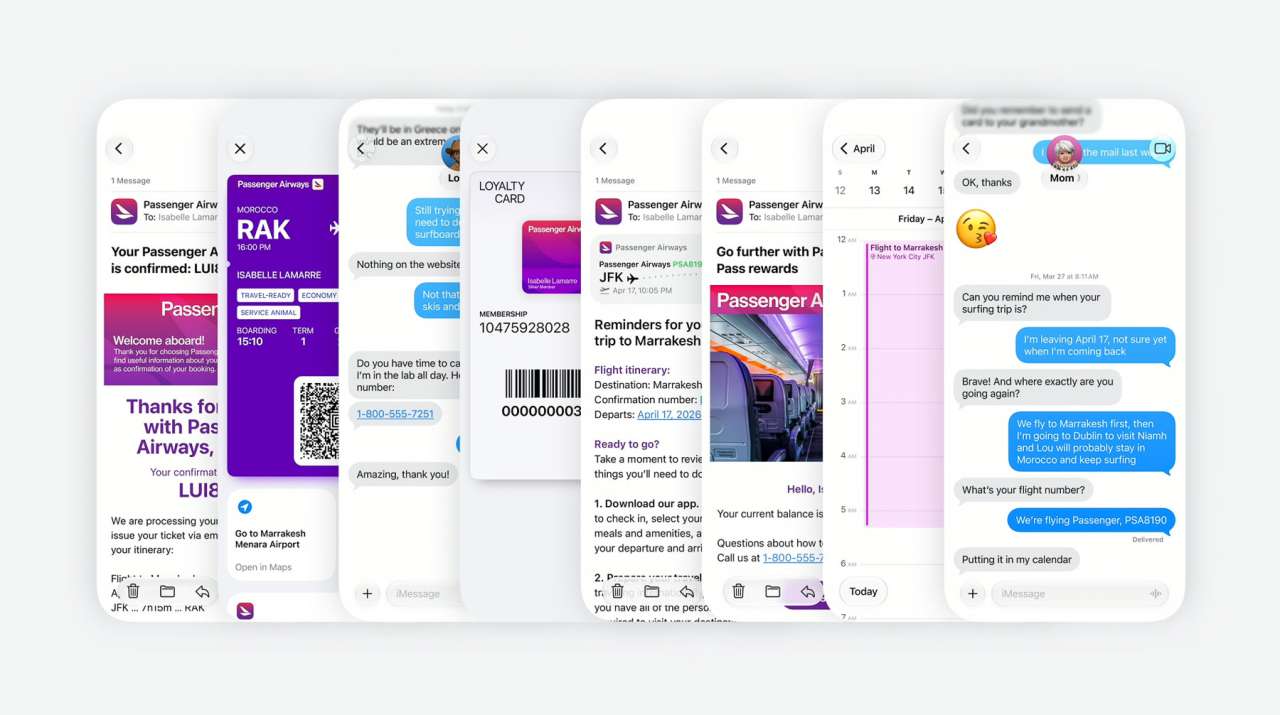
The more impressive demo was personal context. Mike asked Siri to show photos “from up in Shasta last weekend,” then said to add just the ones with three named family members to a shared family album, all without opening the Photos app. Siri searched across photos, contacts, and albums using natural language. That is the kind of integration only the company that owns the device, the OS, and the services can build.
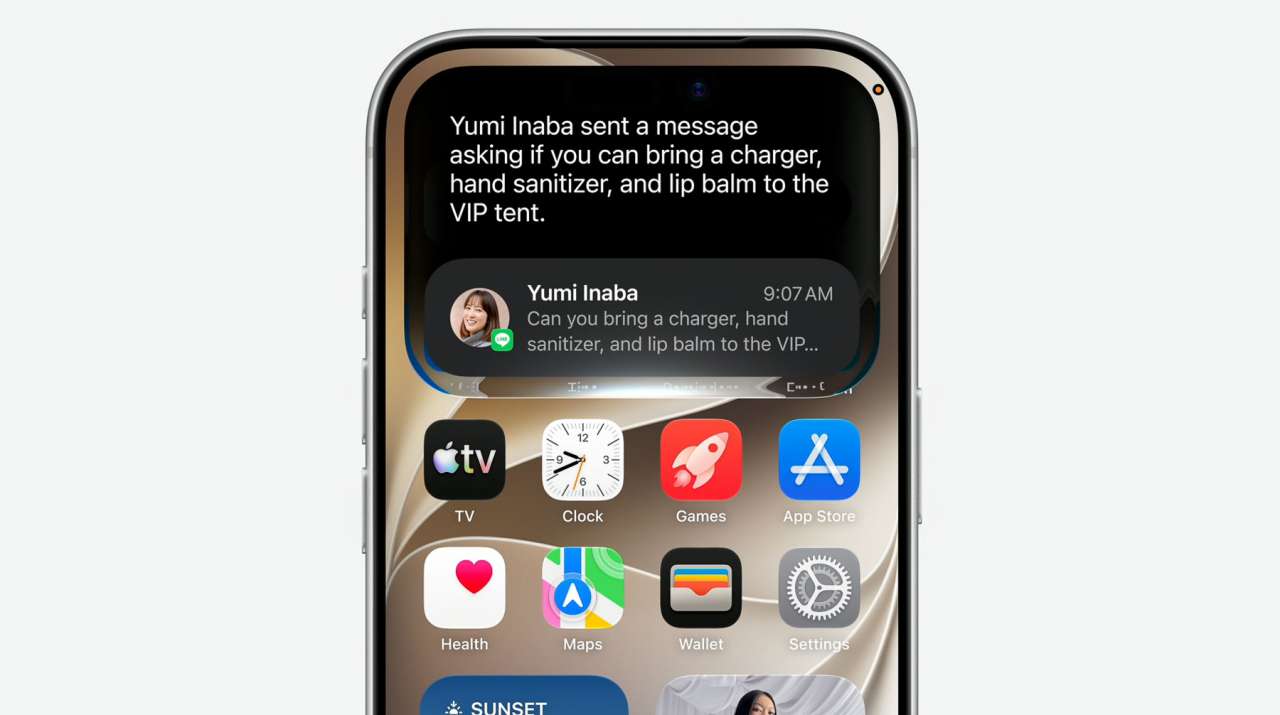
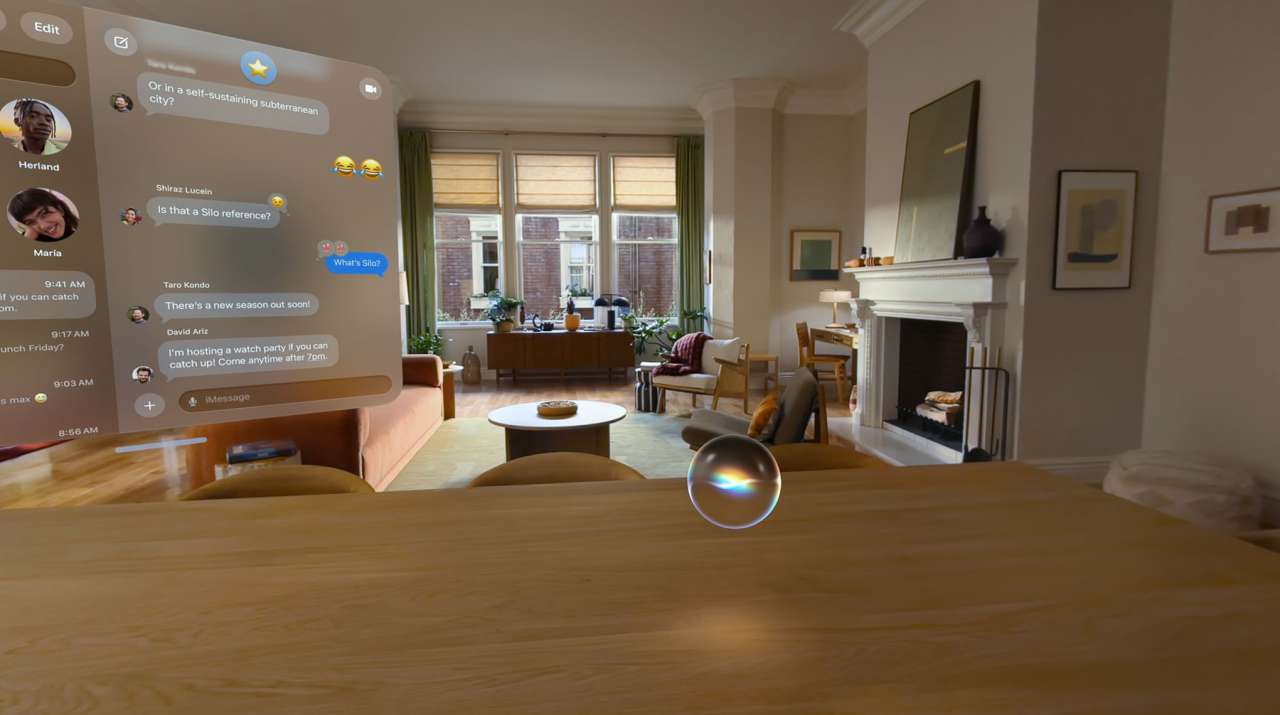
There is a dedicated Siri app now, with conversation history synced privately through iCloud, so you can start on iPhone and finish on Mac. Visual intelligence is built into the Camera app on iPhone, available through a keyboard shortcut on Mac, and integrated into the screenshot experience on iPad. On Vision Pro you can ask about objects just by looking at them, with no “Hey Siri” trigger needed.
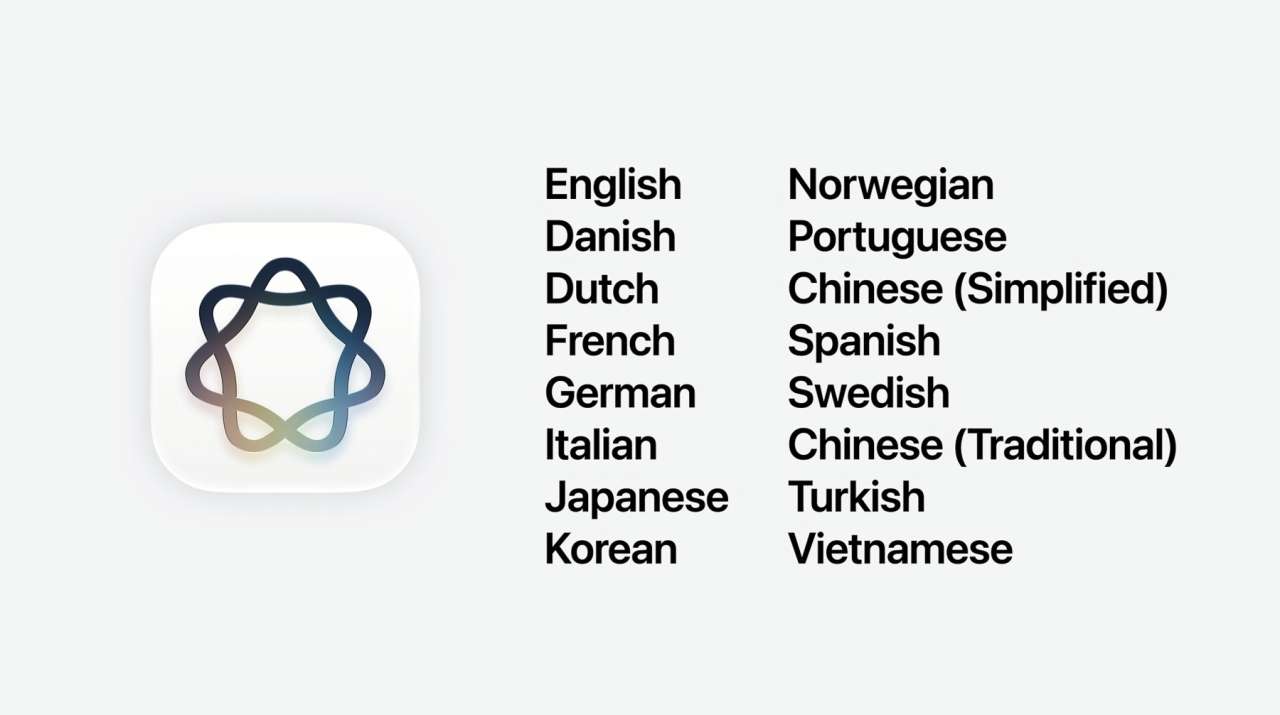
The catches are real. Siri AI launches in English first and will “quickly” expand to more languages. It will not be available in the EU on iOS and iPadOS at launch, with Apple citing the work needed to preserve privacy and security. And in China, Siri AI and the other new Apple Intelligence features will not be available while Apple works through regulatory requirements.
One more limit, and it sets up the next section: Apple said its most powerful on-device model and the features it enables, expressive Siri voices and more advanced dictation, are “coming to our most capable iPhone, iPad, and Mac systems.” If you are on an older but still supported device, you get the cloud-based Siri AI, but not those local voice and dictation upgrades.
The hardware reality: who actually gets what
Apple Intelligence is not a single experience, and Apple did not lay the breakdown out cleanly on stage. So here is our reading, clearly labeled as analysis rather than something Apple spelled out device by device.
Apple made three separate statements about device support, and they do not all mean the same thing:
- The broad OS layer. iOS 27 runs on iPhone 11 and every model that supported iOS 26, which Apple called the widest iOS support ever. These devices get the responsiveness work: faster app launches, the rebuilt search, smoother animations, and the Liquid Glass refinements. None of that requires Apple Intelligence.
- The Apple Intelligence layer. Apple said the new generation of Apple Intelligence “will be supported on the same product models that support Apple Intelligence today.” That is the key line. Older phones like the iPhone 11 through the iPhone 14 do not support Apple Intelligence today, so they do not get the new AI features. They get a faster phone, not a smarter Siri.
- The most capable layer. The most powerful on-device model, and the expressive voices and advanced dictation it enables, is limited to Apple’s “most capable” iPhone, iPad, and Mac systems.
Apple deliberately did not name exact models for any of these tiers beyond the iPhone 11 floor for iOS 27, so treat any specific model list as informed inference, not a keynote fact.
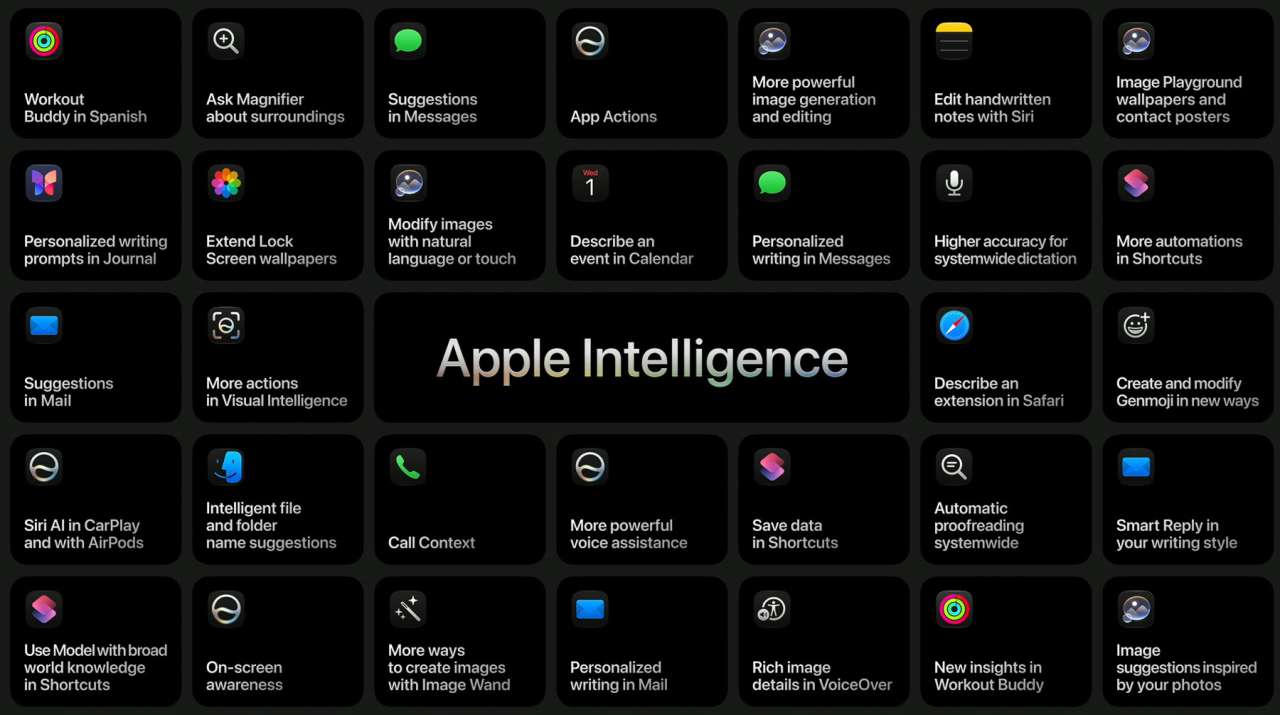
Why this matters: Apple markets Apple Intelligence as one unified feature set, and it is not. If you own an iPhone 12, you will get a meaningfully faster phone this fall, but no Siri AI at all, because the iPhone 12 is not an Apple Intelligence device. The real feature gap sits between the devices that support Apple Intelligence and the newest, most capable ones that also get the local voice and dictation upgrades. That is the fine print worth reading before you upgrade.
Your iPhone 11 just got a serious extension on life
While AI consumed the headlines, the quietly radical announcement was in the performance section. iOS 27 will run on iPhone 11 and every device that supported iOS 26. Apple called it the widest iOS release support ever and said it reaches more users than any iOS release before it.
Apple got there by bringing its advanced CPU scheduler to older iPhones. The scheduler decides how the processor divides work across tasks. On newer iPhones it was already advanced, and this year Apple optimized it further and figured out how to bring it all the way back to the iPhone 11.
The claimed gains are substantial: apps launch up to 30 percent faster by preloading the data they need, new photos appear in your library up to 70 percent faster, AirDrop transfers are up to 80 percent faster, and browsing and transferring files from iPad to an external drive is up to five times faster.
For a publication that reviews the gear people carry every day, this matters. The iPhone 11 is nearly seven years old. Most Android phones from that era stopped getting security updates years ago. Apple choosing to not just support that hardware but actively optimize for it cuts against the upgrade-every-two-years cycle the industry pushes. There is a services-revenue incentive underneath it, since every active device is a potential subscriber, but the outcome is the same: millions of people will not need a new phone to get a better experience this fall.
Photos gets Spatial Reframing, and it is genuinely new
The Photos app gained three AI editing tools, and one of them is unlike anything from the usual photo editors.
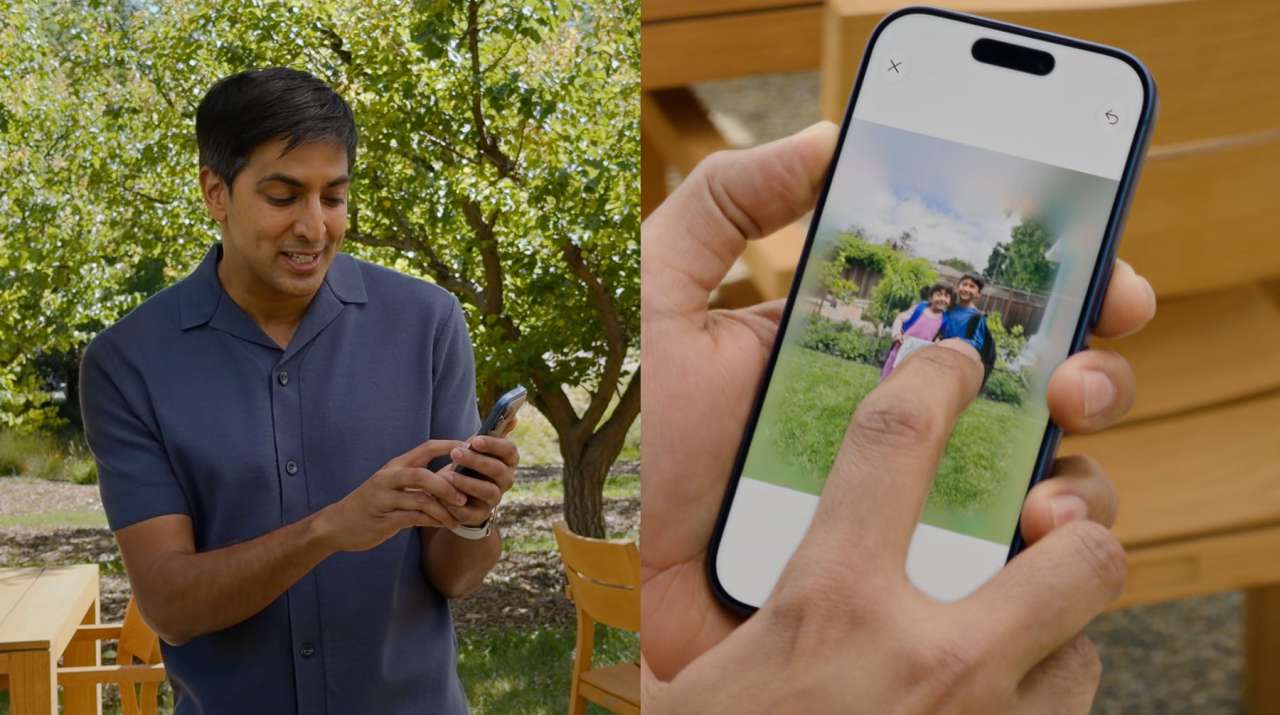
Cleanup improved, removing distractions with more realistic infill even in complex scenes. Extend lets you expand an image for a different aspect ratio or to straighten a crooked horizon without cropping out anything important, similar in spirit to generative fill. Both run on Apple Intelligence image models through Private Cloud Compute.
Spatial Reframing is the headliner. Drawing on the spatial models Apple built for Vision Pro, you can grab a photo and shift the framing as if you had repositioned the camera in the original scene. On-device spatial models preview the effect in real time, and you will see a blur at the edges that the generative model on Private Cloud Compute fills in when you commit the reframe. Apple noted the system only generates new content for the gaps, so the rest of the photo stays consistent with the original.
Apple demoed it on a photo of the presenter’s son and daughter on their last day of school, moving the camera down so the kids were better framed, with the filled-in content matching the scene. Importantly, Apple said these Photos features work on “almost any photo in your library, even older photos or photos taken with other cameras,” so this is not gated to shots with Portrait-mode depth data.
Private Cloud Compute, in plain English
Apple spent real time on privacy, so here is what it actually claimed. Simple requests stay on your phone. Complex ones go to Apple’s servers, which run Apple’s next-generation Foundation models inside Private Cloud Compute. Apple says your data is used only to answer your request, is not stored, and is not accessible to Apple or anyone else, and that outside experts can verify this.
What Apple did not address on stage: whether any metadata about your requests leaves the device, whether the fact that you asked a given question is logged, or what happens if a government compels data retention. “Outside experts can verify” is a strong commitment, but it is a commitment, not a mathematical guarantee. For most people this is a clear improvement over services that retain conversations by default. It is still not the same as fully on-device processing, and the moment a request leaves the phone you are trusting Apple’s infrastructure.
The freemium AI model Apple glossed over
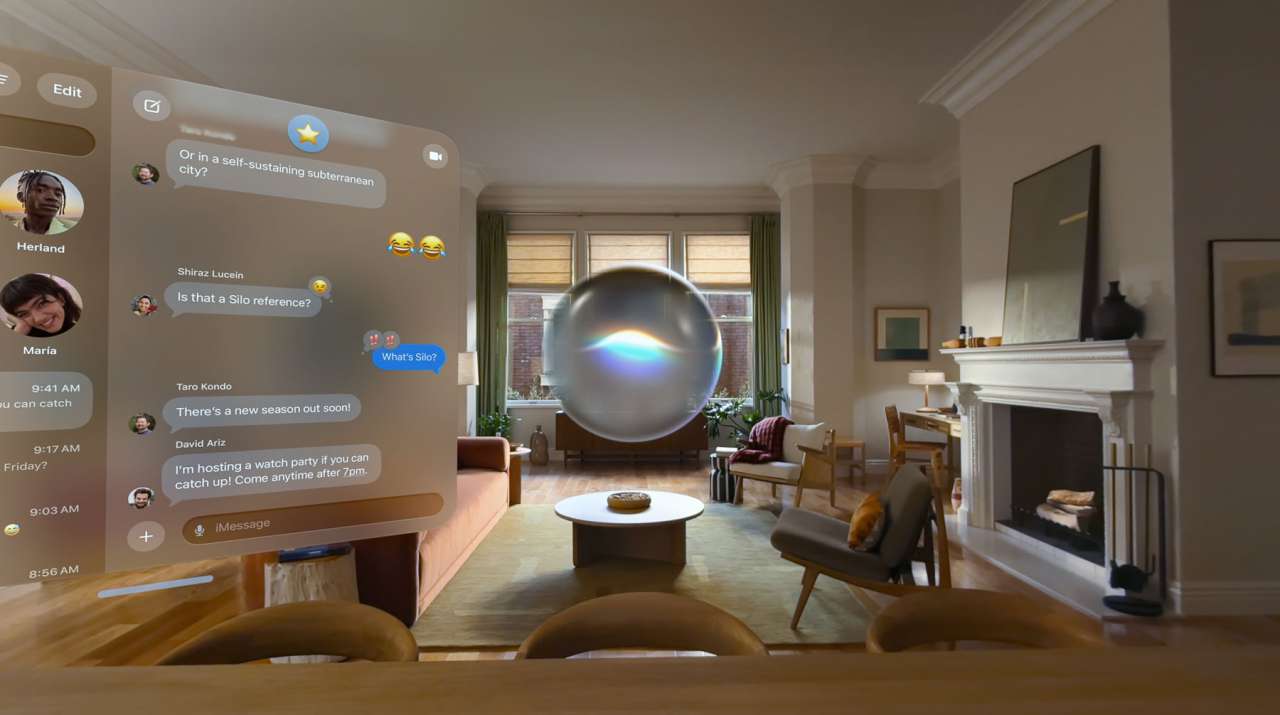
Near the close was a business-model shift that got little attention. Most Apple Intelligence features are free with the latest software releases. But image generation, including Image Playground, carries daily usage limits because it relies on powerful server models. Increased access comes with most iCloud Plus plans, which Apple also said now include Apple Intelligence support for compatible home cameras.
In short, text and core intelligence are free because they are cheap to run, and the compute-heavy image generation sits behind a subscription. If you were planning to generate unlimited AI images this fall, budget for iCloud Plus. Note that Apple specifically tied the daily caps to image generation, not to the Photos editing tools.
Hardware-adjacent notes: AirPods, Vision Pro, Apple Watch, and Maps
Not everything was AI. A few announcements matter for people invested in the ecosystem.
AirPods gain custom EQ so you can further personalize how they sound. Apple did not detail exactly how the adjustment works.
Vision Pro can turn panoramas you have shot into spatial scenes with depth, which you can then use as immersive environments. A vacation panorama becomes a space you can sit inside.


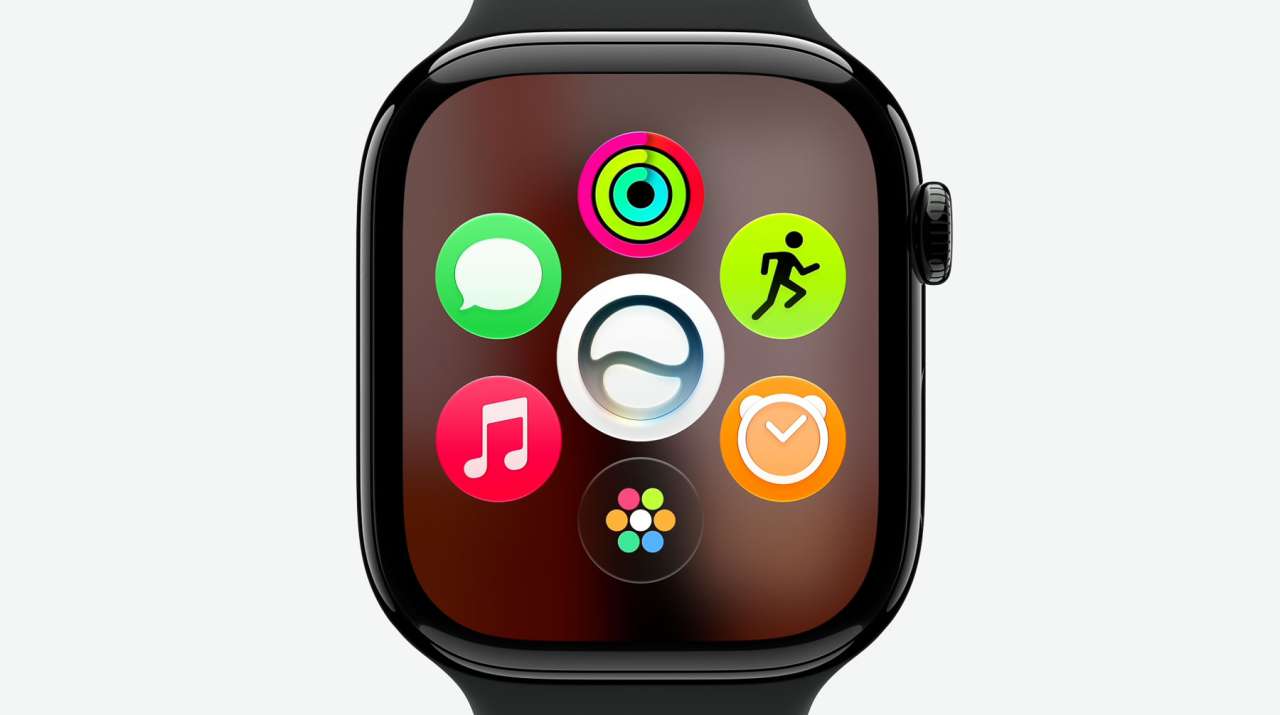
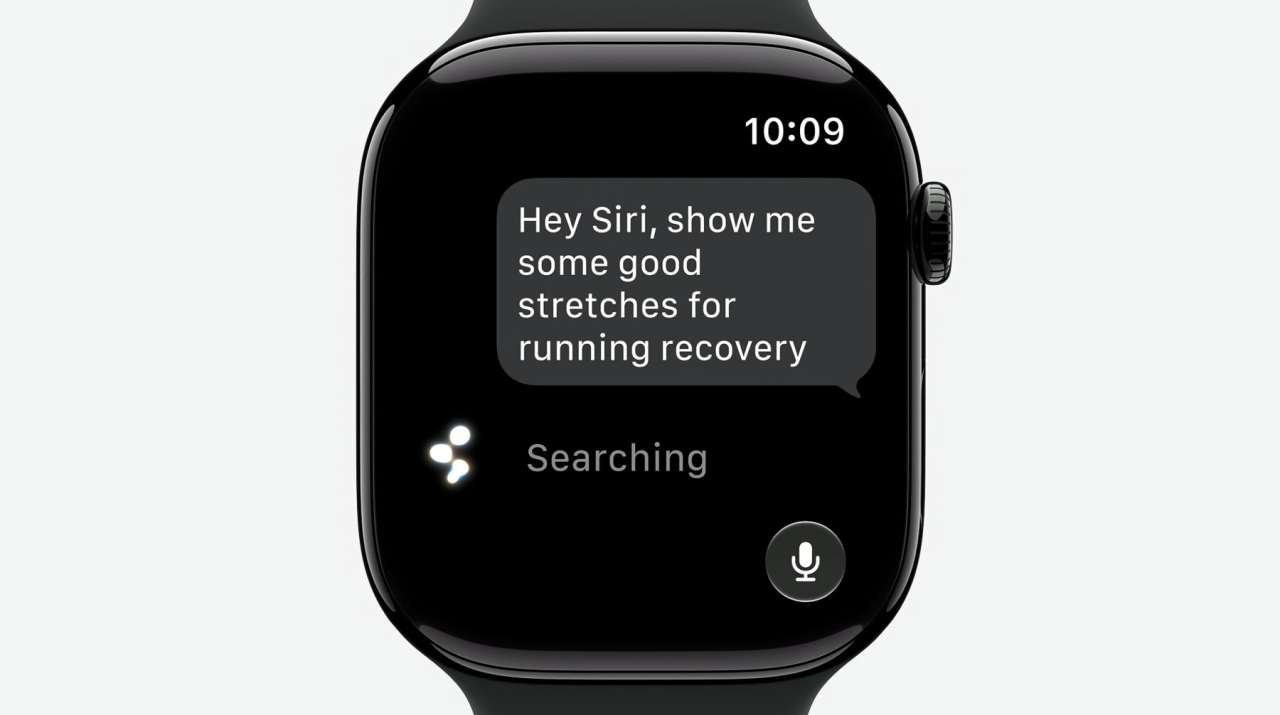
Apple Watch gets Siri AI on the wrist, with a new app grid for reaching the Siri app.
Maps gets a dramatically enhanced Flyover. Using aerial imagery combined with vision intelligence models, Apple renders cities in sharp detail, down to individual trees and the way light reflects off glass towers.

iCloud Shared Albums now accept full-resolution photos and videos from friends on Android and Windows, a small but real olive branch to mixed-device families.
Health also expanded Cycle Tracking to support perimenopause and menopause, with notifications and educational information.
Apple spent serious time on child safety, and parents should pay attention
Apple devoted a substantial, uninterrupted block of the keynote to child safety, grounded in two principles: that every child is unique and parents decide what fits their family, and that the features should be based on expert health research.
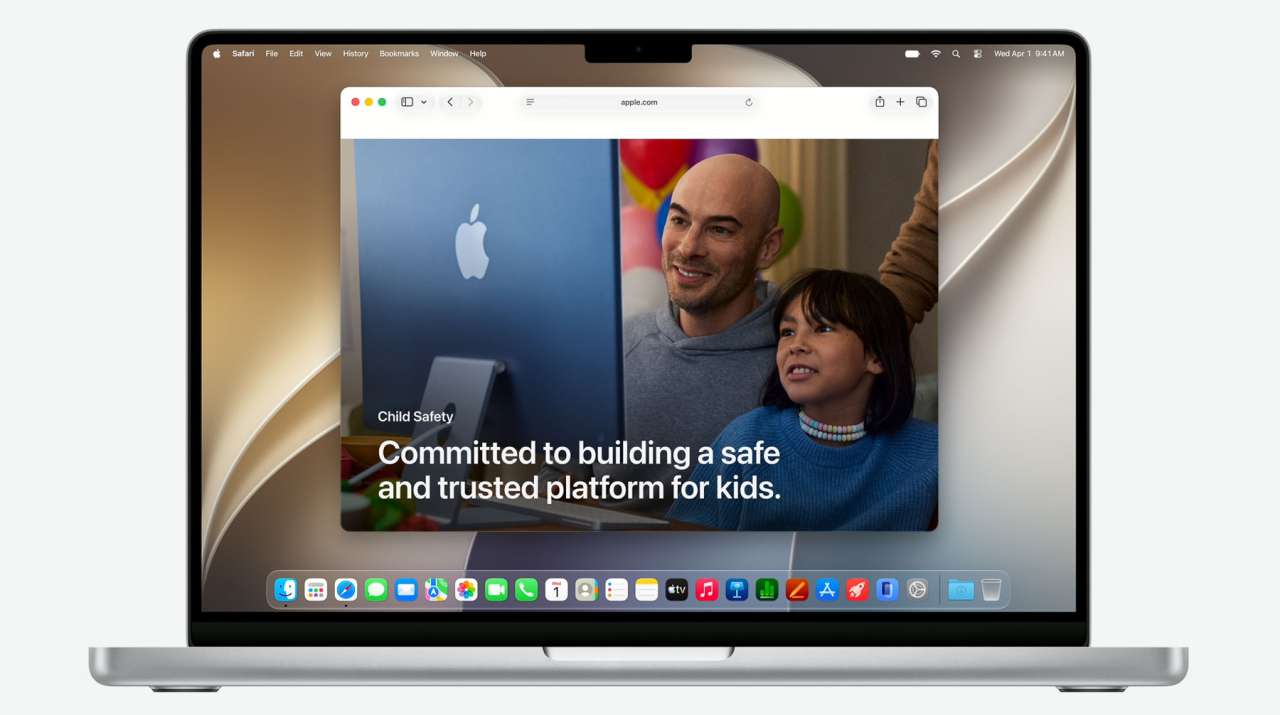
The foundation is the Child Account, which immediately enables age-based safeguards: blocking adult websites, allowing only age-appropriate media, and setting App Store restrictions. New this year is Ask to Browse, which has kids request permission before visiting a new website, alongside the existing Ask to Buy for apps. Both are on by default for kids under 13.
Communication Safety now goes beyond nudity to also intervene before kids see gore or violent content in shared images and videos, and it works even on live FaceTime calls. Parents control who kids can contact, starting with immediate family and grandparents, and approve new contacts.
Time Allowances, developed with the American Academy of Pediatrics, provides daily recommendations for entertainment, games, and social media based on a child’s age, with parents able to adjust everything. Parents can also build schedules that change which apps are available at different times, for example restricting access during school. The entire Screen Time interface was redesigned for quick, in-the-moment adjustments. For developers, Apple shipped APIs for nudity and violence detection, parental contact approval, and a privacy-preserving declared age range.
What developers got, and why it reaches you
Even if you do not write code, these tools shape the apps you use.
The Foundation Models Framework lets developers use Apple’s on-device models with text and image input, extend them with custom skills, and call server models through the same Swift API. The new Core AI framework, available on all platforms, lets developers run other models locally with the full power of Apple Silicon.
Xcode’s coding assistant can now localize an entire app, interact with simulated devices, and be extended with custom skills, and you can choose the model and agent, now including Gemini, and connect to Figma and GitHub. The new Device Hub brings real and simulated devices into one interface with multi-touch simulation and dynamic resizing.
Across apps, Shortcuts now assembles automations from a natural-language description, Safari can build a custom extension from a description and monitor a page with Notify Me, the Passwords app can agentically update weak passwords by navigating sites for you, and the Home app can search camera footage by what was captured (“package delivery”) and record in 4K on supported cameras.
Liquid Glass gets a slider, and macOS gets a name
Last year’s Liquid Glass design picked up refinements based on feedback. A new transparency slider in Settings lets you set the look from ultra clear to fully tinted. Apple also brought back more uniform toolbars, sidebars that extend to the window edges, and colored sidebar icons, and it pushed a consistent corner radius across every macOS window. App icons now bake Liquid Glass layers into the artwork for a sharper look.
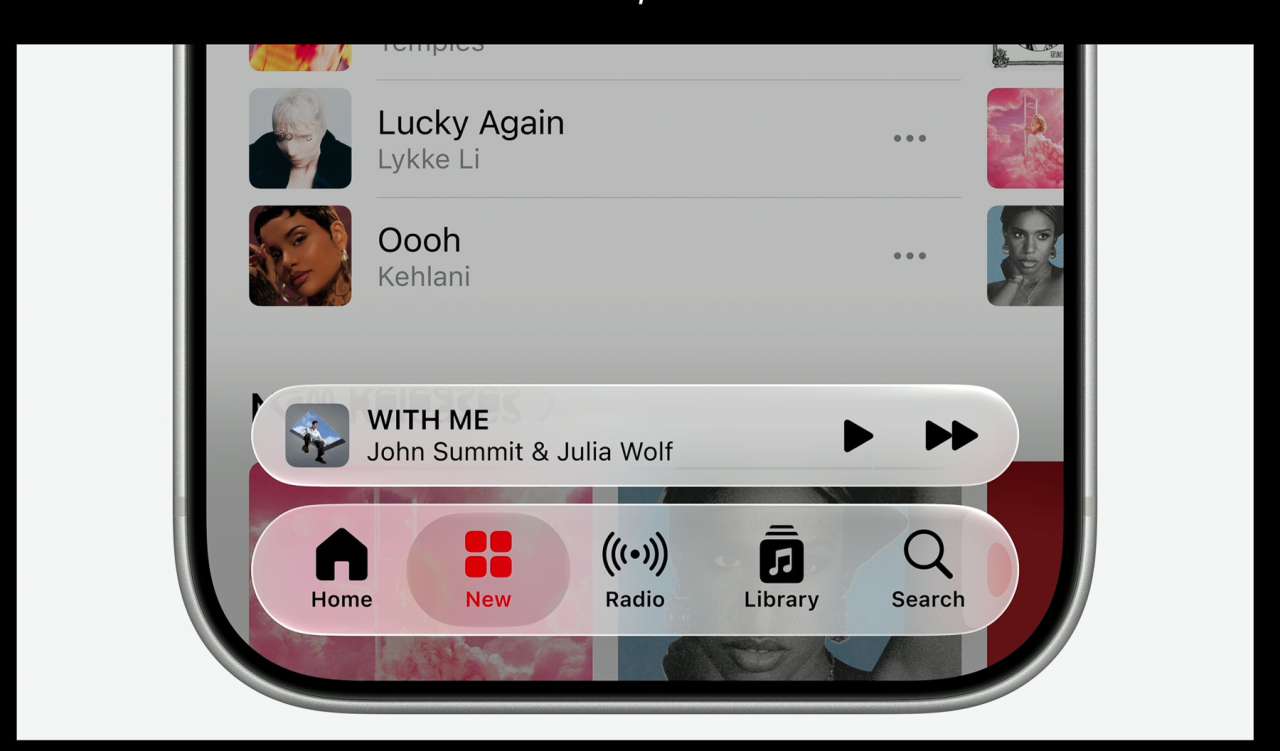
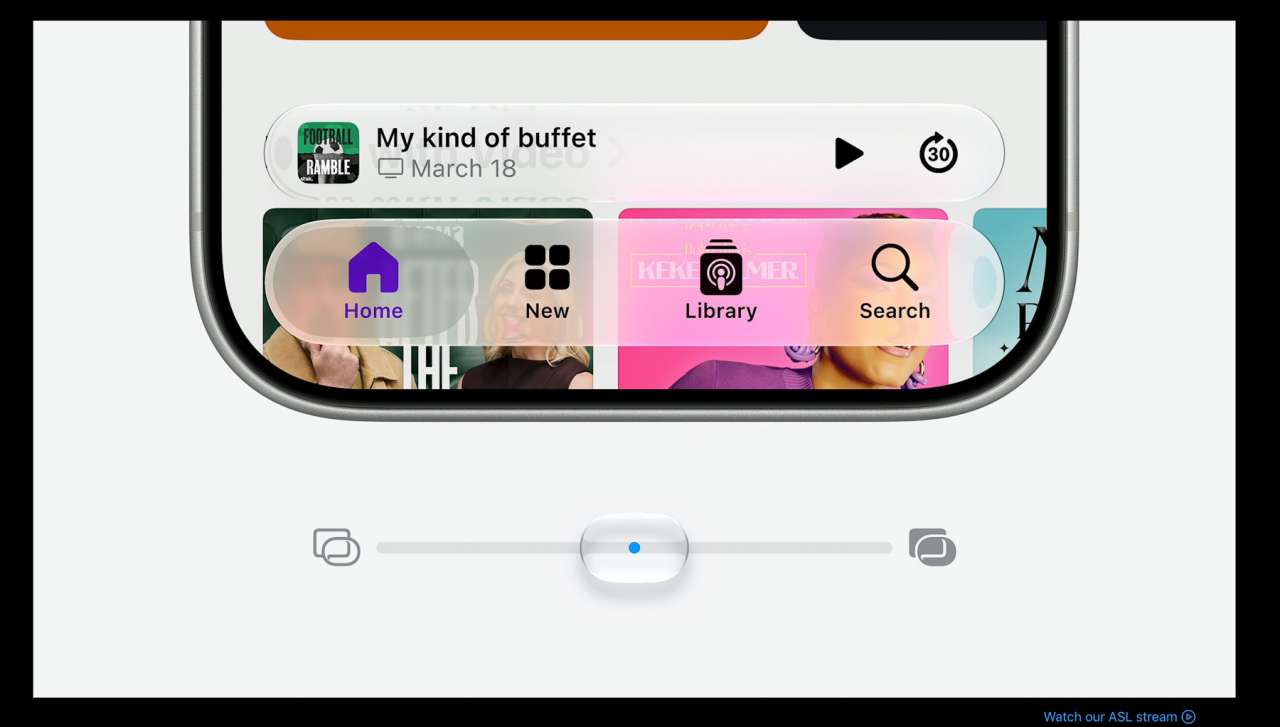
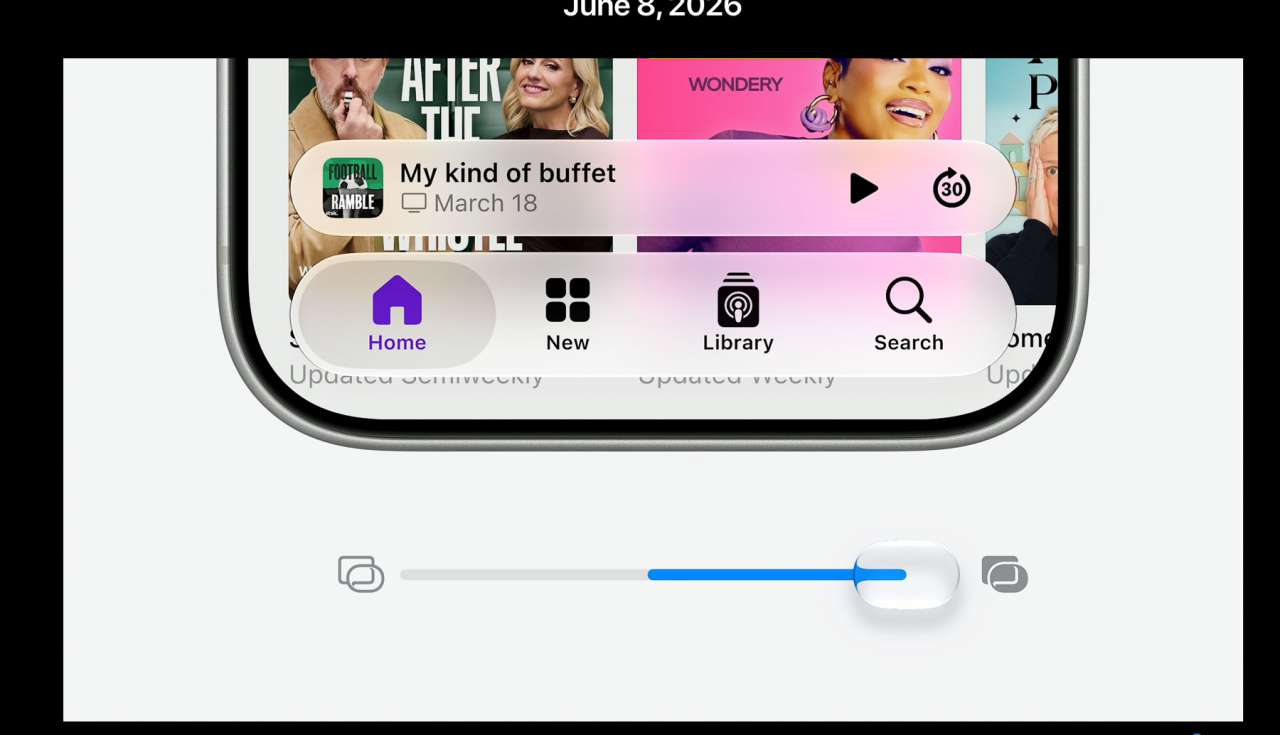
macOS is officially macOS Golden Gate, the end of Craig Federighi’s running marketing-team naming bit, complete with a note about chakra alignment and the summer of love. Networking also got smarter, with iPhone deciding on its own when to switch between cellular and Wi-Fi, the exact problem you hit walking past a coffee shop with an aggressive Wi-Fi signal. And search was rebuilt across Spotlight, Photos, and Mail with a faster, more comprehensive index, plus a new Mail ranking system that surfaces relevant older messages.
The Tim Cook question
Cook opened with a familiar “good morning” and closed on a reflective note, saying “some of the greatest highlights of my time as CEO have been events like this” and calling the work “the honor of a lifetime.” He did not announce a departure on stage.
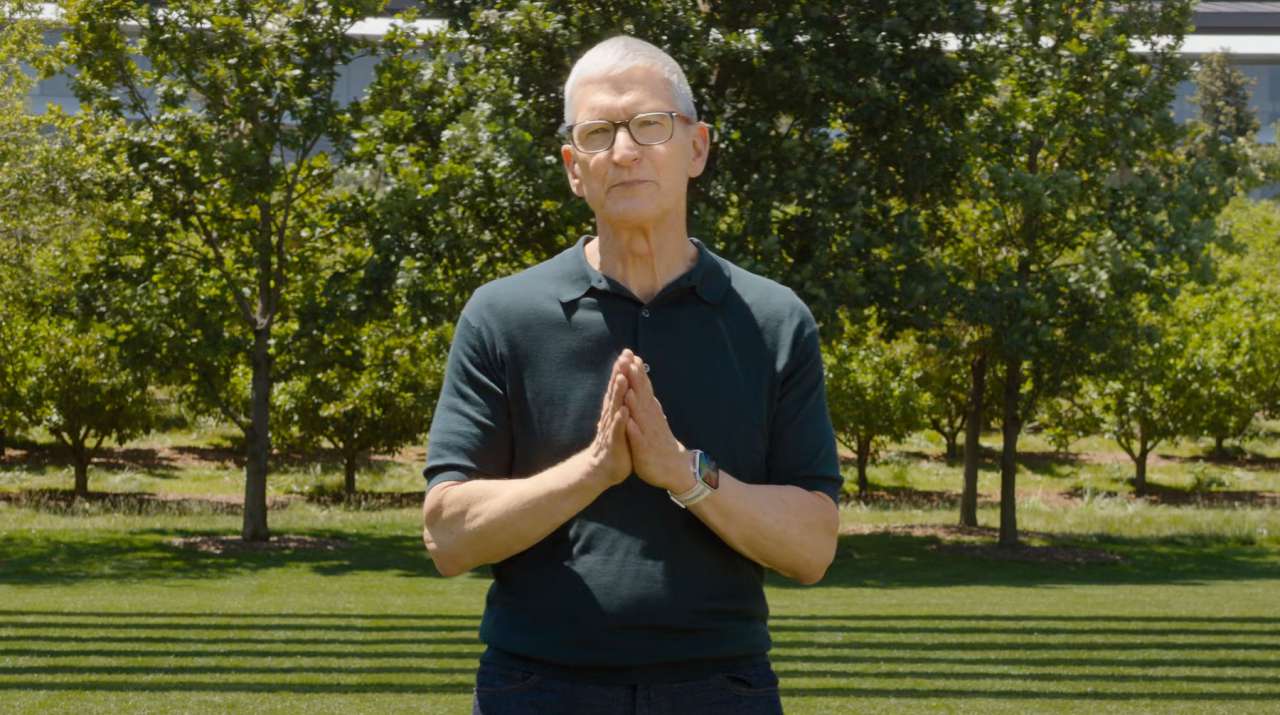
For context, outlets including CNBC and 9to5Mac have reported that Cook is expected to hand the CEO role to hardware chief John Ternus, with September often cited in that reporting. Apple did not detail any transition in this keynote, so treat the timing and the successor as press reporting rather than something Apple confirmed today. Read alongside the Google partnership, the subtext of the keynote was a company comfortable trading some pride for pragmatism.
What is missing, delayed, or still unknown
No new hardware. This was a software keynote, traditional for WWDC, so there were no Macs, watches, or other devices announced.
Siri AI ships in stages. Developers can start trying the new Siri today, but Apple said the full Siri AI experience launches for customers in beta “later this year,” so it is not arriving complete with the initial fall releases.
Image generation has limits. Daily caps apply because it leans on server models, with more access through iCloud Plus.
EU and China are excluded at launch. Siri AI will not be available in the EU on iOS and iPadOS initially, and China gets none of the new Apple Intelligence features for now.
Bottom line
WWDC 2026 was Apple’s most candid keynote in years. It acknowledged that it needed help on AI by partnering with Google, it prioritized longevity by keeping the iPhone 11 in the fold, and it gave child safety one of the longest blocks of the show.
For Gadgeteer readers, the practical takeaways:
- If you have an iPhone 11 or newer: you get a faster phone this fall at no cost, though Apple Intelligence still requires a newer, AI-capable device.
- If you are a parent: the new Child Account, Communication Safety, and Time Allowances tools are worth the update on their own.
- If you shoot photos on iPhone: Spatial Reframing is the most interesting computational photography feature in years.
- If you have waited for Siri to get good: the Gemini-powered Foundation models look genuinely capable, but the best experience needs the newest hardware, and you will be waiting past the initial release.
- If you live in the EU or China: most of today’s AI news does not apply to you yet.
Apple traded a measure of pride for pragmatism. For the first time in two years, the line that “the best is still ahead” feels like it might actually hold up.