Samsung’s biggest Unpacked move wasn’t a new phone shape. It was making Galaxy harder to leave, with a watch that monitors more of your health, glasses that can see what you see, AI that can act across apps, and a wallet that wants a place in every purchase.
Price: Galaxy Watch9 starts at $379; Galaxy Watch Ultra2 starts at $699
Where to buy: Samsung
The Galaxy Watch9 and Galaxy Watch Ultra2 are the products you can order now. Yet Samsung’s more revealing announcements were the connections around them: health insights moving from raw numbers to guidance, Gemini reaching into more apps, intelligent eyewear getting a real design and battery story, and Samsung Wallet expanding from a place for cards into a broader financial hub.
That makes the July 2026 event less about one must-have gadget and more about an ecosystem pitch. Samsung wants Galaxy devices to understand your context, carry tasks between screens and disappear into things you already wear. The idea is compelling, but several pieces are still promises rather than products you can buy today.
The Watches Are Samsung’s Anchor Outside the Phone
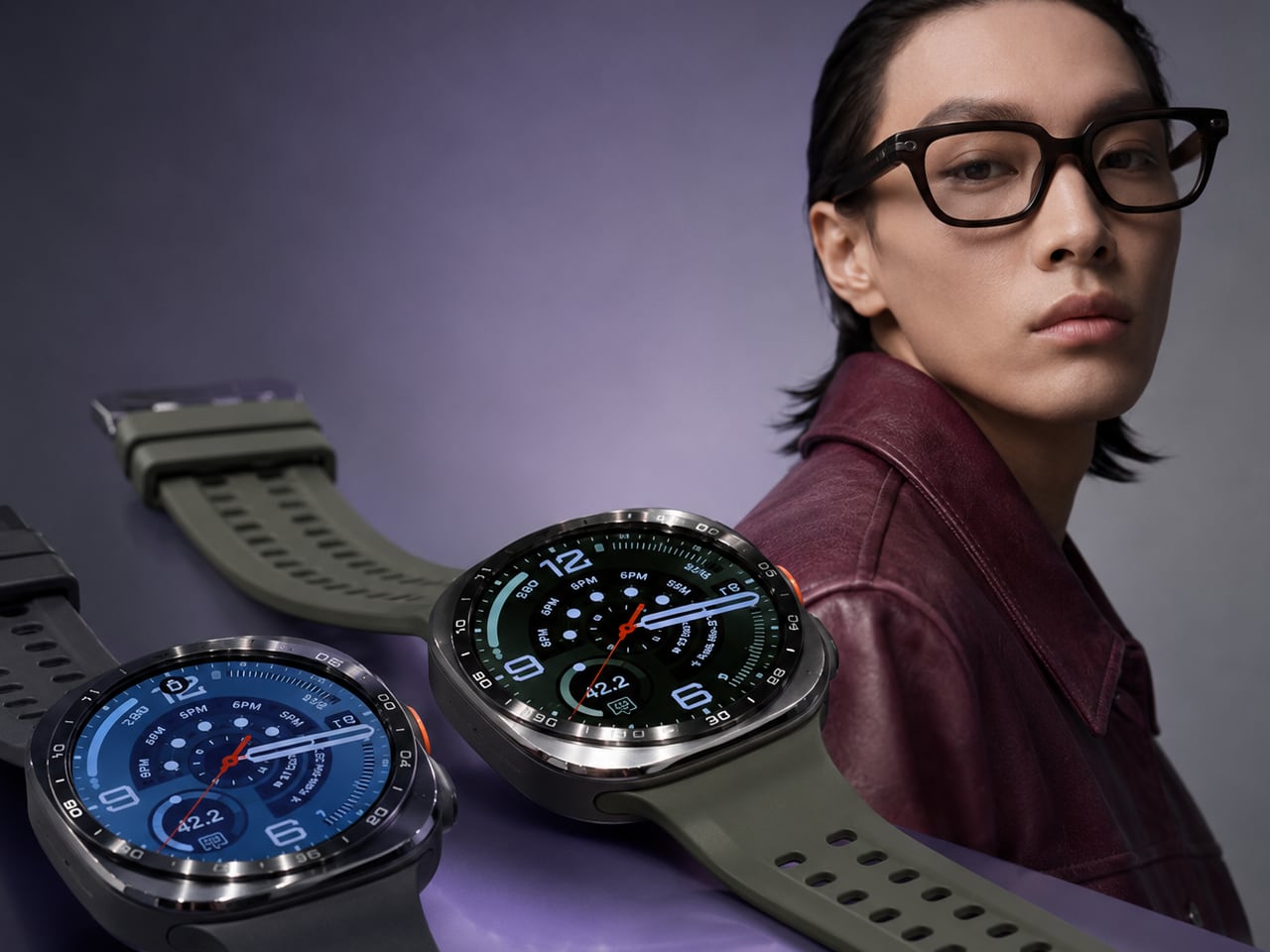
The Galaxy Watch9 is the mainstream entry, available in 40 mm and 44 mm sizes. Samsung lists a 3,000-nit display, the Snapdragon Wear Elite platform, 32 GB of storage and either a 390 mAh or 445 mAh battery, depending on size. The 40 mm model comes in Cream or Graphite, while the 44 mm version comes in Graphite or Silver.
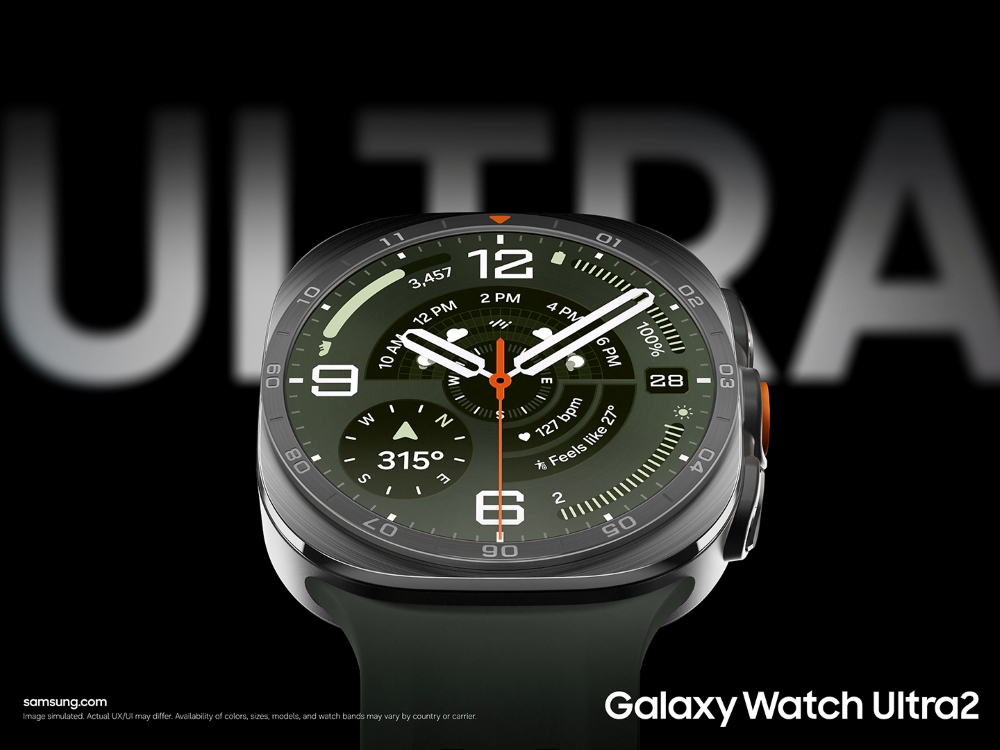
Galaxy Watch Ultra2 is the more specialized option. Its 47 mm titanium case houses an 800 mAh battery, 64 GB of storage and a display that can reach a localized peak brightness of 5,000 nits under high ambient light. Samsung says the case is 12 percent thinner than the previous Ultra despite the larger battery, which is rated for up to 60 hours on a charge.
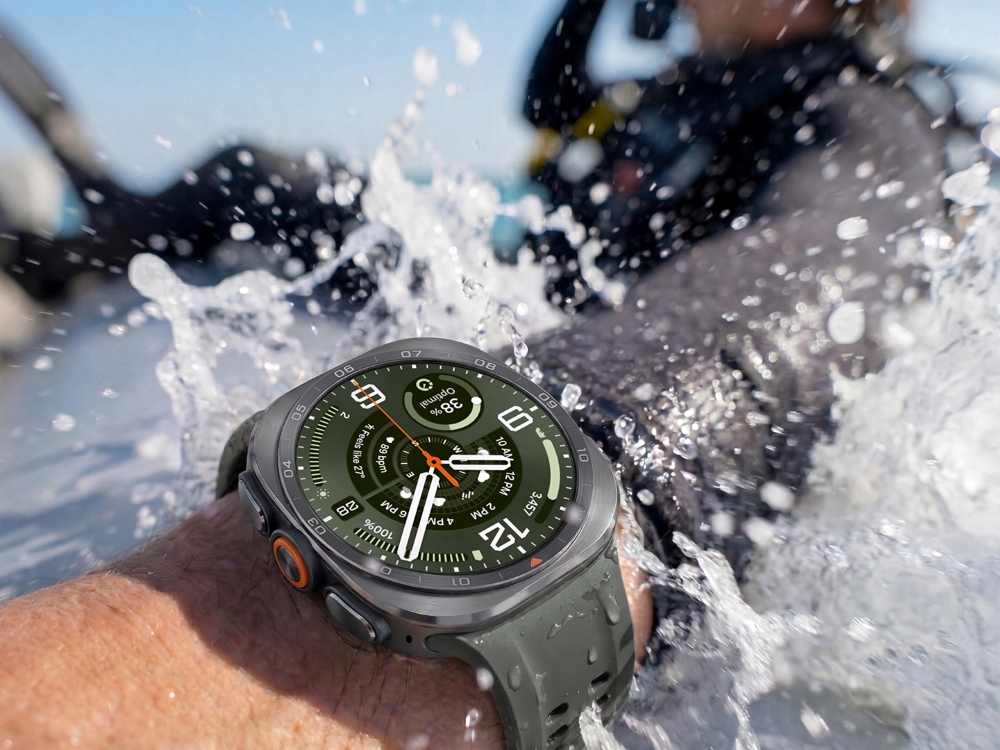
The Ultra2 also has the more serious outdoor credentials. Samsung lists 10 ATM water resistance, IP69K and MIL-STD-810H testing, plus EN 13319 certification for depth and dive-time instruments. It can automatically show depth, time and water temperature, while more advanced Mares dive-computer features are expected later in 2026 through a subscription. Samsung said those premium features will be exclusive to Ultra2 among Wear OS watches for two years.
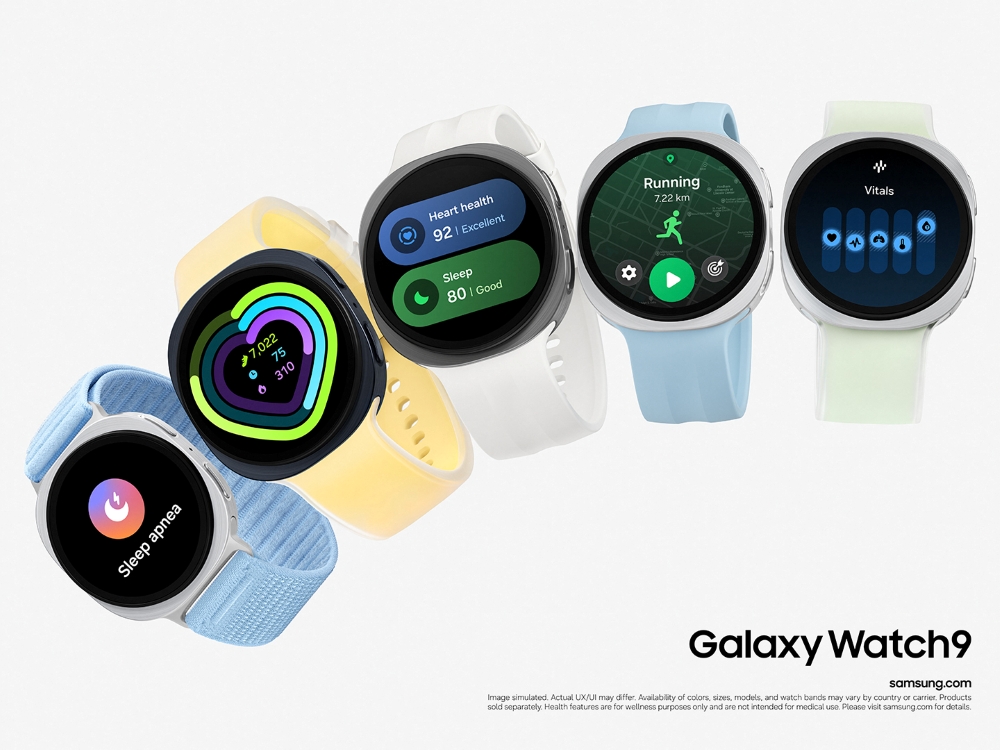
Both watches are available for preorder as of July 22, with general availability scheduled for August 7. The Watch9 starts at $379 for Bluetooth and $429.99 for LTE, while the Ultra2 starts at $699. Availability, colors and features can vary by market, carrier and paired phone.
Health Data Is Becoming Advice
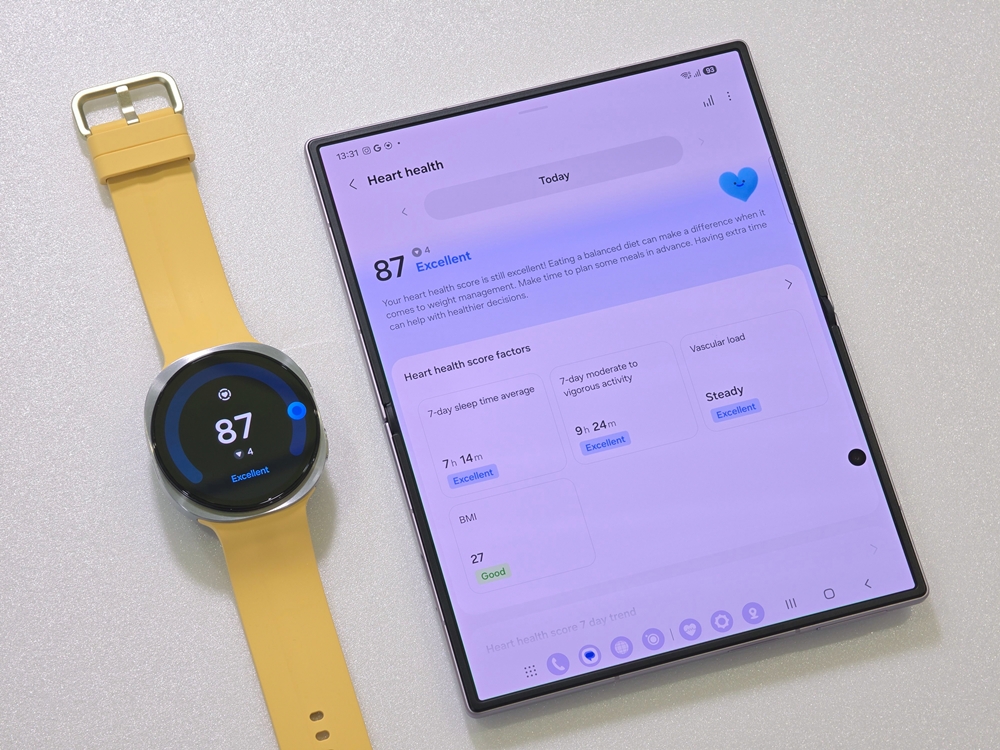
The hardware matters because Samsung is asking people to wear these watches day and night. Its BioActive sensor feeds a new collection of AI-assisted health features designed to turn continuous measurements into prompts that are easier to act on. Samsung calls this a shift toward preventive care, although these features aren’t replacements for professional medical advice.
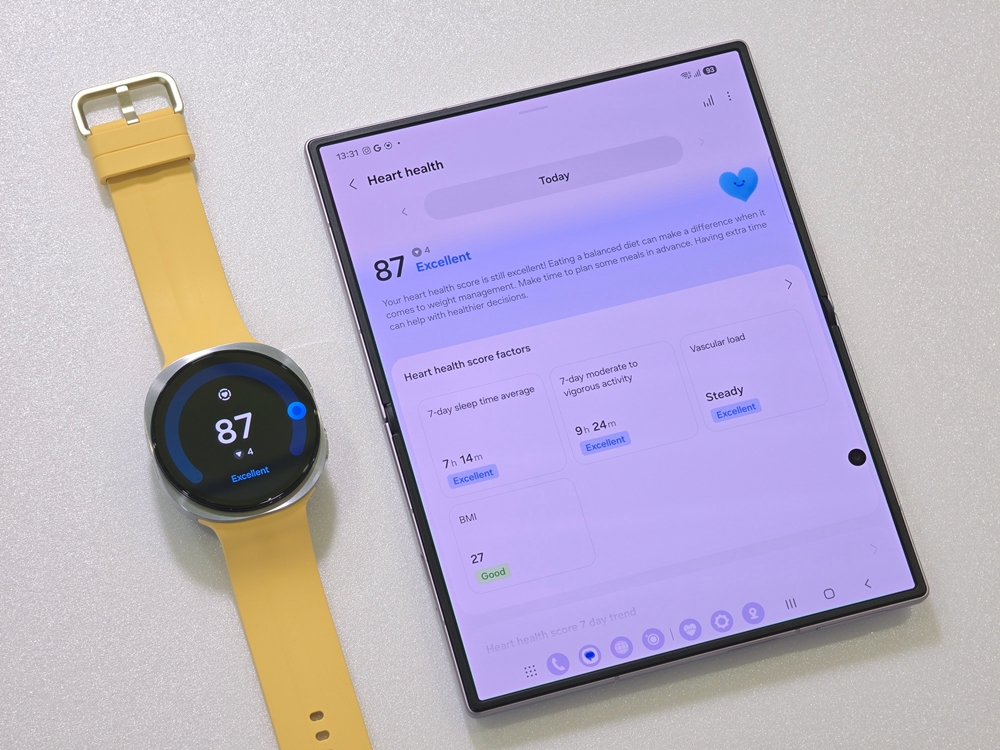
Vitals builds a personal baseline from measurements collected during sleep, then alerts the wearer to significant deviations. Heart Health Score packages cardiovascular wellness into a score with lifestyle recommendations, while Daily Cardio Load estimates training volume and recovery needs. Fitness Index takes a broader view of physical fitness and suggests personalized goals.
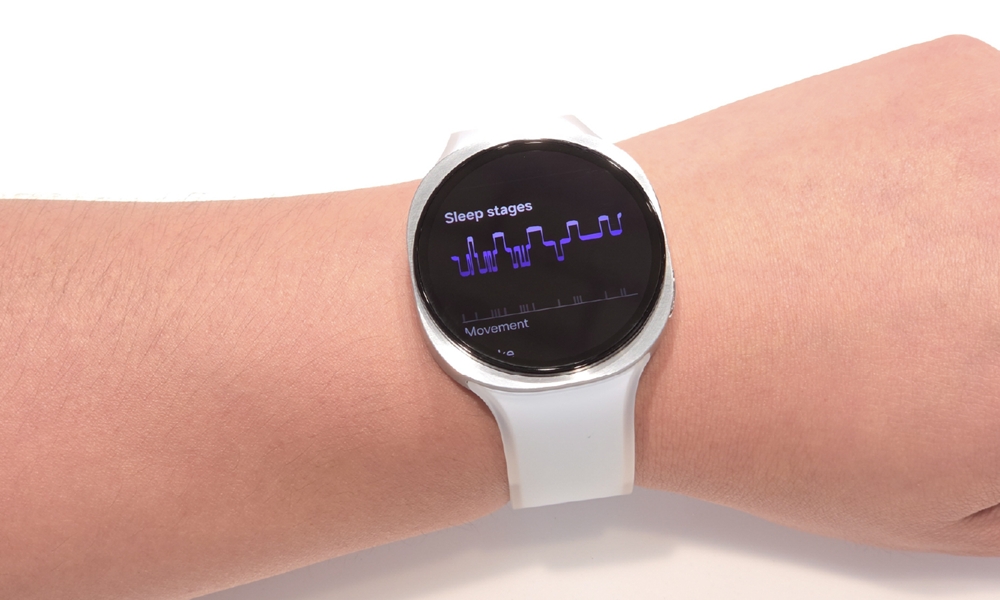
Samsung also says its Sleep Apnea feature is backed by new FDA clearance and updated AI algorithms. Exact availability and functionality depend on the market, watch model and paired phone, so buyers shouldn’t assume every health feature will work everywhere on day one. For athletes, Ultra2 adds Trail Run data, elevation and terrain tracking, plus hydration guidance through Nutrition Alert, while separate Strava and iFIT trial offers continue under their own terms after the trial period.
The Glasses Make Samsung’s AI Strategy Visible
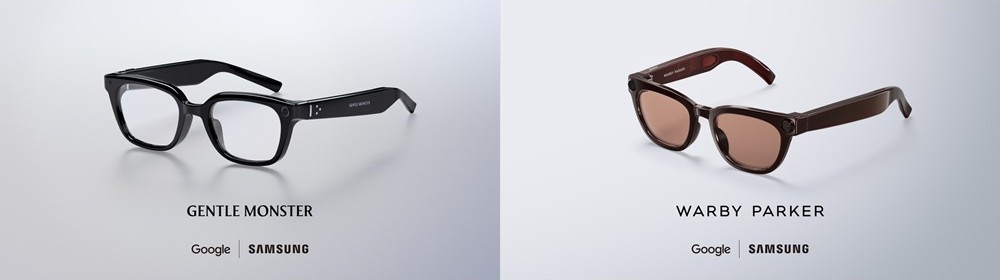
Samsung’s intelligent eyewear is the clearest sign that the company wants Galaxy AI to move beyond screens. The frames were developed with Gentle Monster and Warby Parker, while Google supplies Android XR and Gemini. The two designs shown at Unpacked look more like conventional fashion eyewear than a headset, which is essential if Samsung expects people to wear them for hours.
The glasses use Qualcomm’s Snapdragon AR1 Gen 1 platform and include a camera that gives Gemini visual context. Samsung says they can summarize messages, support live translation, capture notes from a whiteboard or meeting, help with navigation and share the wearer’s point of view during a call. Google also says the glasses pair with Android and iOS phones. Within Galaxy, Samsung says a connected Watch9 can answer a call with a double-pinch gesture or trigger the eyewear camera with a tap.
Battery life is rated at up to nine hours per charge, with the case providing up to seven additional full charges. Those figures will vary with apps, settings and network conditions, and Samsung hasn’t announced pricing. Google says audio glasses will launch first later this fall, with display glasses following as a separate category.
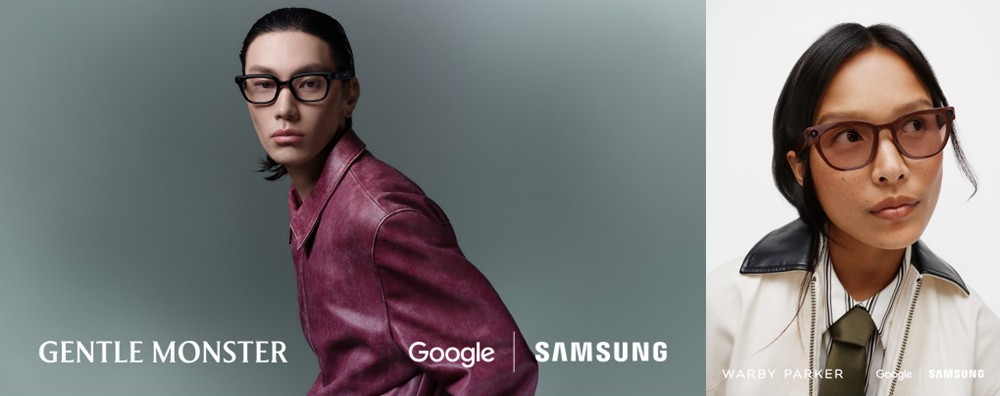
This is still a product to watch rather than a product to recommend. We haven’t tested the glasses, key features can require supported apps or a compatible Galaxy device, and privacy will depend on clear recording signals, sensible controls and how people use a camera worn at eye level. Our earlier Galaxy Glasses coverage explains how Samsung reached this point.
Gemini Wants to Finish the Task
The other half of Samsung’s strategy is software that can do more than answer a question. Google says Gemini Intelligence can automate daily tasks across 40 popular apps, carrying out multi-step requests in the background while the person moves on to something else. The first availability is tied to Samsung’s latest phones, but the important part of the announcement is the model: apps become tools that one assistant can coordinate.
Gemini Notebook also moves onto the new Galaxy software experience as a research and project workspace. It can organize sources, synthesize information and create outputs such as slide decks or podcast-style audio. Google says a six-month Google AI Pro trial is included with the new devices, after which the normal subscription terms apply.
Samsung and Google are extending the same assistant into the watch and upcoming eyewear. That continuity is the real bet: a request might begin by voice on glasses, use an app on the phone and surface a confirmation on the wrist without making the wearer rebuild the task at every step. The caution is that demonstrations are cleaner than daily life, and handing an assistant access to messages, payments and location raises the cost of a mistake. Samsung’s ecosystem becomes more useful only if supported services, permissions and handoffs are predictable and transparent.
Wallet Is Becoming Another Galaxy Service Layer
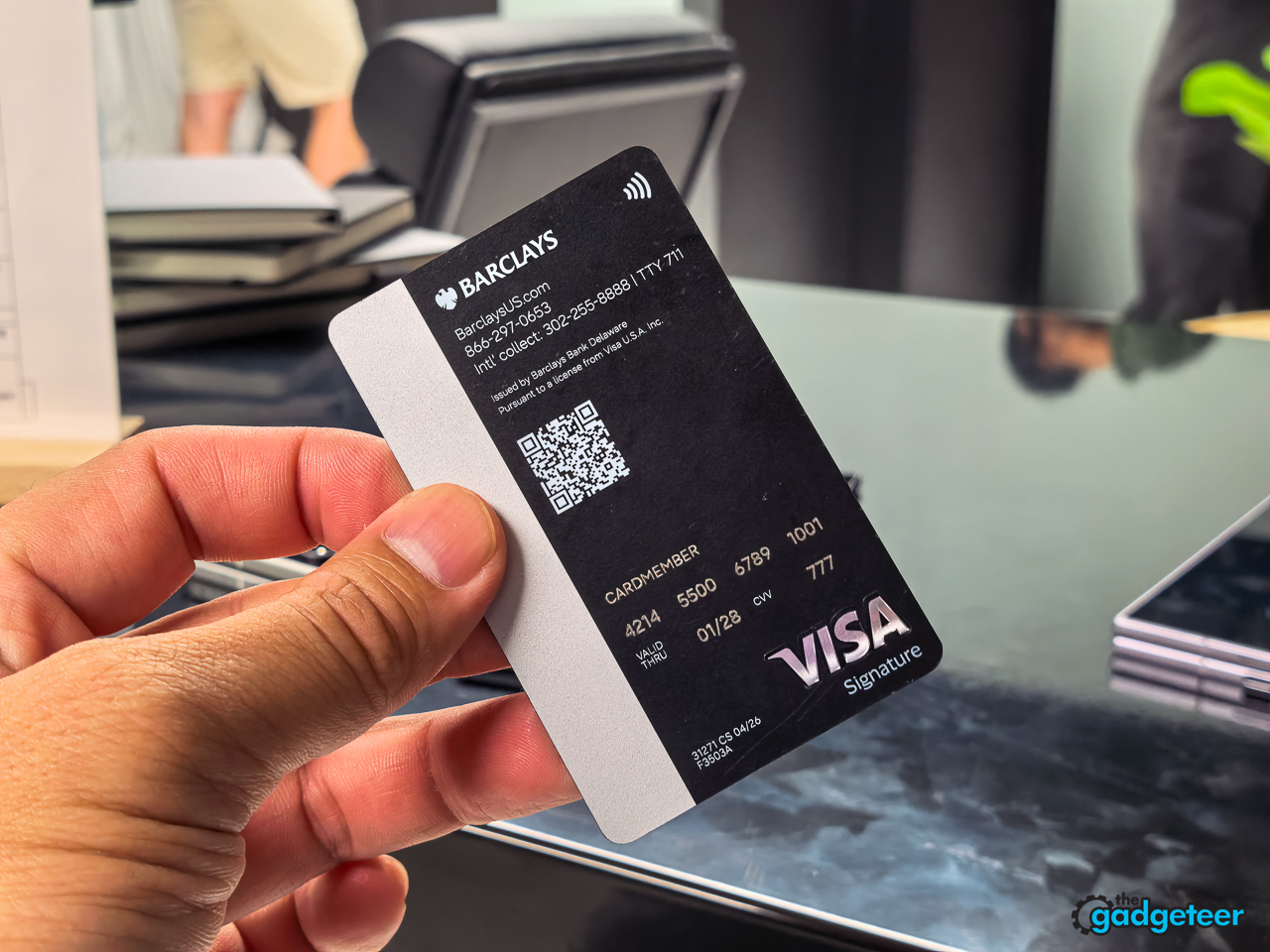
Samsung Galaxy Card gives the ecosystem a financial hook. Issued by Barclays US Consumer Bank on the Visa network, it’s available as a virtual card in Samsung Wallet and as a black metal physical card. Public applications open July 22 in the United States.
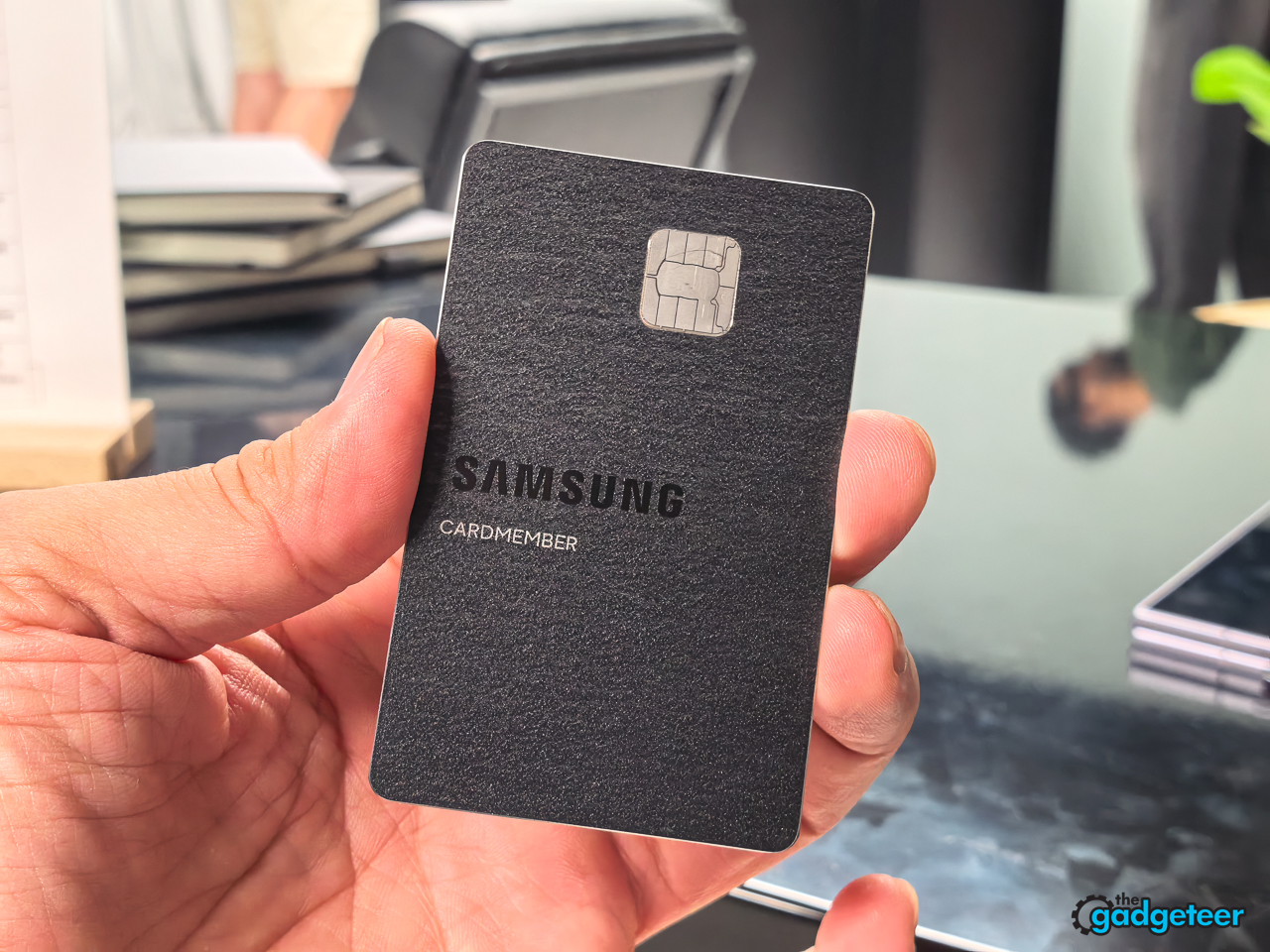
The card earns 5 percent cash rewards on eligible direct Samsung purchases, 3 percent on eligible Samsung Wallet purchases, 2 percent on listed streaming services and 1 percent on other purchases. Samsung also advertises a $200 bonus after spending $2,000 within the first 90 days, subject to the card’s terms, and our dedicated Samsung Galaxy Card article has the full breakdown. Samsung said during Unpacked that Wallet will also embrace native stablecoins, but it didn’t provide a launch date, supported assets or eligible markets. The Galaxy Card is real today; broader stablecoin support isn’t.
Small Services Can Decide Whether the Ecosystem Works
One UI 9 adds a Warranty and care hub that lets Galaxy Watch owners view warranty information, run diagnostics, request repairs, access remote support and manage Samsung Care+ from a phone. Samsung describes Care+ as offering accidental-damage repairs, extended warranty coverage and support at home and abroad, but the exact coverage and service fees depend on the selected plan and region.
Samsung is also trying to remove friction at the ecosystem’s borders. Its UK Unpacked page says Quick Share can send files directly to Apple’s AirDrop, while Google’s Android 17 migration experience is designed to move photos, messages, passwords, Wi-Fi credentials and even an eSIM from an iPhone without a separate switching app. Initial device availability is limited, so this is another area where the direction is broader than the day-one reach.
These utility features aren’t as dramatic as glasses that understand a street sign. They may matter more over time because ecosystems win when routine jobs feel boring and reliable. Easy sharing, migration, repairs and account management reduce the moments when connected products feel like separate products.
Samsung’s Bigger Bet Still Has to Prove Itself
The Watch9 and Ultra2 are complete, orderable products with clear specifications. The glasses have no announced price, some Gemini capabilities begin on a limited set of devices and Samsung Wallet’s stablecoin plan lacks a timeline. Anyone who wants only proven features should buy based on what works at checkout, not what a keynote says will arrive later.
Still, Samsung’s non-phone announcements fit together unusually well. The watch provides continuous personal context, the glasses add visual and environmental context, Gemini coordinates tasks, and Wallet plus Care+ handle transactions and ownership. If those layers work together without creating confusion or new privacy worries, the most important Galaxy product won’t be a single device. It’ll be the connection among all of them.
Intelligent eyewear price: Not announced
Expected availability: Audio models are planned for fall 2026
Learn more: Samsung Newsroom
Samsung used Unpacked to show several new things you can wear, but the larger product is an ecosystem that wants to travel with you.
The Gadgeteer’s Take
Samsung’s strongest non-phone Unpacked story is the way Watch9, Ultra2, intelligent eyewear, Gemini and Wallet point toward one context-aware Galaxy ecosystem. The watches are available now, but the glasses and several broader AI and Wallet promises still need pricing, rollout details and real-world proof.