
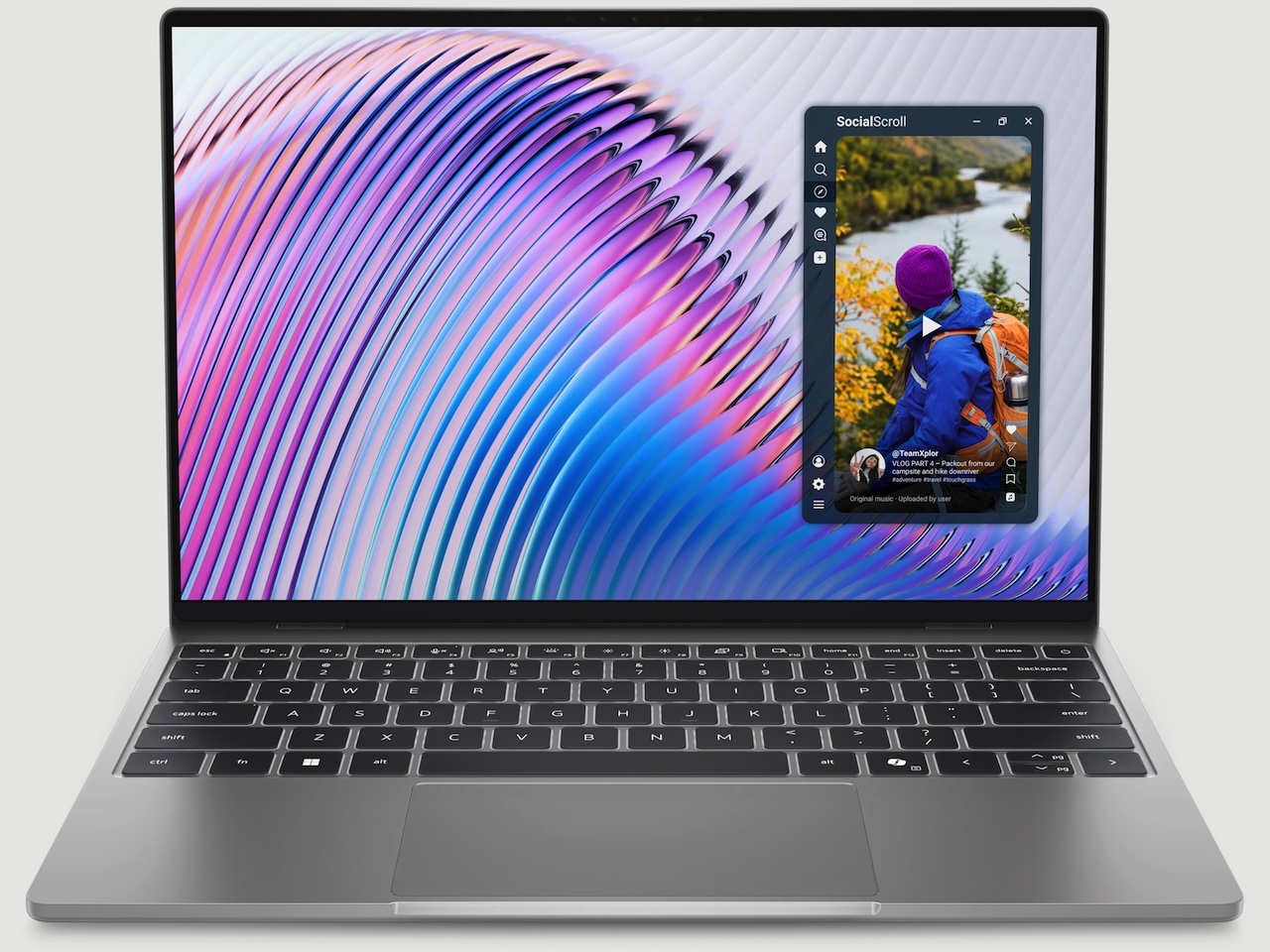
Dell’s new XPS 13 starts at $699.99 in the U.S., or $599 for eligible students, and pairs that entry price with a 13.4-inch 2.5K display, a 2.2-pound CNC aluminum chassis, and a 512 GB SSD. Touch is part of the deal only if you pick the Sky finish, because the Storm configuration costs the same and skips it. The catch sits in the base configuration either way: 8 GB of single-channel LPDDR5X memory that can’t be upgraded later.
Price: From $699.99
Where to Buy: Dell
What Dell ships for $699
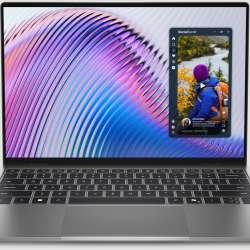
The base XPS 13 DX13260 uses Intel’s six-core Core 5 320 processor with integrated Intel Graphics. Dell lists 8 GB of LPDDR5X memory, a 512 GB PCIe NVMe SSD, Windows 11 Home, and a 13.4-inch 2560 by 1600 touch display in the Sky finish for $699.99.
Dell rates the panel at 500 nits, says it can vary from 30 Hz to 120 Hz, and claims full DCI-P3 coverage. The company also lists Wi-Fi 7, Bluetooth 6.0, a 1080p IR camera, a backlit keyboard, quad speakers, and a 52 Wh battery.
Those are unusually full display and connectivity specs at this price. The memory configuration is where the savings show up instead.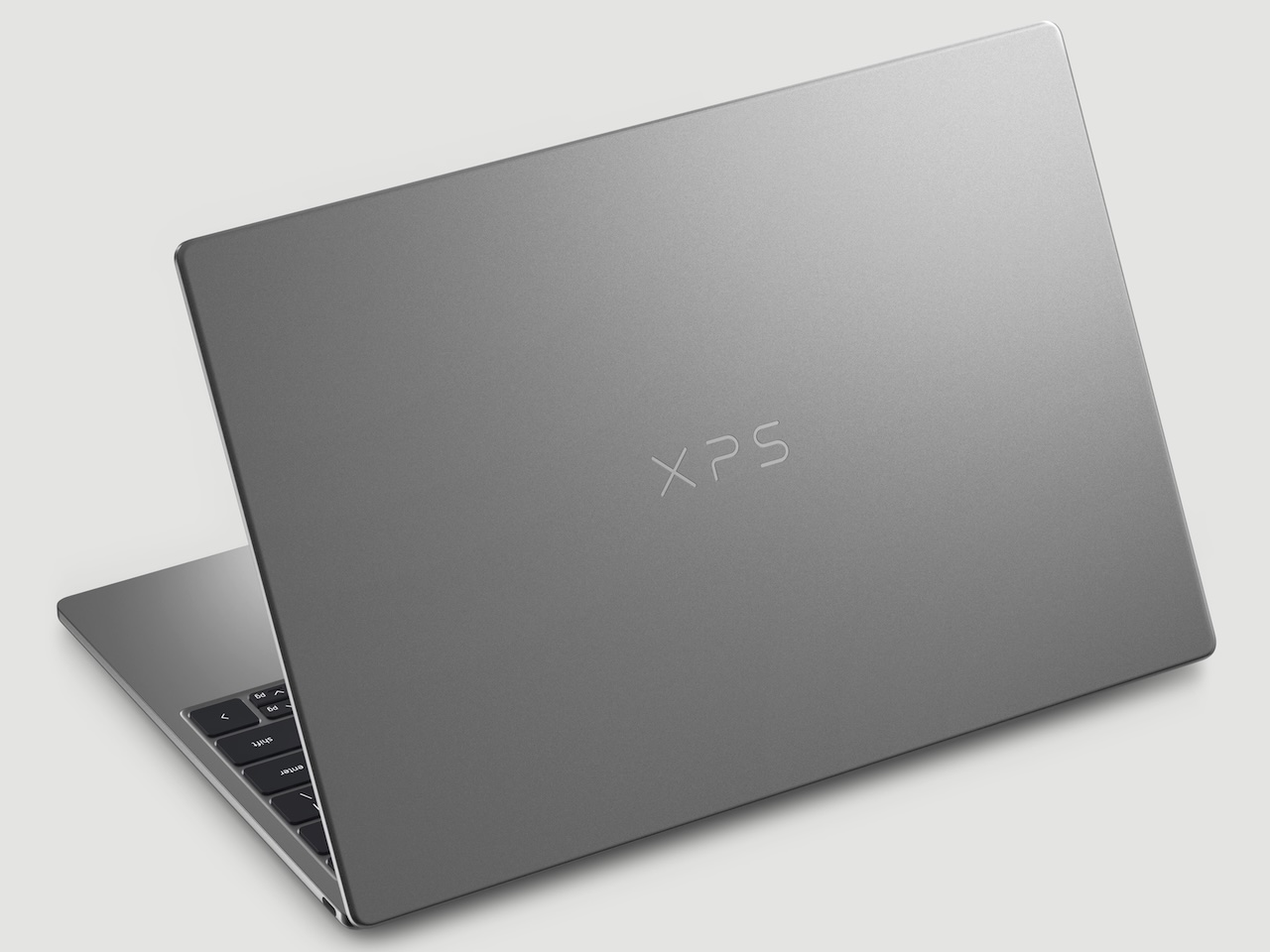
The memory limit changes the buying decision
The 8 GB in the base model is LPDDR5X, which is soldered to the board rather than socketed, so it isn’t a part buyers can replace later. Dell offers a 16 GB, 512 GB version with the same Core 5 320 processor and touch display for $899.99. That makes the memory increase a $200 decision at checkout rather than a future upgrade.
For Dell’s student-focused price point, that split is the central tradeoff. The $200 gap holds at both tiers, since students pay $599 for the 8 GB model and $799 for the 16 GB one. Dell’s published specifications don’t support treating the base configuration as expandable.
Thin, light, and short on ports
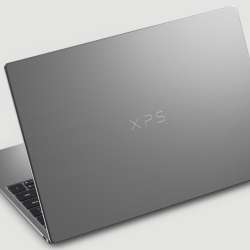
Dell lists the XPS 13 at 0.5 inches thick and 2.2 pounds, calling it its thinnest and lightest XPS laptop. The CNC aluminum chassis ships in two finishes today, Sky and Storm, both at $699.99 on the Core 5 320.
The two aren’t identical, though. Dell’s Sky configuration includes the touch panel and the Storm one doesn’t, so the finish choice quietly decides whether you get a touchscreen.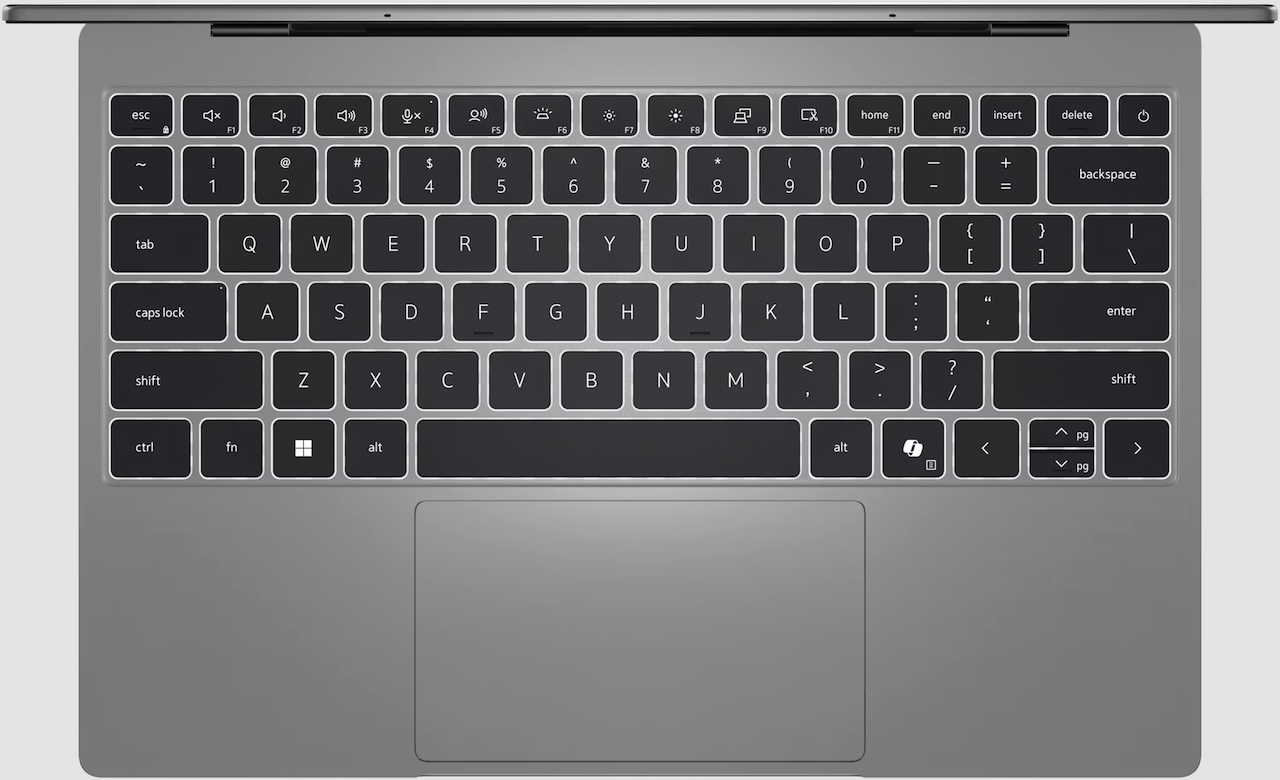
The port layout is lean: on Core 5 320 machines, two USB 3.2 Gen 2 Type-C ports support DisplayPort and power delivery, and there isn’t a card reader. Dell lists a 65 W USB Type-C adapter with the system. Buyers who use USB-A accessories, HDMI displays, or SD cards should account for an adapter or hub.
Student price and future configurations
Dell’s $599 student offer applies to high school students ages 16 and older and to college students at degree-granting schools who verify their status through Dell Rewards. The offer is tied to the DX13260 and Dell lists it as valid through November 2, 2026, at 7 a.m. CST, with a limit of two discounted items per order. It can’t be combined with all other offers or the standard 10 percent student discount, which is worth weighing against the rest of our back-to-school laptop coverage.
Dell has also announced XPS 13 configurations with Intel Core Ultra Series 3 processors, up to 32 GB of memory, and up to 1 TB of storage for later this summer. The company hasn’t announced U.S. pricing for those configurations. Buyers who need more than 16 GB of memory now have a clear reason to wait for that information.
Battery claim and real-world expectations
Dell rates the XPS 13 for up to 17 hours of streaming. That’s a manufacturer test result, not a general battery life promise.
Screen brightness, refresh rate, video calls, browser workload, and background apps all affect runtime. The streaming figure isn’t a reliable guide to all-day mixed use.
The 52 Wh battery and 2.5K, 120 Hz-capable display make the tradeoff worth watching. Dell says the panel can scale from 30 Hz to 120 Hz, which should help it balance motion and power use, but the company hasn’t published a mixed-use figure for the $699 configuration.
Where the 16 GB model changes the story
Dell’s $899.99 configuration adds 16 GB of LPDDR5X memory while keeping the same Core 5 320 processor, 512 GB SSD, and touch display. The $200 difference is steep for memory, but it’s the only way to buy a current Core 5 machine with more than 8 GB.
That makes the decision less about what 8 GB can do on day one and more about the workload a buyer expects to carry over several years. Light web work, documents, and media are a different proposition from many browser tabs, chat apps, video calls, coding tools, containers, or local AI workloads. The original $699 headline is compelling, but the 16 GB price is the number many long-term buyers should compare.
Competitor context
Dell has been explicit about the target. Its launch post names Apple’s MacBook Neo directly and lists six things the XPS 13 carries that Apple’s machine doesn’t, among them the touch display, the backlit keyboard, Wi-Fi 7, and quad speakers. That post describes touch as standard across the line, though Dell’s current configuration listing shows the Storm build without it.
The XPS 13’s case isn’t that every buyer needs a 120 Hz touch display. It’s that Dell has combined a 2.2-pound aluminum design, a 2.5K panel, Wi-Fi 7, and a 512 GB SSD at an entry price that puts XPS in a different part of the market.
Memory and ports remain the pressure points. Buyers comparing this XPS 13 with similarly priced Windows systems should check the exact live configuration, not only the starting price. A machine with 16 GB of memory, HDMI, USB-A, or an SD card reader may make more sense for a desk setup, and our roundup of Lenovo laptops under $1,000 covers several.
Who the $699 model fits
The base XPS 13 is aimed at people whose work is primarily documents, web apps, streaming, and light productivity, and who place a high value on low weight and a better-than-typical display. It’s also a cleaner fit for buyers who already live with USB-C accessories and don’t need a wide port selection.
Heavy multitaskers, video editors, developers using virtual machines or containers, and people planning to keep one laptop for many years should look first at the 16 GB version or wait for the Core Ultra models Dell says are coming later this summer. Dell says those systems will offer up to 32 GB of memory and up to 1 TB of storage, though it hasn’t announced U.S. pricing.
The bottom line
Dell has made the entry point to the XPS 13 far lower without cutting the aluminum chassis, Wi-Fi 7, or 512 GB SSD from the base configuration. That’s a meaningful change for a line that has long carried a premium price.
Just pick the finish deliberately, since only the Sky version includes the touch panel at $699.99.
Price: From $699.99
Where to Buy: Dell
The price works because 8 GB of soldered memory is the compromise. The base system may suit light productivity, but anyone planning for heavier multitasking or a longer ownership cycle should price the 16 GB version before deciding that $699 is the whole story.

Gadgeteer Comment Policy - Please read before commenting
NO OME should get a laptop with 8GB RAM that can’t be upgraded. Your phone has more RAM than that. it’s ridiculous. it’s 2026, not 2016.