

Smart glasses spent 2026 doing something nobody expected. They went from gimmicky tech demo to legit eyewear category in about five months. Apple finally moved. Google finally answered. Meta kept its lead and then doubled it. And a couple of smaller players proved you don’t need a billion-dollar logo to make people look twice.
What changed wasn’t one product, it was the pace. EssilorLuxottica tripled Ray-Ban Meta sales to over 7 million pairs in 2025. Gucci and Google signed a luxury partnership that put Android XR on a fashion runway. XREAL knocked its AR glasses down to $449 and made a giant private screen feel ordinary. Apple stopped being a rumor and started being a roadmap. And Even Realities, the smallest name in the room, walked out of CES with the most talked-about pair on the show floor. Here’s the year so far, told through the seven stories that actually moved the needle.
The CES debut that snuck up on everyone
Even Realities walked into CES 2026 with the G2 and walked out with the most quietly impressive pair of smart glasses with a display we saw all week. They look like regular glasses, they don’t have a camera, and the heads-up display is genuinely useful instead of gimmicky. We wore them through every show floor day and nobody clocked them as smart glasses. That’s kind of the whole point. The G2 leans into boring superpowers: turn-by-turn directions in your peripheral vision, real-time translation captions, and notifications you actually want to read. CES handed it an Innovation Award, the frames take prescription lenses, and the whole package weighs about as much as a normal pair of glasses, which is exactly why nobody on the show floor noticed.
Full hands-on take: I Wore the Even G2 Through All of CES and Nobody Knew They Were Smart Glasses
The Ray-Ban Meta Gen 2 moment that broke the category open
When Meta dropped the Ray-Ban Gen 2 in late 2025, smart glasses stopped being a niche tech category and became a mainstream eyewear conversation. The Gen 2 launched on September 2025, starting at $379, with roughly double the battery life, 3K video capture, and a sharper on-device AI that finally felt closer to a real assistant than a parlor trick. 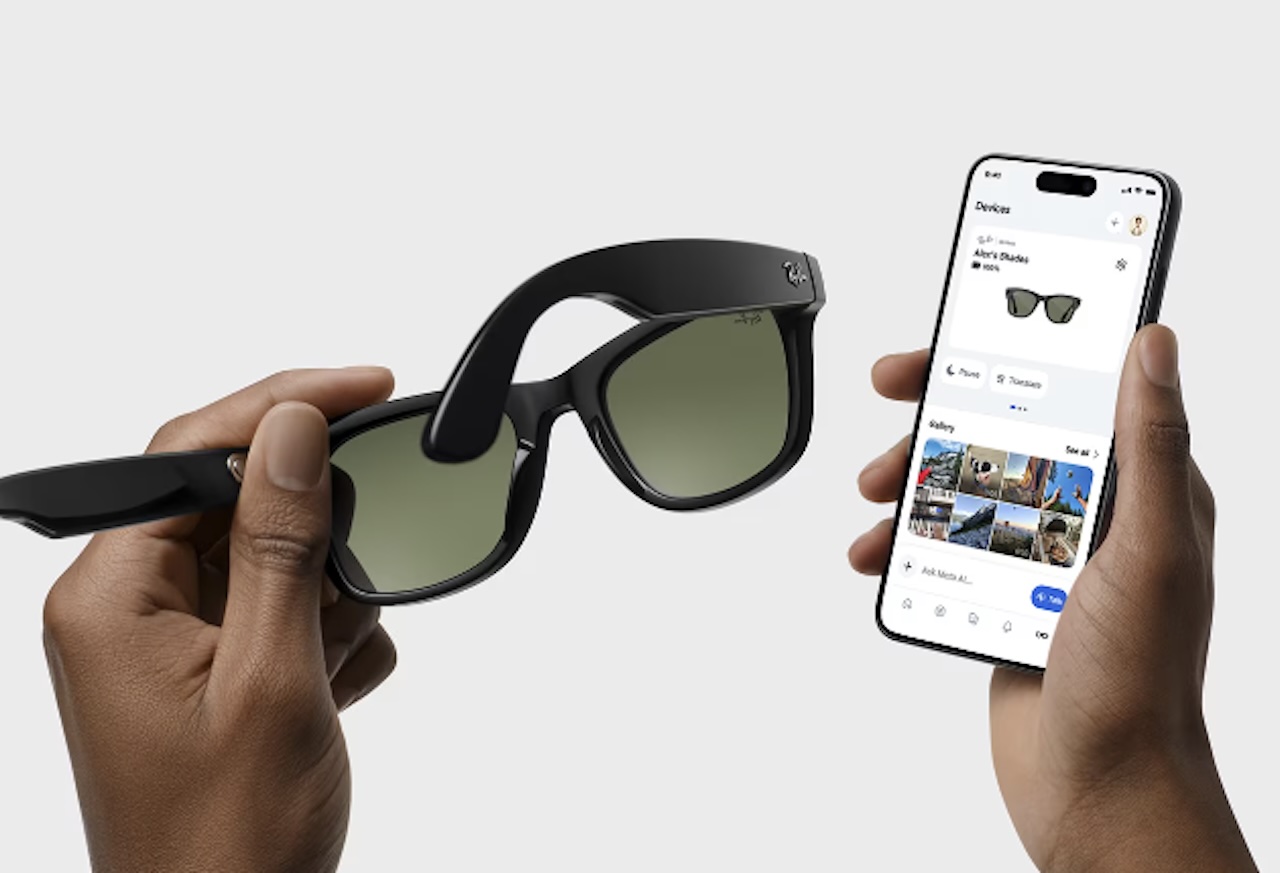
Price: From $379
Where to Buy: Amazon
The frames stayed the part everyone already wanted: classic Wayfarer and Headliner shapes that read as eyewear first and gadget second. By early 2026, EssilorLuxottica was reporting over 7 million Meta AI glasses sold in 2025, more than triple the prior year, and with the EssilorLuxottica partnership already extended into the next decade, the run only accelerated. Every competitor was scrambling to respond, and most of the stories on this list are, in some way, a reaction to that.
Our breakdown: 8 Things That Just Happened to the Top-Selling AI Glasses
The XREAL 1S price drop that made AR feel real
For $449, XREAL gave us AR glasses that turn into a giant private screen for your phone, your laptop, or your Steam Deck. They’re not trying to be Ray-Bans, they’re trying to be a screen replacement, and they’re winning at it. This is the moment AR glasses stopped being a luxury and started being a productivity tool.

Price: $449, $529.99
Where to Buy: XREAL, Amazon
The 1S landed at CES 2026 as the affordable entry in XREAL’s lineup, with sharp micro-OLED panels, a noticeably better picture than the XREAL One it replaces, and a plug-and-play USB-C connection that works with phones, laptops, the Steam Deck, and the Nintendo Switch.
Full impressions: These $449 AR Glasses Just Made Every Other Screen Feel Tiny
The camera-free pitch that actually held up
Two months after CES, the Even G2 was still picking up converts, and the camera-free angle turned out to be the feature, not the missing one. People want smart glasses they can wear into a meeting, a gym, or a friend’s living room without making everyone uneasy. 
Price: $599
Where to Buy: Even Realities
Schools, hospitals, and a long list of corporate offices already restrict camera-equipped wearables, and that list kept growing through the spring as Ray-Ban Meta’s footprint expanded. The G2 walks straight past those rules and into rooms other smart glasses can’t follow people into. The Even G2 keeps proving that the next billion-dollar smart glasses idea might be the one that does less.
The full case: 7 Reasons These Camera-Free Smart Glasses Keep Winning
The Gucci-Google luxury play
Then fashion showed up. Gucci and Google announced a smart eyewear collaboration aimed squarely at the Ray-Ban Meta crown, with Android XR underneath and Gucci’s frames on top. It’s the first time a luxury house has gone after smart glasses with real intent, and it signals that this category isn’t going to stay tech-bro forever.
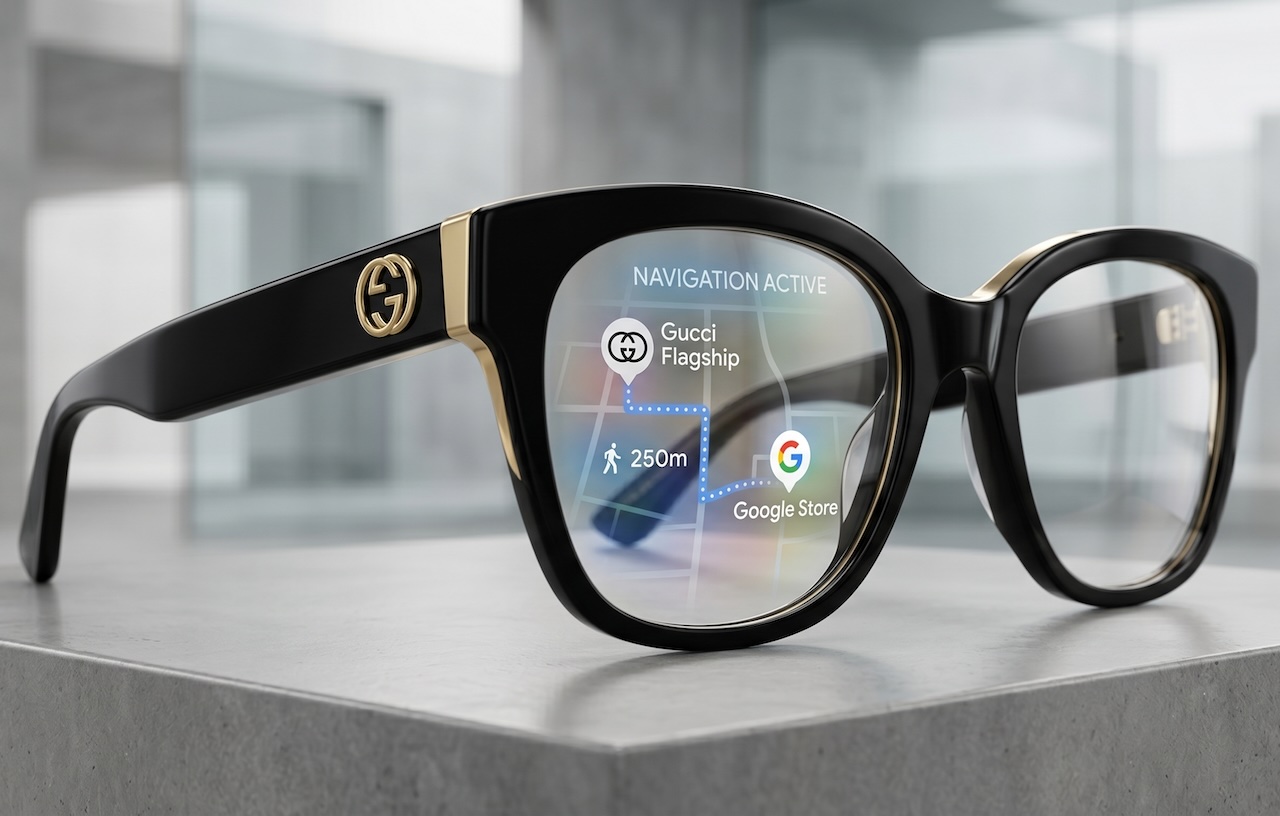
Kering, Gucci’s parent company, confirmed in mid-April that it’s planning a luxury smart glasses launch in 2027, pairing Google’s AI and Android XR with Gucci’s design house, distribution, and runway pull. All we’ve seen so far is a concept image, but you don’t need much imagination to tell the first pair is going to scream luxury. If it lands, the rest of luxury is not going to sit it out for long.
What we know: Gucci Is Going After Ray-Ban Meta, With Google’s Help
The Google vs Meta showdown that finally arrived
For most of 2025, Google smart glasses were a rumor. In May 2026, the comparison everyone wanted finally took shape: Google AI Glasses against Ray-Ban Meta, the two AI-powered smart glasses everyone’s lining up to compare. Google built around an in-lens display and Gemini, so you see your AI as much as you hear it, with live translation captions and navigation arrows floating in the corner of your view.
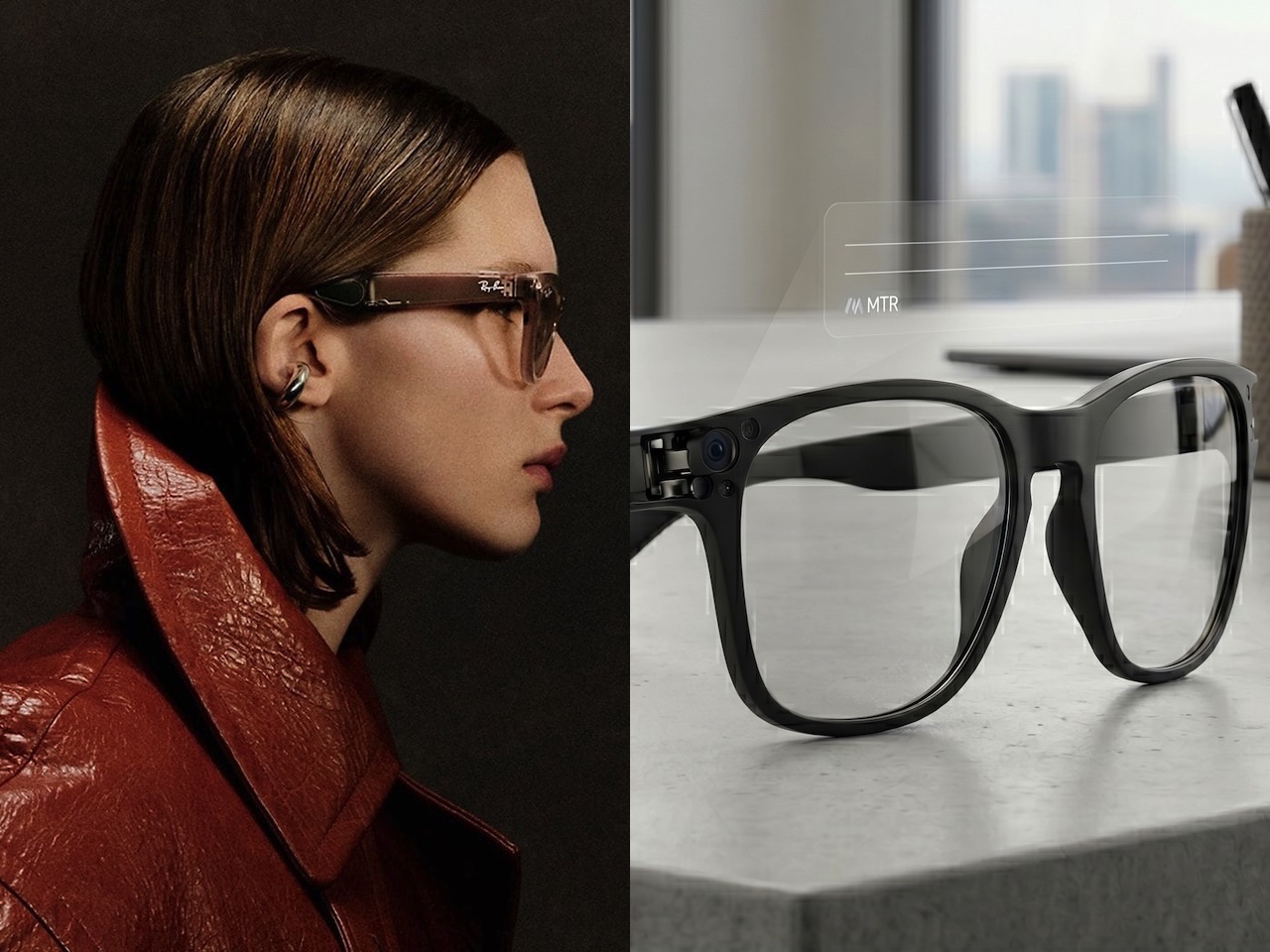 Meta stuck with a camera-first, voice-first Ray-Ban that hides the tech behind familiar frames and leans on Meta AI and a brand people already trust on their face. Two very different bets on what AI on your face should actually feel like, and the gap between them tells you a lot about where the category is headed next. With Google still holding back the real thing, we’re working off expectations more than receipts. But one thing’s clear: Google and Meta are about to be in head-to-head competition all over again.
Our side-by-side: Google AI Glasses vs Meta Ray-Ban: Smart Eyewear’s First Real Fight
The Apple leak that stopped feeling like vaporware
Apple’s smart glasses have been “coming any year now” for half a decade. In April 2026, the leaks finally shifted from concept renders to component sourcing, prototype timelines, and actual launch windows.
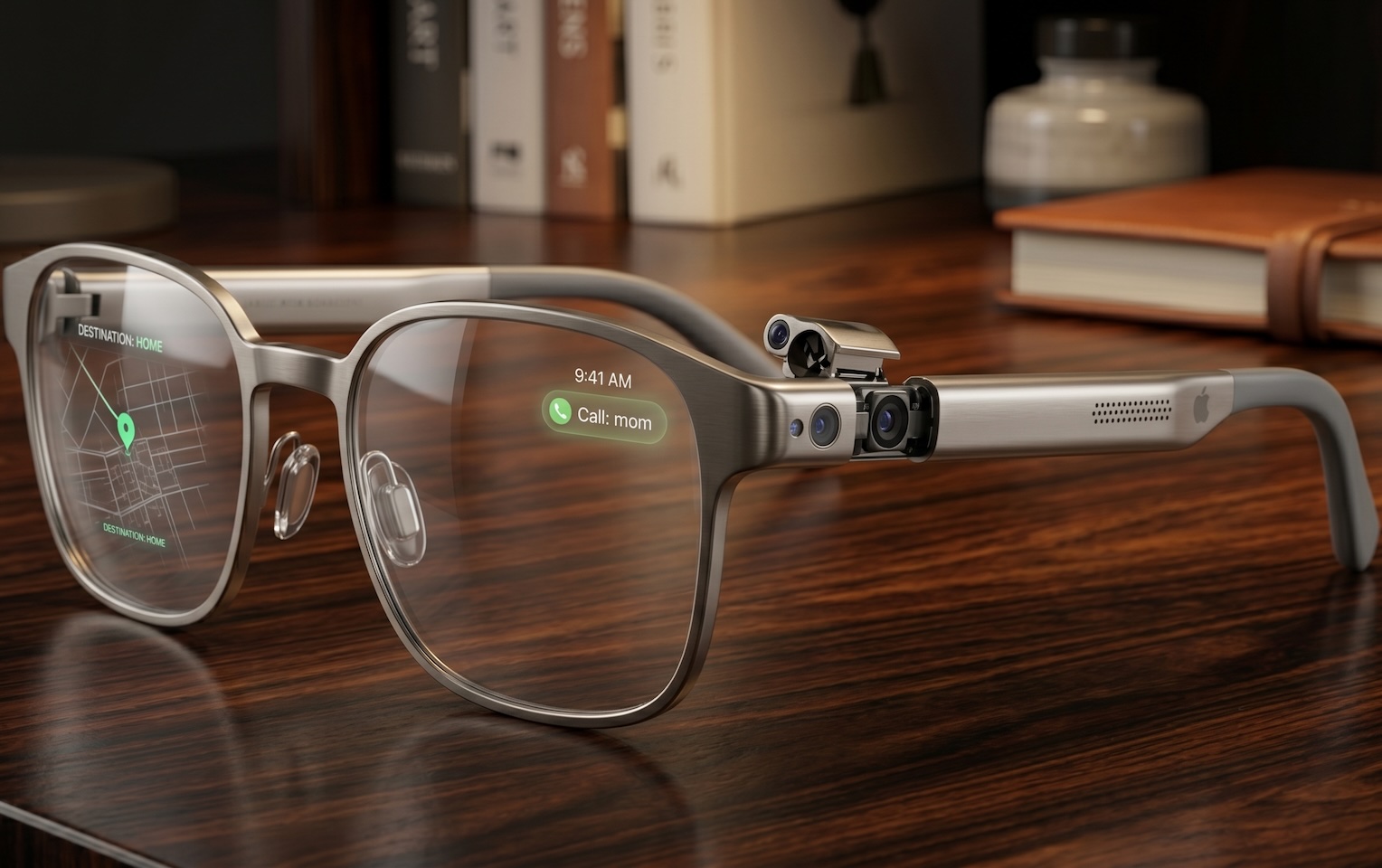
Reports surfaced of four planned frame styles, an early version without an in-lens display, and deep ties to Apple Intelligence and Siri. There’s also a reshuffle inside Apple’s AI org happening alongside it, which usually signals priority, not retreat. That’s how you know it’s real this time. The minute Apple ships, every other smart glasses roadmap on this list gets recalibrated. Frames will get redesigned across the industry, and prices will move with them.
What changed: The Apple Smart Glasses Leak That Stopped Feeling Like Vaporware and the wider field in Six Smart Glasses Worth Watching as Apple Joins the Race
Where the category goes next
Five months in, smart glasses have a top dog in Ray-Ban Meta, a serious challenger in Google, a luxury wildcard in Gucci, an AR specialist in XREAL, a camera-free dark horse in Even Realities, and a sleeping giant in Apple about to wake up. The rest of 2026 is going to be loud. Google has more to show on Android XR, Apple’s window keeps getting closer, and this holiday lineup will be the first one where you can walk into a regular eyewear store and find real smart glasses options on the shelf. We’ll keep tracking every move.
