
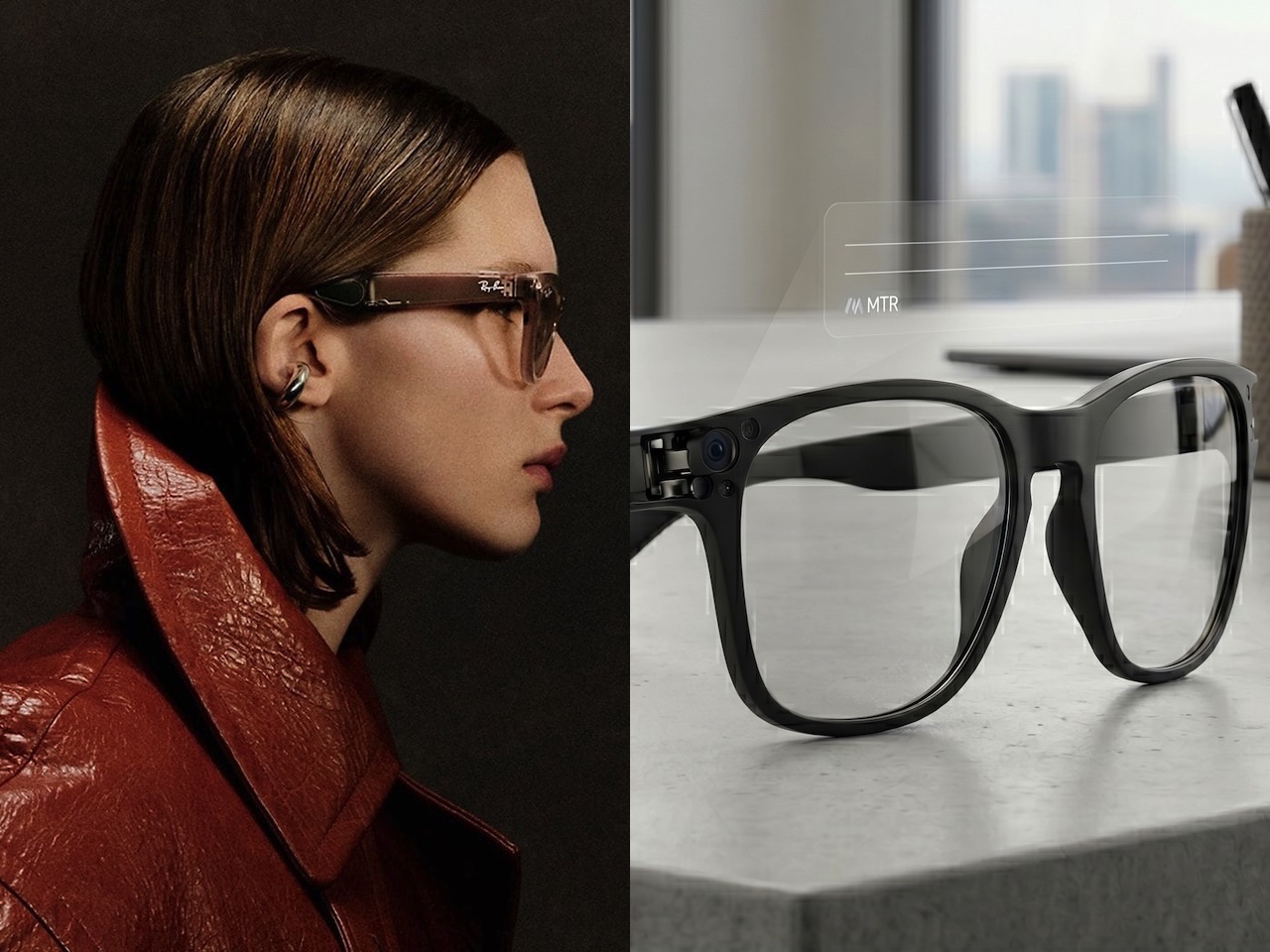
Smart glasses just got interesting again. Google’s been openly building its answer to Meta’s Ray-Ban dominance, and we’re staring down the first real face-off in this category. Meta’s had a head start: Ray-Ban Stories evolved into the Ray-Ban Meta line, now in its second generation, and that combo of fashion credibility plus useful AI has built a loyal following. Google pioneered the category with Glass back in 2012 but is returning late to this current wave, this time armed with Gemini, Android XR, and partnerships that suggest more than just matching Meta’s playbook.
Price: $379
Where to Buy: Amazon
So which one should you actually buy?
The Hardware Story
Meta’s Ray-Ban play leans hard on Luxottica’s frame DNA. The glasses look like glasses, which sounds obvious until you remember how many smart eyewear attempts forgot that part. The Wayfarer and Headliner shapes carry the line (with Skyler rounding it out), featuring open-ear speakers in the temples, an ultra-wide 12MP camera that shoots 3K video, and a battery that stretches to roughly eight hours of mixed use on the Gen 2 model. Pricing runs $379 to $459 for the standard Ray-Ban Meta Gen 2 frames.
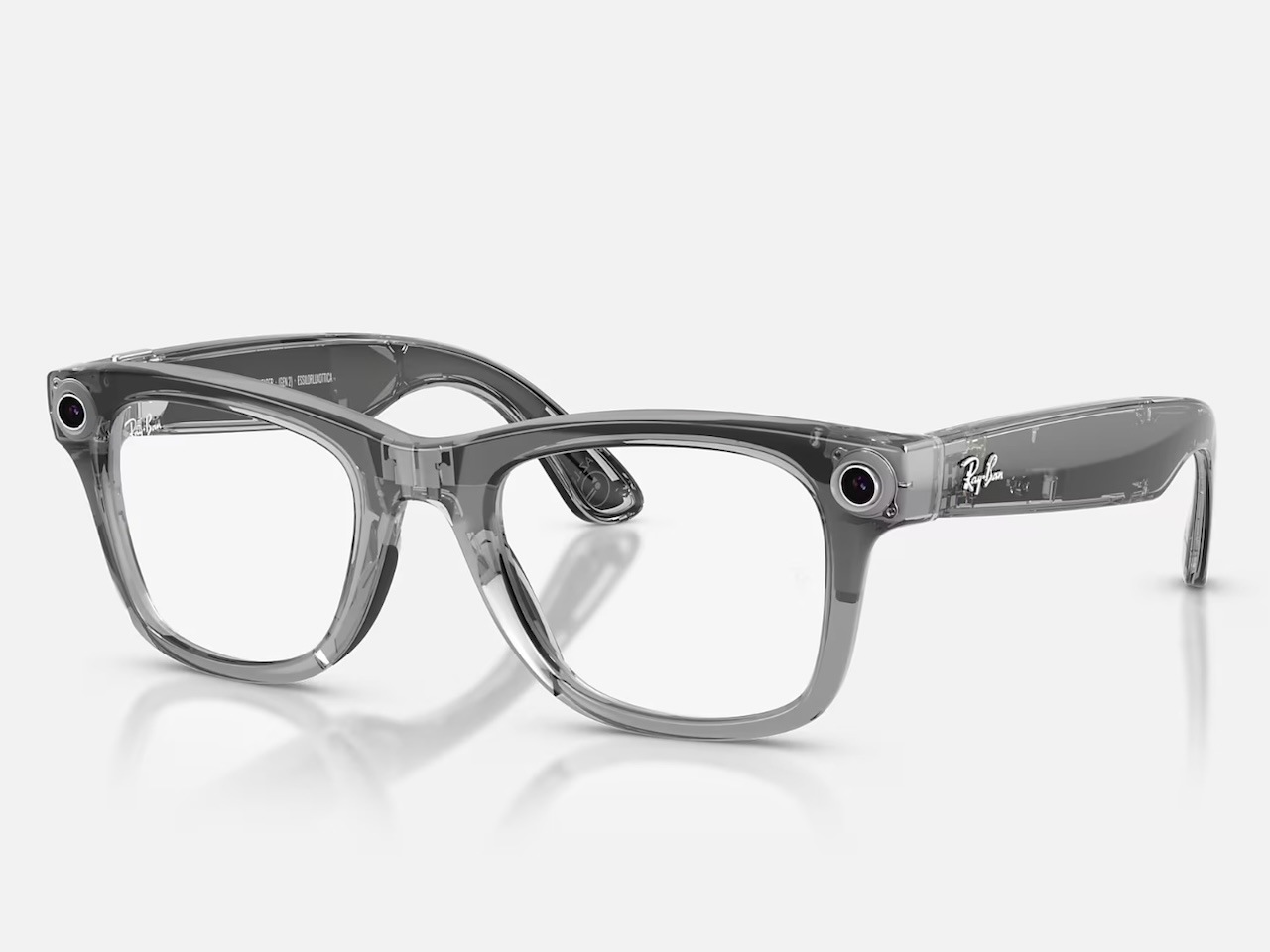 Meta has also pushed past Ray-Ban with the Oakley Meta HSTN and Vanguard sport models, and its first heads-up-display glasses, the Meta Ray-Ban Display, which builds a 600×600-pixel screen into the right lens and pairs with a wrist-worn Neural Band for gesture input. That last one is the most direct shot at what Google’s been previewing.

Google’s approach pulls from a different playbook. Design partners Warby Parker and Gentle Monster (with Kering Eyewear joining later) handle the frames, which signals something Meta figured out early: people won’t wear ugly glasses, no matter how clever the tech. Google confirms cameras, microphones, and AI powered by Gemini, with Android XR running the show. Some configurations include a small in-lens display, though Google’s positioning that as optional rather than the headline.
The hardware question isn’t who has more sensors. It’s which design philosophy survives the mirror test.
What They Actually Do
Meta’s pitch centers on capture and casual AI: snap a photo, ask Meta AI a question, livestream to Instagram, get a translation when you’re traveling. Gen 2 runs on Llama 4, and recent updates have made Meta AI conversations feel more natural, you can interrupt or follow up without re-saying “Hey Meta” each time. The integration with Meta’s social ecosystem is the moat, and the line keeps adding sharper tools through software updates.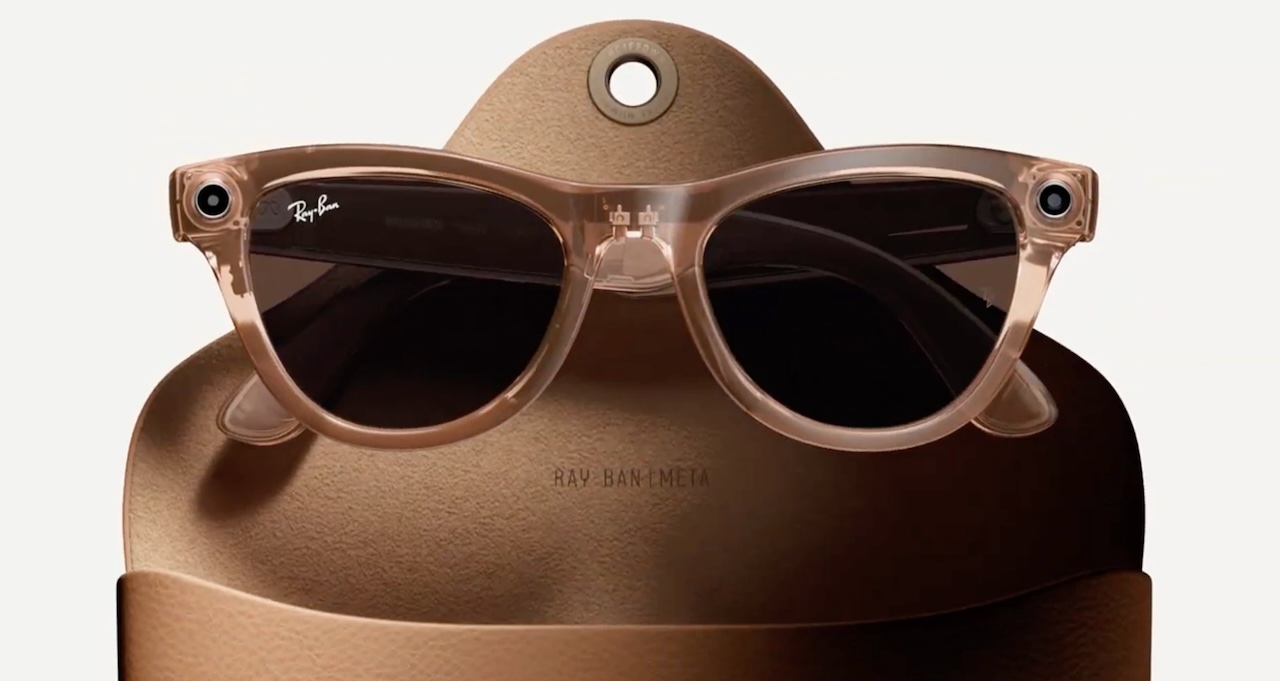
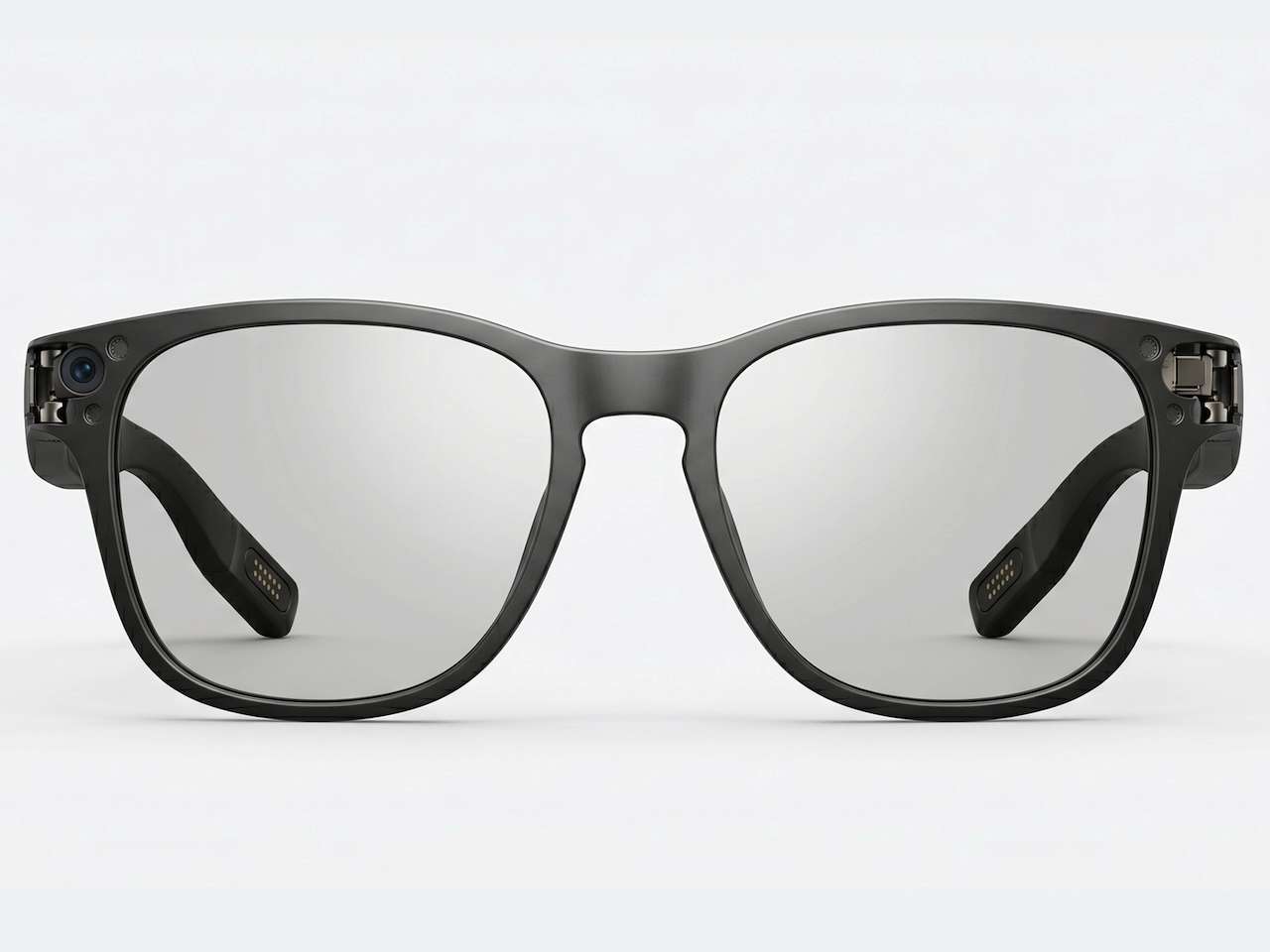
Google says its glasses are built around Gemini’s multimodal smarts. That means looking at something and asking about it, real-time translation overlaid in view, hands-free directions, and tapping into the Google ecosystem you’ve probably already built your digital life around. If Gemini delivers the way Google’s been showing it off, the use cases stretch beyond what Meta’s currently offering. The catch is the one Google always faces with hardware: shipping the experience as smoothly as the demo.
Living With Them
Battery life and comfort decide whether smart glasses become daily drivers or drawer dwellers. Meta’s line has settled into a rhythm where most users get through core hours without anxiety, and the charging case extends that runway. The frames feel like regular glasses, which is half the battle won.
Google’s first wave will be judged on the same metrics. Can you forget you’re wearing them? Does the AI fade into the background until you need it? How does the battery hold up when Gemini’s doing real work? Those answers will decide whether this becomes a genuine alternative or another concept that didn’t stick.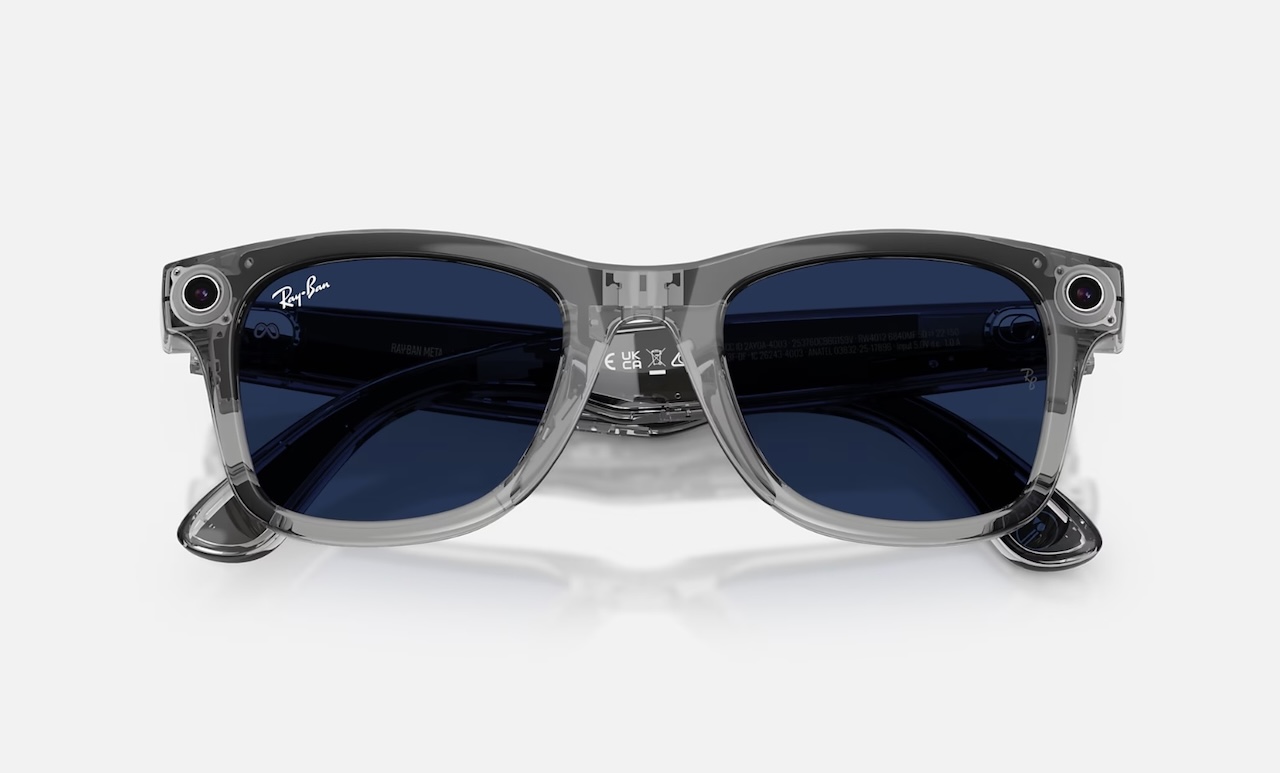
Privacy is the other open question. Meta uses a recording LED on the front of the frames and a capture chime to flag when the cameras are rolling; Google hasn’t finalized its public guardrails for the Warby Parker and Gentle Monster glasses yet. Indicator lights, capture cues, and policy boundaries matter more here than almost any other product class, and whoever handles them with the most clarity earns trust faster.
The Ecosystem Question
Here’s the angle a lot of takes miss. Smart glasses don’t just compete on hardware or AI. They compete on which ecosystem you’ve already chosen.
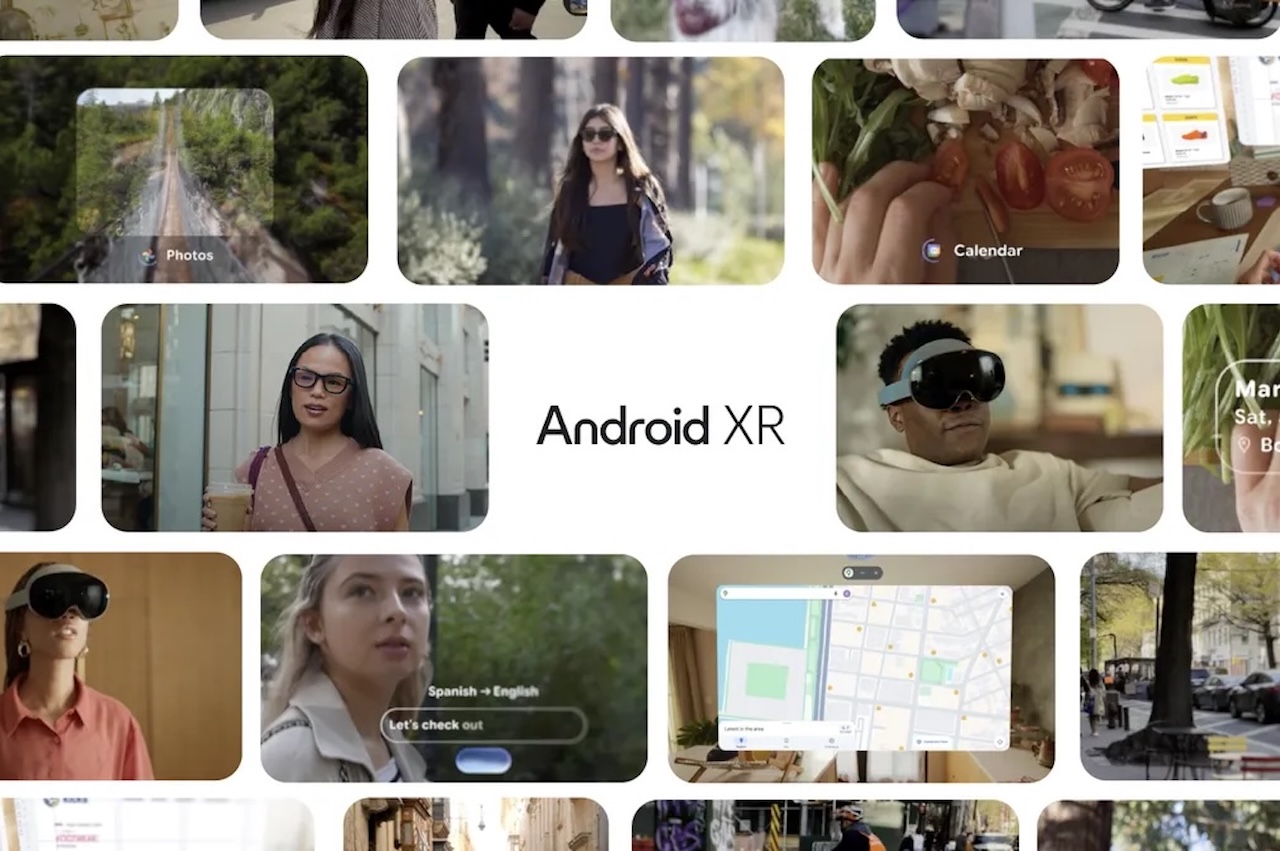
If your phone is an iPhone and your social life lives on Instagram, Meta’s line slots in naturally. If you’re deep in Android, Google Photos, Gmail, and Maps, Google’s glasses will probably feel like a more natural extension of what you already do. This category isn’t going to be won by the better gadget. It’s going to be won by the one that disappears into the routines you already have.
So Which One Wins
Meta’s Ray-Ban line is the safer pick today if you want glasses that work, look good, and slot into a social-first workflow. Google’s lineup looks like the more ambitious play, with AI that promises to be genuinely useful rather than just clever, though pricing and a firm launch date for the Warby Parker and Gentle Monster frames haven’t been announced yet. The verdict depends on whether you want the mature option or the one with more upside.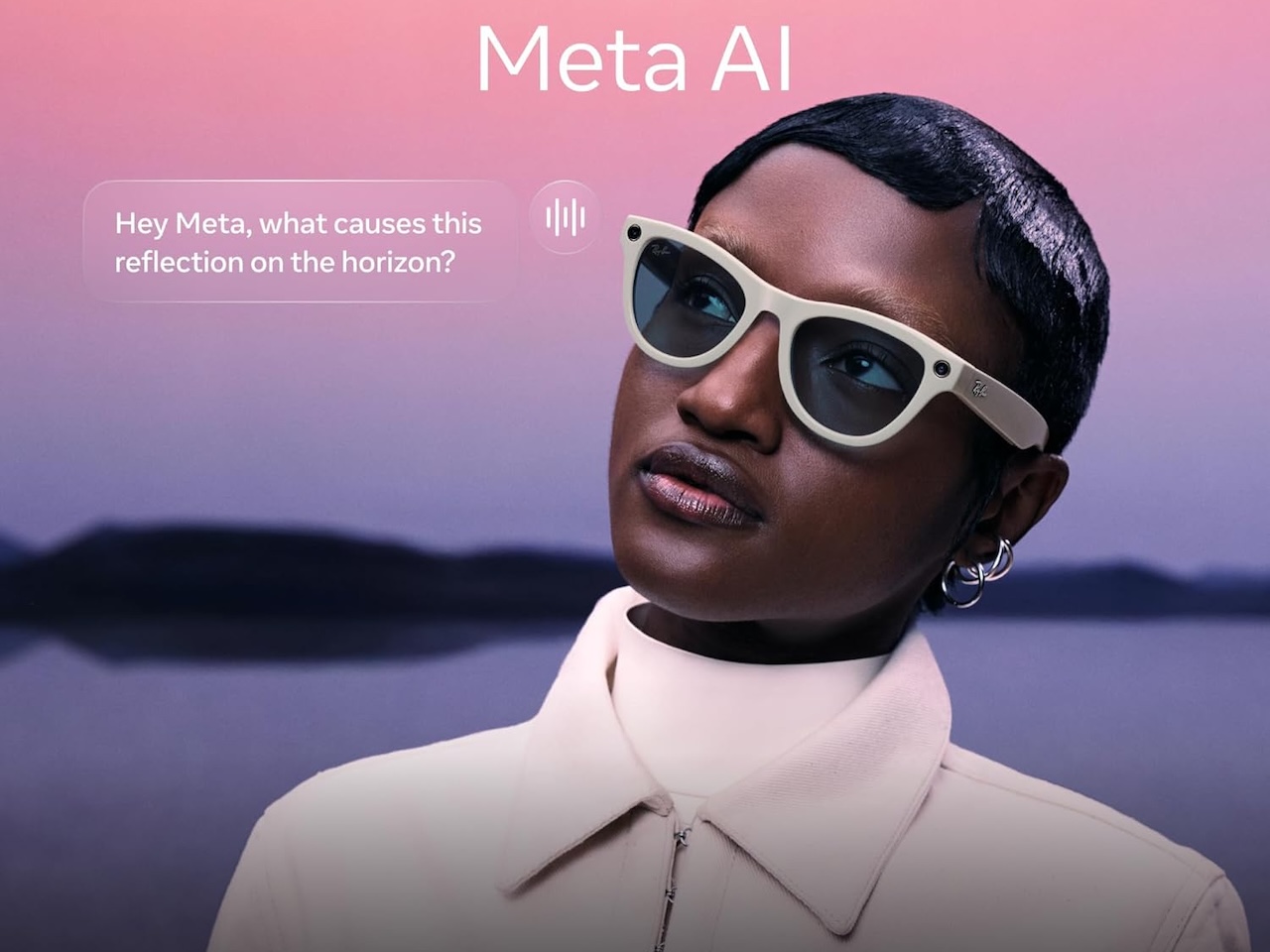
Price: $379
Where to Buy: Amazon
The bigger story is that smart glasses finally have a real fight on their hands. Competition makes products better, and this category has been waiting for that push. Whichever side you land on, the next year of smart eyewear will be a lot more interesting than the last.
Auto Amazon Links: No products found.
