The AI wearable category is in an awkward phase. The premise is compelling: persistent ambient AI that helps when you need it and stays out of the way when you don’t. The first flagships (Humane’s AI Pin, the original Rabbit R1, the early Friend pendant) all stumbled for the same reason. They asked people to wear something obviously new, learn an unfamiliar interaction model, and trust an AI that wasn’t quite ready, all at once.
2026 is where that changes. The hardware is smaller, the models are sharper, and the form factor has stopped insisting on sci-fi theatrics. The most interesting devices on this list are glasses that pass for normal eyewear, a ring you barely notice, and a clip that disappears under a collar. The platform companies have noticed: Meta’s acquisition of Limitless, Samsung’s Galaxy AI push in the Ring, and the steady software work on Meta Ray-Ban all point to AI wearables getting absorbed into ecosystems you already use, with longer support and less risk of becoming orphaned hardware.
Here are five worth paying attention to in 2026, spanning $199 to $799 and use cases from visual question-answering to passive health tracking to all-day audio summarization.
1. Meta Ray-Ban Smart Glasses
Meta’s Ray-Ban glasses already appeared in the smart glasses list, but they deserve a separate mention in the AI wearable context because the AI use case is genuinely distinct. The glasses include a version of Meta AI that can answer questions about what you’re currently seeing, using the 12MP camera as context.
You can hold up a menu and ask for recommendations. You can look at a landmark and ask for background. You can translate text in your field of view via audio output without pulling out a phone.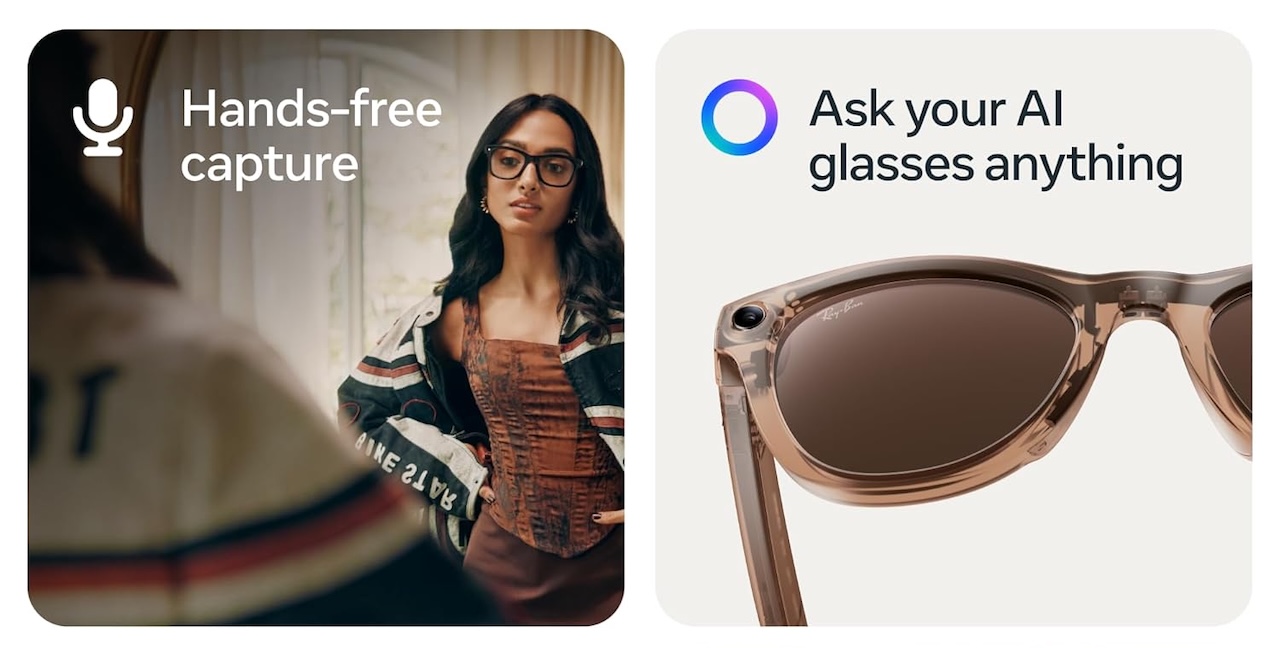
Price: $379 (Gen 2); $499 (Blayzer / Scriber prescription); $799 (Display)
Where to Buy: Amazon
This is not the full ambient AI wearable that the category promises, but it’s the closest thing to a working version currently available at a consumer price. Meta has since extended the line with the $799 Ray-Ban Display, which adds a full-color in-lens display paired with the Neural Band gesture wristband, and a $499 prescription-optimized Blayzer and Scriber line announced in March 2026. The entry-level Gen 2 Wayfarer at $379 is still the AI workhorse most buyers will start with.
Key specs: 12MP camera, 3K Ultra HD video, Meta AI integration, open-ear speakers, water-resistance
2. Rabbit R1
The Rabbit R1 had a rough launch: hardware that looked more promising than the software delivered. The 2026 updates have changed the conversation. January’s DLAM rollout turns the R1 into a plug-and-play voice controller for your computer’s OS, browser, and apps, and the OpenClaw integration lets you issue voice prompts to a third-party agent gateway with access to a community skill hub of thousands of add-ons. Security researchers also flagged around 400 malicious add-ons on that hub in early 2026, so this is still an early-adopter platform, not a polished one.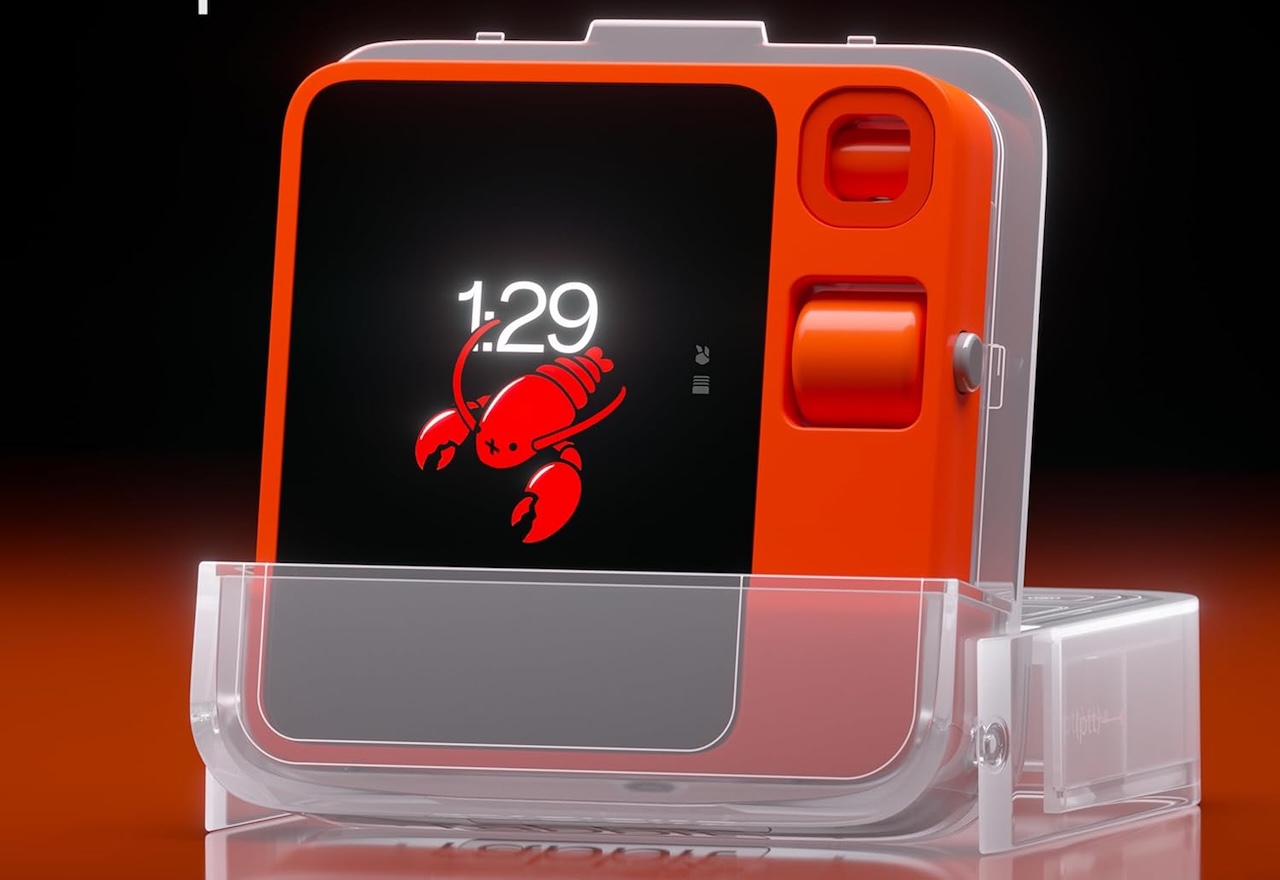
Price: $199
Where to Buy: Rabbit
The R1 isn’t a wearable in the traditional sense (it’s a small handheld you carry), but as a $199 voice-first agent endpoint, it’s finally doing something the hardware always hinted at.
Key specs: DLAM, OpenClaw integration, 2.88″ touchscreen, MediaTek Helio P35, 8MP rotatable camera
3. Brilliant Labs Halo
Halo is Brilliant Labs’ successor to the hacker-leaning Frame, and it’s the company’s most consumer-aimed AI wearable yet, though shipping has slipped repeatedly since the original late-2025 date and units are still trickling out as of this writing. It runs Noa, the same conversational AI agent the company built for Frame, but with long-term memory of past conversations and a Vibe Mode that lets you build small on-device apps using natural language prompts.
Price: $349
Where to Buy: Brilliant Labs
The hardware is the bigger story. Halo weighs just over 40 grams, uses a 0.2″ color microOLED display instead of Frame’s smaller monocular panel, and Brilliant Labs claims an all-day 14-hour battery, which would put it ahead of every consumer pair of AI glasses currently shipping if it holds up in real use.
Key specs: Color microOLED display, Noa AI with long-term memory, Bluetooth 5.3, 14-hour battery, ~40g
4. Limitless Pendant
Where Humane’s AI Pin tried to replace the phone, the Limitless Pendant takes the opposite approach. For anyone who bought (or seriously considered) the Pin, this is the clearest Humane AI Pin alternative the category has produced so far. It’s a small magnetic clip you wear on your shirt that quietly records your day, transcribes it, and turns it into searchable summaries, action items, and reminders. There’s no display, no laser, no projector. The phone stays in your pocket.
 Price: Previously $199-$299
Where to Buy: Limitless
The Pendant has been one of the more practical examples of ambient AI actually working in the wild, with up to 100 hours of standby battery (closer to a full day in continuous-record mode) and a Consent Mode that listens for new voices and waits for spoken agreement before keeping audio (it’s off by default, which has drawn fair criticism). Meta acquired Limitless in December 2025, and the company has said existing Pendant customers will keep service for at least another year, with the Unlimited Plan now included for free. Hardware sales to new customers have ended, but it remains the clearest proof point so far that an always-listening, summary-first AI wearable can ship and find a real audience.
Key specs: Magnetic clip form factor, up to 100-hour standby battery, USB-C charging, 100+ supported languages, Consent Mode
5. Samsung Galaxy Ring
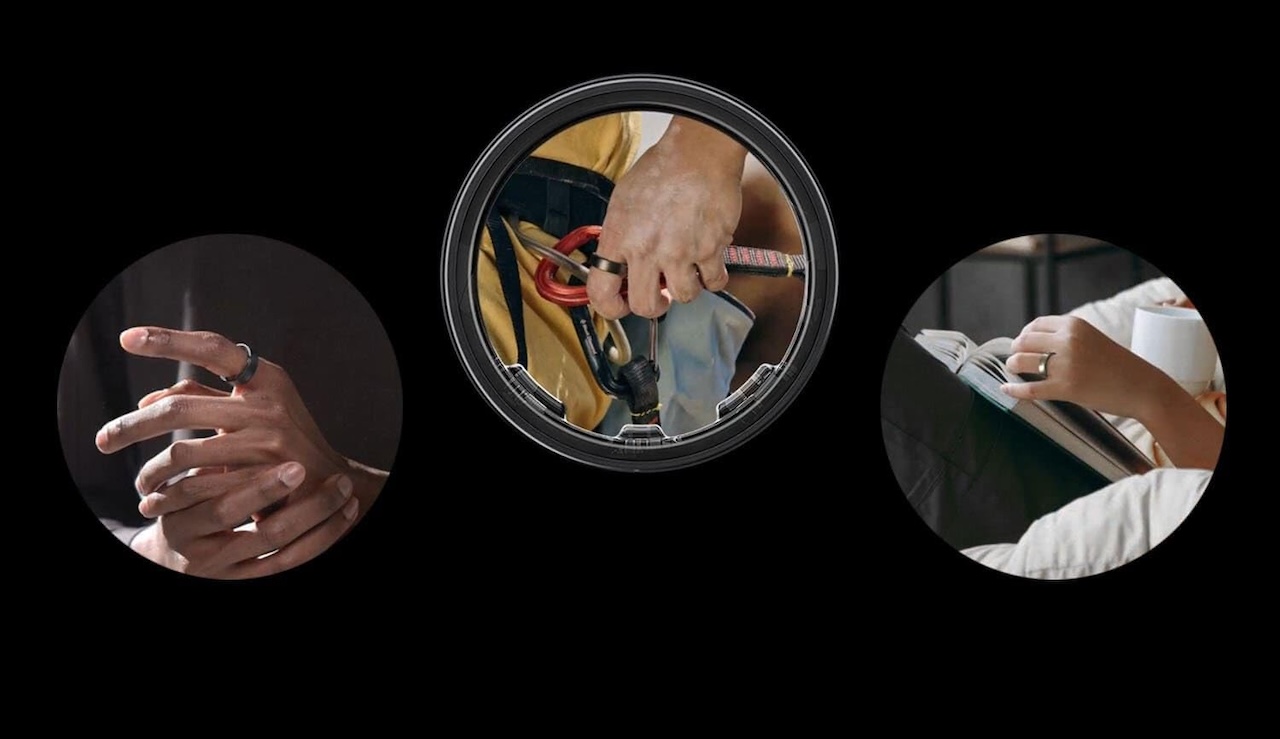
Samsung’s Galaxy Ring isn’t a 2026 launch (it shipped in July 2024), but it earns a spot here because it’s one of the few AI wearables already on a lot of fingers and one of the cleanest examples of passive, ambient AI in practice. Galaxy AI inside Samsung Health turns the ring’s sensor stream into an Energy Score plus daily insights on sleep, activity, and recovery, with no manual logging required. (Galaxy Ring 2 is rumored for early 2027, so this is your window with the current generation.)
The form factor is the advantage: rings are more comfortable for sleep tracking than watches, and the passive data collection model fits the ambient AI use case better than devices that require active engagement.
 Price: From $210
Where to Buy: Amazon
The AI layer is not conversational. It doesn’t respond to questions or perform tasks. But it’s a working implementation of the ambient intelligence concept that most AI wearables are still promising.
Key specs: Heart rate, SpO2, skin temperature, accelerometer, 7-day battery, sizes 5-15, IP68
The Bottomline
For most buyers, the Meta Ray-Ban Wayfarer Gen 2 ($379) is the safest first AI wearable in 2026: polished hardware, a real ecosystem, and AI features that actually work in everyday situations. The Samsung Galaxy Ring is the cleanest second pick if you want passive health tracking. Halo and the R1 are for early adopters comfortable with rough edges and ongoing software work. The Limitless Pendant pointed the way and got acquired, so whatever Meta ships next is the one to watch.