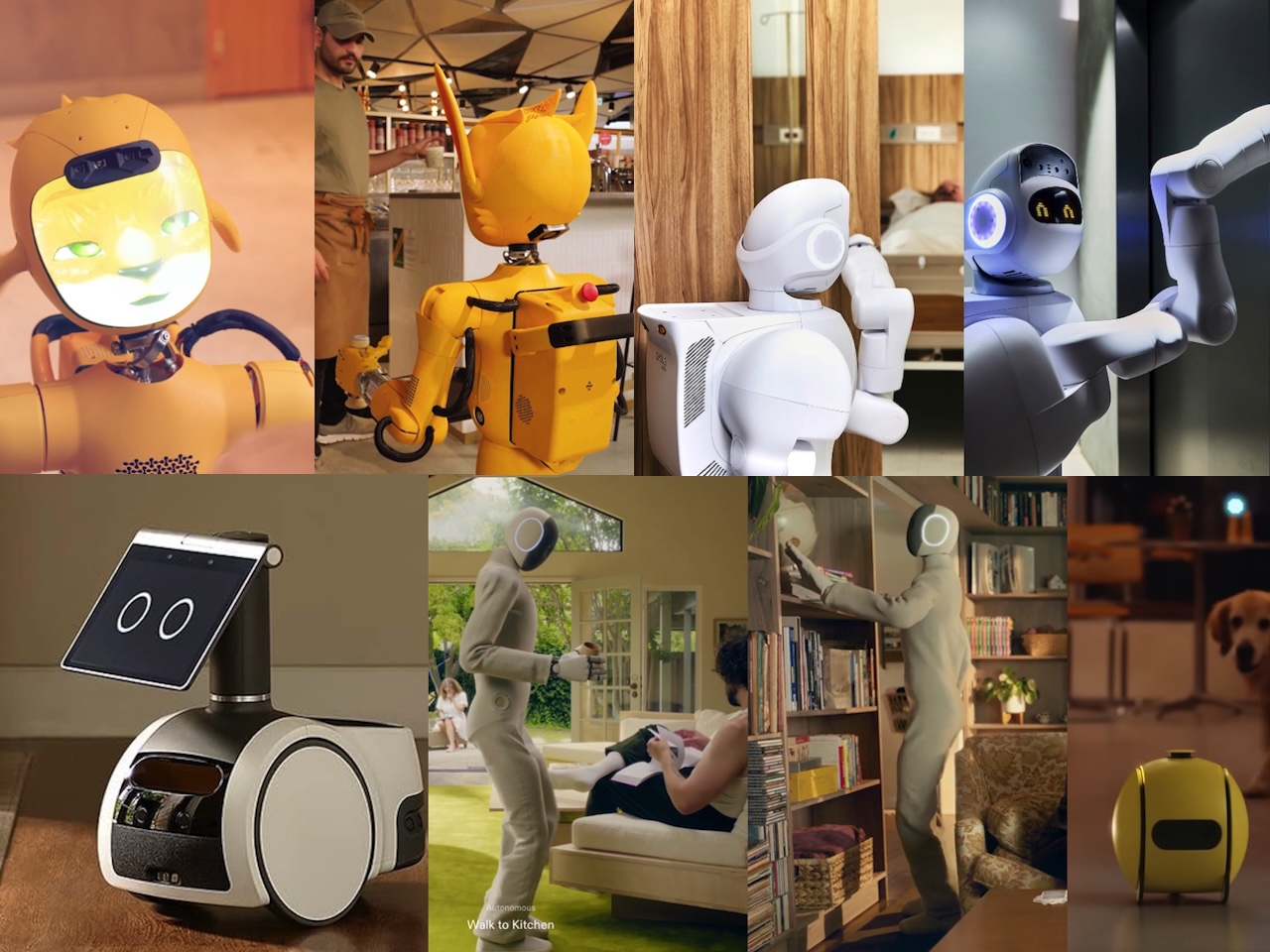
January’s CES floor was thick with home robots. Booths lined up humanoids, rolling AI projectors, and dual-armed butlers, and every press release headline read some variant of “available in 2026.” Six months later, almost none of them sit in actual living rooms.
Three units clear the bar as of May 2026. 1X NEO is open for pre-order at $20,000 or $499 a month, with first US deliveries promised this year. Amazon Astro is live on the storefront at $1,599 behind an invite gate, and the home model is now the only Astro Amazon still sells. Labrador’s Retriever has fleet deliveries running to care providers, with the $1,500 plus $100-a-month Caddie as the closest thing to a direct-to-consumer path.
Three more get covered to show what doesn’t. Samsung’s Ballie was promised for summer 2025, missed that window, skipped CES 2026, and quietly redirected its sign-up page. Enchanted Tools’ Mirokai delivered its first unit to a Paris research institute and signed a Japan distribution deal with Kanematsu in September 2025, but has no US consumer launch on file. Aeolus Aeo runs on a robot-as-a-service contract for eldercare facilities in Japan, with no US consumer SKU in sight.
1X NEO is the only humanoid you can actually pre-order
1X opened consumer pre-orders for NEO on October 28, 2025, with the first units slated to start shipping to US homes in 2026. It’s the first humanoid you can put a deposit on and reasonably expect to see this year. The company calls NEO the world’s first consumer-ready humanoid.
Pricing splits two ways. Ownership runs $20,000 with a three-year warranty, premium support, and priority delivery in 2026. The subscription model lands at $499 per month and ships later. A $200 deposit secures a spot in the queue.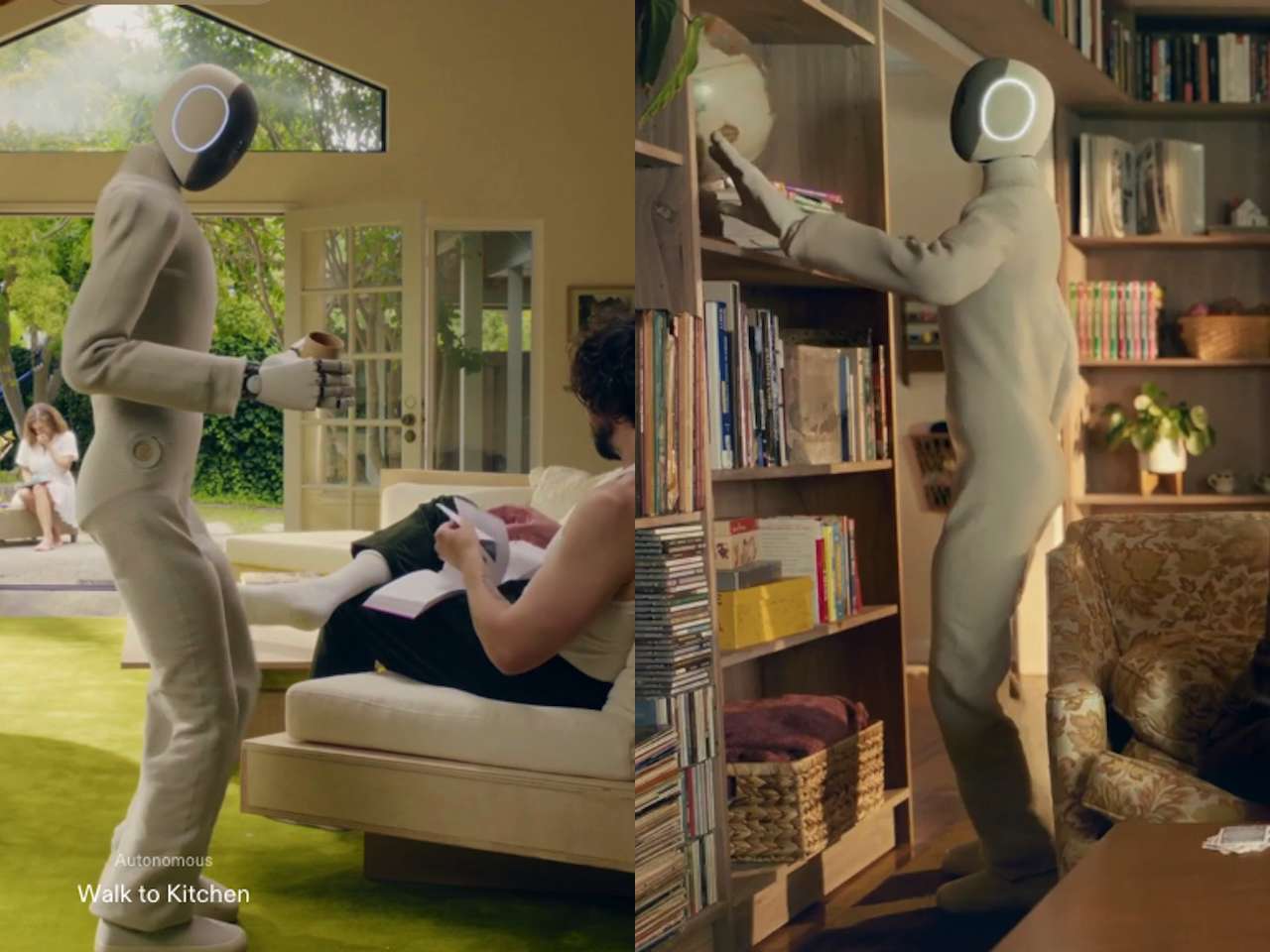
Price: $200 Deposit
Where to Buy: 1x.Tech
What NEO does on day one is narrower than the marketing reel suggests. 1X says NEO arrives with basic autonomy and grows in capability over time, running on its Redwood AI model, and for complex jobs it doesn’t know yet, like laundry, an expert at 1X can remotely supervise the robot during scheduled windows. Hardware specs land at 5’6″, 66 lbs, a 154 lb lift, and an 18 lb arm payload.
Astro is still around, still by invitation
Amazon Astro never went mass-market and probably never will. But it’s still the closest thing the US currently has to a mainstream home robot. The product listing is live on Amazon, tagged as a Day 1 Edition, and offered by invitation at $1,599.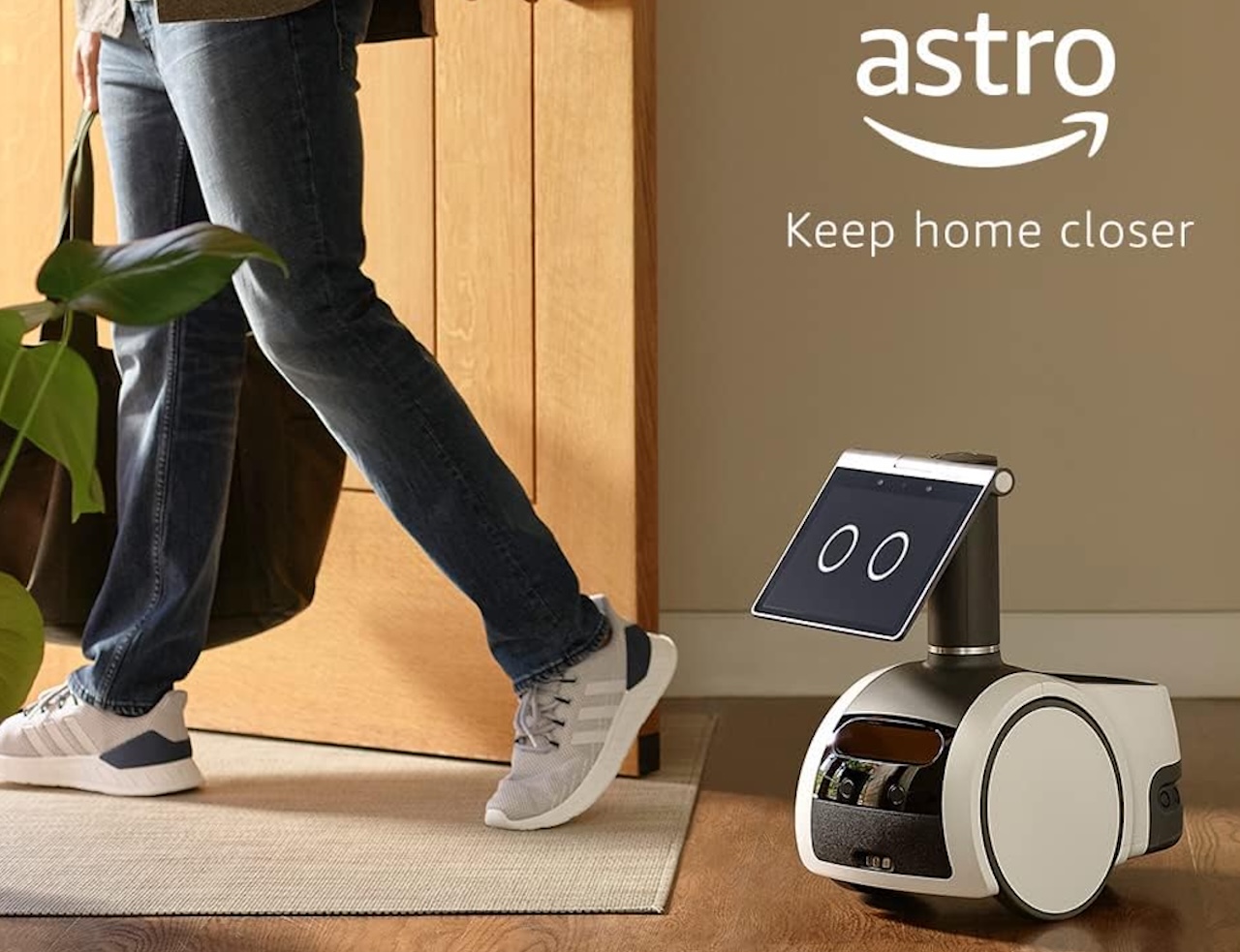
Price: $1,599
Where to Buy: Amazon
Amazon discontinued the Astro for Business program in 2024 and said it wanted to focus engineering attention on the home model. The everyday job that’s left is home monitoring with a Ring tie-in and Alexa on wheels:
- Patrols rooms and streams video to your phone
- Recognizes household members and flags unknown faces
- Carries small items between rooms with the cargo bin
- Acts as a mobile Echo Show with screen-based video calls and reminders
- Integrates with Ring Home, with a 30-day Ring Home Trial included on the current Amazon listing
Samsung pulled Ballie off the road
Samsung’s Ballie won’t ship to American homes in 2026, and Samsung has effectively said so. The rolling AI projector robot was promised for summer 2025, missed that window, then skipped CES 2026 entirely. The “be the first to meet Ballie” sign-up page that Samsung had been pointing customers to was quietly removed and now redirects to a standard projector page.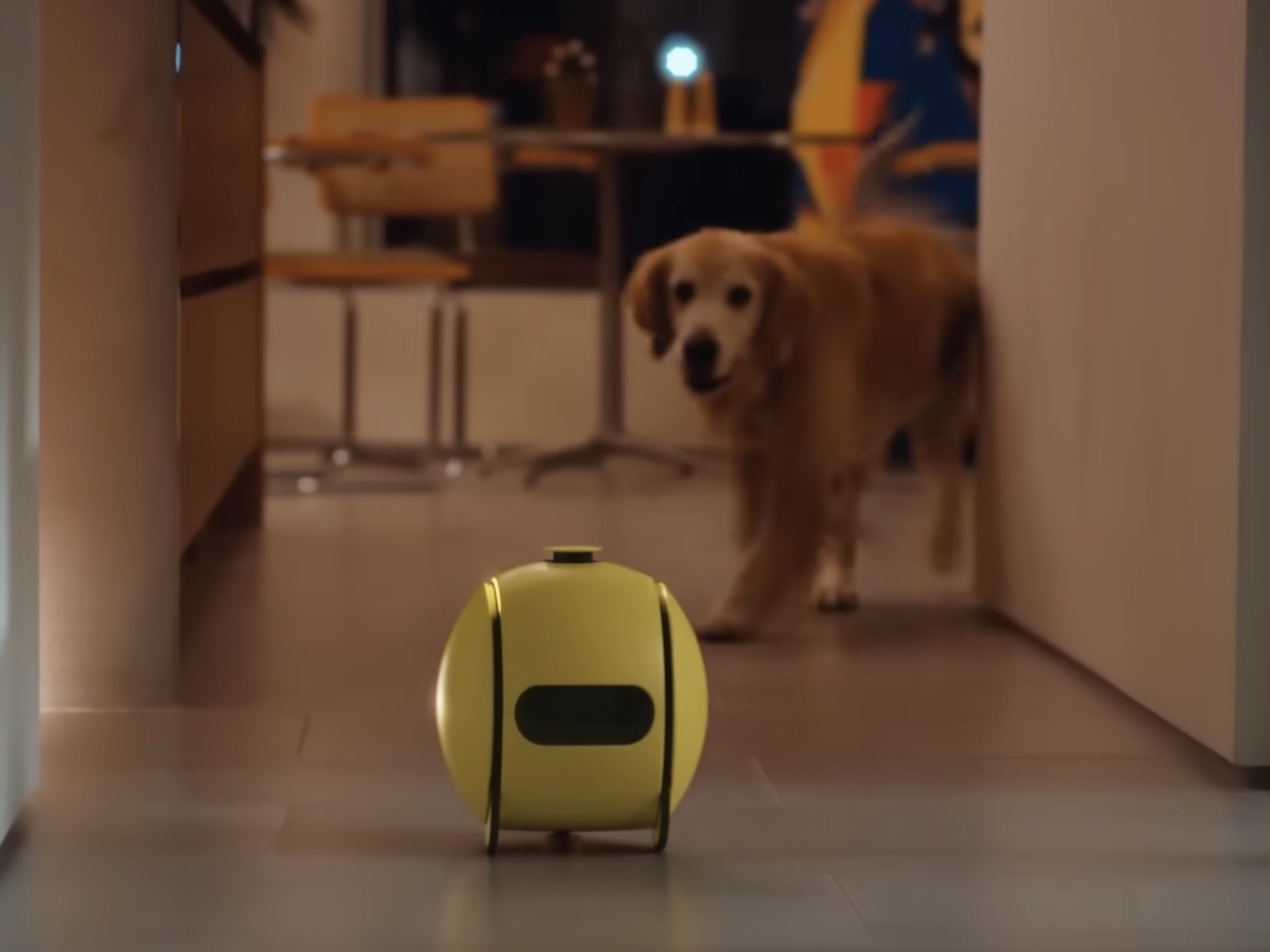
Samsung’s public position is that it’s still refining the technology and that Ballie informs the company’s “spatially aware, context-driven” smart home work. Translation: there’s no shipping date, no retail page, and no public timeline, so for a 2026 buyer asking “can I order one this year,” the answer is no.
What gets lost in the Ballie story is the pattern. Big-name CES robots get demoed, promised, delayed, and quietly retired faster than buyers can place a pre-order. Ballie’s three-strike arc makes that pattern impossible to ignore.
Labrador Retriever isn’t a chore bot, and that’s the point
Labrador Systems takes a different swing at the category. The Retriever isn’t trying to fold laundry or load a dishwasher, and it isn’t selling itself as a humanoid. It’s a tray on wheels with shelves that move up and down, built for people who have trouble carrying things across the house because of chronic pain, injury, or mobility limits.
The robot’s job description is narrow and specific: deliver meals, ferry laundry, keep heavy items within reach. That’s the entire promise.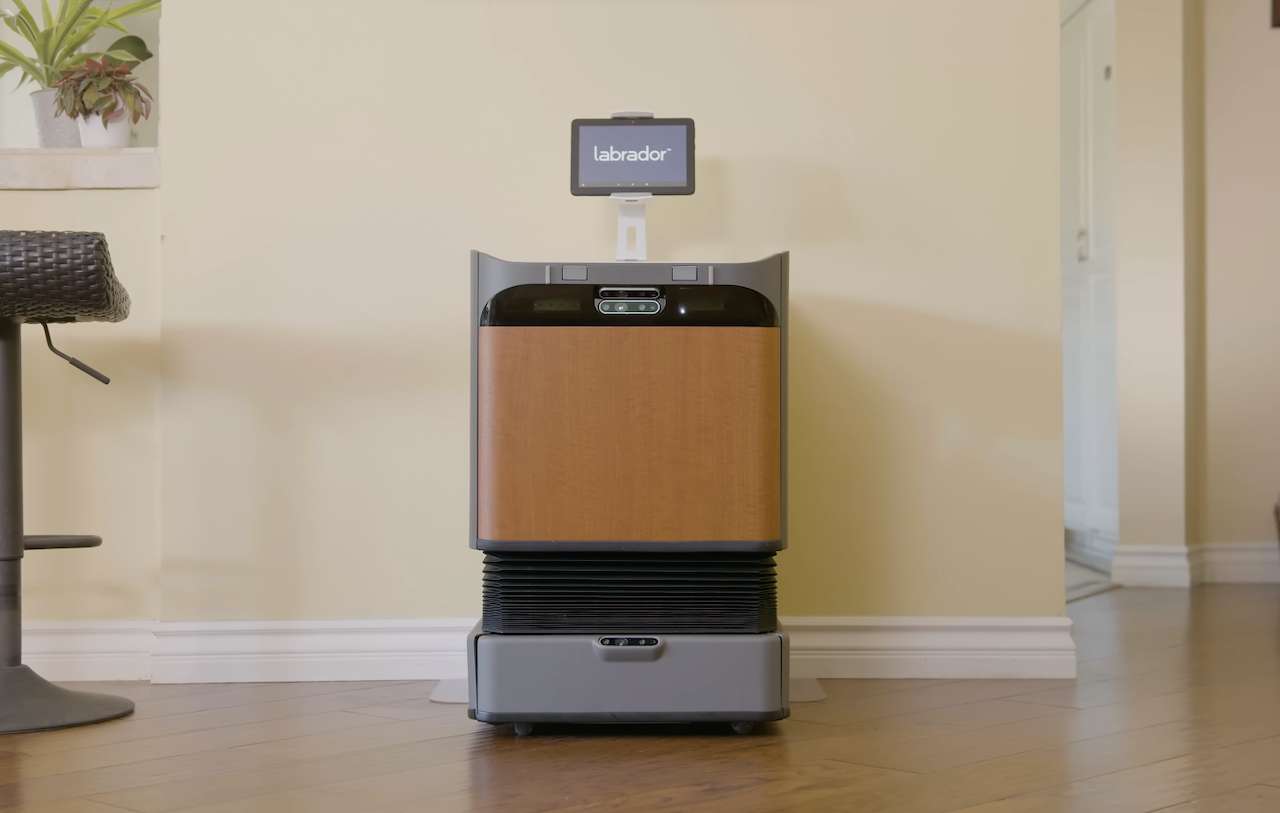
Labrador has been running in-home trials and showing the product at CES going back to 2022, with full production originally targeted for the back half of 2023. First Retriever Pro fleet deliveries have gone to care providers like On Lok PACE, Eskaton, and Masonic Homes of California rather than to individual consumers.
The company’s positioning is assistive product first, not general-purpose home robot, which puts it closer to mobility aids than to humanoids. That framing matters when a buyer is comparing it to NEO or Astro.
Mirokai and Aeo belong to the workplace, not the kitchen
Enchanted Tools’ Mirokai and Aeolus Robotics’ Aeo both show up in “home robot” roundups because they look the part: dual-armed, mobile, expressive. Neither one is something a US consumer can buy and put in a house in 2026.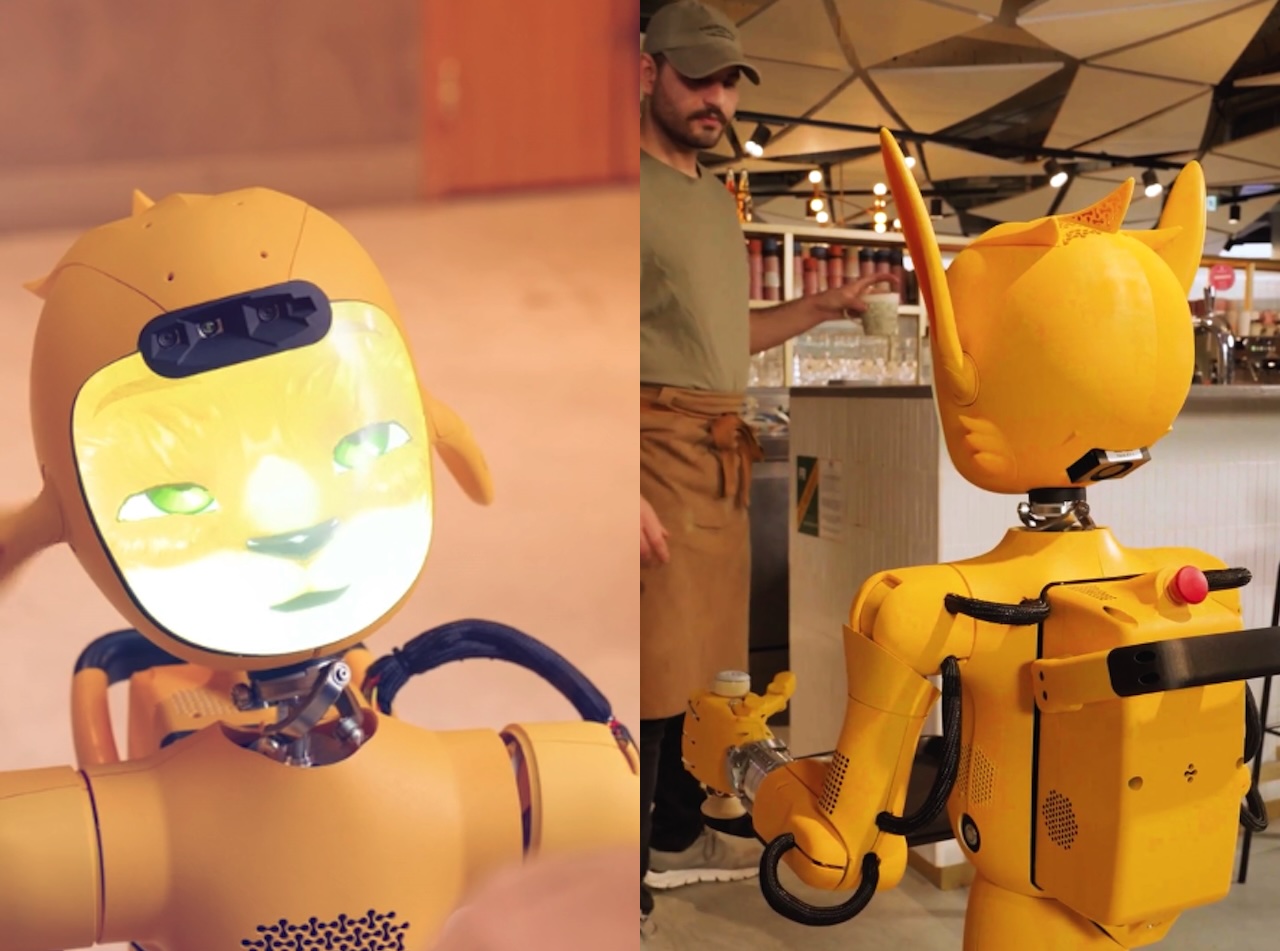
Mirokai delivered its first unit to a Paris research institute and now runs commercial pilots in hospitals and hospitality. Enchanted Tools unveiled the updated Mirokai Explorer Suit in early 2025 and showed it at VivaTech in June, and the company signed a Japan distribution agreement with Kanematsu on September 8, 2025. Enchanted Tools has discussed a production target of 100,000 robots over 10 years, but those are commercial deployments, not living-room sales. (Book a Demo) 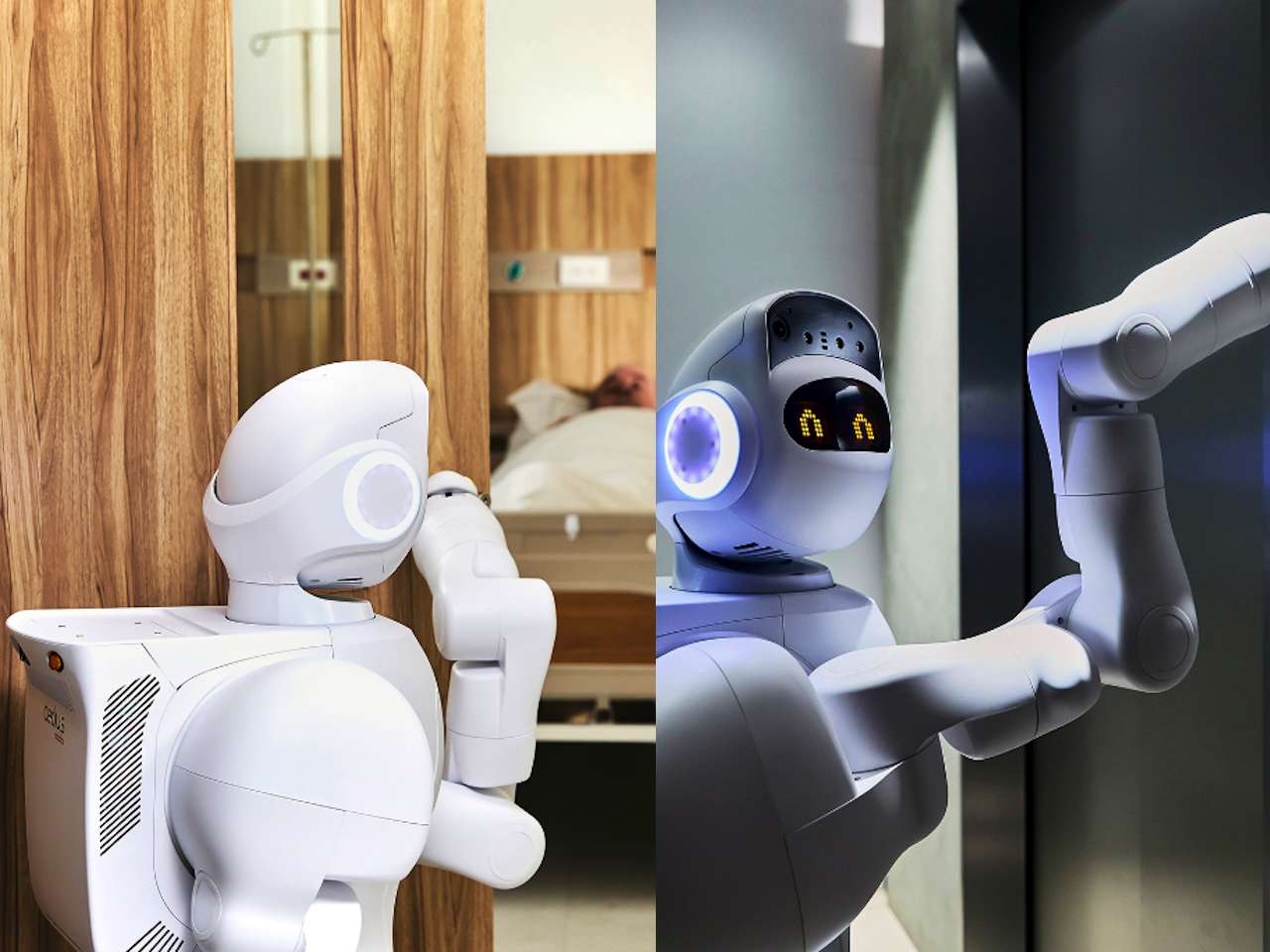
Aeo follows the same pattern. Aeolus Robotics positions it as a service robot for eldercare, delivery, security, and UV disinfection, sold under a robot-as-a-service subscription. Japan and selected facilities are the primary markets. Treat any “Aeo is a home robot” framing with suspicion until Aeolus publishes a US consumer SKU.
What a home robot is genuinely useful for in May 2026
Strip away the demo reels and a smaller, more honest picture appears. Right now a home robot is useful for security patrols, video monitoring, and remote check-ins, which is Astro’s lane. It’s useful for moving objects across the house if you’re physically unable to do it yourself, which is the Retriever’s lane.
It’s useful as a sub-$25,000 bet on the future of humanoid assistance if you’re an early adopter with money to spare, which is NEO’s lane. That’s the honest list.
Folded laundry, dishes, real cleaning, pet care, child supervision: every one of these tasks shows up in marketing videos. Almost none of them work autonomously in a real home today. The category gap is wider than any of the press kits admit.
The robot vacuum and mop are still the only true autonomous home robots most US households actually run.
That’s the tension worth holding onto. The first humanoids in real homes will produce real footage and real complaints, and we’ll learn fast whether NEO’s Expert Mode model holds up when an early adopter wants laundry on a Tuesday at 9pm with no supervisor awake.
What to watch in the back half of 2026
Three signals will tell us whether 2026 becomes the year home robots got real. The first is NEO’s actual delivery cadence, meaning how many units ship, which markets they land in, and whether the early-owner footage holds up against the launch reel. The second is Astro’s status, specifically whether Amazon ever opens it to general availability or quietly winds it down the way it did Astro for Business. The third is the arrival of a serious second humanoid, since Tesla’s Optimus, Figure 02, and a few others have all hinted at home positioning, and the first credible challenger to NEO’s pre-order list would change the conversation overnight.
Watch the absences just as closely. If a major name from CES 2026 still has no shipping date by Q4, treat that silence the way Samsung’s Ballie page now does, by simply disappearing.