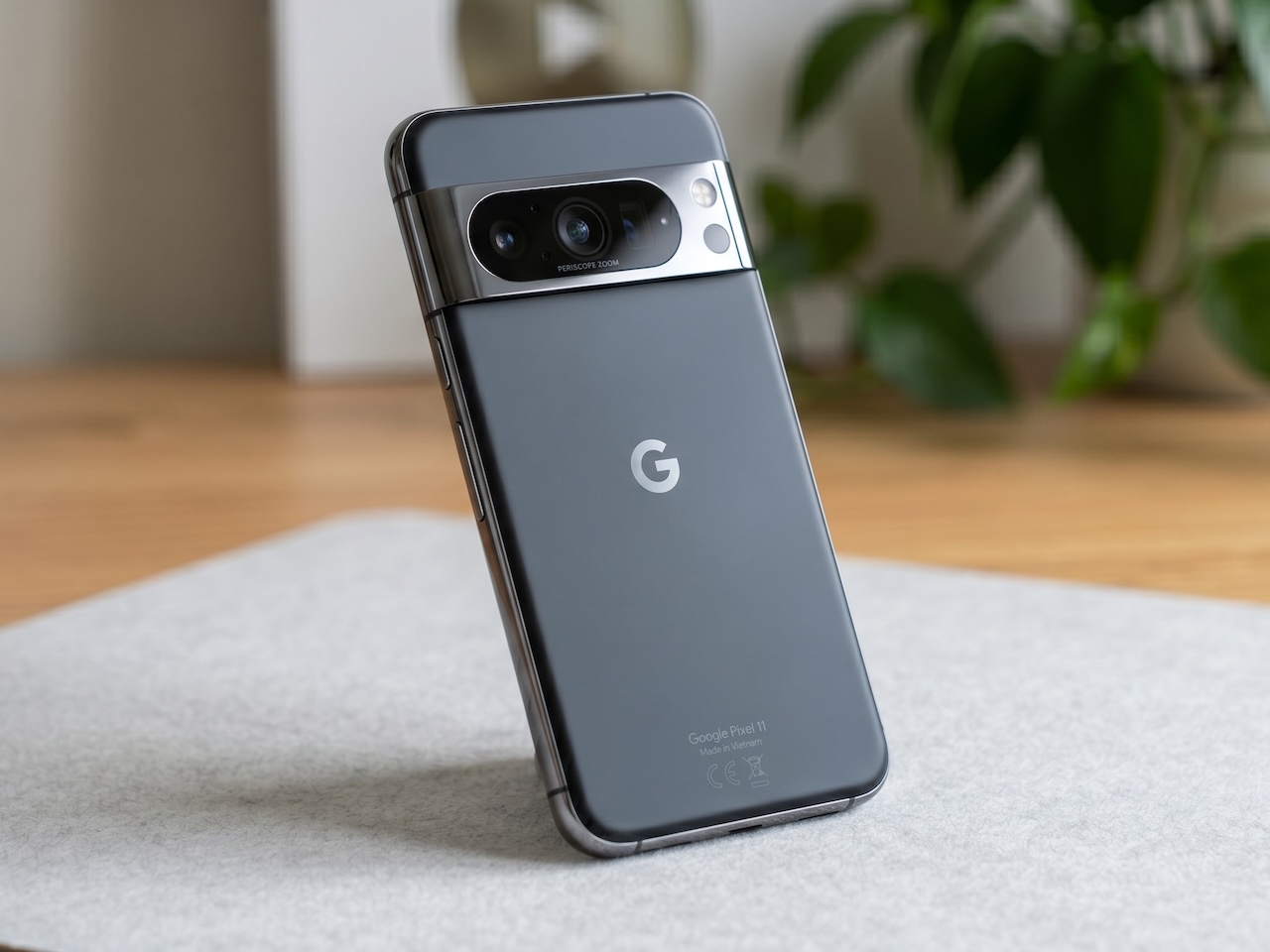
An early-May Telegram leak spilled most of Google’s 2026 Pixel playbook in one shot: Tensor G6 on a 2nm process, new Samsung OLED panels on the Pro tier, smaller batteries across the board, fresh camera sensors on the Pro models, and an ambient lighting feature called Pixel Glow. With Google’s August event still about three months out, the full roadmap is already in public view.
The interesting part isn’t the iteration, it’s the priorities. Google is not chasing peak benchmark numbers against Samsung’s Galaxy line or Apple’s iPhone Pro tier this year, and the leaked changes lean instead on chip efficiency and physical design. Pixel Glow is the loudest signal of that shift, the kind of feature you notice the moment a Pixel 11 lands face-down on a desk.
Tensor G6 finally moves to TSMC 2nm
The headline silicon story is Tensor G6 jumping to TSMC’s 2nm process. This is Google’s second Tensor on TSMC after Tensor G5 made the initial jump to TSMC on a 3nm process last year, leaving Samsung Foundry’s 4nm node behind, and 2nm puts the part in the same node neighborhood as Apple’s upcoming A20 silicon, while Qualcomm’s mainline Snapdragon 8 Elite Gen 2 is reportedly staying on TSMC’s 3nm N3P with a 2nm jump not arriving until later in the line. A separate leak also points to Tensor G6 finally dropping the Samsung Exynos modem that carried over to Tensor G5 in favor of MediaTek’s new M90, which would compound the efficiency story.
Leaked listings point to an unusual 7-core 1+4+2 configuration: one Arm C1-Ultra at 4.11GHz, four C1-Pro cores at 3.38GHz, and two more C1-Pro cores at 2.65GHz, paired with a PowerVR C-Series CXTP-48-1536 GPU. What matters more than raw peak performance is how a Pixel behaves day to day. Thermal headroom, sustained workload throttling, and battery drain during on-device AI tasks are where prior Tensor chips fell behind Snapdragon, and a node shrink alone can shift that math.
The wildcard is whether Google uses the efficiency gains to push further into on-device AI features or to make the phone run cooler. The answer arrives at the August event, not in the leak.
What changes across the lineup
Across the standard, Pro, and Pro XL models, the leak points to a mixed bag. The standard tier sticks with 6.3-inch OLED panels, while Pro models reportedly debut Samsung’s new M16 OLED for better color accuracy, durability, and power efficiency. Battery capacity may trend smaller across the lineup, with leaked figures pointing to roughly 4,840 mAh on the base Pixel 11, 4,707 mAh on the Pro, and 5,000 mAh on the Pro XL, each landing under their Pixel 10 counterparts. Pro models may also see the base RAM tier drop from 16GB to 12GB, with 16GB still offered on higher configurations, camera hardware gets a revision on the Pro tier, and the whole lineup picks up the new Pixel Glow feature: subtle colored lighting on the back of the device when face-down.
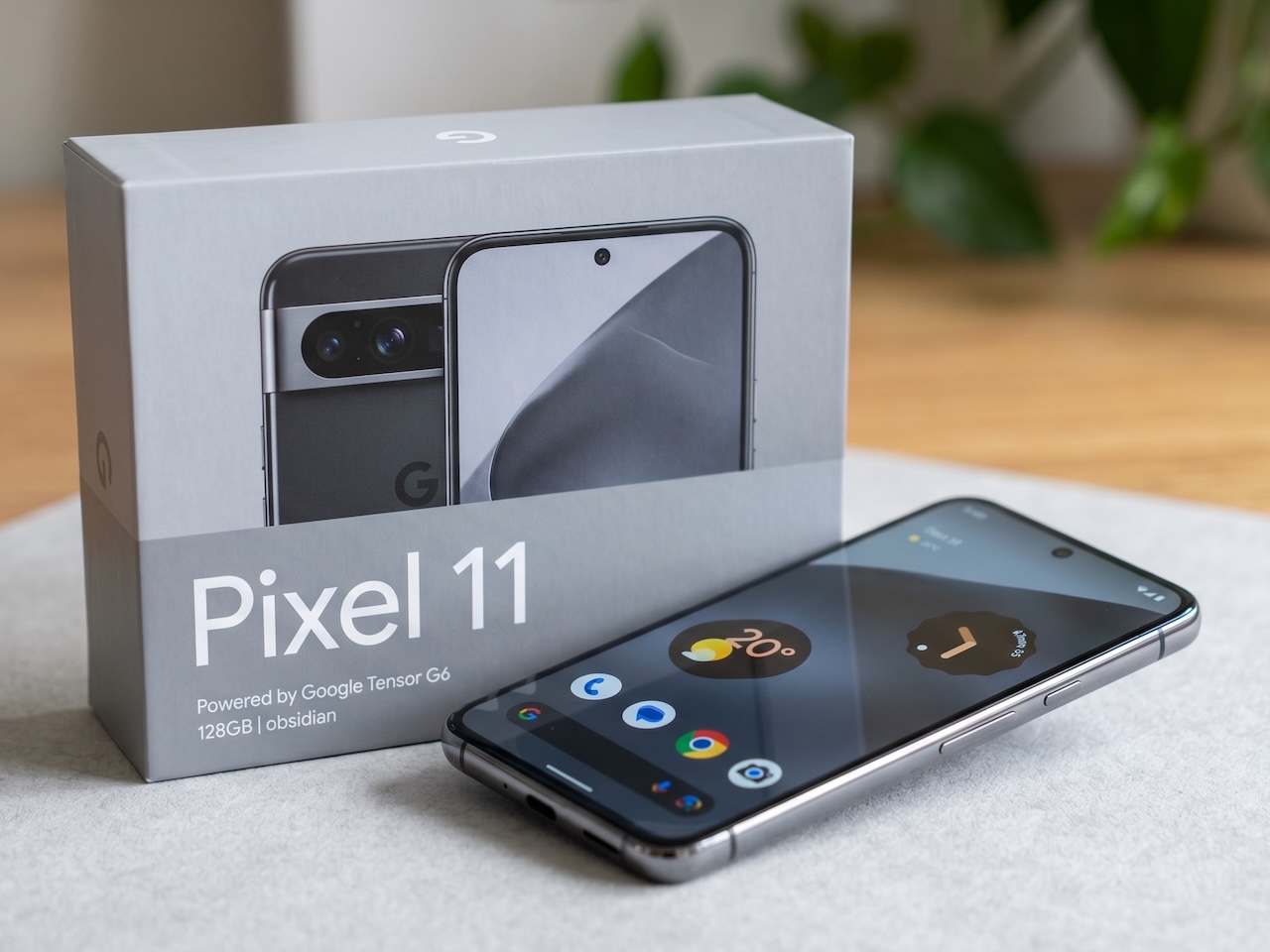
The panel upgrade is more about display quality than raw peak brightness, where Samsung and Apple already push four-figure numbers Google is matching rather than leapfrogging. The shrinking battery line is the more concerning change, especially paired with the rumored RAM downgrade, and it puts even more weight on the G6’s efficiency gains to carry day-to-day endurance.
Pixel Glow and the quiet exit of the thermometer
Here’s the design move worth talking about. Pixel Glow surfaced in Android 17 Beta 4 strings as a system that pulses subtle colored light on the back of the phone when it’s placed face-down, with hints that Gemini may drive different animations for listening and responding. Separately, OnLeaks renders suggest the temperature sensor is being dropped on Pixel 11 Pro, the same sensor that quietly disappeared from most people’s daily use after the novelty wore off. Whether Pixel Glow physically occupies that old cutout is not yet confirmed.
Trading a niche health gadget for an ambient notification light suggests Google’s paying attention to how Pixels actually get used. Subtle rear lighting pulls double duty: it’s a visual signature few mainstream phones use, with Nothing’s Glyph interface being the notable exception, and it solves the always-present problem of a phone face-down on a desk going unnoticed.
The execution is where this either becomes a defining Pixel trait or an afterthought. If the light is customizable by app, contact, or notification type, it earns its real estate. If it’s locked to a system-level pulse with no granular control, it’s a gimmick.
When the Pixel 11 actually arrives
Recent reporting points to a mid- to late August 2026 launch, with retail availability likely landing in late August or early September and the Pixel 11 Pro Fold trailing into fall, roughly five to seven weeks behind the rest of the lineup as the Pixel 10 Pro Fold did last year. Pricing context from last year’s launch suggests the standard Pixel 11 will sit close to the Pixel 10’s launch price, with the Pro and Pro XL stretching higher. Exact pricing isn’t in the leak.
Google’s keeping its August slot rather than chasing an earlier window. That timing puts the Pixel 11 against a quieter competitive backdrop, ahead of Apple’s typical fall iPhone reveal and well after Samsung’s early-year Galaxy S launch has settled.
Must-upgrade year or wait-and-see
This is the most interesting Pixel rumor cycle in a couple of years, and it’s not because of any single spec. It’s the combination. A real node jump on the chip and a brand-new ambient lighting feature are working against a smaller battery and a possible RAM cut, which adds up to a phone that’s leaning harder on efficiency and software identity than on raw hardware muscle. Google’s chief design officer for Consumer Devices, Ivy Ross, has also confirmed the Pixel 10’s design language carries through Pixel 11, so Pixel Glow is doing most of the visual differentiation work this cycle.
Whether that’s enough to justify an upgrade from a Pixel 10 is a different question. The G6’s efficiency gains and the brighter display are nice, but they’re not category-defining on their own. If you’re coming from a Pixel 8 or earlier, the cumulative improvements probably hit harder.
For now, the leak gives Pixel watchers more to chew on than usual. The next checkpoint is whatever Google chooses to confirm or quietly drop between now and August.
[Google Pixel 11 Image Generated by AI Only]