A new leak says the iPhone 18 Pro Max could land with a 5,200 mAh battery, the biggest cell Apple’s ever shipped in a phone. The number sounds dramatic. The actual real-world gain looks much smaller, and a few details in the rumor itself tell us why.
Here’s what the claim actually means, what would shift if it pans out, and what wouldn’t budge at all.
What the leak actually says
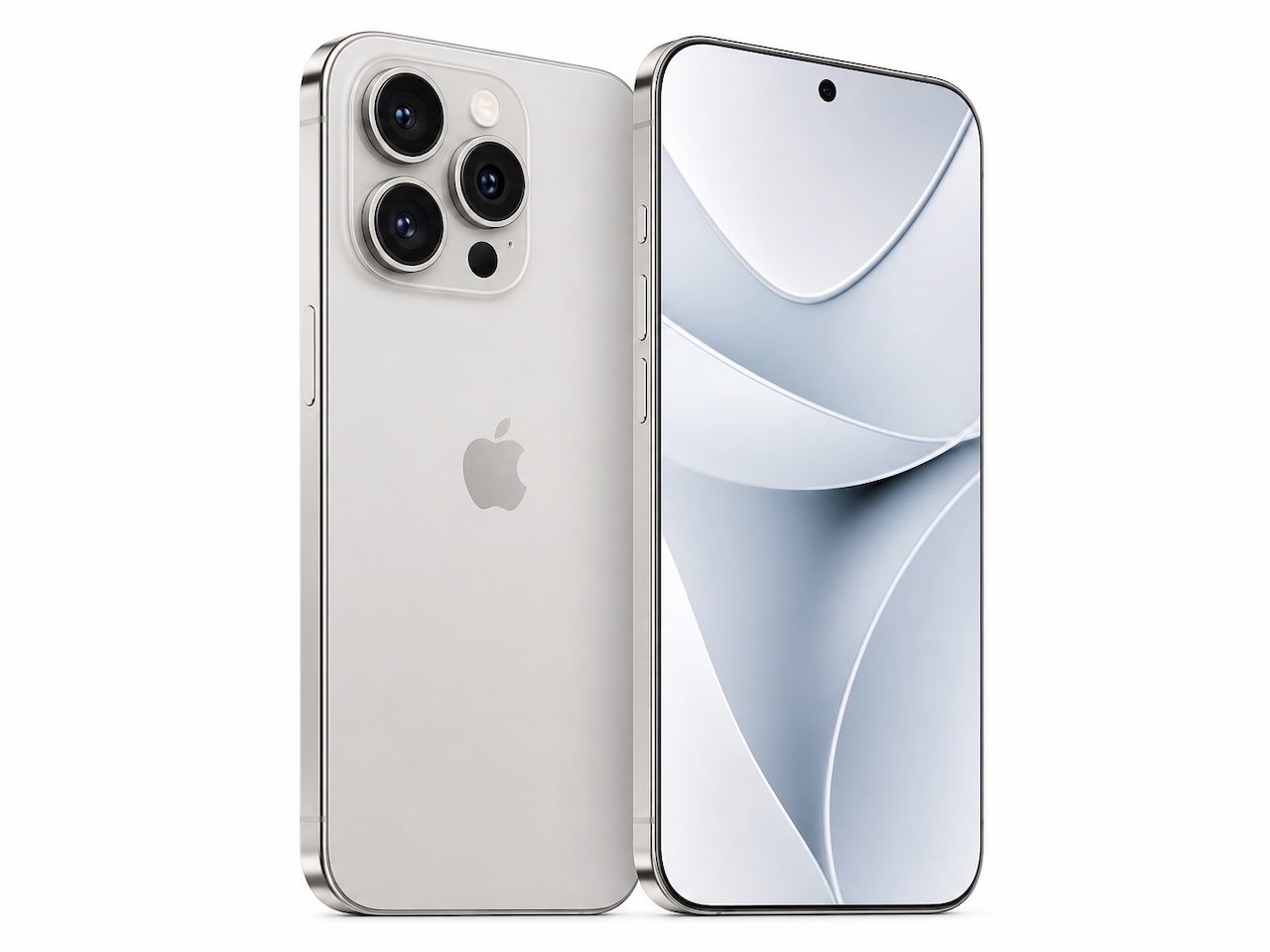
The figure comes from supply chain leaker Digital Chat Station, posting on Weibo. The claim points to a 5,100 to 5,200 mAh cell in the iPhone 18 Pro Max, with the higher number reportedly reserved for the US eSIM-only variant. (We covered the leak surface in our 5 May report if you want the bare-bones version.)
That’s a 0.2% to 2.2% capacity bump over the iPhone 17 Pro Max, which packs a 5,088 mAh cell. The 5,100 mAh floor barely clears this year’s number, and only the eSIM-only US variant gets near the top of the range. The leak also points to a thicker chassis at around 8.8mm to fit the bigger pack, and a weight of 240 to 243 grams, up from 233 grams on the iPhone 17 Pro Max. At the high end of that range, the iPhone 18 Pro Max would match or edge out the 240-gram iPhone 14 Pro Max by up to 3 grams, making it the heaviest iPhone Apple has ever shipped.
So the new cell isn’t sneaking in through density gains alone. Apple, if these numbers hold, made room for it.
How big a jump the iPhone 18 Pro Max battery would really be
The headline reads like a leap. The math doesn’t. Going from 5,088 to 5,200 mAh is a 2.2% increase in raw capacity, and on a phone that’s already one of the longer-lasting iPhones Apple sells, that alone wouldn’t push runtime by more than a fraction of an hour.
What changes the math is the rest of the rumor stack. A 2-nanometer A20 Pro chip, if it ships, brings a per-watt efficiency gain that’s typically larger than the capacity bump itself. Pair that with the iOS 27 power tuning analysts are already pointing to, and you’re stacking two or three small wins rather than one big one.
The hidden variable: the A20 Pro chip and silicon-carbon question
Most of the rumored battery gain isn’t coming from the cell. It’s coming from what sits next to it. TSMC’s published targets for its N2 process land at 10 to 15% better performance at the same power, or 25 to 30% lower power at the same performance, versus the N3E node Apple’s been on. Pick the second number and that’s a meaningful runtime swing on its own, before any cell change.
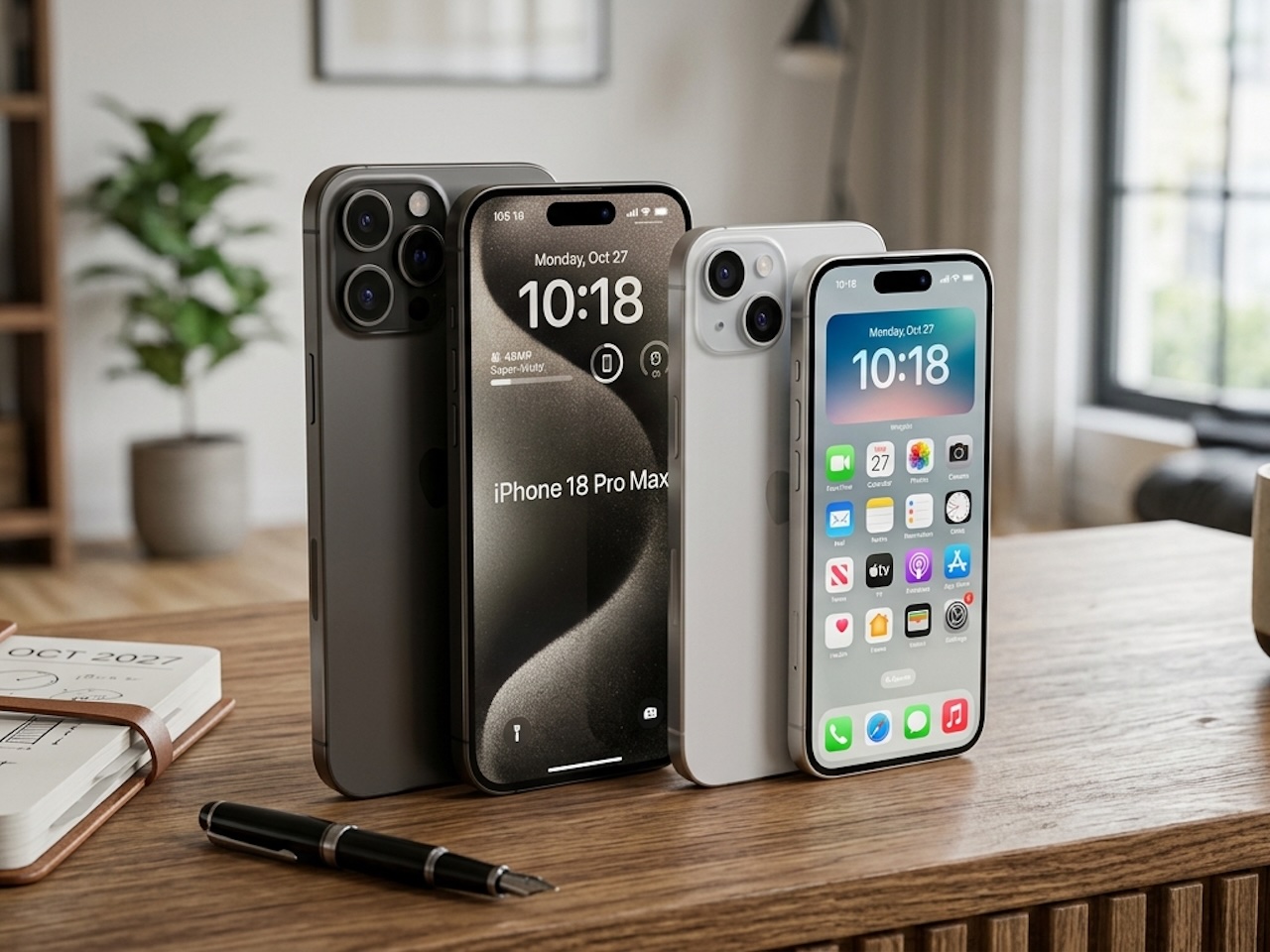
Silicon-carbon chemistry is a wildcard analysts keep raising, though it’s worth flagging that it isn’t part of the Digital Chat Station leak that triggered this cycle. The chemistry packs more energy into the same volume than traditional graphite anodes, which is how some Chinese flagships have been cracking 6,000 mAh in iPhone-sized chassis. Apple hasn’t shown its hand on cell chemistry, and nothing credible in the current leak chain confirms the move.
The practical translation matters more than the math. With just the 2nm efficiency gain and the modest capacity bump, the iPhone 18 Pro Max could push past 40 hours on Apple’s own internal video playback test, up from the 39 hours the iPhone 17 Pro Max claims today. Any chemistry change Apple stacks on top of that would extend the number further.
Weight, thickness, and the eSIM-only twist
The leak’s most interesting wrinkle isn’t the battery number. It’s the eSIM-only US split. According to the same chatter, the bigger 5,200 mAh cell only fits because there’s no SIM tray to design around. That means buyers in regions where physical SIM is still required would reportedly get the smaller 5,100 mAh variant.
The trade is real: 7 to 10 extra grams in the hand, a barely-perceptible 0.05mm thickness bump, and a runtime advantage you only get if you’re in an eSIM market. For people US carriers, it’s a clear net positive.
For travelers and dual-SIM users abroad, it’s a different math problem. You’d get a phone that’s slightly heavier than this year’s model, with a smaller capacity bump than the headline number suggests, and you’d still be paying flagship pricing for the privilege.
What this would not change
Charging speed isn’t on the rumor docket. Nothing in the leak chain suggests Apple’s pushing past the 40W wired and 25W MagSafe ceiling it just moved to on the iPhone 17 Pro Max, and no Qi2 jump has surfaced alongside the battery claim. A bigger cell with the same input speed means slower top-up times relative to Android flagships racing past 80W.
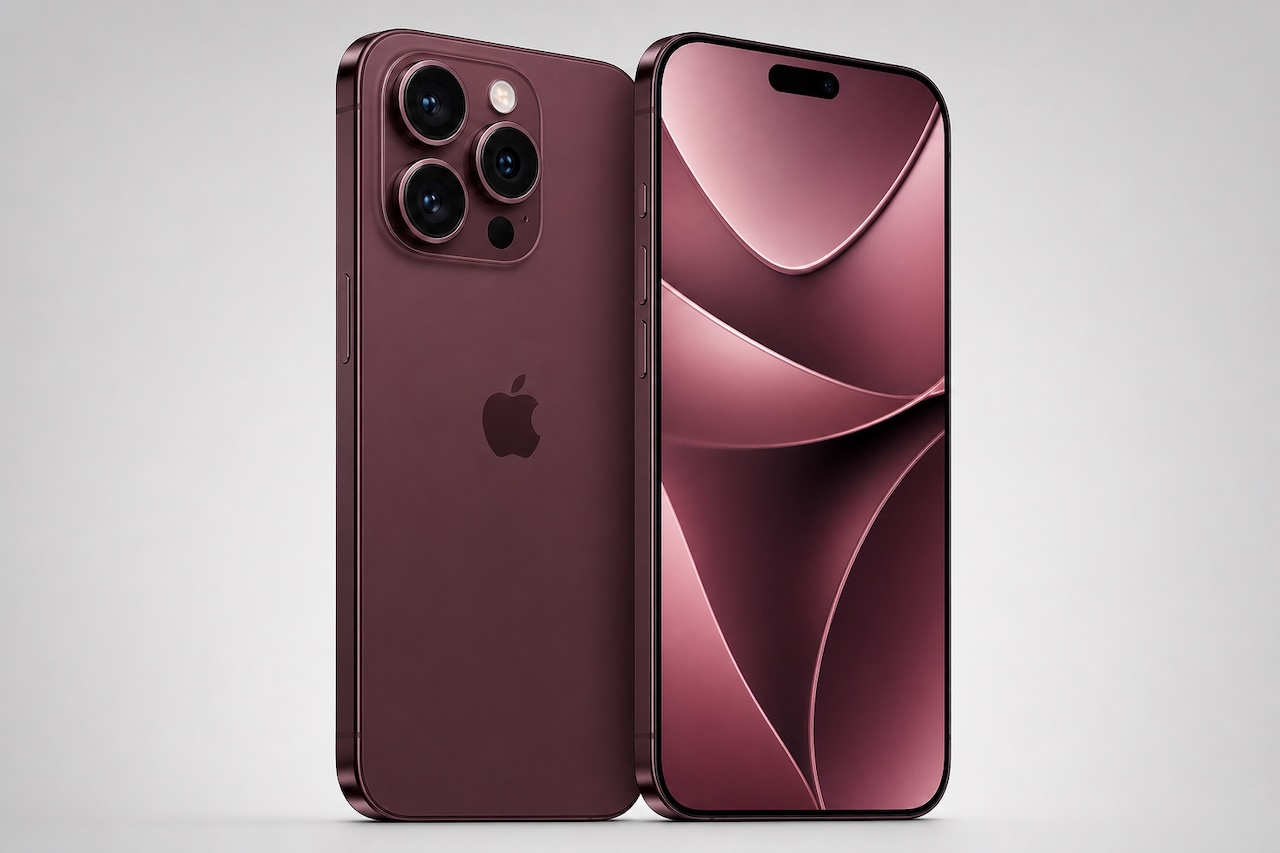
MagSafe isn’t getting a redesign either. Nothing leaked so far points to a new coil configuration or improved thermal management, which means heavy MagSafe charging on a 5,200 mAh pack will throttle the same way it does today.
Battery health degradation curves stay where they are. Apple’s published cycle target is 80% capacity at 1,000 cycles on recent Pro Max models. A bigger pack doesn’t change that curve, it gives you more absolute capacity to lose into year three.
Case fit is the one open question. A 0.05mm thickness change sits inside most manufacturing tolerances, so flexible cases should still seat fine. Snug leather folios and machined metal cases are the ones to watch, and we won’t know for sure until accessory makers get hands-on samples post-announcement.



iOS 27 is the piece of this story that’s already half-leaked. Bloomberg’s Mark Gurman has reported Apple is doing an under-the-hood code cleanup aimed squarely at battery life, and on older silicon that swing could outweigh the cell change. Worth watching when WWDC lands in June.