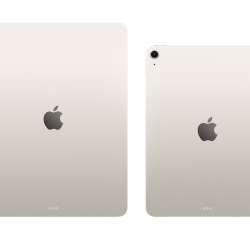
There’s a common assumption about iPad refreshes: if the price stays the same and the shell looks identical, nothing meaningful changed. Apple counts on that assumption every cycle, and most of the time it holds up. The iPad Air has been the safe mid-range pick since the M1, good enough to impress, never quite powerful enough to silence the people who say you should just buy a laptop.
Price: From $599
Where to Buy: Apple
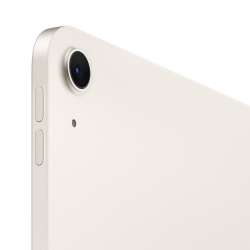
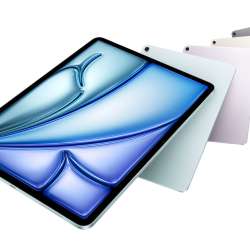
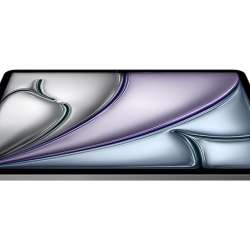
So the real question is: what happens when the most important change isn’t visible at all? The iPad Air M4 looks exactly like last year’s model. Same aluminum edges, same Liquid Retina panel, same $599 starting price. But Apple slipped 12 gigabytes of unified memory inside, up from 8, and that single number shifts what this tablet can actually do over the next three years. Nothing on the spec sheet screams upgrade. The RAM figure is the one that changes the conversation.
Why 12GB matters more than it sounds
Memory in an iPad works differently than in a laptop because iPadOS manages it more aggressively. When apps need headroom, the system reclaims it fast. Eight gigabytes was enough for most things most of the time, but “most of the time” is doing a lot of work in that sentence.
Apple Intelligence changes the equation. The writing tools, the image generation features, the on-device model processing: these aren’t light tasks. They sit in the background and wait, and they need memory to do that without constantly reloading. The M3 Air could run Apple Intelligence. The M4 Air can run it without compromising everything else you’re doing simultaneously.
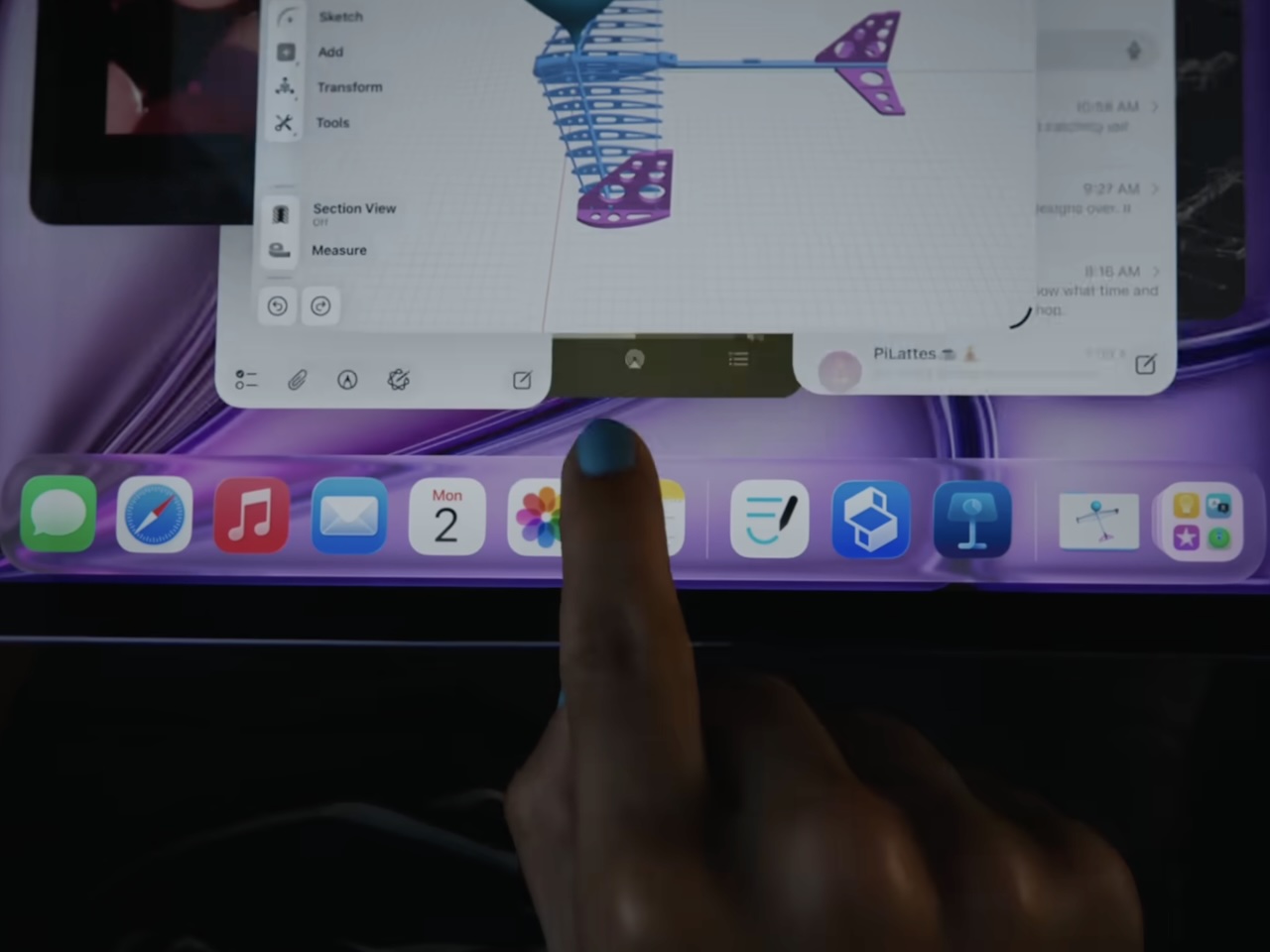
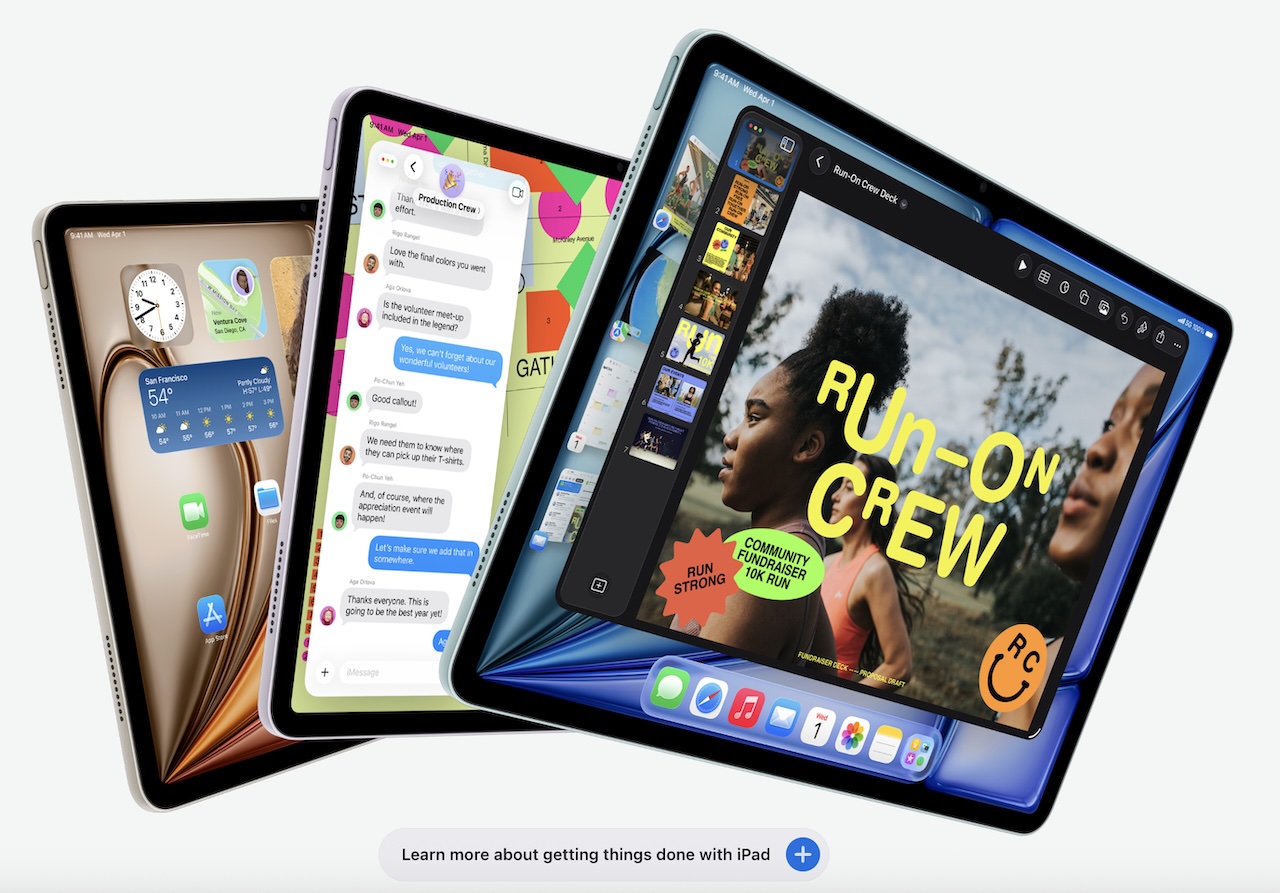
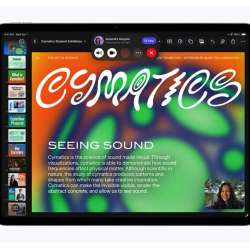
There’s also the multitasking dimension. Stage Manager on a 13-inch iPad Air M4 with multiple apps running plus an AI writing tool active in the background is a very different experience with 12GB than with 8GB. Not theoretical. You’ll feel it in the sessions that used to slow down.
The Macworld take got it wrong
When Apple announced the M4 iPad Air, Macworld ran a piece calling it “basically the same iPad Air.” It’s the kind of headline that writes itself when you’re looking at unchanged prices and an identical design. It’s also the wrong read.
The 12GB RAM bump isn’t a spec-sheet footnote. It’s Apple quietly future-proofing the Air for the next three years of software development. Apple Intelligence is going to get more capable and more memory-hungry. The iPad Air M3 will handle it for a while. The M4 will handle it for longer.
The Wi-Fi 7 upgrade is real too. If you’re working on a Wi-Fi 7 network (and more routers are shipping with it every quarter), the throughput difference over Wi-Fi 6E is significant. File transfers, streaming 4K assets, cloud backups. These aren’t invisible improvements.
The laptop replacement question in 2026
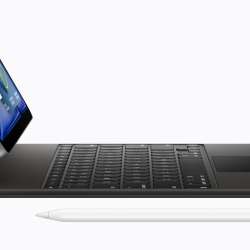
Here’s the comparison that matters for a lot of buyers: an iPad Air M4 with a Magic Keyboard runs around $848 for the 11-inch combo. The 13-inch MacBook Air M4 starts at $1,099. That’s roughly a $250 gap, which is tighter than it used to be.
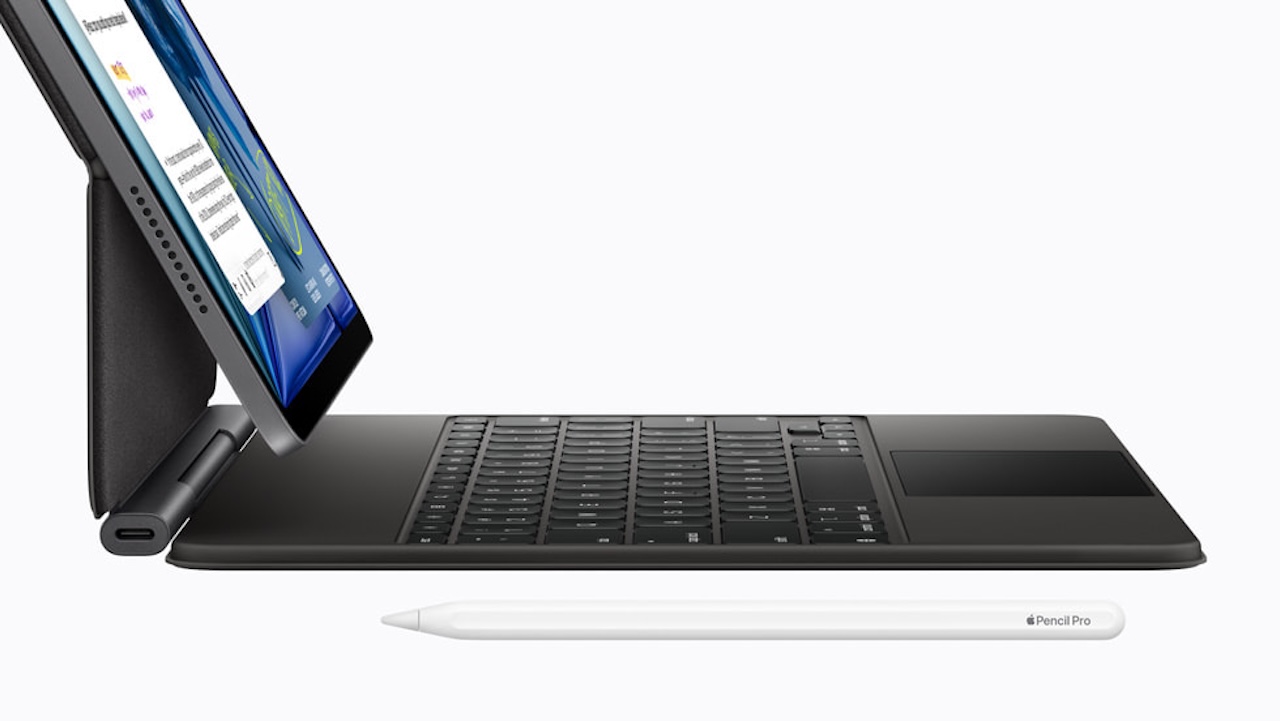
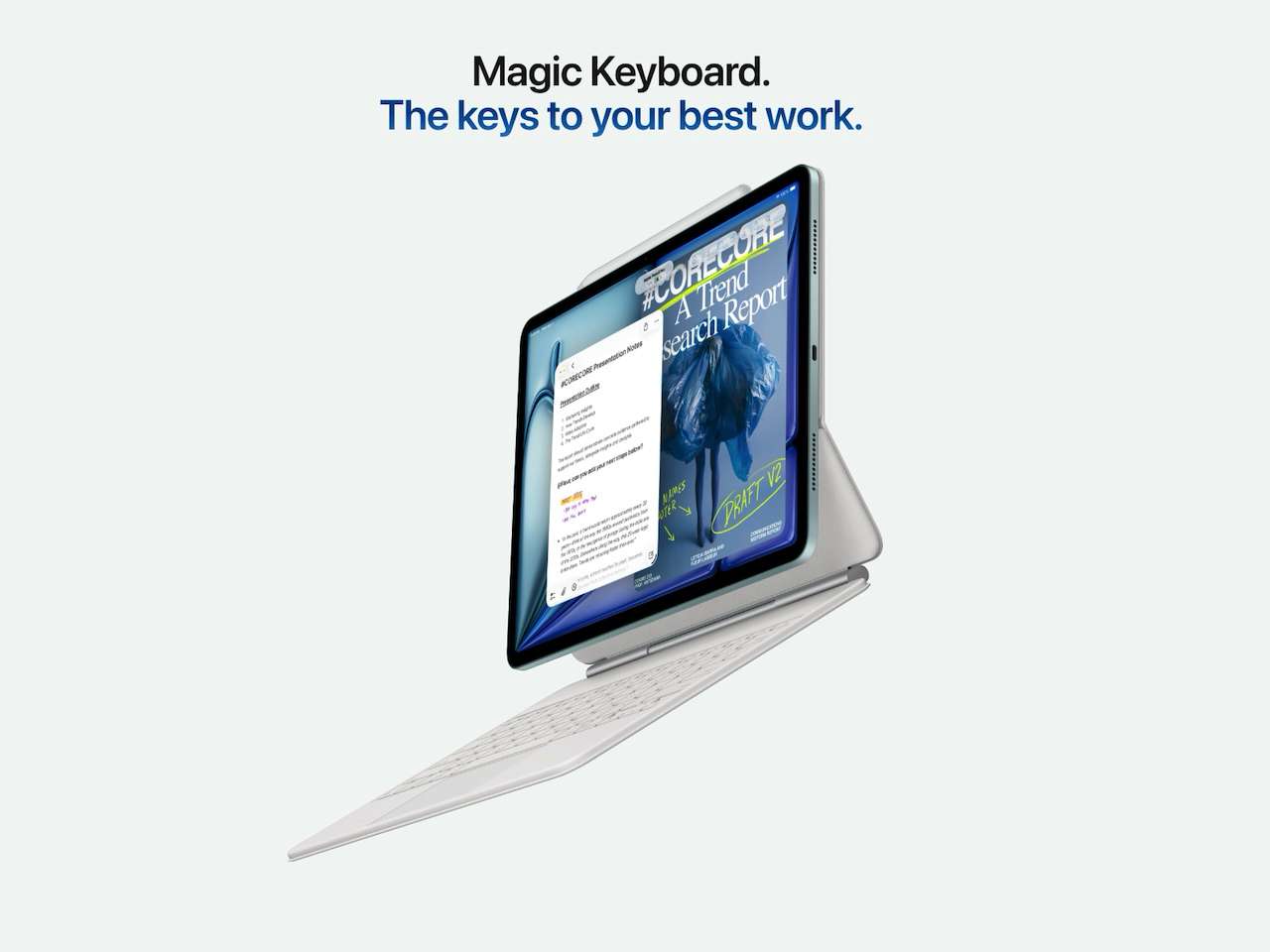
You give up macOS flexibility and the native desktop app ecosystem. You gain a touchscreen, Touch ID, a 12MP front-facing camera with Center Stage, and a slab of aluminum that weighs just over a pound and feels thinner than it looks when you pick it up. Snap the Magic Keyboard on and it types with real key travel, enough to write comfortably for hours. For someone whose primary computer use involves writing, browsing, light photo editing, and video watching, the iPad Air M4 setup is harder to dismiss than it’s ever been.
Apple Intelligence makes this more interesting, not less. The on-device AI writing tools, image generation, and Siri improvements all run on both platforms, but the iPad’s touchscreen and portability give it a different kind of flexibility. If you’re a writer or someone who lives in notes and documents, the Air M4 has a real argument.
What actually changed
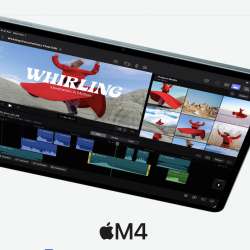
The M4 chip itself is a meaningful step over M3 for sustained workloads, even though the raw core counts look similar on paper. Both the M3 and M4 Air carry 9-core GPUs, and both have 8-core CPUs, but the composition changed: the M3 Air had 4 performance and 4 efficiency cores, while the M4 Air runs 3 performance and 5 efficiency cores. Apple claims 30% faster overall performance from architectural improvements and the jump to 120GB/s memory bandwidth (up from 100GB/s). In real terms, that shows up most in photo and video editing, AI-assisted tasks, and anything involving large files.
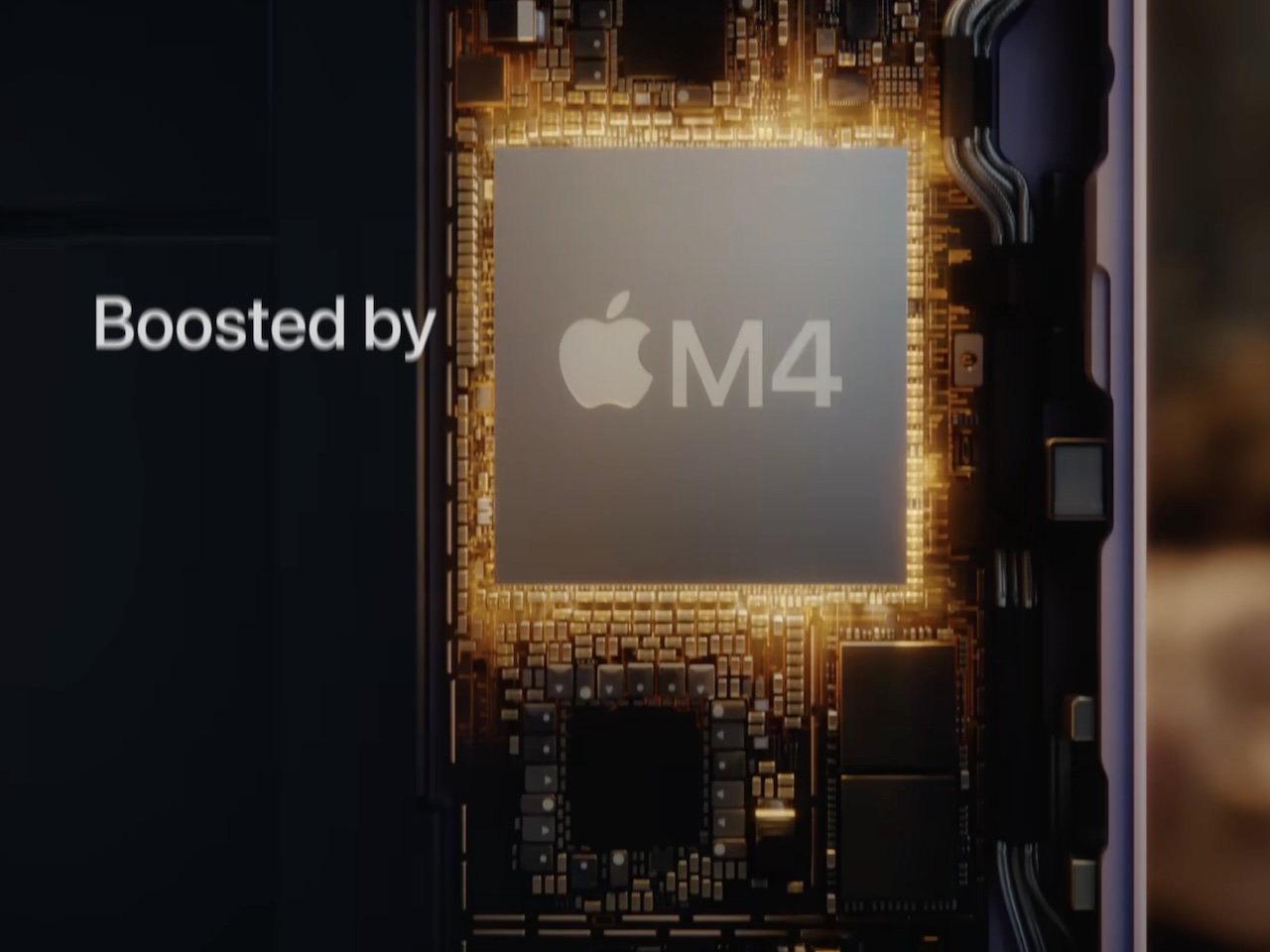
For the iPad Air’s typical user, the chip upgrade is headroom you’re building for rather than burning through today. If you’re editing 4K video, generating images with AI tools, or running professional creative apps, you’ll feel the M4 advantage faster. If you’re mostly writing and browsing, you’re buying longevity.
The C1X modem in cellular configurations is worth noting. Apple’s in-house modem delivers better battery efficiency during cellular use and more consistent signal in edge coverage areas. It’s not a dramatic improvement over Qualcomm, but it’s measurable in daily battery life on LTE.

Pricing
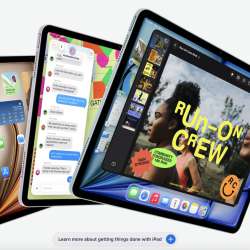
The 11-inch iPad Air M4 starts at $599. The 13-inch starts at $799. Both prices are identical to the M3 generation, which is either Apple being reasonable or Apple knowing it could charge more and choosing not to.
Apple Intelligence ships fully supported on this device, and iPadOS continues to receive updates that take advantage of the added memory headroom.
Who should skip this
If you already own an M3 iPad Air and it’s working fine, this isn’t your upgrade cycle. The jump from M3 to M4 is real but incremental, not the kind of leap that justifies selling what you have. You’ll also want to look elsewhere if a 120Hz display matters to you, because ProMotion is still reserved for the iPad Pro line. Same goes for Thunderbolt connectivity and the full macOS app ecosystem. Those gaps haven’t closed.
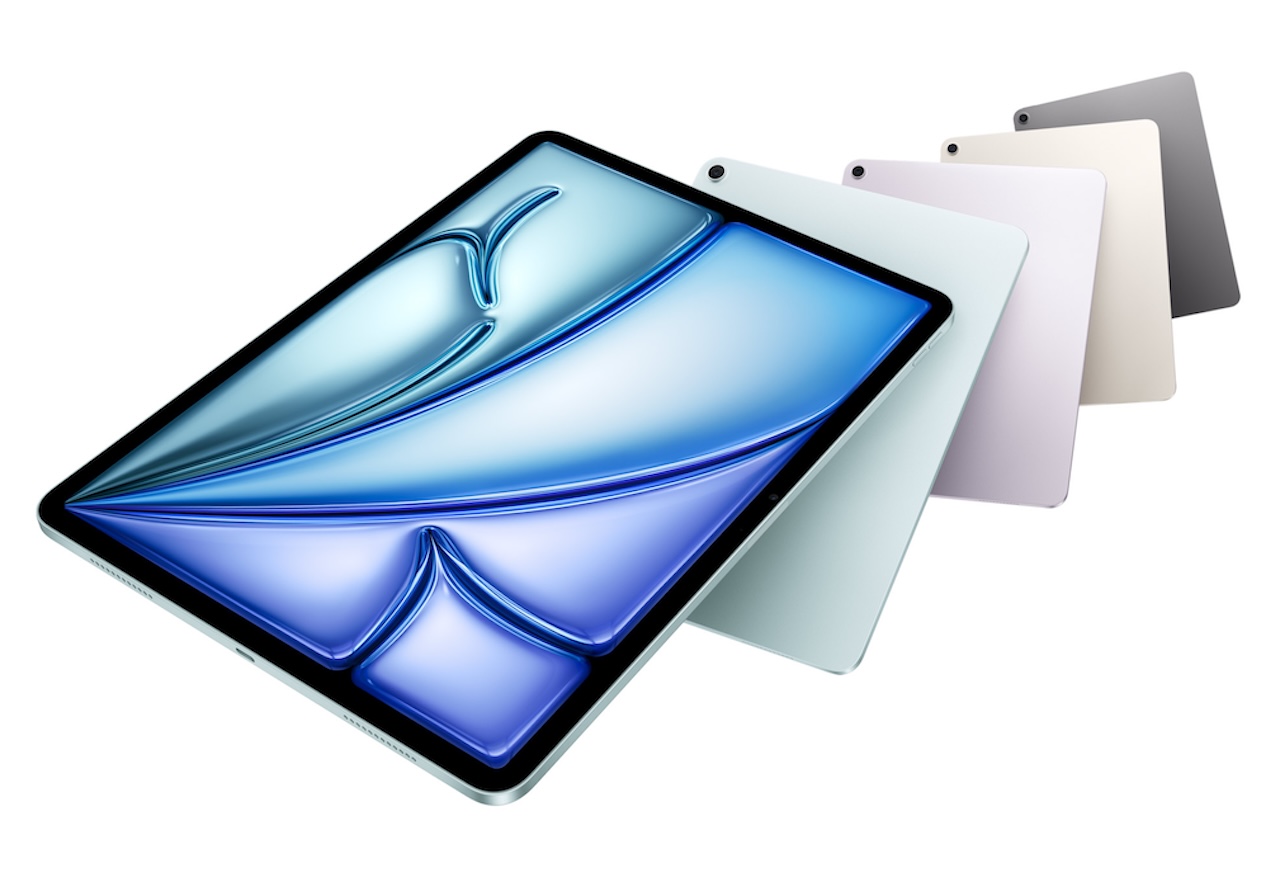
Price: From $599
Where to Buy: Apple
Who this is for
The iPad Air M4 is built for M1 and M2 owners who’ve been waiting for a reason to move up. It’s also the strongest answer Apple has given to the laptop replacement question at this price point, especially now that Apple Intelligence needs room to run without tripping over itself. If you want the best Apple Intelligence experience outside of iPad Pro, and you want Wi-Fi 7 and a better cellular modem on top, this is the device. It fits into a broader pattern across Apple’s 2026 lineup: every product tier is being reshaped around on-device AI memory requirements, and the Air is where that shift hits the mainstream price bracket.