
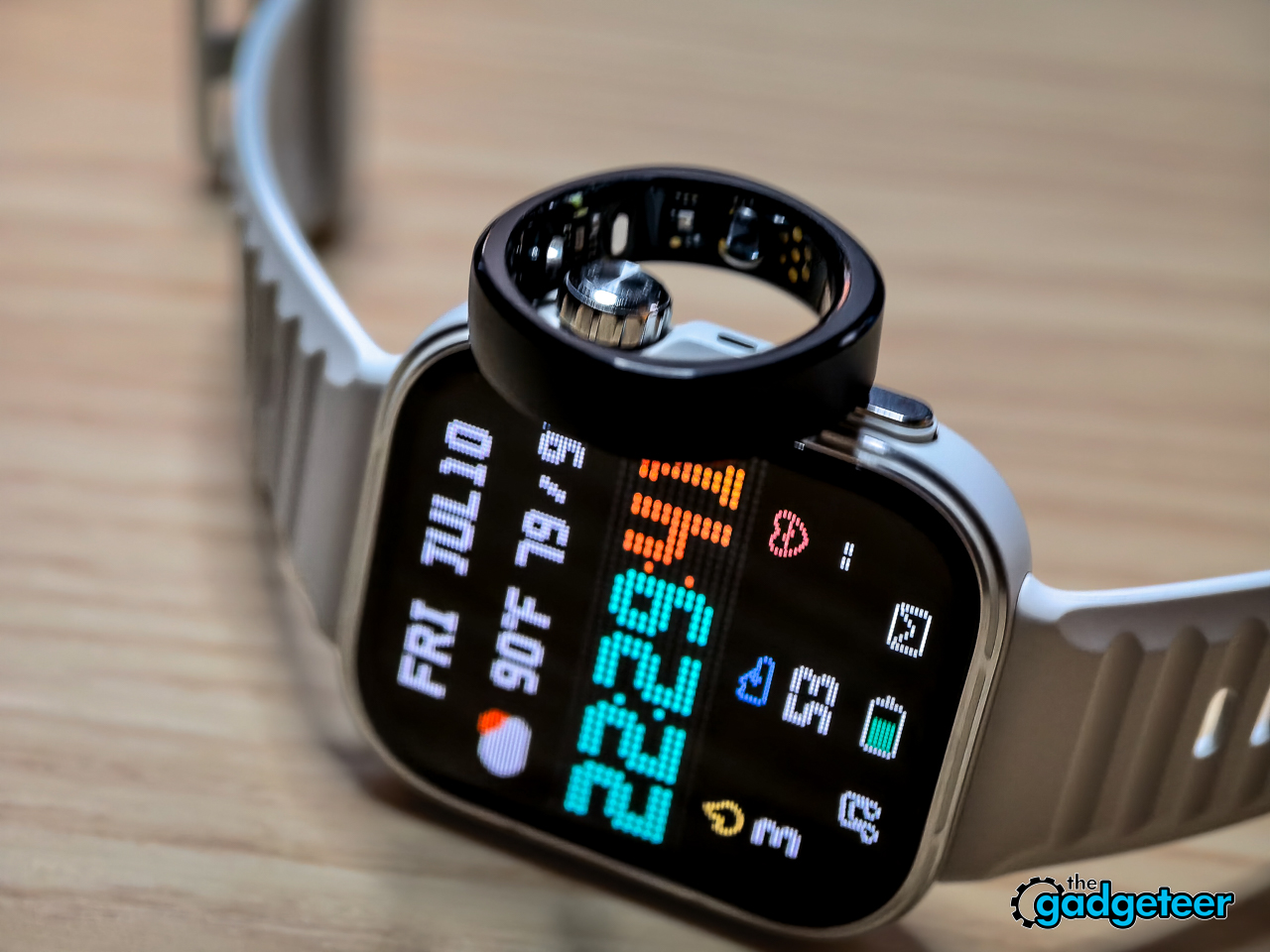
I spent a month wearing a RingConn Gen 3 smart ring and a Huawei Watch Fit 5 Pro at the same time. Only one of them changed how I actually live.
Here is the short version: the smartwatch won the utility battle, but the smart ring won the behavior war.
Let me explain why that distinction matters.
🛒 RingConn Gen 3 Smart Ring
Price: $349 – 10-12 day battery, sleep apnea screening, no subscription
Buy Now: Amazon
The Watch Does Everything, and That’s the Problem
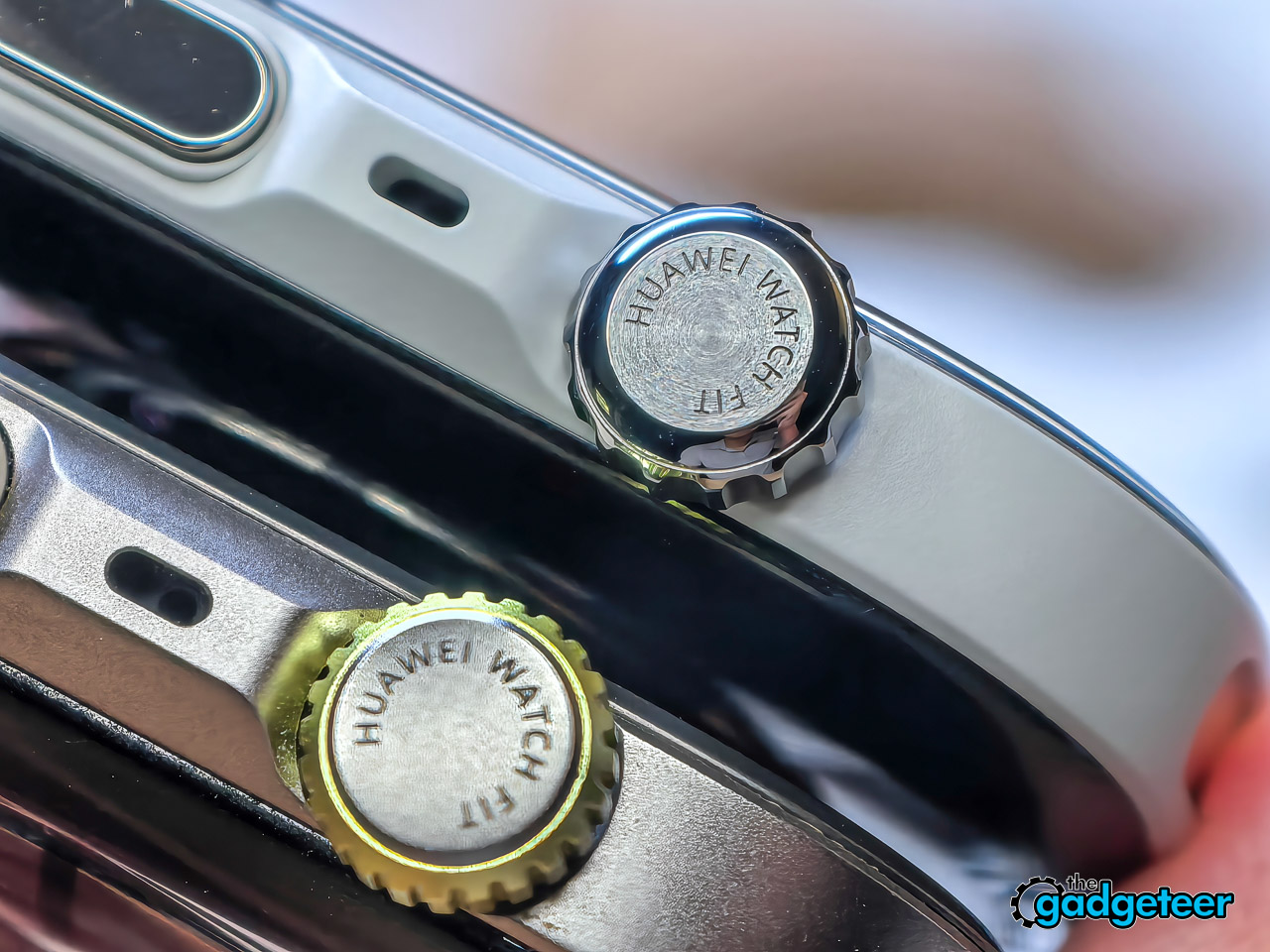
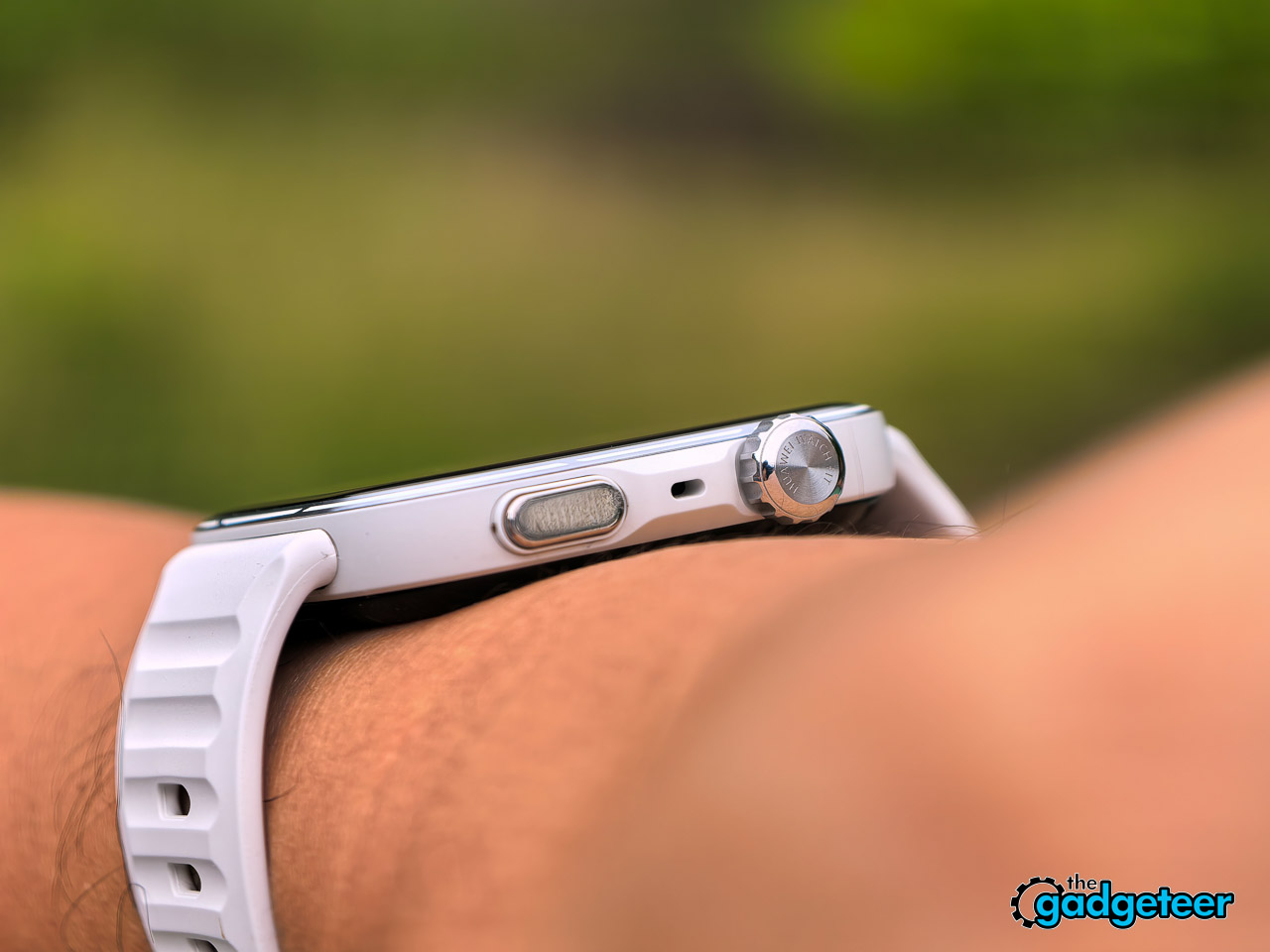
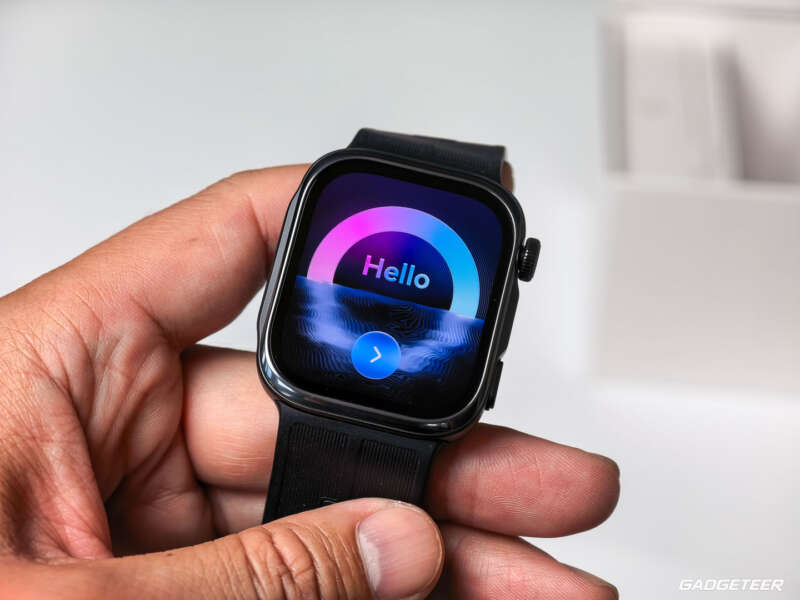
The Huawei Watch Fit 5 Pro is an astonishing piece of engineering for its price. It has a 1.92-inch LTPO AMOLED display that peaks at 3,000 nits, a titanium bezel with 2.5D sapphire glass, built-in GPS that maps runs without your phone, TruSense health sensors with passive ECG and AFib screening, fall detection, and a rotating crown that feels mechanically satisfying. It even has freediving mode rated to 40 meters on the EN13319 standard and a nanoceramic-coated White edition that reads like actual ceramic at wrist distance. At £249.99, it has no business looking this good.
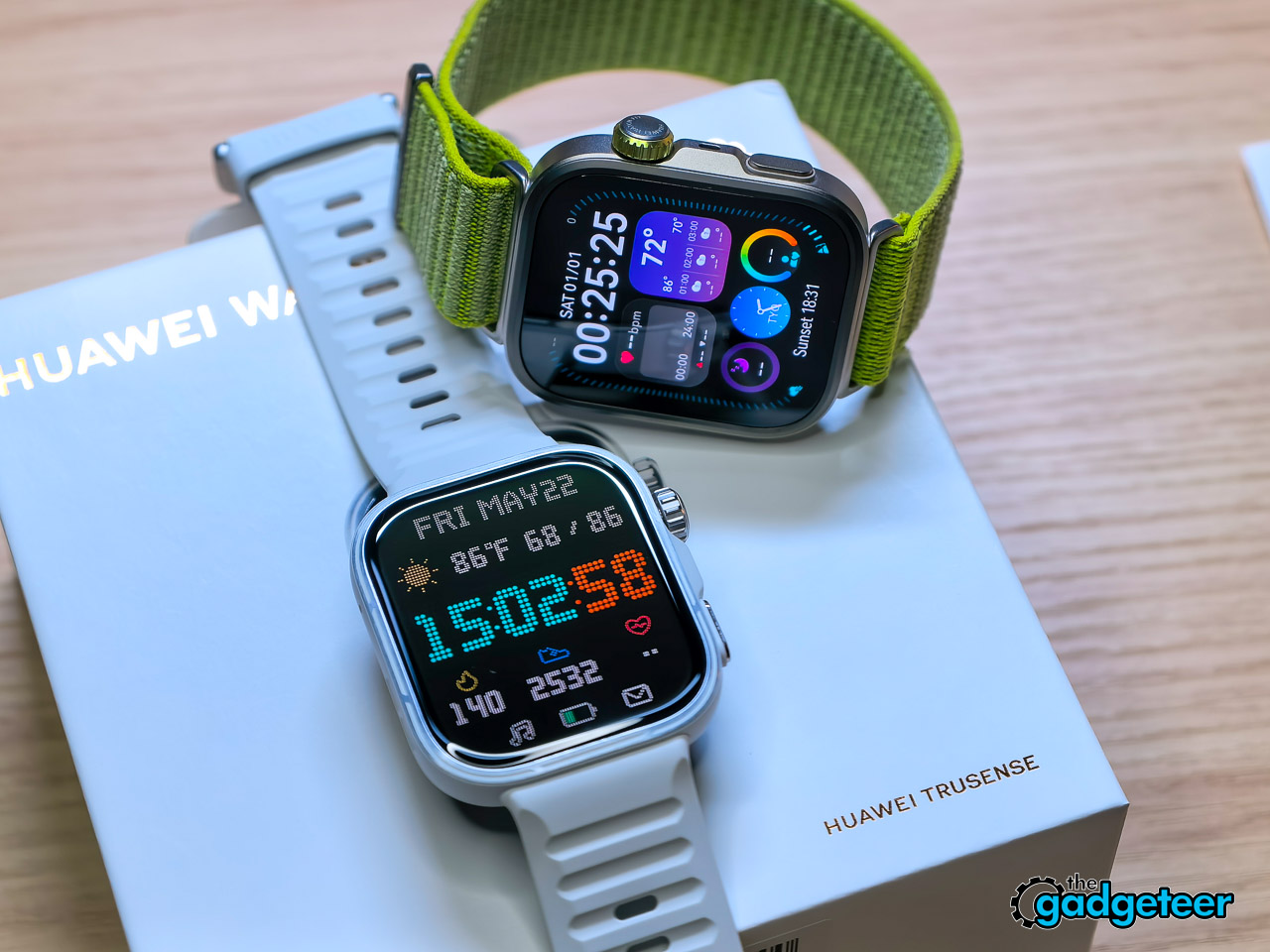
Now, you can turn all of this off. Huawei Health lets you disable every notification individually, and many people should. The point is not that the watch forces these on you, it is that the ring cannot do any of them at all, and that absence is what makes it so easy to ignore.
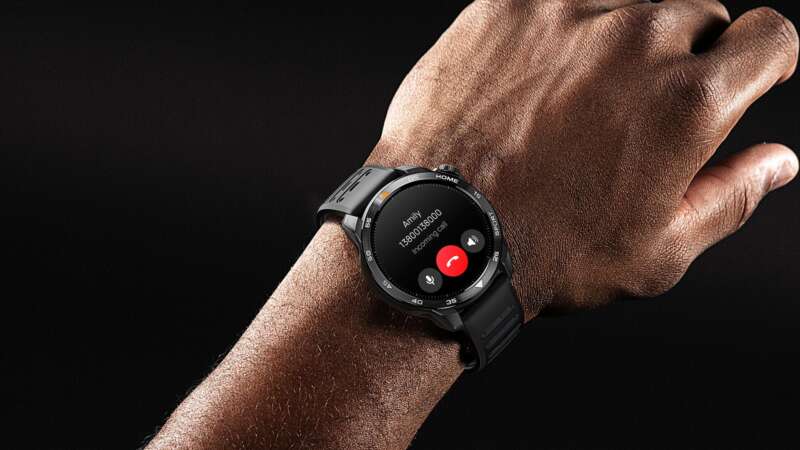
The difference is not volume. It is presence. The watch sits on your wrist with a bright screen demanding your attention by default. The ring sits on your finger and waits. Even with every notification disabled, glancing at the watch for the time inevitably pulls you into complications, weather, activity rings, the thing you meant to check two minutes ago. The ring offers nothing to distract you. That is its superpower.
I could have built myself a Focus Mode do-not-disturb schedule and killed most of those taps before they fired. That would have been the smart thing to do. But I never got around to it, and neither will most people, which is the real point. The watch defaults to interrupting you, and the ring defaults to silence.
The RingConn Gen 3 buzzed a few times by design. A light tap after 45 minutes of sitting. A bedtime reminder. A low-battery warning. That is the full list. The ring has no screen. It has no notifications. It has no third-party apps. It sits on my finger, collects data, and waits for me to open the app when I want to see it.
That is not a limitation. That is the entire point.
Sleep Tracking: Not Even Close
The Watch Fit 5 Pro told me my sleep score every morning. So did the RingConn Gen 3. But the experiences could not have been more different.
The Watch Fit 5 Pro is comfortable enough to sleep in. At 30.4 grams and 9.5mm thick, it is lighter than an Apple Watch Ultra by half, and the profile stays flush against the wrist rather than levering. The rotating crown never dug into my palm. But it is still a watch on your wrist, and after a week of sleeping with it on, the hardware itself never woke me, but the awareness of wearing a screen to bed never fully faded.
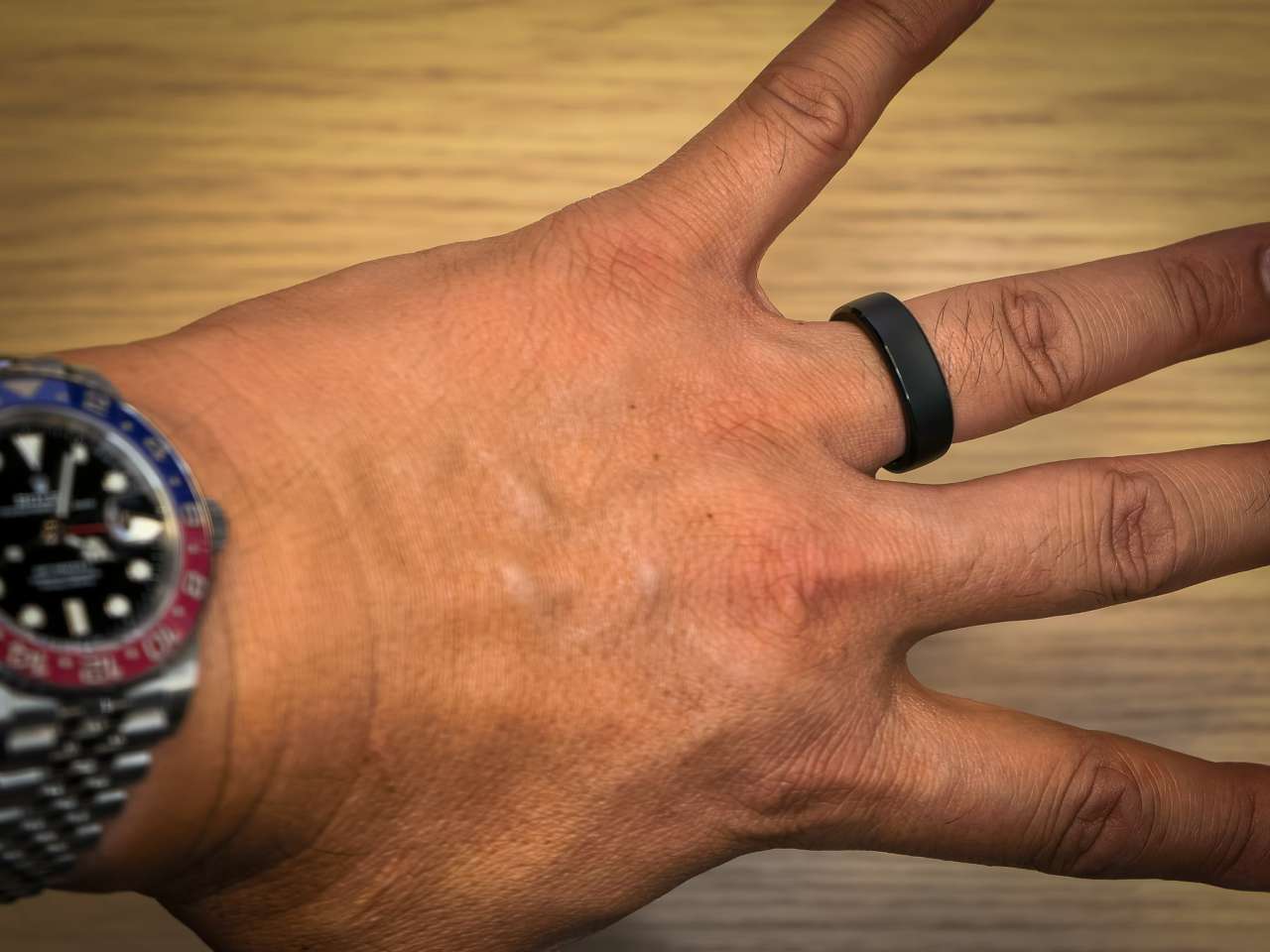
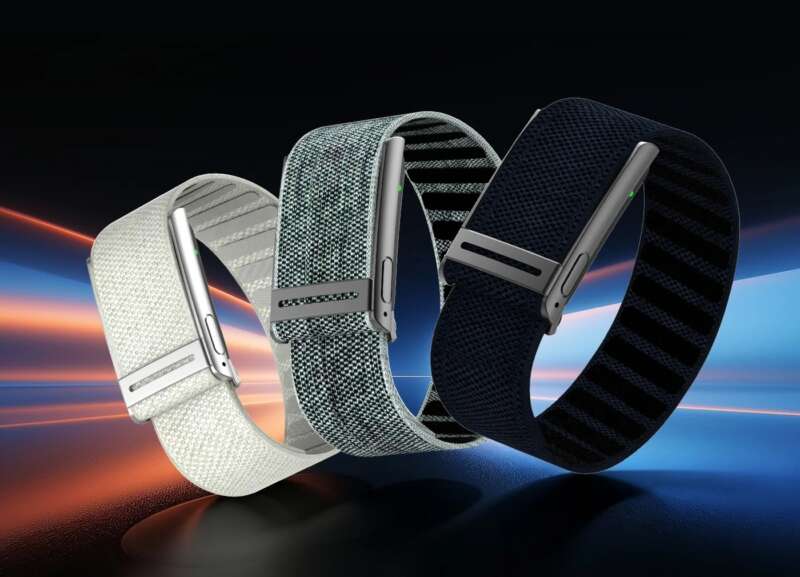
The RingConn Gen 3 weighs 2.7 grams in my size 10. At 2.3mm at its thinnest point, it disappeared on my finger by hour three. I forgot it was there after the first night. The squared-circle shape has two sensor bumps on the inside, and after days of constant wear they leave a faint pressure mark that fades within an hour of taking the ring off. The ring snagged exactly once on a pocket seam, never on gym equipment.
Part of that gap is my fault. On nights I took the watch off to charge, the ring never missed a data point. The watch’s battery lasts five to eight days, so a bedtime charge isn’t necessary, but the ring’s 10-day endurance means you never even have to think about it.
Raw data quality has real tradeoffs. The finger has major arteries closer to the surface, so the ring’s sensors get a cleaner signal with less movement noise than a wrist sensor. The watch compensates with TruSleep 5.0, which breaks sleep into REM, light, and deep stages with transition data and new sleep breathing awareness. Nap detection triggers on its own, proving reliable for naps over 20 minutes. The ring still wins on comfort for all-night wear, but the watch’s sleep platform is a real step up from two generations ago.
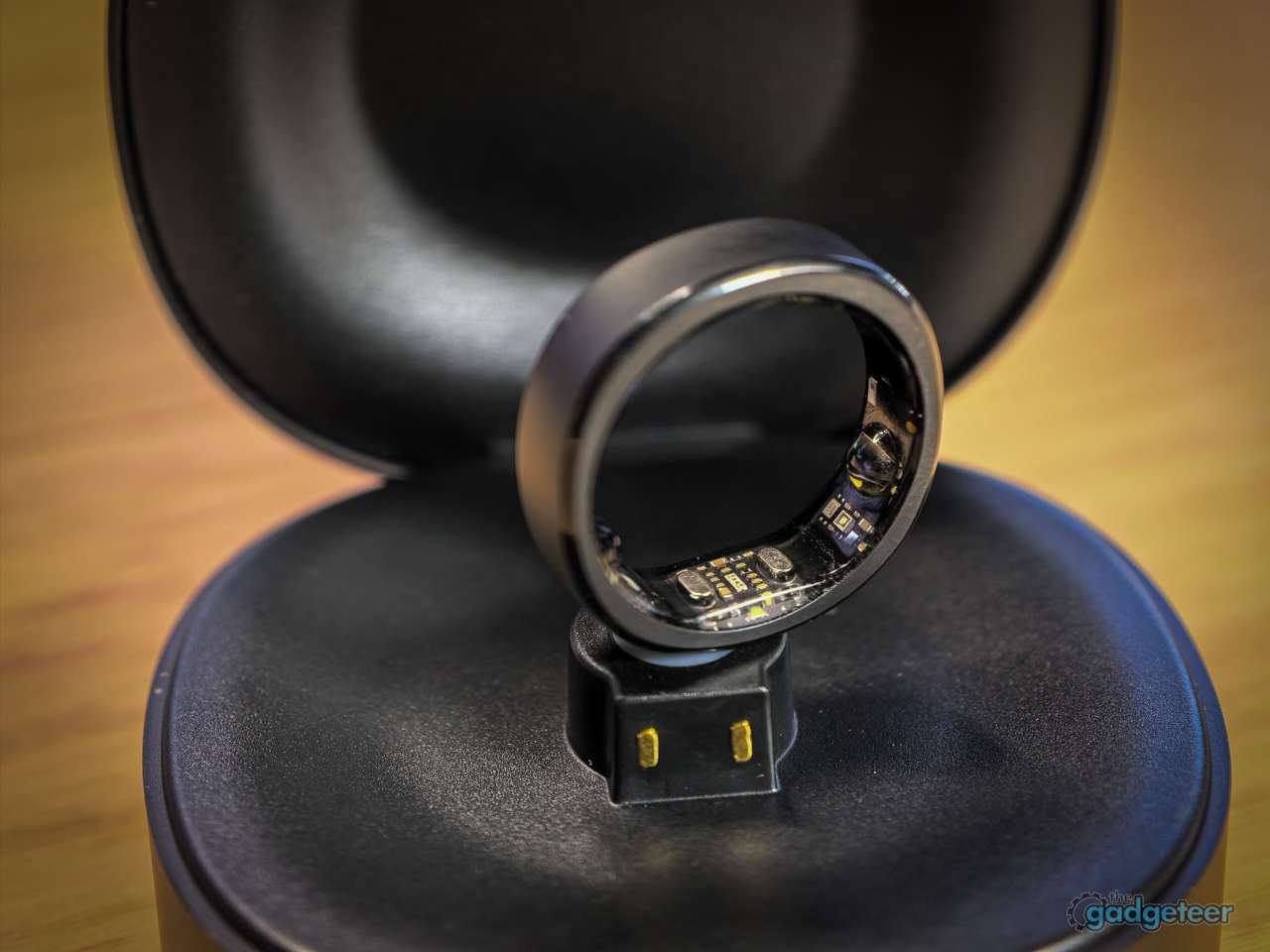
The RingConn Gen 3 delivered something the watch could not: a three-night sleep apnea assessment that flagged AHI 8.1, “Suspected Mild.” It counted 48 apnea events across 5 hours and 54 minutes, reported my lowest blood oxygen at 87%, and generated advice about alcohol, sedatives, and sleeping position. None of this is a diagnosis, and RingConn says so plainly. But I scheduled a sleep study because of it. That is the kind of nudge a watch has never given me.
The Workout Problem
I am not going to pretend the ring replaced my watch for exercise. It did not.
The RingConn Gen 3 has no GPS. It has no screen showing heart rate in real time. It has no workout selection screen. You just move, and the ring guesses what you did afterward. It tracked walking the dog, cooking dinner, and typing at a desk passively without me ever thinking about it. But for structured exercise, it cannot compete.
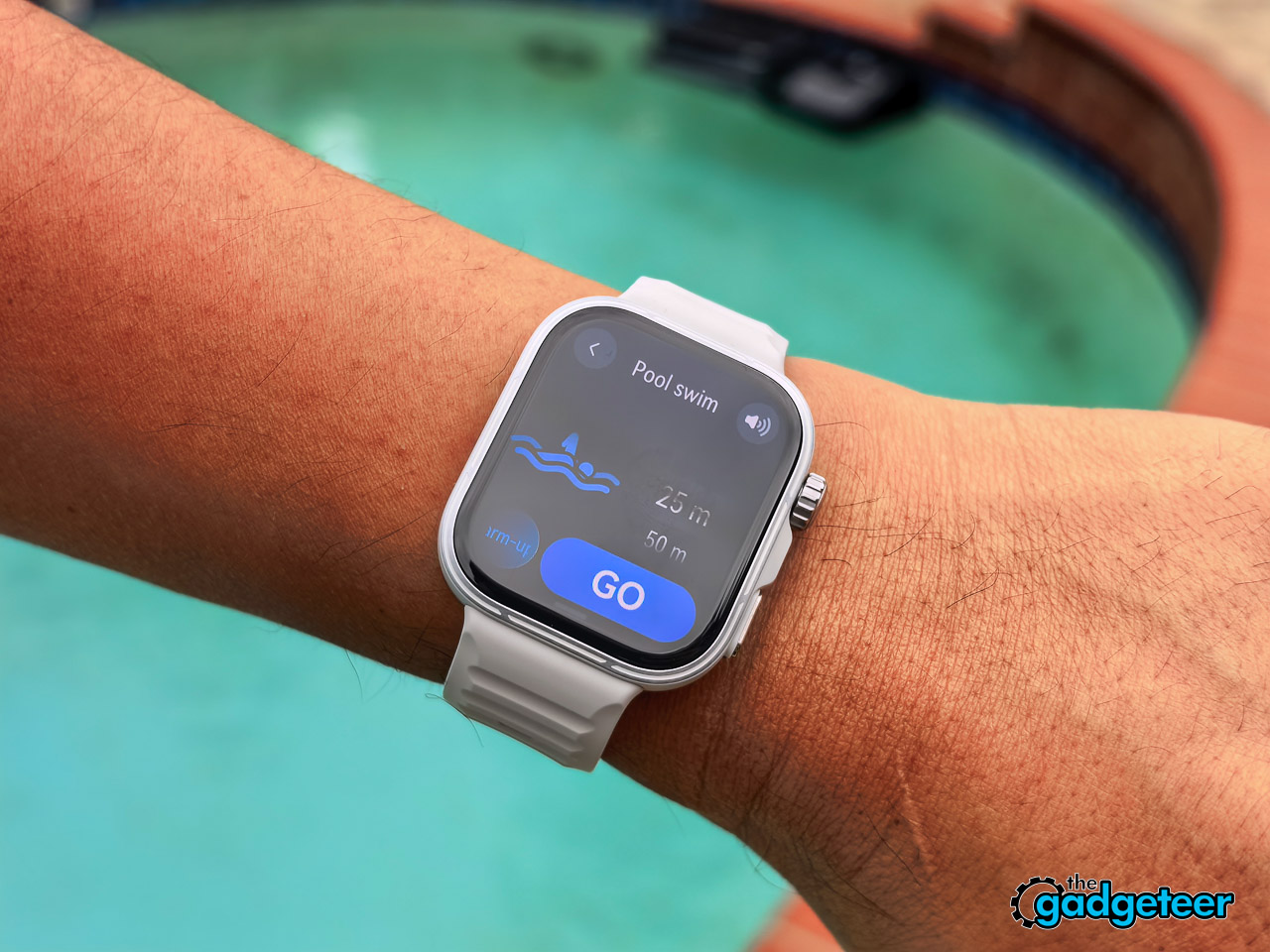
For running, the Huawei Watch Fit 5 Pro is the obvious winner. Its TruSense optical module holds tight to a chest strap on threshold efforts and stays accurate across steady runs, intervals, and indoor cycling. The LTPO AMOLED display shows pace and distance at 3,000 nits peak, readable in direct afternoon sun without squinting. The Sunflower antenna with L1+L5 dual-band GPS delivers solid everyday distance and route maps, though street-level traces wander near tall buildings. If you race by GPS, a dedicated running watch still pulls ahead, but for most runners it is more than enough.
Over 100 workout modes sounds like padding, but Huawei earns it. Trail running gets a dedicated mode with topographic data and a 25-hour GPS budget. Cycling tracks virtual power and virtual cadence with no external sensors. Golf adds course maps across 17,000 courses. Freediving mode runs to 40 meters. The Mini Workout feature adds 30 short guided sessions: neck circles, spinal decompression, shoulder rolls. The watch nudges you after 60 minutes of sitting. The prompt is accurate and faintly annoying on a productive afternoon.
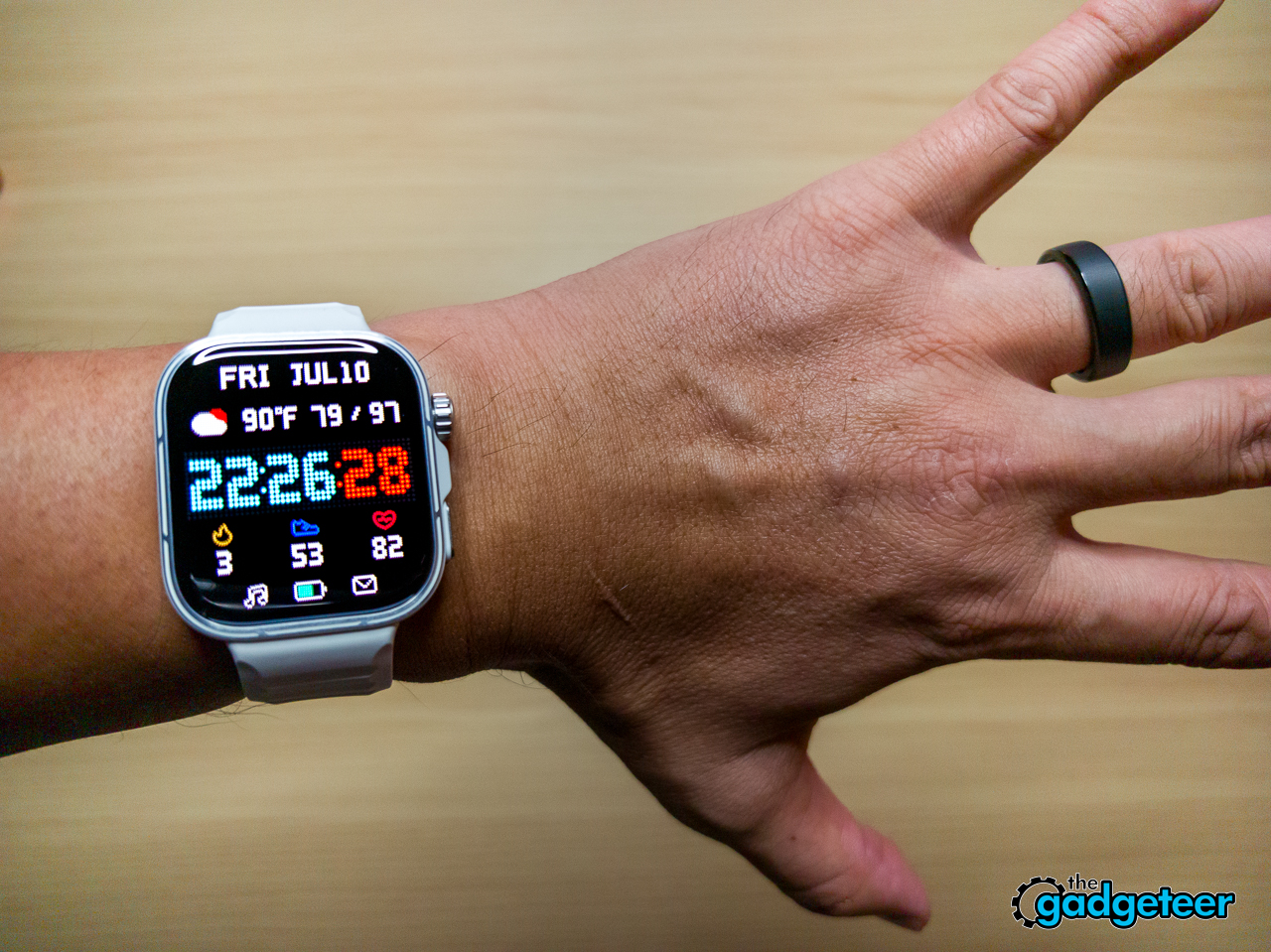
For weightlifting, neither device is purpose-built for it. The watch tracks heart rate throughout and the ring focuses on recovery afterward. I took the ring off for heavy barbell work out of caution, though it never showed wear from gym equipment.
Where the ring wins is what happens when you stop exercising. The watch tracks the effort. The ring tracks the recovery. The stress graph on the RingConn Gen 3 knew what my meetings looked like. On Friday the app scored my stress at 47, “Calm,” with 17 hours logged as relaxed and zero minutes tense. The real-time graph spiked to 62 in the afternoon, squarely in the middle of a block of meetings I would rather forget. The ring had no idea what was on my calendar. My body told it anyway.
Battery Life Lived Differently
The Huawei Watch Fit 5 Pro rates at 10 days light, 7 days typical, and 4 days with always-on enabled. Its 471mAh high-silicon battery carries 14% more energy density and 18% more capacity than last year’s. In real-world use, results land between five and eight days depending on load. Light wear pushes close to eight days before a charge. Hammer it with several GPS sessions a week and it still clears around five.
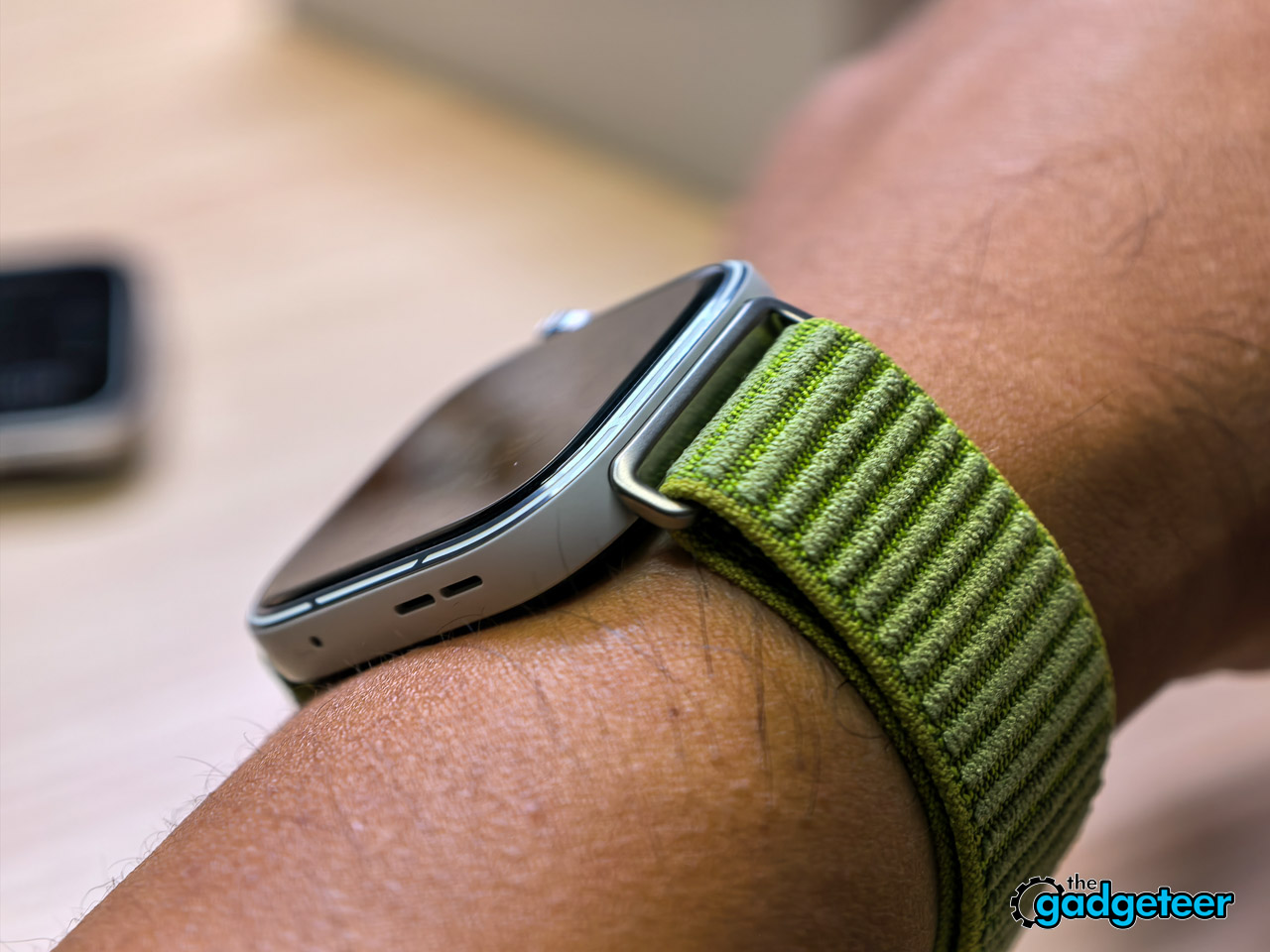
An hour of GPS tracking barely dents the gauge. A full night of sleep tracking costs only a few percent. A 40-minute run with heart rate and GPS leaves it almost where it started. Wireless SuperCharge takes it from near-empty to full in about 60 minutes. That window is short enough to become incidental. A quick top-up while you shower carries you for days. You stop strategizing about charging altogether.
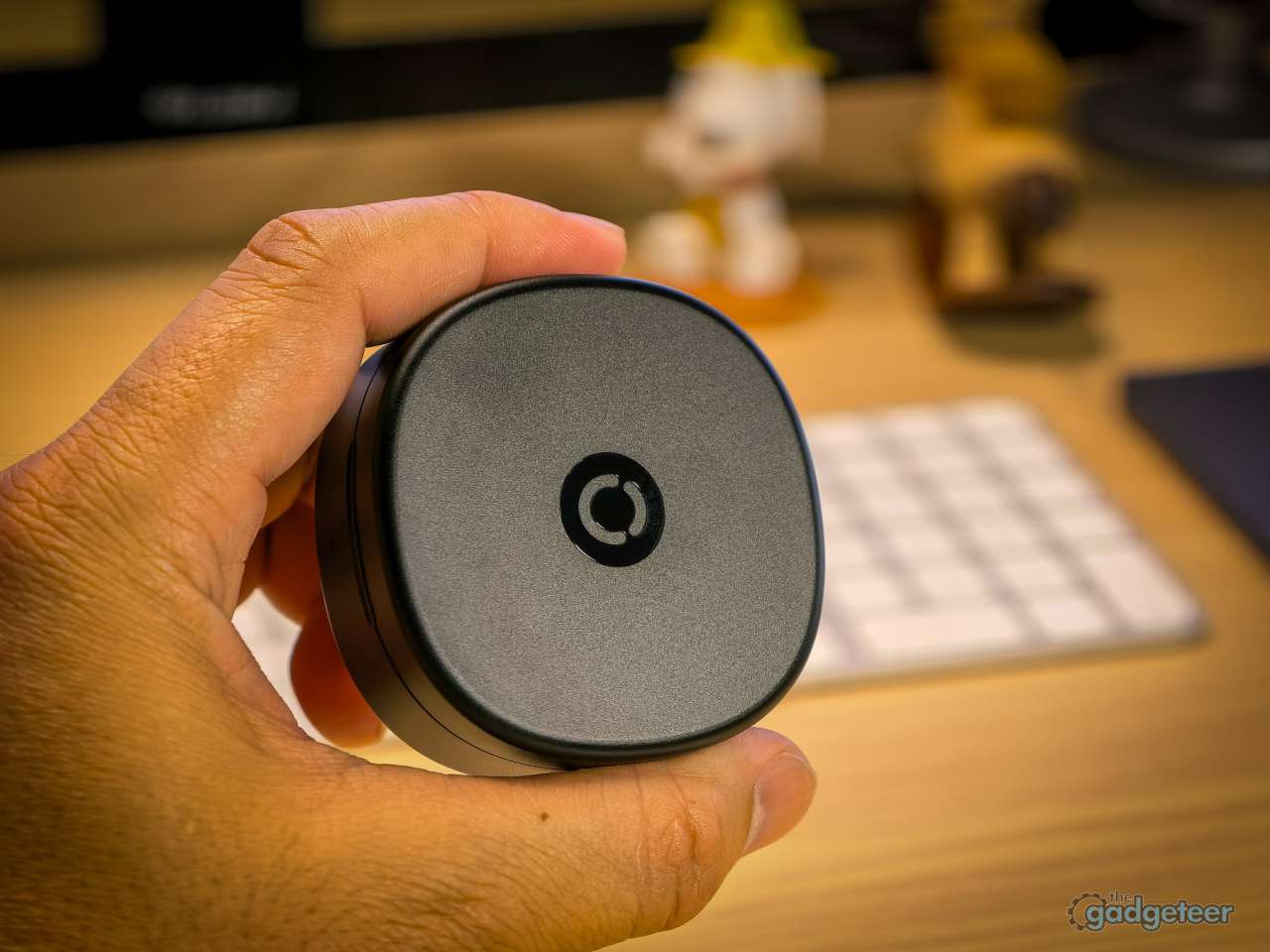
The RingConn Gen 3 stretches further between charges. Seven days of full wear with vibration alerts active drained the battery to 34%, which paces out to roughly 10 days. The spec sheet quotes 10 to 12 days with alerts and 11 to 14 without. The charging case holds 15+ full charges, stretching total untethered runtime past 150 days.
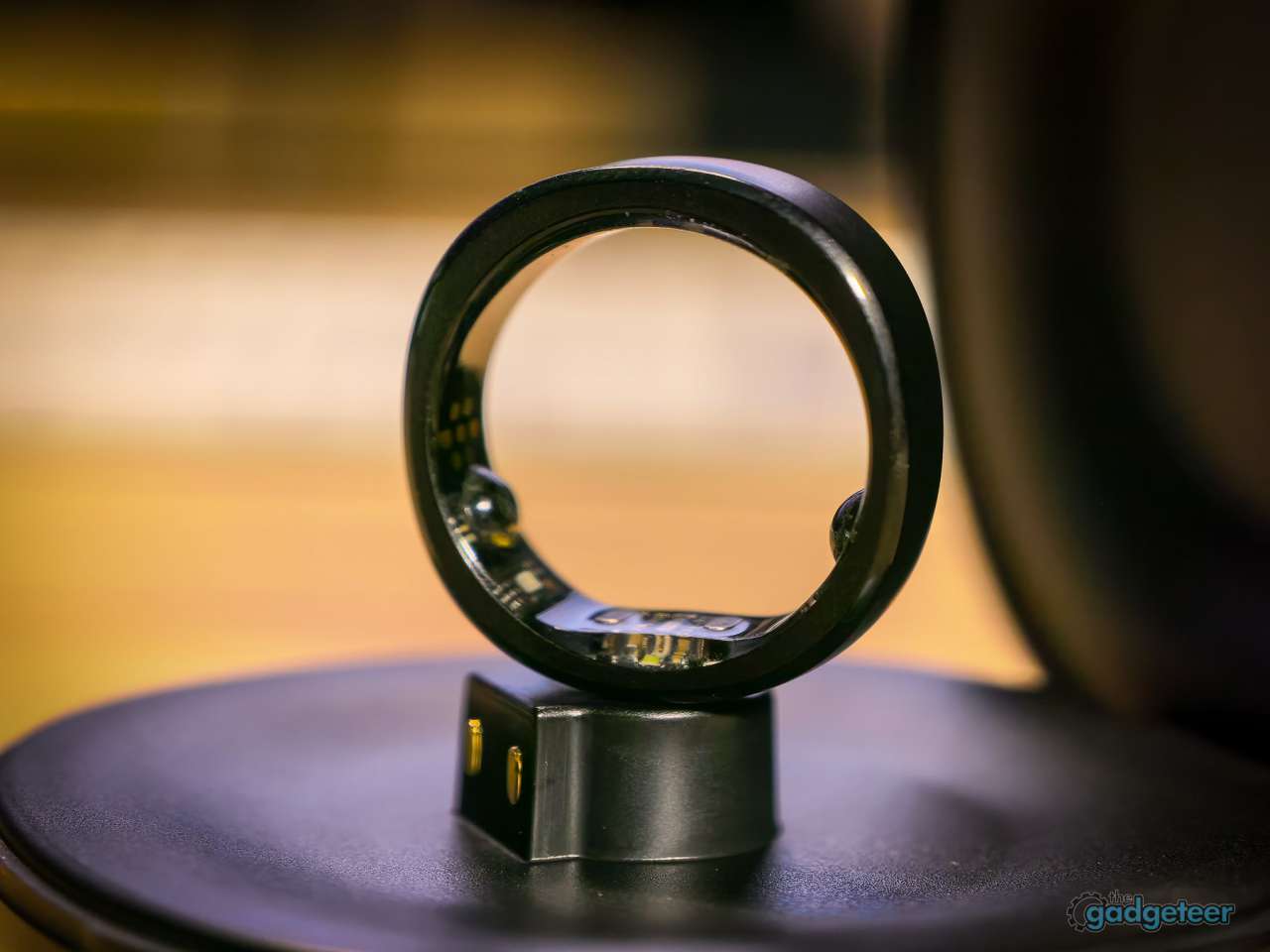
This changes behavior in a practical way. The watch settles into a rhythm: throw it on the puck while you shower, and a quick top-up carries you for days. The ring has no rhythm at all. You charge it when you remember, and you forget for a week at a time. Neither approach is wrong. They just match different priorities.
The Subscription Trap the Ring Avoids
The Huawei Watch Fit 5 Pro costs £249.99. Every sensor ships with that price. No subscription, no locked tiers.
The RingConn Gen 3 costs $349 for standard finishes. No subscription either. Samsung’s Galaxy Ring and Ultrahuman make similar arguments. The bigger contrast is with Oura, which charges $5.99 a month for full feature access, or $144 over two years on top of the hardware. RingConn charges nothing past the checkout page.
The subscription math hides a trap worth naming. By month 14 of a subscription wearable, you are not paying for new features anymore; you are paying to avoid losing your own history: the trends, the baselines, the year of sleep data the app holds. Both the Watch Fit 5 Pro and the RingConn Gen 3 store your data without a meter running.
The Honest Verdict
If you want a fitness coach on your wrist, buy the Huawei Watch Fit 5 Pro. It delivers titanium build, a sapphire LTPO display at 3,000 nits, heart rate accuracy that rivals a chest strap, a sensor suite with passive ECG and AFib screening, and five to eight days of real battery life. It works on Android and iOS, takes NFC payments through Curve in the UK, and costs far less than the materials suggest. The third-party app ecosystem is narrower than Apple or Google, GPS trails dedicated running watches for racing precision, and there is no LTE model. But the hardware is exceptional for the money.
If you want to understand how your body actually works, buy the RingConn Gen 3. For $349 with no subscription, it tracks sleep, HRV, SpO2, respiratory rate, stress, and skin temperature against your personal baseline. The automatic three-night sleep apnea screening found something worth asking a doctor about. The vibration alerts are restrained and useful. At 2.7 grams, it disappears on your finger. The battery clears 10 days.
The best setup I found was wearing both, and for the first two weeks, I did. The watch handled the active hours, workouts, navigation, and notifications. The ring handled the recovery, the sleep, the stress baselines, and the things I did not know I should be tracking. The watch came off every fifth day for a 60-minute charge. The ring stayed on my finger for roughly 10 days between charges. Two devices. Zero overlap. Each one doing what the other cannot.
But here is what actually happened. I started leaving the watch on the charger more often. A day here, a day there. Then two days. Then I would glance at my wrist and realize I had not worn it since Tuesday. The ring never left my finger.
The smartwatch won the spec sheet. The smart ring won the habit. And after 30 days, that is the one that’s still on my hand.
🛒 RingConn Gen 3 Smart Ring
Price: $349 – no subscription, 10-12 day battery, sleep apnea screening
Buy Now: Amazon
Sources: Huawei Watch Fit 5 Pro review by Vincent Nguyen, The Gadgeteer (June 25, 2026) | RingConn Gen 3 review by Vincent Nguyen, The Gadgeteer (June 12, 2026)

Gadgeteer Comment Policy - Please read before commenting
My view is that you should buy a watch or ring primarily based on the number and quality of hardware sensors. The author puts a lot of emphasis on battery life, going as far as stating that you ‘never have to worry about it’ for the ring. But that’s not really true – if anything, you have to worry about it more than if you simply got into a habit of charging every day, like your smartphone. In my case, I charge my watch every morning, while taking a shower. No thinking required. No worries about it conking out on me.
Hardware sensors is what provides the raw data behind things like apnea or Afib warnings. The article doesn’t say what hardware sensors the watch or the ring have – it only says that the ring was more useful because it gave the author an apnea warning. I suspect the watch has just as many, if not more, sensors than the ring – but the software to detect apnea just wasn’t there – yet. My watch (made by Apple) certainly has all the features the author attributed to the ring.
So, in the end, I disagree with the author. A smartwatch requires exactly two things from you: a willingness to wear it and to charge it regularly. In return you get a wealth of information and functionality. A ring requires the same commitment, but you get less information (watches have a lot more room for sensors than a ring) and functionality (depending on your platform, you get hundreds or thousands of apps that provide functionality for the watch) for the same price. Seems like a no-brainer.