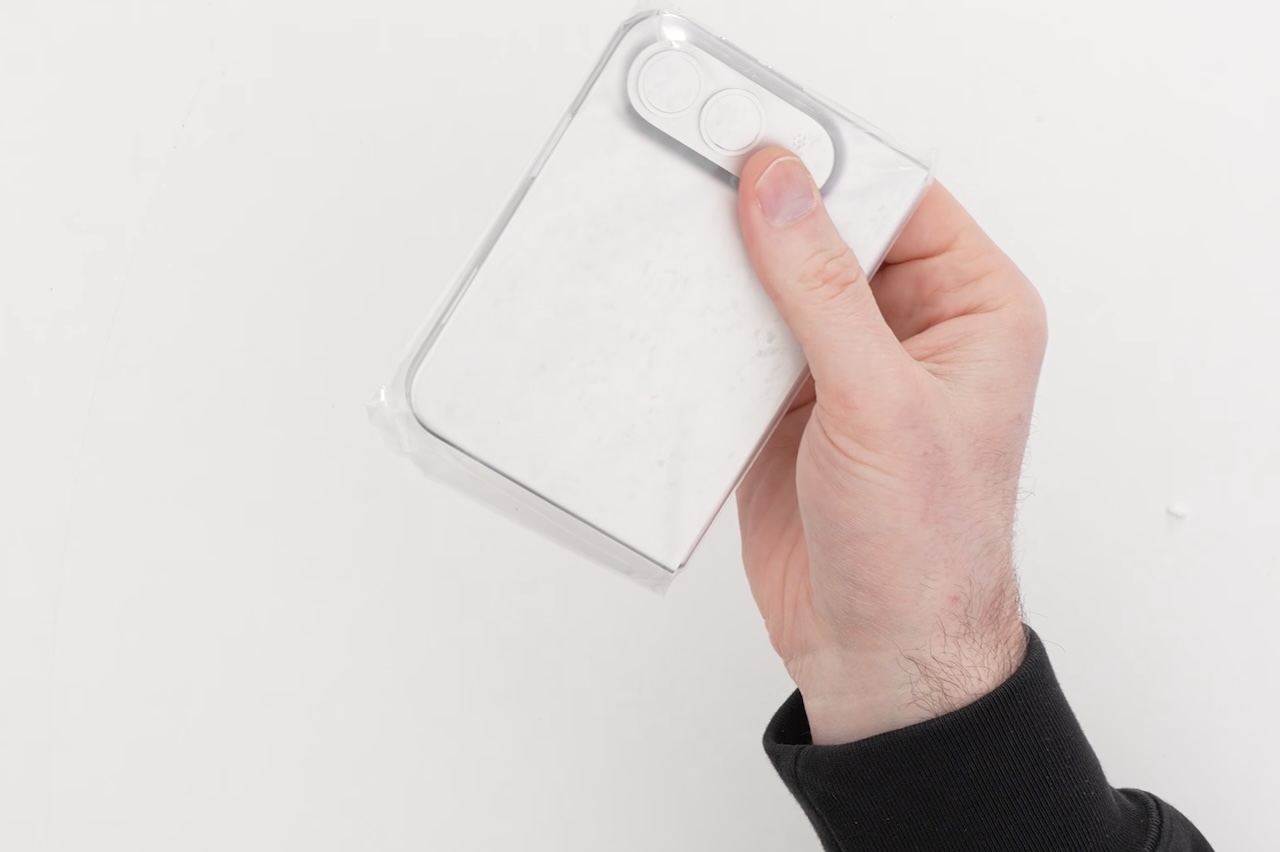
Apple’s long-rumored foldable iPhone is finally shaping up into a real product. Leaks and supply-chain reports now point to a September 2026 launch alongside the iPhone 18 line, with a book-style design and a price tag that starts north of $2,000. If the rumors hold, mass production won’t kick off until August, a one- to two-month slide from earlier expectations, giving Apple a narrow window to ship its first folding phone before the holidays.
Reporting has settled on “iPhone Fold” as the working name, though “iPhone Ultra” remains a strong alternate candidate and is the label some leakers still prefer, you’ll also see the two mashed together as “iPhone Ultra Fold” in social posts and forum threads. All three point to the same device. Here’s what surfaced so far about Apple’s folding phone, the folding iPhone 2026 timeline, the specs, and the delay that just reshaped its launch math.
What changed this spring: production slipped from June to August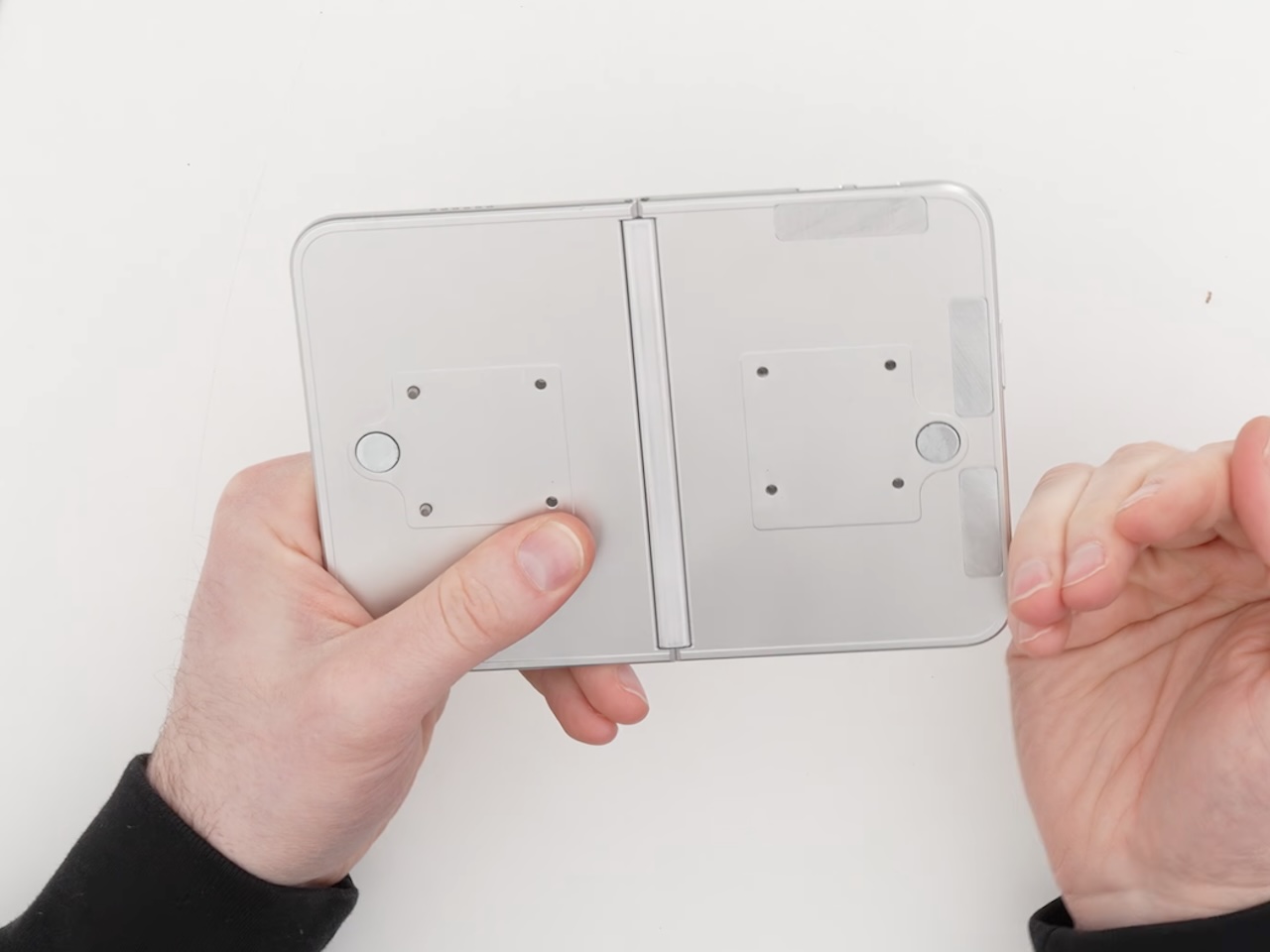
The most consequential update of the past few weeks isn’t a new spec, it’s a calendar shift. Supply-chain reporting from DigiTimes in April pushed the iPhone Fold’s mass-production start from June to August 2026, a roughly one- to two-month delay. Crucially, the launch date itself hasn’t moved: Apple is still targeting a fall 2026 unveiling alongside the iPhone 18 Pro and Pro Max.
That combination, same launch window, later production start, is the story. It means Apple is compressing the runway between “first units off the line” and “first units in customers’ hands” more than it usually does for a new iPhone, and more than competitors like Samsung typically allow themselves on a brand-new foldable.
The book-style form factor
Every credible leak so far describes the iPhone Fold as a book-style foldable, the same general shape as Samsung’s Galaxy Z Fold, not a clamshell flip. Expect:
- A 5.5-inch outer cover display, close to a standard iPhone, usable one-handed without unfolding.
- A 7.8-inch inner display that opens horizontally into a near-square, tablet-style canvas for multitasking.
- A titanium-and-aluminum frame and a hinge engineered to deliver what leakers have repeatedly called a “crease-free” inner panel, the single hardware claim Apple is reportedly most focused on.
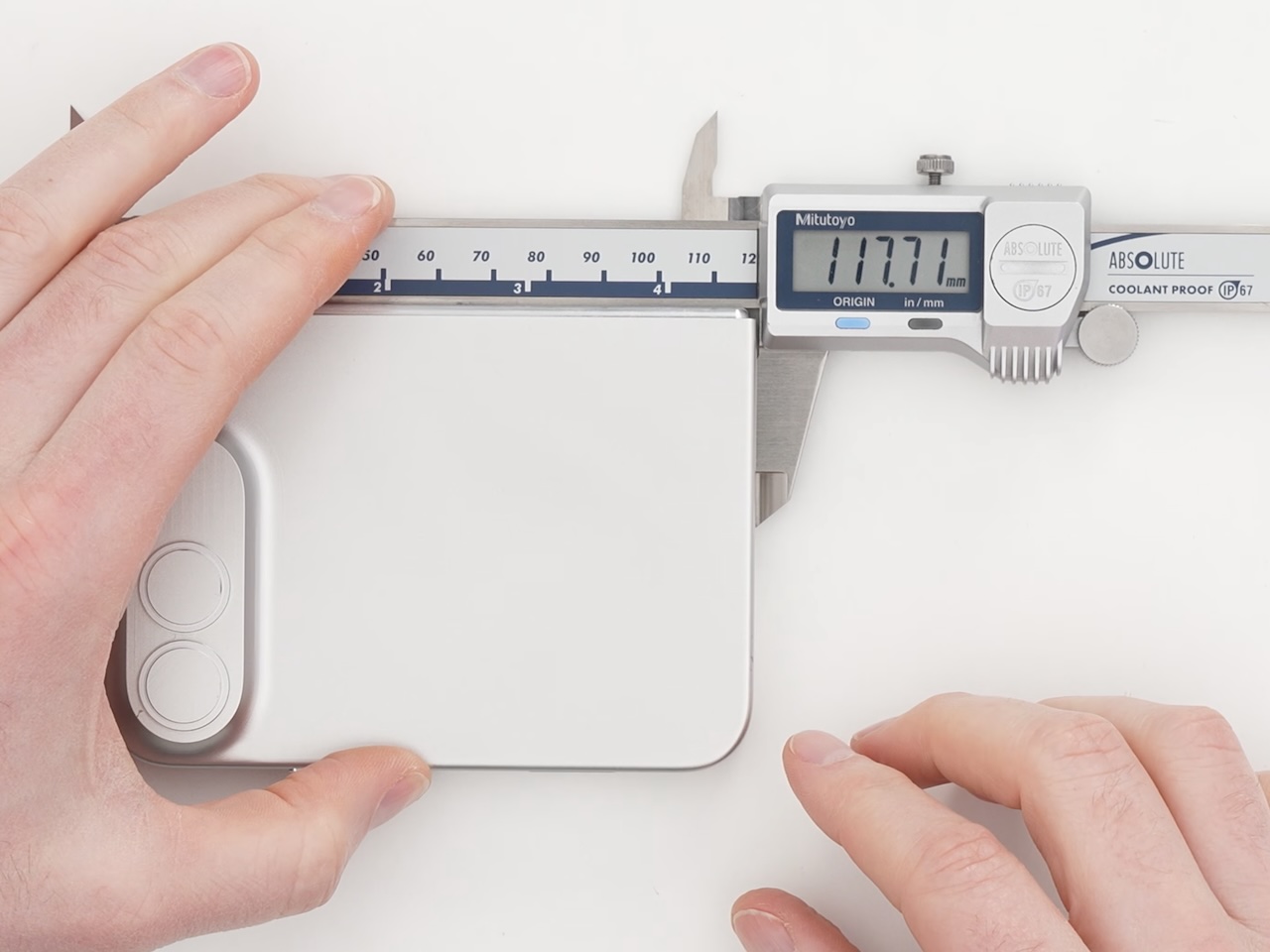
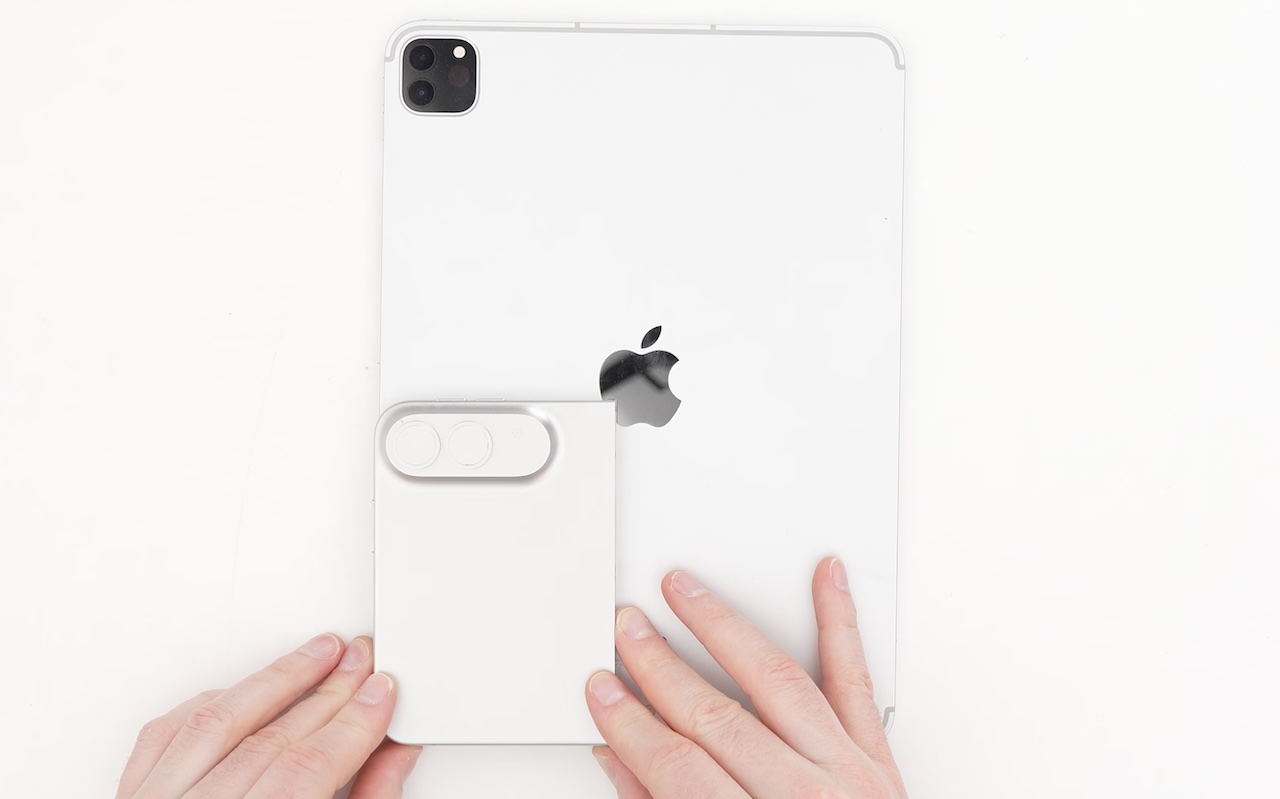 Where the iPhone Fold appears to diverge from the Z Fold playbook is proportions. Multiple leaks describe a wider, shorter body than Samsung’s design, closer to a passport than a paperback. The bet is that an iPad-shaped inner display is more useful for split-screen app work than the taller Z Fold canvas, and easier to sell to existing iPad users.
The $2,000+ price and the ‘crease-free’ screen
The pricing rumor has been remarkably consistent across sources for more than a year: a starting price north of $2,000. Higher-storage tiers are expected to push well past that, with some Asia-based leakers floating figures in the $2,600–$2,900 range for 512GB and 1TB configurations. Treat the exact numbers as speculation, but the floor, $2,000+, is now sourced from enough independent reports to feel locked in.
The crease-free display claim is more interesting, and more fragile. It’s a supply-chain story: Samsung Display has reportedly secured a three-year exclusive deal to supply the foldable OLED, and briefly showed a crease-less panel next to a Galaxy Z Fold 7 at CES 2026 before the booth was pulled. The panel uses a new hinge and layer-stack design tuned to eliminate the visible crease that has defined every book-style foldable to date. If Apple delivers on that even halfway, it reframes the category, and gives reviewers a single, demo-friendly talking point for launch coverage.
 Why the August delay matters
The production slip carries weight beyond the calendar. An early-August mass-production start gives Apple roughly six to seven weeks before its typical mid- to late-September on-sale date, an unusually thin buffer for a first-generation product with a new display, hinge, and assembly process. Samsung Display is reportedly preparing around 11 million foldable OLED panels for Apple in 2026, a meaningful number, but well short of mainline iPhone volumes.
That math makes a staggered release plausible. The iPhone 18 Pro and Pro Max could land in September with the iPhone Fold pushed into October. Pre-order behavior would shift to match: tighter caps, longer shipping estimates, or both.
The September launch headline can still survive, but the experience of buying an iPhone Fold in 2026 may look more like buying an Apple Vision Pro than buying a regular iPhone.
What the specs signal about Apple’s bet
Nothing here is confirmed, but the consensus picture from current leaks tells a story about what Apple is willing to trade, and what it isn’t.
The silicon story: Fold as a packaging milestone
The Fold’s most under-discussed spec isn’t the chip, it’s how the chip is built. Apple’s A20 Pro on TSMC’s 2nm process, shared with the iPhone 18 Pro, uses new WMCM packaging that stacks 12GB of RAM directly onto the chip wafer. That packaging change is a bigger structural story than the node shrink, and the Fold is one of the first two products to ship it. Storage tracks the usual Pro ladder: 256GB to 1TB. The cellular side gets Apple’s in-house C2 modem, the third-generation Apple baseband after the C1 (iPhone 16e, February 2025) and the C1X (iPhone Air, September 2025), no Qualcomm silicon inside. The open question is whether the chip name lands as “A20 Pro” or just “A20”: Jeff Pu and Wccftech use Pro, MacRumors still hedges.
 The thinness tradeoffs: what Apple is willing to drop
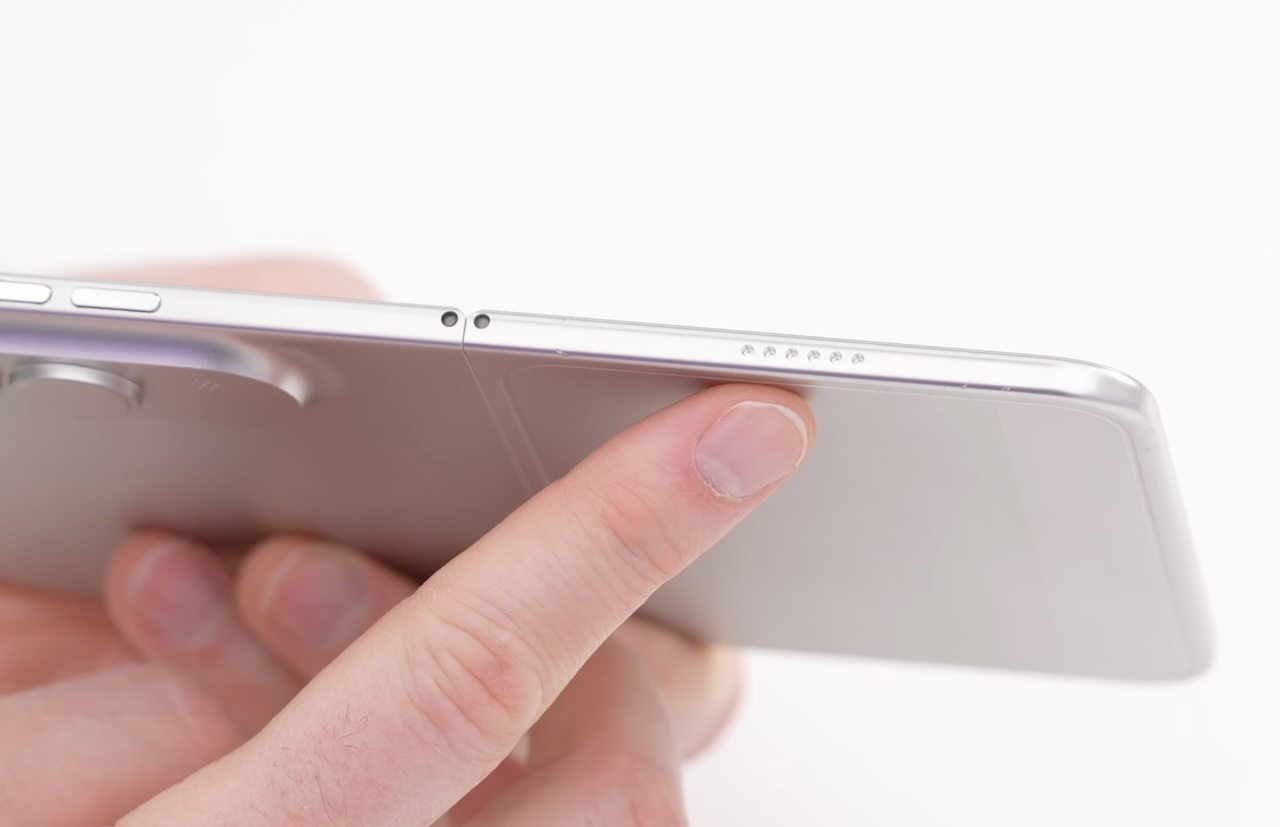
The camera and biometrics specs read like a list of concessions to a thinner chassis. Two 48MP rear cameras instead of the Pro’s three-lens system means no dedicated telephoto, a tradeoff Apple has shown it’s willing to make at the flagship tier since the iPhone Air. Front cameras are 18MP on both the cover and inner displays. The bigger sacrifice is Face ID itself: leakers expect a side-mounted Touch ID sensor instead, which would make the Fold the first new iPhone without Face ID since the third-generation iPhone SE in 2022. Treat Touch ID placement as the single biggest spec rumor still in motion.
The endurance question: the spec users will actually feel
Every other spec on this list is a one-time architecture decision. Battery is the one that gets re-litigated daily once the device ships. Current leaks describe a split-cell design with total capacity estimates spanning roughly 4,700–5,800mAh, an unusually wide spread that tells you the leakers themselves aren’t aligned. Apple is targeting all-day use with the inner display in active rotation, and that’s the claim worth stress-testing first in any hands-on: a 4,700mAh foldable driving a 7.8-inch canvas is a much harder physics problem than a 5,800mAh one.
What we still don’t know
A handful of unknowns will shape coverage between now and the fall. Apple hasn’t signaled whether the Fold shares a stage with the iPhone 18 Pro or gets its own event, and pre-order and on-sale timing remain open, with a staggered release likely pushing pre-orders into October at the earliest. The final name is also unresolved: “iPhone Fold” is the working label inside the rumor mill, but “iPhone Ultra” has been floated repeatedly and would fit Apple’s premium positioning better.
Two business questions are bigger than any of the above. Carrier and trade-in strategy is a blank, a $2,000+ device only sells at scale with aggressive trade-in offers, and Apple hasn’t telegraphed any of it. And the 2027 fallback is now close enough to mention: if the August production start slips again, even by a few weeks, a 2027 launch becomes the realistic backup. Nothing in current reporting suggests that’s imminent, but the margin is thin enough to flag.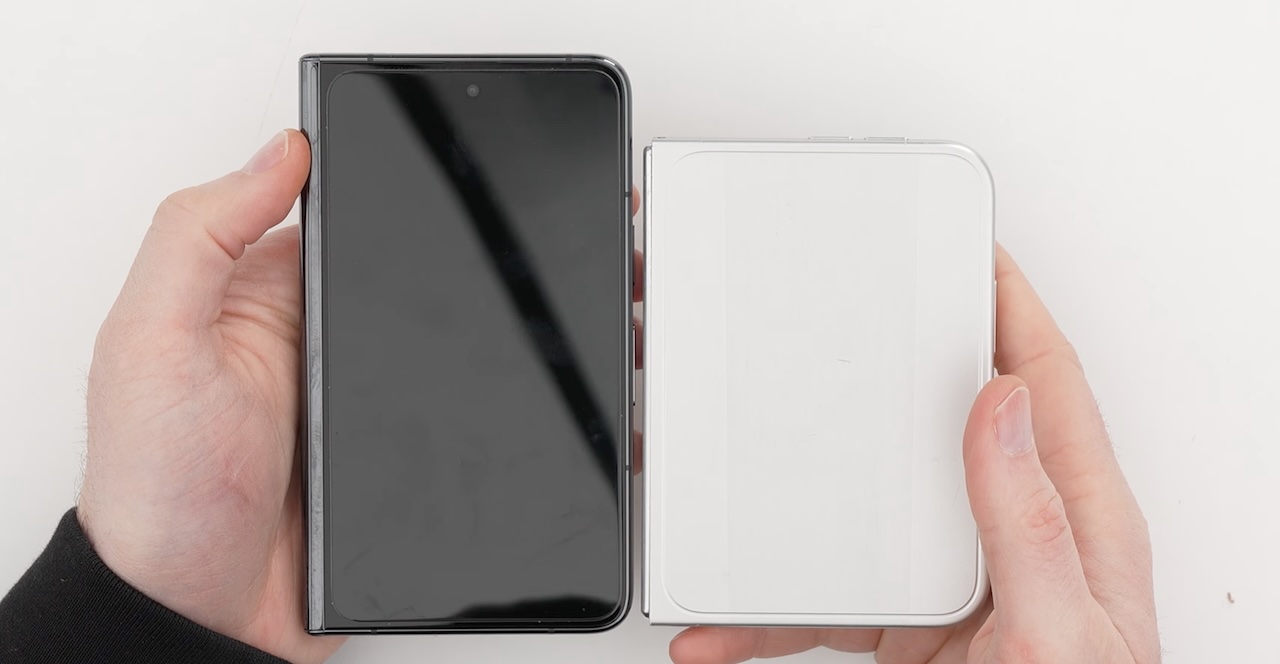
Bottom line
The iPhone Fold story has moved from “will Apple do this” to “how tight is the timeline.” A September 2026 launch is still on the board, the book-style form factor and $2,000+ price look locked in, and the most interesting unanswered question is no longer whether Apple can build a crease-free foldable, it’s whether the company can build enough of them in time for the holidays.