For nearly three years, Meta’s Ray-Ban smart glasses have had the AI eyewear category almost entirely to themselves. That changed at Google I/O 2026, where Warby Parker and Google walked on stage together and pulled the cover off Intelligent Eyewear, a new line of AI-powered frames running on Gemini and Android XR, with audio-first models landing this fall.
It’s a pointed pairing: Warby Parker has spent a decade making prescription frames feel like a lifestyle product, and Google has spent the last year stitching Gemini into every surface it can reach. The result is glasses you’d actually wear to brunch that also answer questions, translate menus, and snap photos on command. It’s part of a broader Intelligent Eyewear collection Warby is building with Google and Samsung, with Gentle Monster joining the bench to challenge Meta’s EssilorLuxottica deal directly.
What’s inside the frames
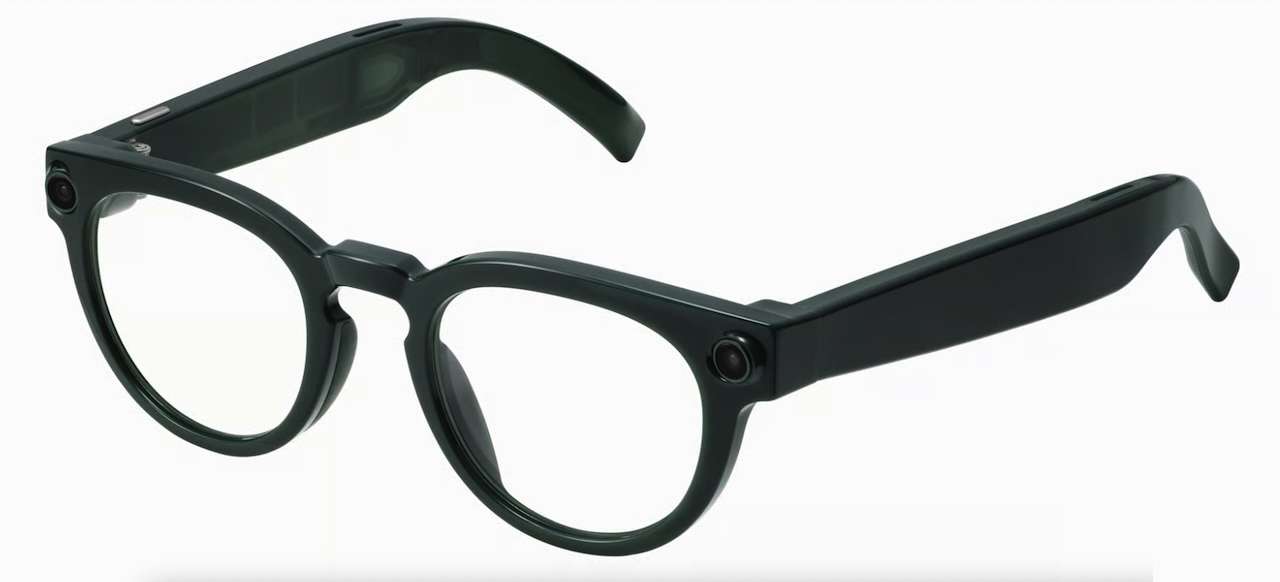 The first Warby Parker design is a light, flexible nylon frame in dark green, sold as both sunglasses and prescription glasses. It packs speakers, cameras, and on-frame access to Gemini, Google’s AI assistant.
Google says there’ll be two flavors of Intelligent Eyewear: audio glasses that speak help into your ear, and display glasses that show information in your line of sight. The audio version is shipping first.
How Gemini shows up on your face
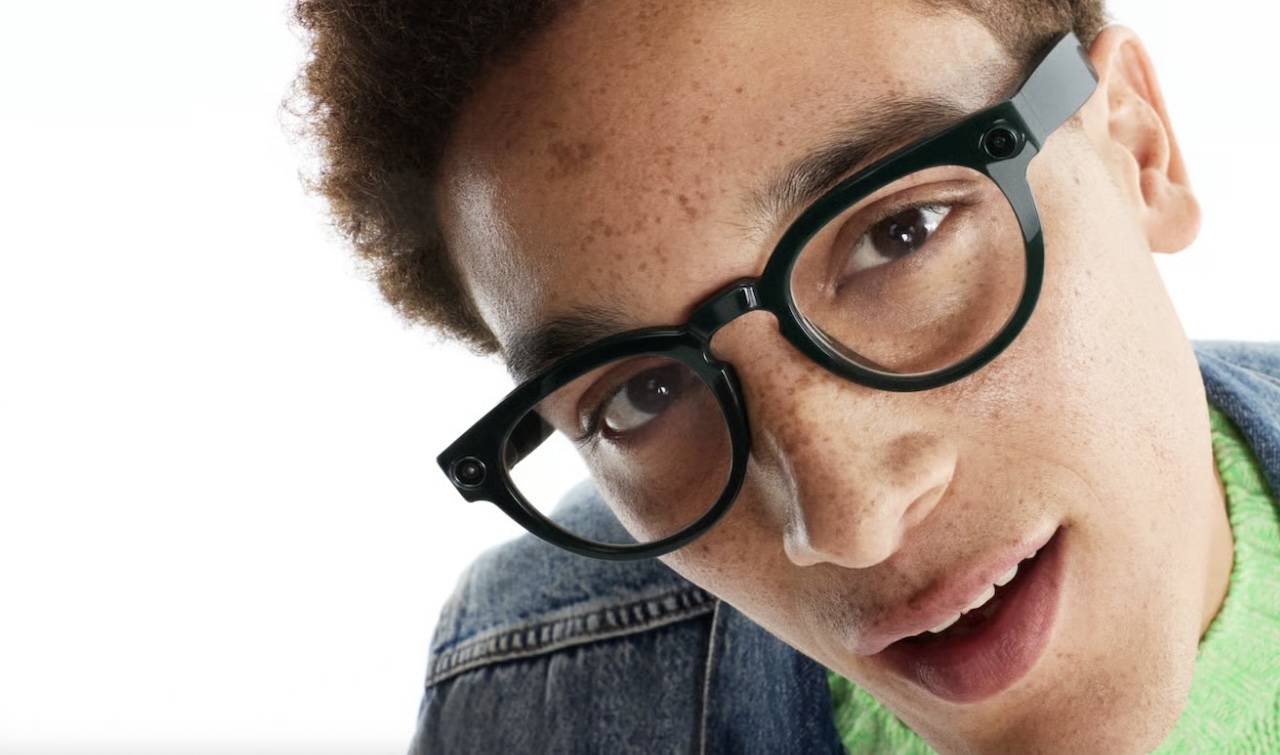 You wake Gemini with a wake word or a quick tap on the frame, and from there it handles a stack of hands-free tasks Google demoed on stage. You can ask Gemini about whatever’s in front of you, from a storefront across the street to a sign you can’t quite read, and get spoken turn-by-turn directions through Google Maps.
Gemini also fields texts and calls, summarizes the messages you missed, and can snap photos or videos that you then edit with Nano Banana by voice. It translates menus, signs, and live speech with tone-matched audio, runs multi-step tasks like placing a DoorDash order while your phone stays in your pocket, and triggers other apps such as Uber and Mondly on command.
The glasses pair with both Android and iOS phones, so iPhone users aren’t locked out.
A direct shot at Meta
This is the clearest sign yet that Google’s done watching Meta’s Ray-Ban partnership run away with the category. Warby Parker, Samsung, and Gentle Monster are now Google’s eyewear bench, and they’re aiming at the same all-day, glanceable use case Meta’s been refining since 2023.
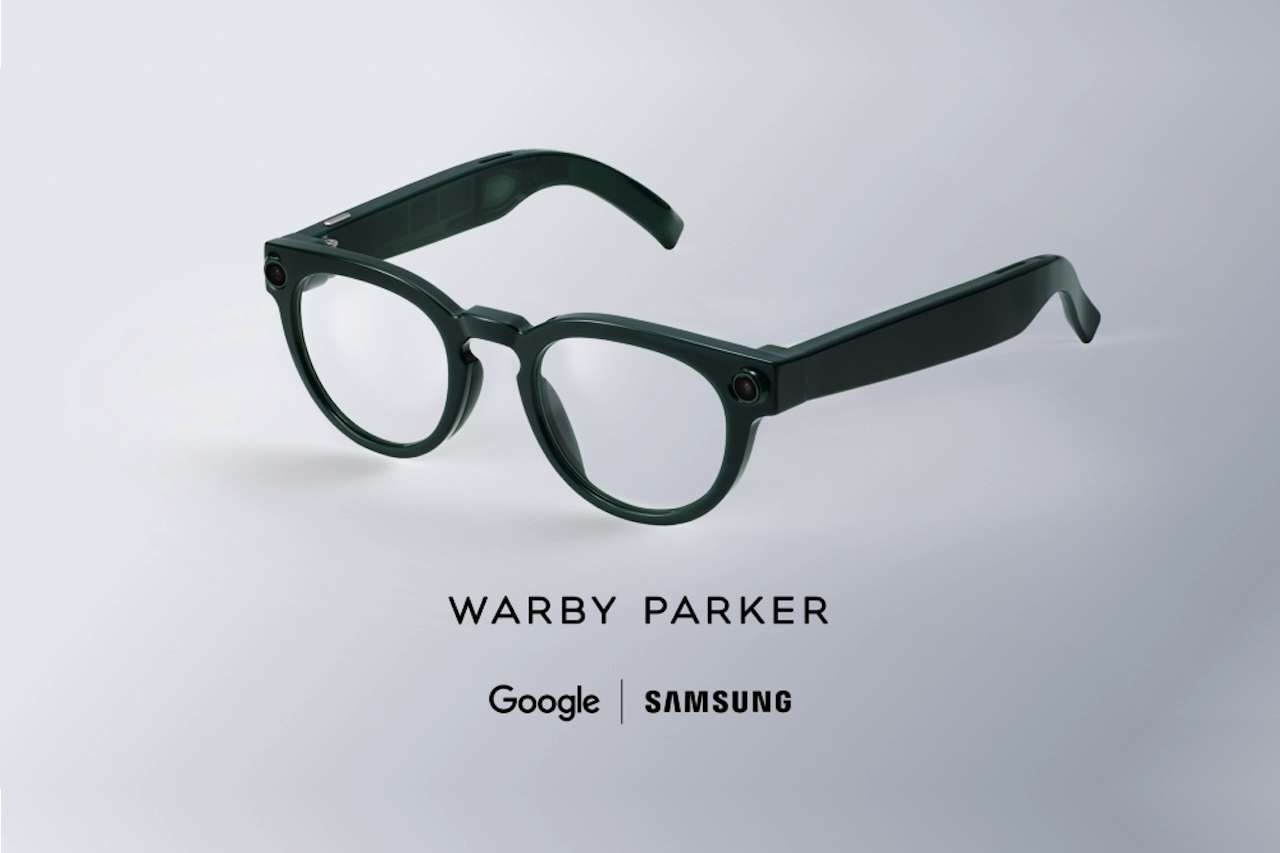 Warby Parker hasn’t shared pricing yet. For context, Meta Ray-Bans currently run from $390 to nearly $500, with some models discounted.
Neil Blumenthal, Warby Parker’s co-founder and co-CEO, framed the design pitch around comfort. “These glasses give you powerful new tools, but they’re designed to feel intuitive and unobtrusive so you can stay focused on the people and moments in front of you,” he said. “Every detail and curve was considered for extended, everyday use, from the fit and balance of the frame to enhanced grip and stability.”
Why it matters for Android XR
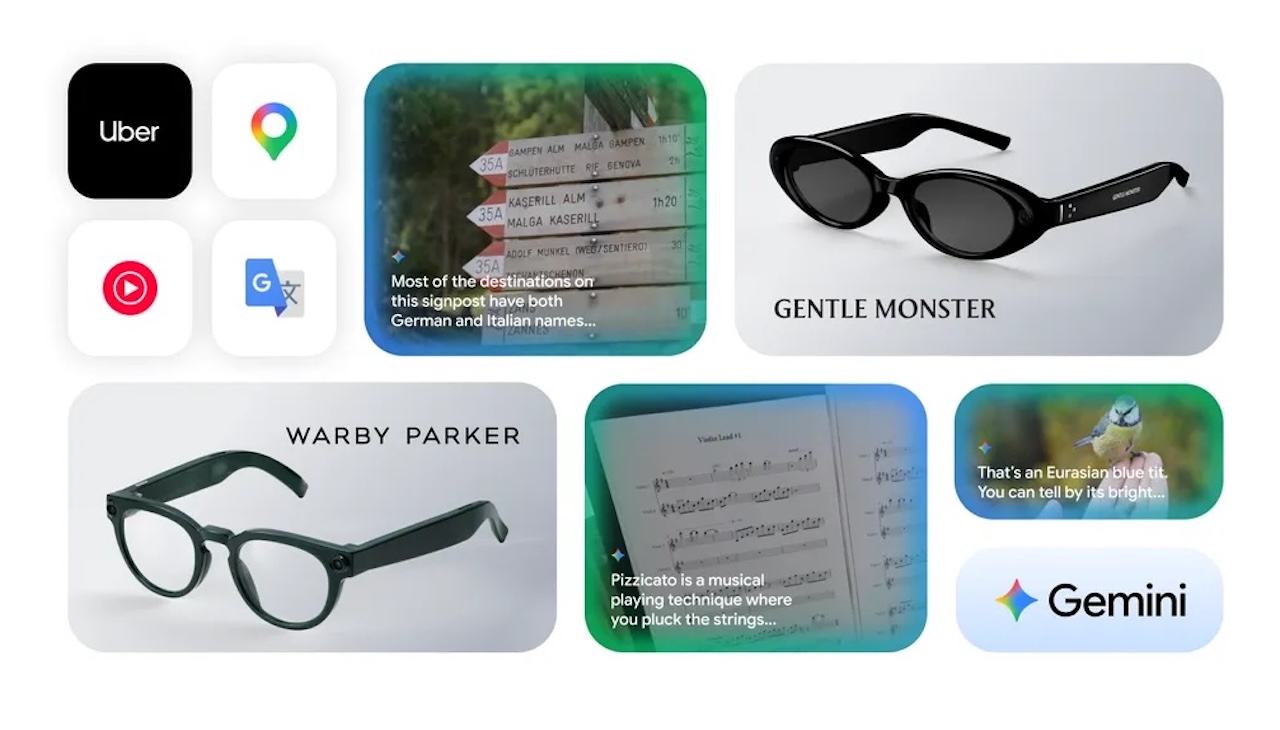 Intelligent Eyewear is also the most consumer-friendly face Android XR has worn so far. Google built the platform with Samsung and Qualcomm, and it’s been mostly tied to headsets up to now. Glasses turn Android XR into something you can wear to the grocery store, not just demo on a couch.
Developers can start building for the platform later this year, with the first Warby Parker and Gentle Monster designs reaching shoppers in fall 2026.