
Why 2026 is the year every brand wants a rugged watch
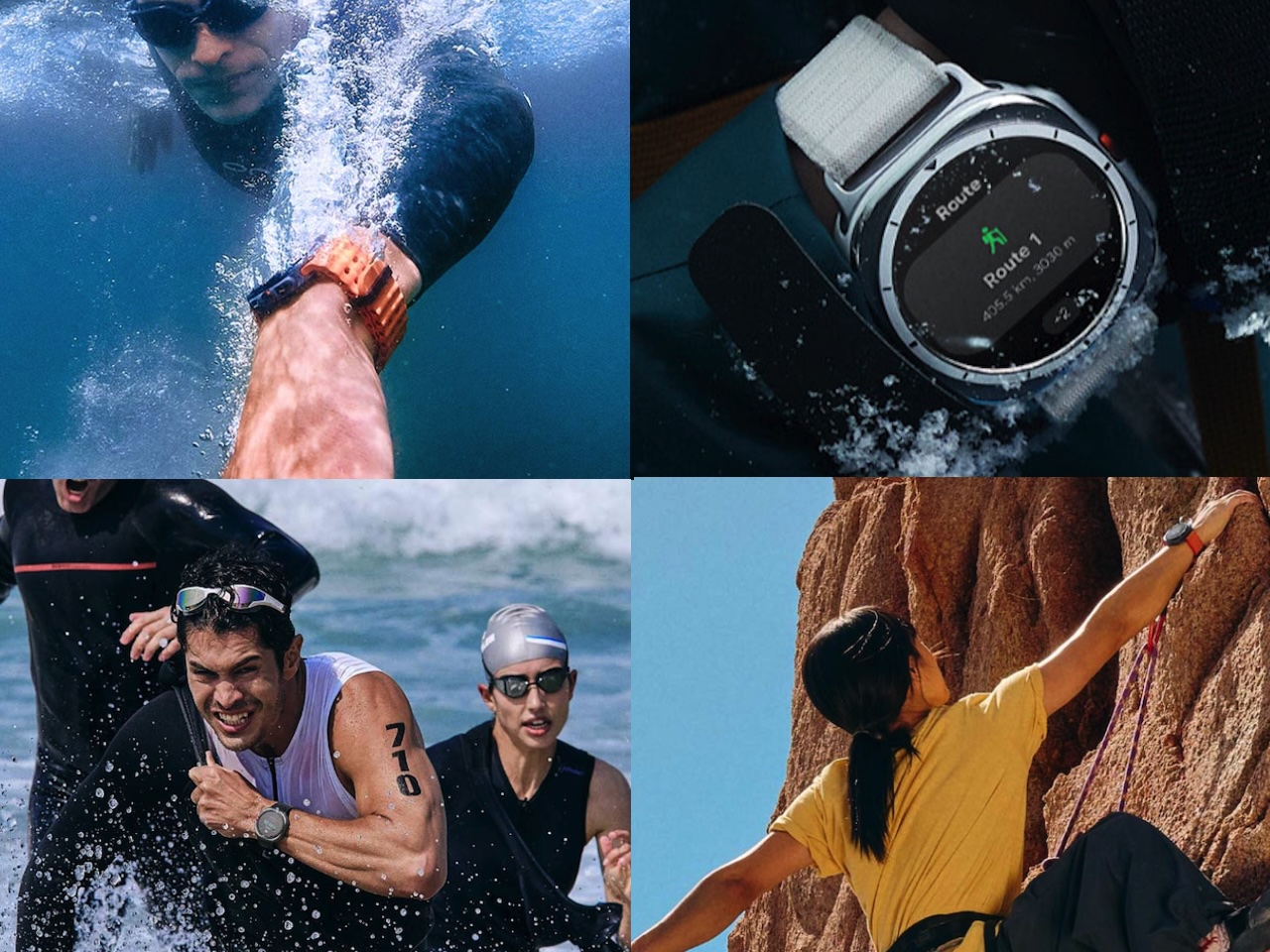
The rugged category was niche for a decade, and then it wasn’t. Every major brand now treats “rugged” as a default product line, and the shift didn’t happen because watches got tougher. It happened because the fastest-growing sport among mainstream tech buyers is being outside without checking a phone.
Price: $549.99 (Discounted from $649.99)
Where to Buy: Amazon
Trail running, gravel cycling, weekend hiking, ocean swims, alpine starts: these used to be enthusiast tags. They’re now the lifestyle setpiece for buyers who want a watch they can stop babying, and nearly every product team is shipping a thicker, gasket-sealed variant to meet it.
The risk is that “rugged” is becoming marketing posture, not engineering commitment, and the gap is widening fast.
What ‘rugged’ actually certifies: MIL-STD-810H, IP68 vs IP69K, and ATM ratings decoded
MIL-STD-810H isn’t a single test. It’s a menu of roughly 29 procedures, and a brand can claim compliance after passing as few as one. Check which methods: 514.8 covers vibration, 516.8 covers shock.
IP68 means dust-tight plus immersion beyond 1 meter, with depth and duration set by the manufacturer. Samsung’s Galaxy Watch Ultra is rated to 1.5 meters for 30 minutes under IP68, while an iPhone 16 Pro hits 6 meters under the same label. The Watch Ultra’s headline 100-meter depth comes from a separate 10 ATM / ISO 22810 certification, not IP68.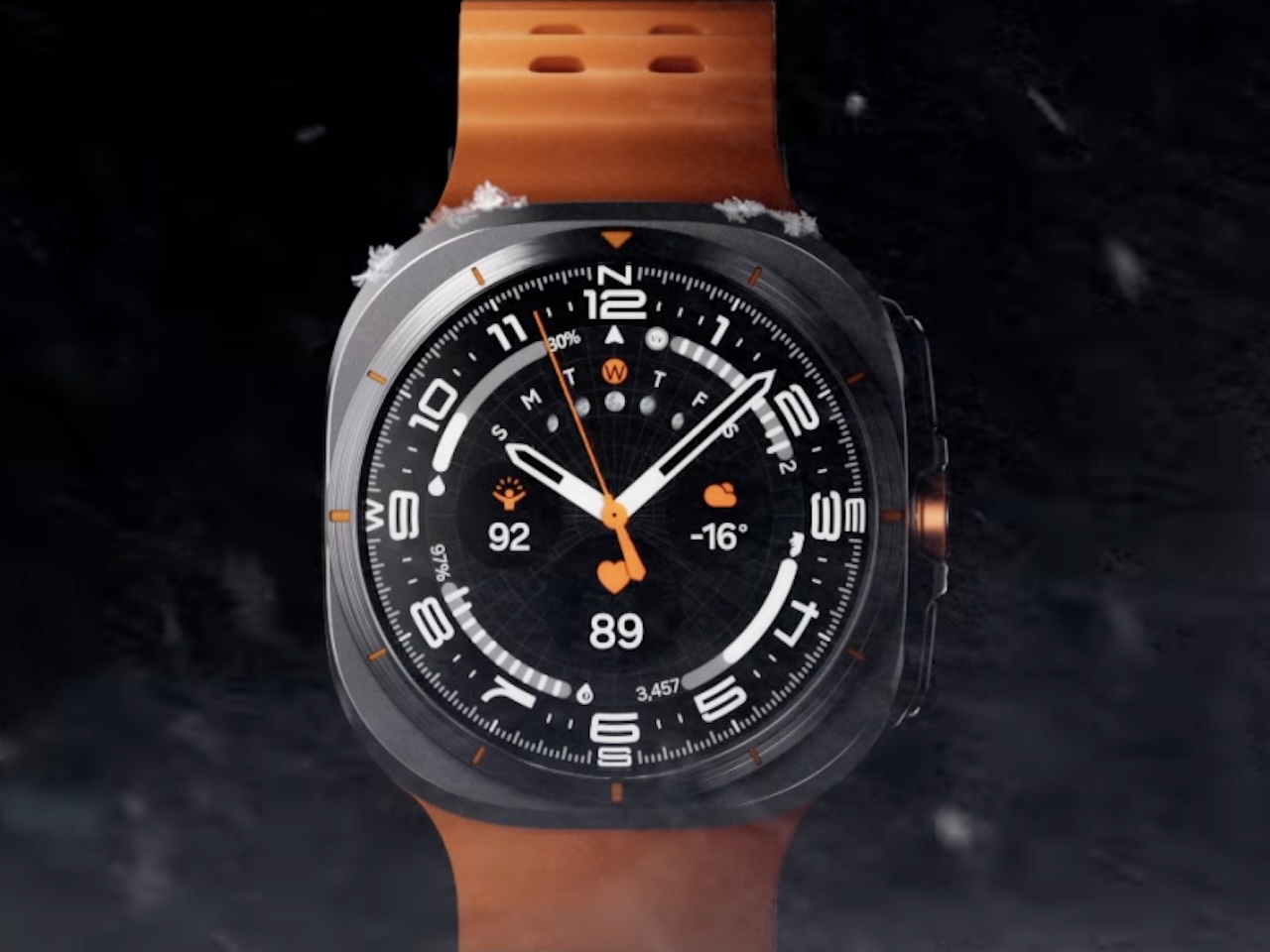
IP69K is different again: high-pressure, high-temperature water jets from any angle. For tradespeople, kayakers, or saltwater fishers, IP69K matters more than the IP68 number marketing leans on.
ATM ratings get misread constantly. 5 ATM doesn’t mean you can dive 50 meters; it means the case was static-pressure-tested to that depth with no motion or jet impact. 5 ATM covers swimming and showering, but 10 ATM is the safer floor once gaskets age. For actual diving, look for ISO 6425 (the divers’ standard) or EN 13319 for depth-measuring, not ISO 22810.
Trust certifications brands document specifically. Vague “water resistant” or “military-grade” claims are shelf decoration.
Samsung Galaxy Watch Ultra 2: rumors vs what’s actually shipping
The Galaxy Watch Ultra line is Samsung’s clearest signal that rugged is now a flagship category, and the easiest way to see the certifications above on a real product. The 2024 Ultra shipped with a titanium grade-4 case, L1+L5 GPS, sapphire crystal, MIL-STD-810H, and 10 ATM. Samsung followed with a 2025 refresh: same shell, new colors, more storage. The Ultra 2 rumor cycle has been running since mid-2025 firmware and IMEI leaks, and the actionable question isn’t what the Ultra 2 will include, it’s whether the existing Ultra is the right buy today.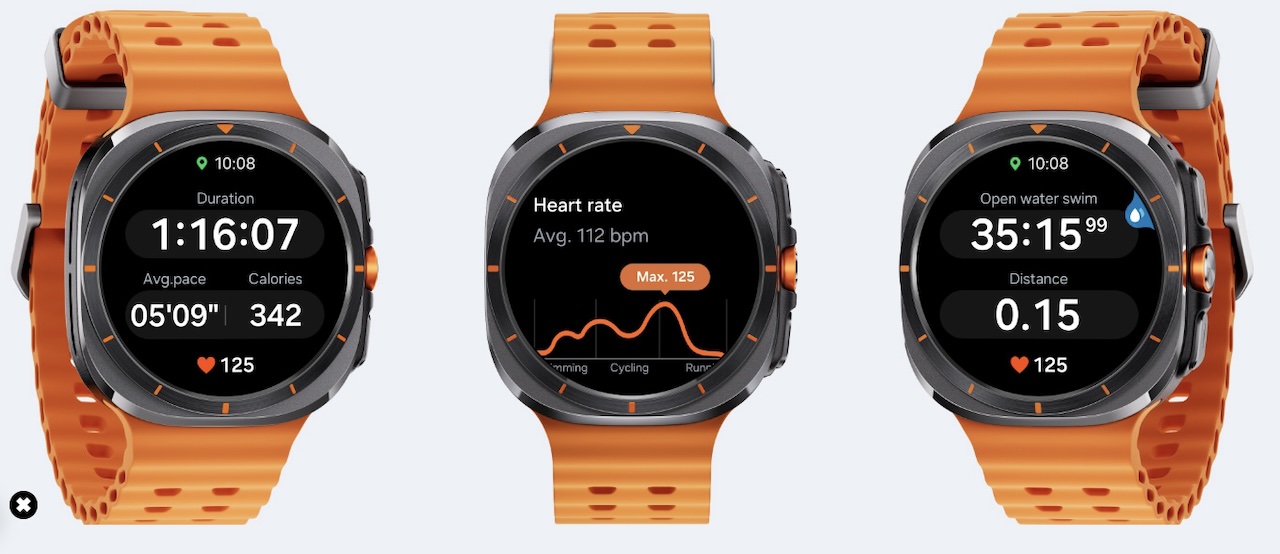
Rumored Ultra 2 upgrades, per CNET, PhoneArena, SamMobile, and Wareable, cluster around a Snapdragon Wear Elite chip (5G and possible satellite), non-invasive blood-glucose tracking, a refined BioActive sensor, and separate 4G/5G variants. Samsung’s recent generations show year-over-year deltas smaller than the marketing implies, so if you need a watch this summer, the existing Ultra is shipping and verified. If you can wait for the rumored July 22 Unpacked, you’ll know exactly what Samsung is offering before committing.
The sensor gap: GPS, barometers, and offline maps versus tough casings
This is where most rugged watches fall apart. A titanium case and sapphire crystal mean nothing if the watch can’t tell you where you are when the trail forks and LTE is gone.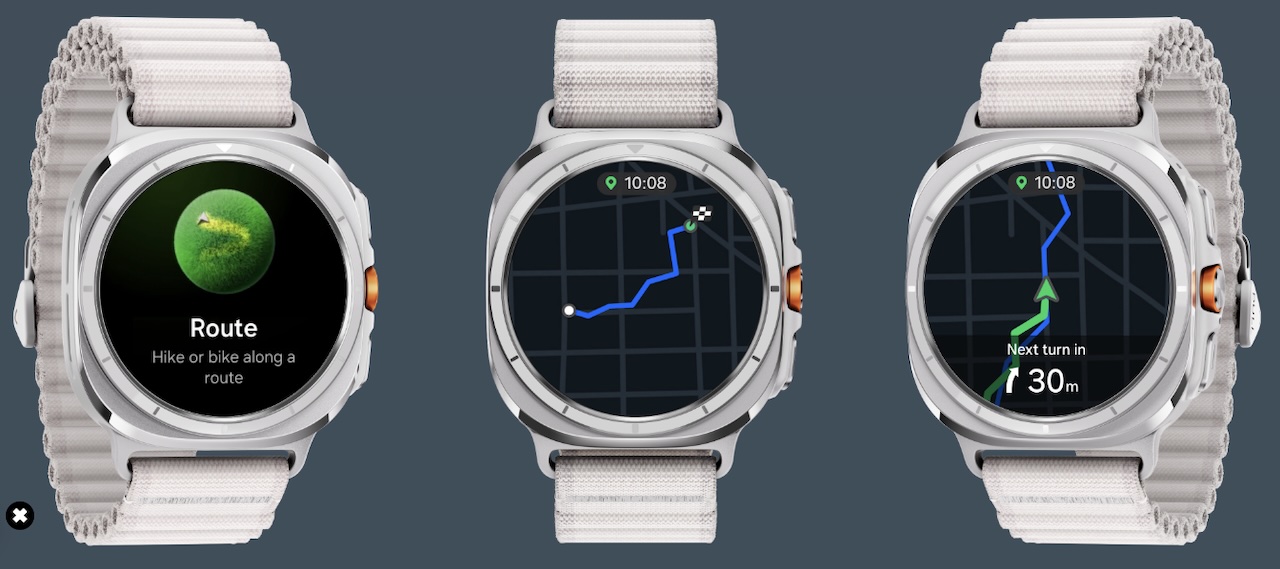
Dual-frequency (L1 + L5) GPS is the line in the sand for serious outdoor use in 2026. Single-frequency drifts under tree canopy, in canyons, and around urban architecture, and that drift compounds over a long route. Watches without L5 are fitness trackers with a tougher shell.
A real barometric altimeter with offline topographic maps separates expedition-grade from gym-grade. GPS-derived elevation drifts tens of meters in an afternoon, and that matters when you’re finding a saddle in low cloud.
Battery life reality check: solar claims vs GPS-on endurance
Realistic GPS-on battery life for 2026 flagship rugged watches lands at 30 to 60 hours of continuous recording with dual-frequency on, and that’s the number that should drive the buying decision. Solar charging marketing is the rugged-watch equivalent of fuel economy on a window sticker, since brands quote smartwatch-mode endurance under “unlimited solar” conditions: clear sky, high UV, watch face fully exposed for hours per day. Most users never see that.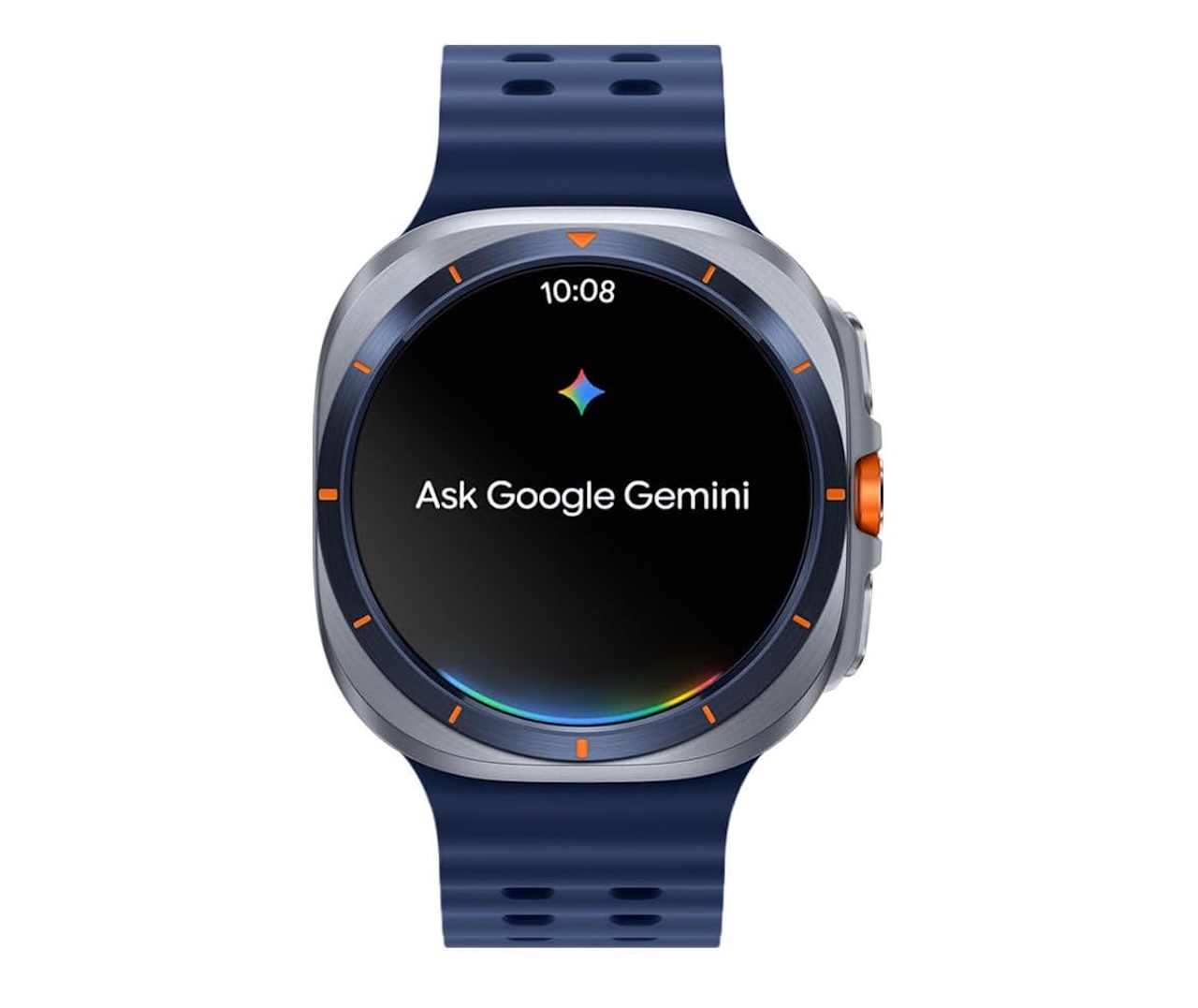
What matters is GPS-on battery with the screen at full brightness and heart-rate active. That’s the field reality of a real hike or long ride, and it reshuffles the rankings hard. In forest or winter, treat solar as a rounding error and budget for a power bank.
The $200 vs $500 split: what budget rugged watches skip
Budget rugged watches almost always cut the same parts, and they show up on the spec sheet:
- Single-frequency GPS instead of L1+L5
- Mineral glass instead of sapphire
- Polymer case instead of titanium
- One-button waterproofing instead of a screw-down crown
- IP68 with no MIL-STD methods listed
For casual day hikers tracking a few weekend miles, a $200 watch with IP68 and decent GPS is enough. The premium tier earns its price when you need reliable off-grid navigation, multi-day battery, or hardware that survives knocks against rock and metal.

The middle of this market is where buyers get burned: either go cheap and know what you’re losing, or go premium and use what you paid for.
Skip-it warning: red flags that mean the watch isn’t really rugged
The most expensive mistake in this category is buying a watch styled like a rugged tool that isn’t engineered like one. A textured bezel does nothing for water ingress.
Red flags to walk away from:
- Crowns and buttons without screw-down or recessed gasket seals
- “Mineral crystal” above the $300 price point
- “Water resistant” with no specific ATM or IP rating
- “GPS” listed without chip generation or frequency bands
- MIL-STD-810H mentioned with no test methods cited
Confident product teams publish the methods, chip vendor, standards, and depth ratings in plain text. Anything less should make you suspicious.
Price: $549.99 (Discounted from $649.99)
Where to Buy: Amazon
Bottom line: the three specs that matter more than ‘rugged’ on the box
If you only have time to check three things on a 2026 rugged watch, check these.
Dual-frequency GPS with L1 and L5, because outdoor use depends on knowing where you are within a few meters rather than a few dozen. A barometric altimeter with offline maps on the device, because expedition use happens where cell service doesn’t. Honest GPS-on battery life in the spec, because solar numbers are marketing copy. Certifications tell you the watch can survive abuse. These three specs tell you whether it can do the job.



Gadgeteer Comment Policy - Please read before commenting
Not shown, but the Garmin Enduro 3 is the king in this category.