

Project Hail Mary is the rare sci-fi movie that makes you want to buy things. Not merch. Not posters. Actual tools. Dr. Ryland Grace (Ryan Gosling) spends two and a half hours fixing, cutting, measuring, and improvising aboard a spacecraft built entirely around the idea that reliable gear matters more than flashy interfaces. Production designer Charles Wood filled the Hail Mary with real avionics, physical switches, and functional hardware grounded in actual aerospace technology. The result is a ship that feels like a place where someone works, not a set where someone acts.
NASA’s Artemis II crew launched on April 1 with an Apple iPhone 17 Pro Max, a Fisher Space Pen, a Benchmade rescue knife, and Omega X-33 watches strapped over their pressure suits. Real astronauts, real gear, most of it commercially available. The overlap between what Grace carries in fiction and what the Artemis crew packed for an actual lunar mission is closer than you’d expect. Both follow the same logic: pick the tool that’s already been tested by thousands of users, not the one that looks good in a pitch deck.
So the real question is: what would you actually carry if your daily life demanded the same no-nonsense, zero-failure-point approach to gear that Ryland Grace relies on to save humanity? If you could pack one EDC loadout for a spacecraft, what makes the cut? The props department selected real, commercially available tools for on-screen use, including a Leatherman Surge that Grace (Gosling) handles in multiple scenes. It’s a choice that fits the story’s DNA: proven, field-tested equipment over custom prototypes. That makes the Hail Mary a surprisingly good shopping list.
Here are eight real gadgets from (or inspired by) the film that you can put in your pocket, on your wrist, or in your toolkit today.
1. Leatherman Surge
As seen in the film: Grace reaches for this multitool at least twice on screen, once to cut rope in a critical moment and again during one of his many improvised repairs aboard the Hail Mary.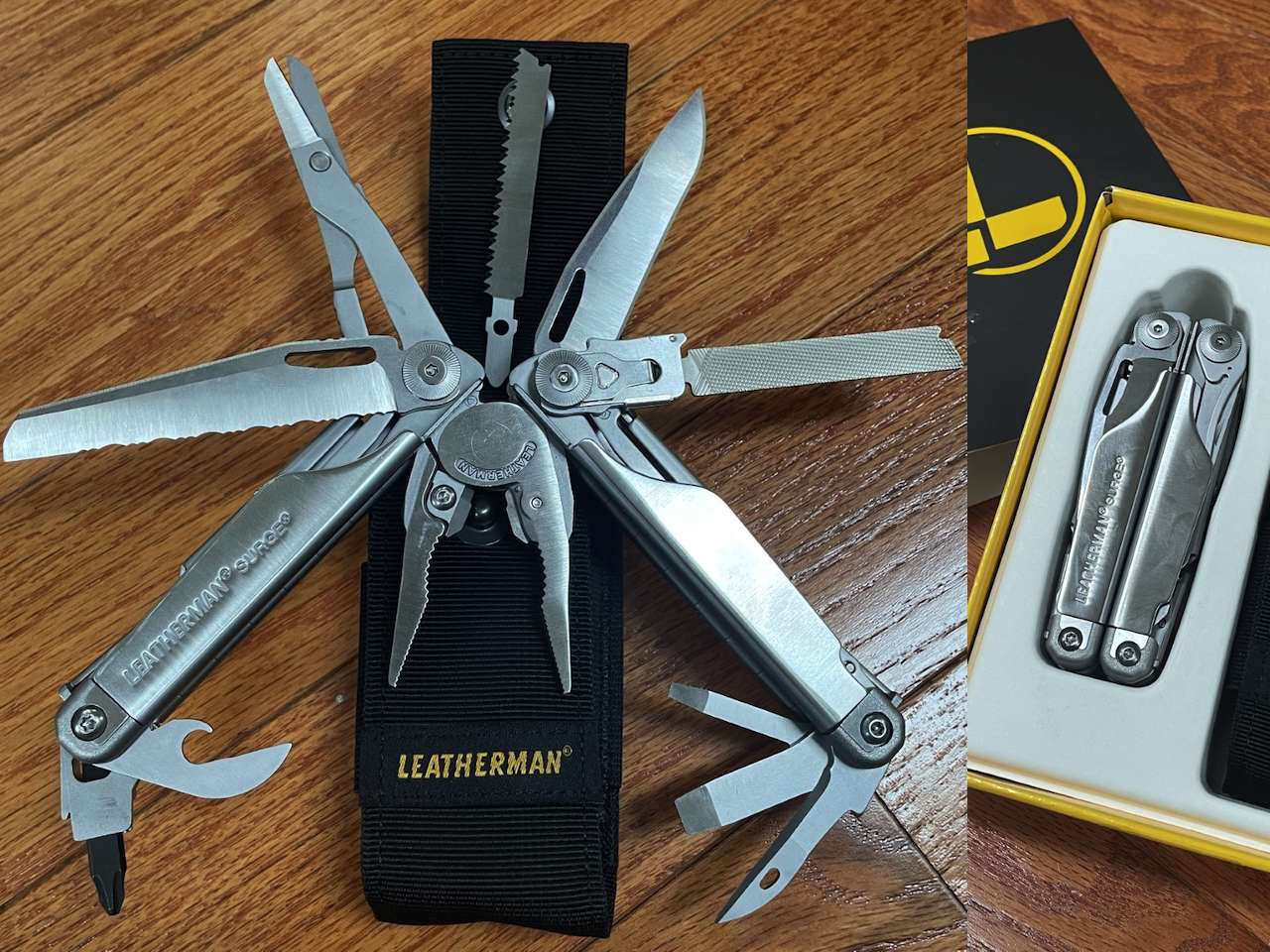
Price: $159.95 (From $173.14)
Where to Buy: Amazon
Leatherman confirmed that the props department received multiple models and independently selected the Surge. It’s a smart choice for a character who needs to fix things fast in confined spaces. The Leatherman Surge is the beefier sibling of the popular Wave, built for professional and heavy-duty use with larger pliers, a 3.1-inch 420HC stainless steel blade, replaceable wire cutters, and a total of 21 tools packed into a stainless steel chassis. Gosling deploys the blade one-handed on screen while wearing gloves, though as gear writer Wes Siler points out, that’s considerably harder with the Surge than with thumb-stud models like the Arc.
The real validation comes from outside the movie. NASA astronaut Jonny Kim carried a Leatherman aboard the International Space Station during his Expedition 72/73 mission, where photos show it clipped to his workstation in a custom holster. If it’s reliable enough for actual orbital duty, it can handle your weekend projects. The Surge weighs 12.5 ounces, which puts it firmly in the “belt pouch” category rather than pocket carry. That extra weight buys you leverage and durability that lighter multitools can’t match when you’re prying, cutting wire, or torquing a stubborn fastener.
2. TAG Heuer Connected Calibre E5
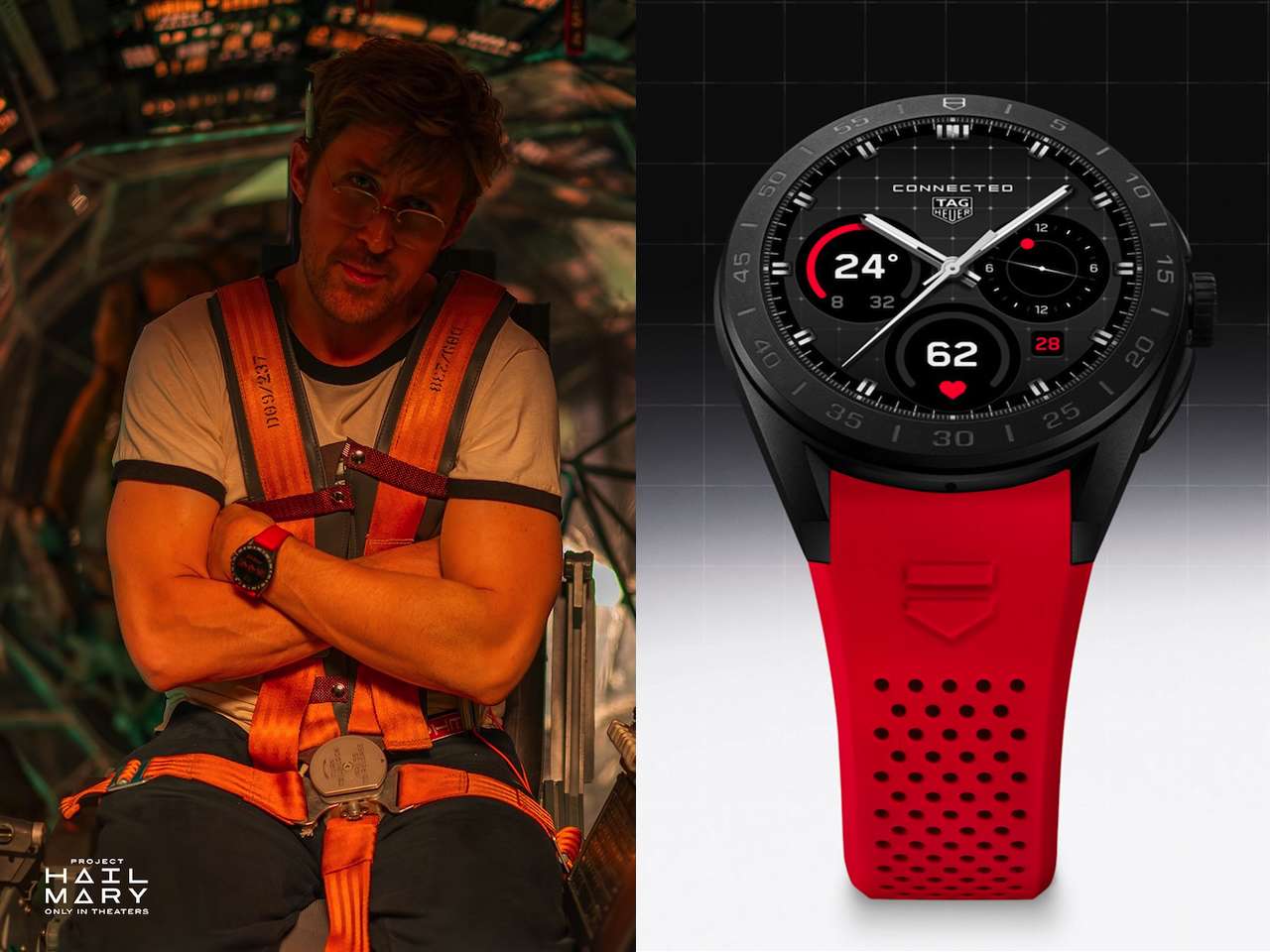
As seen in the film: Grace wears this smartwatch throughout the entire movie. It’s one of his only remaining companions and becomes a constant presence as he pieces together his mission.
Price: From $1,600
Where to Buy: Tag Heuer
TAG Heuer’s Connected Calibre E5 isn’t a typical fitness tracker. It’s a luxury smartwatch that treats the watch part as seriously as the smart part. The 45mm case comes in polished steel or DLC-coated titanium, topped with a ceramic bezel and sapphire crystal that give it the look and feel of a traditional TAG Heuer chronograph, while the OLED touchscreen handles notifications, GPS tracking, and wellness monitoring underneath. The choice to put a premium Swiss smartwatch on Grace’s wrist instead of a rugged field watch says something about the character and the film’s approach to technology. This isn’t survival cosplay. It’s practical equipment that happens to look refined.
For daily wear, the Calibre E5 runs TAG Heuer’s proprietary operating system and connects to both Android and iOS. Battery life stretches up to three days in low-power mode, with fast charging that gets you a full day’s worth in just 30 minutes. The interchangeable strap system lets you swap between steel bracelets and rubber bands without tools. You’ll notice the weight immediately. It sits heavier on the wrist than an Apple Watch, which some people love because it feels like wearing an actual timepiece rather than a screen that happens to tell time.
3. Fisher Space Pen AG7
Inspired by the film: Grace is a scientist running experiments in extreme conditions. Every astronaut since Apollo 7 has carried a Fisher Space Pen, and the AG7 is the original model that started it all.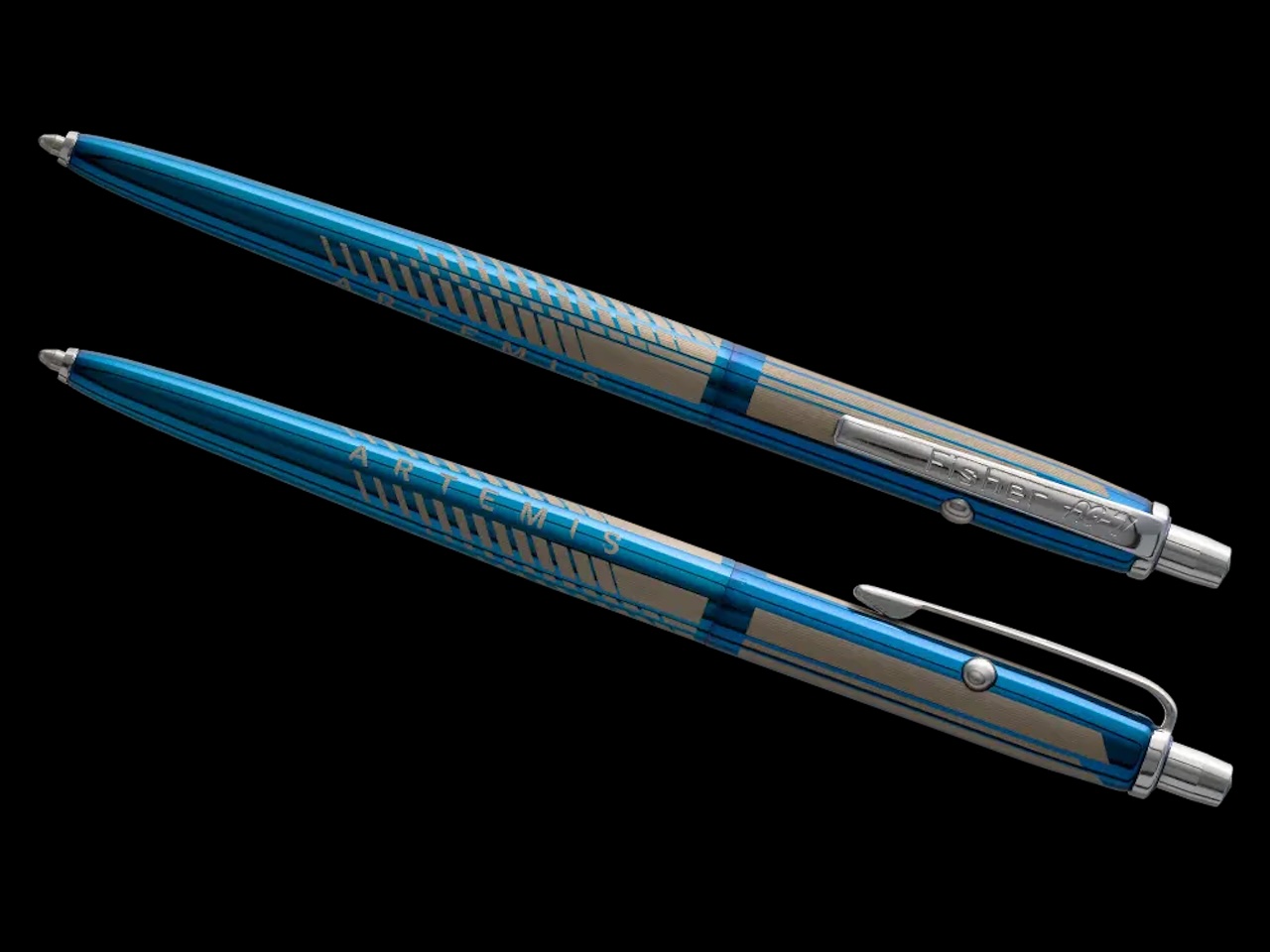
Price: $71.08 (From $79)
Where to Buy: Amazon
The AG7 uses a pressurized ink cartridge that writes in zero gravity, underwater, over grease, upside down, and in temperatures from negative 30 to 250 degrees Fahrenheit. Paul Fisher spent years in the early-to-mid 1960s developing the technology privately without government funding, and NASA selected it after two years of testing. It’s been on every crewed American space flight since 1968. That’s not marketing copy. It might be the longest continuous product endorsement in aerospace history.
You don’t need to leave the atmosphere to appreciate what this pen does. It writes on wet paper at a construction site. It works in a freezer if you’re labeling samples. It survives rattling around in a toolbox for years without drying out, because the pressurized cartridge doesn’t rely on gravity or capillary action to feed ink. The chrome body is smaller than you’d expect, roughly the size of a closed Sharpie, and it clips to a shirt pocket without catching on anything. At around $79, it costs more than a pack of Bics. It also lasts longer than roughly 300 packs of Bics.
4. Petzl Actik Core Headlamp
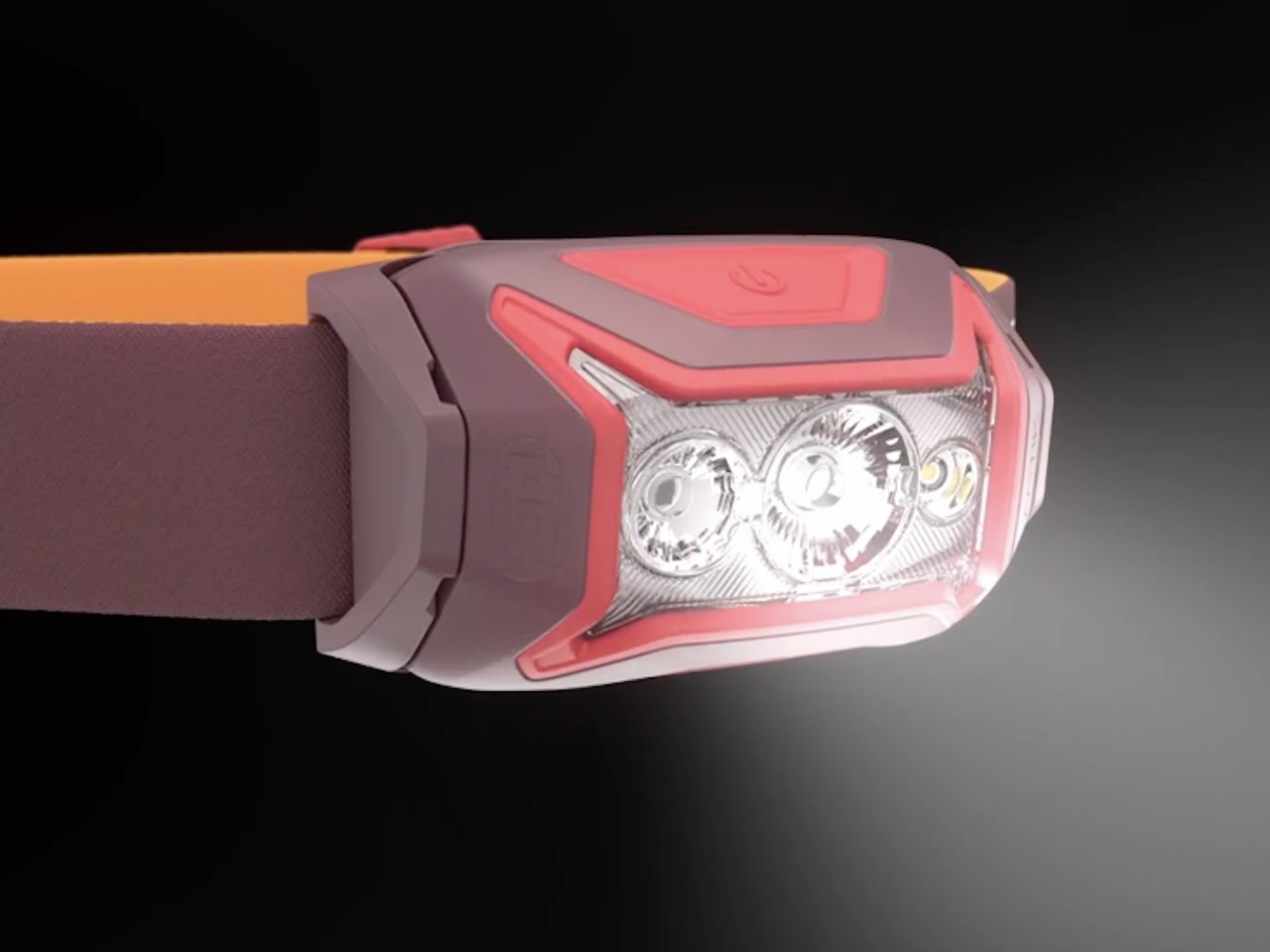
Inspired by the film: Grace spends half the movie crawling through tight sections of the ship, working on equipment in awkward positions where a handheld flashlight would be useless. Hands-free lighting isn’t a luxury on the Hail Mary. It’s mandatory.
Price: $84.90
Where to Buy: Amazon
The Actik Core puts out 625 lumens with a rechargeable battery that lasts up to 130 hours in low mode. It runs on a hybrid system that accepts both the included rechargeable core battery and standard AAA cells as backup. That redundancy matters. When your headlamp dies at the worst possible moment, popping in three AAAs from a drawer keeps you going. The red lighting mode preserves night vision without blinding everyone around you, which is a subtle detail that separates serious headlamps from cheap ones.
Petzl builds these for mountain guides and trail runners, so the 88-gram weight barely registers on your head during long sessions. The reflective headband adds visibility if you’re working near traffic or on a job site after dark. Lock mode prevents the lamp from switching on accidentally in a bag, which sounds minor until you reach into your pack and find a dead battery. For garage work, camping, power outages, or any situation where you need both hands and good light, this is the headlamp that professionals default to. It clips easily to a hard hat brim if your work requires one.
5. Rite in the Rain All-Weather Notebooks
Inspired by the film: Grace is a microbiologist running experiments aboard a ship with no IT department. When your data matters and your environment is unpredictable, you write it down on paper that can survive anything.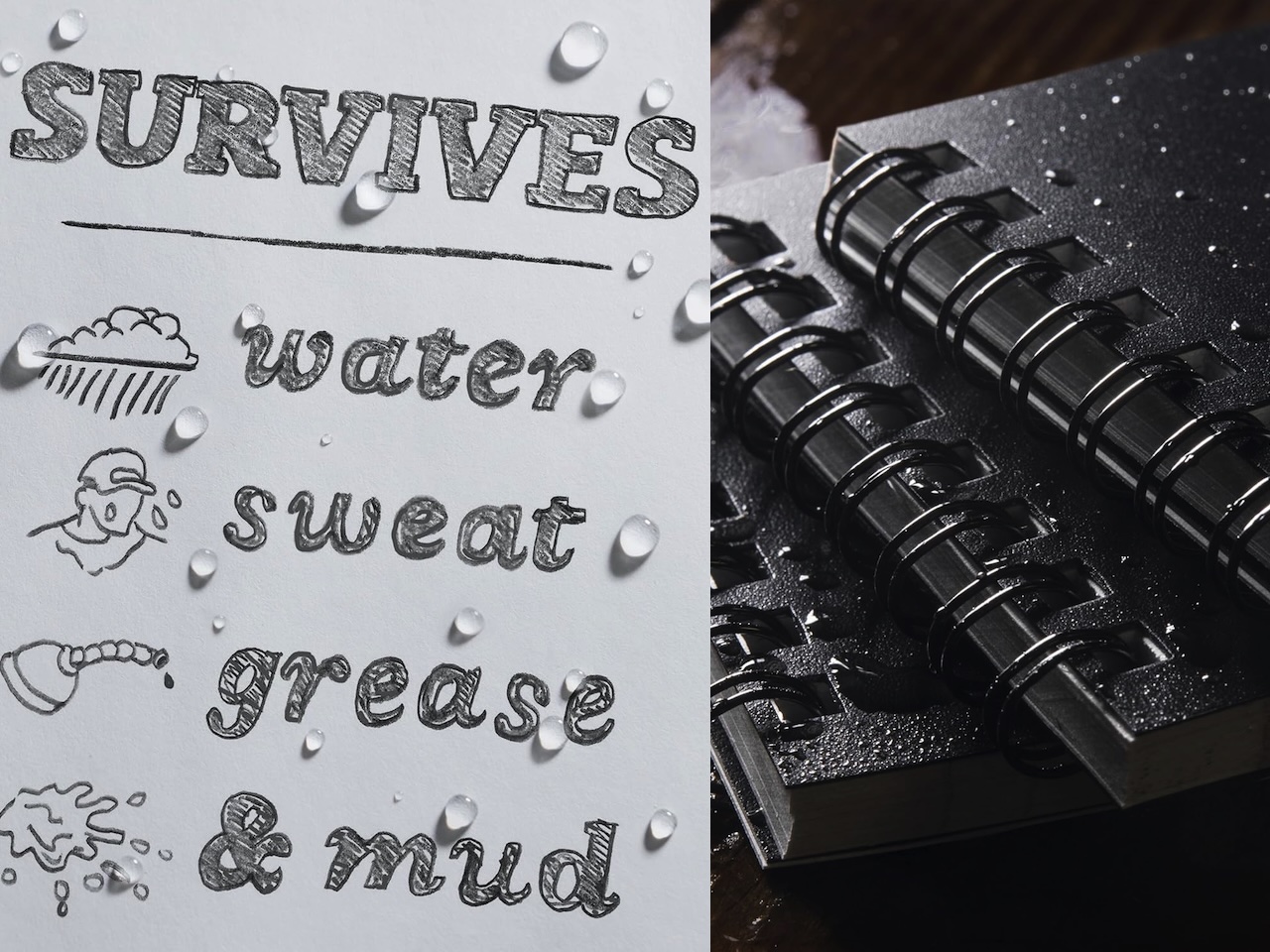
Price: $14.85
Where to Buy: Amazon
Rite in the Rain notebooks use a patented paper coating that sheds water, sweat, and most liquids without smearing or disintegrating. The U.S. military has issued them for decades. Field researchers, geologists, and forestry crews carry them because standard paper turns to mush the moment conditions get real. You can write on these pages in a downpour with a pencil, and the notes will still be legible when the pages dry.
The pocket-sized version of the notebook (No. 935, 3 x 5 inches) disappears into a back pocket or chest pocket and takes a beating without complaint. The covers are stiff enough to write against without a hard surface. Pair one with a Fisher Space Pen and you’ve got a note-taking system that works in every environment short of actual fire. For anyone who keeps a field notebook, job site log, or just wants a pocket pad that won’t fall apart in a humid workshop, these are a quiet upgrade that pays off the first time your notes survive something they shouldn’t have.
6. Benchmade Triage 916
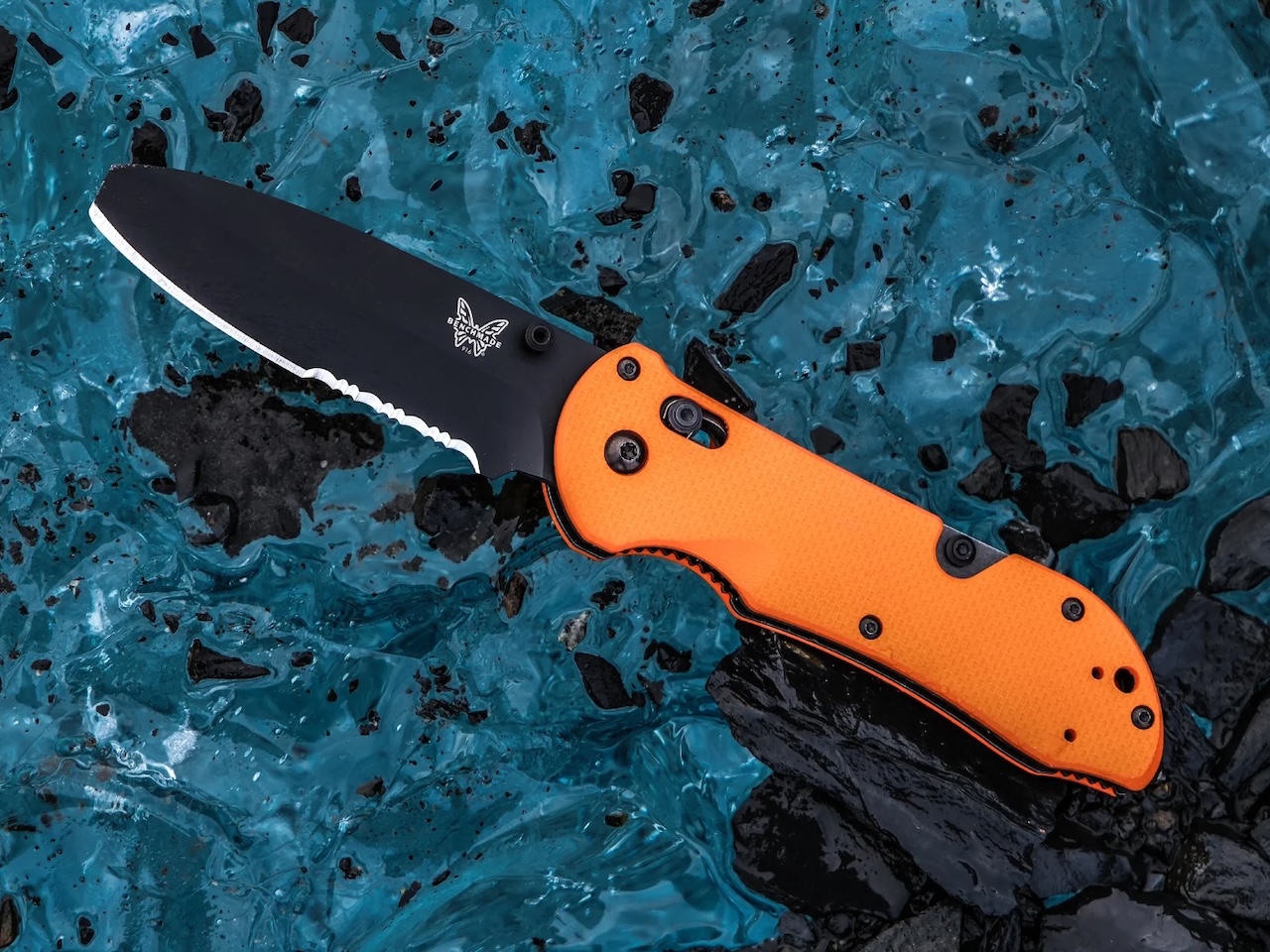
On the Artemis II mission: Every astronaut aboard Orion carried this knife stowed in their Crew Survival System spacesuit. NASA selected it for the same reason first responders have carried it for years: it works with thick gloves, won’t accidentally puncture anything, and cuts through straps and webbing fast.
Price: $325
Where to Buy: Amazon
The 916SBK-ORG is Benchmade’s blunt-tip rescue folder with a 3.4-inch N680 stainless steel blade, an ambidextrous AXIS lock, a folding rescue hook for cutting straps and webbing, and an integrated carbide glass breaker. The safety orange G10 handles are loud on purpose. You need to find this knife fast in a crisis.
Benchmade built it for firefighters, paramedics, and search-and-rescue teams. NASA tested it and decided their astronauts needed the same thing. The blunt tip won’t puncture a life raft, the AXIS lock won’t fail with wet or gloved hands, and the rescue hook cuts harness webbing without exposing a sharp edge. The orange variant sold out almost immediately after the Artemis II announcement. The black version runs $325 direct from Benchmade with identical functionality.
7. Nalgene Wide Mouth Bottle (32 oz)
Inspired by the film: Grace is a molecular biologist who spent years in a lab before waking up on the Hail Mary. Nalgene bottles were literally born in that same world, originally made for scientists who needed shatterproof containers that could handle chemicals, extreme temps, and rough handling.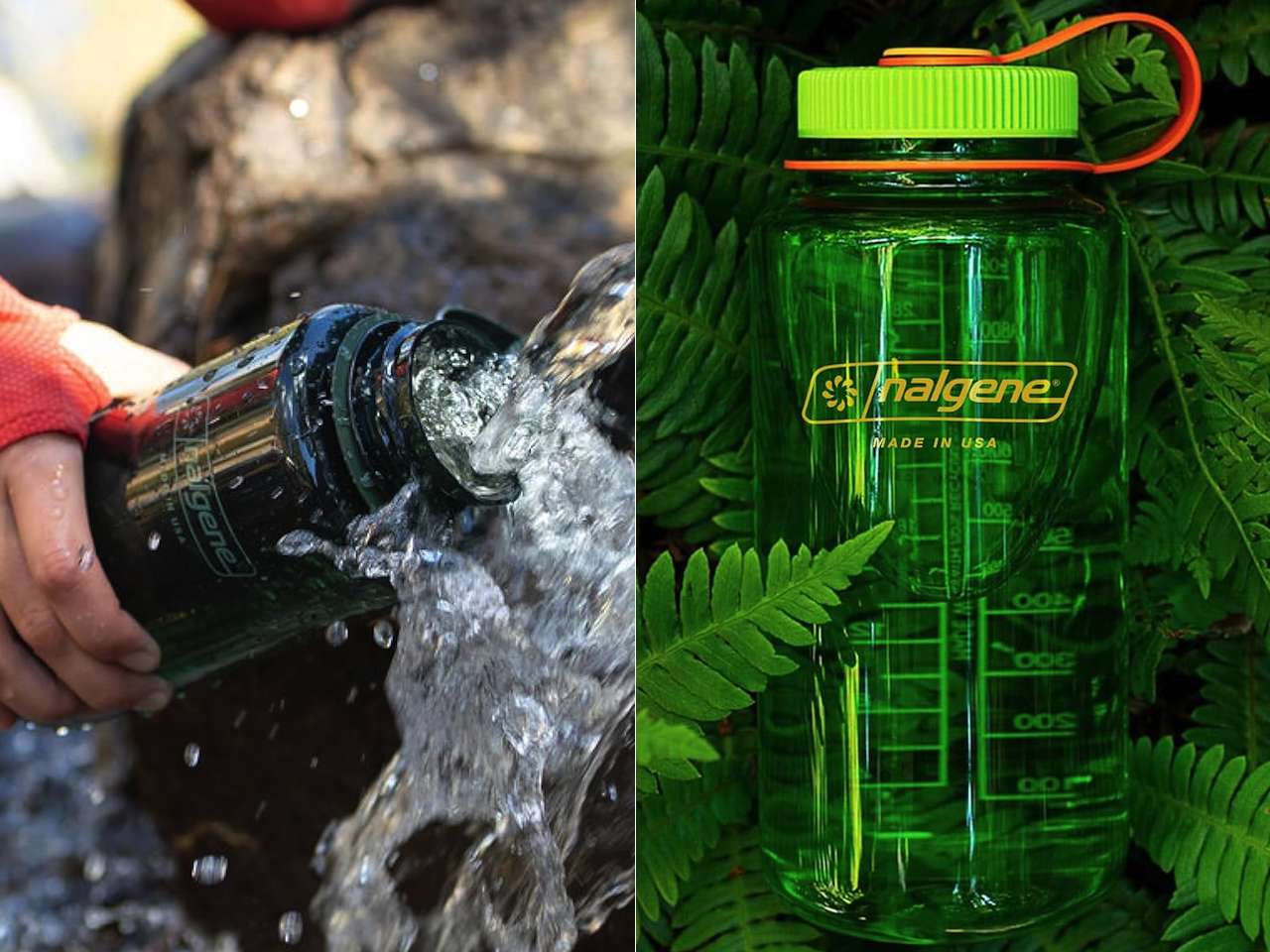
Price: $16.99
Where to Buy: Amazon
Nalgene started as a laboratory supply company in 1949 before outdoor enthusiasts discovered that the same properties making their bottles ideal for chemical storage also made them indestructible water bottles. The 32-ounce wide mouth is made from BPA-free Tritan copolyester, survives drops onto concrete, tolerates boiling water for camp meals, and doesn’t retain flavors or odors after years of use. The wide opening fits ice cubes and makes cleaning easy, which sounds basic until you’ve scrubbed the inside of a narrow-mouth bottle with a bent pipe cleaner for the hundredth time.
The graduated markings on the side come from those lab roots, letting you measure liquids without a separate cup. Climbers, hikers, and lab techs have relied on these water bottles for decades. They’re not insulated, which means your water won’t stay cold for six hours like a vacuum bottle. What they will do is survive being dropped off a tailgate, kicked across a garage floor, and stuffed into an overpacked bag thousands of times without cracking, leaking, or developing that mysterious smell. At below $20, they’re also cheap enough to own three and not worry about losing one.
8. Kapton Tape
Inspired by the film: Every improvised repair aboard the Hail Mary reflects a philosophy that simple, reliable materials beat complex solutions. Kapton tape is the actual polyimide film tape used on spacecraft, satellites, and the James Webb Space Telescope. You can buy it on Amazon for less than $10.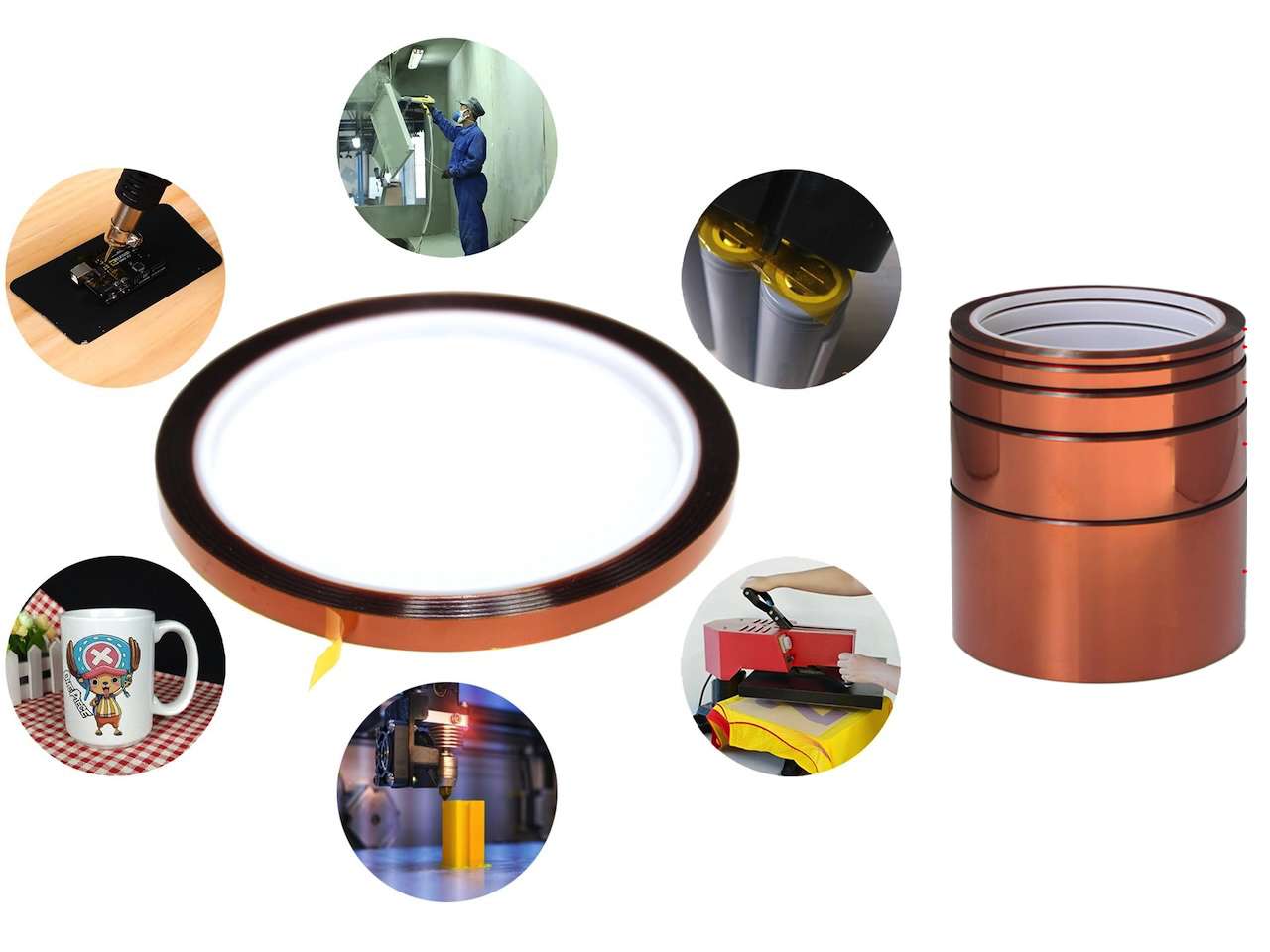
Price: $3.99
Where to Buy: Amazon
Developed by DuPont, Kapton tape handles temperatures from negative 269 to 400 degrees Celsius without degrading, losing adhesion, or melting. NASA wraps it around cable harnesses, thermal blankets, and sensitive components on every spacecraft they build. It’s electrically insulating, chemically stable, and thin enough to apply in tight spaces where traditional tapes would be too bulky. The amber color is iconic if you’ve ever seen photos of satellite assembly or ISS repair work.
On Earth, electronics hobbyists use it as a heat shield during soldering, 3D printing enthusiasts apply it to build plates for better adhesion, and makers wrap it around components that need thermal protection during rework. It won’t leave residue when removed, which matters when you’re taping near circuit boards or sensitive surfaces. A single roll lasts forever because you rarely need more than a few inches at a time. It’s the kind of unglamorous, mission-critical supply that sits in a drawer until the moment you need something that absolutely cannot fail under heat or stress. Then it’s the only thing you reach for.
Why this gear matters
Project Hail Mary builds its entire visual language around the idea that the most advanced tool is the one you can trust with your eyes closed. Physical controls, proven materials, commercially tested equipment. The film argues that when the stakes are high, you don’t reach for the newest thing. You reach for the thing that works every single time.
That philosophy translates directly to these eight picks. None of them are flashy. A Leatherman, a headlamp, a notebook, some tape. They’re the kind of gear that sits in a drawer or clips to a belt and quietly handles whatever you throw at it. Grace didn’t save humanity with a holographic display. He saved it with pliers, a sharp blade, and the willingness to fix things himself.
The best gadgets aren’t the ones that impress people. They’re the ones that disappear into your routine until the moment they matter, and then they’re the only thing standing between you and a problem that needs solving right now.


Gadgeteer Comment Policy - Please read before commenting
Good range of tools, thanks.
10:1 Infrared Temp-Gun (Model 2267-20)
Is used in the scene where Rocky and Grace analyze the Astrophage sample from Tau Ceti-E/Adrian