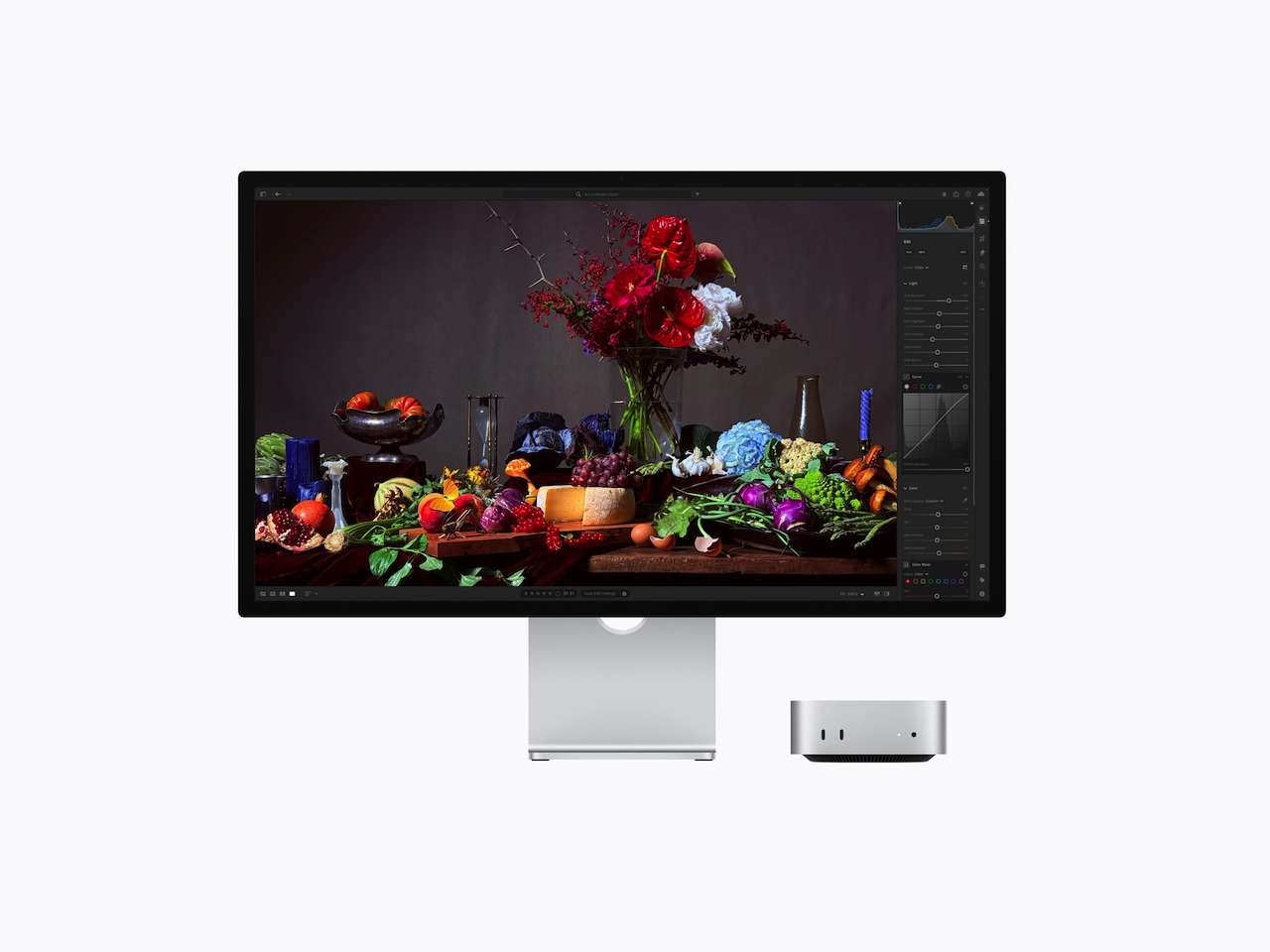
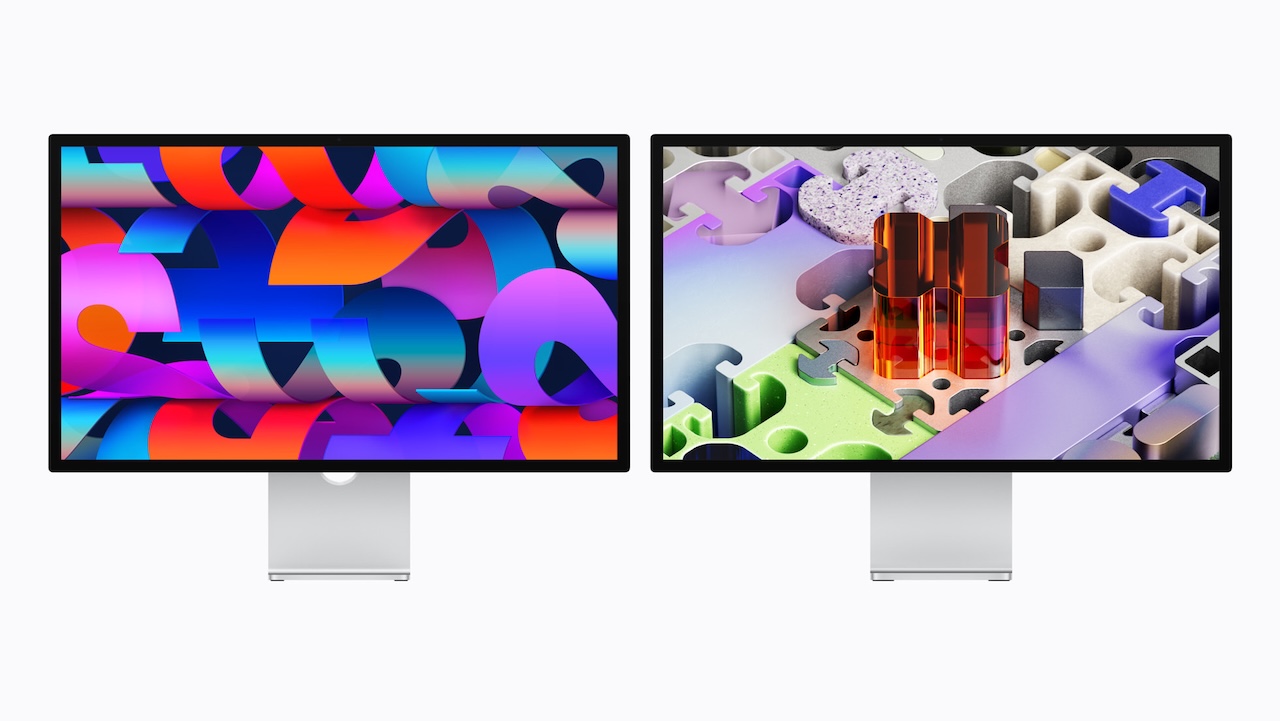
ARTICLE – The Pro Display XDR had a nearly seven-year run as Apple’s top-tier monitor, a 32-inch 6K display priced at $4,999 and aimed at filmmakers, colorists, and the kind of professionals who didn’t flinch at a $999 stand. That chapter closed on March 3, 2026, when Apple introduced the Studio Display XDR, a 27-inch 5K Retina display with mini-LED backlighting, 2,304 local dimming zones, and a starting price of $3,299. The Pro Display XDR and its infamous Pro Stand have both been discontinued.
Price: From $3,299
Where to Buy: Apple
What makes the replacement interesting isn’t the price cut alone. Apple managed to pack more capability into a smaller, more accessible package while quietly addressing several complaints that trailed the Pro Display XDR throughout its entire lifecycle. The trade-off worth flagging: you’re going from a 32-inch 6K panel to a 27-inch 5K one, so screen real estate and pixel count both took a step back.
Mini-LED and the numbers that matter
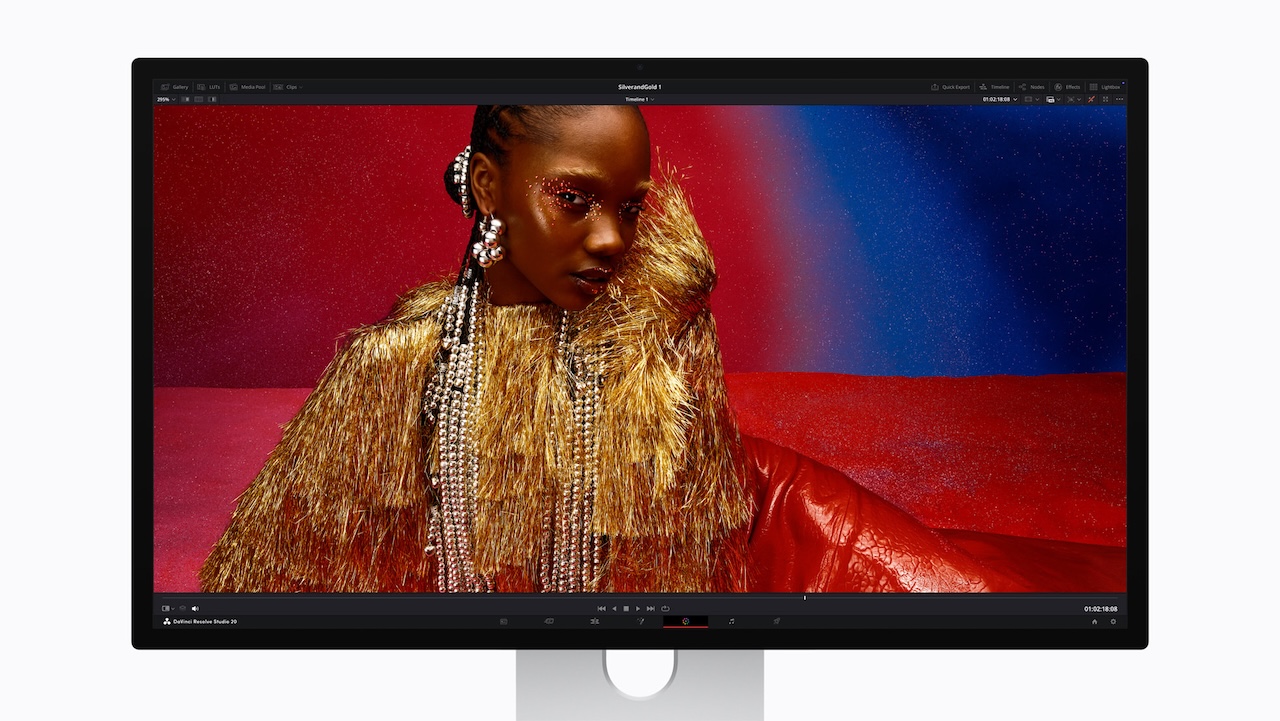
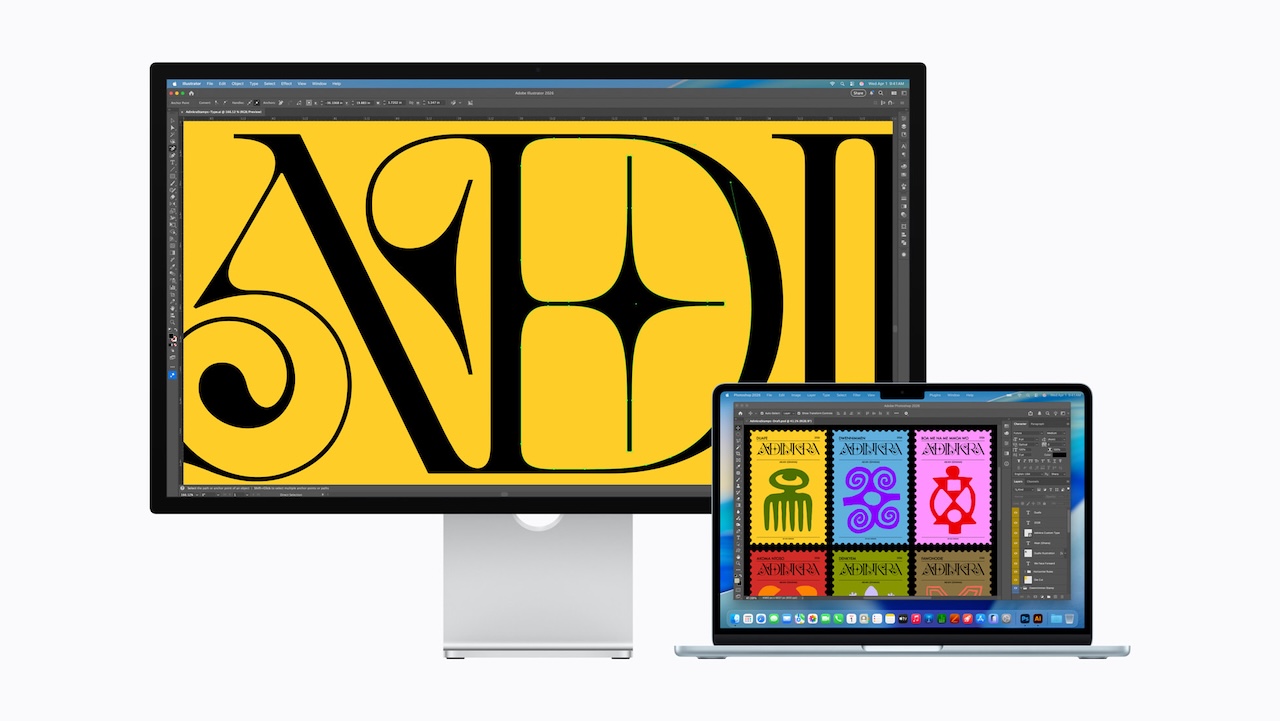
The Studio Display XDR runs a mini-LED backlight with 2,304 local dimming zones, delivering 1,000 nits of sustained SDR brightness and 2,000 nits of peak HDR brightness. The contrast ratio hits 1,000,000:1, which puts it in the same class the Pro Display XDR occupied. Color gamut coverage spans P3, Adobe RGB, and more than 80 percent of Rec. 2020, a set of numbers that translates directly into more accurate color work across video, photography, and design workflows.
Sixteen reference modes ship built in, covering HDR Video, Digital Cinema, Design and Print, and Photography. The unexpected addition is Medical Imaging. Apple included DICOM-compliant presets for diagnostic radiology, with a Medical Imaging Calibrator pending FDA clearance. It can’t be used for mammography, but clinical imaging support in a $3,299 display aimed at creative professionals says something about where Apple sees this product sitting in the market.
The 120Hz catch
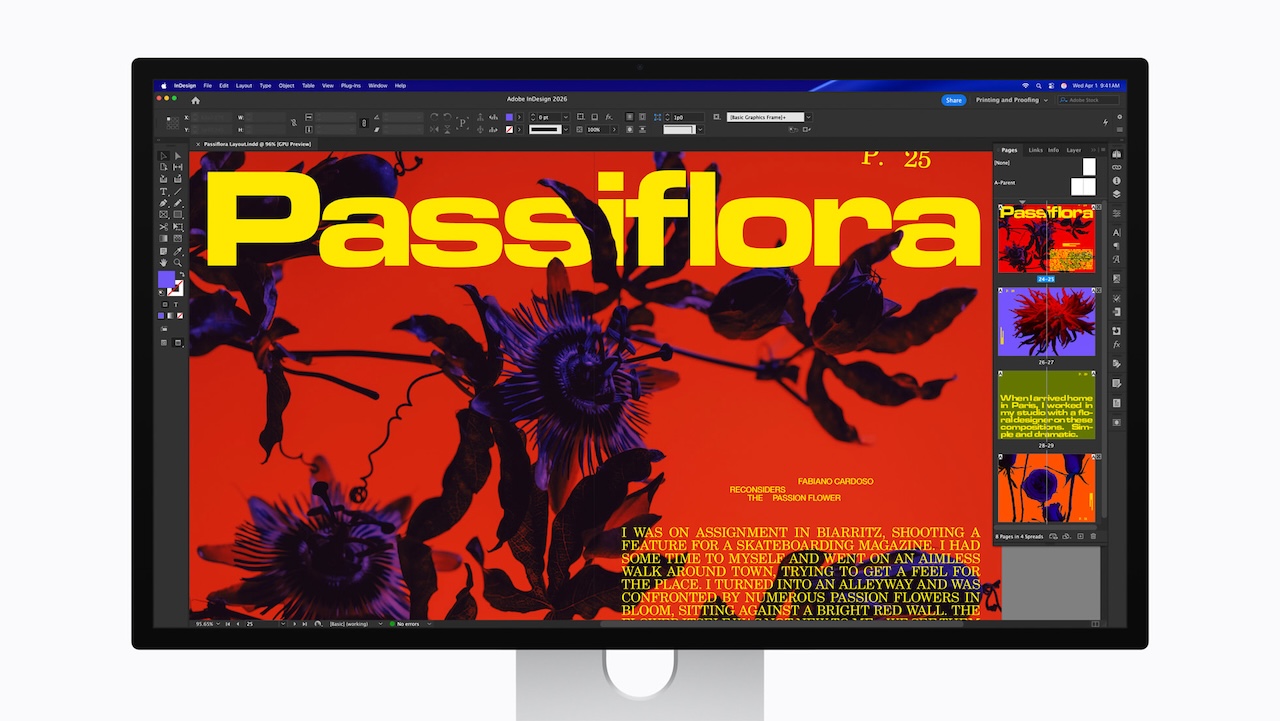
ProMotion with Adaptive Sync is the feature most people will notice on day one. The refresh rate scales between 47Hz and 120Hz depending on what’s happening on screen, meaning smoother scrolling, cleaner video scrubbing, and more responsive cursor tracking across the board. Here’s where it gets tricky, though. You need a Mac with an M3 Pro, M3 Max, or any M4-generation chip or newer to actually get 120Hz output. Older Apple silicon, including the M1, M1 Pro, M1 Max, M1 Ultra, M2, and the base M3, tops out at 60Hz. That’s a detail you want to know before committing $3,299 while expecting the full experience from an existing setup.
Thunderbolt 5 and the clean desk pitch
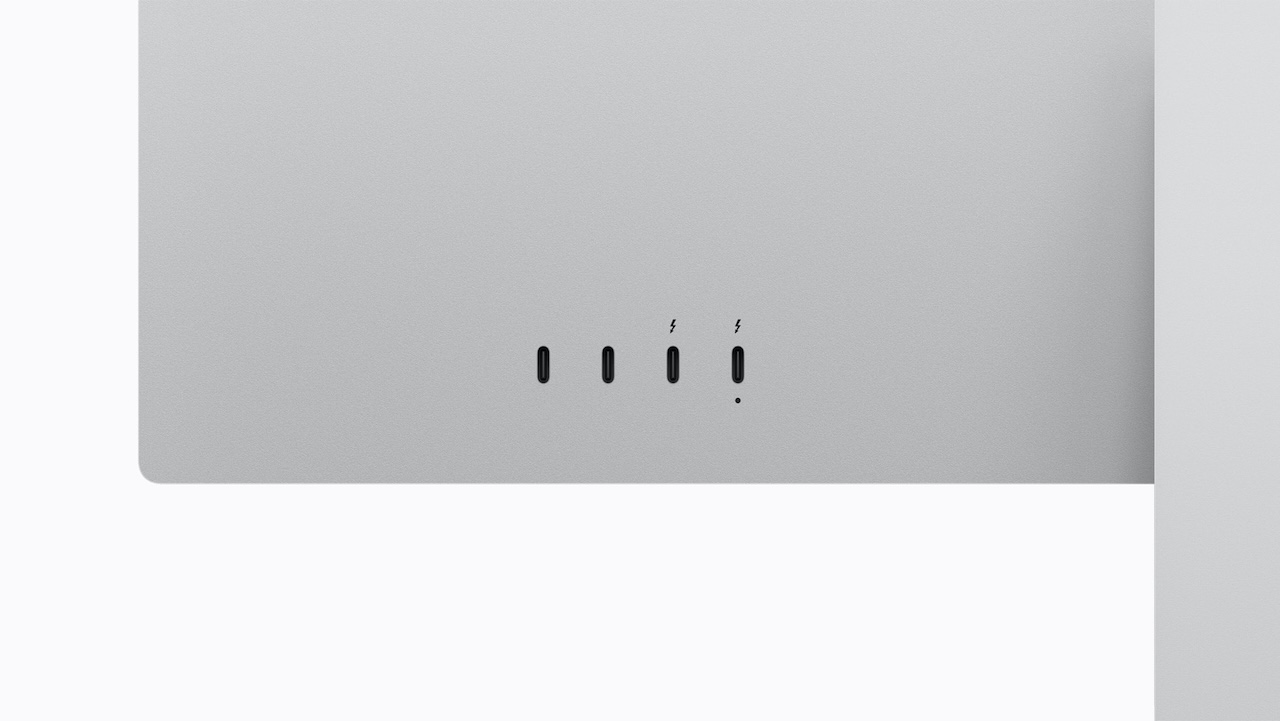
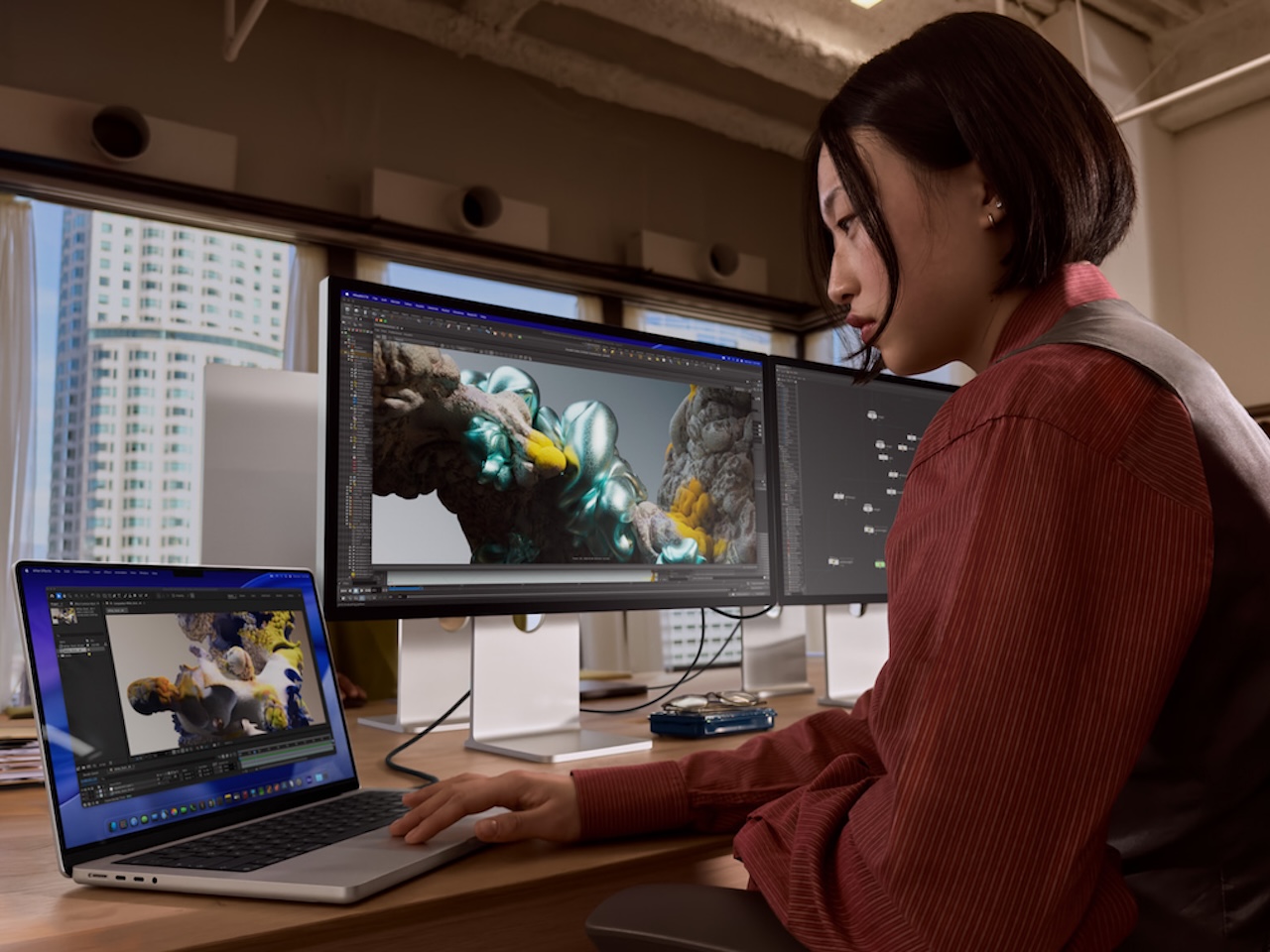
Apple’s entire new display lineup ships with Thunderbolt 5, and the XDR model makes the most of it. Two TB5 ports and two USB-C ports sit on the back, and the display can push up to 140 watts of charging to a connected MacBook. That’s enough to power even the most demanding MacBook Pro without a separate charger, which fundamentally changes what a desk setup needs to look like.
The built-in camera got a meaningful upgrade too. A 12MP ultrawide with Center Stage now includes Desk View, letting the camera show both your face and whatever sits on the desk in front of you during video calls. A six-speaker system supports Spatial Audio with Dolby Atmos, and a three-microphone array handles voice pickup. None of these features break new ground on their own, but the combination means you can run a single-cable desk with the display and a MacBook, no external webcam, no separate speakers, no additional microphone unless you want one.
The stand situation
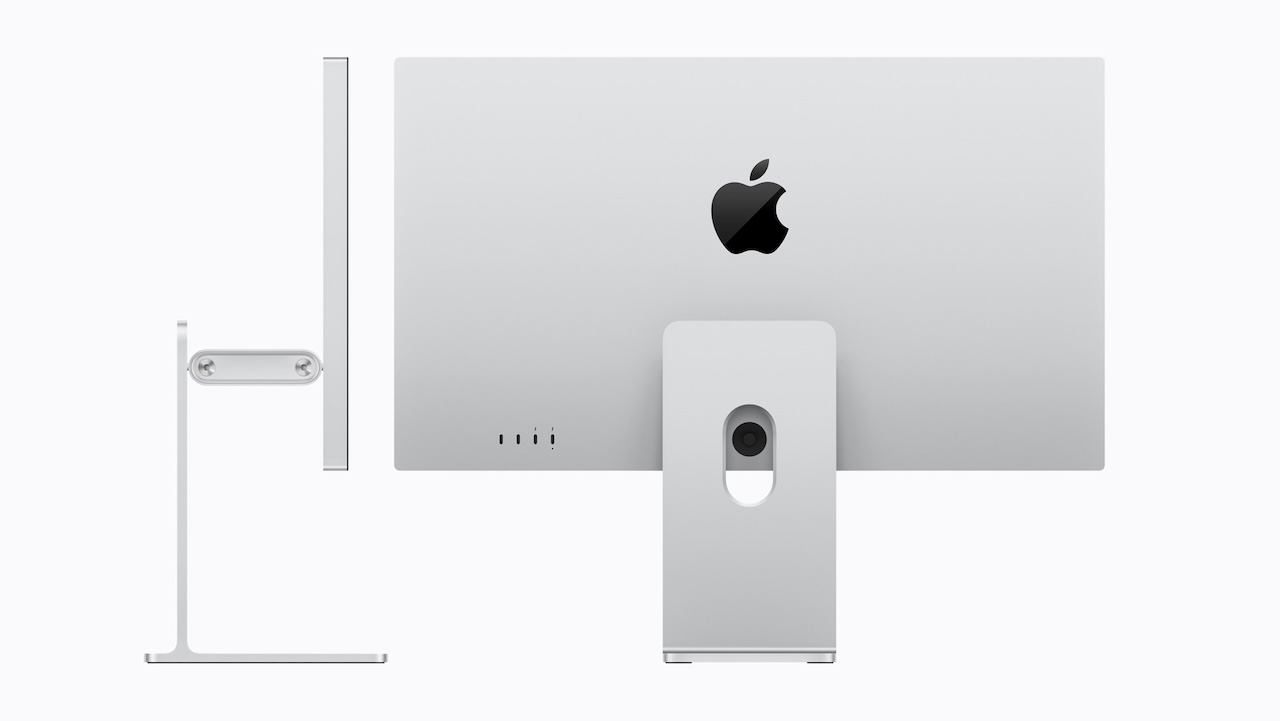 This one matters because of the backstory. When Apple launched the Pro Display XDR in 2019, the $999 Pro Stand became one of the most mocked product announcements in recent tech history, so the fact that the Studio Display XDR ships with a tilt- and height-adjustable stand included in the box feels deliberate. It offers 105mm of height range on a counterbalanced arm, with an optional VESA mount adapter for different mounting setups. The stand controversy was always more about perception than engineering, but Apple clearly absorbed the feedback.
The rest of the lineup
Apple also refreshed the standard Studio Display alongside this launch. That model comes in at $1,599 with a 27-inch 5K panel, 600 nits of brightness, 60Hz, Thunderbolt 5 connectivity, and the same 12MP Center Stage camera with Desk View. It delivers 96 watts of charging and supports daisy-chaining up to four displays, making it a practical option for multi-monitor setups without the HDR or high refresh rate premium.
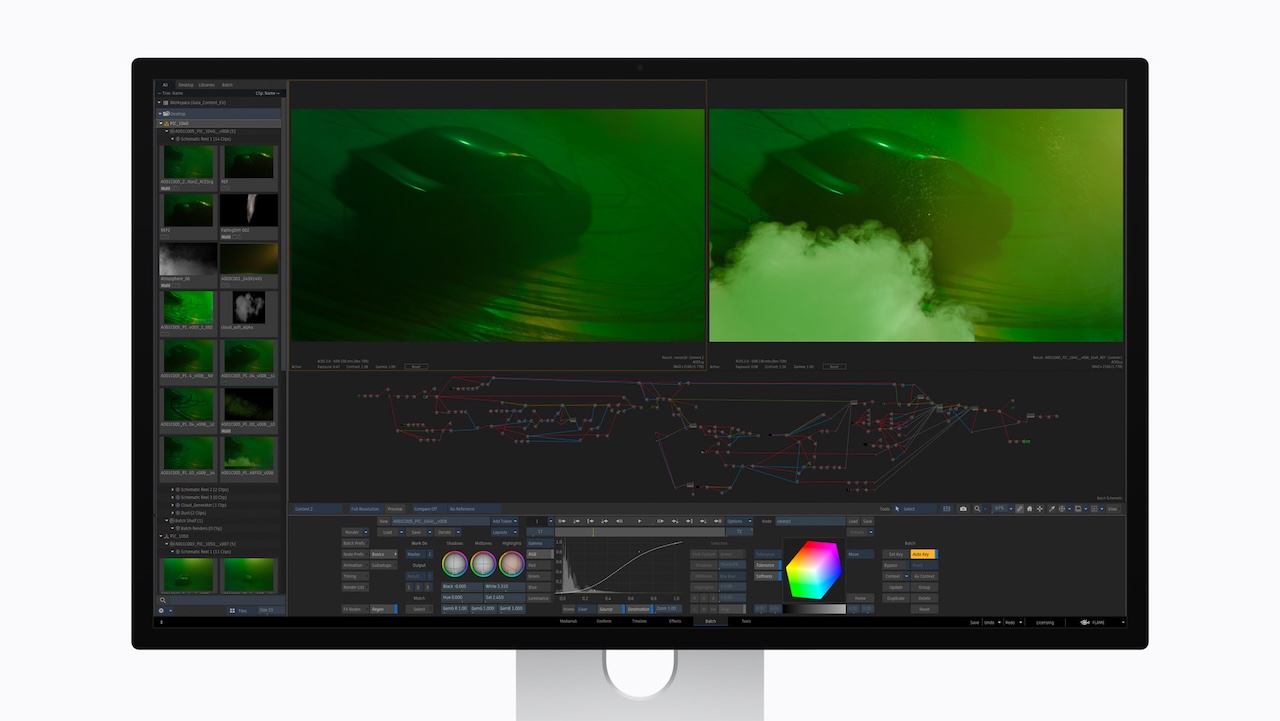
The Studio Display XDR arrived alongside updated M5 Pro and M5 Max MacBook Pros and the M5 MacBook Air, part of a broader hardware refresh that positions the new display as the centerpiece of Apple’s pro desktop experience. On the environmental front, the stand uses 100 percent recycled aluminum, the glass incorporates 80 percent recycled content, and all packaging is fiber-based.
Price: From $3,299
Where to Buy: Apple
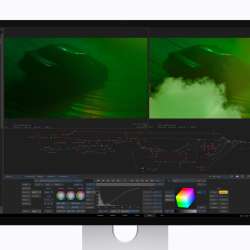
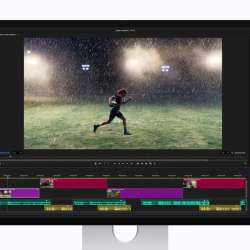
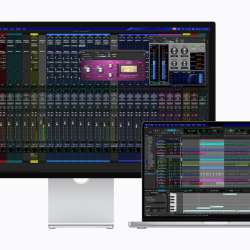
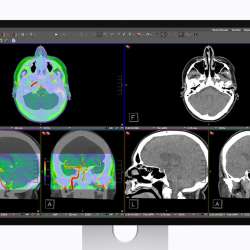
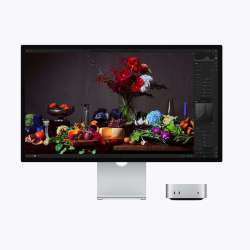
Pre-orders for the Apple Studio Display XDR open March 4, with shipping starting March 11 across 35 countries. The standard glass model runs $3,299, nano-texture glass comes in at $3,599, and education pricing starts at $3,199. It works with all Apple silicon Macs running macOS Tahoe 26.3.1 or later, and with iPad Pro (M4 and M5), earlier iPad Pro 11-inch and 12.9-inch models, and iPad Air (5th generation and M2 through M4) on iPadOS 26.3.1. Apple’s John Ternus called it “by far the world’s best pro display,” and at $1,700 less than the monitor it replaces with stronger specs in nearly every category that matters, the Studio Display XDR doesn’t need to be perfect to make a compelling entrance.