For most of Matter’s short life, the smart home standard had a glaring blind spot: cameras and doorbells. Lights, plugs, locks, thermostats, blinds: all good. The devices most people actually picture when they hear “smart home security,” not so much. That changed on November 20, 2025, when the Connectivity Standards Alliance (CSA) finalized Matter 1.5 with full support for cameras, video doorbells, and intercoms. A maintenance update, Matter 1.5.1, followed on March 31, 2026. Now, with the CSA’s first Unify event happening June 16–18 in Austin, the first wave of certified hardware is finally on shelves. Here’s what changes, and what still doesn’t.
The missing piece nobody could ignore
Before Matter 1.5, security cameras were the awkward stepchild of the smart home. A $25 Matter bulb worked across Alexa, Google Home, Apple Home, and SmartThings simultaneously, but the $200 camera above your front door was locked to one app. The technical reason: streaming video, two-way audio, and motion events needed a richer device model than Matter’s 1.0 spec offered. The practical reason: camera makers earned recurring revenue from their own cloud subscriptions and weren’t eager to make hardware easy to swap. Matter 1.5 adds the cluster definitions, a WebRTC-based media streaming framework, and the event model needed to treat cameras as first-class citizens.
What Matter 1.5 actually certifies
Matter 1.5 covers three device types: standalone security cameras (indoor and outdoor), video doorbells, and intercoms. The spec defines how live video, motion events, person and package detection, and two-way audio are exposed to any Matter controller, with the long-term promise that Apple Home, Google Home, Alexa, SmartThings, and Home Assistant will all read the same camera the same way.
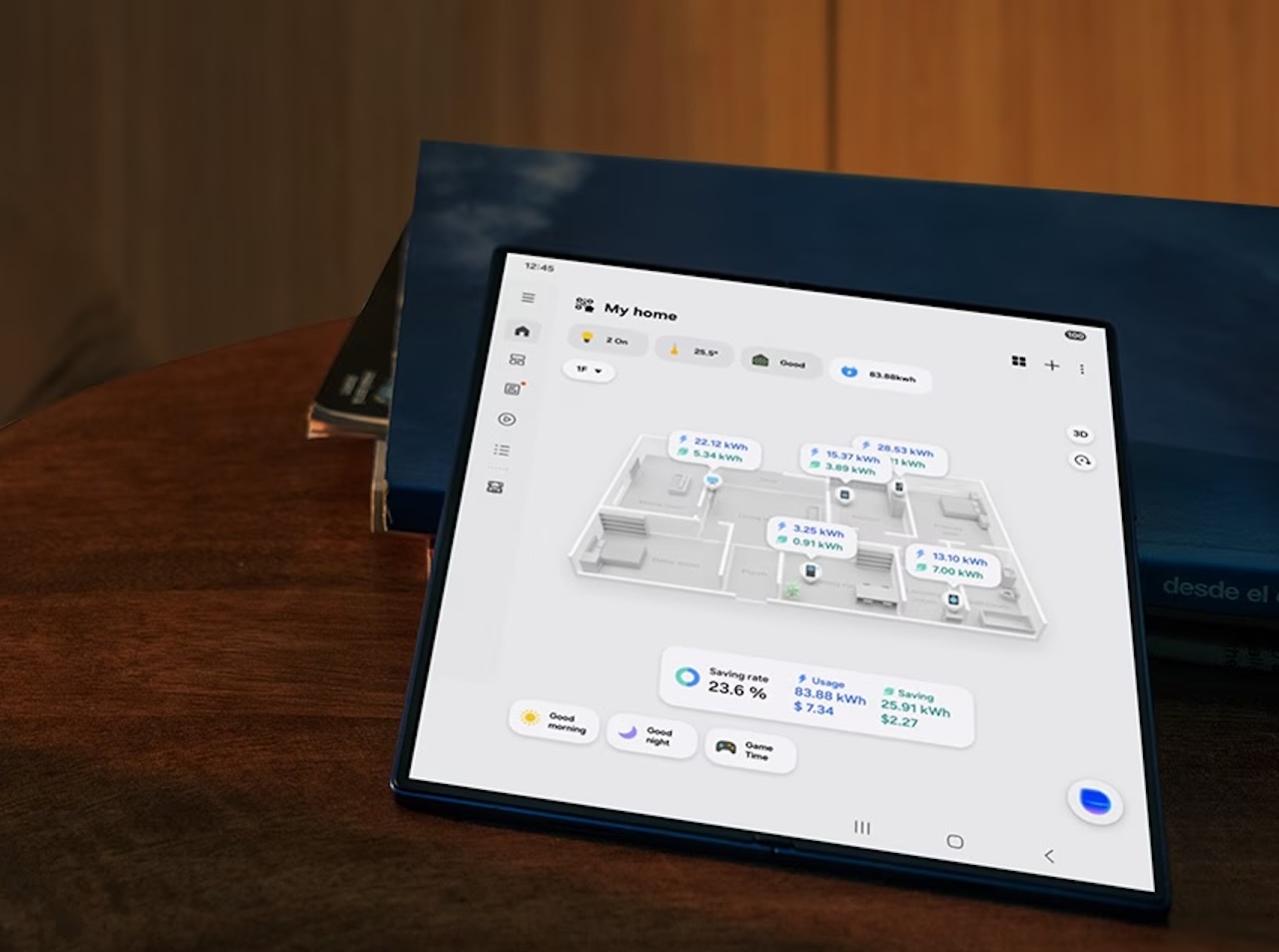 As of early June 2026, that’s still a promise more than a reality: Samsung SmartThings is the only major controller that has shipped Matter 1.5 camera support. Apple, Google, and Amazon are expected to follow, but all three have been historically slow on new Matter device types. The spec also standardizes basics like privacy shutters, recording state, and night-vision toggles. It doesn’t standardize the back end: how footage is stored, where AI runs, and what sits behind a subscription. Matter 1.5 is a universal remote: the buttons work everywhere, but the channels you can watch still depend on whose box you bought.
Why Unify in Austin matters
 The CSA’s inaugural Unify event runs June 16–18 in Austin, Matter’s first dedicated trade show. Expect three things. First, certified hardware announcements from Aqara and TP-Link Tapo, plus possible entries from Eve or other Matter-aligned brands. Second, controller updates from the big platforms; the apps you actually use day-to-day need to ship Matter 1.5 support before any of this matters, and Apple, Google, and Amazon have been quiet on timelines. Third, interop demos showing the same camera in more than one ecosystem. If a brand can’t pull that off on the show floor, expect their early certified hardware to ship rough.
What interoperability really changes for buyers
Here’s the practical shift Matter 1.5 is built to deliver, once everyone catches up. Today, if you have a Nest doorbell, you live in the Google Home app: notifications, recordings, and settings all live there, and the device basically doesn’t exist outside that ecosystem (Apple Home users can’t see it natively without a paid third-party bridge like Starling Home Hub). SmartThings is the only major controller that exposes Matter 1.5 cameras right now. Once Apple Home, Google Home, and Alexa ship Matter 1.5 camera support to match, a certified camera can show up in every Matter controller with a shared baseline: live view, motion alerts, recording toggles, two-way talk. You keep the manufacturer’s app for advanced AI and cloud history, while your partner runs alerts through Google Home, your kid checks the front door from Apple Home, and your automations live in SmartThings or Alexa, all from one camera. That’s the real unlock, even if, as of mid-2026, only the SmartThings half of it is live.
The gaps Matter 1.5 doesn’t close
Matter 1.5 is interoperability, not equality. Cloud storage is still a per-brand subscription, and Matter doesn’t standardize where 24/7 recordings live or how long they’re kept. Advanced AI features like facial recognition, package detection, and vehicle alerts remain proprietary and usually paywalled. Local recording to NAS or microSD is still vendor-specific. Privacy policies are a patchwork: one Matter-certified camera may keep video in the EU under GDPR while another routes it through US servers. Matter 1.5 doesn’t change the homework you need to do before buying. It just means the camera will work with whatever app your household uses.
Matter 1.5 cameras and doorbells you can buy now
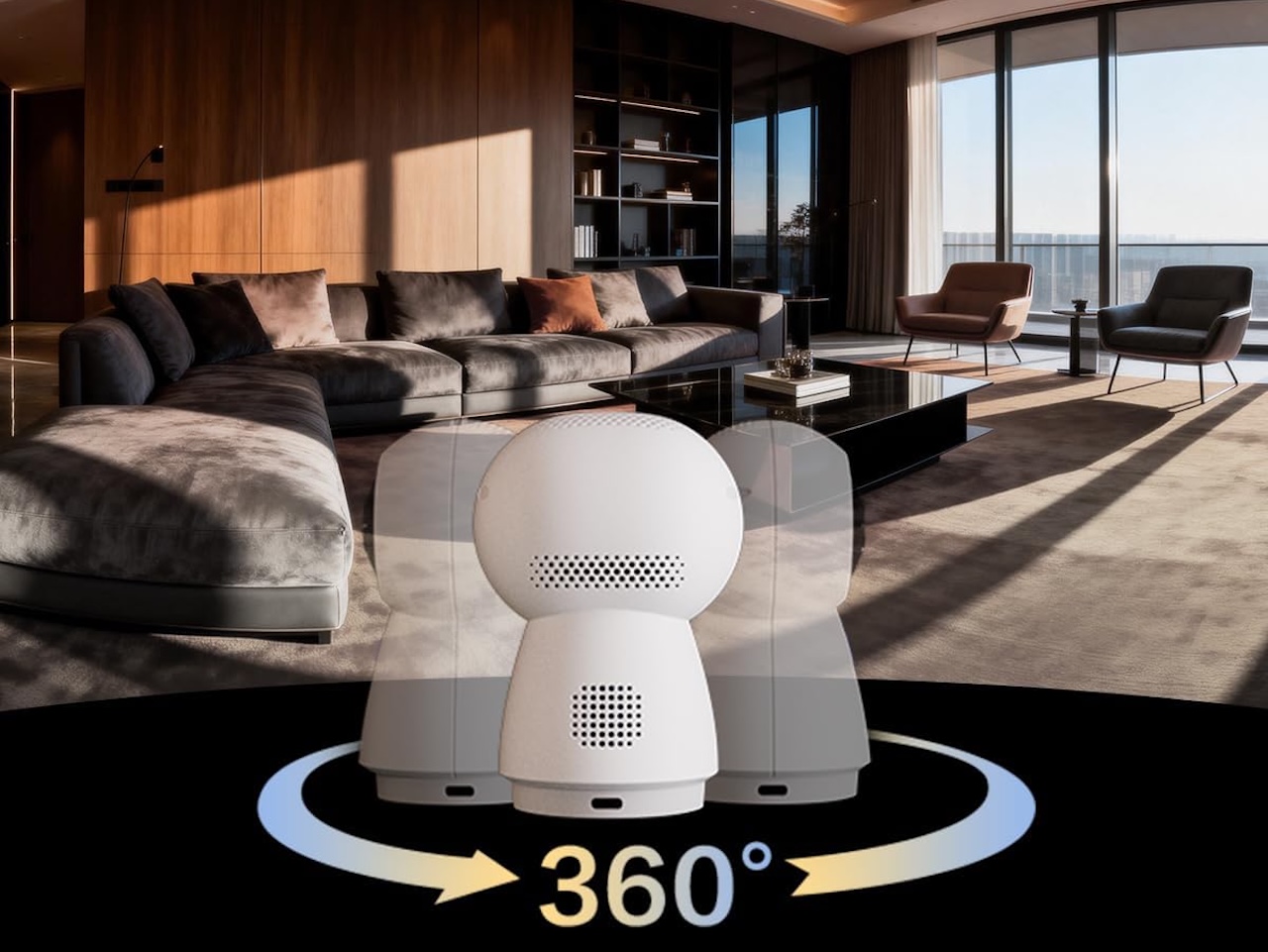
Price: $139.99 (Aqara Camera Hub G350)
Where to Buy: Amazon
The headline pick is the Aqara Camera Hub G350, the world’s first Matter-certified camera, shipping since March 2026. It’s a dual-lens 4K indoor cam with PTZ, 9x hybrid zoom, a Thread Border Router, HomeKit Secure Video, and Zigbee hub functionality. Reviewers at The Verge and 9to5Mac confirmed Matter onboarding works, but for now only via SmartThings. Aqara has confirmed beta Matter support is rolling out to the G5 Pro, M3, and G100.
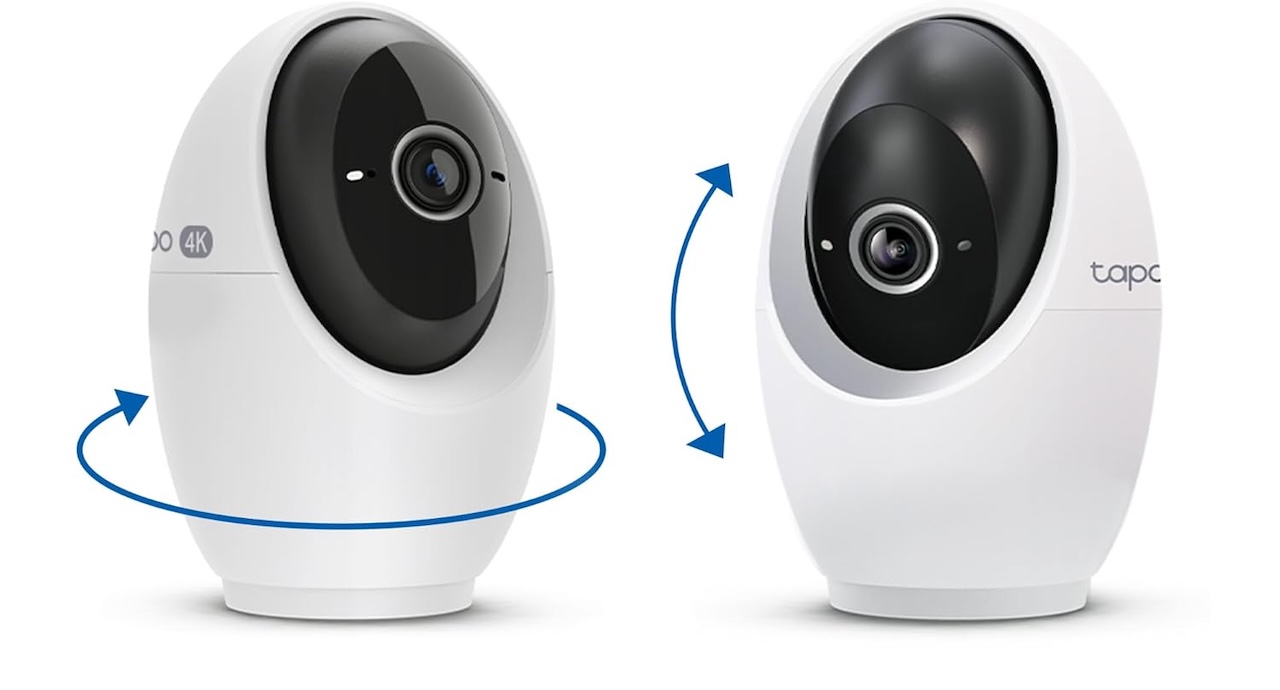
Price: From $49.97 (TP-Link Tapo C260)
Where to Buy: Amazon
TP-Link Tapo has named the C260, C560WS, and C660 Kit as first-wave models, with firmware coming after Matter 1.5 controllers light up more ecosystems.
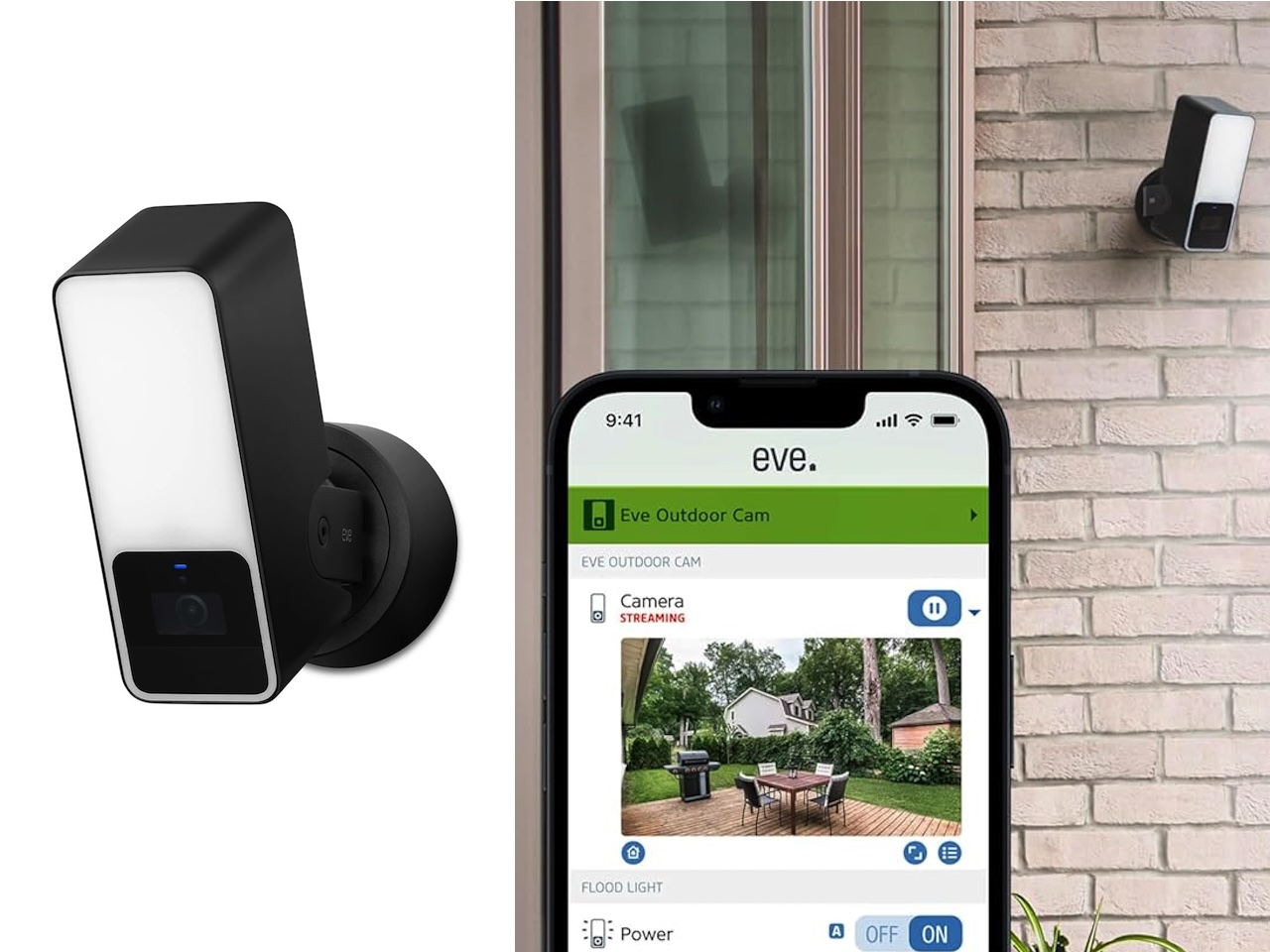
Price: From $219.99 (Eve Outdoor Cam)
Where to Buy: Amazon
Eve lists the Eve Cam and Eve Outdoor Cam on its Matter roadmap but has told The Verge a Matter retrofit of current hardware is unlikely; new Matter-enabled models are the likelier path.
Reolink, Eufy, and Arlo haven’t publicly committed to Matter 1.5 cameras yet; Eufy’s Matter support so far is locks only. Notably absent: Ring, Nest, and Blink. Amazon and Google have committed to Matter 1.5 controller support but stayed quiet on certifying their own cameras, likely because it weakens subscription lock-in.
What to check before buying a Matter security camera
Three things. Controller support: the biggest gotcha right now. SmartThings is the only major platform with shipping Matter 1.5 camera support as of early June 2026; Apple, Google, and Amazon have all committed Matter 1.5 controller support across their hub lineups (HomePod/Apple TV, Echo Hub, Nest Hub Max) but hadn’t yet enabled it. If your home runs on Apple Home or Google Home today, a Matter-certified camera will technically work but feel limited until your hub catches up. Home Assistant doesn’t support Matter 1.5 cameras either, though direct integrations like RTSP usually work as a fallback.
Transport: Matter 1.5 cameras stream video over WebRTC on Wi-Fi or Ethernet (not Thread), so make sure your network can carry the load with several 2K or 4K streams.
Power: outdoor models split between wired, solar, and rechargeable battery; battery cams have stricter continuous-recording limits even when the standard supports it.
Upgrade now, or wait it out
If you’re already shopping and your current cameras feel stuck in one app, Matter 1.5 hardware from Aqara or Tapo is worth a look this summer, especially if SmartThings is in your stack. First-wave certified hardware will be the first realistic exit from single-app lock-in once Apple, Google, and Amazon actually ship Matter 1.5 camera support to match what SmartThings already offers.
If your setup works fine and you’re loyal to Ring or Nest, wait. Q4 2026 should bring a second wave of certified hardware, likely lower prices on first-gen models, and clearer answers on whether the big US incumbents are joining the standard. Either way, this is the first summer where “interoperable security camera” stops being a keynote slide and starts being something you can put on your front porch.