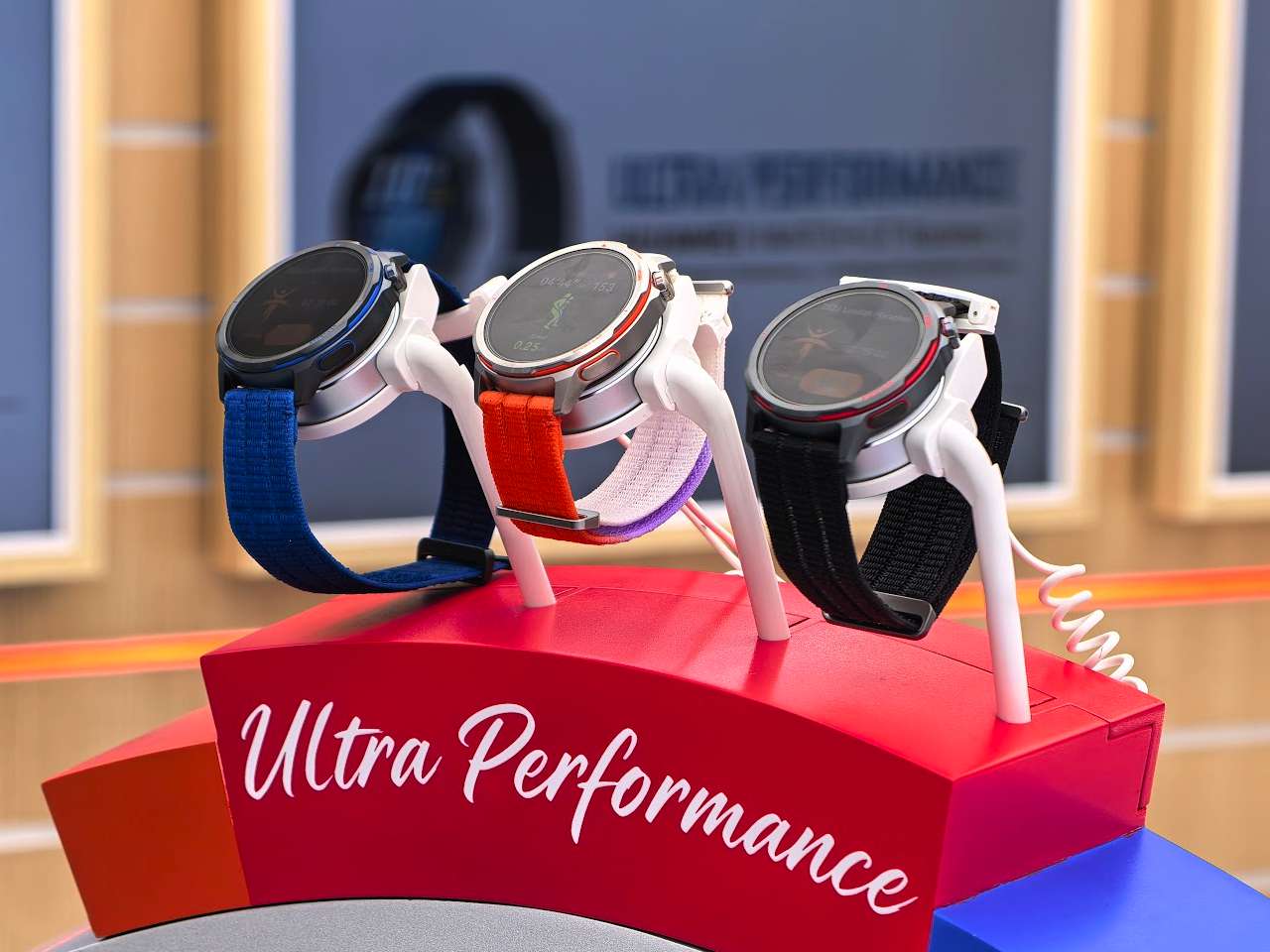
ARTICLE – Huawei has used titanium on lifestyle watches before, but never on something built specifically for runners. The Watch GT Runner 2 changes that, wrapping serious running tech inside an aerospace-grade titanium case that feels built for a different price bracket. We got hands-on time with it at MWC 2026, and the combination of marathon-grade software with a case this light left an impression. Co-developed with elite marathon runners, it isn’t just a spec sheet upgrade. It’s a signal that Huawei wants the wrist of someone who trains five days a week and still cares about how a watch looks at dinner.
Price: Estimated $467, £349.99 (UK)
Where to Buy: Huawei, Huawei UK
The target buyer here is specific: a runner who tracks splits and recovery, but also wants health monitoring, NFC payments, and Bluetooth calling from the same device. If you’ve been bouncing between a fitness band and a lifestyle smartwatch, this one tries to end that compromise. Here’s what stands out.
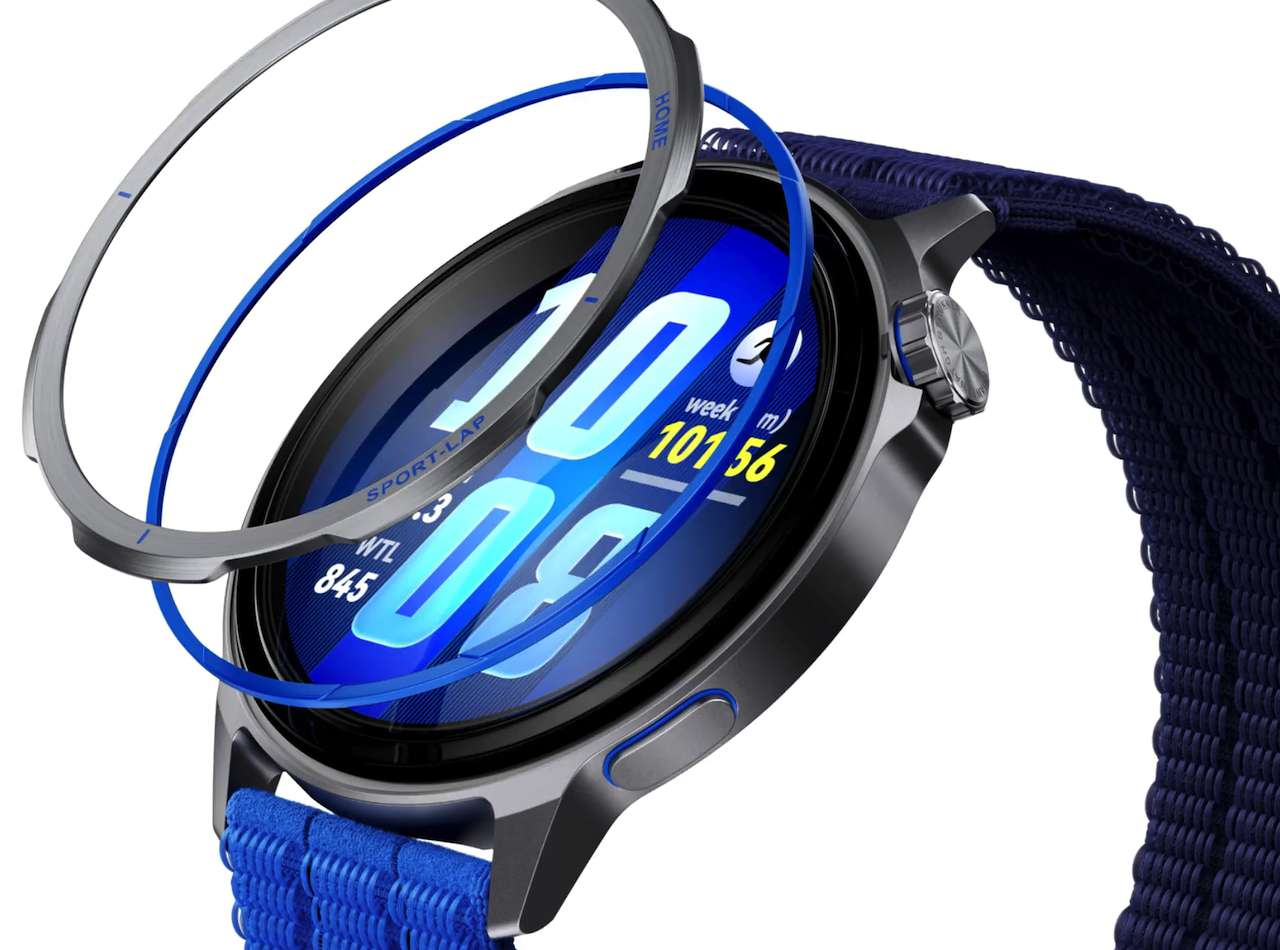
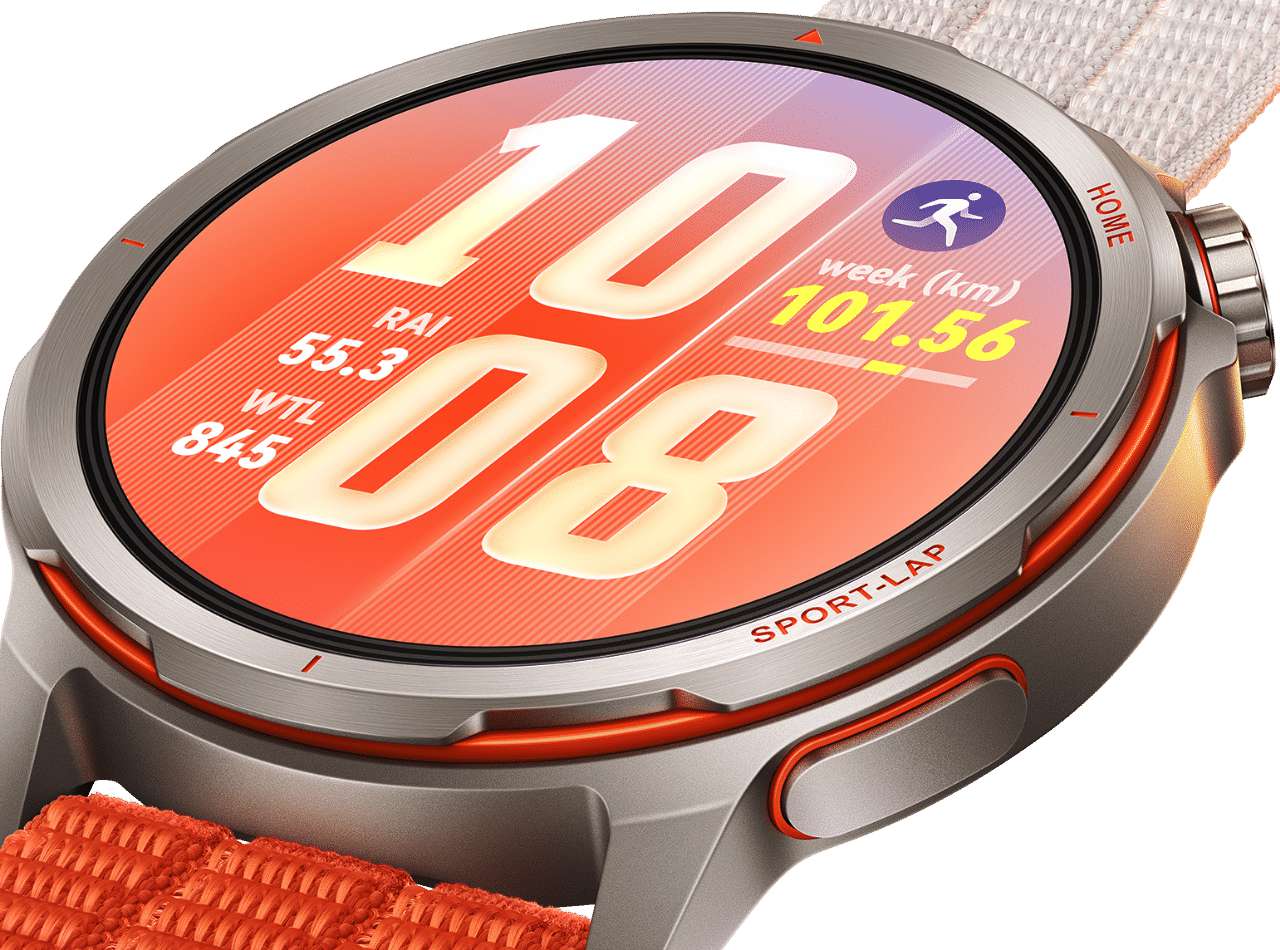
1. The entire case is aerospace-grade titanium
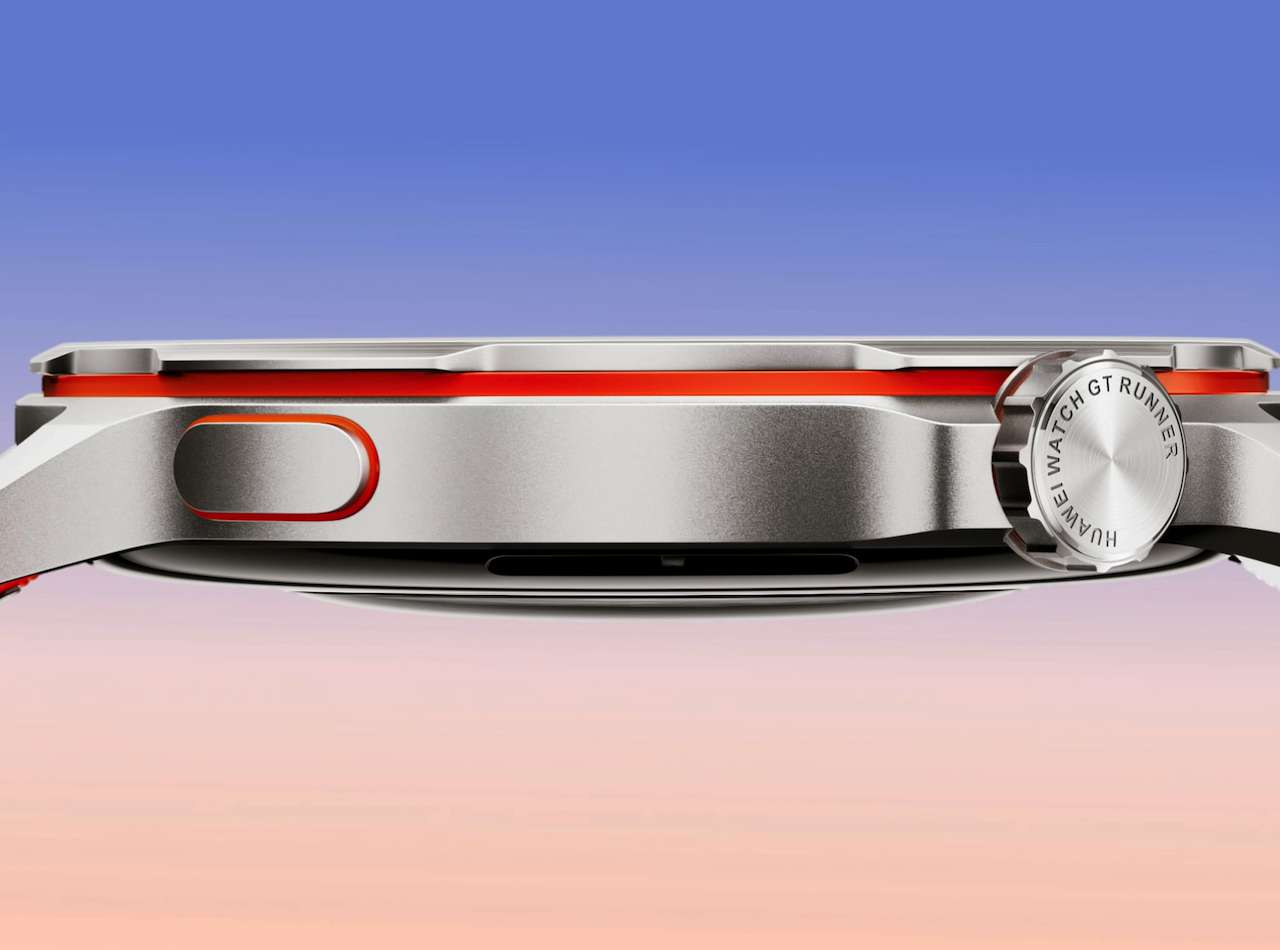
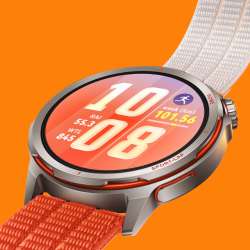
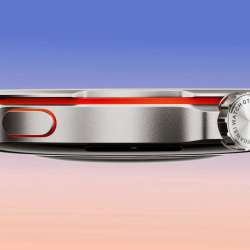
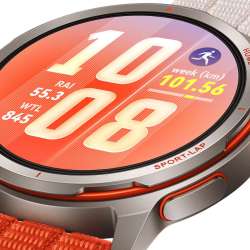
Every external component, the case, bezel, crown, and side button, uses titanium alloy. 2nd Gen Kunlun Glass sits over the display for scratch resistance. It’s the kind of build quality you’d expect from a dress watch, not something designed to survive interval training in the rain.
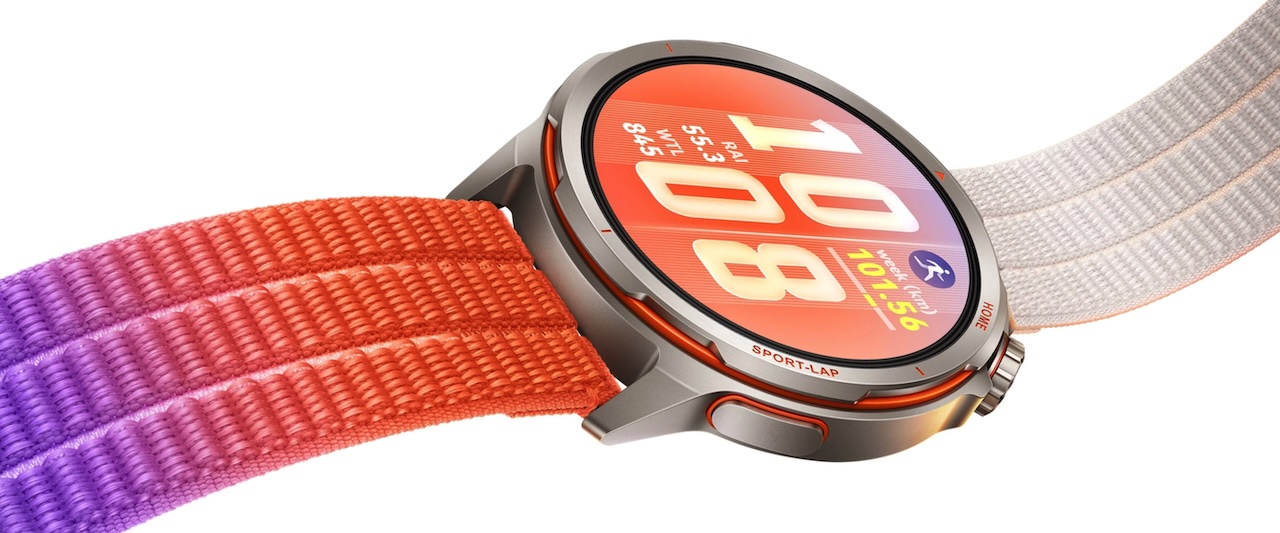
Pick it up and you notice the weight distribution right away. Titanium keeps the mass low while still feeling substantial on the wrist, which is a smart balance for something you’ll wear during both track sessions and daily commutes.
2. It weighs 34.5 grams without the strap
Strip the strap off and the watch body sits at 34.5 grams. With the strap attached, total weight comes to 43.5 grams, and the case measures 10.7mm thick. For a titanium watch packing dual-band GPS and a full sensor array, that’s impressively light. You feel the difference most during longer runs, where even a few extra grams start to bug you past the 10-kilometer mark.
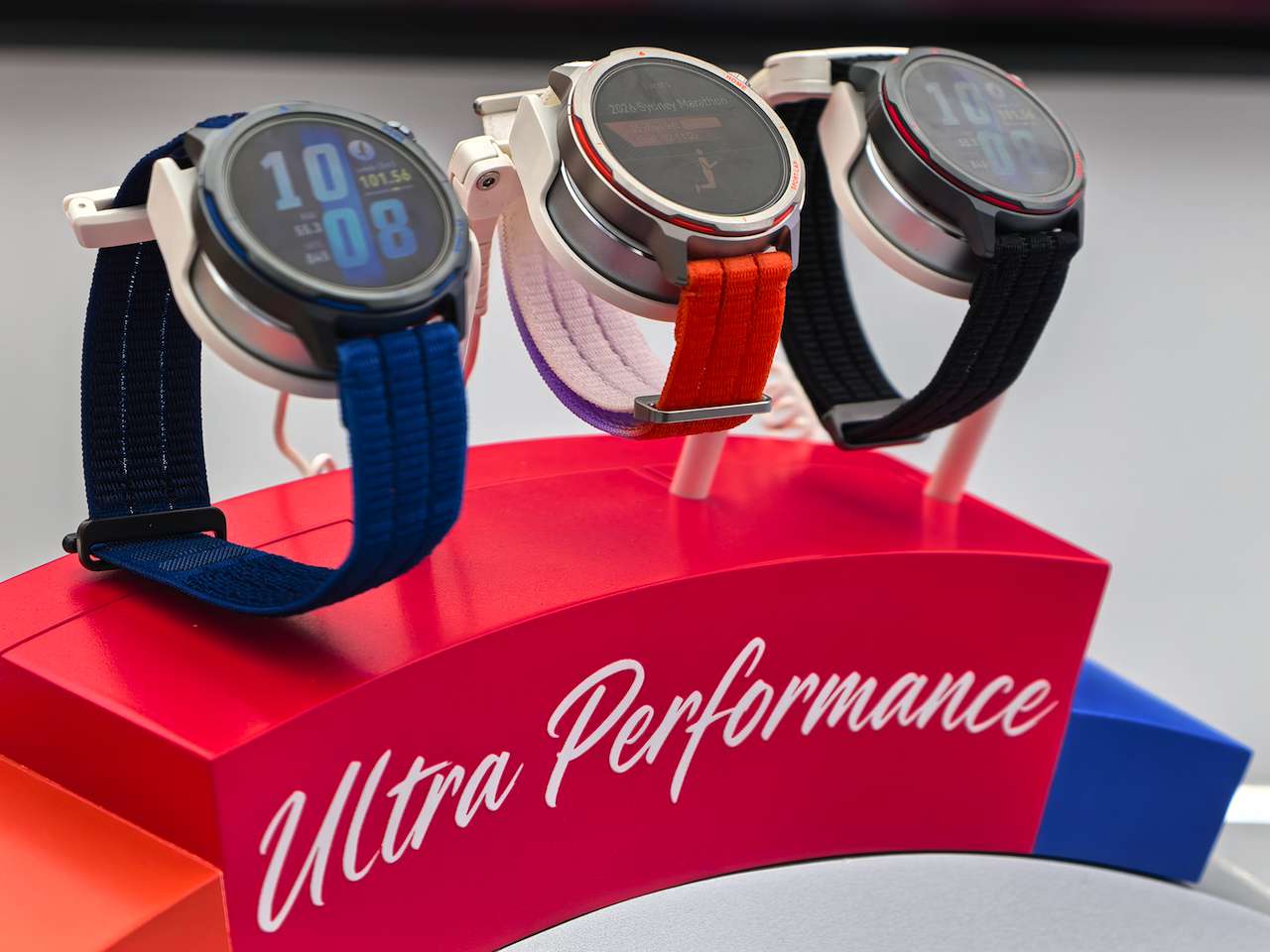
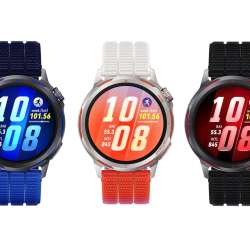
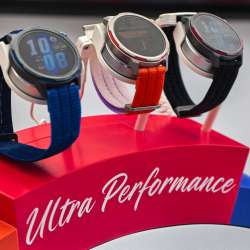
Two strap options ship in the box. The first is a HUAWEI AirDry woven strap that uses a capillary-dye process to create a gradient color pattern. It looks better than most stock woven bands at this level. The second is a breathable fluoroelastomer strap built for workouts, and it’s built for sweat-heavy sessions.
The overall wrist feel stays comfortable across both options, which matters more than raw spec numbers when you’re logging daily mileage. There’s a welcome absence of bulk here. Thinner running watches exist, but few of them pack this much sensor hardware into such a compact footprint.
3. The AMOLED display peaks at 3,000 nits
Huawei rates the screen at up to 3,000 nits peak brightness under specific conditions, and that number matters most during outdoor runs when direct sunlight can wash out lesser panels. If you’ve ever squinted at a dim watch mid-stride, you’ll appreciate how readable this stays in harsh light.
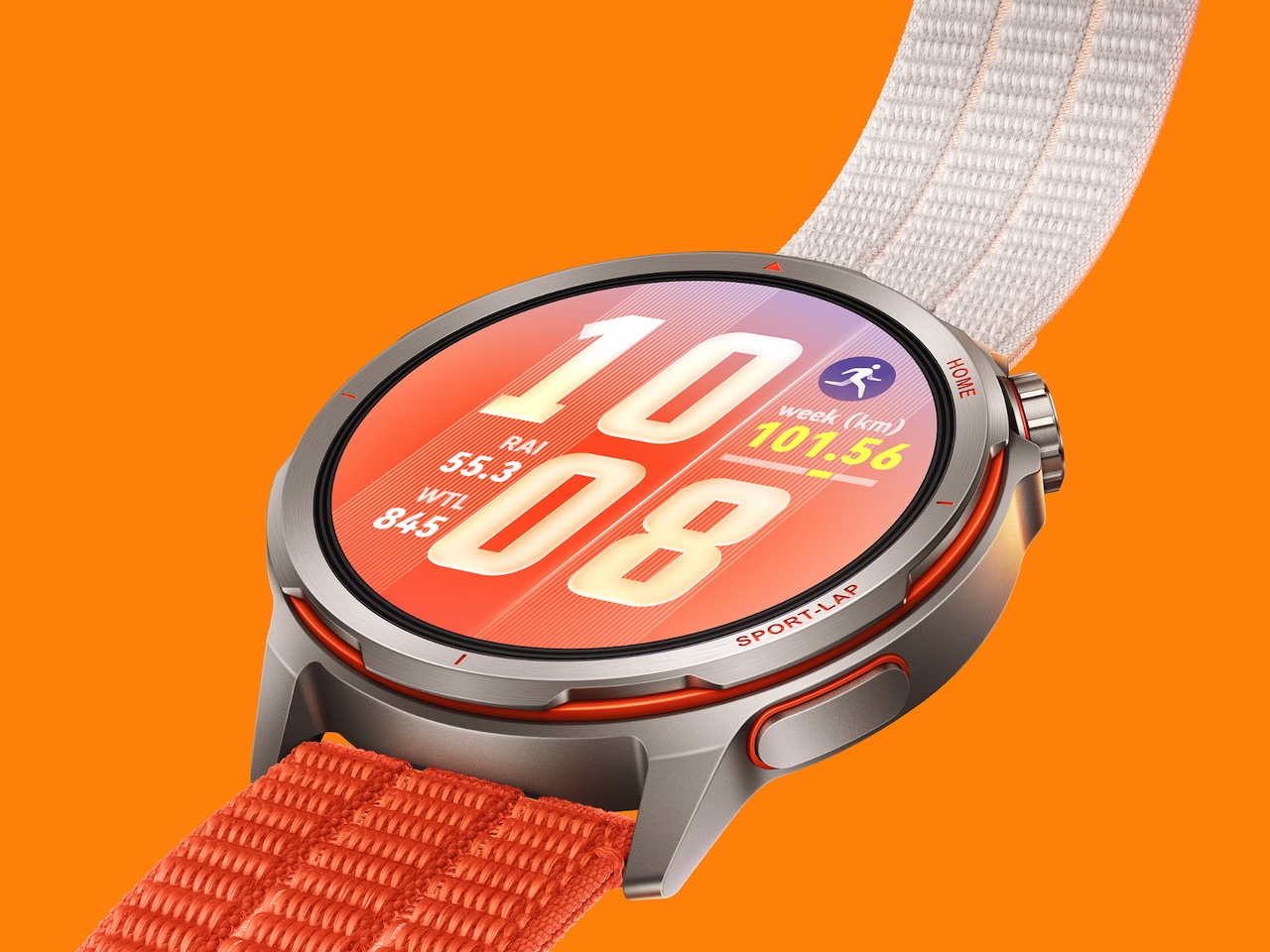
The display also supports custom video watch faces. You can turn a workout clip or a short animation into your daily face, which adds a personal touch that static options can’t match. Up close, the colors look punchy with solid blacks, and the always-on mode stays readable enough to be genuinely useful rather than a dim ghost of the full display.
4. GPS accuracy improved by 20 percent
A 3D floating antenna design paired with an intelligent converged positioning algorithm delivers 20% more accurate positioning than the previous generation, according to Huawei. That includes tracking through buildings and tunnels, which is exactly where most GPS watches tend to lose their composure.
If you run in dense urban areas, you know the frustration of watching your recorded route zigzag through buildings you never entered. Huawei’s approach uses its converged positioning algorithm to reduce that drift, and it’ll be worth testing against established GPS leaders like Garmin and COROS once real-world data comes in.
The antenna placement inside the titanium case is a quiet engineering win. Titanium can interfere with signal reception if the design isn’t thoughtful, so the floating antenna architecture is more than marketing language.
5. Marathon Mode was co-created with elite runners
Developed alongside the dsm-firmenich Running Team and calibrated using elite athlete data, Intelligent Marathon Mode provides real-time pacing guidance and predicted finish times based on your training history. It’s more than a countdown timer with a heart rate overlay.
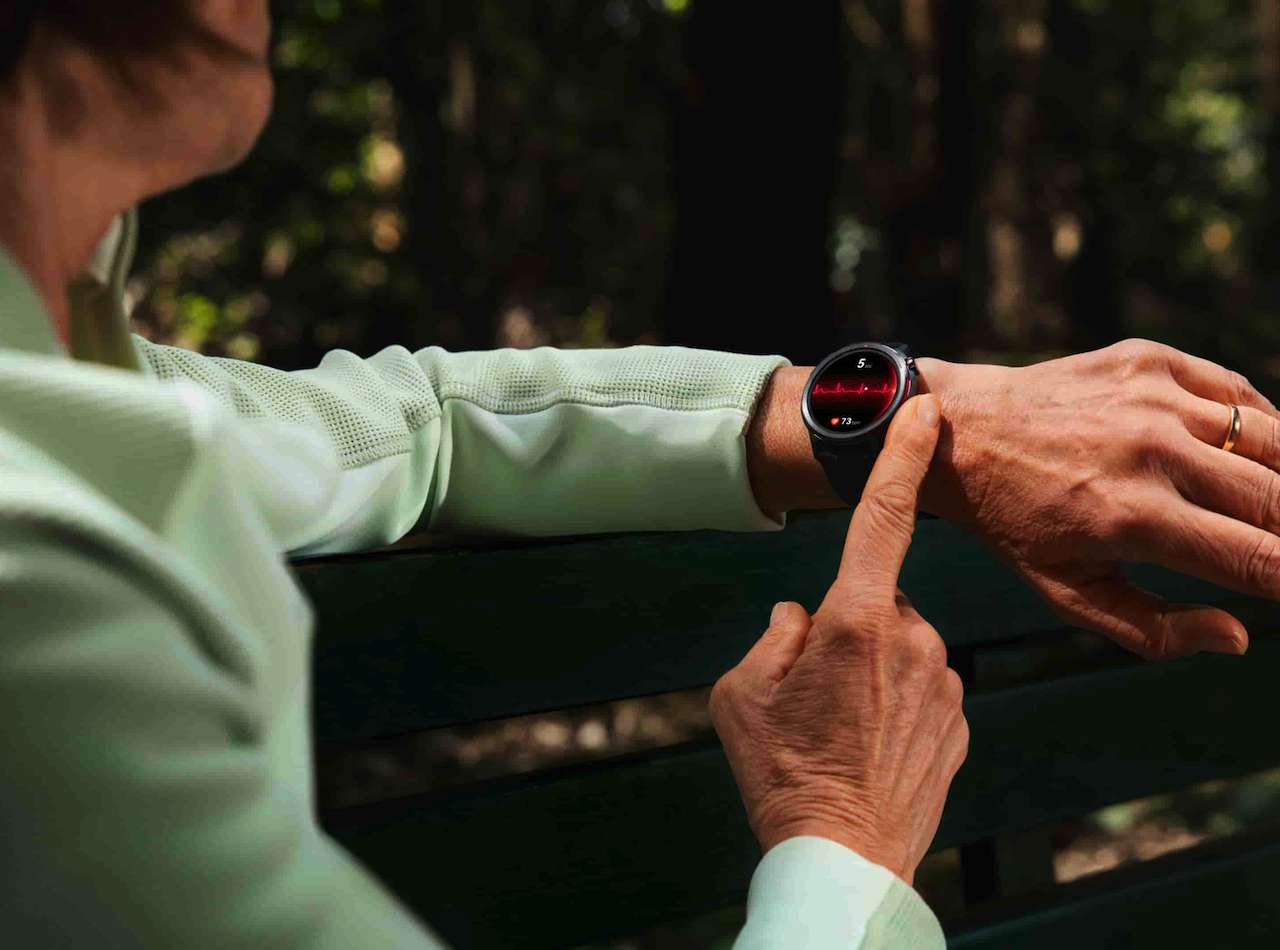
The mode also delivers personalized fueling reminders and post-race analysis. You can follow major marathon courses worldwide or set up a custom race with your own targets, which gives it practical use beyond the handful of big-city events most apps support.
6. Over 100 sports modes, including freediving to 40 meters
Beyond running, the GT Runner 2 covers cycling, swimming, trail running with elevation tracking, and golf with access to 17,000+ global courses. The golf feature alone is a nice bonus for runners who cross-train on the course, and having real course maps on the wrist adds genuine utility.
Freediving support goes down to 40 meters, with apnea training and a hang timer. That’s deeper than most multi-sport watches will venture, and it speaks to how broad Huawei wants the GT Runner 2’s appeal to be. A dedicated wheelchair mode tracks active calories, push count, and rolling distance. It’s an accessibility feature that too many competitors still skip, and its inclusion here is a smart call.
If you look at the full sport list, it’s clear Huawei built this as a running-first watch that doesn’t punish you for doing anything else.
7. Health monitoring covers ECG, arrhythmia detection, and emotional state tracking
The sensor suite runs deep. ECG analysis triggers automatically 30 minutes after exercise, while pulse wave arrhythmia detection scans for atrial fibrillation and premature beats throughout the day. SpO2 monitoring and all-day HRV tracking round out the heart-focused features.
Sleep monitoring includes abnormal breathing awareness, which nudges into medical-adjacent territory that most running watches avoid entirely. One unusual addition: the watch claims to identify 12 emotional states through dynamic floral watch faces. The science behind wrist-based emotion detection is still early and worth approaching with healthy skepticism, but it’s a curious differentiator that no major competitor currently offers.
Fall detection with automatic SOS calling is built in, alongside high-altitude adaptation alerts above 2,500 meters. For trail runners and hikers who train at elevation, that altitude feature is a thoughtful safety layer.
8. Battery life runs up to 14 days with fast charging
Huawei rates the battery at up to 14 days with light use, 7 days under typical conditions, and 32 hours in continuous outdoor workout mode with GPS active. Typical use, in Huawei’s definition, assumes always-on heart rate monitoring, sleep tracking, 90 minutes of weekly GPS exercise, and 200 screen wakes per day.
Fast charging is supported, though Huawei hasn’t shared exact charge times yet. The watch works with both iOS (13.0+) and Android (9.0+) through the HUAWEI Health app, which keeps it platform-flexible. You get Bluetooth calling, standalone music playback, NFC payments, and QR code scanning. That’s a full lifestyle stack that removes the need to carry your phone on shorter runs.
The battery numbers look competitive against Garmin’s Forerunner lineup, especially when you factor in the always-on health monitoring. If the real-world figures hold close to Huawei’s claims, charging anxiety shouldn’t be an issue for most weekly training loads.
The Watch GT Runner 2 fills an interesting gap in Huawei’s wearable lineup. It’s a running watch that doesn’t compromise on materials or health tech, and the titanium build gives it crossover appeal that pure fitness watches rarely achieve. Buyers also get a free 3-month HUAWEI Health+ membership for access to global city runs, fitness courses, and structured training plans.
Price: Estimated $467, £349.99 (UK)
Where to Buy: Huawei, Huawei UK
Whether it can pull serious runners away from Garmin and COROS will depend on GPS accuracy in the real world and how well Marathon Mode performs during actual races. The hardware foundation is strong. Now it’s on the software and satellite performance to deliver.