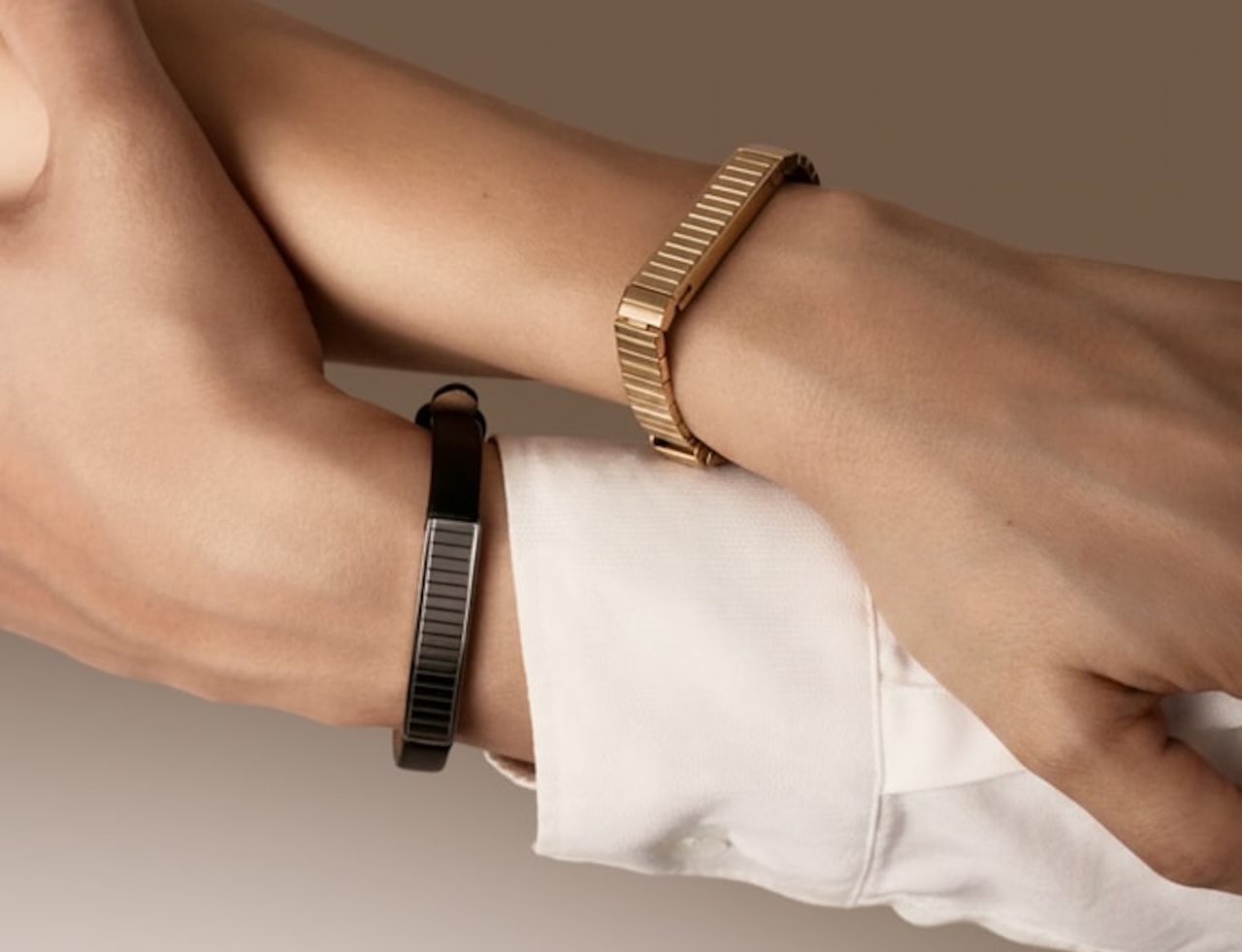
Most fitness trackers force a trade. You either wear something sporty and obvious, or you go without the data. Lumysi wants to erase that choice with a titanium bracelet that hides its sensors behind jewelry styling and still promises a full week of battery life.
Price: From $179
Where to Buy: Kickstarter
The project is live on Kickstarter now, pitched as a luxury fitness bracelet for people who want health tracking without a screen strapped to their wrist. Here’s what it claims to do, and what’s still worth a raised eyebrow before you pledge.
A tracker that doesn’t look like one
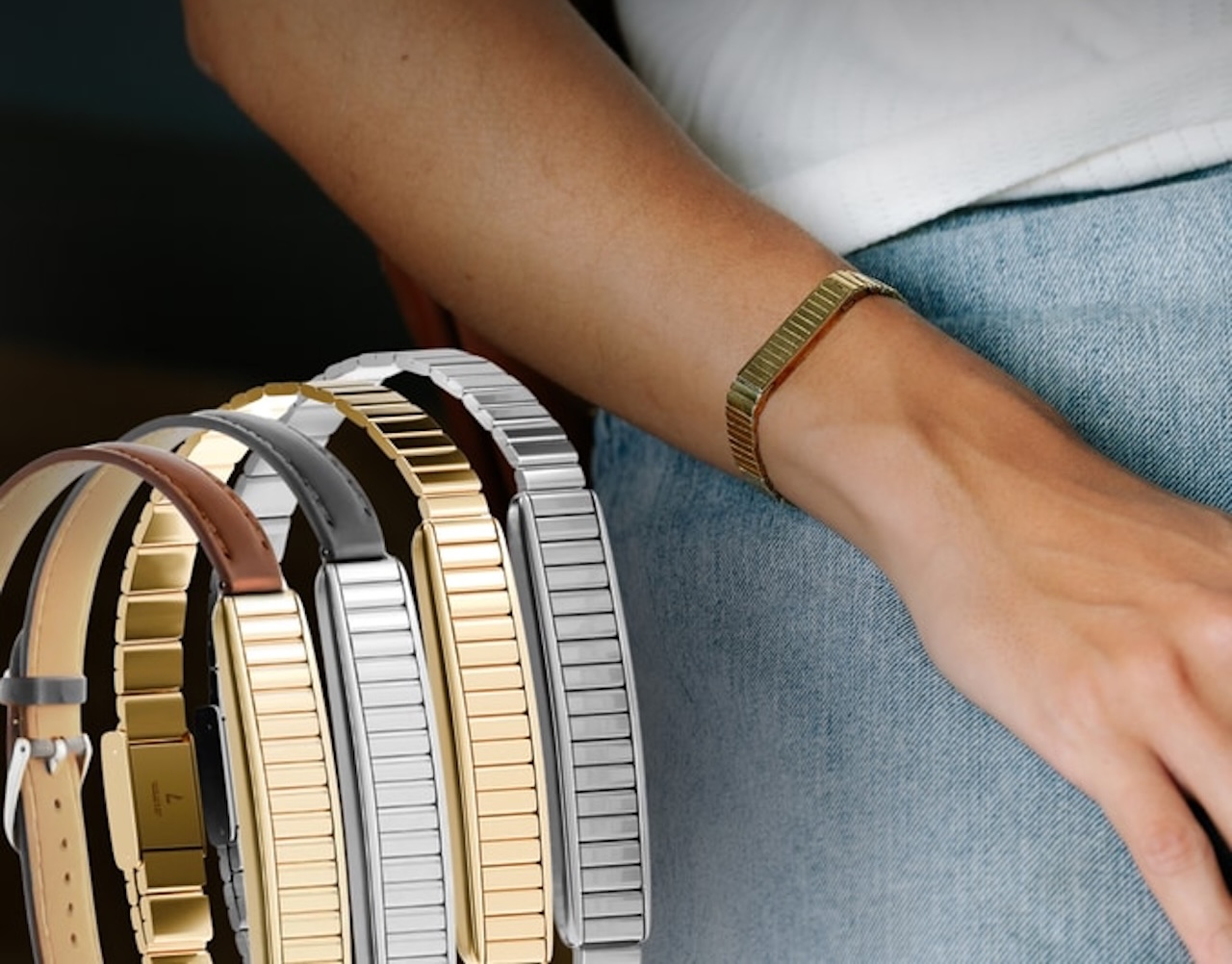
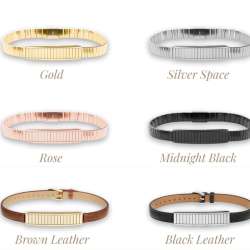
Lumysi is a screen-free bracelet built around a titanium body, and that’s the entire point. At roughly 31.7 mm long and 8.9 mm across, it sits closer to a slim cuff than a watch, and the gold, silver, rose, and black finishes let it read as an accessory instead of a gadget.
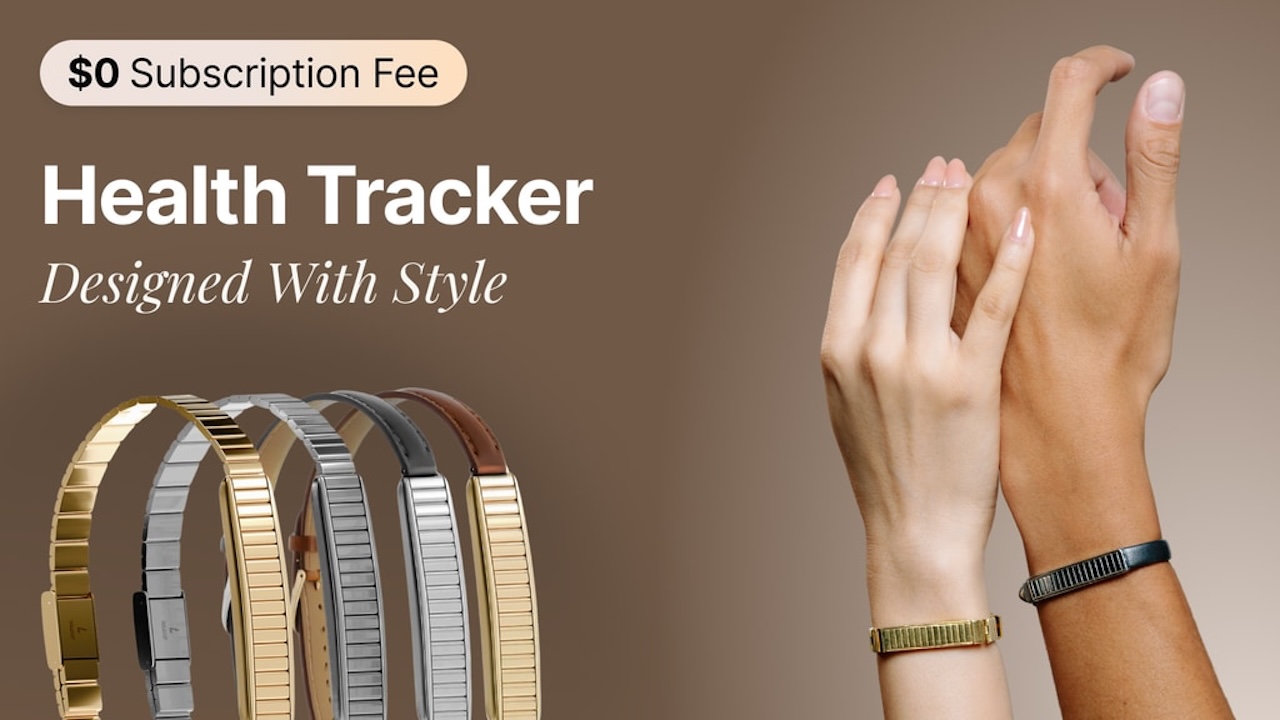 There’s no display to light up in a meeting, and the bands swap out in silicone, leather, or stainless steel depending on the look you want. The data lives in a companion app on iOS or Android, and the bracelet talks to your phone over Bluetooth.
What it actually tracks
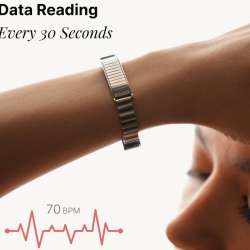
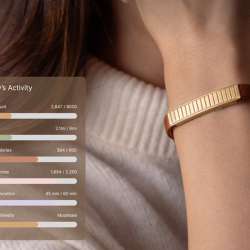
The sensor list is broad for something this small. Lumysi monitors heart rate, heart rate variability, blood oxygen, skin temperature, and movement, then turns those signals into sleep staging across light, deep, and REM, plus a daily readiness score. The company says it covers more than 30 health metrics in total, and it leans hard on automatic workout detection so you don’t have to start a session by hand.
There’s a women’s health angle too. Lumysi advertises menstrual-phase insights and a cycle-aware readiness score that adjusts recovery and training suggestions to where you are in your cycle.
What else stands out
Insights over data dumps. Plenty of wearables drown you in charts. Lumysi’s promise is the opposite. Instead of handing you raw biometric dumps, the company says the app translates your patterns into plain-language insights about where you’re at and what you can do to feel better, though whether that AI coaching proves genuinely useful or just generic is the kind of thing only long-term, independent testing can settle.
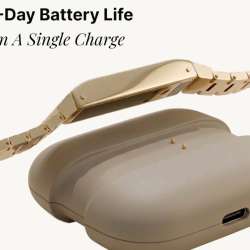
A week of battery, safe in the water. The bracelet is rated for up to 7 days on a charge, though the company hasn’t published the actual battery capacity, and it’s water resistant to 5 ATM, so a shower or a pool swim shouldn’t bother it.
No forced subscription, but read the fine print. A lot of health wearables now gate their best insights behind a monthly fee. Lumysi leans the other way, promising Kickstarter backers a lifetime free subscription on top of the one-time hardware price. The company says the bracelet itself isn’t a subscription product, but it also notes some advanced app features may sit behind a premium tier, so “no subscription” isn’t an ironclad promise for every feature down the road.

What we don’t know yet
Lumysi is a crowdfunding campaign, not a shipping product, and that caveat colors everything above. The sensor claims come from the company, not from independent lab testing, and screen-free wrist trackers have a mixed record on accuracy next to chest straps and finger sensors.
There’s no long-term reviewer data yet, the battery capacity isn’t disclosed, and delivery timelines on hardware crowdfunding routinely slip. Lumysi currently estimates shipping to early backers in October 2026, though dates like that one have a habit of moving.

Price and availability
Early Kickstarter pledges start at $179, against a stated retail price of $299, and the pledge bundles the bracelet, a band, and a charging cable. You can back the project on its Kickstarter page.
Price: From $179
Where to Buy: Kickstarter
Should you back it
If you’ve always wanted continuous health tracking but hated how every option looks on your wrist, Lumysi is one of the more genuinely appealing pitches in a while. The design is the draw, the week-long battery and one-time-purchase pricing are smart, and the women’s health features go further than a lot of bigger names.