Qualcomm’s Snapdragon Summit is one of the few chip events that actually changes what you’ll buy next. Most people don’t shop for a processor by name. They just end up with one in their pocket, their laptop, their earbuds, or their glasses because Qualcomm set the menu months earlier.
The 2026 Summit is set. Qualcomm’s official event page lists Snapdragon Summit 2026 for September 22 to 24 in Maui, Hawaii, and The Gadgeteer plans to be there. We’ll be in the room for the keynote, the demos, the partner announcements, and the practical bits that usually get buried under benchmark charts.
Event: Snapdragon Summit 2026
When: September 22 to 24, 2026
Where: Maui, Hawaii
More info: Qualcomm Snapdragon Summit | TG Qualcomm Coverage
This is bigger than a phone chip launch
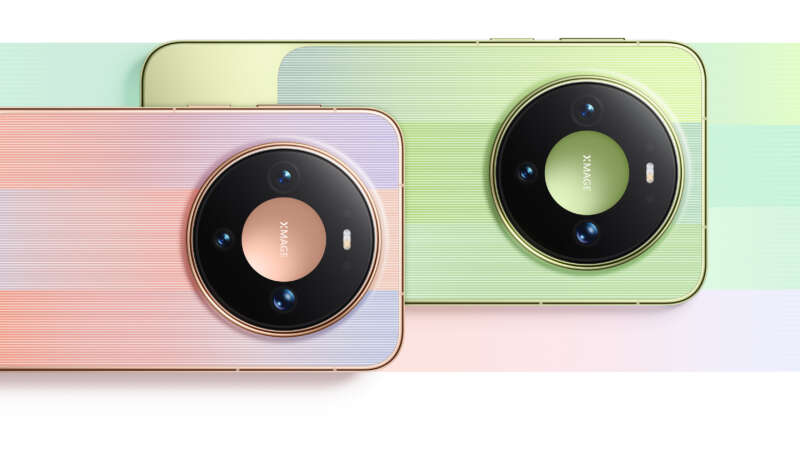
If you only follow Snapdragon casually, the headline sounds simple enough. Qualcomm is expected to introduce its next flagship mobile platform, widely rumored as the Snapdragon 8 Elite Gen 6. That’s the chip likely to power the next wave of premium Android phones.
But Summit has grown broader than one chip. Qualcomm’s invitation to us specifically mentions mobile, sound, XR, and agentic AI. The phone chip is the anchor, but the event is also where Qualcomm shows how it wants AI to move from cloud chatbots into devices you carry, wear, listen through, and use at your desk.
The recent Summit pattern tells us what to watch
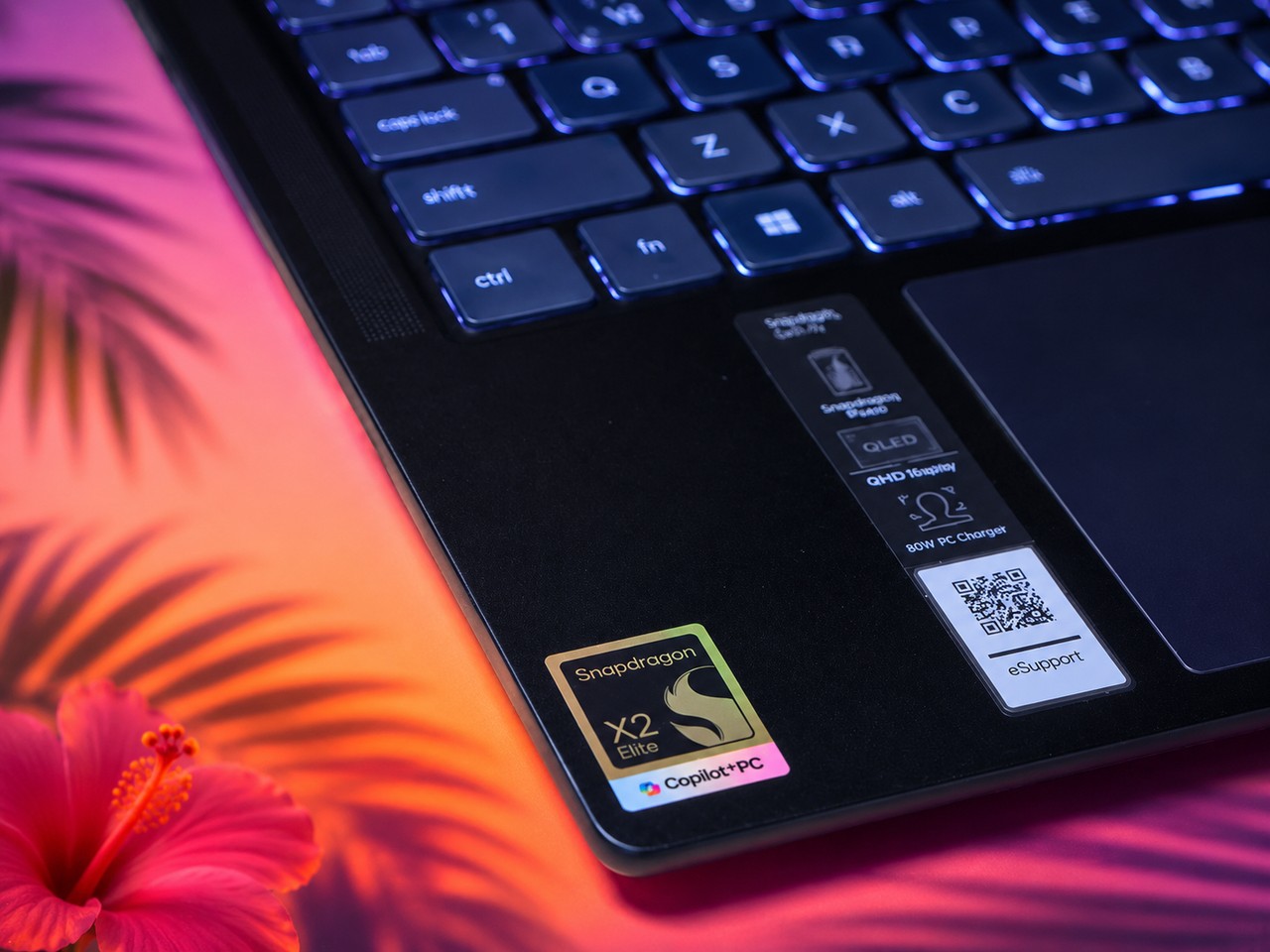
The past few years give readers a decent map. In 2023, Snapdragon Summit was where Qualcomm put on-device generative AI front and center, introduced Snapdragon 8 Gen 3 for phones, and pushed Snapdragon X Elite as its major Windows laptop play. That set up the Copilot+ PC wave that eventually reached machines like the Lenovo Yoga Slim 7x Gen 11, the best Snapdragon X2 Elite laptop we’ve tested.
In 2024, the big phone story was Snapdragon 8 Elite and the arrival of Qualcomm’s Oryon CPU architecture in a flagship mobile chip. More than a spec bump. Qualcomm was bringing its own Oryon CPU design into the phone space, which is why Android flagships started reading less like ordinary refreshes and more like small AI computers.
In 2025, the pattern continued with more AI, more laptop talk, and more pressure on phone makers to turn raw silicon into features people actually feel in normal use. Faster chips are a given. The useful question is what those chips let a device do without feeling hot, dying early, or sending every smart feature to the cloud.
The 2nm chip is coming but cost is the real question
A lot of early coverage fixates on the rumored move to a 2nm manufacturing process for the next Elite chip. For buyers, the promise is straightforward: more performance in the same power envelope, or similar performance with better battery life.
The catch is cost. Several reports around the Snapdragon 8 Elite Gen 6 family are already circling price pressure, especially for Pro or Ultra-class phones. If the most advanced chip gets expensive, phone makers have choices to make. They can raise flagship prices, reserve the best chip for the most expensive models, split the lineup with different Snapdragon variants, or lean harder on software to justify the premium.
That’s the piece I’ll be watching in Maui. Not whether Qualcomm announces a faster chip. Whether the next generation of Android flagships gets smarter and more efficient for normal buyers, or just more expensive at the top.
Smart glasses and XR could be the sleeper story
The invite’s XR language caught my attention because it lines up with what we’re already seeing in the market. Smart glasses are moving from weird demo objects into something closer to a real category, even if the price and use cases still need work. We’ve already covered how devices like the XREAL Aura XR glasses are getting more practical while still asking buyers to make a serious commitment.
Qualcomm sits underneath a lot of that hardware. If Summit 2026 gives us a clearer roadmap for lighter glasses, better battery life, more capable on-device AI, or improved spatial computing chips, that could shift the glasses category more than another phone benchmark.
The same goes for AI wearables. A product like the MemoMind One AI glasses shows where the category is heading: microphones, cameras, translation, memory, assistant features, and always-available context. That only works if the hardware can process more locally without turning into a battery hog.
Audio and wearables: the announcements you’ll actually feel
Qualcomm’s audio story can be easy to miss because earbuds rarely get the same keynote drama as phones. Still, Snapdragon Sound and Qualcomm’s audio platforms influence latency, codec support, ANC behavior, voice pickup, and battery life across a lot of earbuds and headphones.
If Summit includes sound announcements, I’ll be looking for practical improvements. Better lossless support is nice, but better microphone handling in wind, more consistent low-latency gaming audio, and stronger multipoint behavior are the things people notice after the honeymoon period ends.
Wearables follow the same logic. The smartwatch world keeps promising more health insight, longer battery life, and smarter assistants. The hardware still has to fit on your wrist. If Qualcomm talks about wearable AI, the test will be whether it enables useful features without turning every watch into a one-day device.
Five things I’ll be watching in Maui
The best version of Snapdragon Summit 2026 connects the dots across phones, PCs, XR, audio, and wearables. A new phone chip is expected. The question is what else Qualcomm puts on the table.
I’ll be listening for practical answers. What does the new Snapdragon flagship do locally that last year’s phones couldn’t? Will AI features run privately on the device, or still depend heavily on the cloud? Will the next flagship Android phones get better battery life, or will most of the gain disappear into higher peak performance? How quickly will partners like Xiaomi, Samsung, Honor, and OnePlus turn the platform into shipping products? Does XR finally get smaller and more normal, or does it stay trapped in expensive early-adopter territory?
We’ll be attending Snapdragon Summit 2026
Expect The Gadgeteer coverage from the event as Qualcomm lays out its next wave of mobile, XR, audio, wearable, PC, and on-device AI hardware.
What happens after the keynote
Snapdragon Summit is where Qualcomm sets the table. The more interesting part comes after, when phone makers, laptop brands, eyewear companies, earbud makers, and wearable teams decide what to build with the parts Qualcomm gives them.
A faster Snapdragon chip is almost guaranteed. The real question is whether the devices built around it feel meaningfully smarter, more efficient, and more useful in daily life.
If they do, Summit 2026 could be one of the first real previews of the next gadget cycle. If they don’t, it’ll be another year of impressive demos looking for everyday reasons to exist.