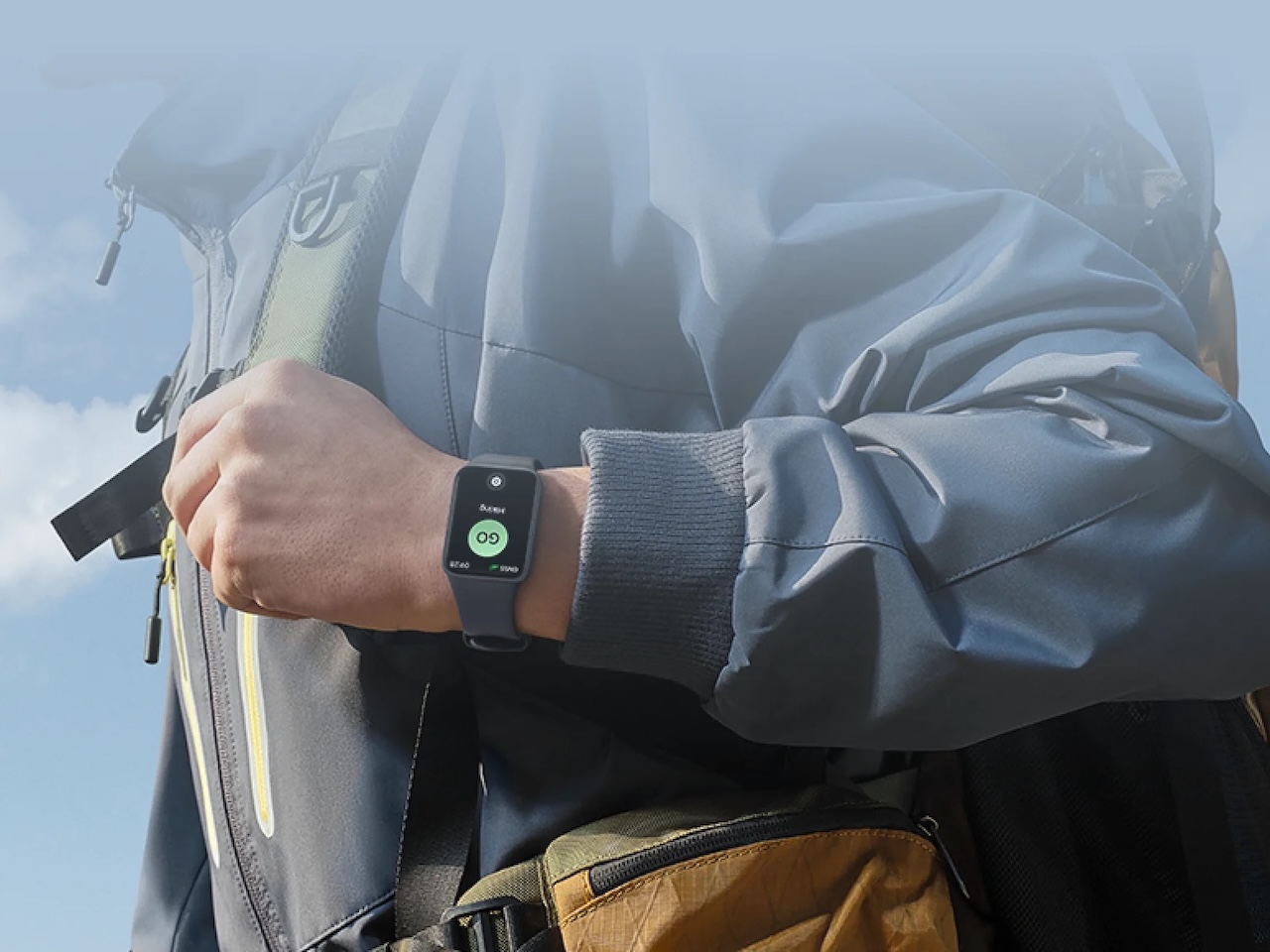
The Xiaomi Smart Band 10 Pro brings flagship-tier brightness, sleep HRV, and built-in GNSS to a wearable that starts at $58.
The Xiaomi Smart Band 10 Pro launched in China in May 2026, and the spec sheet reads like something that should cost three times the price. A 1.74-inch AMOLED that hits 2,000 nits, heart rate variability tracking, built-in GNSS, NFC for transit and payments, and 21-day battery life. The aluminum model is 399 yuan, which works out to about $58. The ceramic version sits at 479 yuan, around $70.
Price: 399 yuan (About $60)
Where to Buy: Xiaomi | Amazon (2025 model)
That’s the headline. Xiaomi has been steadily pushing its Smart Band line into real fitness tracker territory rather than leaving it as a Mi Fit accessory, and the 10 Pro is the clearest move yet toward the smartwatch end of the spectrum. The case is rectangular, the bezels are tight on all four sides, and the panel runs at 60Hz, all of which feel pulled from a much pricier watch.
Xiaomi Smart Band 10 Pro Specs at a Glance
- Display: 1.74-inch AMOLED, 60Hz, 2,000 nits peak
- Body: 9.7mm thick, 21.6g, aluminum or white ceramic
- Sensors: Dual-light dual-PD heart rate, SpO2, sleep HRV, stress
- GPS: Built-in five-satellite GNSS
- Sports modes: 150+
- Water resistance: 5ATM
- Battery: Up to 21 days standard, 8 days with AOD
- Software: HyperOS 3, Apple Health sync, dual-device notifications
- NFC: Yes in China; also on the global NFC and ceramic edition
- Price: From 399 yuan (~$58) in China; from €79.90 (~$93) in Europe
A Screen Bright Enough for Outdoors
The 1.74-inch AMOLED is the headline upgrade. 2,000 nits of peak brightness (around 1,500 nits sustained across the full display) puts it in the same outdoor-visibility tier as the Apple Watch Series 10 and the Samsung Galaxy Watch 7, both of which sit in a very different price bracket. For a band that costs less than a pair of midrange earbuds, that’s a spec sheet that would have been locked to premium wearables only a year or two ago. Compared to last year’s Band 9 Pro, which capped out at 1,200 nits and shipped without dedicated sleep HRV tracking, the upgrade is a generational jump on both the screen and the sensor side.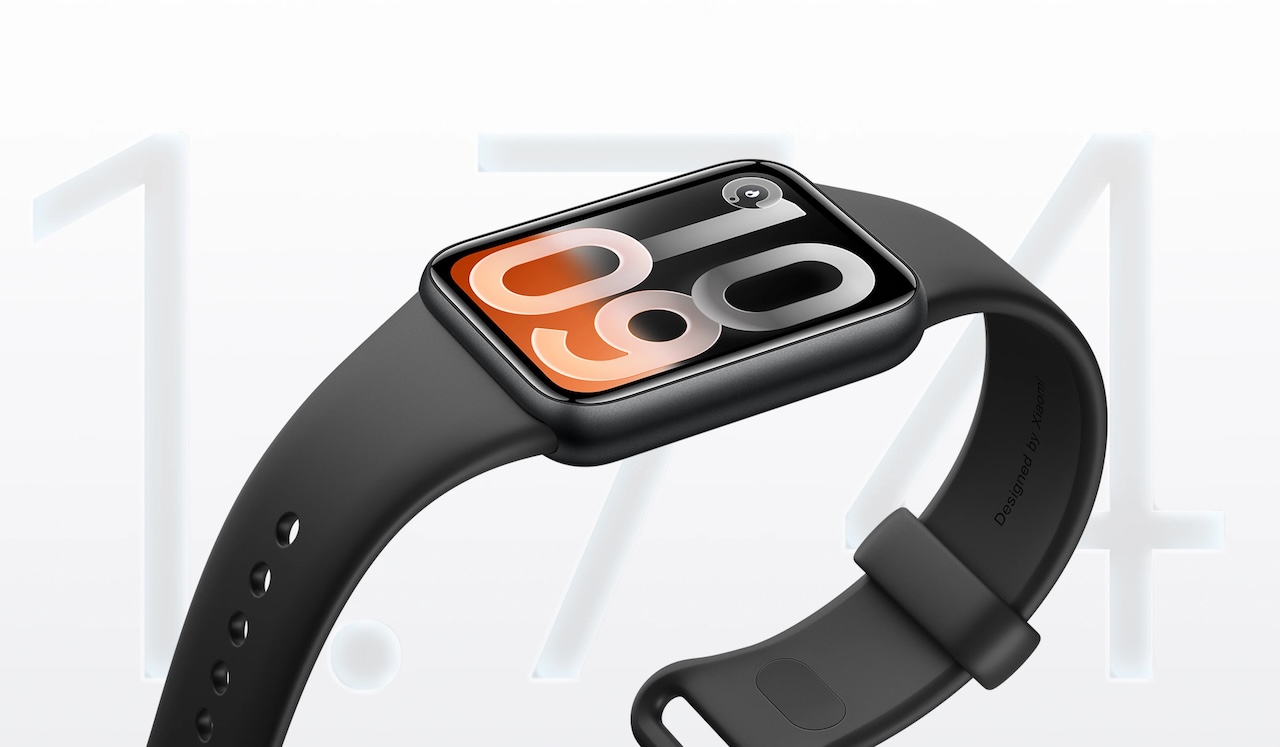
The case is 9.7mm thick and weighs 21.6 grams without a strap, which keeps it firmly in band territory rather than watch territory. Xiaomi sells it in aluminum as the standard option and in white ceramic for a small premium. Straps are swappable, with options in silicone, Milanese, and leather.
HRV Lands on a Budget Band
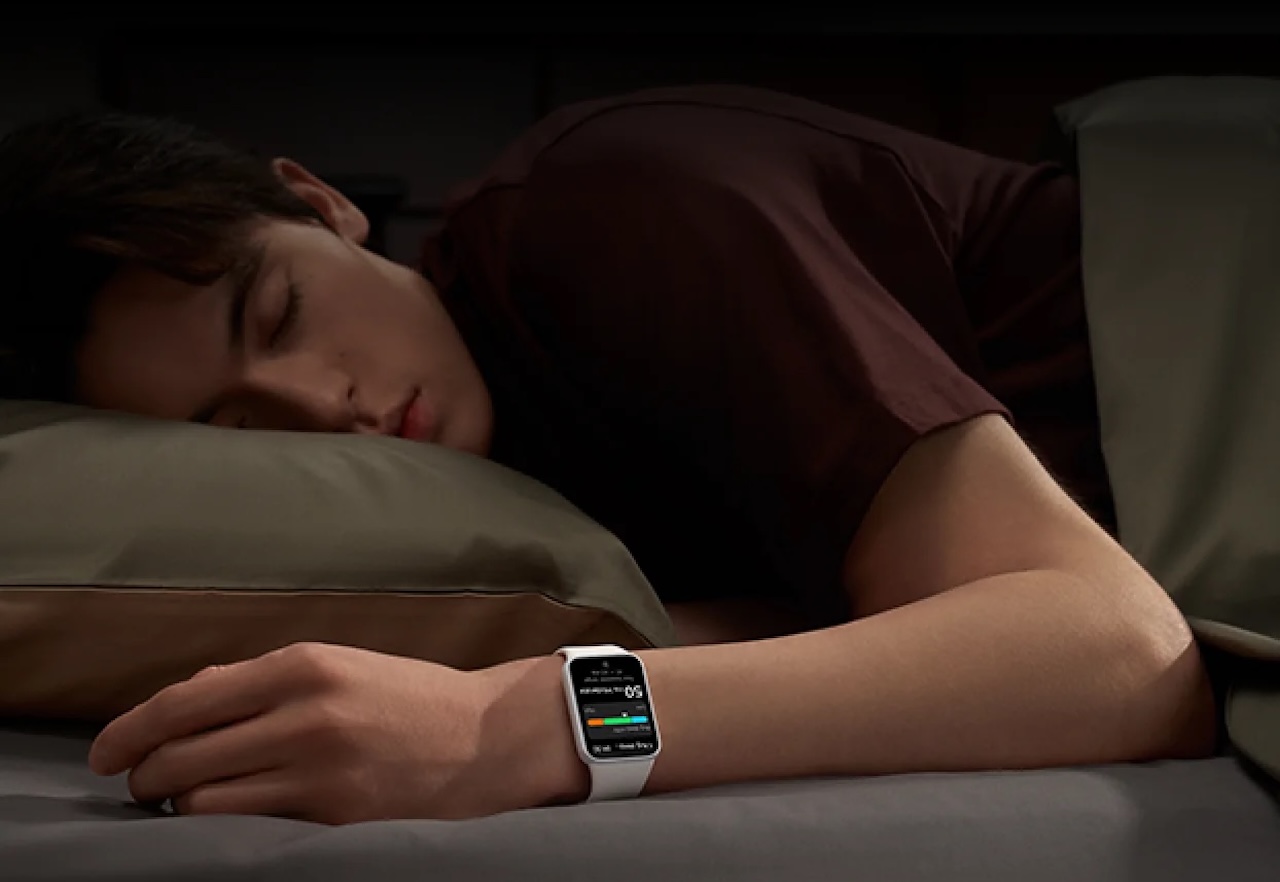
At the center of the upgrade is a redesigned PPG module, with dual light sources and dual photodiodes that Xiaomi claims push heart rate accuracy to 98.2%. The bigger story is what that sensor unlocks: overnight HRV (Heart Rate Variability), layered on top of all-day pulse readings, SpO2, and Xiaomi’s new Sleep Algorithm 2.0. The band feeds those numbers into a fatigue and recovery score that surfaces each morning. HRV has shown up on Garmin and Whoop wearables for years as a recovery marker, but it has almost always come paired with a subscription or a much pricier device. Pulling it onto a sub-$60 band is what makes the 10 Pro interesting beyond the spec sheet.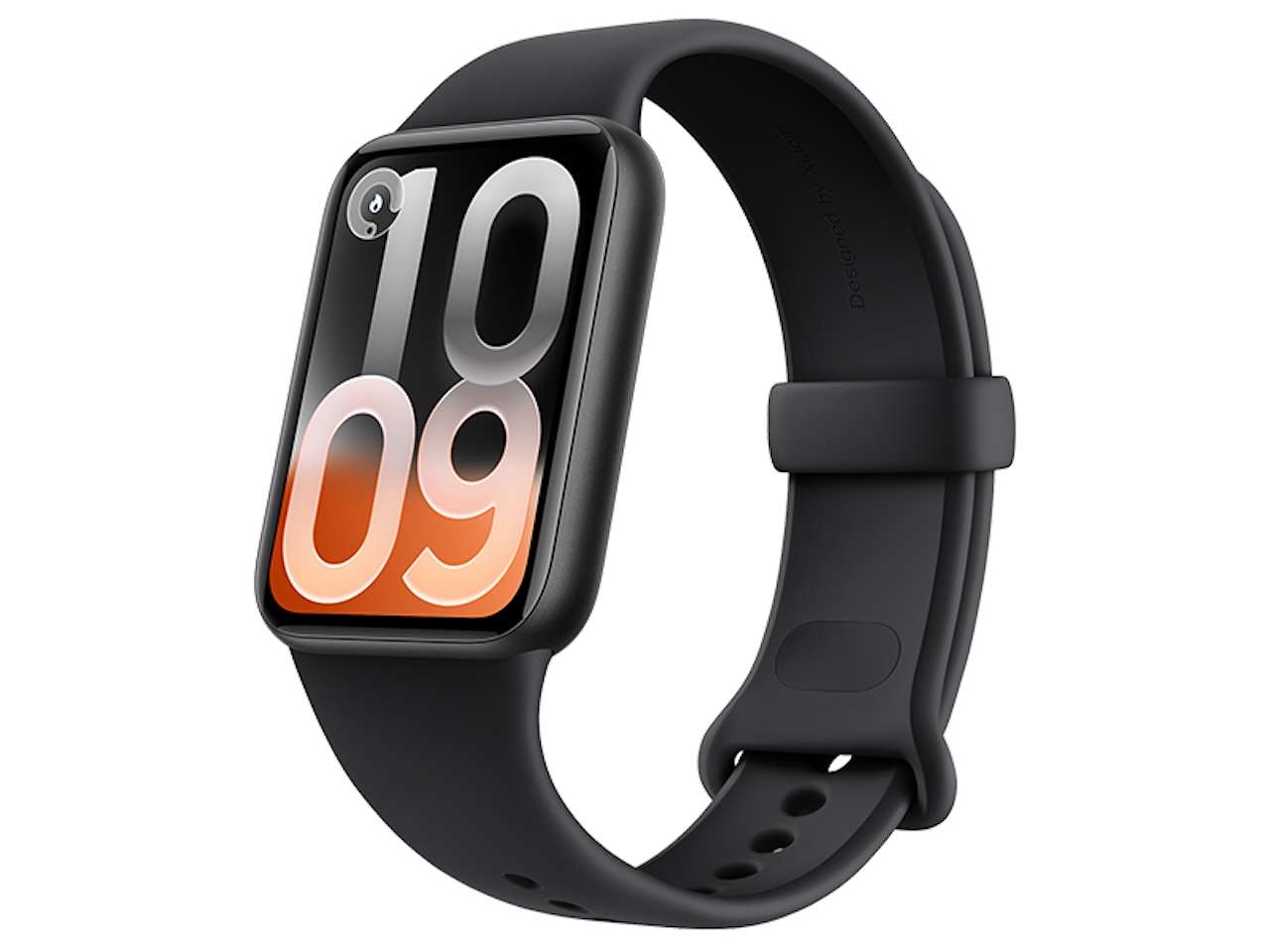
Built-in five-satellite GNSS handles outdoor route tracking without a phone, which matters for anyone who runs or rides and doesn’t want to strap a phone to an arm. The band supports more than 150 sports modes, Xiaomi’s standard catch-all that covers everything from indoor rowing to badminton.
HyperOS 3 With Real iPhone Support
The software runs on HyperOS 3, Xiaomi’s wearable OS layer that ties into its phone and smart home ecosystem. The bigger surprise is how seriously Xiaomi has taken iOS this time around. Workouts and recovery data push directly into Apple Health. Notifications can sync from a paired Xiaomi phone and an iPhone at the same time, so neither device gets ignored.
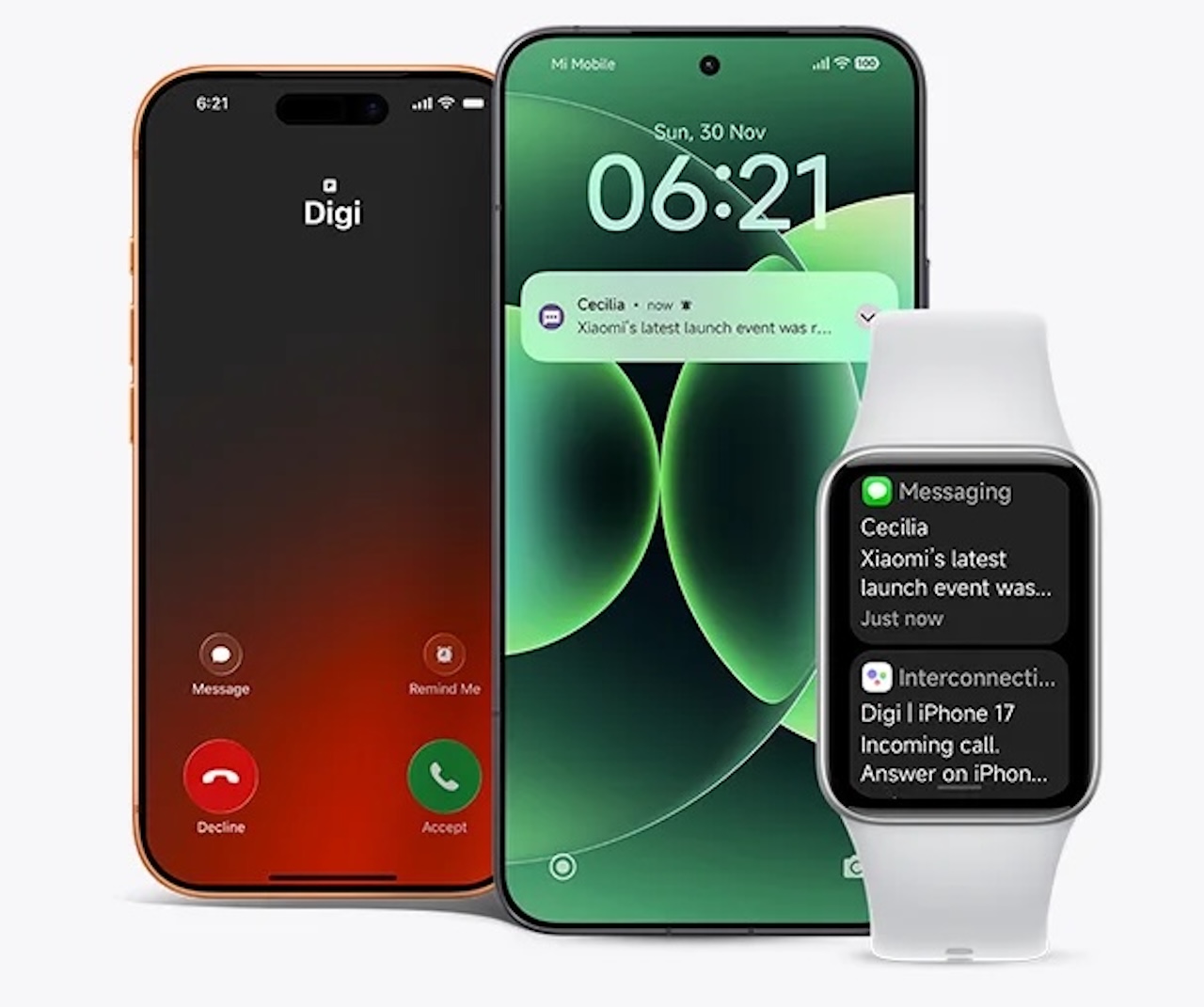
There’s even a Siri Shortcuts-style quick command layer baked into the band’s companion app. None of that is groundbreaking on its own, but adding it up makes the 10 Pro the first Smart Band that doesn’t feel like a second-class citizen on an iPhone.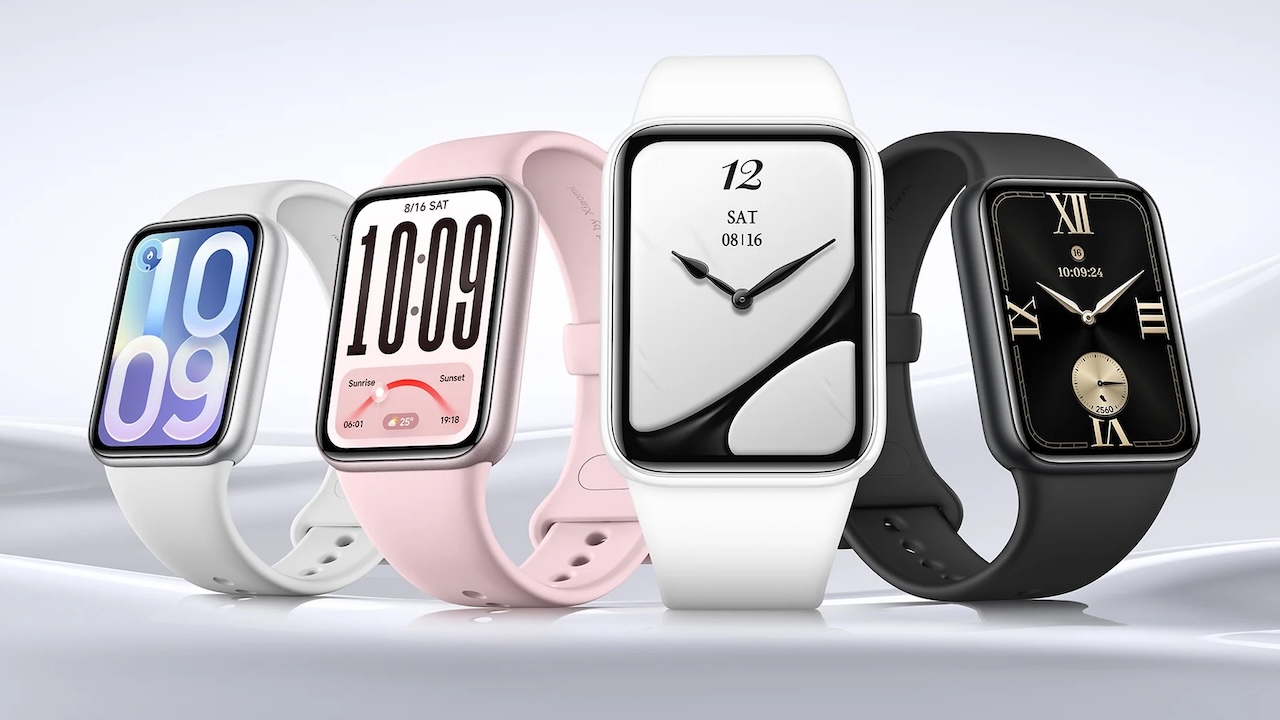
Then there’s the gaming mode, which is the most unusual addition to a fitness band this year. Toggle it on before a match and the band logs your heart rate and stress as you play, surfaces in-game cues like respawn alerts on the watch face, and serves up a post-match readout of how your body responded during the session. Whether that reads as a gimmick or a genuinely useful hook depends on how seriously you take mobile gaming, but its presence signals that Xiaomi is reaching beyond the usual wellness crowd.
Xiaomi Smart Band 10 Pro Specs: Battery, Water Resistance, NFC
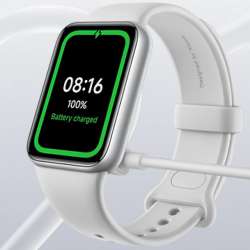
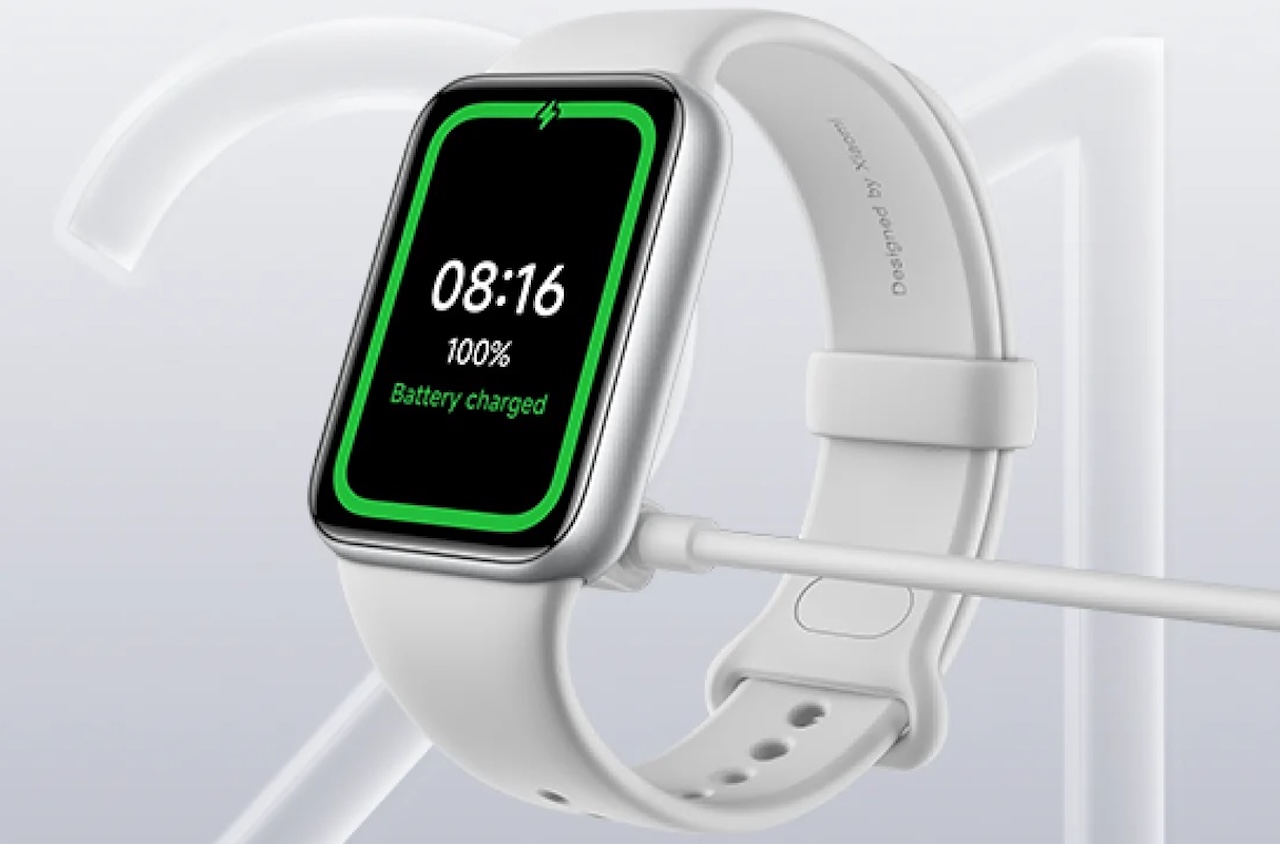 Xiaomi rates the battery at three weeks of regular wear, or just over a week with the always-on display active. The 5ATM rating keeps it pool-ready and shower-proof without complaint. The NFC chip handles contactless transit and store payments where supported. It’s standard in the China variant and now also lives on the global NFC and ceramic edition.
Xiaomi Smart Band 10 Pro Price and Availability
 In China, the aluminum 10 Pro lists at 399 yuan (roughly $58). The ceramic version is 479 yuan (~$70), and the leather-strap variant is 449 yuan (~$62). Xiaomi has also opened the global rollout: in Europe, the aluminum model starts at €79.90 (~$93), while the NFC and ceramic edition is €99.90 (~$116). As is typical for Smart Band launches, the U.S. is not part of the official rollout, but Xiaomi’s global store and importers like AliExpress are already shipping units.
Why It Matters
The Smart Band 10 Pro is the latest data point in a broader trend, which is that the gap between a $60 fitness band and a $400 fitness watch keeps narrowing on the spec sheet. A bright AMOLED, HRV monitoring, GNSS, NFC, and 21-day battery used to add up to something north of $200 only a year or two ago. Xiaomi keeps pulling those features down the stack.
For buyers who want a daily fitness tracker without paying for an Apple Watch or a Garmin, the 10 Pro is the kind of release that resets the floor. The catch, as always, is software polish and ecosystem fit. HyperOS 3 is more competent than Mi Fit ever was, but iOS users will still get a lighter experience than Android users on a Xiaomi phone.


Price: 399 yuan (About $60)
Where to Buy: Xiaomi | Amazon (2025 model)
For now, the band ships across China and most of Europe, with the U.S. left out of the official rollout as usual. Importers and Xiaomi’s own global store fill the gap for buyers outside those regions.