
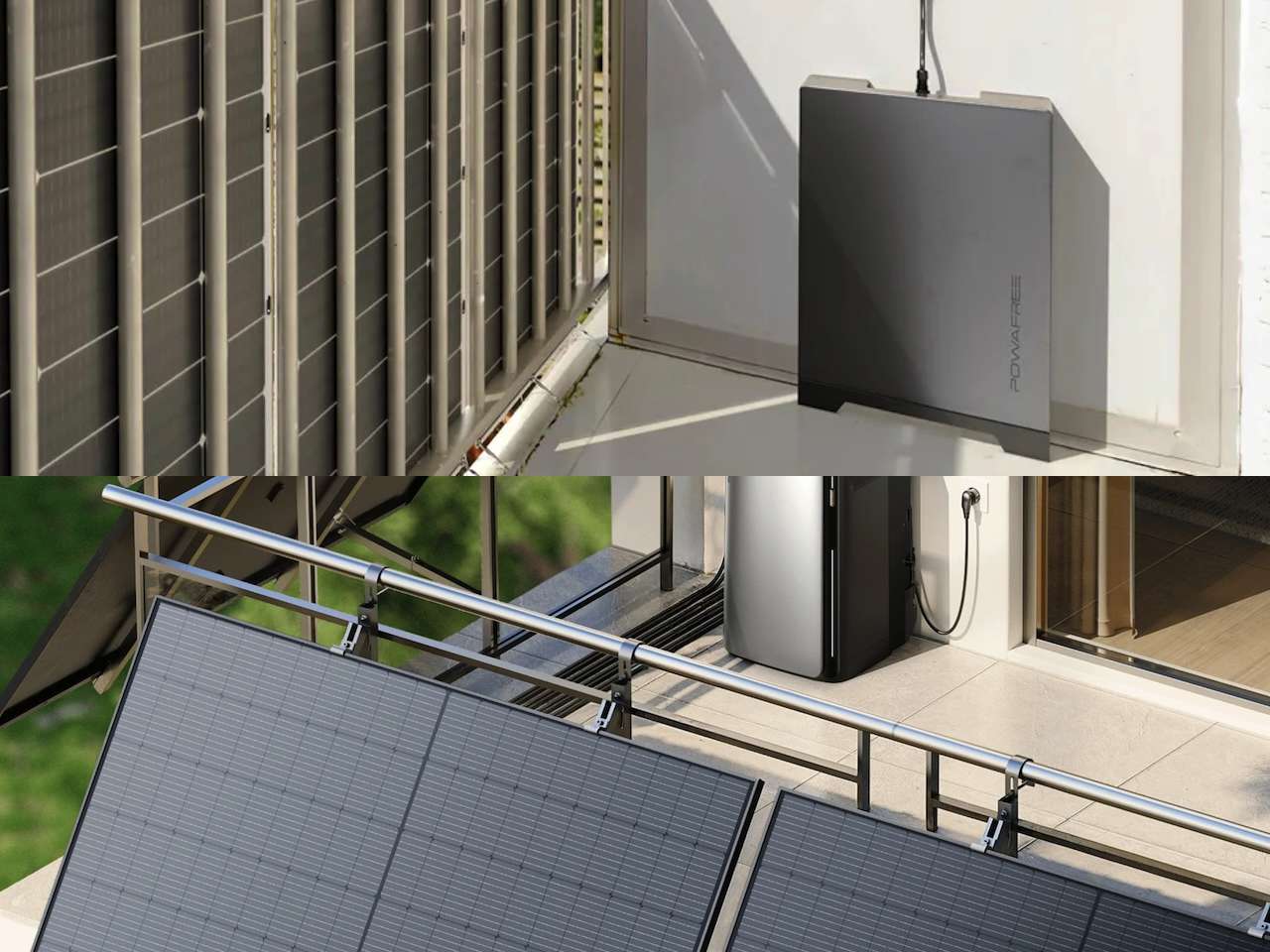
Plug a microwave into a wall outlet. That’s legal. Plug a solar panel into the same outlet, and until 14 months ago, you’d have been breaking the rules in all 50 states. Utah flipped that switch in March 2025, and as of May 15, 2026, four more states have followed.
That’s the real story behind the balcony solar surge, not cheaper panels and not better batteries. A handful of legislators rewrote the definition of “small solar device” so renters and condo owners can finally do what 1.3 million German households now do with a balcony solar panel and a microinverter, according to the German plug-in solar association BVSS.
What changed in 2026
Five US states now allow plug-in solar systems without permits or interconnection agreements. Utah, Maryland, Maine, and Virginia cap systems at 1,200W per residential meter. Colorado, the latest to sign, allows up to 1,920W, the highest of any state, per Bright Saver’s legislation tracker. The kits get treated like an appliance, not a power plant.
Maine carves out a second tier: DIY installs cap at 420W, and anything above that requires a licensed electrician and a 30-day utility notice, per pv magazine USA. Plug in, generate, and save $180 to $800 a year on your electric bill, per Solar United Neighbors’ plug-in solar estimate.
The five states with plug-in solar laws signed as of May 15, 2026:
- Utah (HB 340, signed March 25, 2025 by Governor Cox, effective May 7, 2025)
- Maryland (HB 1532 “Utility RELIEF Act,” signed May 12, 2026 by Governor Moore, effective immediately under an emergency clause)
- Maine (LD 1730, signed April 6, 2026 by Governor Mills, takes effect on or after July 15, 2026)
- Virginia (HB 395 / SB 250, signed April 22, 2026 by Governor Spanberger, takes effect July 1, 2026)
- Colorado (HB26-1007, signed May 7, 2026 by Governor Polis, takes effect January 1, 2027)
Utah and Maryland are in effect today. Maine, Virginia, and Colorado are signed but not yet active.
Outside those five, you’re still in a legal gray zone. More than 30 states plus the District of Columbia have introduced plug-in solar bills, per Bright Saver’s legislation tracker, though at least seven have failed or stalled. Until your state signs, plugging a panel into a standard outlet may violate your utility’s interconnection rules.
Bright Saver’s pluginsolarusa.com tracker is the cleanest place to check status before you buy. The kits below are the strongest US-shipping options right now, organized by who they fit best.
EcoFlow STREAM Ultra, for the Utah renter who wants storage built in
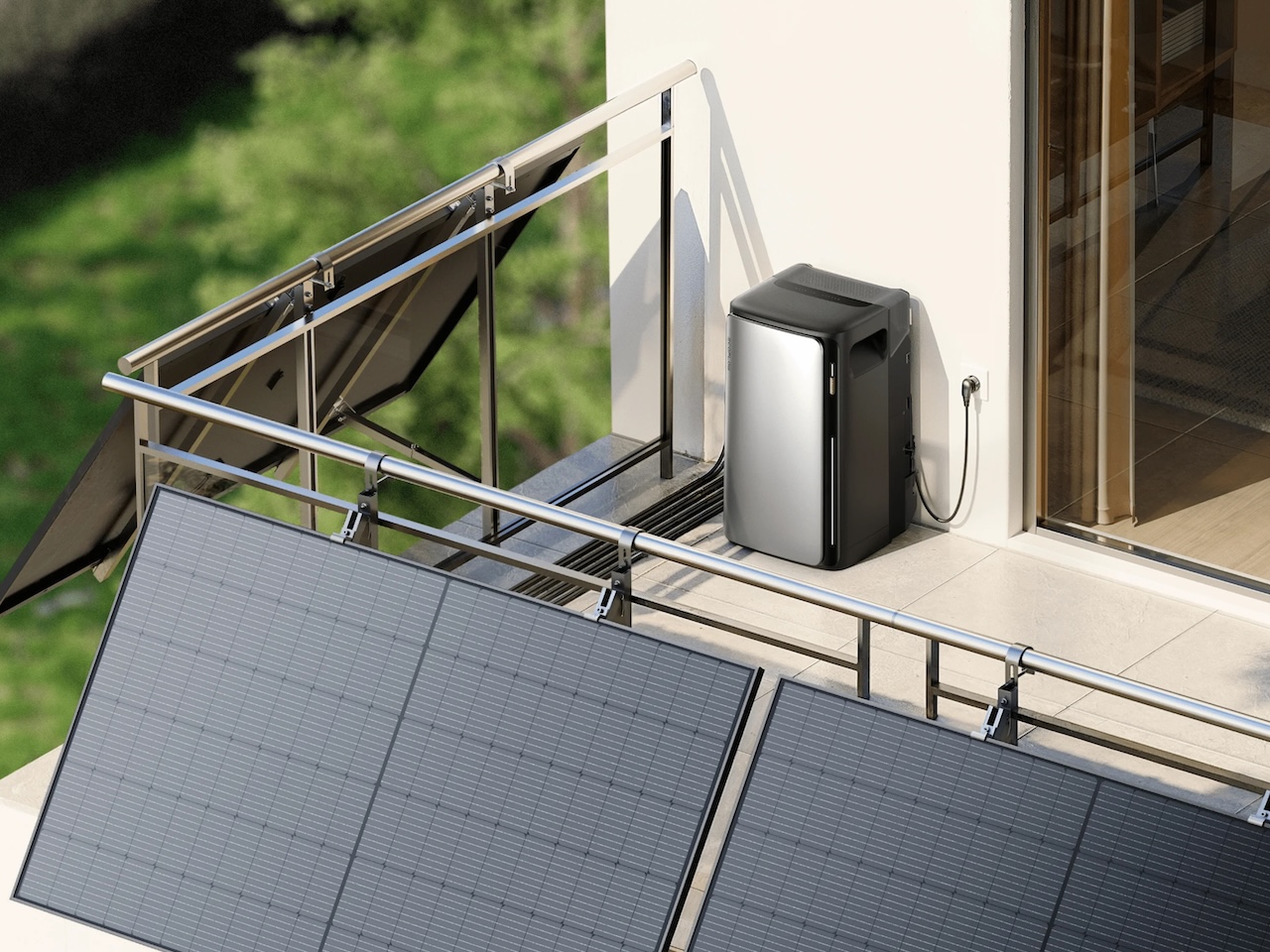
EcoFlow says STREAM is the first US plug-and-play home solar system designed for apartments and condos in addition to single family homes. As of May 2026, it’s the most polished kit shipping under the new rules. The catch is geography: the STREAM Ultra is only sold and installable in Utah right now, per Utah’s HB 340 restrictions. EcoFlow’s North American business development head Brian Essenmacher told Solar Builder the company expects to expand STREAM’s US availability beyond Utah later in 2026, without committing to specific states yet.
Price: From $1,199
Where to Buy: Ecoflow
The Ultra bundles a 1.92 kWh LFP battery, an integrated microinverter, and four MPPT inputs supporting up to 2,000W of solar. Output to the home is capped at 1,200W AC on a dedicated 15-amp circuit. EcoFlow lists a $1,199 early-bird price (MSRP $1,899) and a 10-year warranty backed by 6,000 cycles to 70 percent capacity.
The standalone STREAM Microinverter goes for $299 early-bird ($599 MSRP) if you already own panels and want grid-tied output without storage. EcoFlow says the system can save up to $385 a year on electricity, though that figure depends on your kWh rate and how much daytime load you actually offset.
CraftStrom 800W, for the longest US track record
CraftStrom is a Houston-based plug-in solar company, founded in 2018, that pitches its system as legal in all 50 states via a zero-export smart meter design, per the brand’s website and LinkedIn profile. CraftStrom built and shipped UL- and NEC-compliant kits ahead of the 2025 to 2026 wave of state legalization laws, per CleanTechnica’s April 2025 coverage, though the brand doesn’t publish a unit count on its site.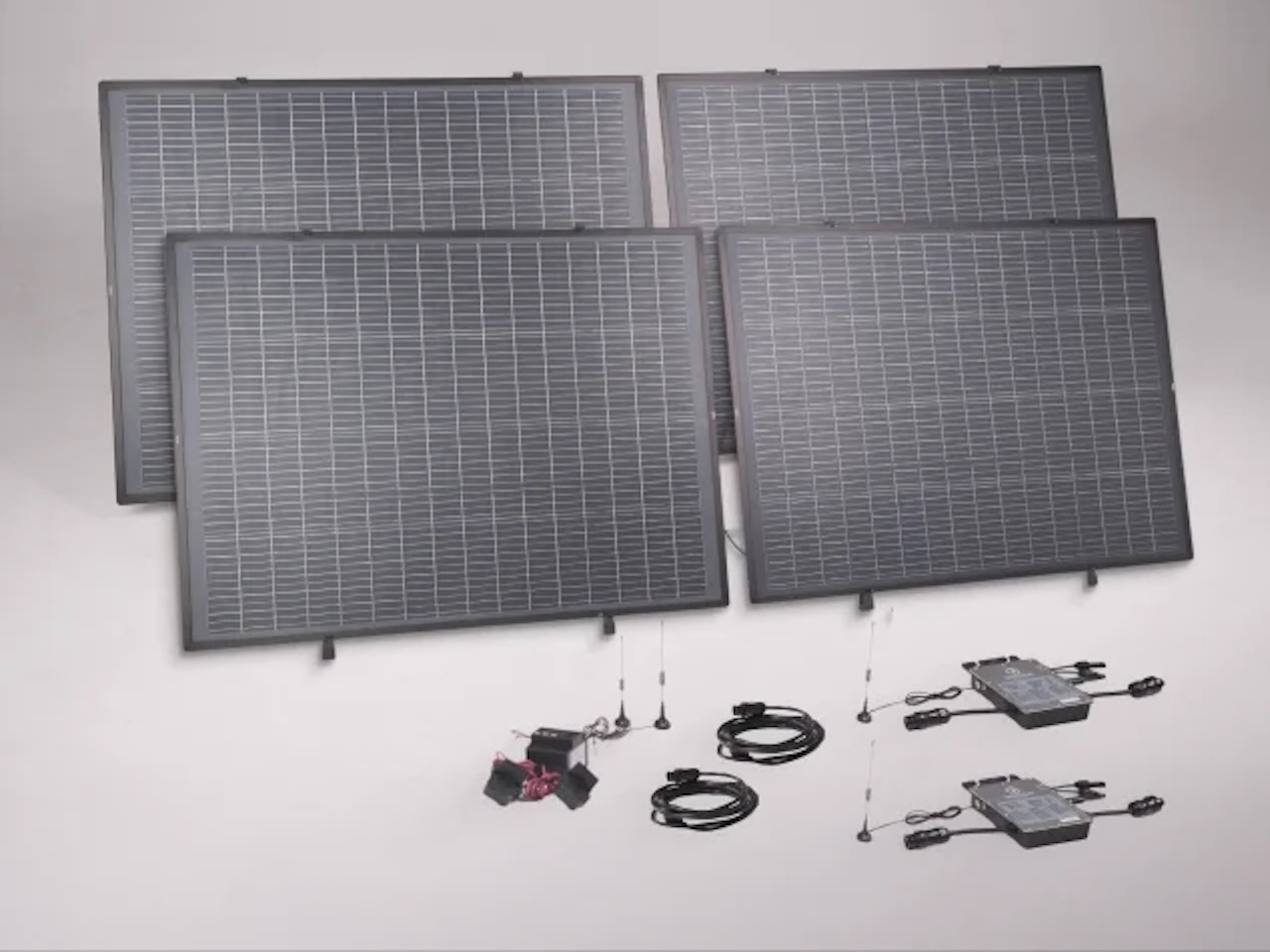
Price: $2,031
Where to Buy: Craftstrom
The 800W kit pairs four 200W bifacial semi-flexible panels with two 400W ETL-certified smart inverters (ETL listed to UL 1741 and IEEE 1547 standards, per CraftStrom), a smart power meter, and all cabling for $2,031. CraftStrom estimates up to 1,872 kWh of generation a year and backs the kit with a 10-year warranty. It’s pricier than EcoFlow up front, but it’s the only major US-market kit that doesn’t depend on a 2025 or 2026 state law to operate legally.
US Solar Supplier 810W Balcony Kit, for the spec-minded buyer
The 810W Balcony Solar Kit from US Solar Supplier bundles two Runergy 405W panels (HY-DH108P8B) with an APsystems EZ1 microinverter, a 120V AC power cord, and SunModo SunShield awning-mount racking with 93-inch rails and clamps. It ships from a US distributor in Louisville, KY (with pickup in Houston and Dallas) and runs on the same EZ1 platform Germany’s Steckersolar market has used for years, here in the US-spec EZ1-LV 120V variant. That makes the parts list straightforward to validate against UL 1741 and IEEE 1547 standards.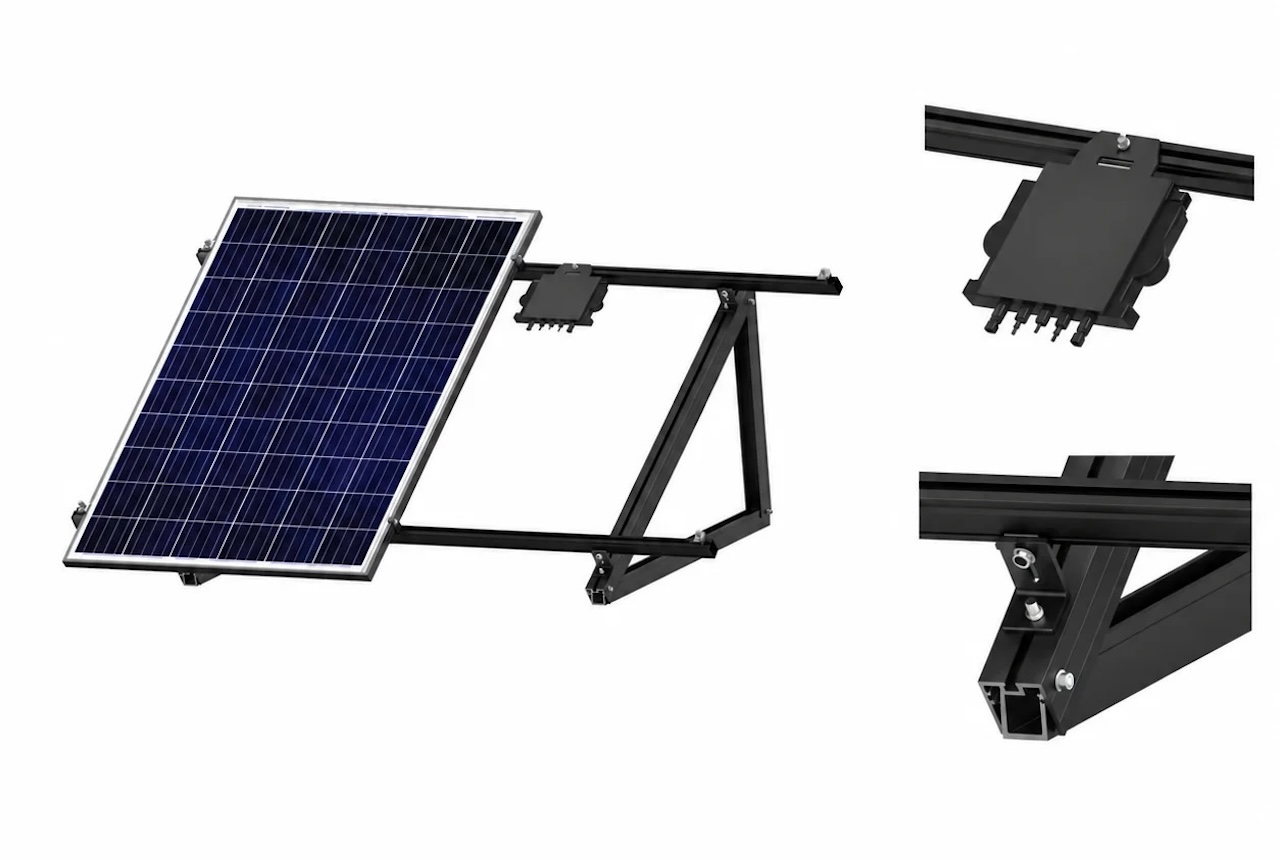
Price: From $969
Where to Buy: Craftstrom
Pricing is published openly on the product page at $969 on sale, $1,188.50 MSRP (18 percent off as of May 2026). The kit puts out up to 900VA AC at 120V across dual MPPT, and the warranties stack at 15 years product / 30 years performance on the panels (Runergy), 10 years on the inverter (APsystems), and 20 years on the racking (SunModo).
The kit’s appeal is the modular hardware path: start with 810W, then swap or expand panels and rails later without ripping anything out. Storage isn’t built in, and the EZ1 is grid-tied only, so adding a battery means layering on a separate AC-coupled system (like BigBlue’s R800 plus C2500 hub) rather than bolting one onto this kit.
BigBlue POWAFREE Balcony Solar H1, for storage on a budget
The POWAFREE H1 pairs a 2,560 Wh Cell-Pack 2500 (C2500) battery with BigBlue’s R800 microinverter and Bi-Flex panels, supports 800W of solar input across three MPPTs, and carries an IP67 rating for outdoor use. BigBlue lists the R800 plus C2500 bundle on its US store at $699.99 on sale ($1,399 MSRP), with EU listings in a similar €1,099 to €1,199 range.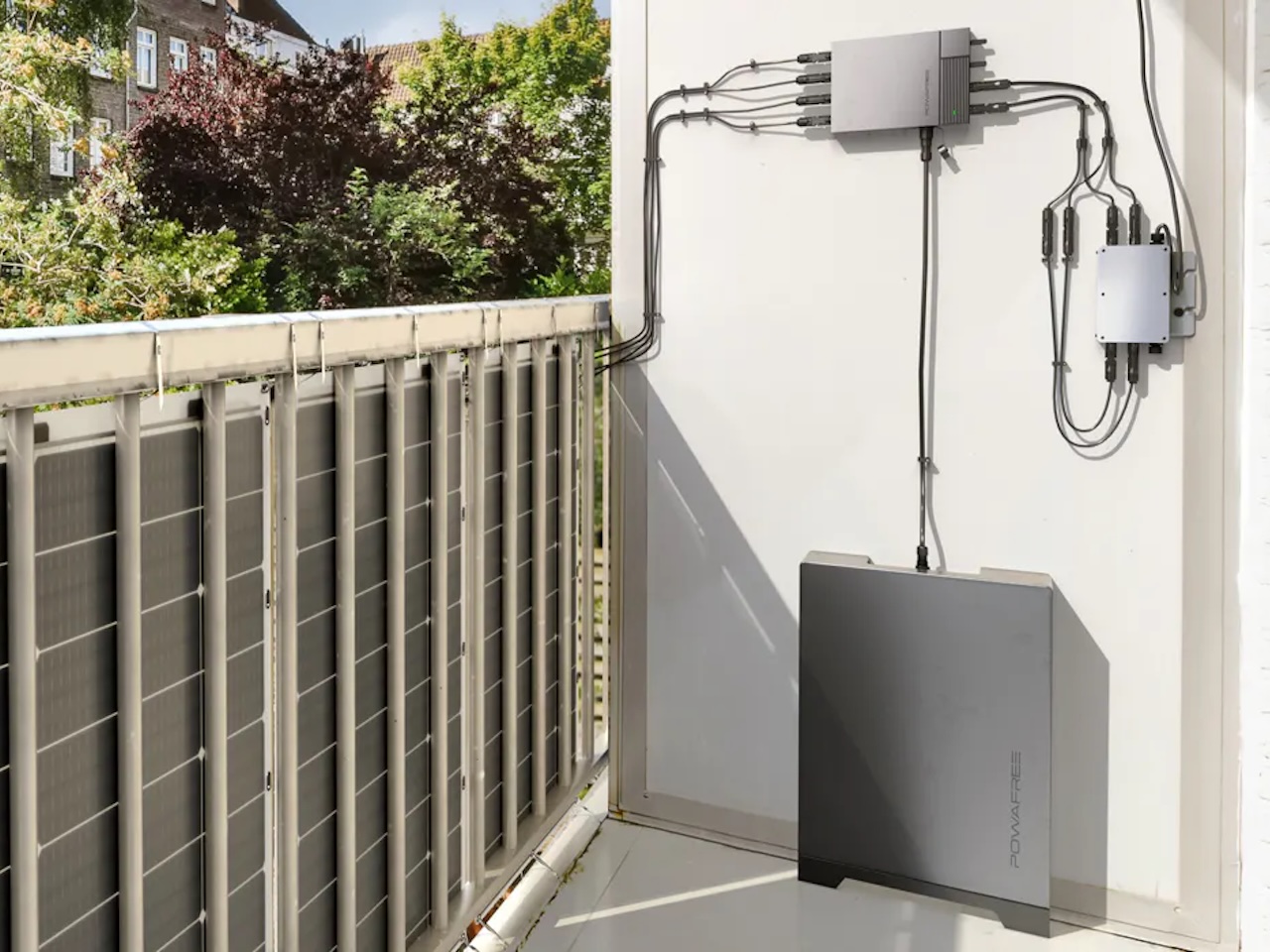
Price: From €1,099 (About $1,278)
Where to Buy: BigBlue
The pitch is storage at roughly a third of the cost of an EcoFlow STREAM Ultra. The trade-off is a younger product with less independent testing data than EcoFlow or CraftStrom can show. BigBlue’s user manual rates the H1 for operation from -20°C to 45°C (-4°F to 113°F), with the C2500 carrying an IP65 weather-resistance rating, and the brand pitches plug-and-play install with app control. The H1 doesn’t publish an explicit cycle count, though BigBlue’s broader POWAFREE line cites a 10-year LFP lifespan.
Bluetti Balco series, the kit to watch if you’re not in a legal state yet
Bluetti’s Balco line debuted in Paris on May 12, 2026, with two flagship products: the Balco 260 (four MPPT channels, 2,400W total PV input) and the Balco 500 (high-voltage MPPT, 4,300W PV input, expandable to 15 kWh and 11 kW output when three units are paralleled). The pitch is whole-home balcony solar, which sounds contradictory until you see the parallel architecture.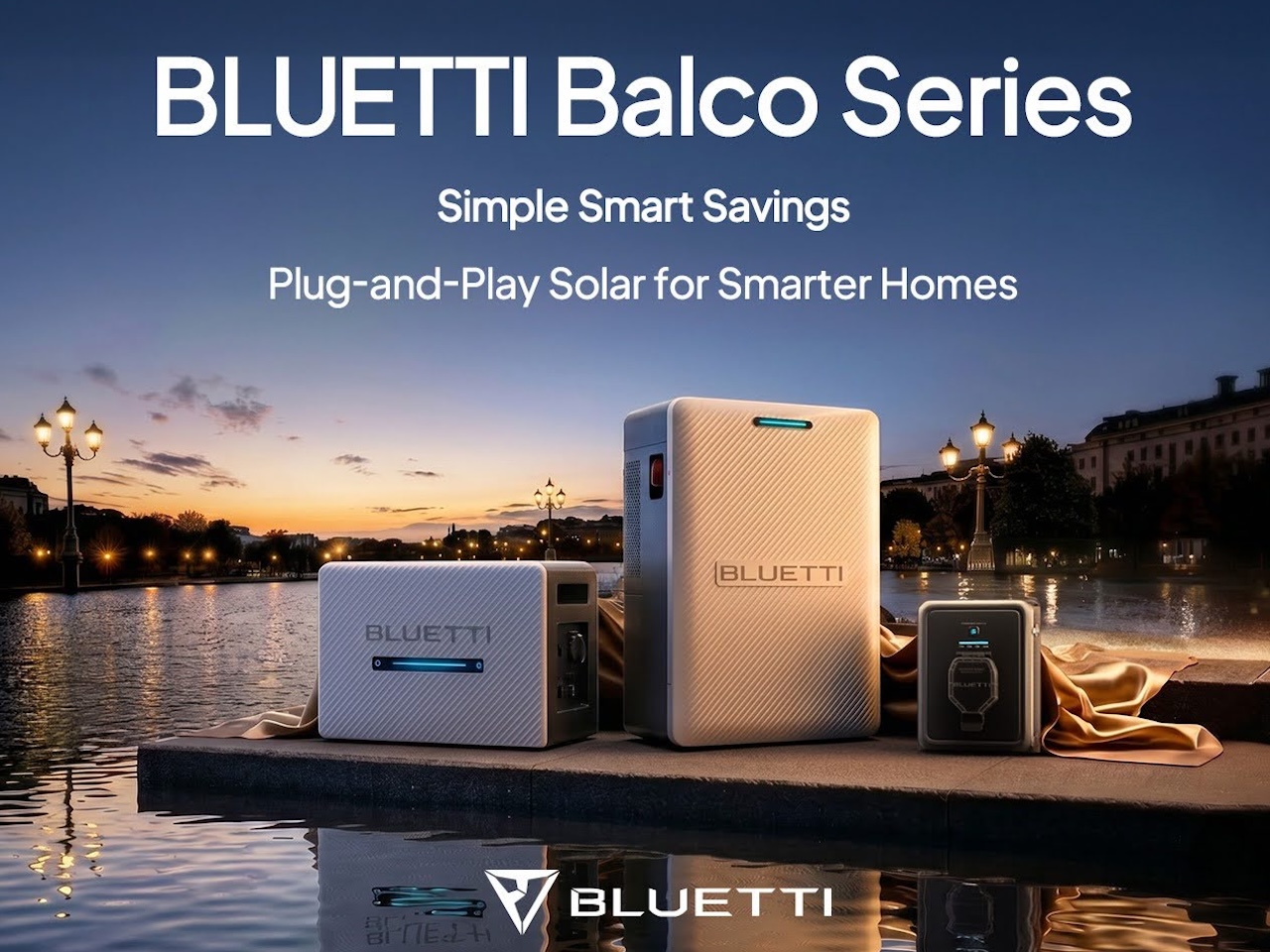
Price: TBD
Where to Buy: Bluetti
The third piece of the Balco lineup is the Transfer Hub, a grid-tied controller that takes any portable power station, Bluetti’s own or a third party’s, and turns it into an 800W grid-connected balcony PV system. For renters who already own a Bluetti or a comparable power station, that’s the cheapest way into balcony solar without buying a whole new ecosystem.
What about Anker Solix, Jackery, and GoSun
Anker’s Solix balcony solar with storage (the RS40P 820W kit and the newer Solarbank 4 E5000 Pro, with 5 kWh of LFP storage expandable to 30 kWh and up to 2,500W output through a professional Wieland install, €1,999 MSRP per Anker EU) is currently EU-only. The Solarbank 4 E5000 Pro opened EU pre-orders on May 12, 2026 with an official market launch of June 12, 2026, per Anker Solix. Anker has confirmed a UK launch once regulations allow, with no US release date announced, per Anker Solix. The Anker SOLIX E10 whole-home backup is shipping in the US, but it’s a backup system, not a balcony plug-in kit.
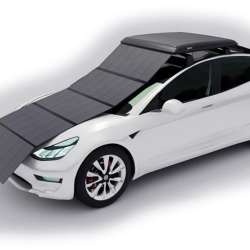
Jackery’s US lineup includes the Explorer 600 v2 portable power station (640 Wh) and the 2 kW Solar Gazebo (around $12,000 to $15,000, US launch second half of 2026 starting in California). Jackery’s actual balcony product, the HomePower 2000 Ultra, is EU-only and currently ships to the Netherlands and Austria at €1,268 (€2,158 RRP) per Jackery EU, with no announced US release. The Explorer line pairs with portable panels, which sits closer to camping gear than a 24/7 grid-tied install.
GoSun’s 2026 push is the Solar EV Charger and the SolarPanel 100, not a balcony plug-in kit. If you see roundups recommending these brands as balcony solar without the qualifier, treat it as wishful thinking until brand sources confirm a US-market plug-in product.
Before you plug anything in
State legality is the first check. If you’re outside Utah, Maine, Virginia, Colorado, or Maryland, your utility’s interconnection rules still apply, and a plug-in system that backfeeds to the grid may violate them. Bright Saver maintains a current tracker of state bills at their website if yours is in progress.
Building-level rules come next. Some HOAs and condo boards have language banning anything visible from the exterior, though Colorado’s law explicitly overrides HOA bans for plug-in solar. Read your CC&Rs, then write your board before you buy. Landlords in some states must allow plug-in solar with tenant notification, but the rules vary by state.
Electrical capacity is the part most buyers skip. A standard 15-amp circuit can handle a 1,200W kit if nothing else demanding sits on the same line, but a kitchen circuit shared with a microwave or coffee maker can trip. Brands recommend a dedicated 15-amp outlet, ideally on an exterior wall with a clear sightline from the panel to the inverter.
The certifications check is the last gate. Look for UL 1741 listing or an equivalent nationally recognized testing laboratory mark on the microinverter, not just the balcony solar panel itself. That’s the part that interacts with your home wiring, and it’s the spec that state laws lean on when they exempt small systems from interconnection rules.
The bottom line
Balcony solar isn’t a rooftop replacement. An 800W kit will trim $180 to $800 a year off an apartment’s electric bill depending on your location and rate, per Solar United Neighbors’ plug-in solar estimate, not zero it out. The payback math gets interesting after year three, when the kit’s cost is offset by the kWh you didn’t buy from your utility. After year five, most renters are net positive.
For Utah residents, the choice is mostly EcoFlow STREAM today. For buyers outside the five legal states, CraftStrom is the kit that pitches itself as nationally legal via its zero-export design, though always confirm with your utility first. For everyone else, watch your state tracker, confirm your utility’s rules, and bookmark Bluetti’s Balco rollout. The next 18 months will look very different from the past year.
FAQ
Is balcony solar legal in my state? As of May 15, 2026, five US states allow plug-in balcony solar without permits or interconnection agreements: Utah and Maryland are in effect today, and Maine, Virginia, and Colorado are signed but not yet active. More than 30 other states plus DC have bills in progress, per Bright Saver’s legislation tracker at pluginsolarusa.com. Outside the five legal states, your utility’s interconnection rules still apply, so check with both your state and your utility before plugging in.
Do I need an electrician to install a balcony solar panel? In most cases, no. The kits covered here plug into a standard 120V outlet and are designed for DIY install. Maine is the exception: its law caps DIY installs at 420W, and anything above 420W requires a licensed electrician plus a 30-day utility notice, per pv magazine USA. Brands recommend a dedicated 15-amp outlet, ideally on an exterior wall, to avoid sharing a circuit with high-draw appliances.
What does an 800W balcony solar kit actually cost? Pricing in May 2026 runs from roughly $700 to $2,100 depending on whether storage is included.
BigBlue’s POWAFREE H1 lists at $699.99 on sale ($1,399 MSRP) for the R800 plus C2500 bundle with a 2,560 Wh battery. The US Solar Supplier 810W kit is $969 on sale ($1,188.50 MSRP), grid-tied only. EcoFlow’s STREAM Ultra is $1,199 early-bird ($1,899 MSRP) for the Utah-only kit with storage. CraftStrom’s 800W zero-export kit runs $2,031.





Gadgeteer Comment Policy - Please read before commenting
Hi! I wanted to let the team at The Gadgeteer know that there is incorrect information regarding this article.
I work at Bright Saver, and the information + link to our tracker is incorrect. Though recent, 7 states have signed legislation as of today, per our tracker. Also, here is the link to Bright Saver’s tracker. https://www.brightsaver.org/legislation-tracker?srsltid=AfmBOorV6N5tRVgljkhhTG6S15H7uR45JwcOFBTaWex0hj-VB5awukBw
The link used in the article is from pluginsolarusa, different than ours. Our policy team works with the bill drafting and legislation directly, and our tracker reflects that.
I hope we can have this updated as soon as possible! Thanks!