Today is Earth Day. Every April 22, we get a wave of “green” tech, and a lot of it is just marketing. Recycled boxes around a gadget that still eats 40 watts on standby. A “carbon neutral” sticker backed by shaky offsets. A bamboo sheet glued to the same plastic shell as last year.
The good news: the 2025 and 2026 picks have real winners. These gadgets cut energy bills, skip single-use plastic, or run on the sun. They earn a spot by replacing something worse, not by adding a leaf to the box. Here are ten worth a look this Earth Day, with the newest releases up top.
1. Framework Laptop 13 (2025 Ryzen AI 300 Refresh)
Framework’s 2025 laptop runs on AMD’s Ryzen AI 300 chip. You can swap any part yourself with one screwdriver. The battery, hinges, ports, RAM, and SSD are all easy to replace. Expansion Cards let you hot-swap USB-C, USB-A, HDMI, DisplayPort, or extra storage. iFixit gave the original Framework 13 a 10/10 for repair. When a better chip comes out, you buy just the mainboard, not a whole laptop. The new board fits any Framework 13 back to the 2021 model (with a RAM swap, and sometimes a Wi-Fi card swap).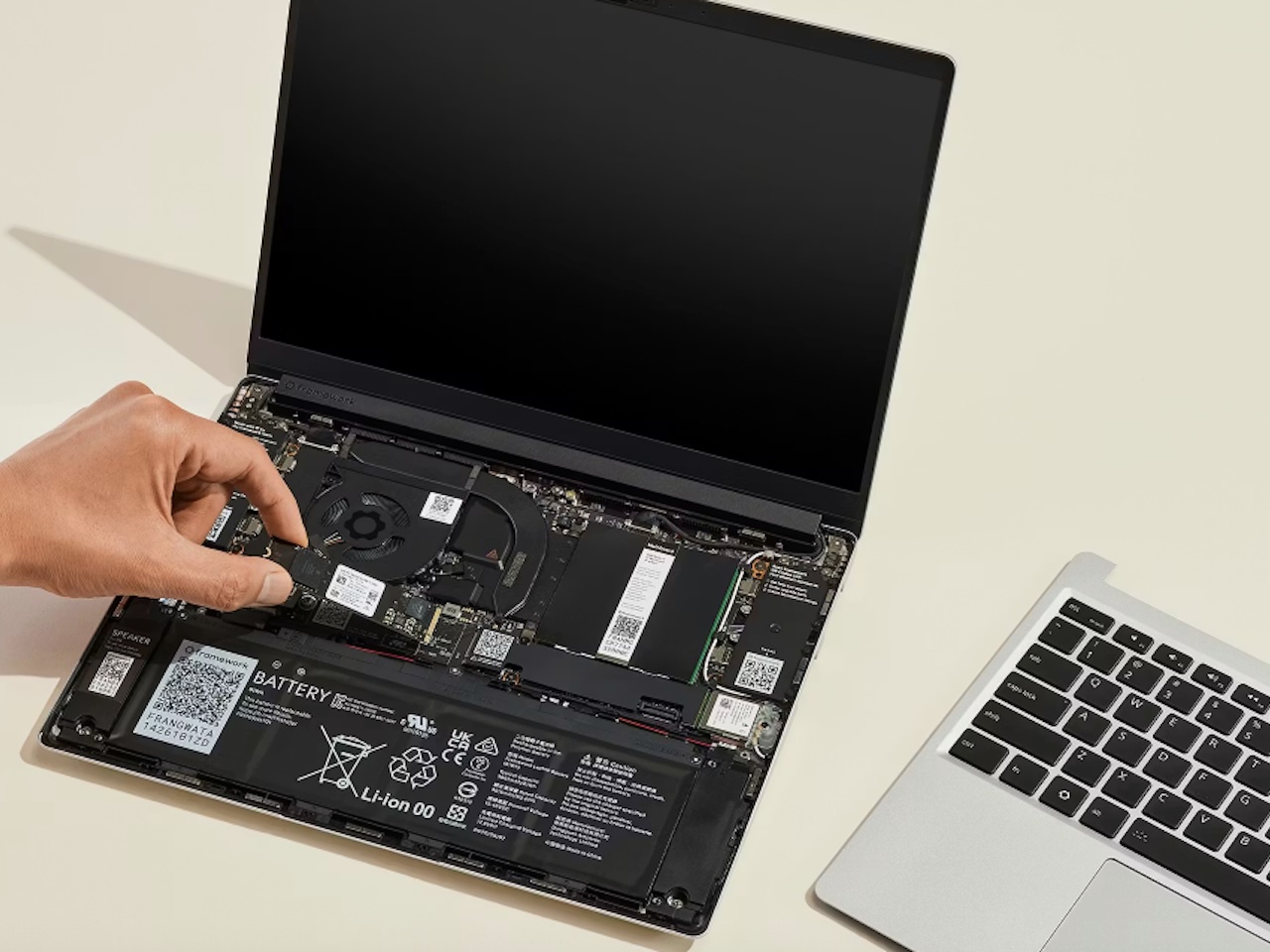
Price: TBD
Where to Buy: Framework
Here’s the carbon math: for most laptops, making the device is about 75 to 80 percent of its lifetime footprint. Making a laptop last eight or nine years instead of three is the biggest win a gadget can score for the planet. That’s what Framework is built for. The downside is price. It costs about as much as a mid-range XPS, so the payoff is the long life, not a cheap sticker.
2. LARQ Bottle PureVis
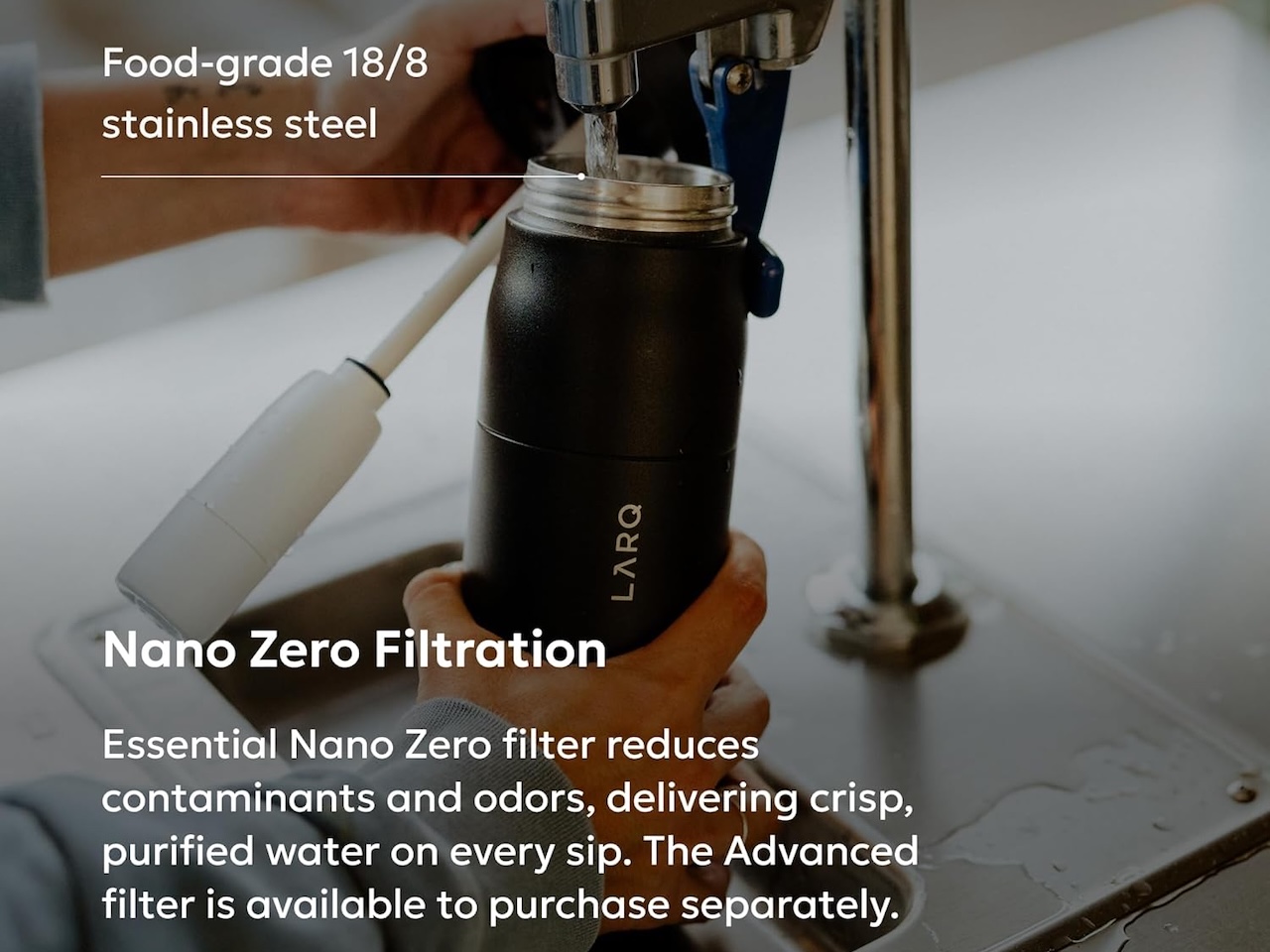
A self-cleaning bottle that uses UV-C light to kill germs every couple of hours. Over its life, it replaces dozens of single-use plastic bottles without asking you to change a thing. The UV-C unit wipes out 99.99% of E. coli per 60-second Normal Mode cycle, and a 3-minute Adventure Mode cycle handles sketchier tap water on trips.
Price: $129
Where to Buy: Amazon
Battery life is about two to three weeks per charge in Normal mode. The body is 18/8 stainless steel with a BPA-free plastic cap. One LARQ can easily replace a few hundred plastic bottles in its first two years. Less useful if you already stick to a steel Hydro Flask.
3. Kasa Smart Plug Mini (Energy Monitoring)
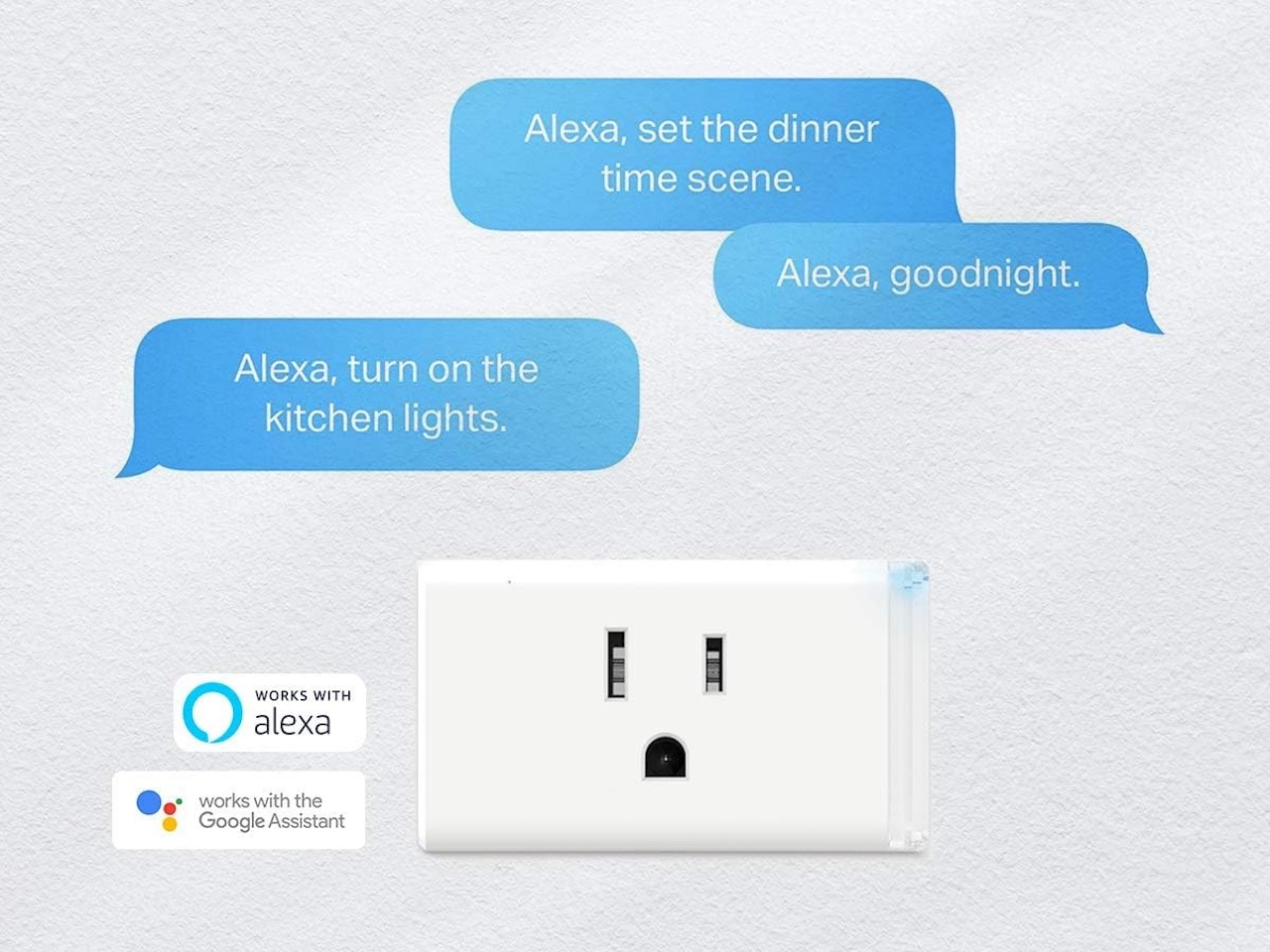
Usually around twenty dollars a plug at MSRP, or closer to seventeen or eighteen each in a four-pack (and often under twelve on sale). The Kasa Smart Plug Mini shows you which always-on device is quietly draining power. The app tracks kWh per outlet and breaks it down by hour and day.
Price: $12.99
Where to Buy: Amazon
Matter support lets it work with Apple Home, Google Home, or Alexa, but you still need a hub like an Echo, HomePod, or Nest Hub. Most homes with three or four of these find at least one device costing ten to twenty dollars a year in idle power. That often pays for the plugs in year one. It’s Wi-Fi only, so a weak router will hurt it.
4. Wybot S2 Solar Robotic Pool Cleaner
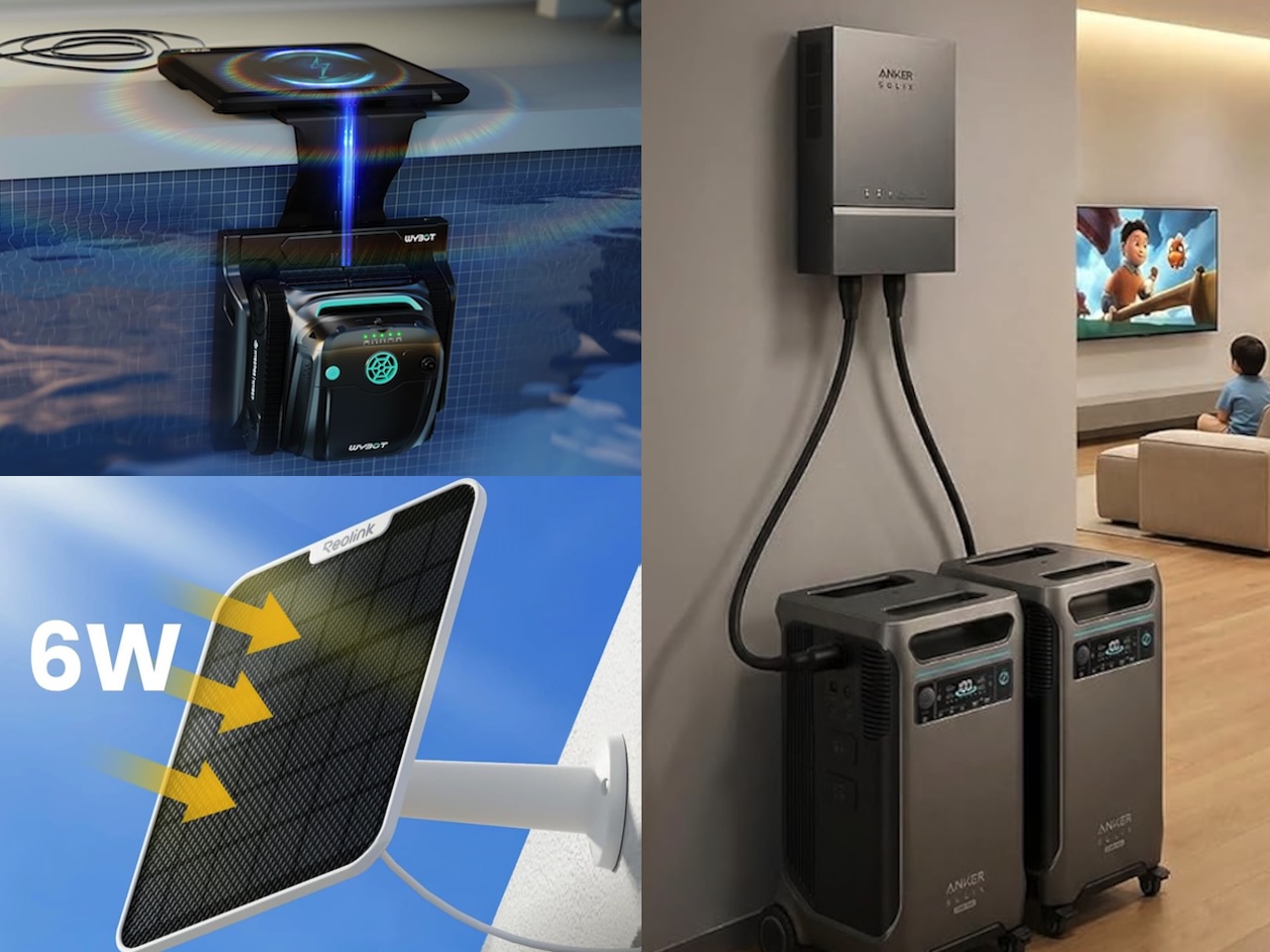
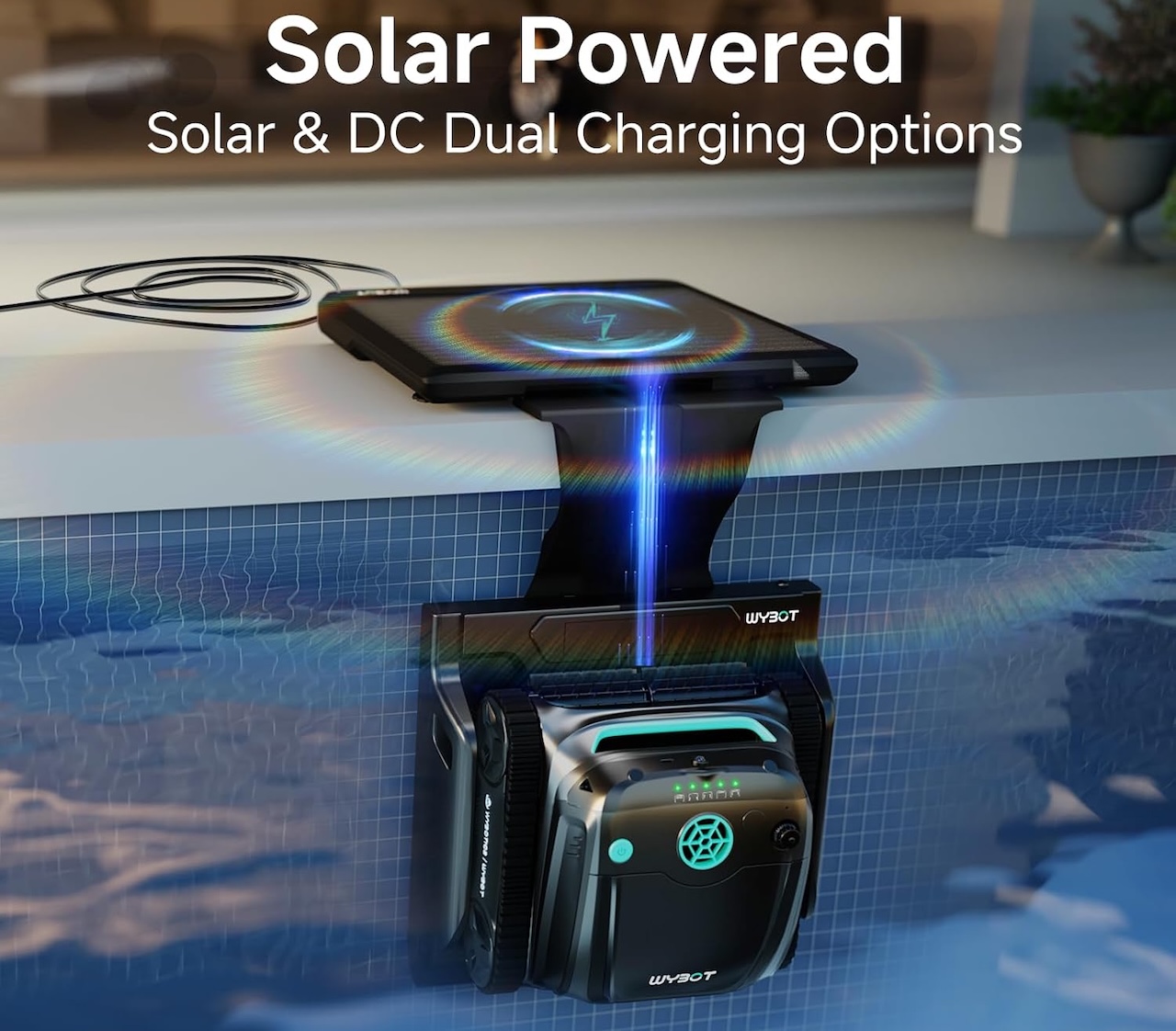
A cordless pool robot with a solar dock. The thing that cleans your pool runs on sun hitting your deck. The S2 Solar is Wybot’s 2025 flagship and won a CES 2025 Innovation Award as the first underwater-solar pool cleaner. It has dual-motor suction and AI path-planning, so it maps the pool and climbs the walls instead of bumping around.
Price: $1,599.99
Where to Buy: Amazon
Runtime is up to about 2.5 hours per charge, enough for most home pools in one pass. You need a pool and a sunny deck, so it’s niche. But if you have both, it’s a real win, since a normal pool pump burns a lot of power every day.
5. Apple USB-C MagSafe Charger (Qi2, 2025 model)
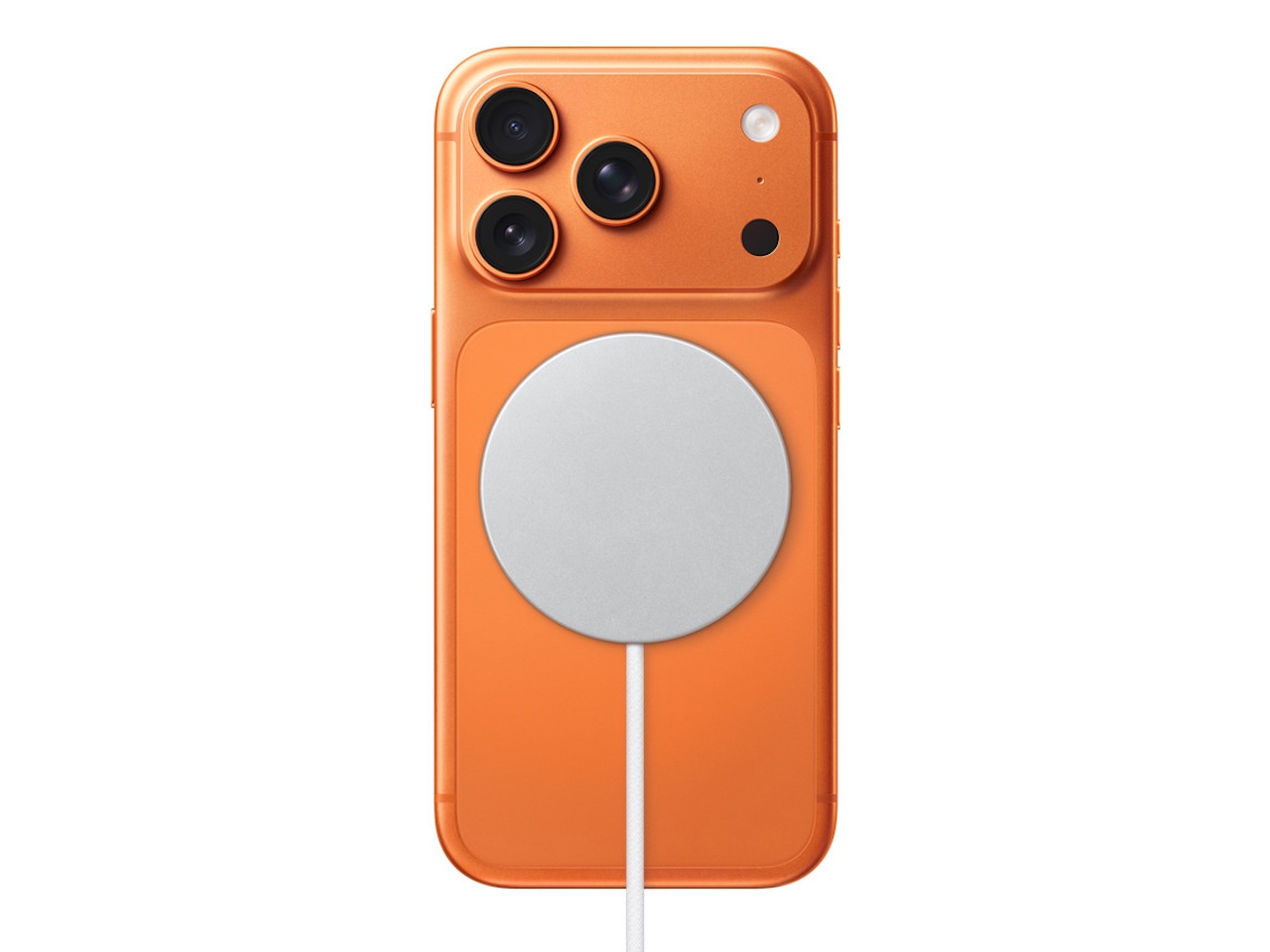
Apple’s USB-C MagSafe Charger (the current Qi2 25W model, sold in 1 m and 2 m) is one of the more eco-friendly big-brand add-ons. Per Apple’s Product Environmental Report, the magnets use 100% recycled rare earth elements and the main logic board solder uses 100% recycled tin.
Price: $37.99
Where to Buy: Amazon
Packaging is fiber-based. Paired with a 30W or higher adapter, it delivers up to 25W to any iPhone 16, and the usual 15W to older MagSafe iPhones (12 through 15). The trade-off is cost. For less money, Nimble and Nomad make MagSafe pads in recycled aluminum or plant-based plastic.
6. SCX Design ECO Solar Power Bank 8000 mAh
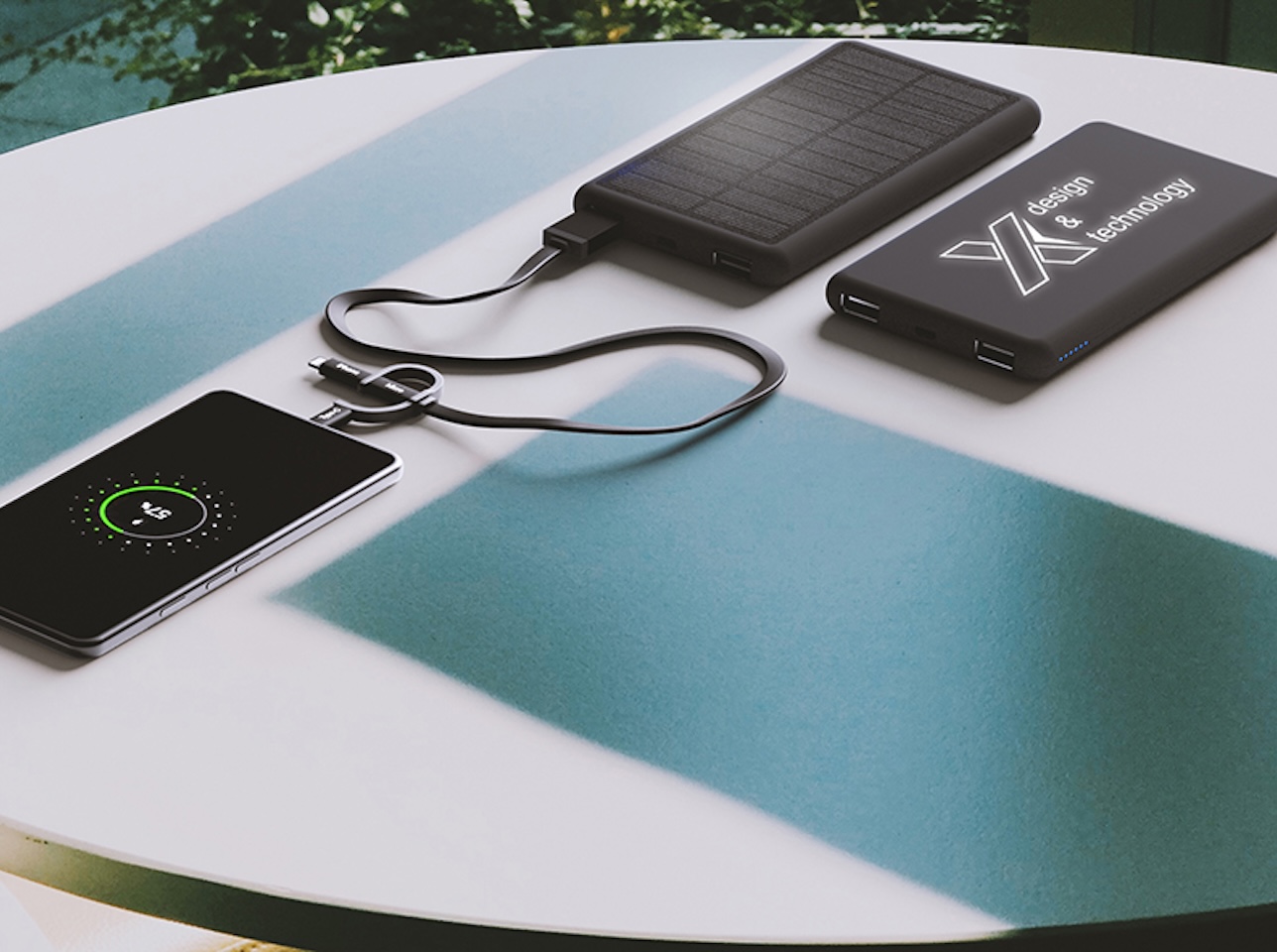
An 8,000 mAh battery pack with a real solar panel on the back. It was in SCX Design’s 2024 New Products list and is still an Earth Day gift pick. The specs: two USB-A outputs at 5V/2A each, a USB-A input at 5V/1A, and a solar panel that pulls about 240 mAh per hour in full sun. That’s a windowsill trickle, not a field-charging miracle.
Price: $95.52
Where to Buy: Koozie
The body is ABS plastic with a soft rubber finish. It ships with a 3-in-1 rPET cable, which is the more honest eco perk. SCX mostly sells it as a corporate gift, but if you can find one on its own, grab it. They’re better made than they look.
7. Pela iPhone Case
Pela’s iPhone case is made from Flaxstic, a mix of flax straw and bio-based plastic. It’s certified compostable under ASTM D6400 and EN 13432, and made in Canada. When it wears out, it breaks down instead of sitting in a landfill for centuries. Old cases can go back through Pela’s 360 program to be ground up and composted or remade.

Price: $36.67
Where to Buy: Amazon
Current iPhone colors include Black, Seashell Lucky Me, Electric Blue Painted Garden, Bubblegum Pink Swan Garden, and London Fog Indigo Bouquet, plus seasonal prints. One note: compostable doesn’t mean tough. If you’re rough on cases, plan to swap it every 18 to 24 months.
8. Reolink Argus 4 Pro Solar Security Camera
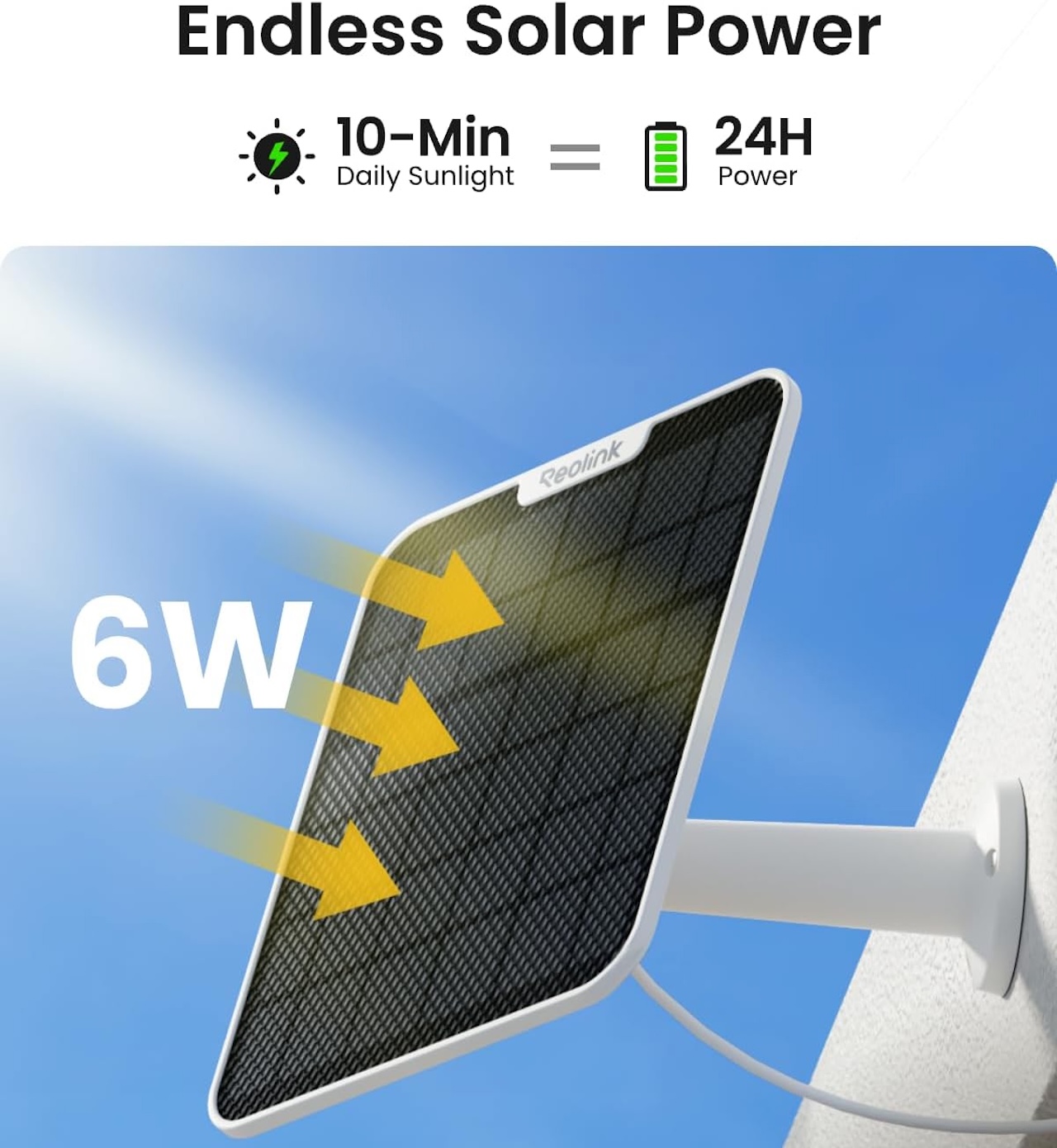
Reolink leaned into solar for Earth Day 2026. The Argus 4 Pro, with its own solar panel, can run for as long as you need on sunlight. You get dual-lens 4K with a 180-degree view. It records to microSD (up to 512GB) or a Reolink Home Hub, so no cloud plan is needed.
Price: $139.99
Where to Buy: Amazon
Color night vision is strong thanks to an f/1.0 lens, and two-way audio works over Wi-Fi 6. Placement matters. The panel needs real direct sun for a few hours a day. A shady north wall will force you to top it up by cable. If you’re tired of paying ten dollars a month to watch yesterday’s porch clips, this is the way out.
9. Anker Solix Solar Generator (2025 Refresh)
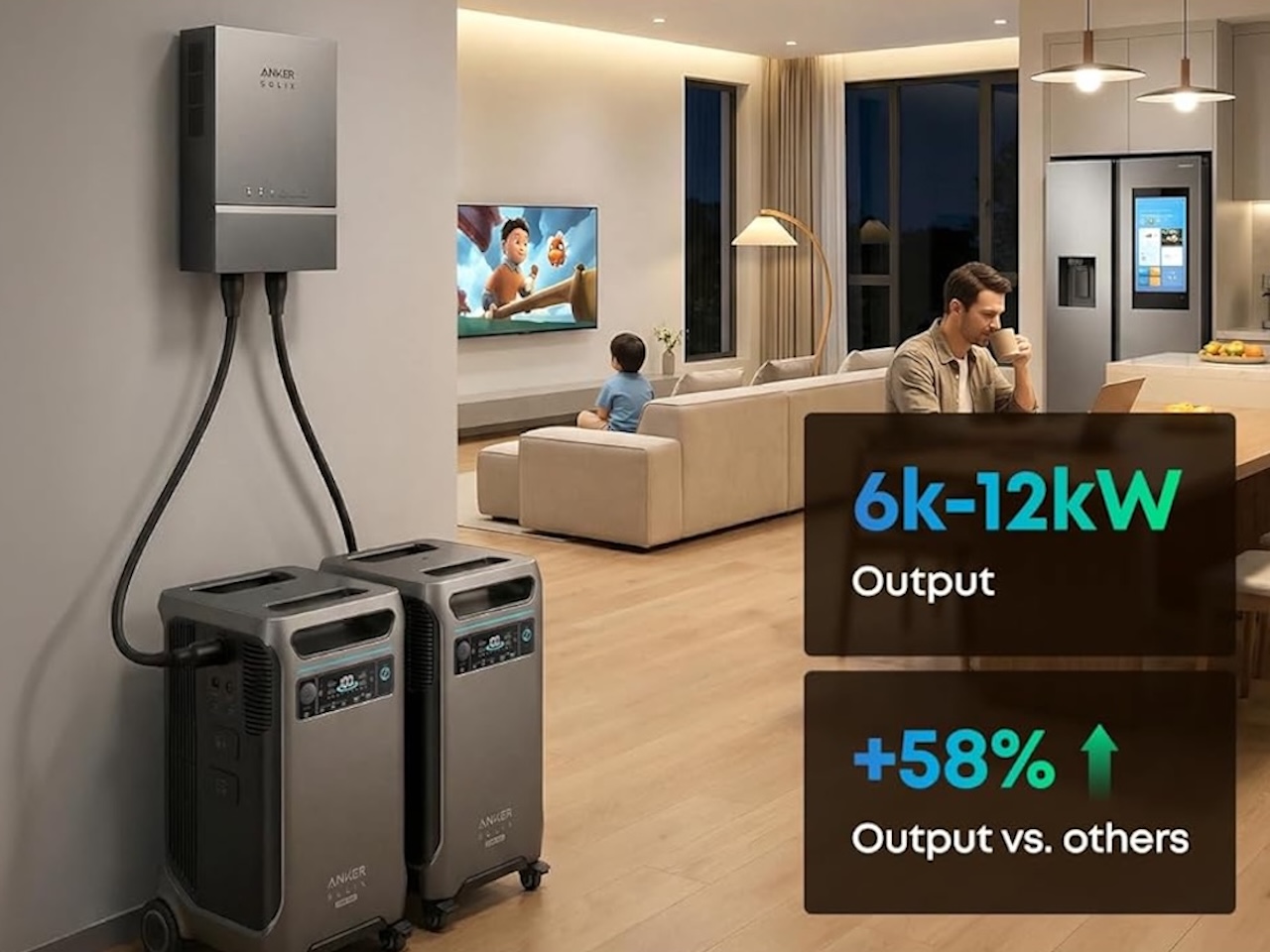
Anker’s 2025 Solix refresh pairs LiFePO4 batteries with fold-out solar panels that actually keep up in real sun. The F3800 Plus leads with 3,840Wh and 6,000W output, rated for 3,000+ cycles to 80% capacity. It takes up to 3,200W of solar input across two 11-to-165V ports when you chain Anker’s 400W panels. The smaller C1000 Gen 2 has 1,024Wh and 2,000W output with 4,000 cycles to 80%.
Price: $2,499.99
Where to Buy: Amazon
The Solix app shows charge schedules and solar-first modes, so you can lean on the sun by day and the grid at night. It’s built for people with shaky power or wildfire shutoffs. Trade-offs: the big kits are heavy, and prices swing a lot with Anker’s sales, so check current listings.
10. Bamboo Wireless Charging Pads
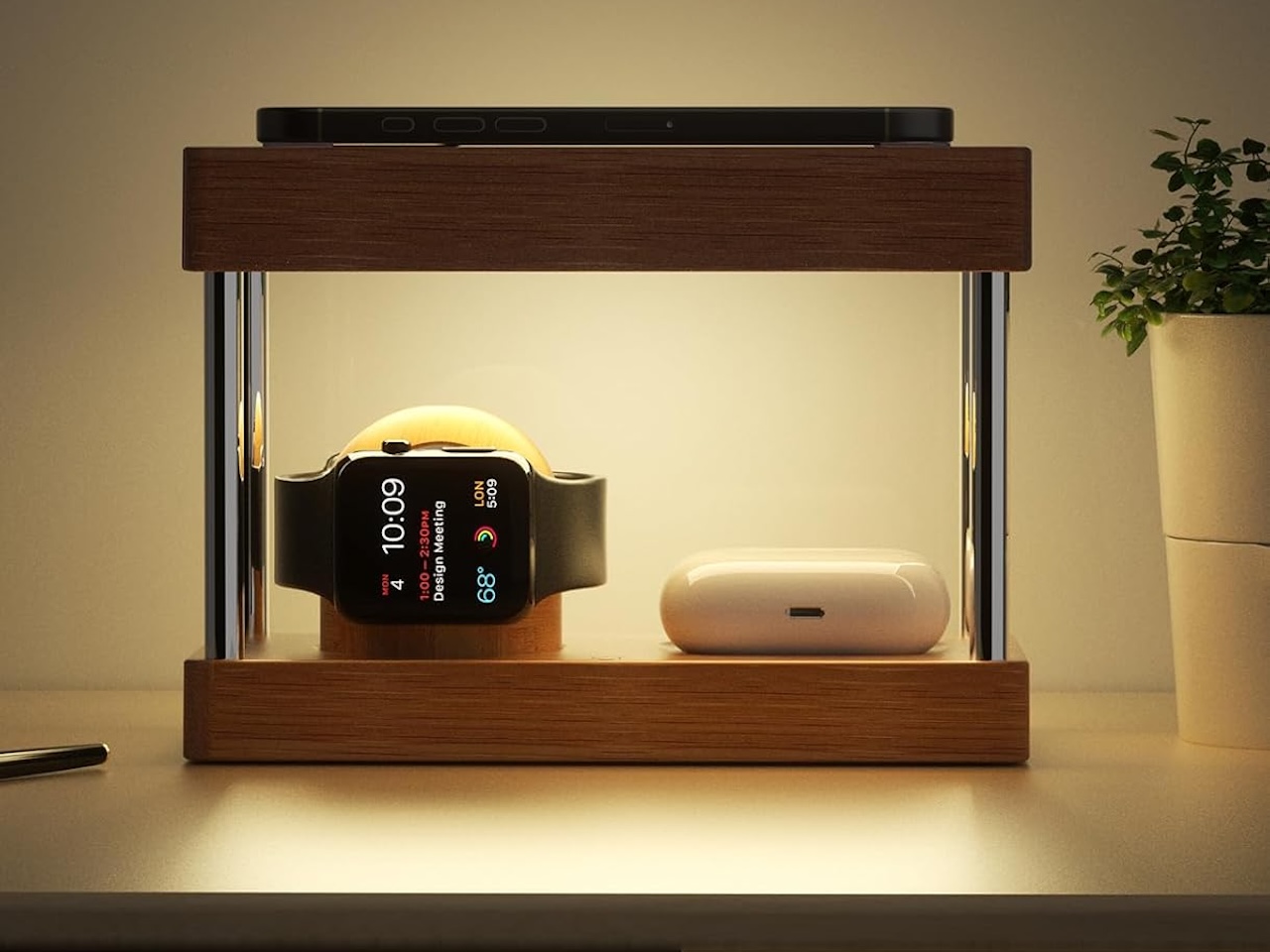
The 2025 and 2026 wave of bamboo Qi2 chargers swaps plastic shells for fast-growing, compostable wood. Same Qi2 speeds, warmer look, lighter footprint. The insides are still copper coils and a PCB, so it’s not fully green, just less plastic.
Price: $29.99
Where to Buy: Amazon
Stick to brands that post real specs and to FSC-certified Etsy makers. Skip generic Amazon listings that glue a bamboo top onto a plastic body. If you want a wood charger and don’t mind leaving bamboo behind, Oakywood’s solid oak or walnut pads are the tougher premium pick. Look for Qi2 certification and 15W output for iPhones.
A quick honest note
A gadget is only sustainable if you actually use it for years. Any pick here only earns its Earth Day badge if it replaces a bad habit, a throwaway item, or a power hog. Buy on purpose. Keep it long. Let the math work for you.
The other side of the math is what you don’t buy. Skip the random eco-gadget drop you’ll forget by July. Skip a copy of something you already own in a greener color. Skip the Earth Day bundle with a free charger you don’t need. The best green move most years is not buying a new thing at all. The second best is buying one solid thing that replaces three throwaways. Every gadget here passes that second test.
Related: 7 Smart Gadgets That Cut Your Bills (Earth Month 2026) and 10 Gadgets That Are Actually Good for the Planet
FAQ
What are the most eco-friendly gadgets in 2026?
The most eco-friendly gadgets in 2026 are the ones that end a wasteful habit instead of starting a new one. Our top picks: the Framework Laptop 13 (easy to repair and upgrade), the LARQ Bottle PureVis (no more single-use plastic), the Pela iPhone 16 case (compostable), the Reolink Argus 4 Pro solar camera (no cloud fee, no grid use), and bamboo Qi2 chargers (less plastic in a daily item).
Are solar gadgets worth it?
Solar gadgets are worth it when the panel is big enough and the gadget uses little power. A solar security camera like the Reolink Argus 4 Pro or a solar pool robot like the Wybot S2 works well because they sip power and sit in sun all day. Pocket-sized solar power banks are mostly a gimmick. The panel is too small for real field charging. Treat the solar part as a backup, not the main input.
What gadgets save the most energy at home?
The biggest home wins come from gadgets that find or kill phantom power draw. A kWh-tracking smart plug like the Kasa Smart Plug Mini usually spots at least one always-on device costing ten to twenty dollars a year in idle power. That often pays for the plug in year one. After that, smart-scheduled LED lights, a smart thermostat, and a solar generator like the Anker Solix F3800 Plus for peak-hour shaving do more than any single “eco” add-on.
Is buying a new eco gadget actually better for the environment?
Not always. For most electronics, making the device is the biggest share of its lifetime carbon. So a new “green” gadget that replaces a working old one is usually worse than keeping what you have. The rule: an eco gadget earns its name only if it replaces a throwaway, a power hog, or a paid subscription, and only if you keep it for years.