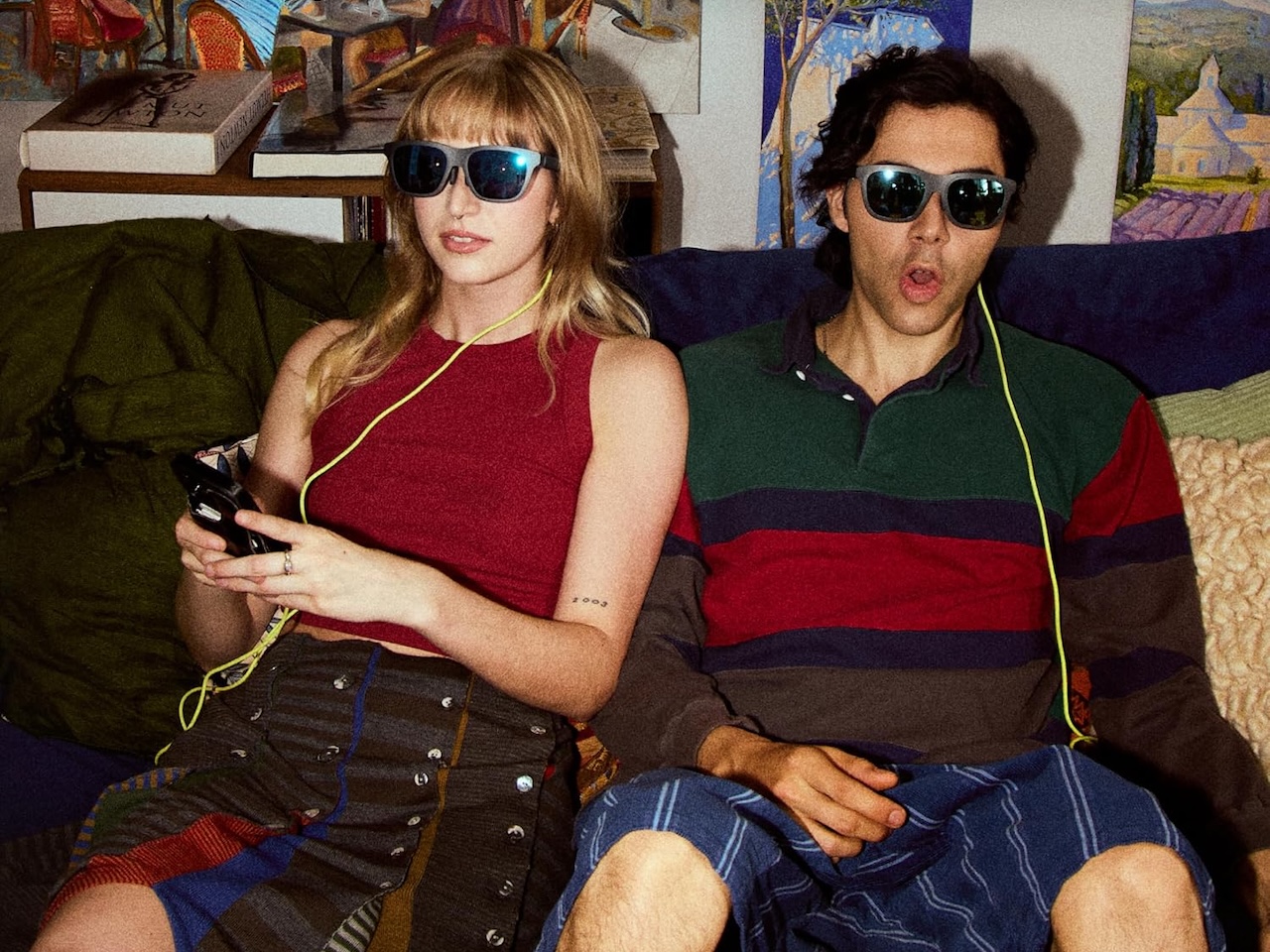
Xreal just spun up a budget sub-brand called X by Xreal, or xbx for short, and the a01+ is the higher-end half of its debut lineup. It sits alongside the base a01 as a pair of tethered AR display glasses built for movies, games, and work on the go, not a standalone headset. The glasses draw power and video over USB-C DisplayPort from whatever phone, laptop, or handheld you plug into.
Price: $299
Where to Buy: Amazon
The plus model is functionally identical to the standard a01 in almost every spec. The one confirmed difference is a bundled Light Shield accessory, which the base a01 doesn’t include.
Display and comfort specs
Both models use the same 0.6-inch Micro OLED panel, a SeeYa unit that spans a 50-degree field of view and refreshes at up to 120Hz. Xreal scales that panel into a virtual screen equivalent to 147 inches from a normal viewing distance.
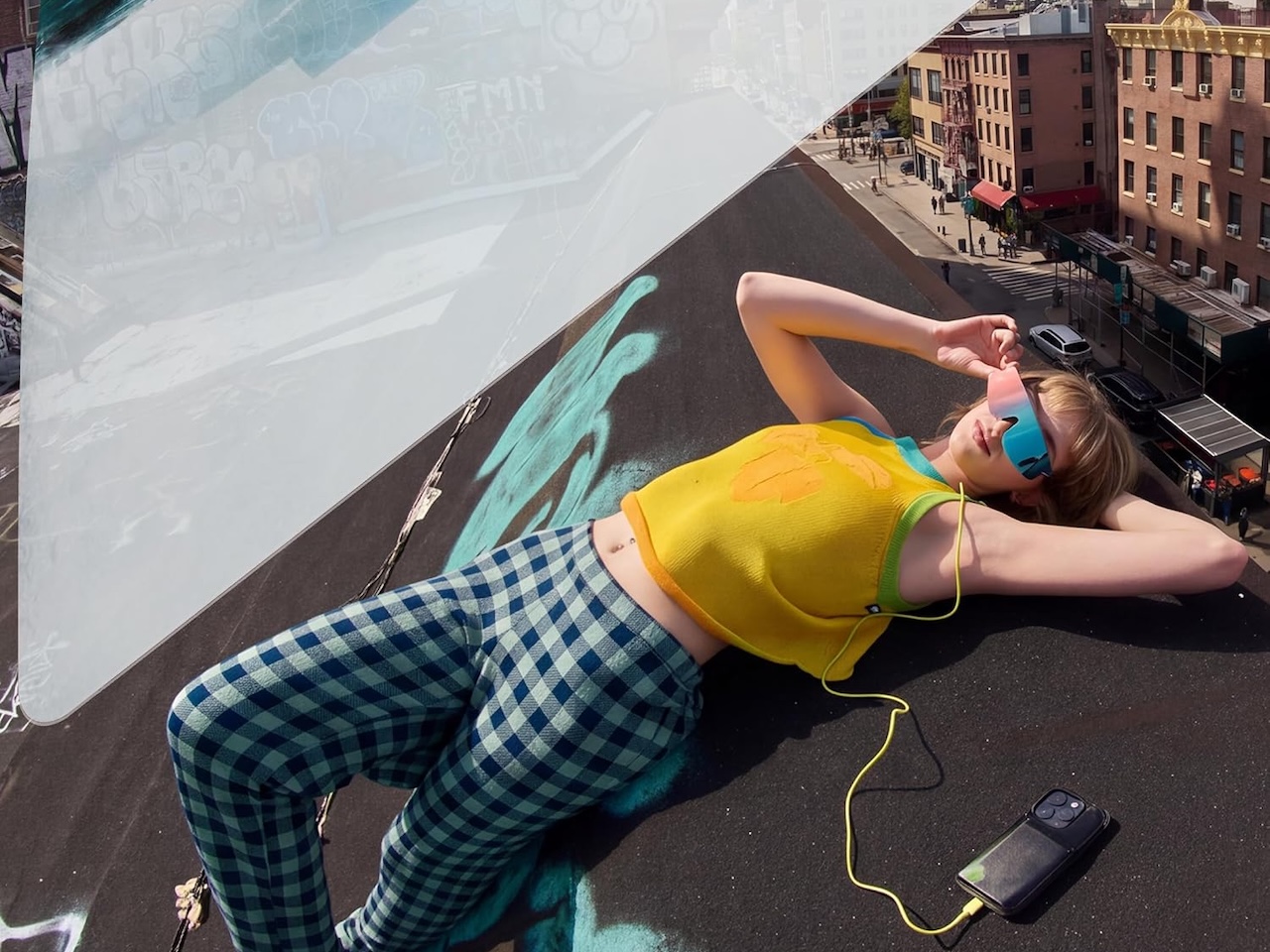
The panel hits 1,600 nits of eye brightness and 6,000 nits at the screen itself, with HDR10 support layered on top. Contrast runs to 2,000,000:1, and color gamut covers 145% of sRGB.
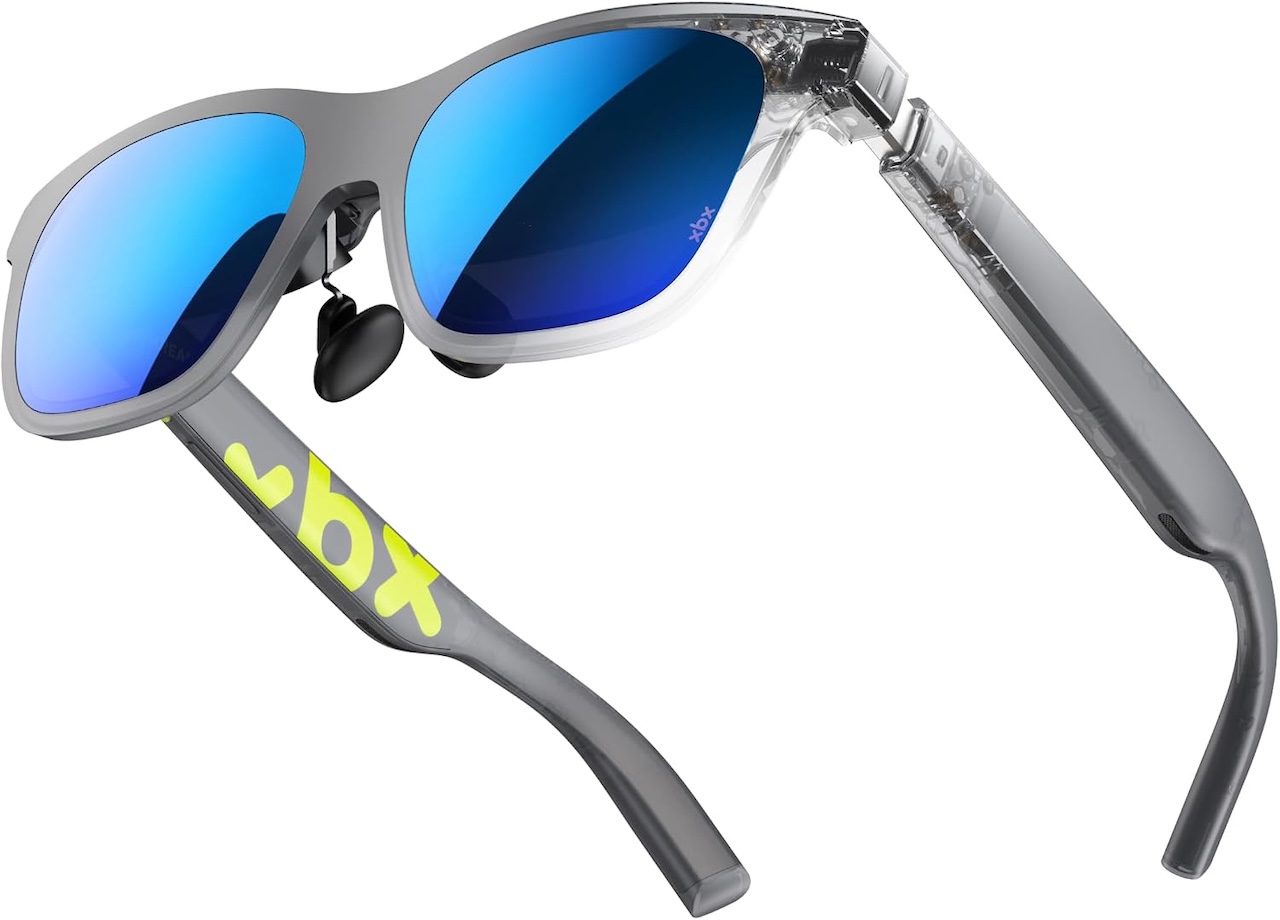
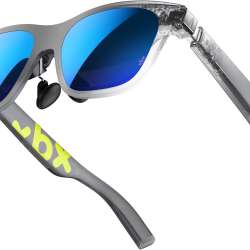
All of that fits into a pair of glasses that weighs 62 grams with the detachable front frame attached, or 56 grams without it. Xreal built the body out of an ultralight nylon, landing noticeably lighter than the 82-gram Xreal One.
Folded dimensions come in at 168 x 52 x 145mm, with an IPD range of 54.5mm to 74.5mm.
What’s different about the plus version
The “+” in a01+ isn’t marketing fluff for a new chipset or a brighter panel. It refers specifically to the included Light Shield, an accessory that blocks stray light from the sides and bottom of the lenses for a darker, more contained view.
Everything else, including the anti-shake stabilization system, carries over from the base model. Xreal’s stabilization algorithm is built to keep the image steady during commutes, flights, and subway rides without smearing motion or washing out color.
The front frames come in three styles at launch: Sport, Stealth, and Classic. Xreal has also said tinkerers can 3D-print their own front-frame designs if they want a different look entirely.
Price, availability, and what’s not confirmed yet
The base a01 is priced at $299 in the US, with a July 2026 launch window, after debuting in China first at roughly $250.
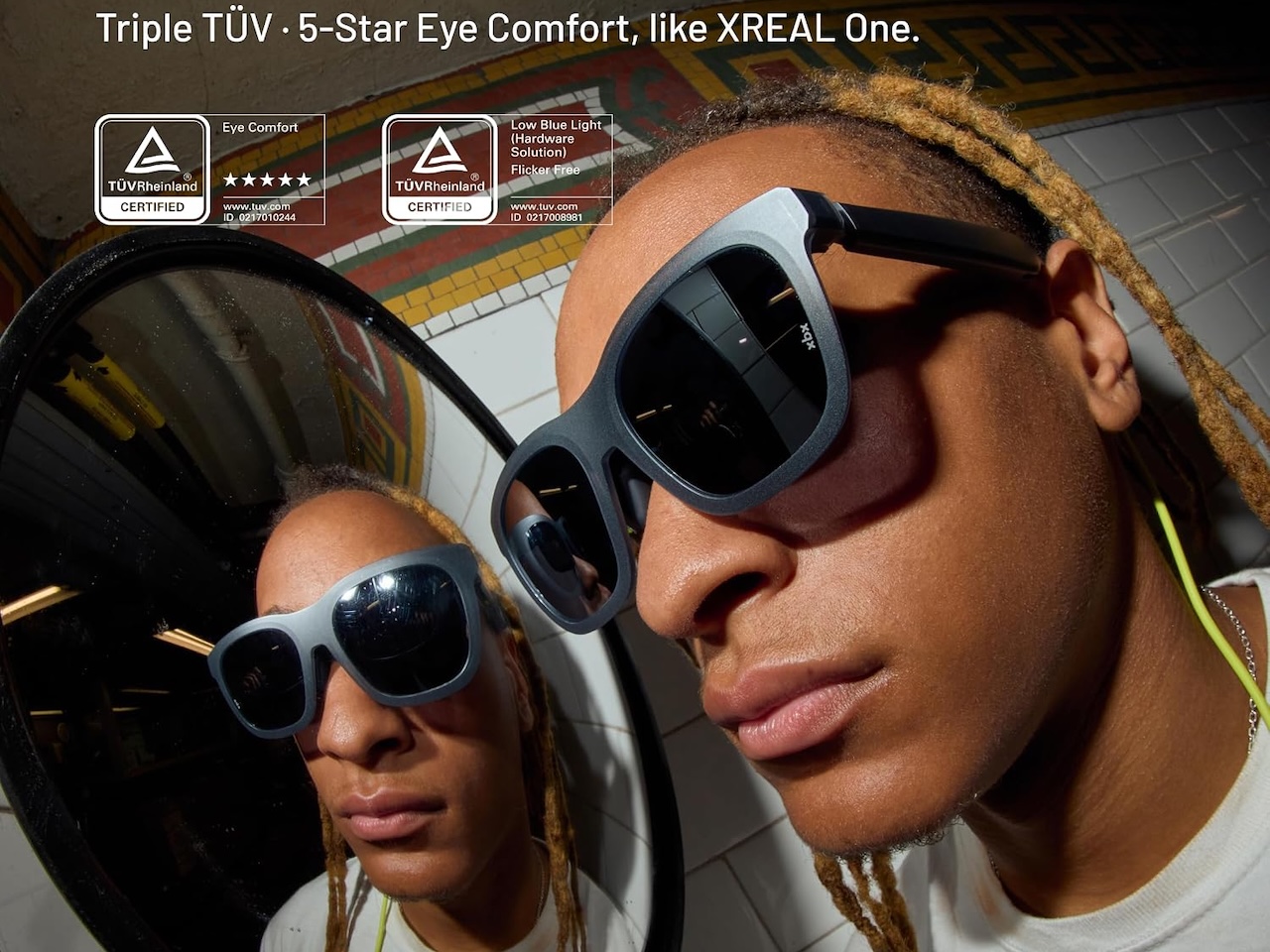
The a01+ carries the same $299 US price as the base model, and it’s live on Amazon now. Xreal still hasn’t confirmed a separate release date for the a01+ specifically.
Who this is for
The xbx line is built for people who want a big screen without carrying one: commuters, business travelers, and handheld gamers who plug into something like a Steam Deck or ROG Ally. At $299 and up, it’s aimed at buyers who found Xreal’s pricier One and One Pro lines too expensive for a second screen they’d only use part-time.
That price point puts the a01+ up against rivals like TCL’s RayNeo Air 4 Pro, which reached the market at a similar price and helped kick off the HDR10 budget AR category earlier this year. Xreal is leaning on its brighter panel and the anti-shake system as its point of difference.
If you already own a One or One Pro for serious productivity use, there’s no reason to downgrade. This is a pickup for a second, lighter pair, or a first pair for someone who hasn’t bought into AR glasses yet.

Price: $299
Where to Buy: Amazon
Bottom line
The xbx a01+ delivers a 1,600-nit HDR10 display, a 147-inch virtual screen, and a bundled Light Shield for $299, undercutting a category that used to start closer to $450. It won’t replace a One Pro for anyone who wants spatial tracking or a wider field of view, but that’s not who Xreal built it for. For commuters and handheld gamers who just want a bigger screen without a bigger price, it’s one of the easier recommendations in Xreal’s lineup.