
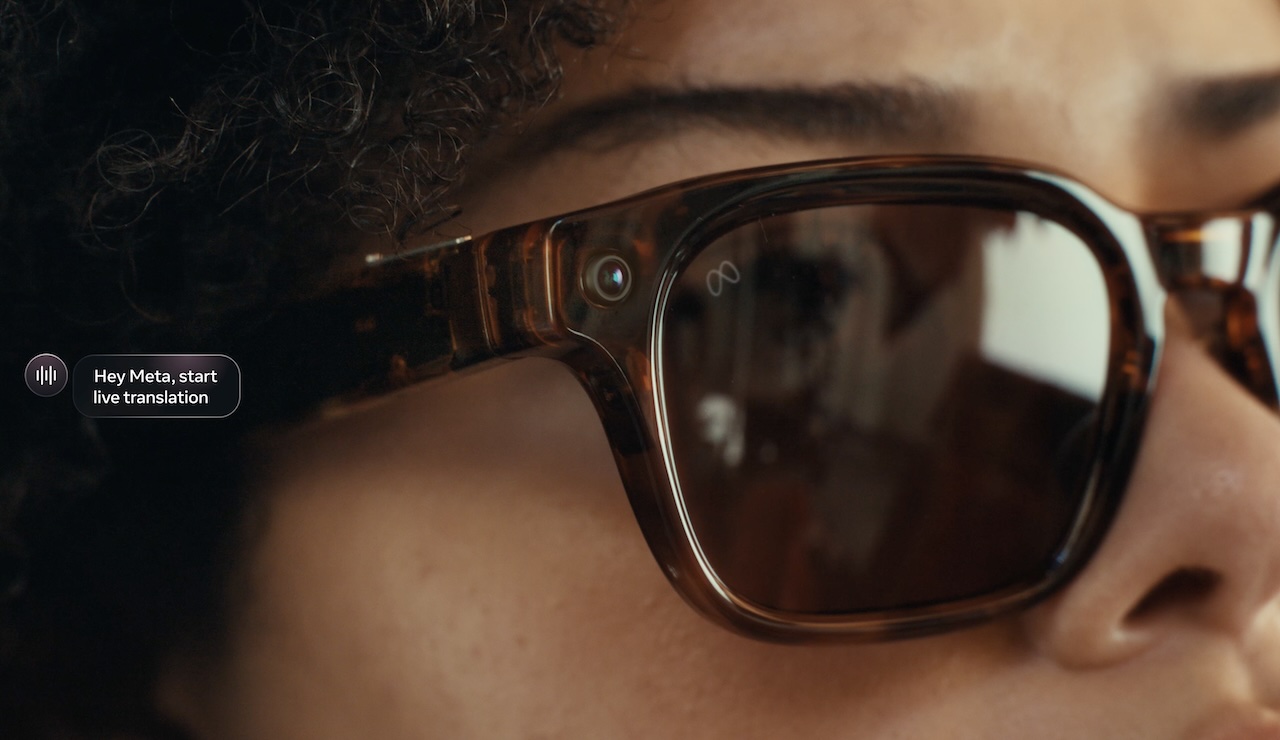
Covering a camera lens with a piece of tape has always felt like the easiest privacy trick there is. It has worked on laptops, dashcams, and doorbell cameras for years, and for a while it worked on smart glasses too.
Meta just spent an entire newsroom Q&A explaining why that trick no longer works on its AI glasses.
The details say a lot about how seriously the company is treating a moment when a camera you can’t always see is becoming a normal thing to wear on someone’s face. A few of the specifics are worth breaking down.
1. Only You See What You Capture, Unless You Hit Share
Photos and videos captured with Meta’s AI glasses stay stored privately on the glasses themselves. You choose when to import them to your phone, and once they land there, they behave like any other photo or video in your gallery. Meta says nothing leaves your control unless you actively choose to share it, whether that’s through one of its own apps, social media, Meta AI, or anywhere else online. Share it, and it works just like anything else you post there.
2. That Blinking White Light Has No Off Switch
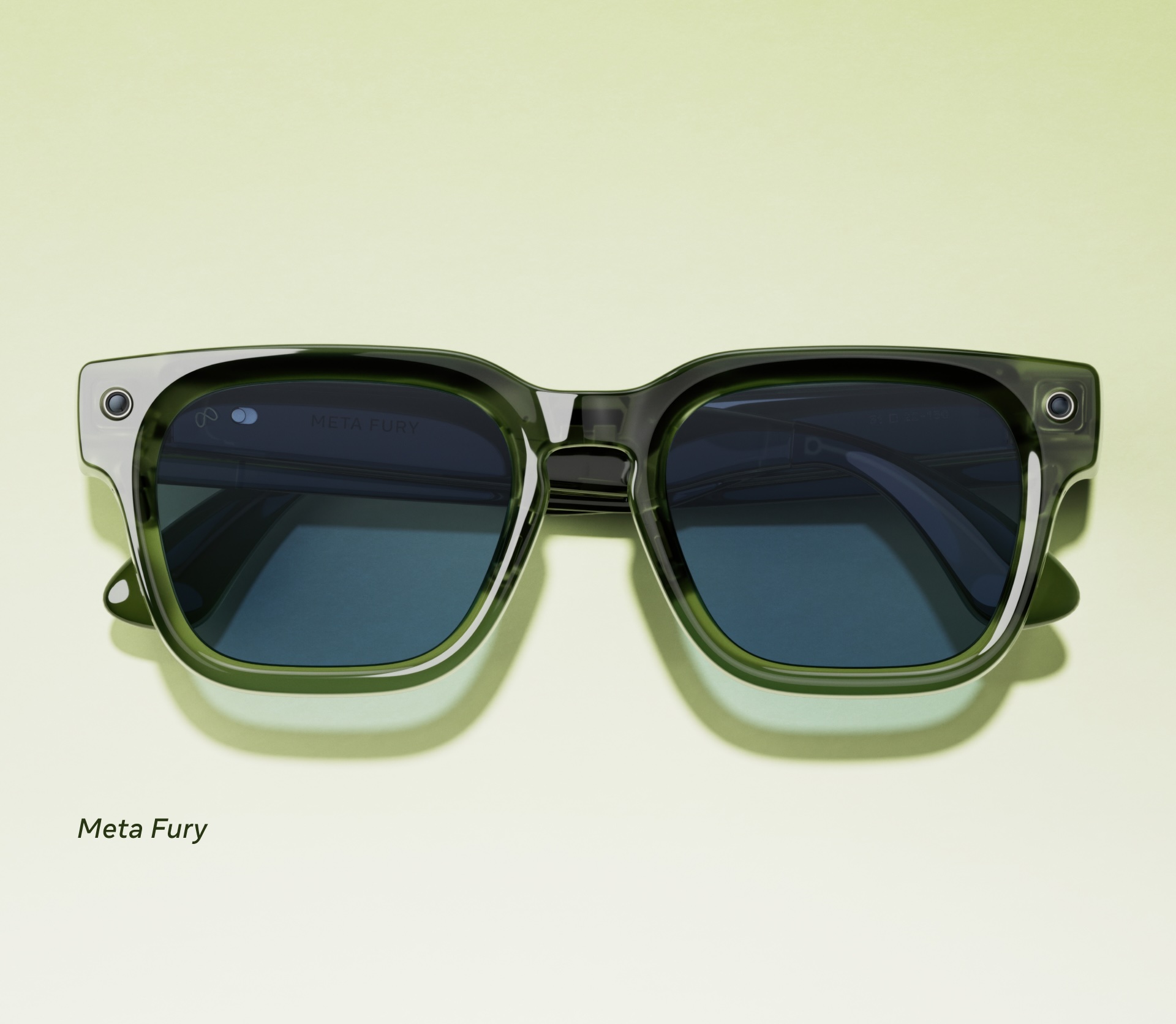
Every pair of Meta’s AI glasses has a capture LED on the front, and it blinks the moment content is being saved to your gallery. A quick blink means a photo. A continuous blink means video is rolling for as long as you keep filming.
Meta points out that phones and action cameras never bothered to add anything like this, but its glasses have had the light since day one.
3. Meta Tested Which Light Color People Actually Trust
The company says it looked at several options before landing on white, weighing both visibility and how comfortable the light felt to see. It also ran real testing to find a brightness level that still reads clearly in daylight, plus a blink frequency that makes sense once video starts rolling. Meta adds that it keeps talking with outside experts on top of the feedback it collects from the millions of people already wearing the glasses.
4. There’s a Shutter Sound, But It Won’t Carry Across a Room
The glasses also play a shutter sound the wearer can hear.
Meta is upfront that broadcasting that sound to everyone nearby simply is not practical. Instead, the company leans on the light as the real signal. It notes that a blinking indicator is already familiar from things like laptop cameras and older camcorders.

5. Taping Over the LED Doesn’t Work Anymore
This is the loophole Meta just closed.
Covering or disabling the capture LED does not quietly bypass the warning anymore, it shuts down the whole camera. Starting with Meta’s second generation of glasses, no photo or video can be captured until the light is unblocked again. That single design change ended the easiest workaround people tried first.
6. Meta Is Cracking Down on Anyone Selling LED Tampering Hacks
Some people went well past a strip of tape, working to modify or destroy the LED itself. Meta says its ability to detect that kind of tampering keeps improving, and the glasses are now being updated to disable the camera if they detect the light was physically tampered with or destroyed. Meta also says it removes ads, posts, and Marketplace listings advertising tampering services. It will ban accounts and pursue legal action against people or businesses selling those services, on or off its own platforms.

7. This Isn’t the Finish Line for Privacy Features
Meta frames all of this as ongoing work rather than a finished product. The company says its teams keep looking for ways to make the glasses safer and more trustworthy as they become more capable and more common, and it points people toward its full privacy write-up for anyone who wants the deeper rundown.
This Isn’t For Everyone (And That’s Fine)
If you don’t wear smart glasses and have no plans to, none of this changes your day.
If you already read through Meta’s full privacy page when these launched, the broad strokes here will not surprise you. And if you’re convinced no camera company’s safety claims can be trusted regardless of the fine print, no FAQ is going to change that either. This matters most if you’re the one wearing the glasses, or the one standing next to someone who is, and want to know exactly what’s supposed to keep you covered.

The Bottom Line
The tape-over-the-lens trick worked for years because nobody built hardware that noticed. Meta’s second-generation glasses do notice.
The company is now willing to ban accounts and pursue legal action against people who sell workarounds for it.
That is a bigger shift than one Q&A page suggests: privacy protection here is moving from a polite request to an enforced default. Whether that satisfies people who don’t trust wearable cameras in the first place is a separate question, but the loophole everyone assumed still existed is gone.




Gadgeteer Comment Policy - Please read before commenting
I love the “Meta points out that phones and action cameras never bothered to add anything like this”
Well, that’s because if someone holds up a camera or phone and points it at you, there is a pretty good expectation that they are RECORDING! DUH!