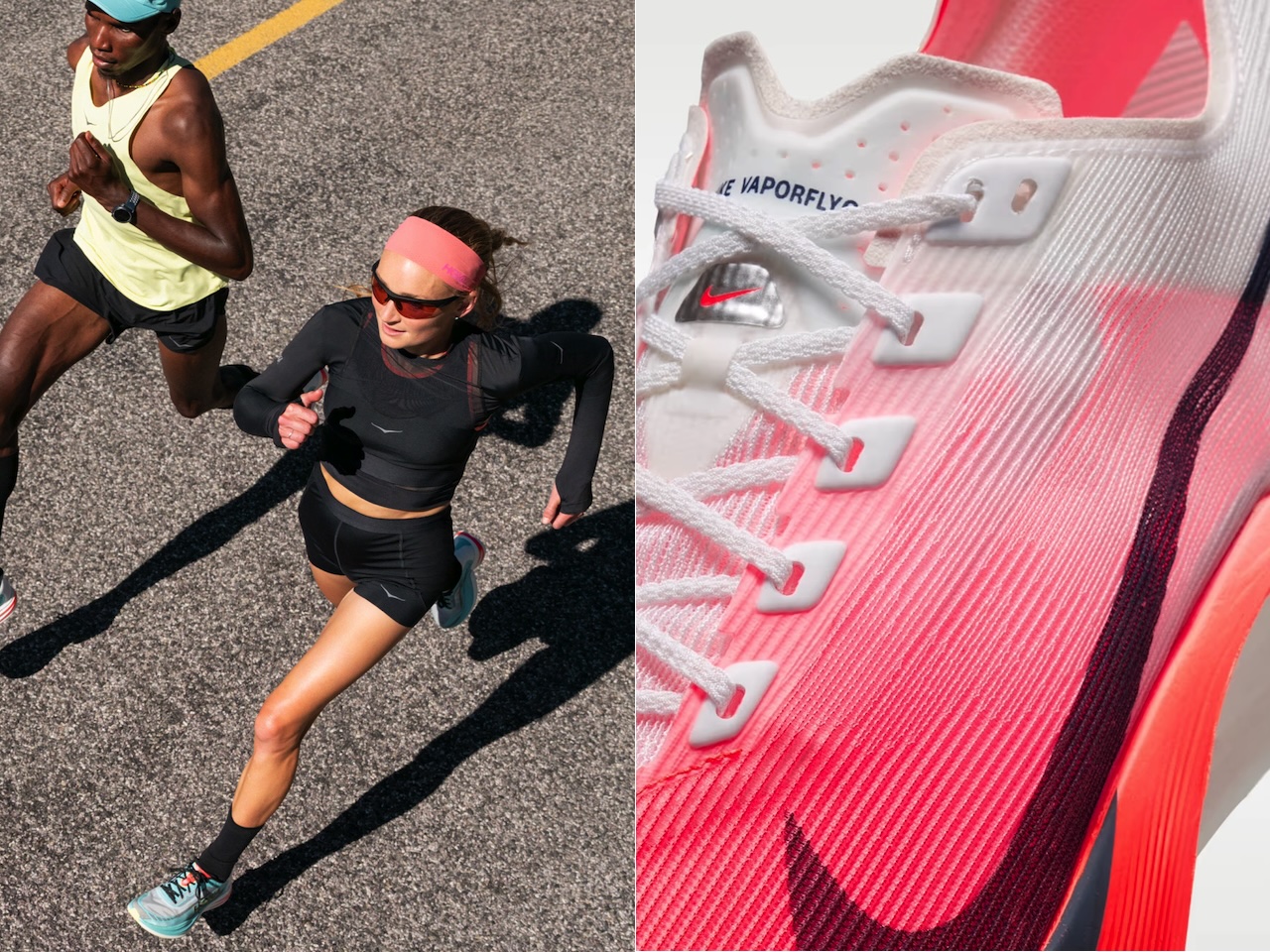
A great pair of sneakers has quietly become one of the most engineered gadgets you can own. Carbon plates, aerospace grade foams, and lab-tuned geometry now decide how fast and how comfortable your miles feel. For a gadget lover, the right pair is wearable tech you actually use every single day.
The catch is that the newest models change fast, and the real differences between them are easy to miss. So I pulled five fresh releases that show where shoe tech is heading right now.
Here’s the short list, then the case for each pair.
At a Glance
- Nike Vaporfly 4 . Lightest, sharpest version of the original super shoe
- Adidas Adizero Adios Pro 4 . Carbon Energy Rods built for fast marathons
- Asics Metaspeed Sky Tokyo . Soft new dual foam tuned for long strides
- Hoka Cielo X1 2.0 . Max cushion racer with a winged carbon plate
- Nike Mind 001 . The wildcard, a neuroscience slip-on built for calm and recovery
Nike Vaporfly 4
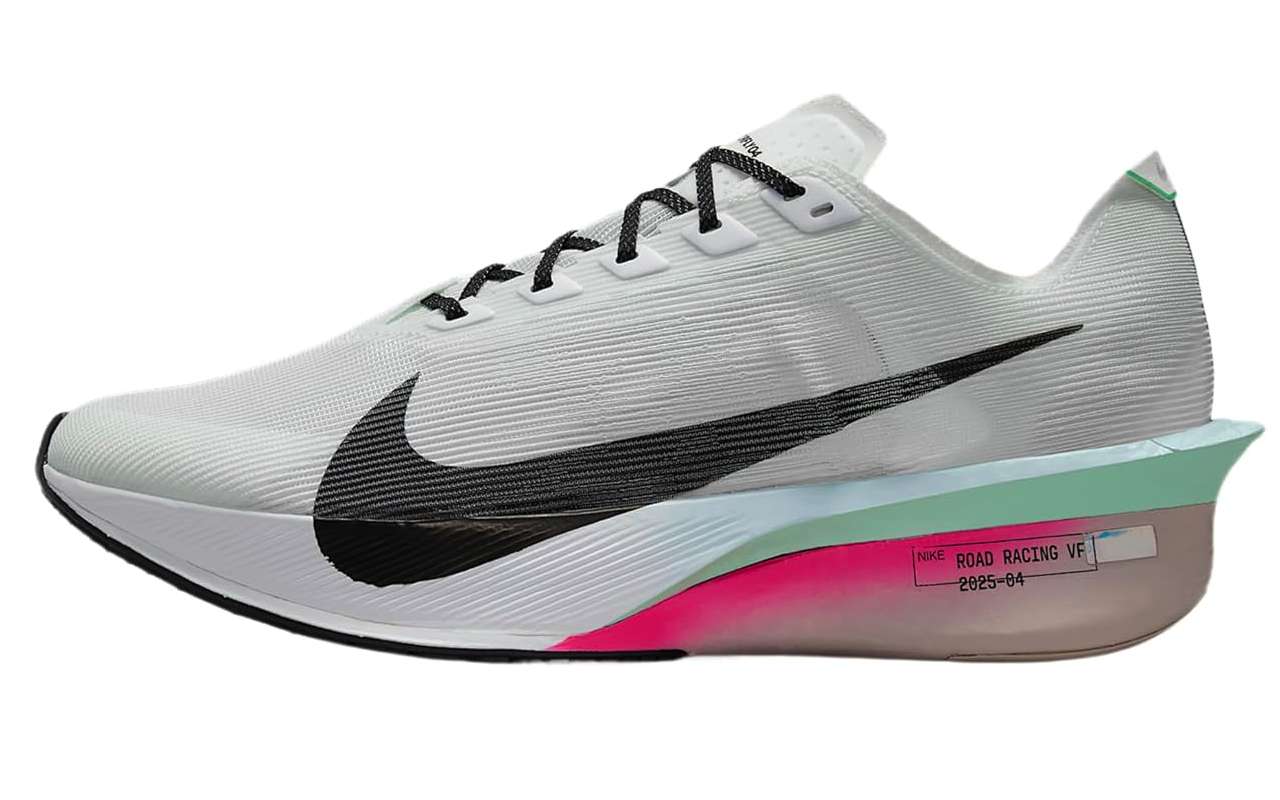
Nike started the super shoe era, and the Vaporfly 4 is its lightest, most stripped-back take yet. A full-length carbon Flyplate sits over springy ZoomX foam, but the stack height drops to 35mm at the heel, lower than most rivals. The result is a firmer, more direct ride that rewards short, fast races. At about 6.7 ounces (men’s US 10, per Nike), it’s one of the lightest racers you can lace up.
Price: $188.84
Where to Buy: Amazon
Pros: It’s about an ounce lighter than the Vaporfly 3, the lower stack gives a planted and direct feel, the ZoomX foam still pops late in a race, the upper fits better than past versions, and the carbon plate drives a quick toe off.
Cons: Some runners report quicker outsole wear on rough roads, and others notice heel lift.
Editor’s Take: The original super shoe, lighter and sharper for fast race day efforts
Adidas Adizero Adios Pro 4
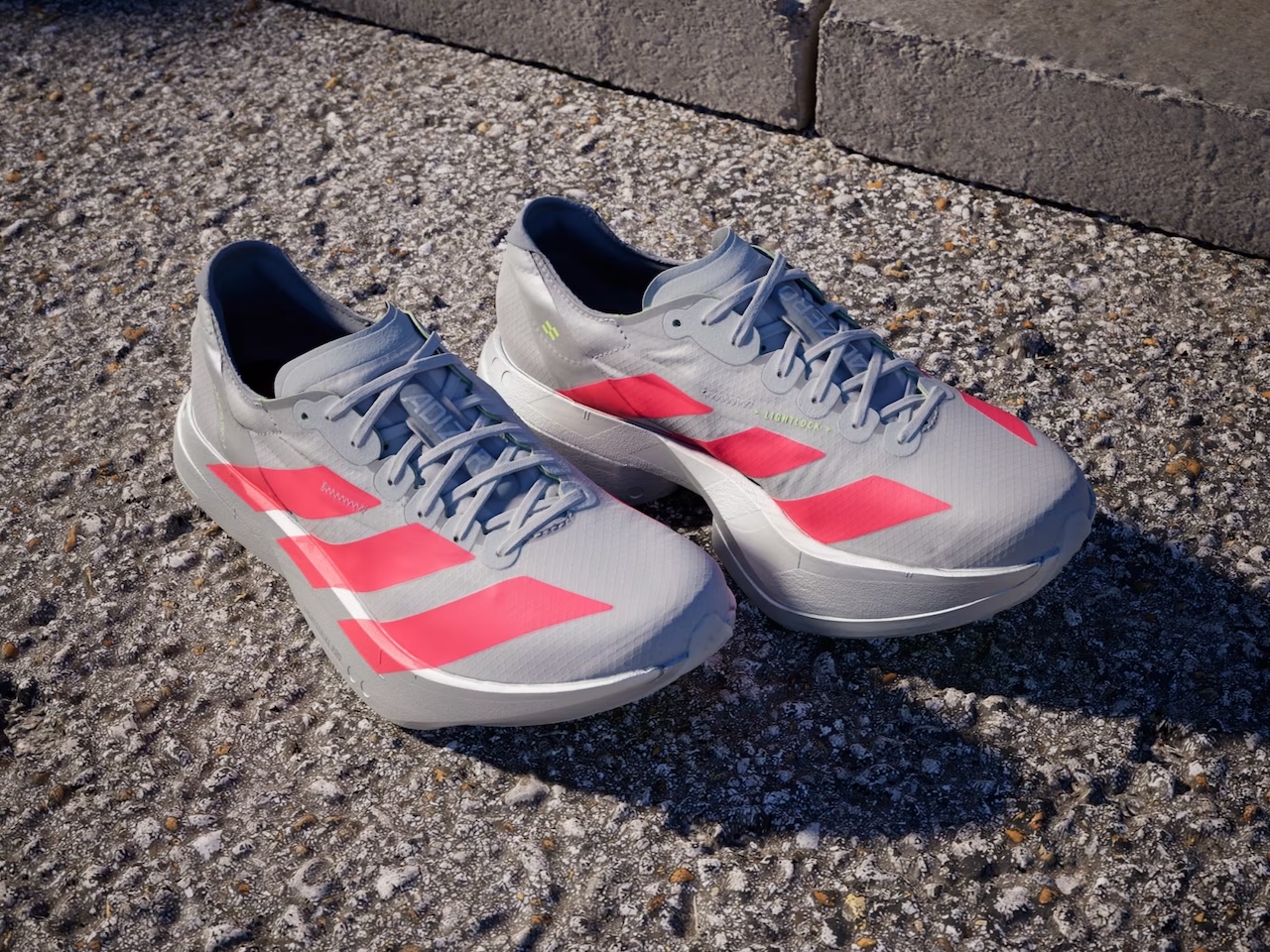
Where Nike uses a flat plate, Adidas builds its speed around Energy Rods 2.0, carbon rods laid out to follow the natural lines of your foot. They sit in soft Lightstrike Pro foam that finally drops the shoe to around 7 ounces. A sharp forefoot rocker rolls you onto your toes, and the grippy outsole holds up in wet races. It’s a marathon racer that now feels nimble enough for shorter efforts too.
Price: $217
Where to Buy: Amazon
Pros: The Energy Rods add spring without harshness, the Lightstrike Pro foam is soft yet fast, it sheds 8 percent of the weight of the Pro 3, the rocker speeds up transitions, and the outsole grips well in the wet.
Cons: The narrow race fit suits slim feet only, and it carries a premium price.
Editor’s Take: A carbon rod racer built for marathons but quick enough for reps
Asics Metaspeed Sky Tokyo
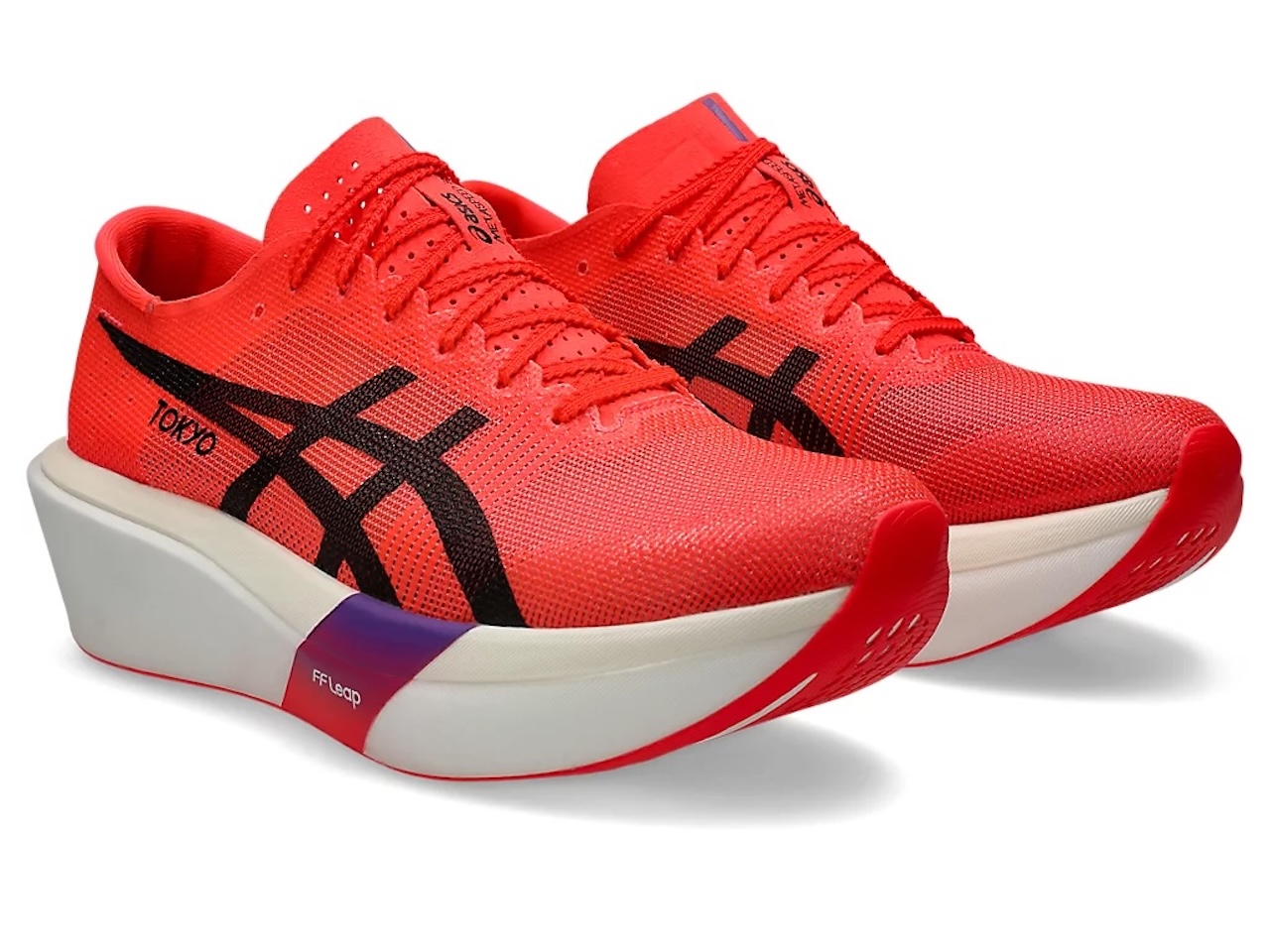
The Metaspeed Sky Tokyo is built for stride runners, the ones who get faster by reaching longer. Its big update is a new dual foam setup, with bouncy FF Leap stacked under firmer FF Turbo Plus around a carbon plate. That mix gives a soft, springy base with a more stable platform up top. It’s light, fast, and at its best once you settle into race pace.
Price: $269.95
Where to Buy: Amazon
Pros: The new FF Leap foam adds soft, lively bounce, the carbon plate keeps toe off snappy, it stays light for a max cushion racer, the dual foam holds its pop over long races, and the road grip is reliable.
Cons: It can feel squishy at slow paces, and the price climbed over the Paris version.
Editor’s Take: A soft, bouncy super shoe tuned for runners with a long stride
Hoka Cielo X1 2.0
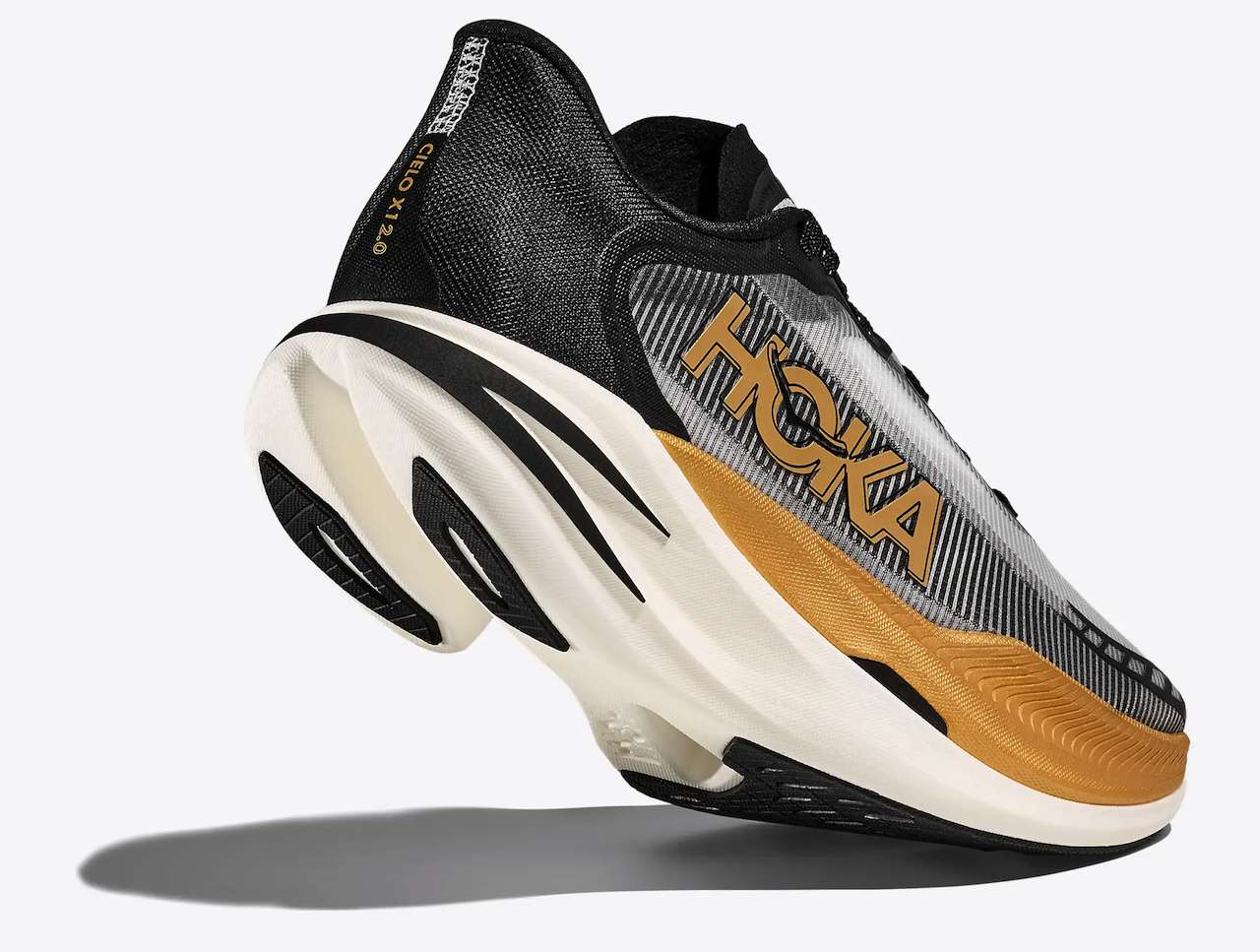
Hoka fixed the main knock on its flagship racer by trimming serious weight from the Cielo X1. The 2.0 keeps the winged carbon plate and a tall slab of PEBA foam, but redesigns the upper and midsole to shave roughly an ounce. You still get plush, propulsive cushioning with an aggressive forefoot rocker. For runners who want max foam under a carbon plate, it’s one of the boldest rides out there.
Price: $169.95
Where to Buy: Amazon
Pros: It’s far lighter than the first version, the winged carbon plate snaps through toe off, the PEBA foam stays bouncy deep into long runs, the rocker keeps you rolling forward, and the outsole grips better than expected.
Cons: The soft tall stack feels unstable for some, and it runs a steep price.
Editor’s Take: Max foam under a winged carbon plate for a bold, bouncy ride
Nike Mind 001
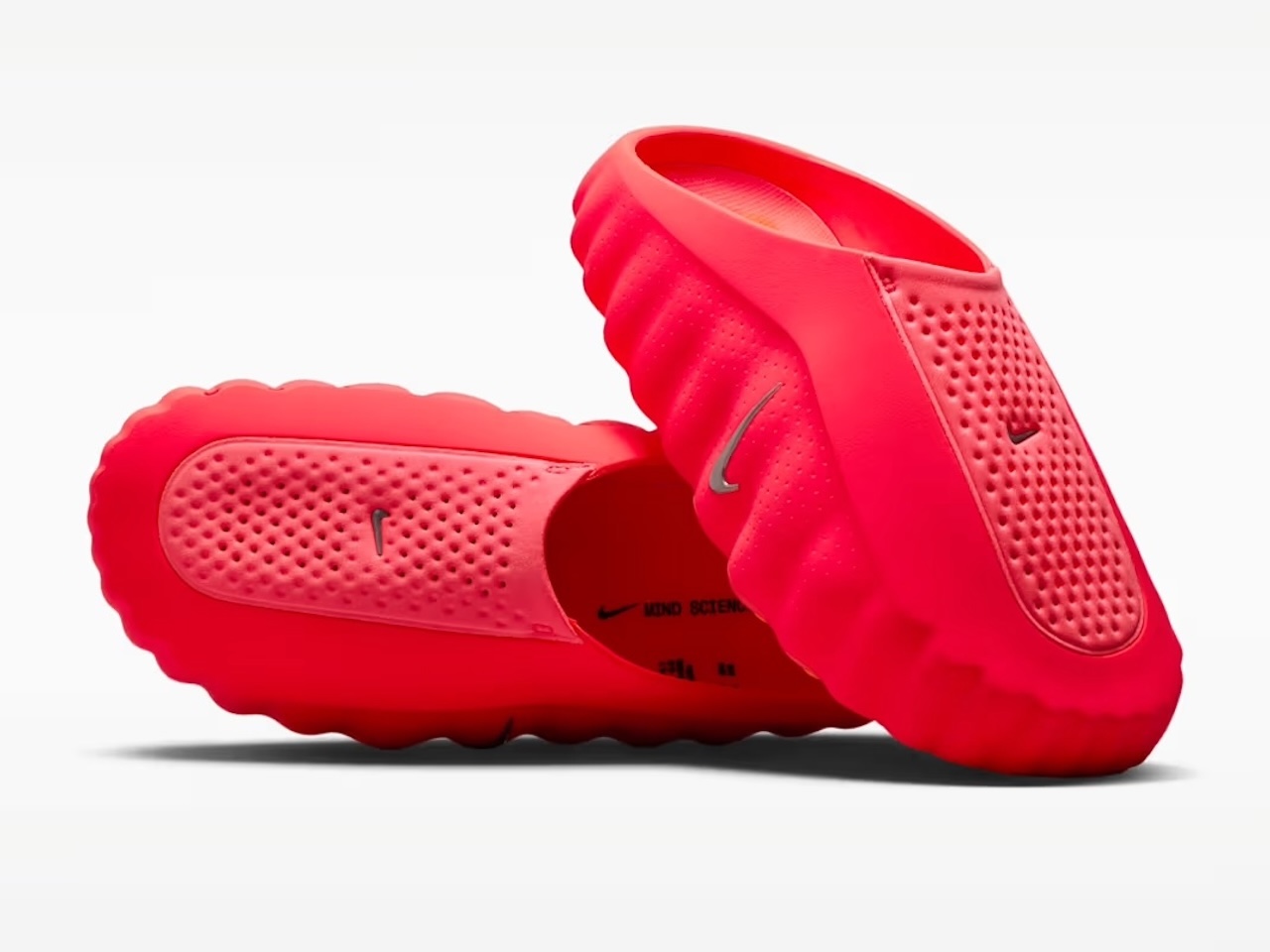
Not every new sneaker is about speed, and the Mind 001 is the most gadget-like pick here. It’s Nike’s first neuroscience-based shoe, a slip-on pregame mule with 22 underfoot foam nodes that, Nike says, stimulate pressure points tied to the brain’s sensory regions to help you feel calmer and more focused. It comes from Nike’s new Mind Science department and a Mind platform that was more than a decade in the making. Think of it as recovery and pregame wear aimed at your head as much as your feet.
Price: From $80
Where to Buy: Nike
Pros: It targets the mind and body connection rather than just cushioning, it suits pregame and recovery downtime, it draws on more than a decade of Nike research, it launched in January 2026 as a fresh category, and it gives gadget fans a genuinely new kind of footwear to try.
Cons: The benefits are subjective and hard to measure, and it’s built for downtime rather than running.
Editor’s Take: Nike’s neuroscience shoe, built to calm your mind, not chase a PR
What to Look For in a New Performance Sneaker
- Plate or rods: Carbon plates and rods add propulsion and stiffness, which helps most for racing and fast workouts
- Foam: PEBA and A-TPU foams give the most bounce per gram, so they define how lively a shoe feels
- Stack and drop: Taller stacks cushion more, while lower stacks feel faster and more stable underfoot
- Weight: Lighter shoes feel quicker, but they often trade away outsole durability
- Purpose: Match the shoe to racing, training, or recovery instead of buying on hype alone
Who Should Skip These Shoes
If you only run easy daily miles, you can skip this whole list. A cushioned daily trainer lasts longer, costs less, and protects your legs better than a stiff carbon racer you save for race day.
These picks also aren’t for anyone chasing one do-it-all shoe. Racing foam wears fast, the geometry feels aggressive at slow paces, and most cost well north of $250. If you want comfort over speed, the Nike Mind 001 is the only pick here built for the rest of your day.
The Bottom Line
The best new sneaker for you depends on what you want from the tech. For pure race day speed, the Vaporfly 4 and Adios Pro 4 lead, while the Metaspeed Sky Tokyo and Cielo X1 2.0 add more cushion for long efforts. If you care less about pace and more about how your feet feel the rest of the day, the Nike Mind 001 is the curveball worth watching. Either way, footwear has turned into real wearable tech, and these five show how far it has come.
Frequently Asked Questions
Are carbon plate shoes worth it for everyday runners?
For easy daily miles, a cushioned trainer makes more sense and lasts longer. Save a carbon racer like the Vaporfly 4 or Adios Pro 4 for races and speed sessions, where the propulsion and light weight pay off.
How long do super shoes last?
Most carbon racers hold their bounce for roughly 200 to 300 miles, less than a daily trainer. The soft race foams break down faster, so many runners save them for key workouts and race day.
Can I train every day in these shoes?
You can, but you probably shouldn’t. Rotating a sturdier trainer for daily miles protects the pricey race foam and gives your legs a break from the aggressive geometry.
Are any of these good for walking or casual wear?
The Nike Mind 001 fits casual and recovery use best, since it is built around comfort and calm rather than speed. The racing shoes can feel tippy and wear down fast if you treat them like lifestyle sneakers.
Do I need a connected smart shoe to track my runs?
Not anymore. Connected shoes like Under Armour’s old HOVR line have been discontinued, so a GPS watch or your phone now does the tracking that an embedded chip once promised.