
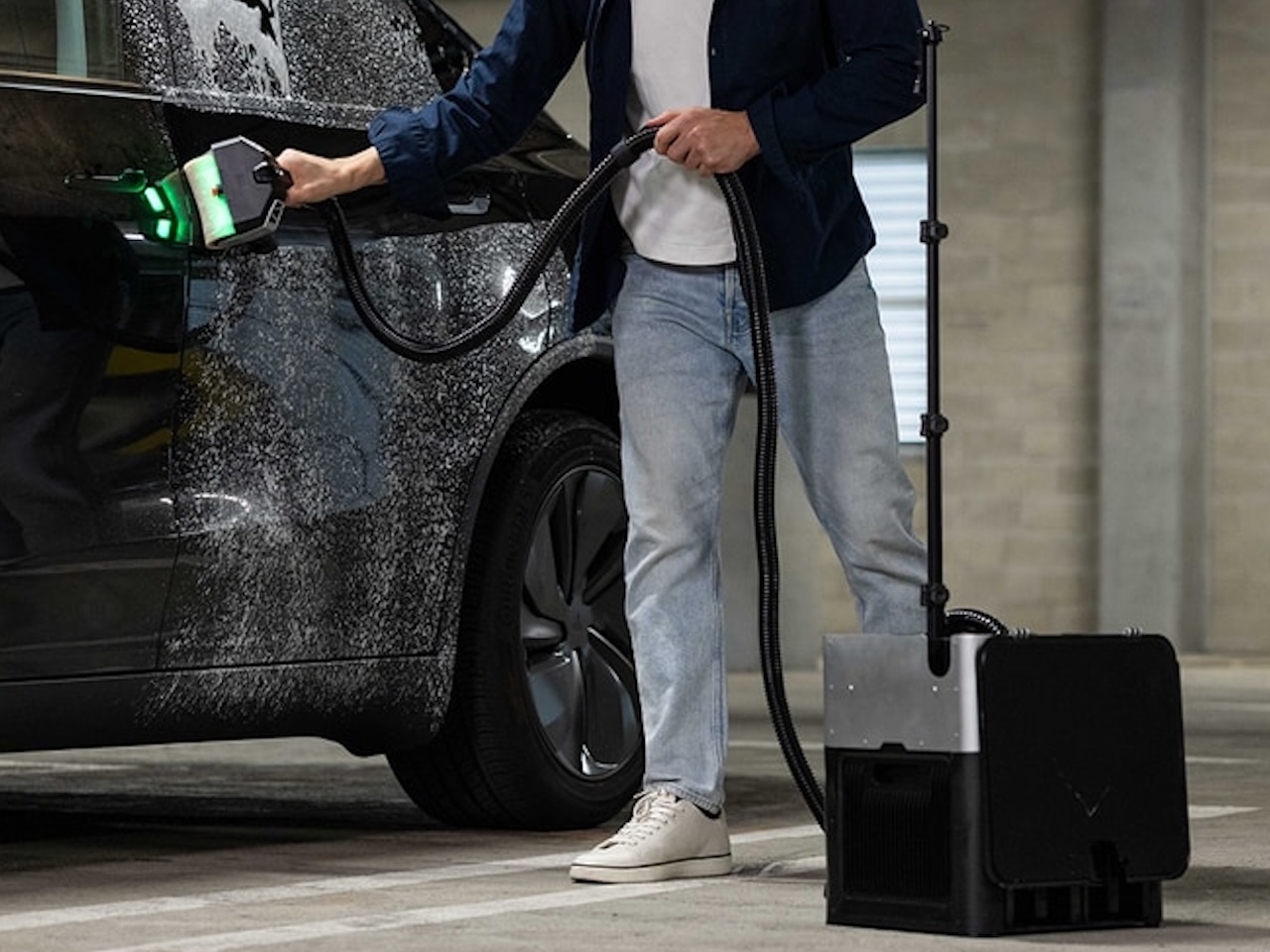
If you’ve got a car but no driveway, keeping it clean is a genuine pain. You’re either dragging it to a car wash every week or hauling a pressure washer you can’t actually use in an apartment parking lot. Neither option is great, and the cost adds up fast. Most subscription car wash plans run $15 to $30 a month, which adds up to $360 a year for the privilege of letting automated brushes drag grit across your paint. The Linyo H1 is built to fix that. And if summer break has you thinking about finally teaching a teenager to wash the car (like what I’m about to do), it removes most of the infrastructure excuses.
Price: From $349
Where to Buy: Kickstarter
The Linyo H1 Cordless All-in-one Car Wash Machine is a cordless, all-in-one car wash system that handles foam, washing, waxing, and vacuuming from a single wheeled unit. No hose. No drain. No power outlet required. The whole exterior takes about 20 minutes and uses just half a gallon of water.
The Kickstarter campaign launched May 28 and has already blown past its funding goal by more than 7,600 percent. That’s not a fluke. There’s a real problem here, and the H1 looks like it might actually solve it.
What’s Inside the H1
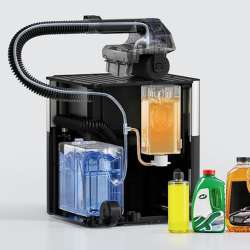
The H1 runs on a closed-loop dual-tank system. Fresh water goes in one side, and dirty water gets pulled into a separate tank immediately, so nothing runs off onto the pavement. A motorized roller with a smart mist system handles foaming, washing, and applying a nano-ceramic wax coating in a single pass. You’re cleaning and protecting your paint at the same time, not doing two separate steps.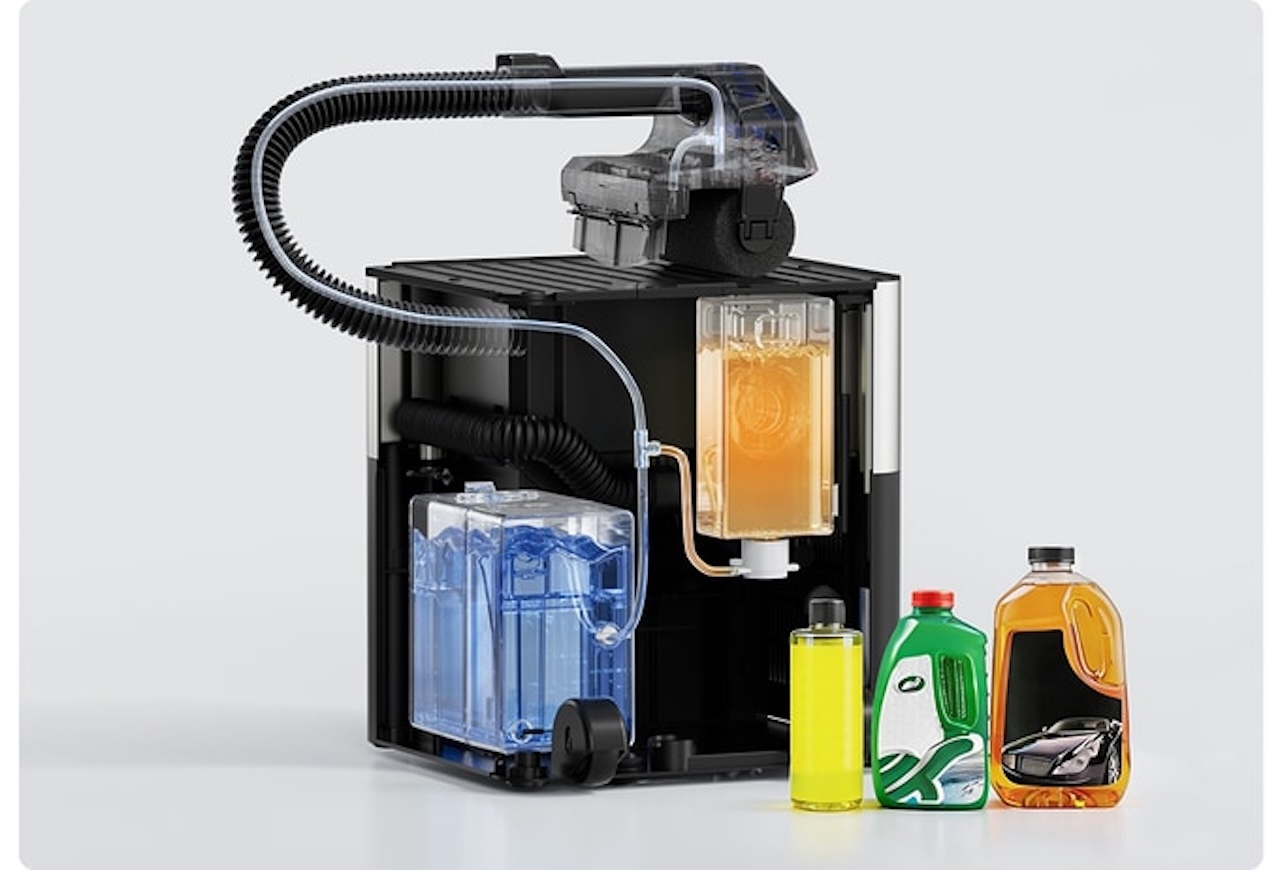
The workflow breaks down into four steps. You start with an instant foam blast that lifts dirt off the surface without scrubbing. Step two is the wash and wax pass, where the motorized roller cleans and applies nano-ceramic coating simultaneously. Step three uses the telescopic extension wand to reach the roof and awkward angles without a ladder. Step four is the interior: swap the roller for the vacuum nozzle and the H1 switches into a 16,000Pa vacuum mode for seats, floor mats, and anywhere the roller couldn’t reach. One machine, four functions, one session.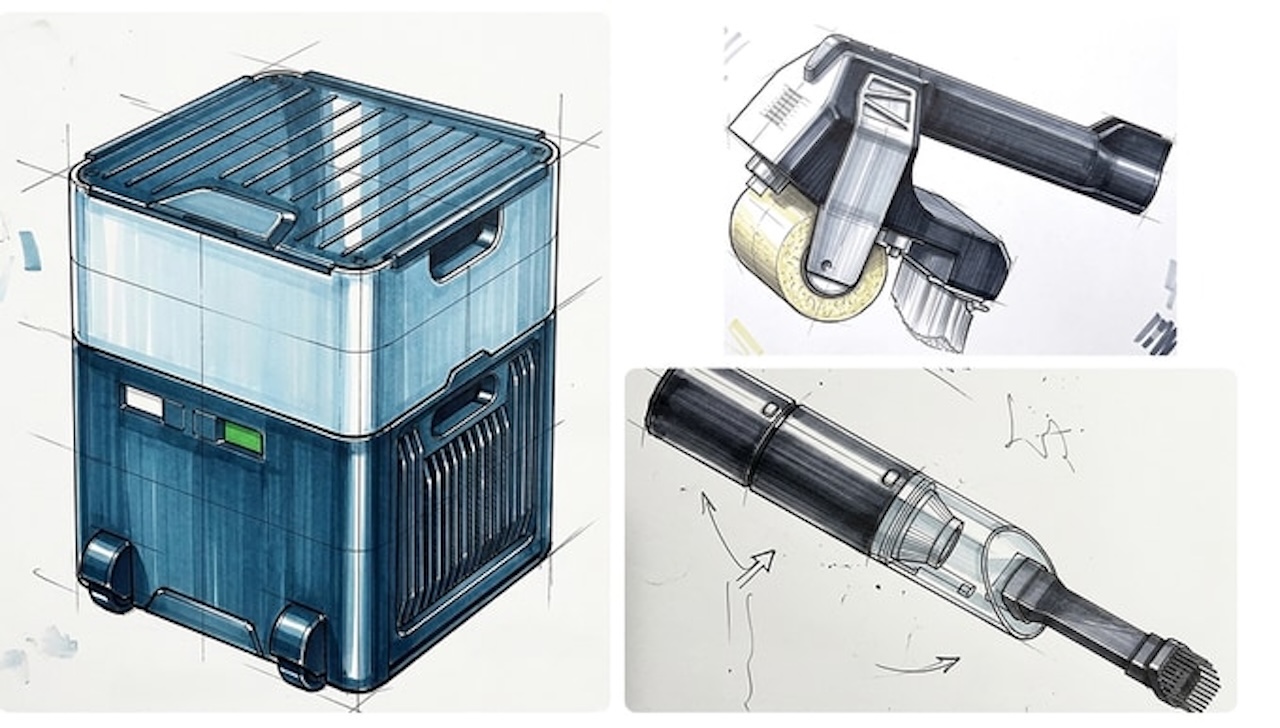
The Water Math Actually Holds Up
A standard pressure washer burns through 20 to 40 gallons per wash. The H1 uses 0.5. That gap is hard to overstate, and for apartment dwellers it’s the difference between something you can pull off in a parking garage and something you simply can’t.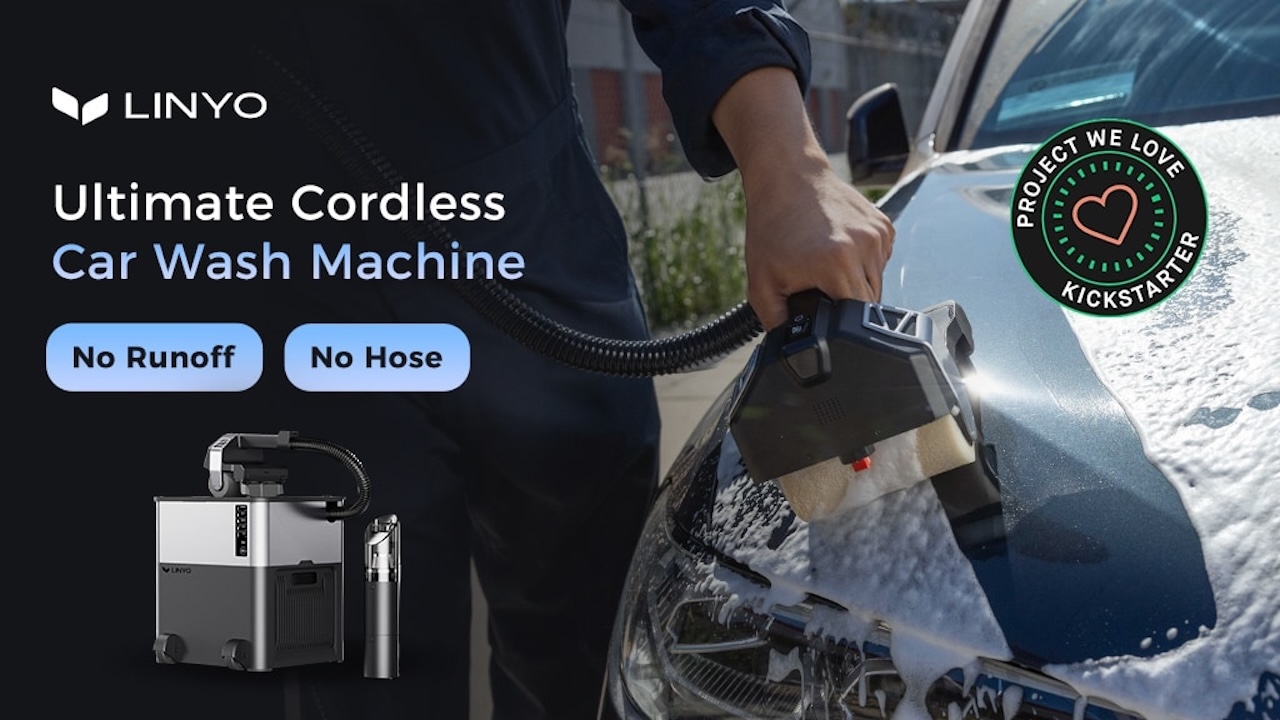
It’s not relying on high-pressure jets either, which makes it safe on EVs and newer paint finishes. That’s a meaningful differentiator if you drive a Tesla or anything with wrapped panels. High-pressure jets can strip wax or damage clear coat at close range.
Linyo says the H1’s roller system is designed to avoid that, and the brand positions it as safe on wrapped panels and EV paint. And because the wastewater goes directly into the onboard tank, there’s nothing draining onto the pavement, into storm drains, or onto your neighbor’s parking spot. For anyone in a shared parking structure, that matters.
Battery and Power Options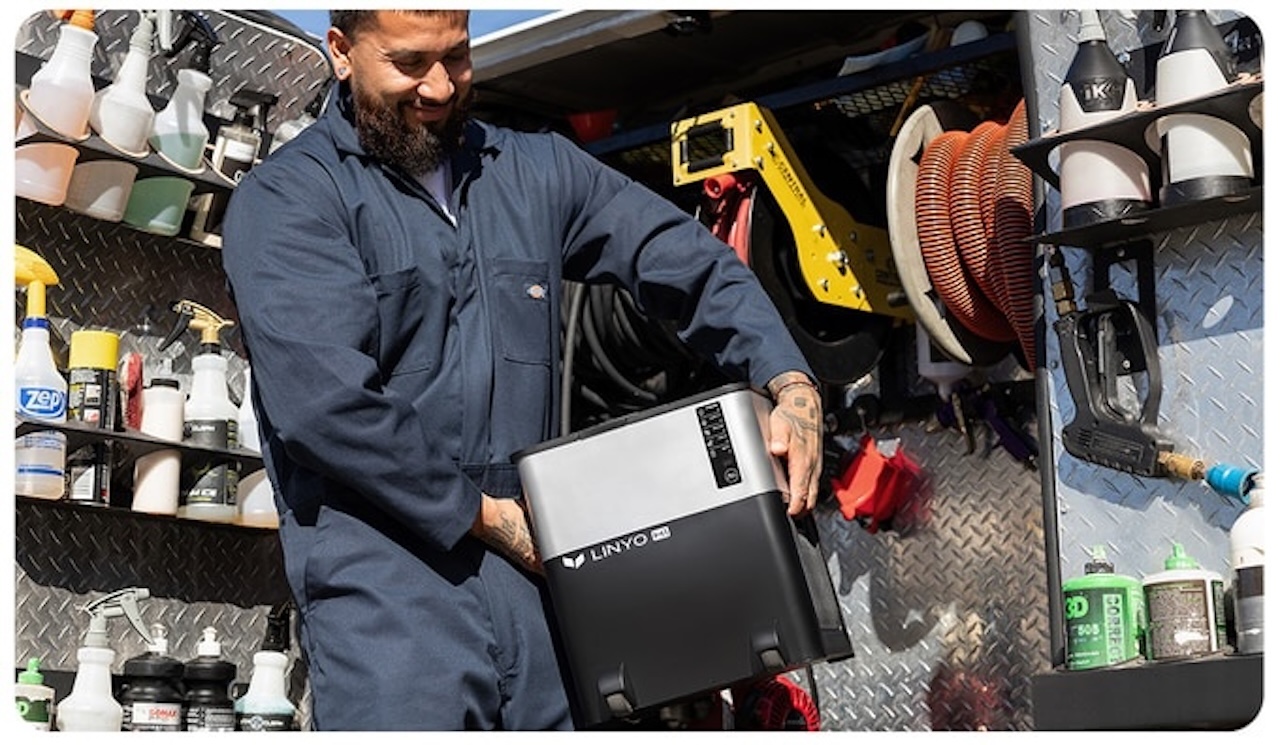
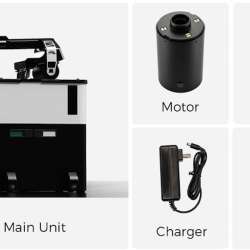
The 5,000mAh swappable battery gets you through two full exterior washes on a single charge. If you’re running a small detailing business or washing several cars back to back, there’s also a plug-in hybrid power mode so you’re not stuck waiting for a recharge between jobs. Both options are available through the campaign. The battery is also designed to be swappable rather than sealed, a long-term durability call most cordless tools skip entirely. When the battery eventually degrades after a few years of use, you replace the battery, not the machine. That’s a different philosophy than most cordless tools in this price range, and it’s worth factoring into the value calculation.
Who This Actually Makes Sense For
The most obvious use case is apartment dwellers and anyone without driveway access, but the pitch is broader than that. People in drought-restricted areas, anyone who washes their car frequently, and mobile detailers who need a portable setup without a water hookup all have a reason to look at this seriously. The 20-minute full exterior claim is consistent across every independent source that’s covered the campaign so far, which gives it more credibility than the typical Kickstarter estimate.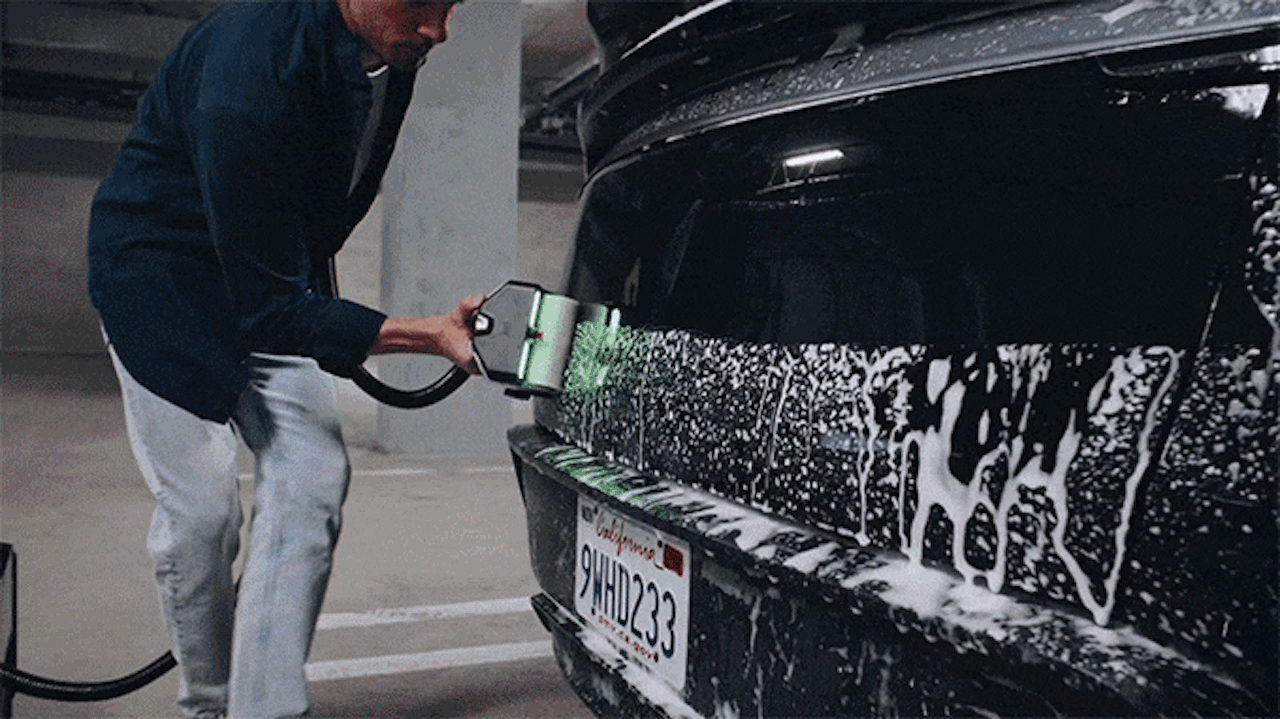
The math is also worth running. At $349 for the Linyo H1 versus $20 to $30 a month for a subscription wash, you’re looking at a break-even point somewhere between one and two years. And you’re washing on your schedule, at your parking spot, without waiting in a line or driving across town.
It’s also worth noting that the H1 produces zero runoff. In some cities, local stormwater ordinances restrict or ban washing cars in shared lots or on public streets. A closed-loop system with a separate wastewater tank sidesteps that problem entirely.
Campaign Numbers and How to Back It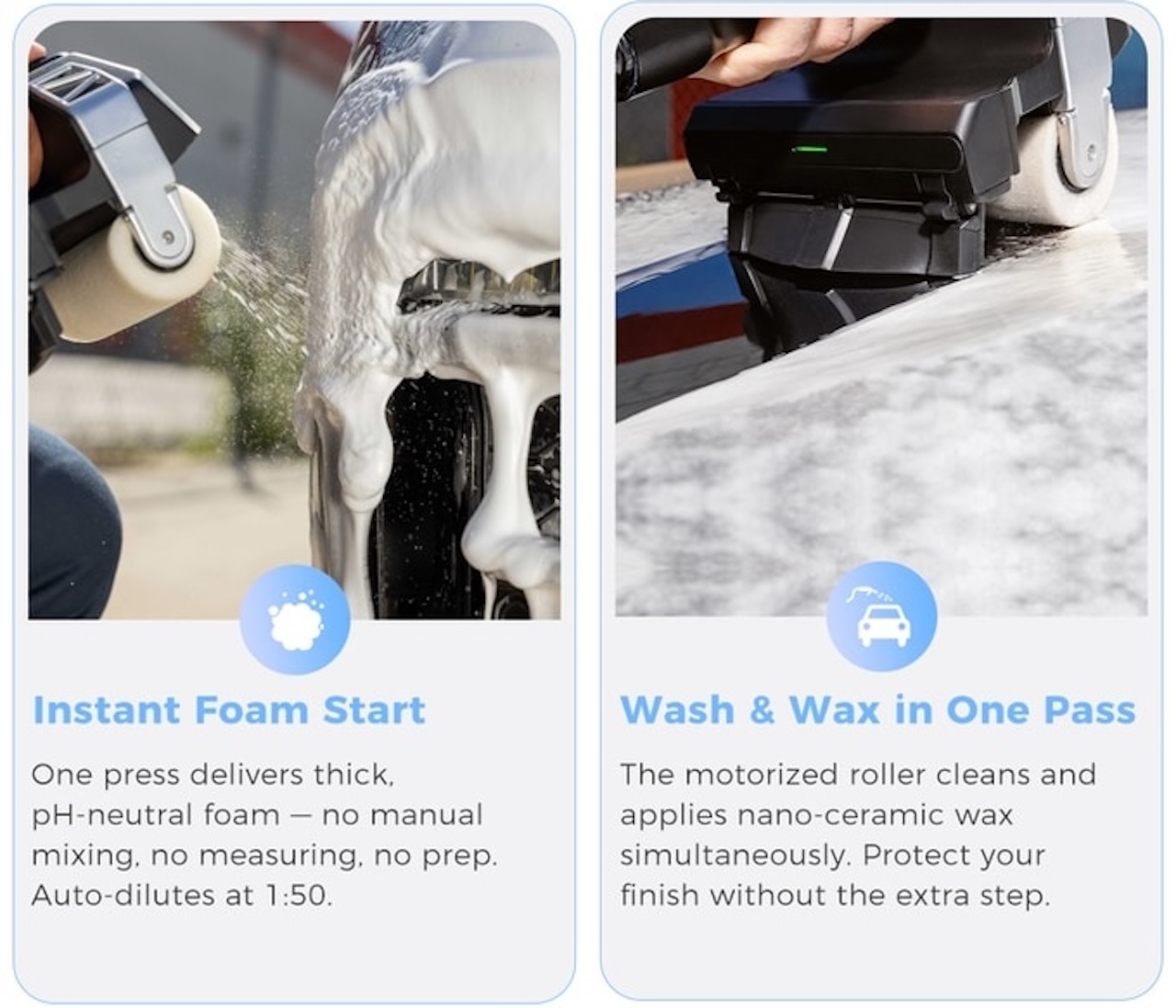
The Linyo H1 campaign runs through July 12, 2026. It’s raised over HK$1.79 million against a HK$23,494 goal, with 536 backers as of this writing. That kind of oversubscription usually signals that the product has found real product-market fit before it ships.
Price: From $349
Where to Buy: Kickstarter
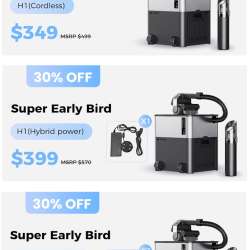
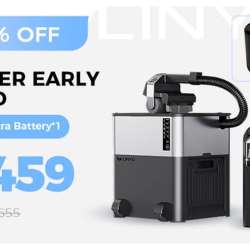
Early bird pricing on Kickstarter starts at $349. For anyone who parks on the street or in a shared lot, that’s the number to weigh against a year of subscription washes.
