
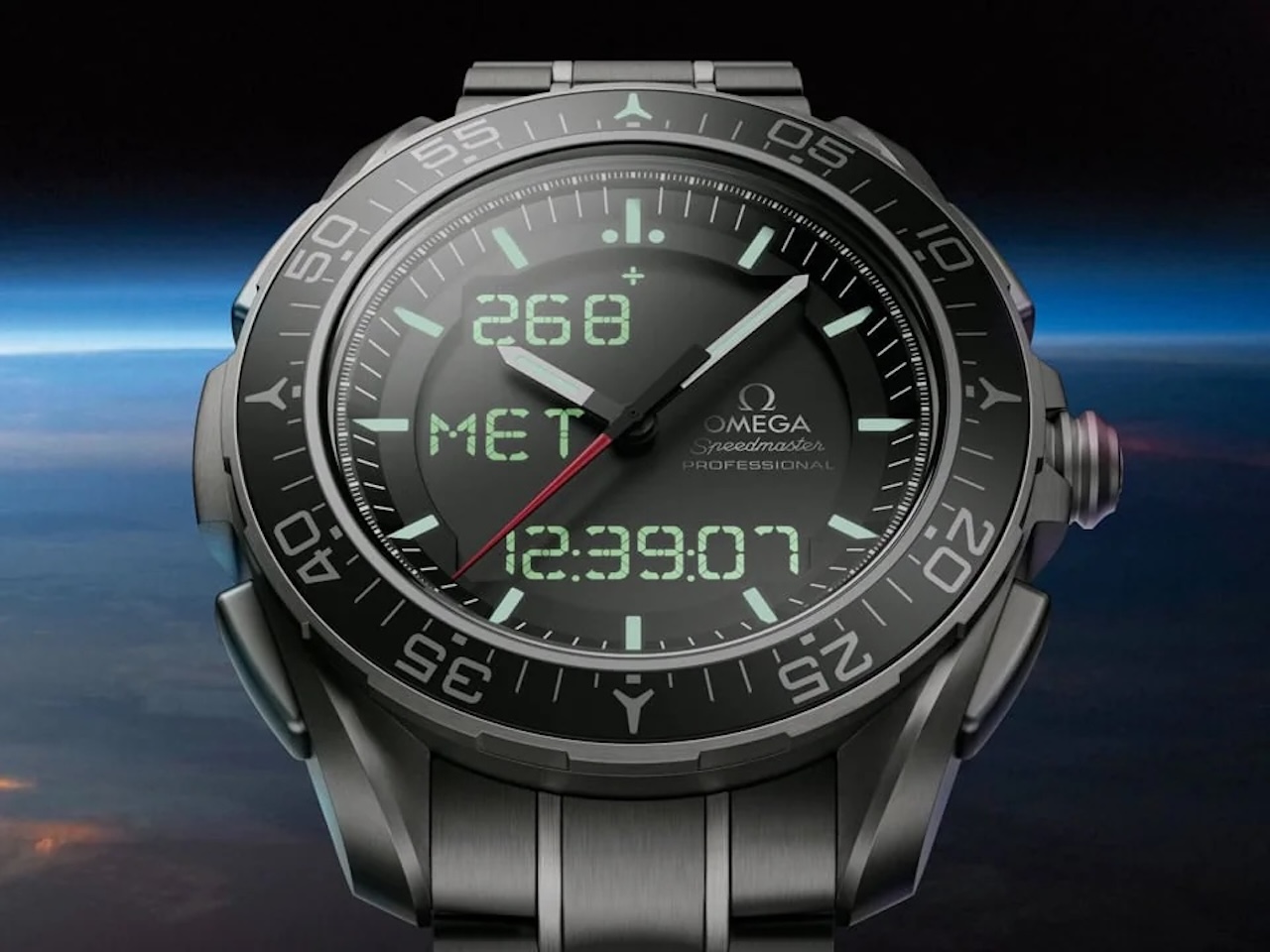
The Artemis II crew strapped on their Omega Speedmaster X-33 watches before climbing into Orion on April 1, 2026. Four astronauts heading to the Moon for the first time in over 50 years, and on each wrist sat a titanium quartz chronograph that Omega built specifically for people who leave the atmosphere for a living. It’s not the Moonwatch most people picture when they think of Omega and NASA. It’s the one NASA flies now.
We covered the Artemis II gear lineup in our 8 Pieces of Tech the Artemis II Crew Is Taking to the Moon feature. The X-33 earned its spot on that list, but a watch with this much history calls for its own space.
What is the Omega Speedmaster X-33
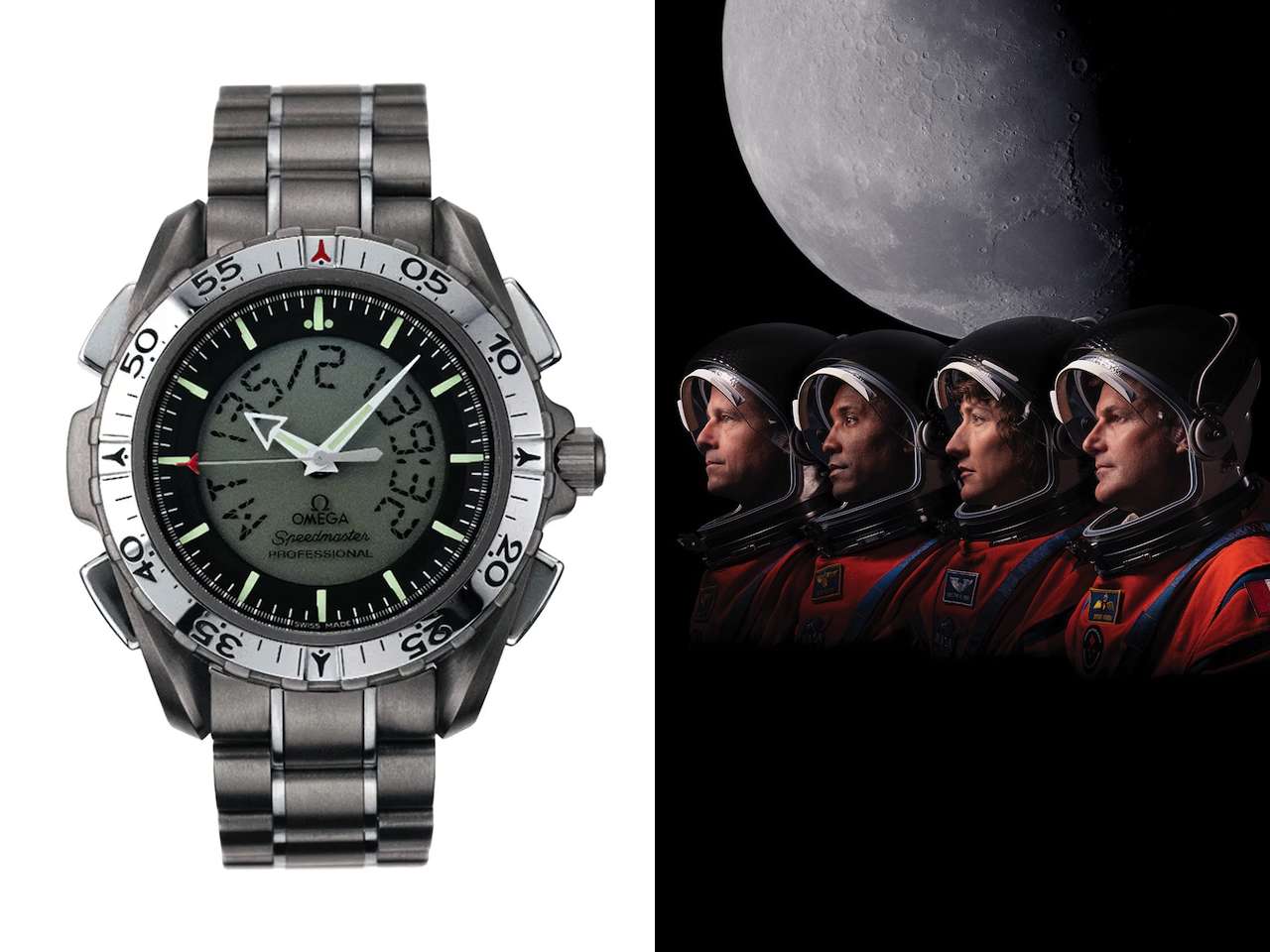
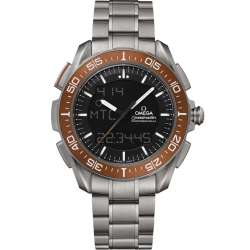
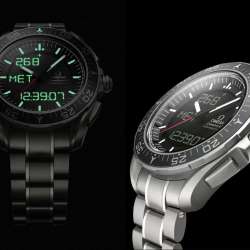
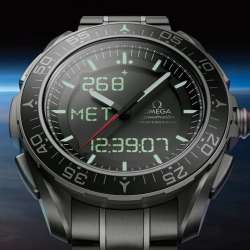
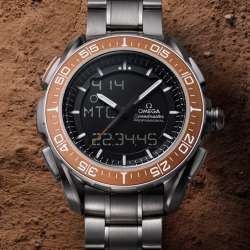
The Speedmaster X-33 is a quartz-powered, titanium chronograph with both analog hands and digital LCD screens. Omega developed it in the late 1990s with direct input from astronauts and test pilots. The digital displays handle mission elapsed time, alarms, and countdown timers, giving the crew quick access to critical timing data without reaching for cabin instruments. The analog hands keep running in the background, providing a visual time reference at a glance.
The case is grade 2 titanium, measuring 45 mm. It’s light enough to wear over a pressure suit without adding noticeable bulk, and tough enough to handle the temperature swings and vibrations of spaceflight. The crew wore theirs on straps fitted over their Orion Crew Survival System suits during launch, visible in crew imagery from the April 1 liftoff. Omega positions the X-33 as an instrument watch, not a dress piece. Everything about the spec sheet says the same thing: all function, no polish.
From Moonwatch to mission computer
The original Speedmaster Professional earned the “Moonwatch” name during the Apollo program, a hand-wound mechanical chronograph that served as a critical timing instrument when cabin systems were unavailable. That watch became one of the most recognized timepieces in history. The X-33 takes a completely different approach.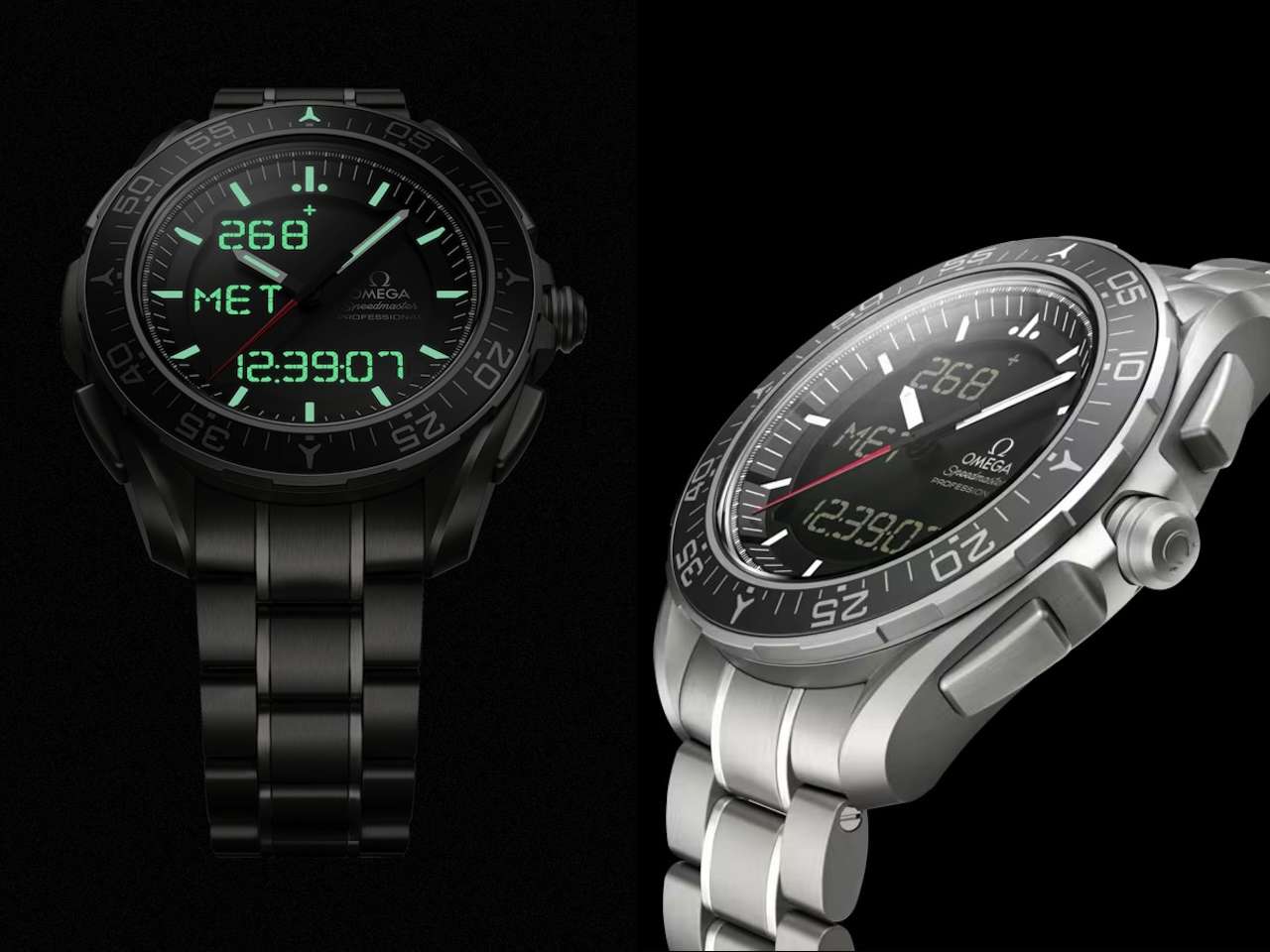
Instead of a mechanical movement that kicks in when everything else goes dark, the X-33 packs mission-specific digital tools into a wrist-worn format. Multiple time zones, mission elapsed time counters, alarms, and countdown functions all live on the LCD displays alongside those traditional analog hands. It’s closer to a flight computer on your wrist than a traditional chronograph. That shift reflects how NASA thinks about crew tools now.
 The Apollo astronauts needed a mechanical watch because their alternatives were limited. The Artemis II crew has iPhones and laser communication terminals streaming 4K video back to Earth. The X-33 doesn’t need to be the last line of defense. It needs to be the fastest way to check mission time without looking away from what you’re doing.
The Marstimer and what it signals
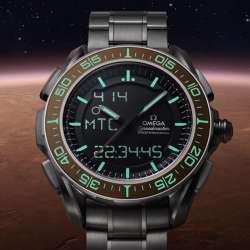
Omega discontinued the original X-33 Professional in 2006, then revived the line in 2014 with the Skywalker and later the Marstimer. Omega’s current X-33 lineup includes the Marstimer, a variant developed with the European Space Agency. According to Omega, it can display true solar time at any location on both Earth and Mars using a new microcontroller. The Marstimer retails for around $7,000 from Omega directly.
Tracking Martian time sounds like a novelty until you consider where NASA’s Artemis program is heading. Artemis II is a lunar flyby. Artemis III aims to land astronauts on the surface. The long-term goal is sustained lunar operations and, eventually, crewed Mars missions. A watch that already speaks both planetary time systems isn’t a gimmick. It’s forward planning from a brand that’s been part of human spaceflight since the 1960s.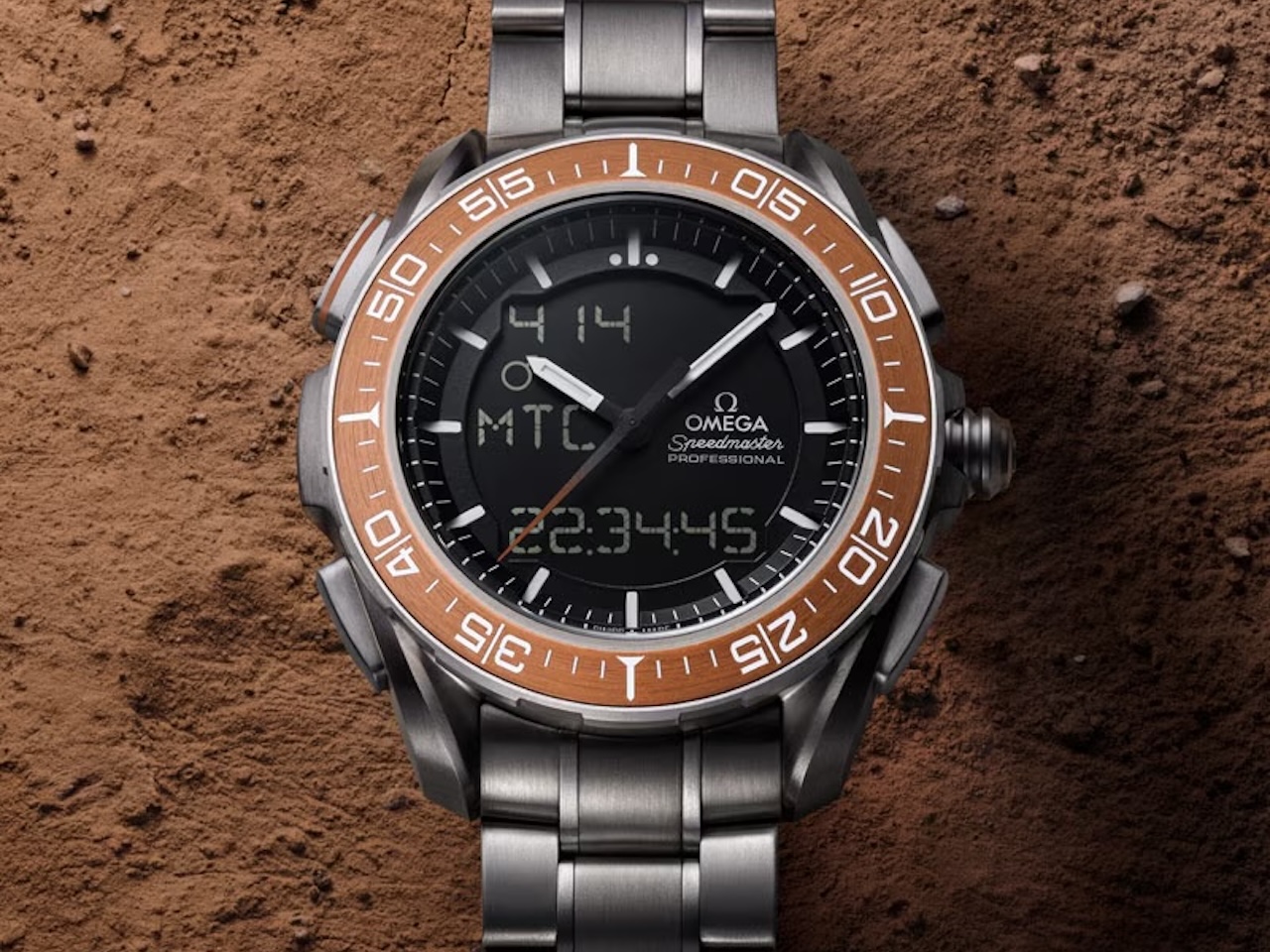
The Skywalker variant, featuring the same 45 mm titanium case with a black ceramic bezel ring and LCD display, trades on the secondary market between roughly $4,500 and $5,400. Pre-owned first-generation X-33 models from the late 1990s sit between $2,500 and $4,500 depending on condition. If you’re watching prices, high-profile missions tend to shift secondary market demand.

Why this matters for Artemis
Artemis II is NASA’s first crewed Moon mission since Apollo 17 in 1972. Commander Reid Wiseman, pilot Victor Glover, mission specialist Christina Koch, and Canadian Space Agency astronaut Jeremy Hansen launched aboard Orion from Kennedy Space Center at 6:35 p.m. EDT on April 1, 2026. Their mission follows a free-return trajectory, looping around the Moon and back over just under ten days.
The gear the crew carries tells the story of how space missions have changed. They packed consumer iPhones alongside radiation dosimeters. They carried a Benchmade rescue knife designed for paramedics alongside a laser terminal capable of streaming 4K from 240,000 miles away. And they wore a quartz titanium watch with LCD screens instead of the hand-wound mechanical chronograph that defined an earlier era of exploration.

Every piece of equipment on the manifest had to earn its spot. The X-33 earned it by being exactly what modern astronauts need: a fast, readable, lightweight timing instrument that doesn’t rely on anything else to function. That lineage connects directly back to the original Speedmaster Professional that first flew with NASA during Gemini. The tools changed. The purpose didn’t. And when this watch showed up on the wrists of the first crewed lunar mission in over half a century, it was the one Omega built specifically for the people wearing it.





Gadgeteer Comment Policy - Please read before commenting
I own two X-33’s. One Gen 1 and a Gen 3 Solar Impluse edition. Outstanding daily wears!
“Harold, that is an impressive duo. Owning both the Gen 1 and the Solar Impulse edition gives you a really unique perspective on how the X-33 has evolved over the years. I am curious, which one do you find yourself reaching for more often as a daily wear? I would love to hear more about how the Solar Impulse edition compares to the original in terms of legibility and comfort.
I find myself wearing the Gen 3 Solar Impulse more because of the legibility of the dial set up. I actually sent the Gen 1 in for service and requested that they replace the crown and the bezel with a Gen 2 bezel and crown. Omega guarantees parts 20 years after the last year of discontinuation. My other “speedys” include two MoonSwatches and an Omega Speedmaster Pro in a sapphire sandwich, which is also certified by NASA.
Great looking, and technically exceptional watch. However, I believe that the X-33 is not rated/certified for EVA’s.
Currently crew who land on the moon will still have to wear the Speedy Pro?