When the first Snapdragon X Elite arrived in mid-2024, the pitch was cleaner than the reality. Battery life held up. App compatibility didn’t. Plenty of early buyers ran into VPNs, print drivers, or specialized utilities that wouldn’t run cleanly on Windows on Arm.
Eighteen months later, the Snapdragon X2 Elite laptop shows up with a different posture. Qualcomm isn’t pitching a moonshot this time. It’s pitching a refinement, and that’s the more interesting story for buyers who’ve been waiting to see whether Arm-based Windows laptops actually warrant a spot on the shortlist.
The CES 2026 cadence makes the case in hardware: X2 Elite, X2 Elite Extreme, and a mid-tier X2 Plus all rolled out within a single quarter, and OEM partners lined up with thin-and-light designs instead of show-floor stunts.
What Qualcomm’s actually claiming
The headline numbers come straight from Qualcomm’s product brief and the September 2025 announcement. Up to 31% faster performance at ISO power versus the previous generation, and up to 43% lower power draw at matched performance.
Those are Qualcomm’s figures, not third-party benchmarks, so treat them as a ceiling rather than a guarantee.
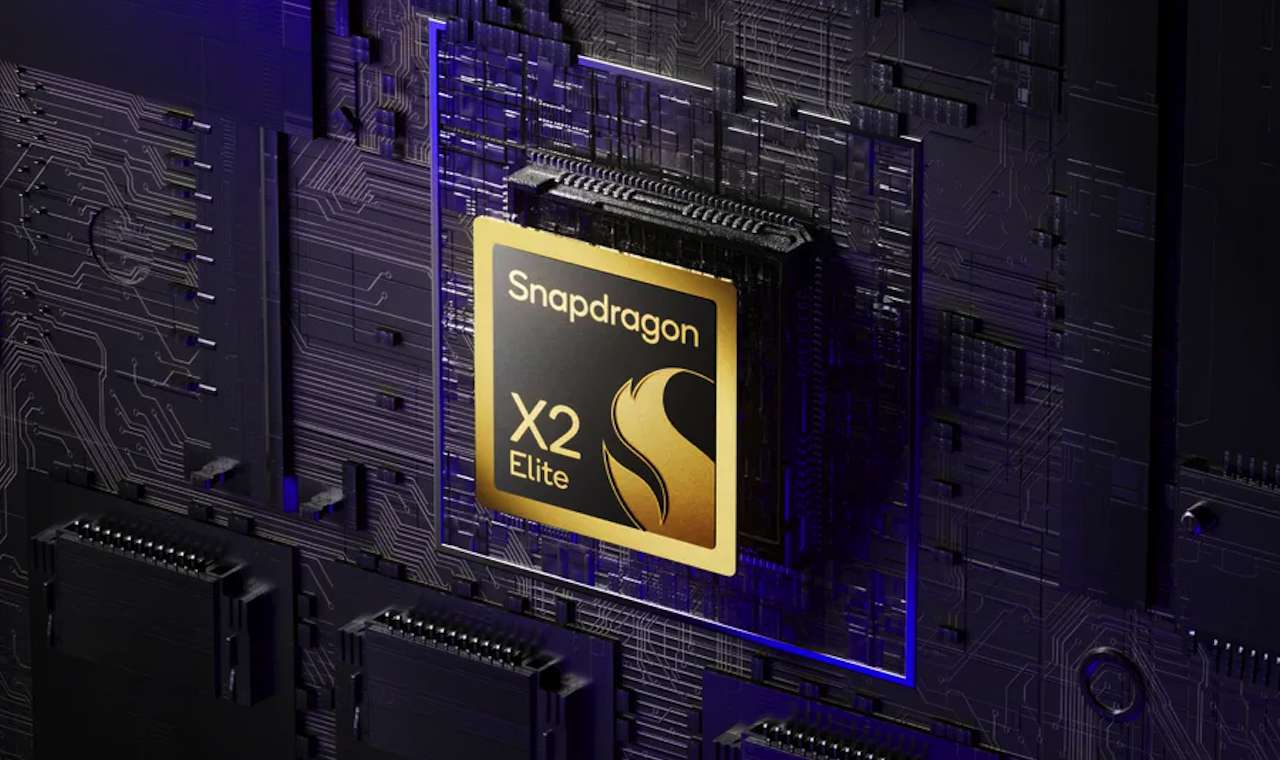
The NPU jump is the spec that matters most for the Copilot+ PC story. Snapdragon X2 Elite ships with an 80 TOPS Hexagon NPU, up from 45 TOPS on the original X Elite. Microsoft’s Copilot+ PC baseline currently sits at 40 TOPS, so X2 Elite clears that bar by a comfortable margin, and the same 80 TOPS NPU shows up on the mid-tier X2 Plus that Qualcomm announced at CES 2026.
- Up to 18 CPU cores on X2 Elite Extreme, built on the third-generation Qualcomm Oryon architecture (per Qualcomm)
- 5.0 GHz boost clock, which Qualcomm calls the first Arm-based PC design to hit that mark
- 53 MB cache, 5G up to 10 Gbps peak, Wi-Fi 7 with High Band Simultaneous at 5.8 Gbps (per Qualcomm product brief)
Why this hinges on Microsoft, not just Qualcomm
Silicon is half the story. The other half is whether the apps people actually use will run cleanly, and that’s the part that broke trust the first time around.
Microsoft’s Windows Developer Blog published an update in September 2025 detailing the expanding Arm-compatible app ecosystem for Copilot+ PCs, citing native versions across productivity, creative, and security categories. ASUS published its own compatibility note for the X2 Elite Glymur lineup, walking customers through which apps run native, which run through Prism emulation, and where peripheral support still needs vendor updates. That’s the kind of up-front transparency the first wave didn’t have.
Who this laptop actually fits in 2026
The X2 Elite isn’t a gaming chip, and Qualcomm hasn’t pretended otherwise. The GPU story remains the weakest leg of the platform versus AMD and Intel integrated options, so X2 Elite Extreme buyers should expect competitive productivity and AI performance, not AAA gaming parity.
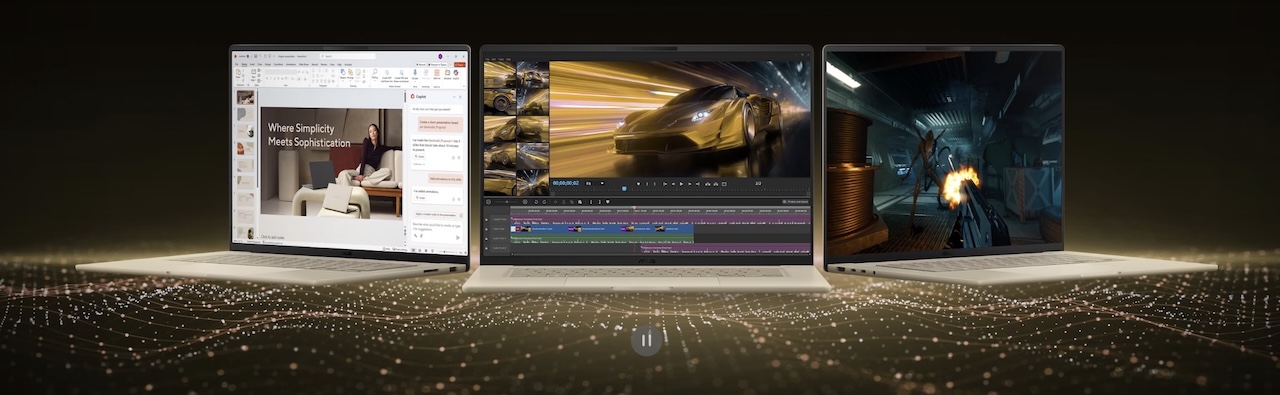
Here’s where it lands cleanly. The travel-heavy professional who wants real all-day battery on Windows and runs mostly Microsoft 365, Edge, Teams, and a handful of native Arm creative apps will get what they came for, and the AI-curious creator who wants on-device transcription, image generation, and Copilot+ features without sending every prompt to the cloud lands in the same sweet spot. The IT buyer standardizing a Copilot+ fleet finally has a credible Arm option alongside the x86 incumbents.
And the audience we’d still steer elsewhere: anyone whose daily workflow leans on a niche Windows utility, a specialized peripheral driver, or PC gaming as a primary use. Check ASUS’s or your target OEM’s compatibility page before committing.
The laptops actually shipping with X2 Elite right now
The first OEM wave is already on shelves, and the SKU spread is wider than the original X Elite launch. Here’s what’s worth knowing about the four lines getting the most early attention, all per manufacturer-published spec sheets and pricing.
Price: From $1,699.99
Where to Buy: ASUS
ASUS Zenbook A16 (UX3607) ships with X2 Elite Extreme (X2E-94-100 or X2E-96-100), 48 GB LPDDR5x-9523, 1 TB SSD, and a 16-inch 3K OLED at 120 Hz in a 2.65 lb chassis. Starts at $1,699.99 at Best Buy and $1,999 for the Windows 11 Pro configuration on the ASUS Store.
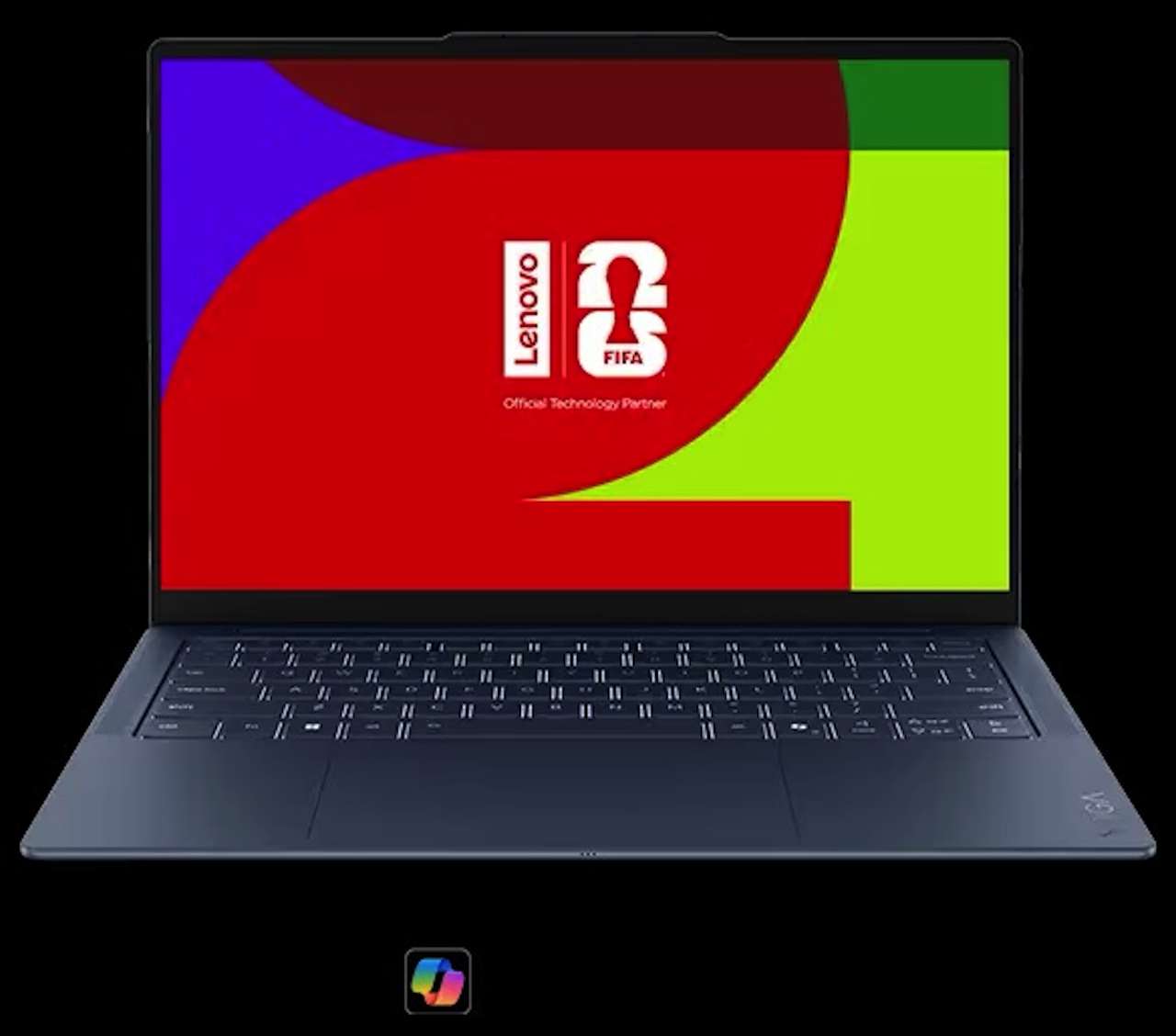
Price: From $899.99
Where to Buy: Lenovo
Lenovo Yoga Slim 7x Gen 11 offers a choice of X2 Elite (X2E-80-100 or X2E-88-100) or X2 Plus (X2P-42-100), up to 32 GB LPDDR5x-9523, up to 2 TB PCIe Gen 4 storage, a 14-inch OLED, and a 70 Wh battery with 15-minute rapid charge to three hours of runtime.
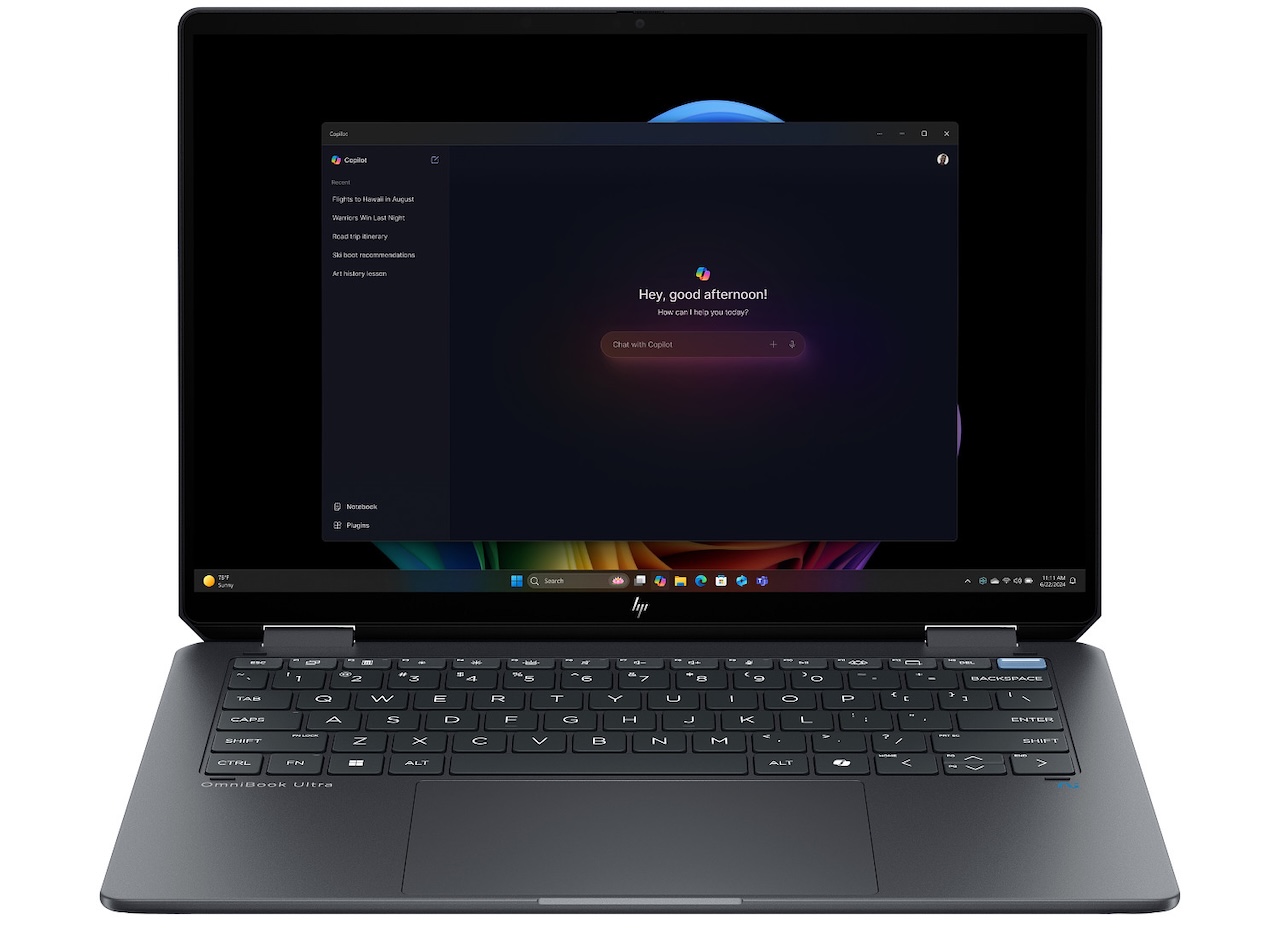
Price: $1,079.99 (On Sale)
Where to Buy: HP
HP OmniBook Ultra 14 (Next Gen AI) lands with X2 Elite (X2E-90-100 or X2E-84-100) or X2 Plus options, up to 64 GB LPDDR5x-9522, up to 2 TB PCIe 5.0 SSD, a 14-inch 3K OLED touch panel, and a MIL-STD-810 chassis at 2.81 lb. Starts at $1,549.99 per HP’s January 2026 announcement.
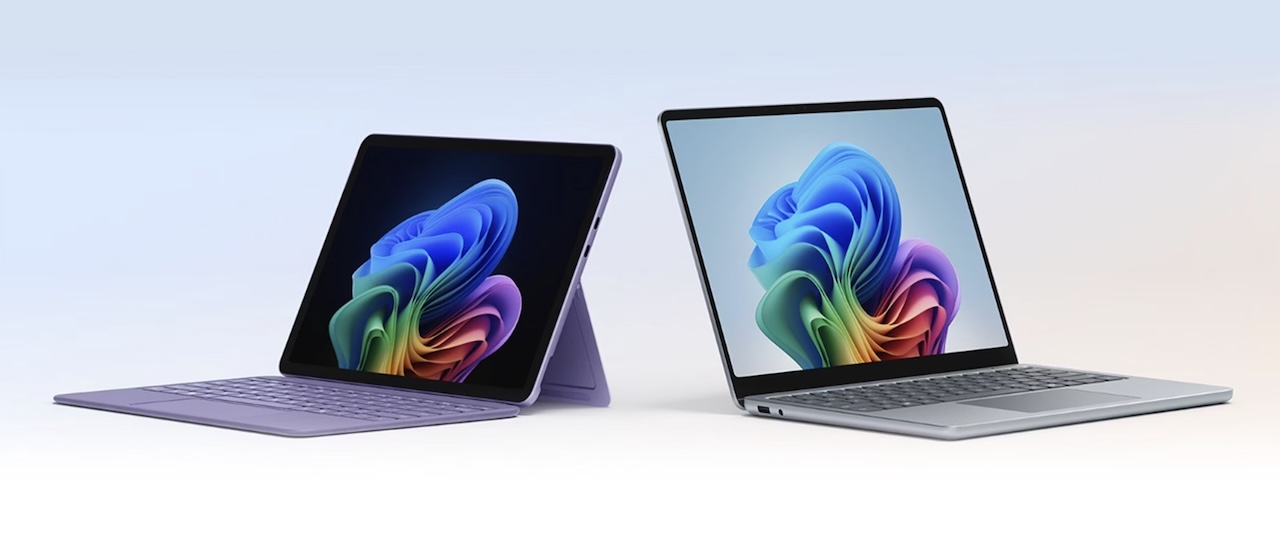
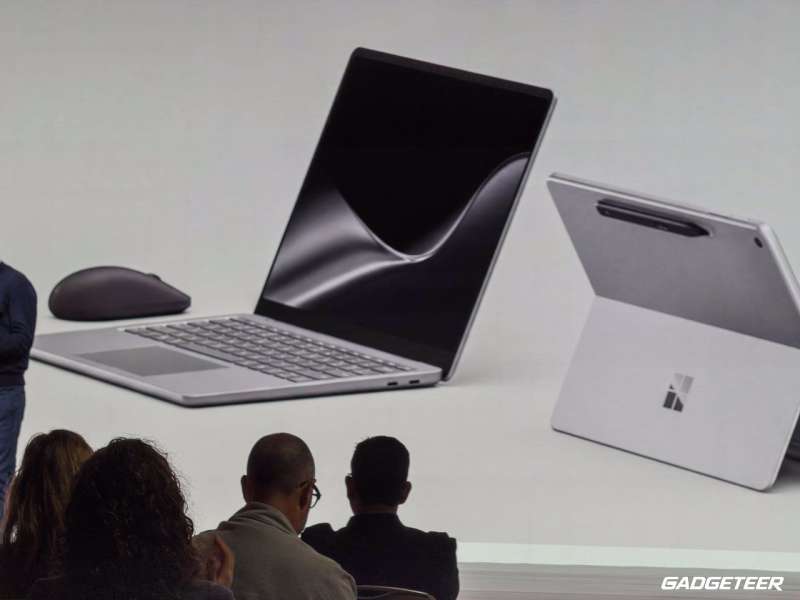
Microsoft Surface (2026 refresh) is on the way too. Microsoft has named X2 Plus and X2 Elite as new Windows partner platforms for 2026 Copilot+ PCs, and per industry reporting, the Snapdragon variants will follow the Intel models into the next Surface Pro and Surface Laptop later this year. Per the same reporting, X2 Elite Extreme isn’t on the Surface roster this cycle.
What to watch before you click buy
A few open questions still need answers. Independent reviewer testing on sustained performance under thermal load is the first one, since Qualcomm’s ISO-power numbers are best-case figures. Pricing is the second variable, and the spread across the shipping lineup above shows how much it swings between thin-and-light Elite trims and Extreme-tier configurations.
Software is the third variable. Native Arm builds keep arriving, but the long tail of niche apps still gets emulated. Prism handles most of it well, and Qualcomm says it’s measurably faster than the first-generation emulator. You’ll still want to verify your top five most-used apps on a vendor compatibility list before locking in an order.
The first Snapdragon X Elite generation was the prototype. X2 Elite is the version that earns shelf space next to the Lunar Lake and Ryzen AI 300 alternatives, and the eighteen-month software push from Microsoft and OEM partners is what turns it from a leap of faith into a defensible recommendation.
If you’ve been holding off on a Copilot+ PC because the first wave felt unfinished, this is the moment to start a real shortlist.