Fitbit’s been the name people say when they mean “easy fitness tracker,” and Google just leaned all the way into that legacy with something tiny, screenless, and cheaper than a lot of people guessed. The new Fitbit Air starts at $99.99, rides quietly on your wrist, and pushes everything visual into the Google Health app on your phone.
Price: From $99.99
Where to Buy: Google, Amazon
The pitch is the silence. No display to wake up. No notifications nudging you through dinner. The band’s whole job is to live on you between charges, with a battery rated for up to a week, while the phone handles dashboards and questions.
A pebble that’s mostly sensors
Don’t let the size fool you. Google calls Fitbit Air its smallest tracker yet, and the spec list doesn’t read like a budget product.
You get 24/7 heart rate, heart rhythm tracking with Afib alerts, SpO2, resting heart rate, heart rate variability, and full sleep stage tracking with duration. That covers most of what people who want a 24/7 wearable look for, packaged inside a tiny silent puck instead of a watch face.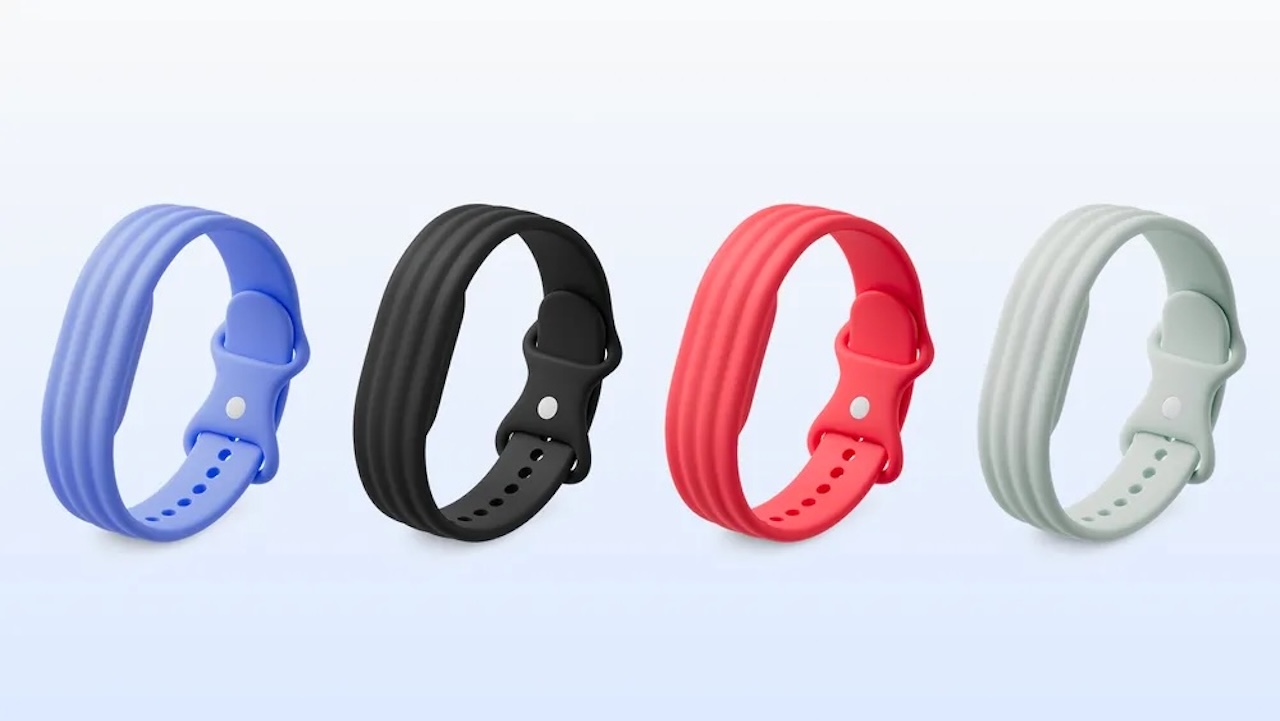
The screenless decision isn’t just an aesthetic pick. Google’s framing is that the design lets you “live in the moment,” with deep insights pulled up on your phone only when you ask for them. It’s a different rhythm from a smartwatch’s tap-and-glance loop, and it’s clearly the sell.
Built to disappear for a week
Battery life is up to a week on a charge, based on Google’s testing with default settings and a median user profile. If you forget to top it up, a five-minute fast charge gets you a full day of power.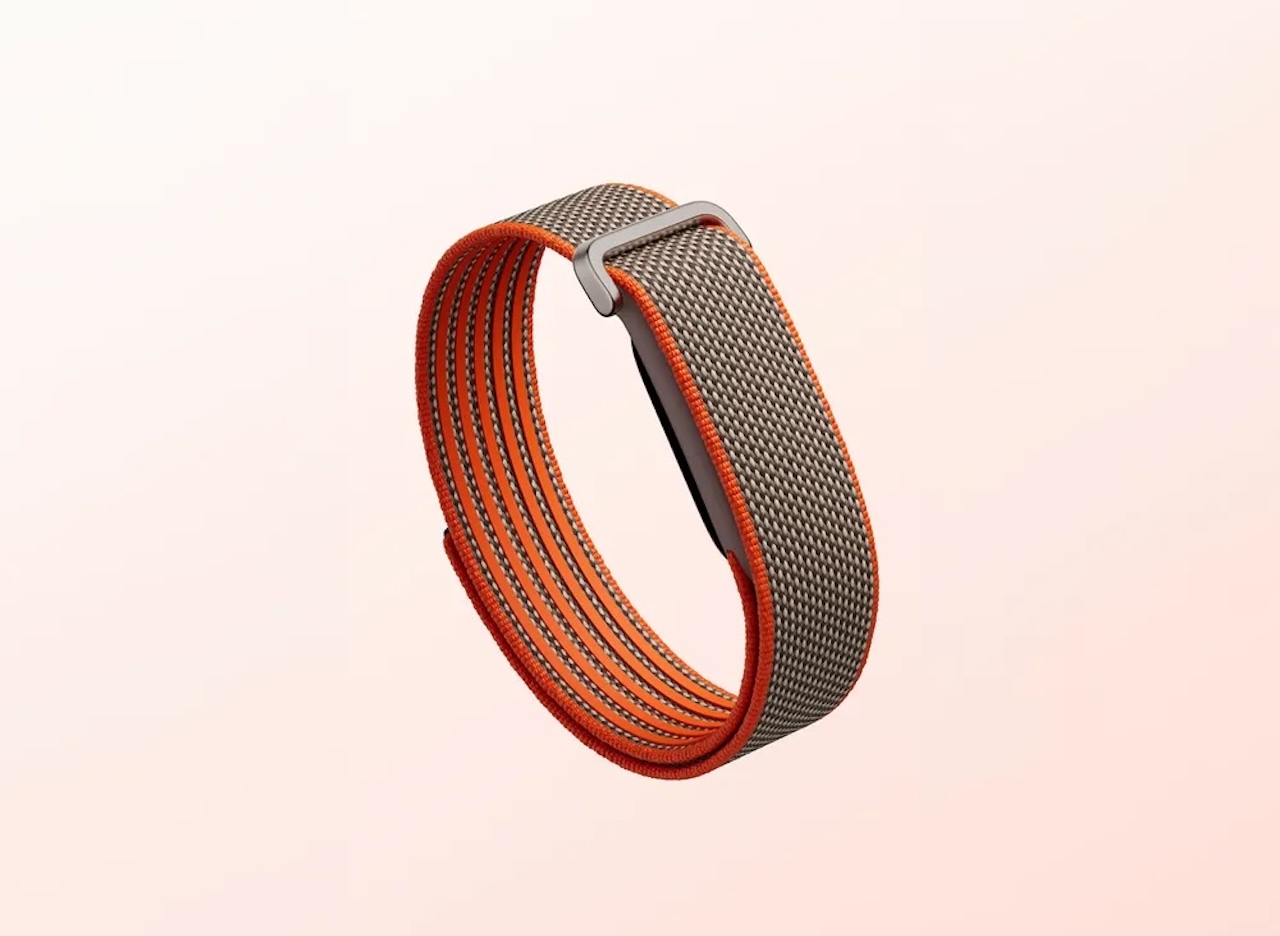
That’s the kind of math that rewards people who want a 24/7 tracker. The device can stay on your wrist through workouts and sleep without becoming another nightly chore. Google also calls out a clever pairing play, with a Pixel Watch on during the day and a Fitbit Air on at night, so the two products handle different shifts of the same day. Sleep tracking is one of the strongest pitches here since the low-profile design is built for comfort first.
Activity tracking that does the paperwork for you
Workouts can start three ways. You can launch a session manually from the Google Health app, follow a coach-recommended guided workout, or let Fitbit Air detect common activities on its own and send you a recap once you’re done.
Auto-detection improves over time and personalizes to your routine, per Google. Manual logging is still in the app for people who want direct control over what counts as a workout and what doesn’t.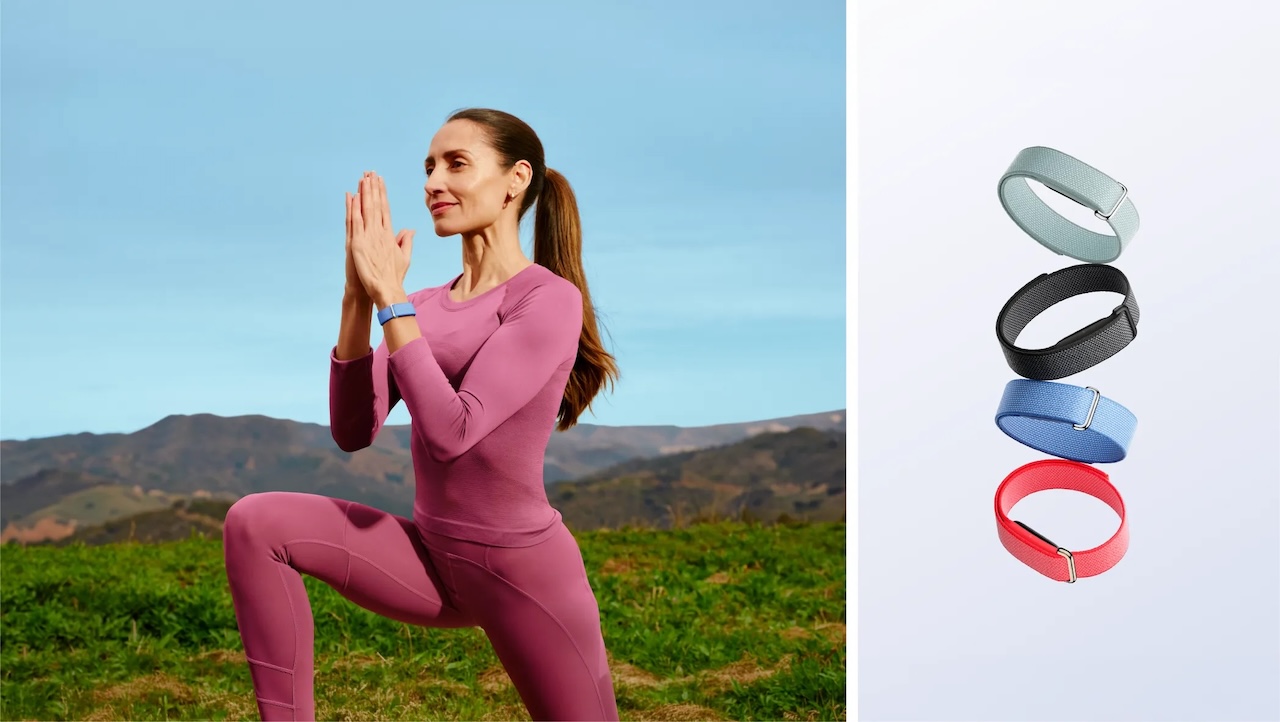
The Google Health Coach is where the launch gets interesting for anyone who hates logging. With a Google Health Premium subscription (Fitbit Air ships with a three-month trial), you can point your phone camera at the treadmill control panel or the workout list scrawled on the gym whiteboard, and the Coach reads it into a logged session for you.
That photo-to-workout flow is the bridge Google is betting people will pay $9.99 a month to keep after the trial ends.
Bands that swap with the pebble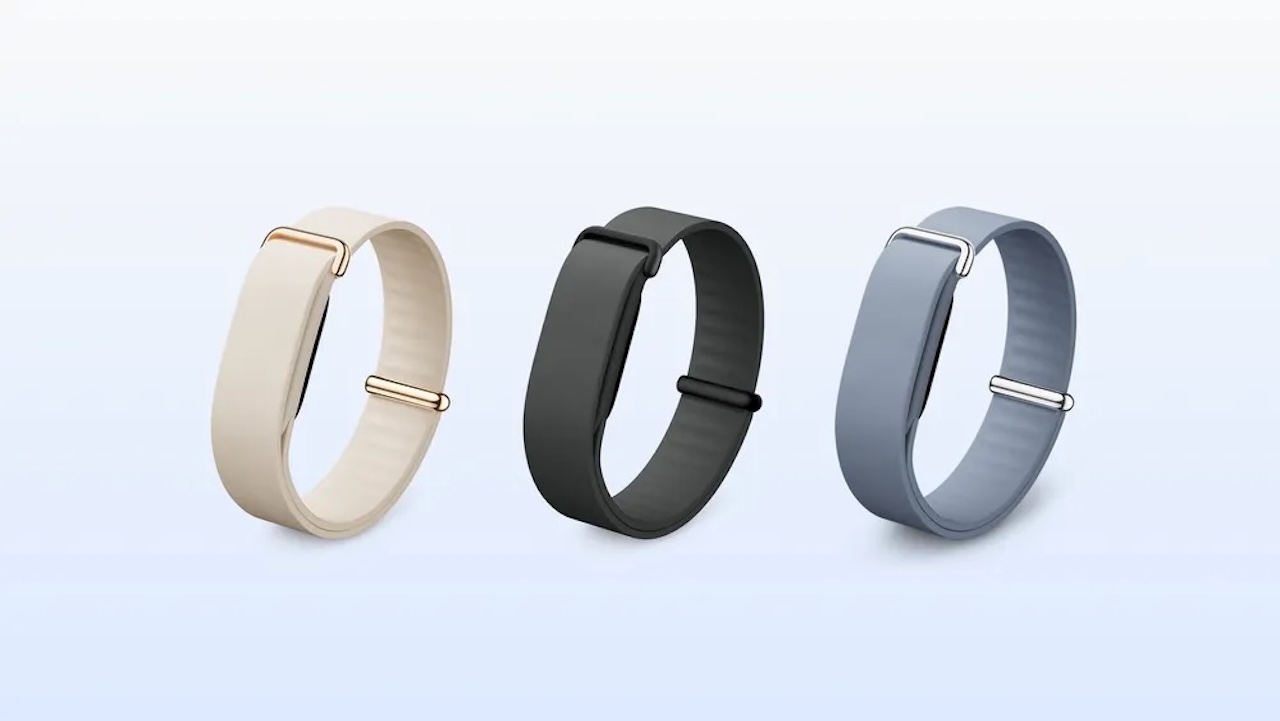
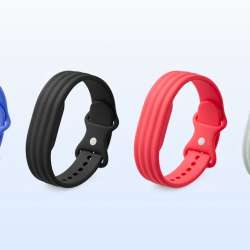
The pebble pops out of the band, and Google has three styles in the lineup at launch.
- Performance Loop Band: ships in box, made from at least 35% recycled materials by weight, micro-adjustable, breathable, with a colorway range that runs from quiet neutrals to louder accents.
- Active Band: sweatproof and wetproof silicone with a ribbed design, aimed at high-intensity training.
- Elevated Modern Band: a more bracelet-like look in muted, jewelry-style finishes that don’t read as fitness tech.
Stephen Curry’s edition is the reason to look twice
The Fitbit Air Special Edition was co-designed with Stephen Curry, and it’s the most distinctive piece of the launch.
The Performance Loop band comes in rye brown with game-day orange accents, and the strap has a coated outer surface plus an inner texture borrowed from race-stripe geometry. That detail turns a fitness tracker into something a basketball fan will want on their wrist regardless of step counts.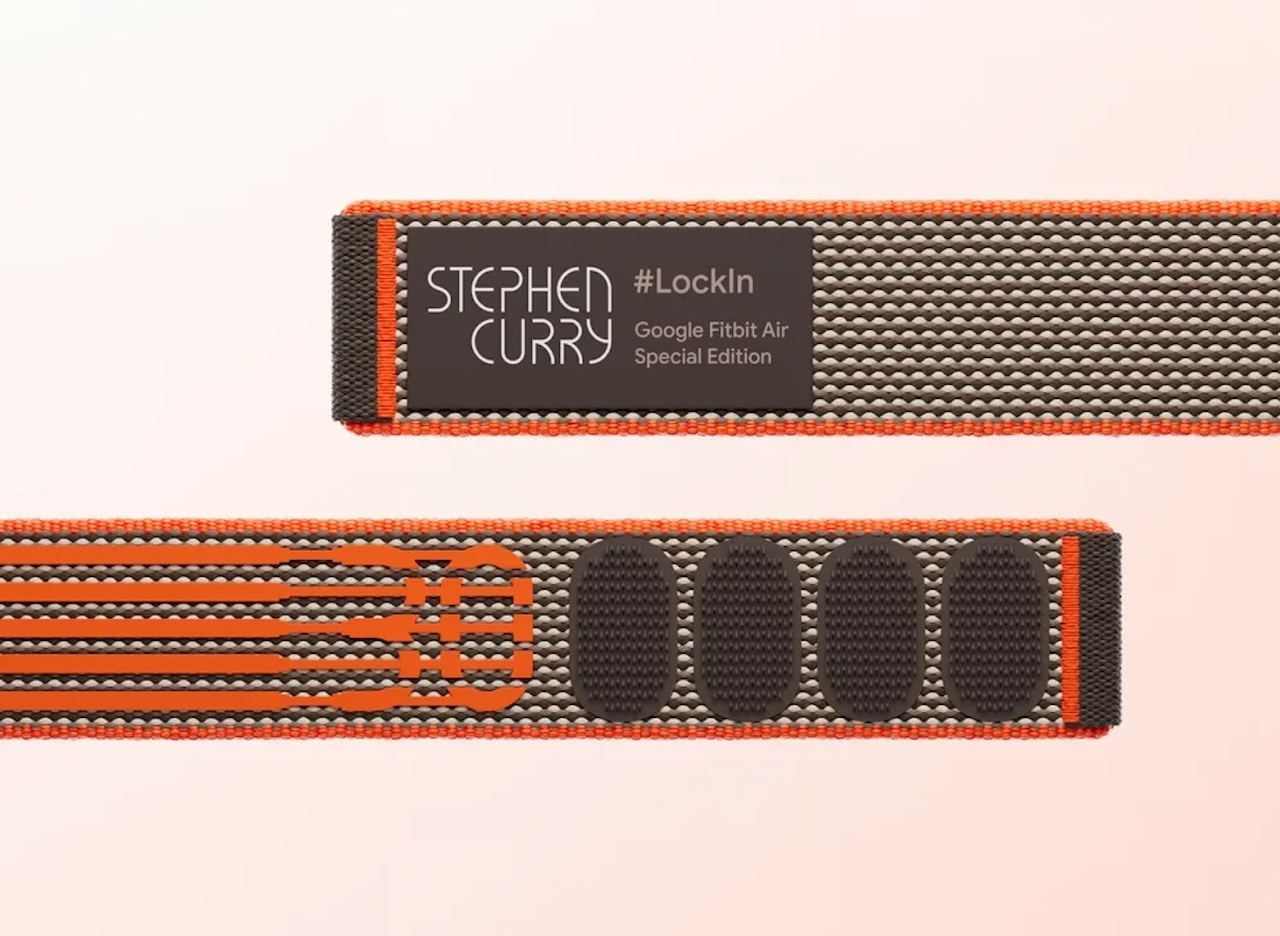
Google says the inner ridges are tuned to keep air moving when you’re sweating through a workout, which moves the design from pure aesthetics into a functional claim. We’ll want to test that claim during sweaty sessions when we get a unit in for hands-on review.
The Special Edition lands at $129.99 and goes on shelves in the US on May 26. Pre-orders are open today.
Pricing, availability, and the Premium math
Standard Fitbit Air pre-orders open today at $99.99. The Special Edition pre-orders open today and the device ships to US shelves on May 26 for $129.99. Accessory bands start at $34.99, and color and country availability vary.
Every Fitbit Air includes a three-month trial of Google Health Premium, which unlocks Google Health Coach and other advanced features. Premium renews at $9.99 per month after the trial, and Google AI Pro and Ultra subscribers get Google Health Premium included in their plans, per Google.
Compatibility is broad. Any phone running Android 11 or higher or iOS 16.4 or higher works, with a Google Account and the Google Health app required to set the device up.
What this launch tells us
A $99.99 entry price, a screenless body, and a smart-coach AI angle add up to a different kind of pitch than Fitbit’s been making for years. It’s not a smartwatch, and it’s not pretending to be.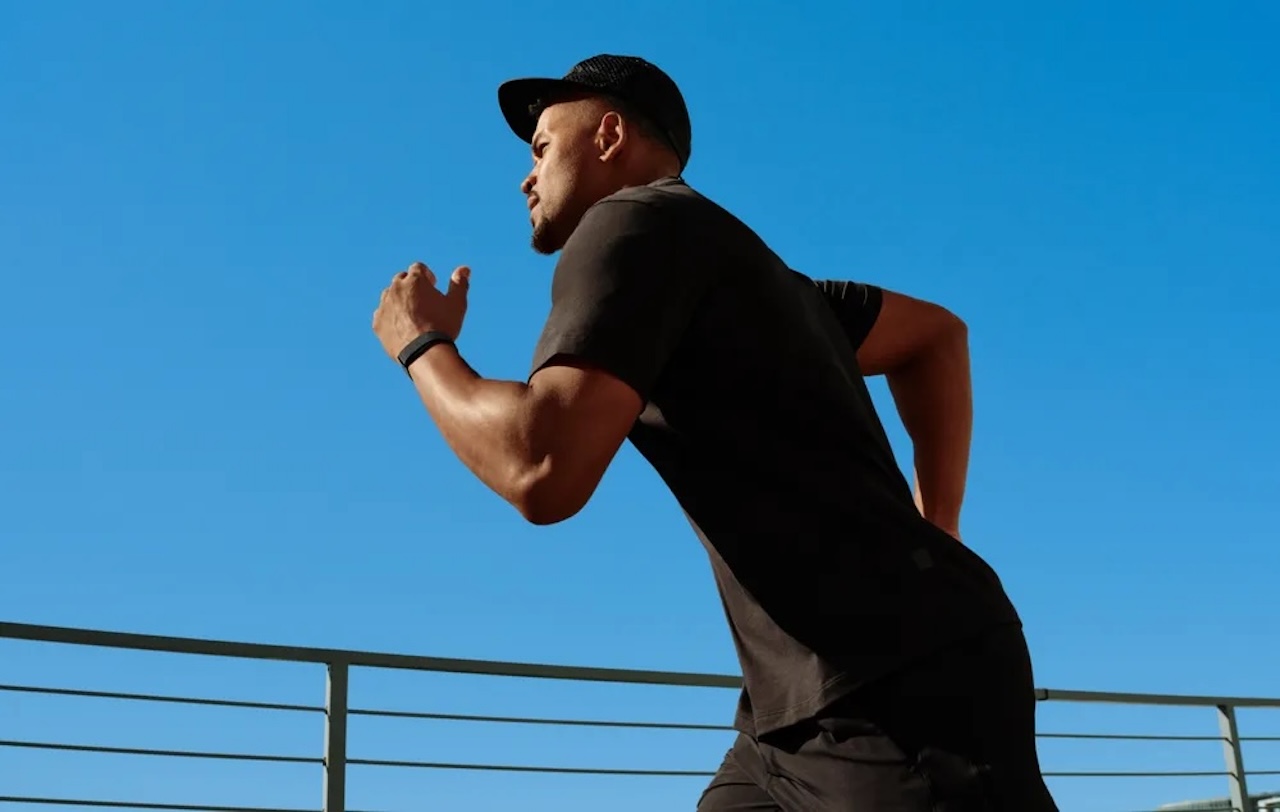
The product reads like it was designed for people who want all-day data without another screen on their wrist. The inclusion of a Pixel Watch handoff hints that Google sees Fitbit Air as the always-on layer beneath its smartwatch lineup, not a replacement for it.
There’s also a quieter strategic move tucked into the launch. The Google Health app, the Health Coach, and the photo-to-workout AI flow all run on the phone, which means Fitbit Air is essentially a sensor on-ramp into Google’s broader health stack. Buying the band is also opting into that ecosystem.



Price: From $99.99
Where to Buy: Google, Amazon
For now, the spec sheet reads like a deliberate, focused take on what a screenless tracker should do. The price tag is the kind of number that gets the category in front of people who weren’t shopping for a tracker yesterday, which is exactly the kind of distribution win Google needs.