Kershaw didn’t make the Bel Air line easier to understand in 2026. It made it more useful. The regular Bel Air already sits in that pocket between polished EDC and a knife you’d actually use, but the new Bel Air XL variants turn the decision into something sharper: what kind of work do you expect a slim USA-made folder to handle? That’s the whole story.
🛒 Kershaw Bel Air XL | Buy on Amazon
Black Aluminum MagnaCut ($176.37): Buy on Amazon
Carbon Fiber MagnaCut ($180.42): Buy on Amazon
Black G10 MagnaCut ($149.99): Buy on Amazon
If you already read our best Kershaw knives guide, you know the old Blur and Leek conversation doesn’t explain where Kershaw is going now. The Bel Air line does.
One frame, several personalities
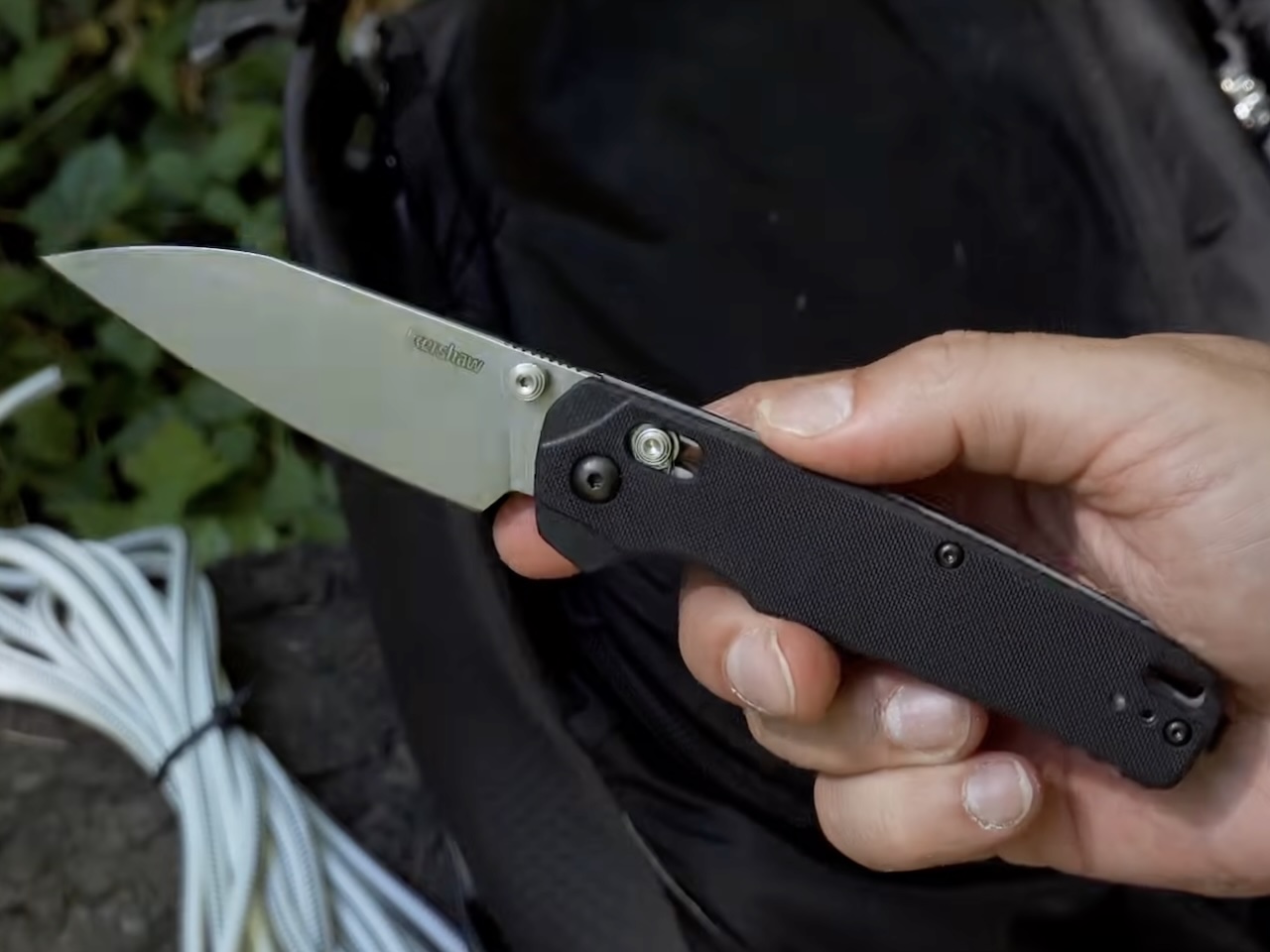
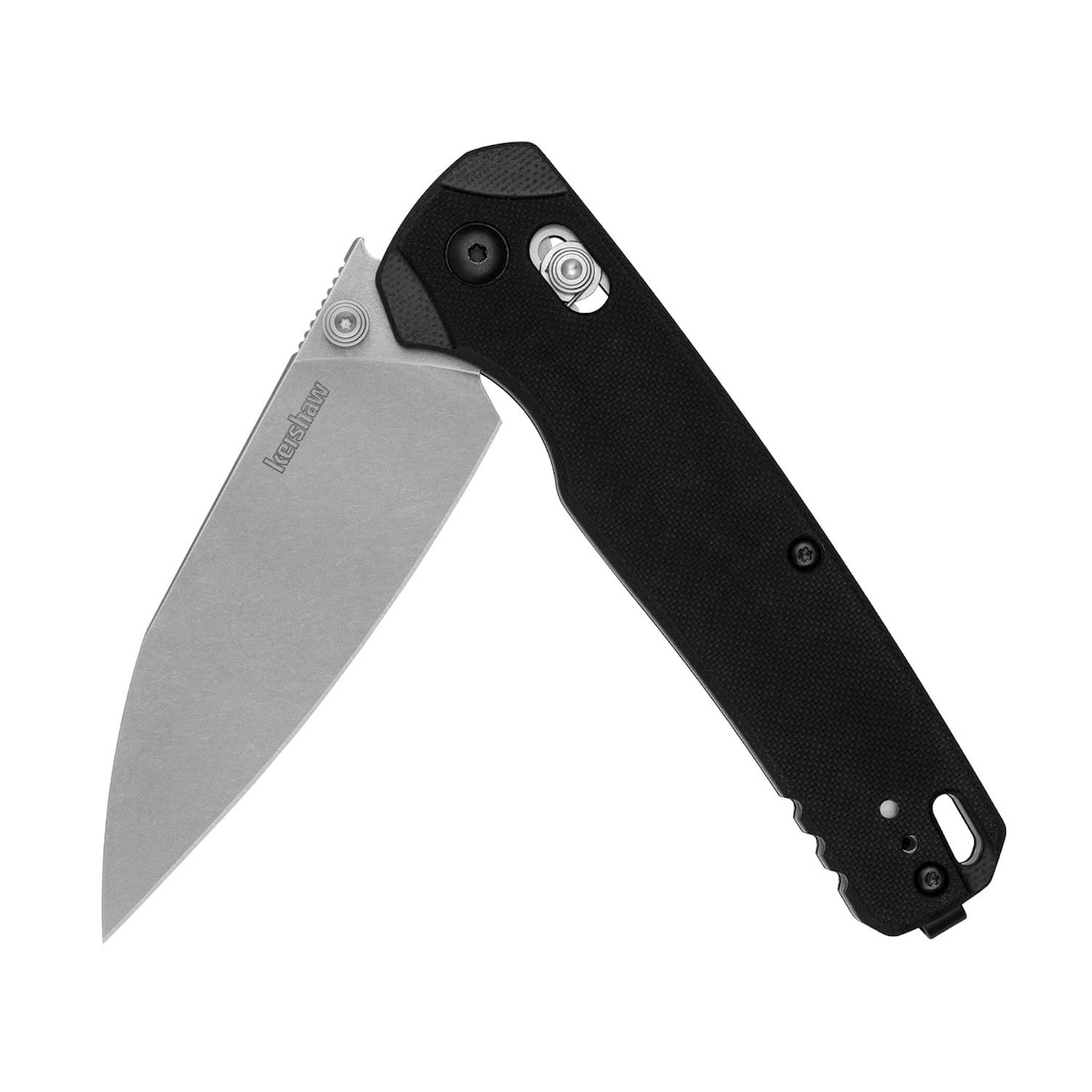
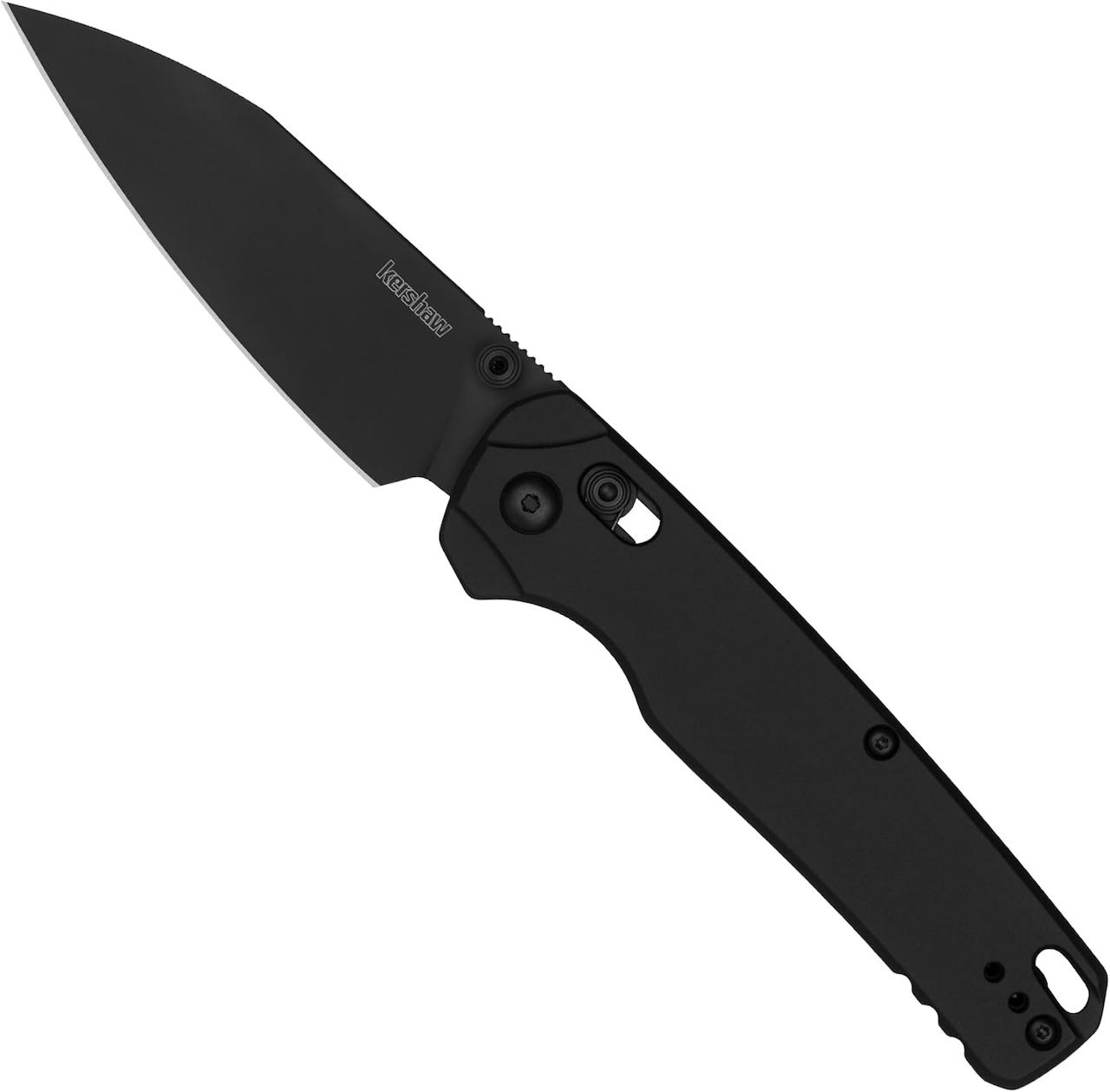
Start with the shared bones. Kershaw’s Bel Air XL variants use a 3.4-inch blade, DuraLock, KVT ball bearings, a reversible deep-carry clip, and USA manufacturing. From there, the line splits quickly.
Carbon fiber is the clean premium play. That model uses CPM MagnaCut, carbon fiber handles, and a listed weight of 2.9 ounces. It runs about $180.43 on Amazon, well under its $349.99 MSRP.
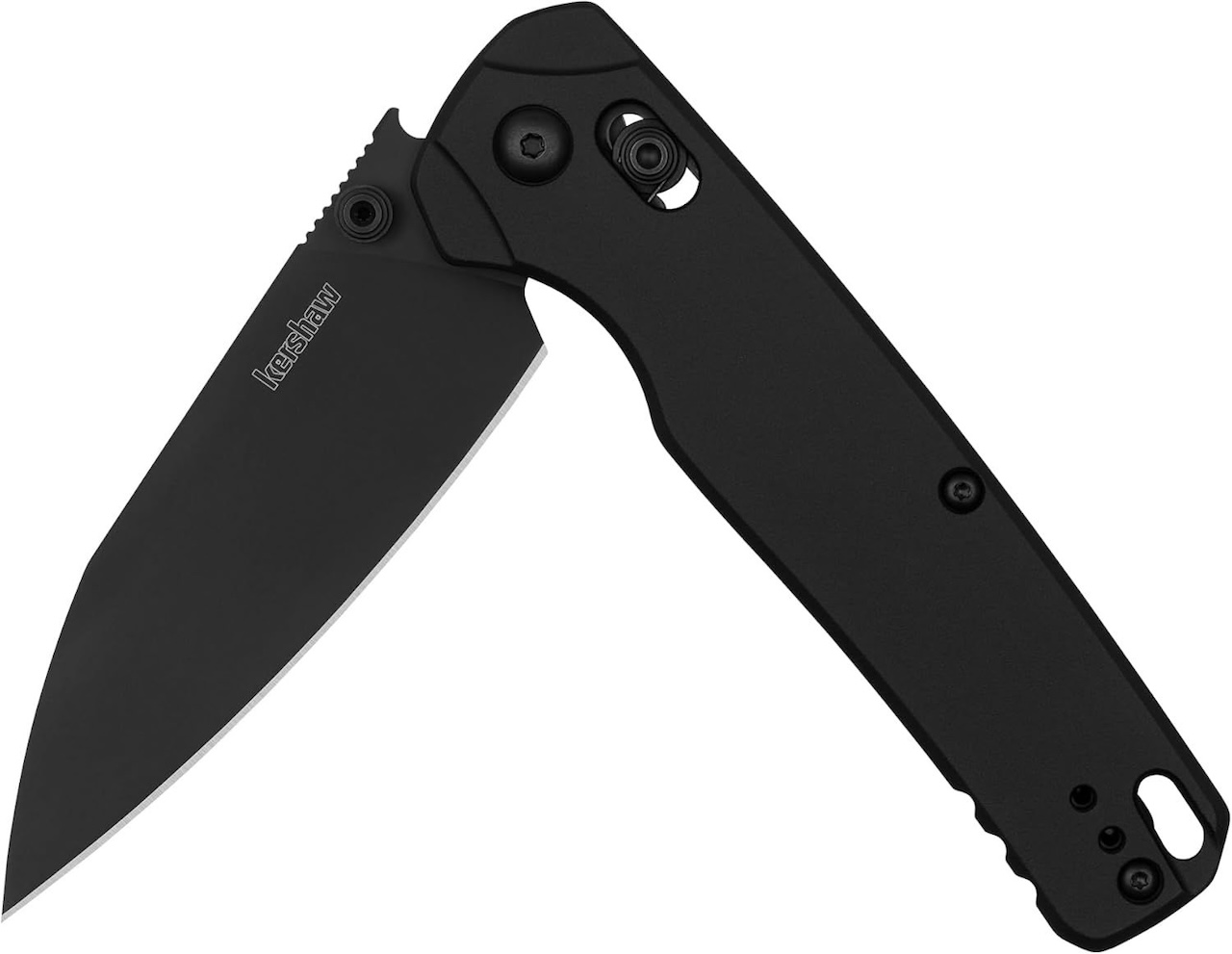
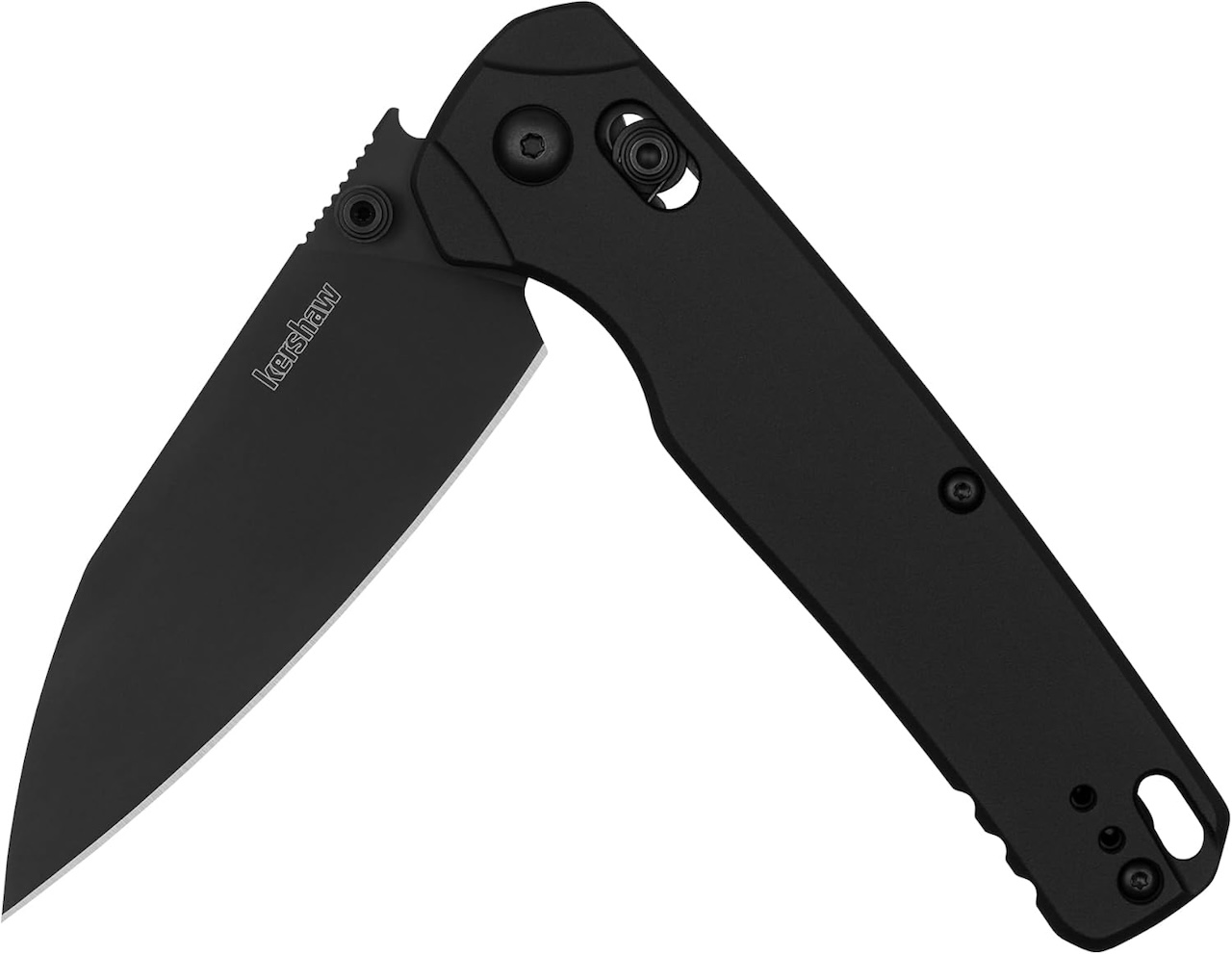
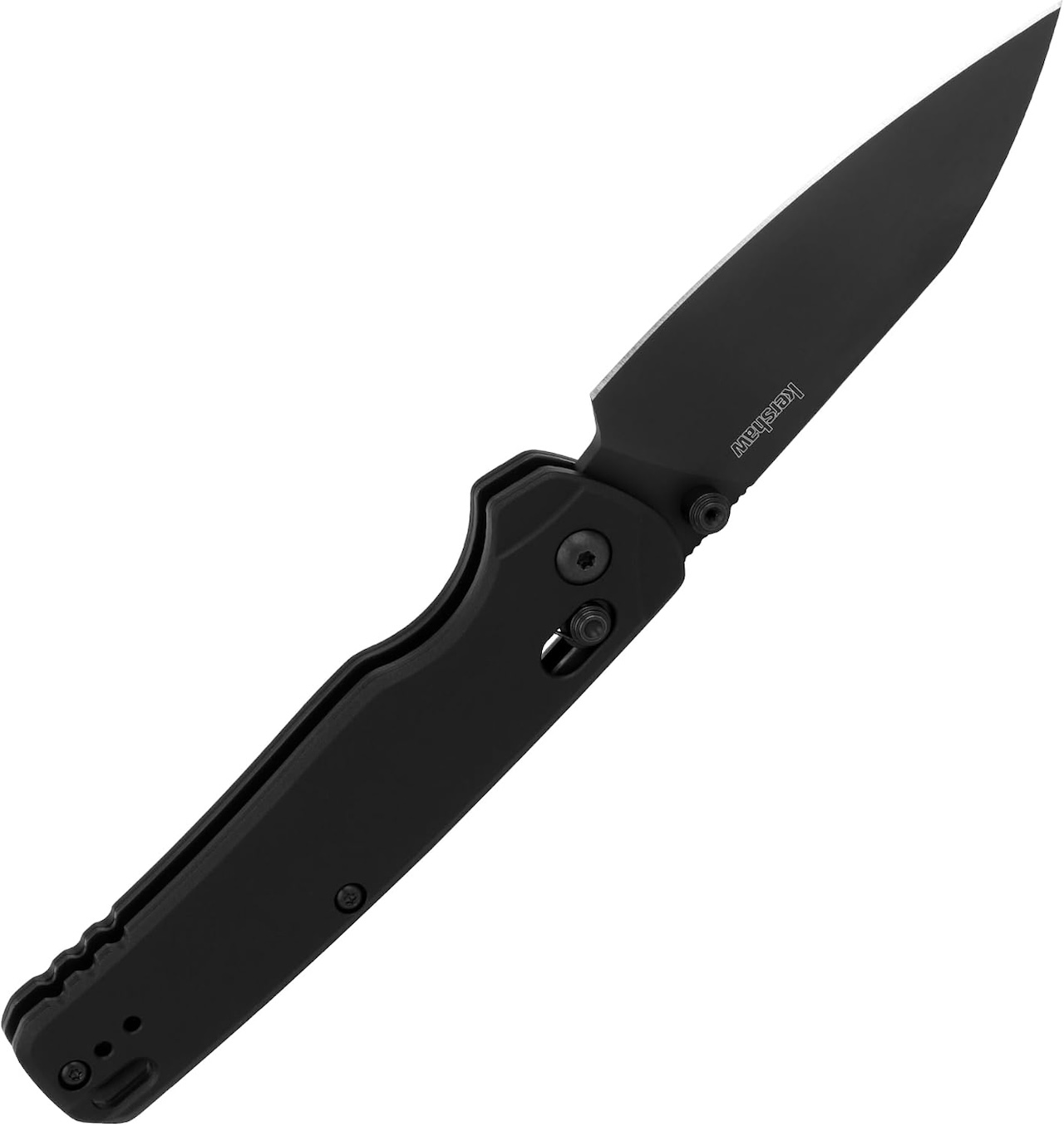
Black aluminum is the simpler everyday premium version. Same CPM MagnaCut steel, but with a black PVD blade coating, black anodized aluminum handles, and a 3.3-ounce listed weight. It’s around $176.37 on Amazon. The base black G10 model shares that MagnaCut blade but swaps to a grippier G10 handle, and it’s the most affordable of the trio at about $149.99 on Amazon.
Then the line gets more interesting.
Olive swaps the steel to CPM 3V, adds a working finish with clear Cerakote, and keeps the 3.3-ounce weight. FDE goes with CPM M4, a black PVD coating, and the same listed weight. Those two don’t feel like cosmetic variants. They feel like Kershaw using the XL frame to answer different jobs.
That range is what makes the line interesting. Most brands release one XL variant per generation. Kershaw released five, spanning several steels, handle materials, and finishes. That’s not a colorway refresh. That’s an intentional product spread.
Steel is the actual buying guide
Here’s the thing. Nobody shopping this knife needs another paragraph saying MagnaCut is good. The useful question is whether MagnaCut is the right answer for every Bel Air XL buyer. It isn’t.
MagnaCut is still the safe everyday choice. Pocket carry, light outdoor use, cardboard, packaging, garage chores, and the normal odd jobs that make you reach for a knife all fit that lane. The carbon fiber model keeps that formula light at 2.9 ounces, which is why it reads as the nicest version rather than the toughest one.
The olive 3V model changes the mood. Kershaw positions it for tougher tasks and outdoor use, and the official spec sheet lists a working finish with clear Cerakote. That’s the version I’d steer toward someone who cares less about pocket jewelry and more about using the knife hard enough to stop admiring it.
M4 gives the FDE model its own lane. It looks more tool-like, feels more purpose-specific on paper, and doesn’t try to be the dress version. If carbon fiber is the pocket upgrade, the M4 model is the one you buy because you already know why you want M4.
The smaller Bel Air didn’t become obsolete
Bigger knives have a way of making smaller knives look timid. That’s not what happens here.
Kershaw’s standard Bel Air uses a 3.1-inch CPM MagnaCut blade and weighs 2.9 ounces. The XL carbon fiber stretches that to a 3.4-inch blade at nearly the same 2.9 ounces. The weight barely moves, but the extra blade length changes how a knife feels in a pocket and how confidently it handles longer cuts.
Want the knife to disappear? Stay smaller.
Want more edge without stepping into a chunky work folder? The XL starts making sense.
This is also where Kershaw’s cheaper Iridium family still holds up. The standard Iridium sits in a very different price lane. The Bel Air XL isn’t replacing that knife. It’s Kershaw’s higher-end answer for people who want more blade and upgraded steel, and who don’t mind paying a premium for a USA-made build.
 The awkward part is the price
A $150 to $180 Kershaw has to work harder than a $90 Kershaw. That isn’t a knock. It’s the deal you make when the brand moves from practical default into premium pocket territory.
The Bel Air XL mostly earns the move through materials. USA manufacturing, DuraLock, KVT bearings, MagnaCut, 3V, M4, carbon fiber, and aluminum give the line substance. Still, this probably shouldn’t be someone’s first Kershaw unless they already know exactly what they’re buying.
Start cheaper if you’re testing the brand. Start with the Iridium, the Leek, or a practical budget pick. Come back to the Bel Air XL when the extra blade length, upgraded steel, and USA build solve a real problem.
That’s why the Bareknuckle DuraLock stands out in this cluster. It gave Kershaw a USA-made MagnaCut comeback story. Bel Air XL gives that comeback more branches.
The version I’d actually pick
For most people, the black aluminum MagnaCut version is the clean answer. It gets the steel people ask for, comes in a touch cheaper than the carbon fiber model, and doesn’t ask you to treat the knife like a display piece.
The carbon fiber model is the nicer answer. Buy that one if light weight and a dressier handle appeal to you, since it now costs about the same as the black aluminum version.
Olive 3V is the outdoor answer. Not because the handle is olive, but because the steel and finish make more sense for rougher jobs.
FDE M4 is the enthusiast answer. It has the most specific personality in the group, which is useful if you care about tool steels and mostly irrelevant if you don’t.
Skip the XL entirely if the original Bel Air’s appeal was pocket invisibility. The regular Bel Air still owns that job.
🛒 Kershaw Bel Air XL | Buy on Amazon
Black Aluminum MagnaCut ($176.37): Buy on Amazon
Carbon Fiber MagnaCut ($180.43): Buy on Amazon
Black G10 MagnaCut ($149.99): Buy on Amazon
Where this leaves you
Kershaw isn’t just refreshing old hits. It’s building a premium lane around DuraLock, USA manufacturing, and real steel choices. That’s a much better story than another colorway.The practical pick is the black aluminum MagnaCut. The nicest pick is carbon fiber. The interesting picks are 3V and M4. The regular Bel Air remains the pocket-friendly answer. For once, the bigger model didn’t flatten the lineup. It gave the lineup a reason to exist.
Frequently asked questions
Is the Kershaw Bel Air XL made in the USA?
Kershaw lists the Bel Air XL variants covered here as USA-made, including design, prototype, quality control, and manufacture on the official product pages.
What blade steel does the Kershaw Bel Air XL use?
It depends on the version. The carbon fiber and black versions use CPM MagnaCut. The olive version uses CPM 3V. The FDE version uses CPM M4.
How big is the Kershaw Bel Air XL?
Kershaw lists the XL variants with a 3.4-inch blade, 4.42-inch closed length, and 7.82-inch overall length.
Is the Bel Air XL better than the regular Bel Air?
Not automatically. The XL is better if you want more blade and more hand-filling carry. The regular Bel Air is better if you want a lighter, smaller pocket knife.
Does the Bel Air XL use DuraLock?
Yes. Kershaw lists DuraLock across the Bel Air XL variants covered here.