
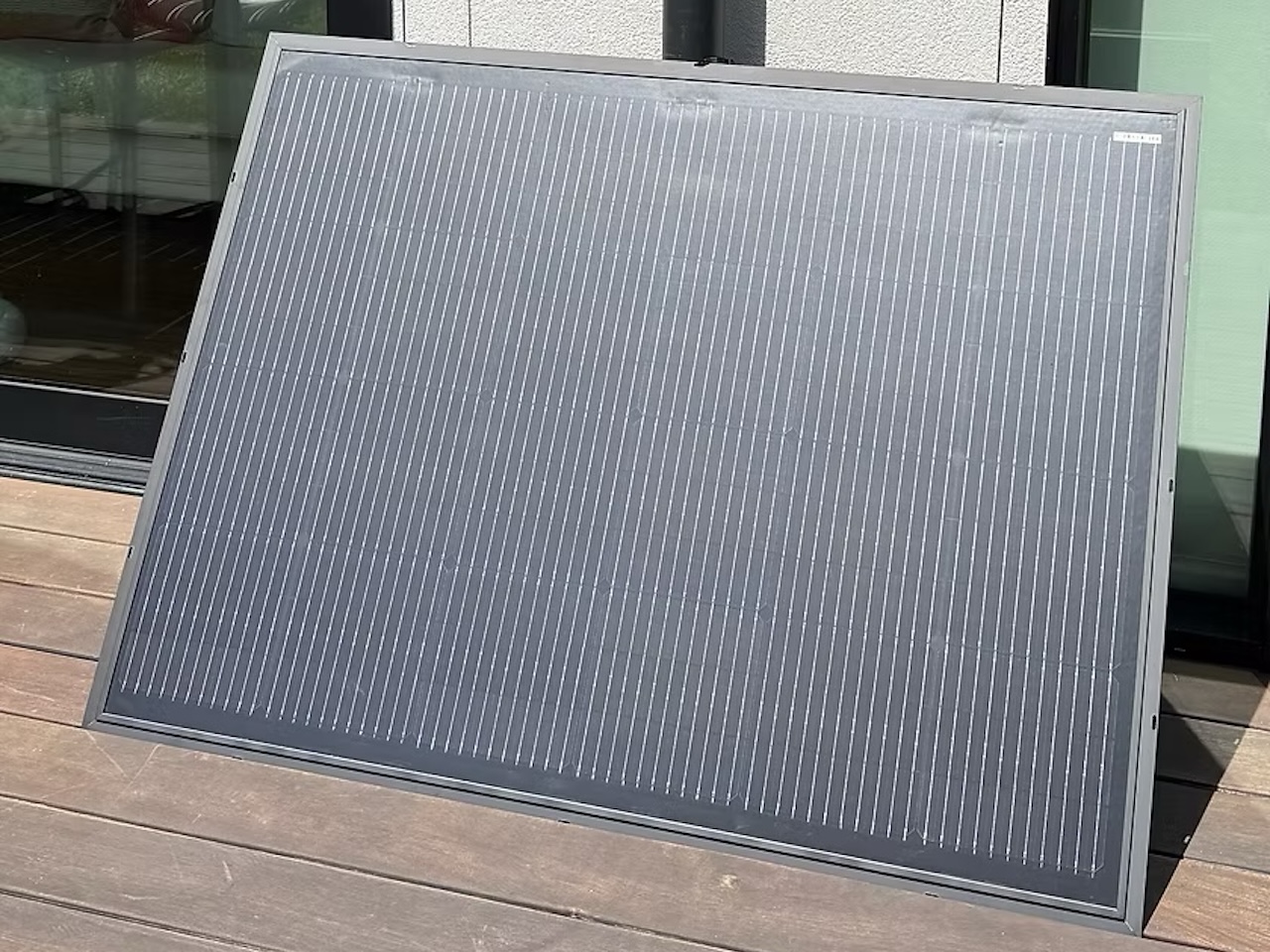
Your power bill isn’t a fixed cost you’re stuck paying forever. That’s the quiet promise behind balcony solar, and in 2026 it’s finally reaching the people who were told for years that solar belonged to homeowners with the right roof and twenty thousand dollars to spend.
Price: $400
Where to Buy: Bright Saver
The pitch is almost too simple. You hang one or two panels on a railing or set them in a yard, run a cord to a regular wall outlet, and your home starts pulling from the sun before it pulls from the grid. No contractor. No months of permits. In a growing list of states, no utility approval at all.
Here’s why this stopped being a fringe idea and started looking like the easiest on ramp to solar that renters have ever had.
What balcony solar actually is
Balcony solar, also called plug-in or plug and play solar, is a small system built around one or two panels, usually rated from about 300 to 800 watts, paired with a microinverter that converts the power and pushes it into your home through a standard 120 volt outlet.
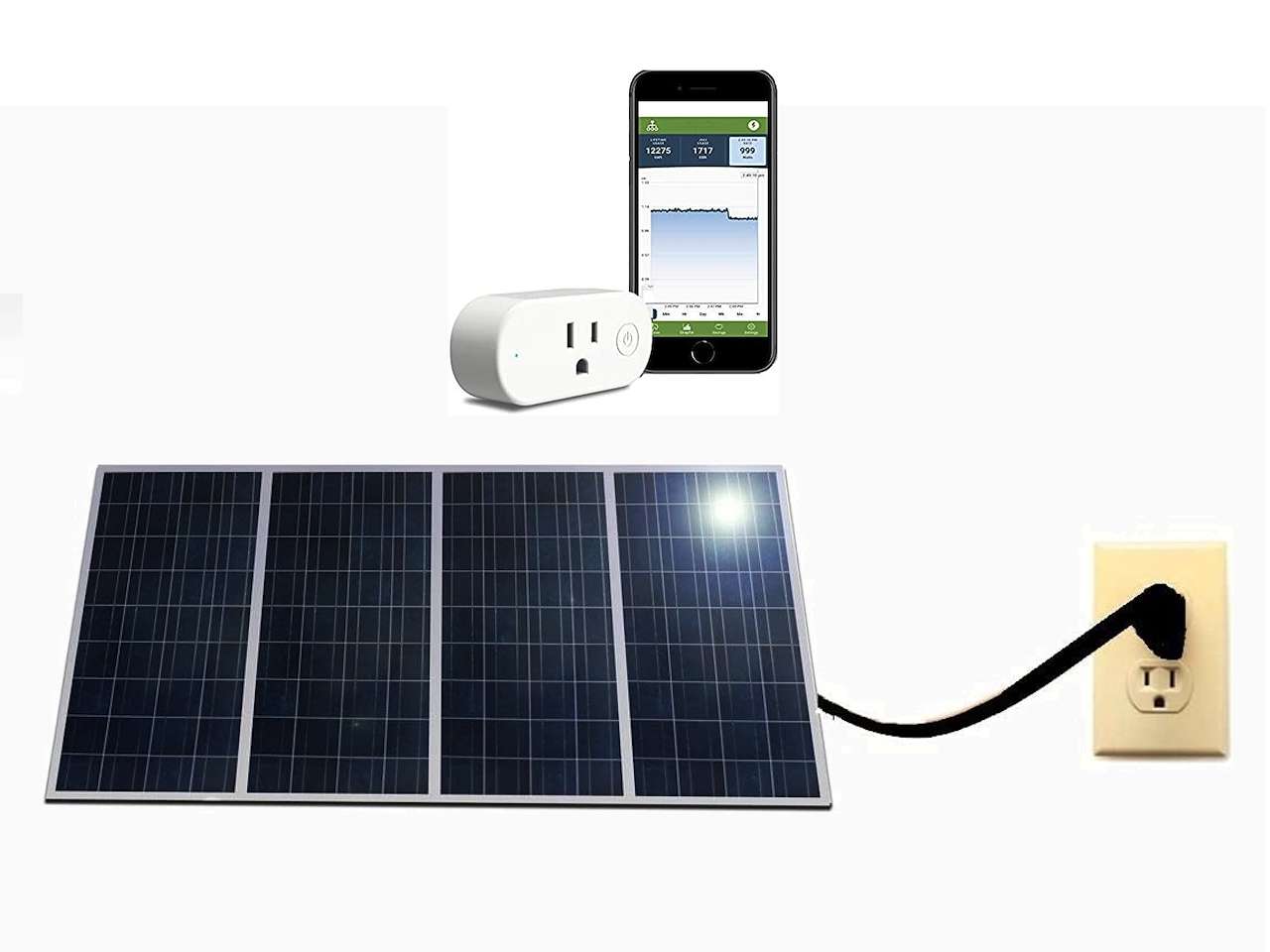
Price: $1,395
Where to Buy: Amazon
The whole system is modular and portable, so a renter can take it along after a move, and railing mount kits can go up in well under two hours with no tools. Some kits add a small battery so you keep a little power during an outage. Because the energy flows into your wiring and gets used first, you simply buy less from the utility.
The tradeoff is scale. An 800 watt system offsets only a slice of a typical apartment’s use, not the whole bill the way a full rooftop array can. Think meaningful dent, not full independence.
Why it is breaking through now
Three things lined up at the same time.
Prices hurt. US residential energy prices have climbed by roughly 30 percent on average since 2020, with some regions far higher, according to Energy Information Administration data, and that has pushed power up the list of household costs people actually feel.
Safety finally has a rulebook. UL Solutions published the UL 3700 standard for plug-in solar in December 2025 and rolled out its certification program in early 2026. It sets construction, performance, and labeling rules so manufacturers can finally build to a recognized standard. Full system certification is still working through the pipeline, so UL 3700 certified kits aren’t on shelves yet.
The law is catching up. The panel was never the real obstacle. The holdup was interconnection, the approval process utilities used to decide whether your system could legally push energy into your home circuit. State by state, that gate is opening.
Where it is legal right now
Utah kicked off the movement. House Bill 340 was signed in March 2025 and took effect that May, giving portable solar devices rated at 1,200 watts or less their own legal status for the first time. Certified systems need no interconnection agreement, no utility approval, and no fees. The state treats them as appliances rather than construction projects, and the bill passed with unanimous bipartisan support.
The rest of the country noticed fast.
More than 30 states plus the District of Columbia have drafted plug-in solar bills since Utah moved. Virginia, Maine, and Colorado passed their own measures in 2026, and Maryland introduced and passed its own version, most built around the same 1,200 watt ceiling, though Colorado went higher at 1,920 watts. Maine’s law takes effect in July 2026 and Virginia’s on July 1, 2026. Maryland’s version even exempts the smallest devices, those at 391 watts or below, from the UL certification requirement.
For scale on where this can go, Germany already has more than a million registered balcony systems. The US is early, which is exactly why the next year matters.
What it costs and what you can save
Entry prices now run from a few hundred dollars for a single compact panel up to around $1,900 for a kit with a built-in battery. A few representative options on the US market:
| System | Approx US price | Battery | Notes |
|---|---|---|---|
| Bright Saver Flex | ~$499 | No | 180W panel, 120V microinverter, zip tie mount |
| PluggedSolar 800W kit | ~$699 to $945 | No | Four panels, UL 1741 microinverter, sold on Amazon |
| EcoFlow STREAM Ultra (800W) | ~$1,279 to $1,899 | Yes (LFP) | Adds storage and limited backup, 1.92 kWh LFP |
Prices are representative and move often.
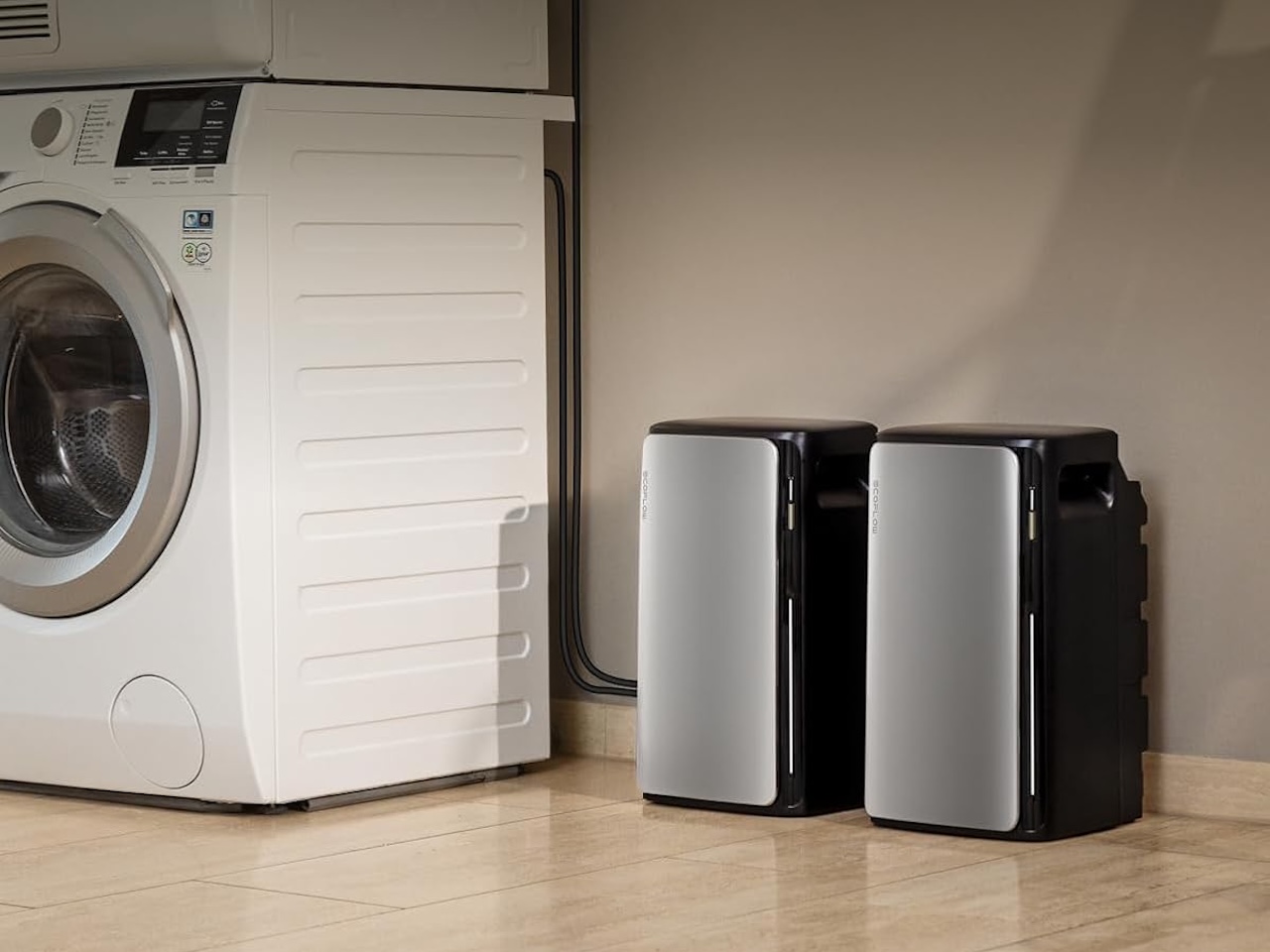
Price: From €799 (About $925)
Where to Buy: Amazon
The savings depend on your rates, your sun, and how much of the day you’re home to use the power. Bright Saver estimates $35 to $55 a month at California rates, with payback in about five years. Independent reporting puts the savings closer to $30 to $50 a month in higher cost states, where the steepest electricity rates shorten that payback. Nobody is retiring on this, but it’s one of the few energy upgrades that asks for a small check instead of a loan.
What to check before you plug in
This is where the hype needs a cold shower. A few things separate a smart buy from a fire hazard.
Start with the microinverter certification. No full systems carry UL 3700 certification yet, so the floor to look for today is a UL 1741 SB certified microinverter, and you should treat full UL 3700 system certification as coming soon rather than something you’ll spot on a box right now. Confirm it’s legal where you live too, because legal in Utah doesn’t mean legal everywhere, and your local utility or building authority may still have a say.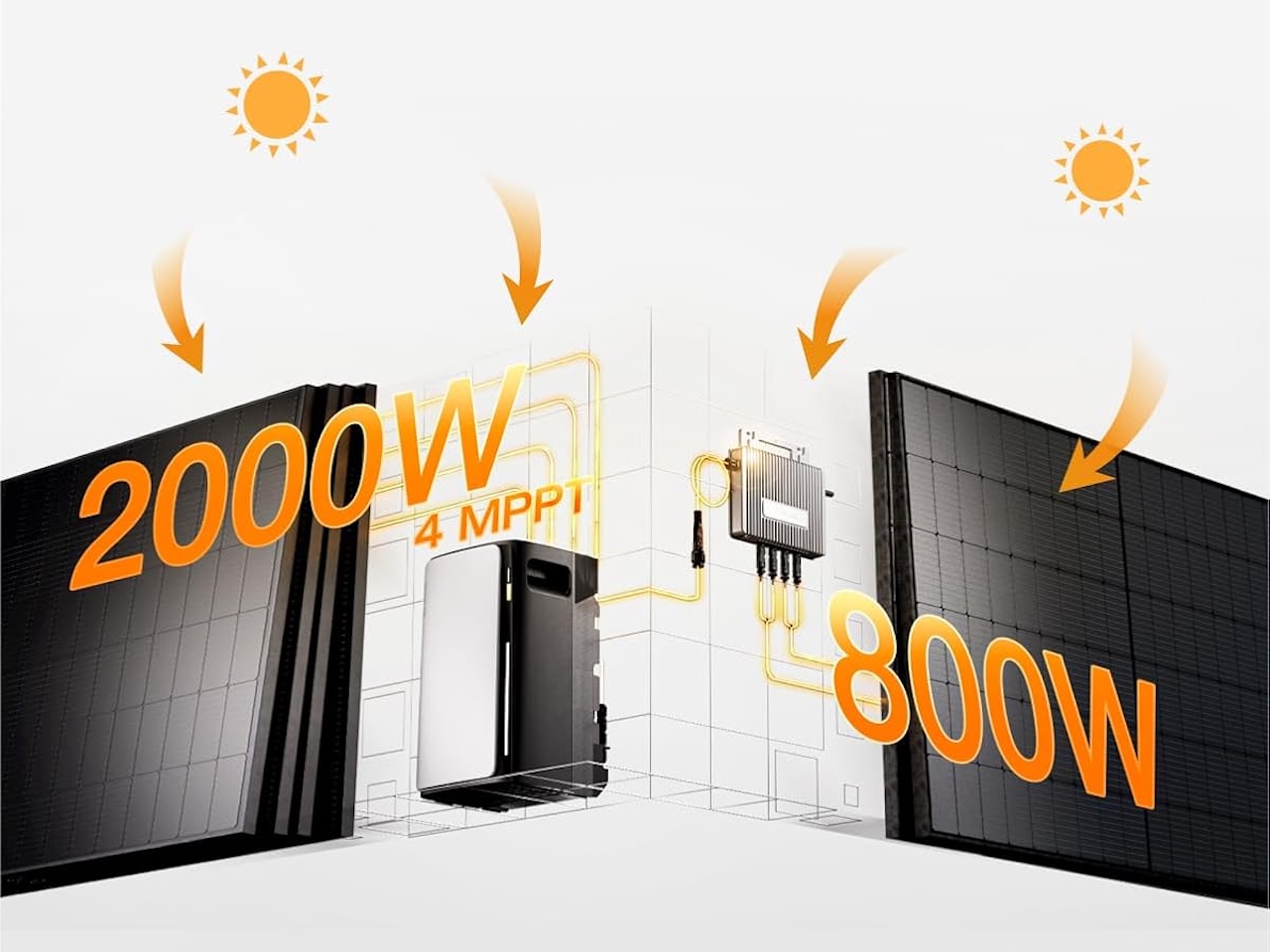
It also helps to know the difference between DC and AC: panels that charge a battery or power station never touch your fixed wiring, while systems that backfeed power into your outlets do, and those are the ones the rules care about. Renters should get it in writing and ask the landlord before mounting anything to a railing or wall. And skip the sketchy cables, the uncertified setups with exposed prongs that safety experts have warned about for years.
The National Electrical Code still applies to the home wiring your system connects to, and certification programs are adding tests for power that flows in both directions. Buy certified, follow the included instructions, and you sidestep almost all of the risk.
Who should jump in and who should wait
Balcony solar is a good fit right now if you’re a renter or apartment dweller with a sunny balcony, rail, or patch of yard. It makes the most sense when you live in a state that has already cleared the legal path and you want a small, reversible step into solar without a contractor. It’s better to wait if you’re in a state where no bill has passed and the utility says no, or if the only kits you can find have no UL 1741 SB certified microinverter and no clear safety listing.
The bottom line
Balcony solar will not erase your bill. What it does is hand back a little control, for the price of a nice phone instead of a home renovation. For renters especially, that’s new. The setup they were told they couldn’t have is now sitting on a shelf, legal in more places every month, and finally backed by a safety standard worth trusting.
If your state is on the list and you can find a kit with a UL 1741 SB certified microinverter, this is the cheapest way to stop feeling powerless about the number at the bottom of your power bill.
Auto Amazon Links: No products found.

Gadgeteer Comment Policy - Please read before commenting
you could do a system now with y&h gridtied inverters with limiter, and put it in zero export mode, buy a rack battery for $700…
at my home, I’ve been my own balcony grid tied systems for yrs,, using 1200 grid inverter, and solar panels that match up to the inverter, created my own hangers for the solar panels that hook to the railings, totally plug and play system,
it helps to offset my electric,
inverters I use disconnect automatically when power goes out, so the line crews don’t get shocked from my system these inverters plug directly into a 20 amp outlet,,