Most “budget” fitness trackers are budget in the wrong places. They cheap out on the heart-rate sensor you actually need and overspend on screen bling you stop noticing after a week. The data you came for, accurate sleep staging, real heart-rate zones, honest step counts, costs roughly the same to engineer whether the band is $25 or $250. What changes at $400 is mostly the case, the strap, and the marketing.
So the real question this summer is not which fitness tracker is cheapest. It is which sub-$100 device gives you data you can actually trust enough to change a workout.
2026 is a useful year to ask. The Mi Band 9, Galaxy Fit3, and Huawei Band 9 all landed inside the same twelve-month window, and the sub-$100 shelf finally has AMOLED screens, multi-day battery life, and sleep staging that used to live two price tiers up. The gap between a $40 band and a $400 watch has never been narrower, and the difference between the good $40 bands and the bad ones has never mattered more.
If you have followed our prior wearables coverage, including our look at the Xiaomi Just Put a 2000-Nit Screen and HRV Tracking on a $60 Band and the broader Listicle: 5 Best Fitness Trackers Under $100 2026 roundup, you already know the lens: numbers first, finish second. These eight cheap fitness trackers earn that lens.
Quick Reference: Which One Should You Buy?
| Pick | Best For |
|---|---|
| Xiaomi Mi Band 9 | Best overall value |
| Amazfit Band 7 | Best screen quality |
| Fitbit Inspire 3 | Best ecosystem and sleep scoring |
| Amazfit GTS 4 Mini | Best smartwatch styling |
| Huawei Band 9 | Best sleep tracking on Android |
| Redmi Watch 5 Active | Best budget smartwatch with calling |
| Samsung Galaxy Fit3 | Best build quality |
| Wyze Band | Best entry-level experiment |
1. Xiaomi Mi Band 9: The Best Value Under $50
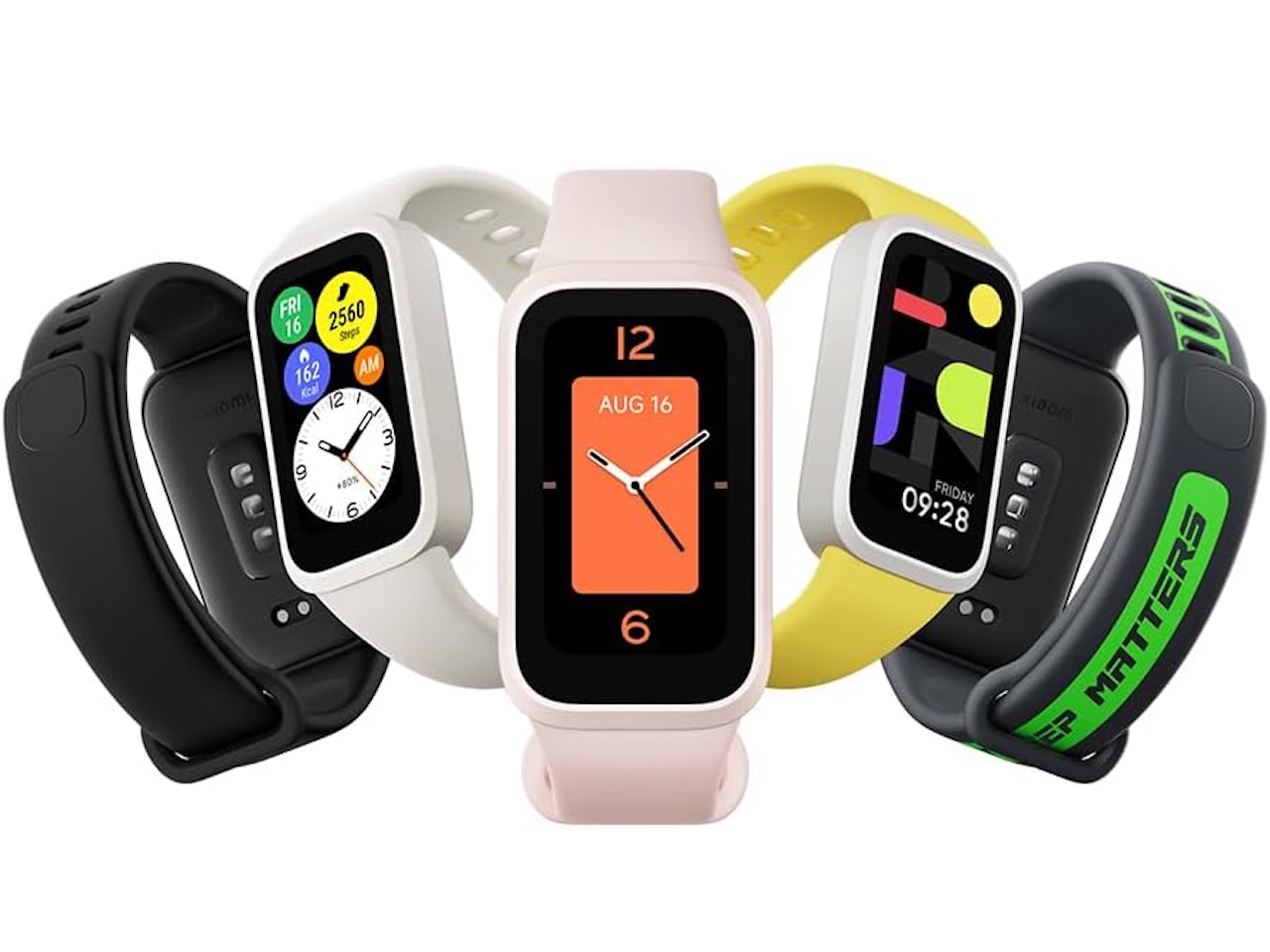
If you want the most tracker for the least money, start here. The Mi Band 9 packs a 1.62-inch AMOLED display, 14-day battery life, and a SpO2 sensor into a band that costs less than a week of lattes.
Price: $32.99
Where to Buy: Amazon
Sleep staging is a standout. Independent user reports place REM and deep sleep estimates within an acceptable range for a band at this price, and Xiaomi’s own algorithm has improved significantly since the Band 8. The heart rate monitor handles steady-state cardio well; like most optical sensors, it can lag during sharp interval sprints. GPS is connected rather than built-in, so you will need your phone for route tracking.
Water resistance is rated at 5 ATM, meaning pool laps and post-run showers are non-issues. The strap is the standard TPU affair, nothing special, but Xiaomi sells fabric and leather alternatives for under $10.
Key specs:
- Display: 1.62-inch AMOLED, 490 x 192 pixels
- Battery: Up to 21 days (typical use)
- Sensors: Heart rate, SpO2, sleep tracking, stress monitoring
- Water resistance: 5 ATM (50m)
- Price: ~$50
2. Amazfit Band 7: The Best Screen in the Budget Class
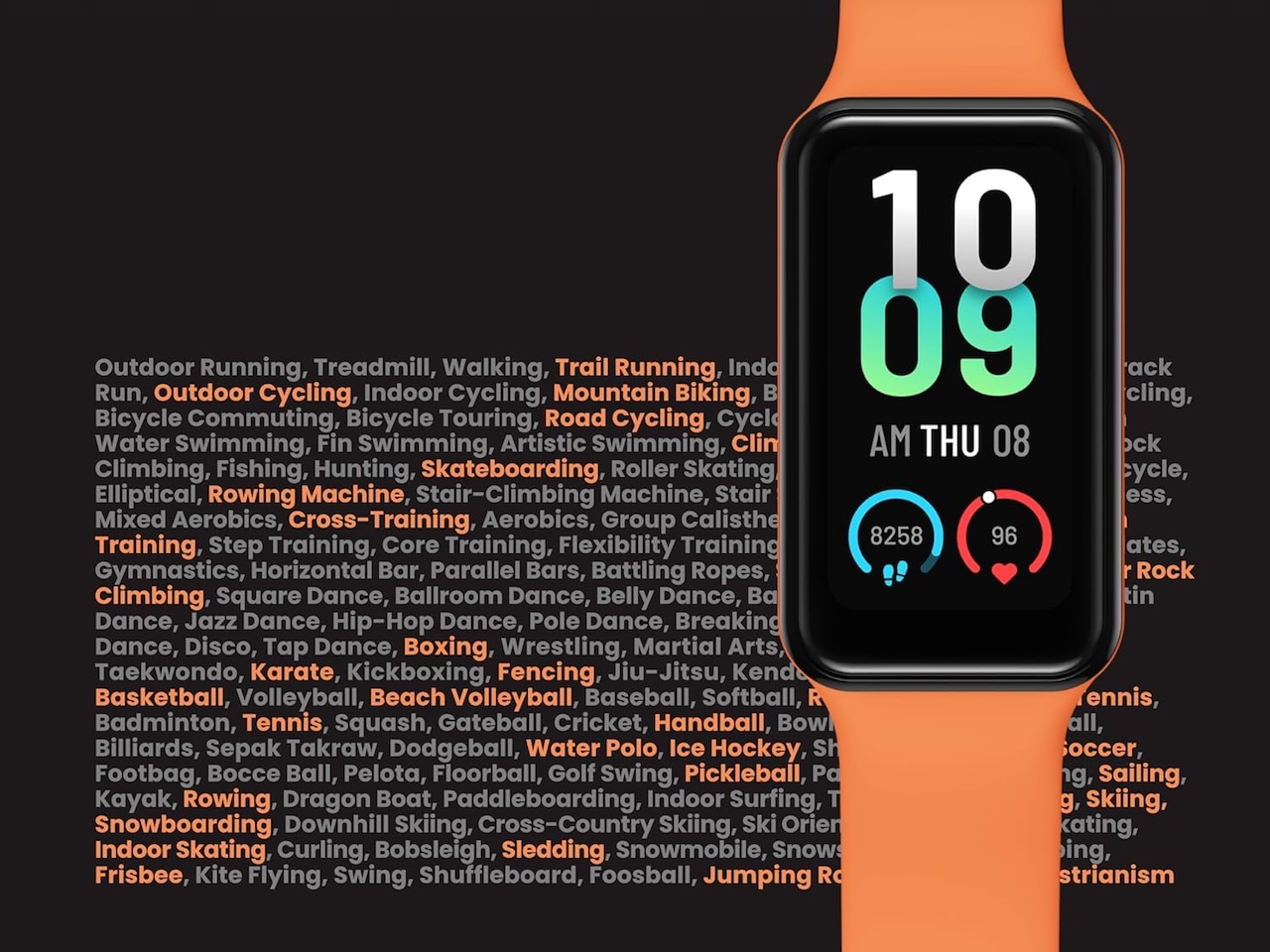
Amazfit has been building quiet credibility in the budget space, and the Band 7 is the proof. The 1.47-inch AMOLED panel is brighter and more color-accurate than anything else under $50, and the Zepp app is surprisingly polished.
Price: $49.99
Where to Buy: Amazon
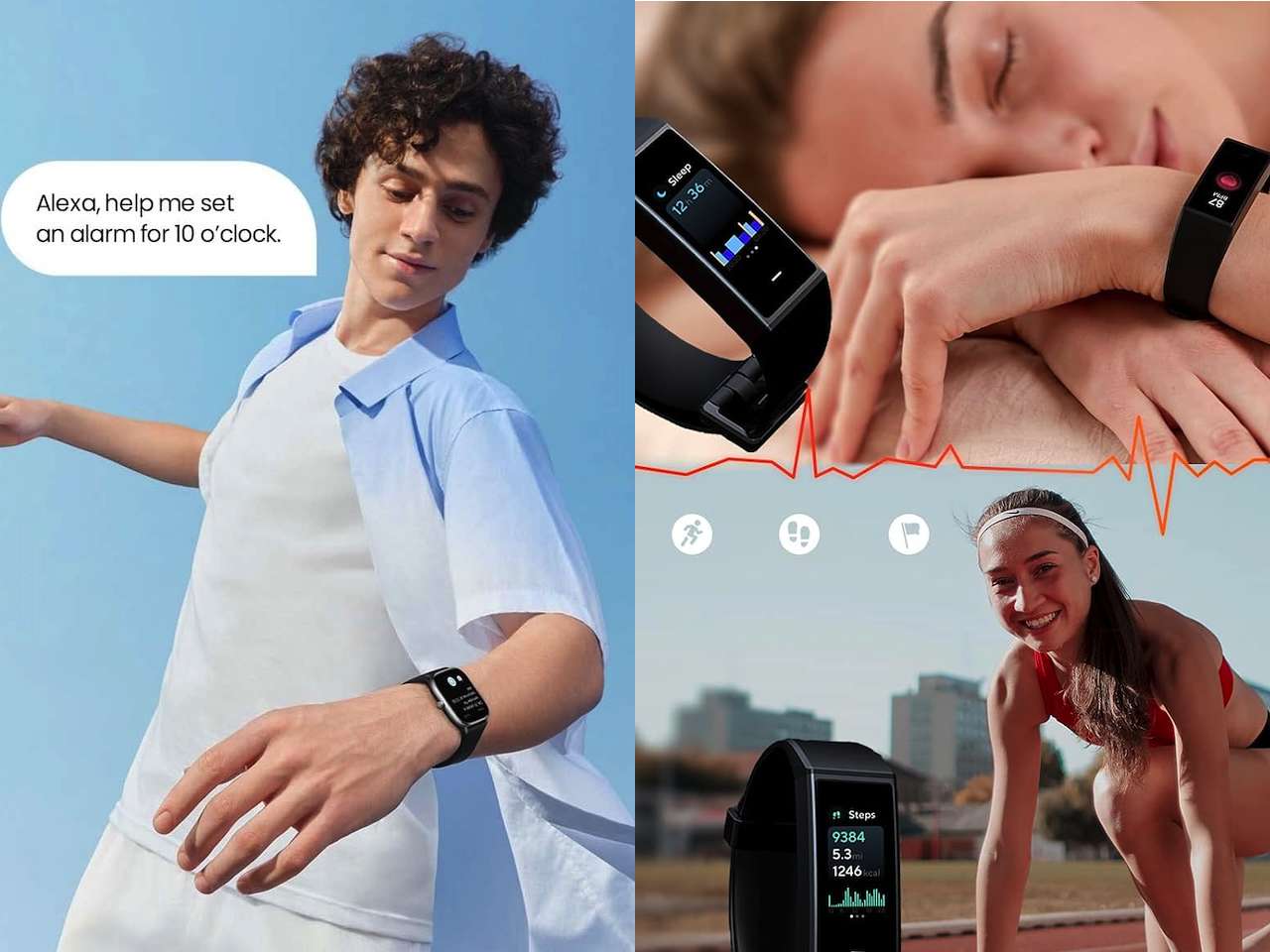
Heart rate tracking is reliable for moderate-intensity sessions; like most budget optical sensors, it struggles to keep pace during sharp HIIT spikes. The Band 7 does not have built-in GPS, so outdoor runners will need to carry their phone for route tracking via connected GPS through the Zepp app. The Alexa integration and 120+ sport modes add useful flexibility at the price.
Sleep tracking is detailed, with respiration rate and REM graphs that rival trackers twice the price. Battery life is rated at 18 days; expect around 12 with always-on display enabled and regular GPS-connected workouts.
Key specs:
- Display: 1.47-inch AMOLED
- Battery: Up to 18 days (typical use)
- Sensors: BioTracker 3.0 PPG, SpO2, sleep, stress
- Water resistance: 5 ATM
- Price: ~$49.99
3. Fitbit Inspire 3: The Ecosystem Play
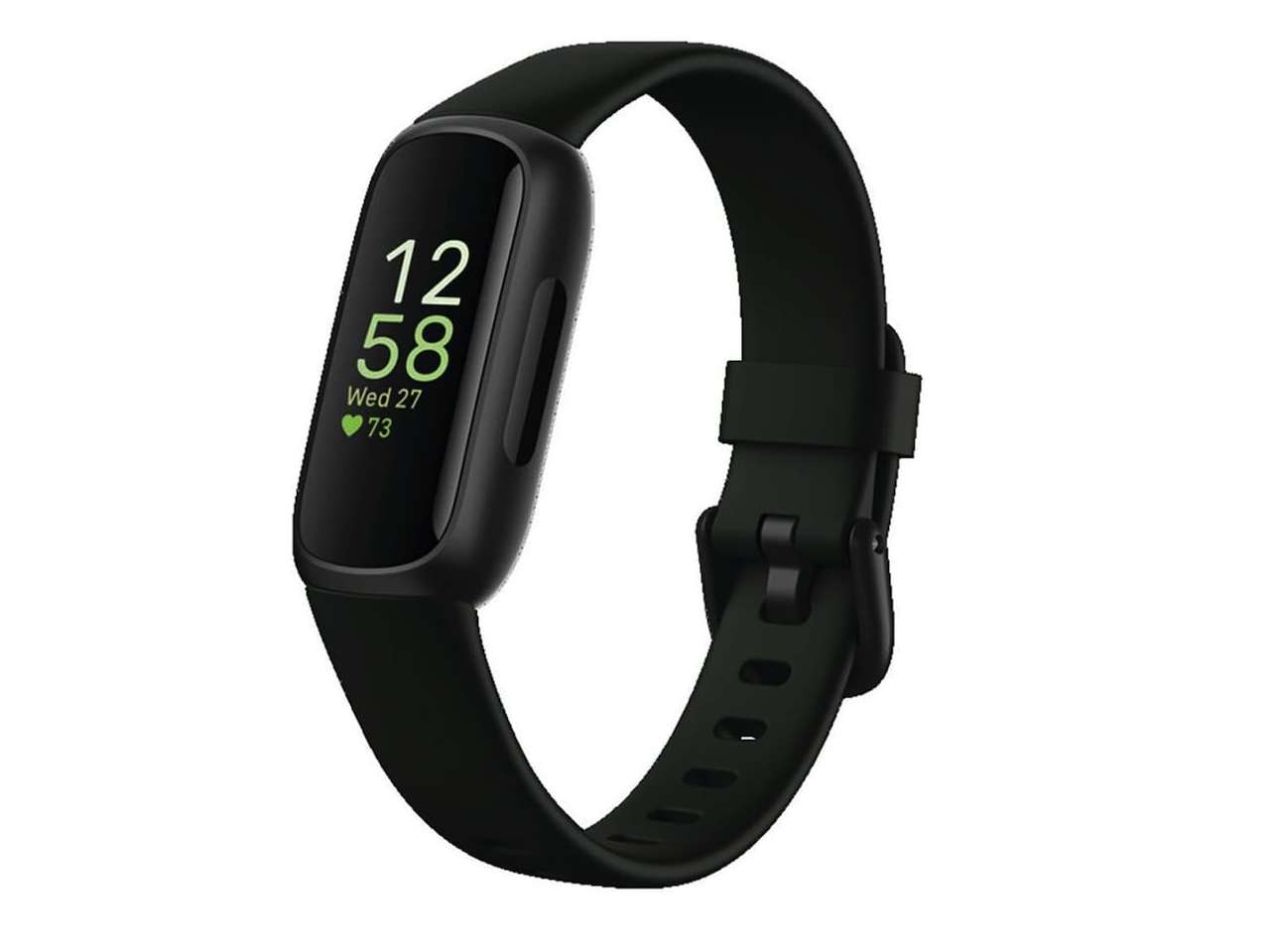
The Inspire 3 is the least expensive entry point into Fitbit’s universe, and that matters if you care about long-term trend data. Fitbit’s sleep score is still among the most actionable in the industry, breaking rest into tangible metrics you can actually improve.
Price: $79.95 (On Sale from $99.95)
Where to Buy: Amazon
Hardware-wise, the Inspire 3 is modest. The color AMOLED is compact, there is no built-in GPS, and the band options are limited compared to Xiaomi or Amazfit. What you are buying is the backend. The Fitbit app aggregates steps, heart rate variability, skin temperature variation, and sleep trends into a dashboard that feels like a health journal.
Battery life is around 10 days, and the charger is proprietary and easy to misplace. This one suits users who want data depth over hardware flair and do not mind the $9.99 monthly Google Health Premium fee (formerly Fitbit Premium, rebranded May 2026) for advanced insights.
Key specs:
- Display: Color AMOLED
- Battery: Up to 10 days
- Sensors: Heart rate, SpO2, skin temperature variation
- Water resistance: 50 meters
- Price: ~$100
Halfway through, a quick gut-check
By this point in the list, the pattern is probably visible. The cheap bands and the cheap smartwatches are not really competing with each other. The bands win on battery and sleep depth. The smartwatches win on glanceability and on-wrist legibility. The interesting question is not which is best but which compromise you can live with for twelve months without throwing it in a drawer. Keep that filter on for the next four picks.
4. Amazfit GTS 4 Mini: The Smartwatch Hybrid
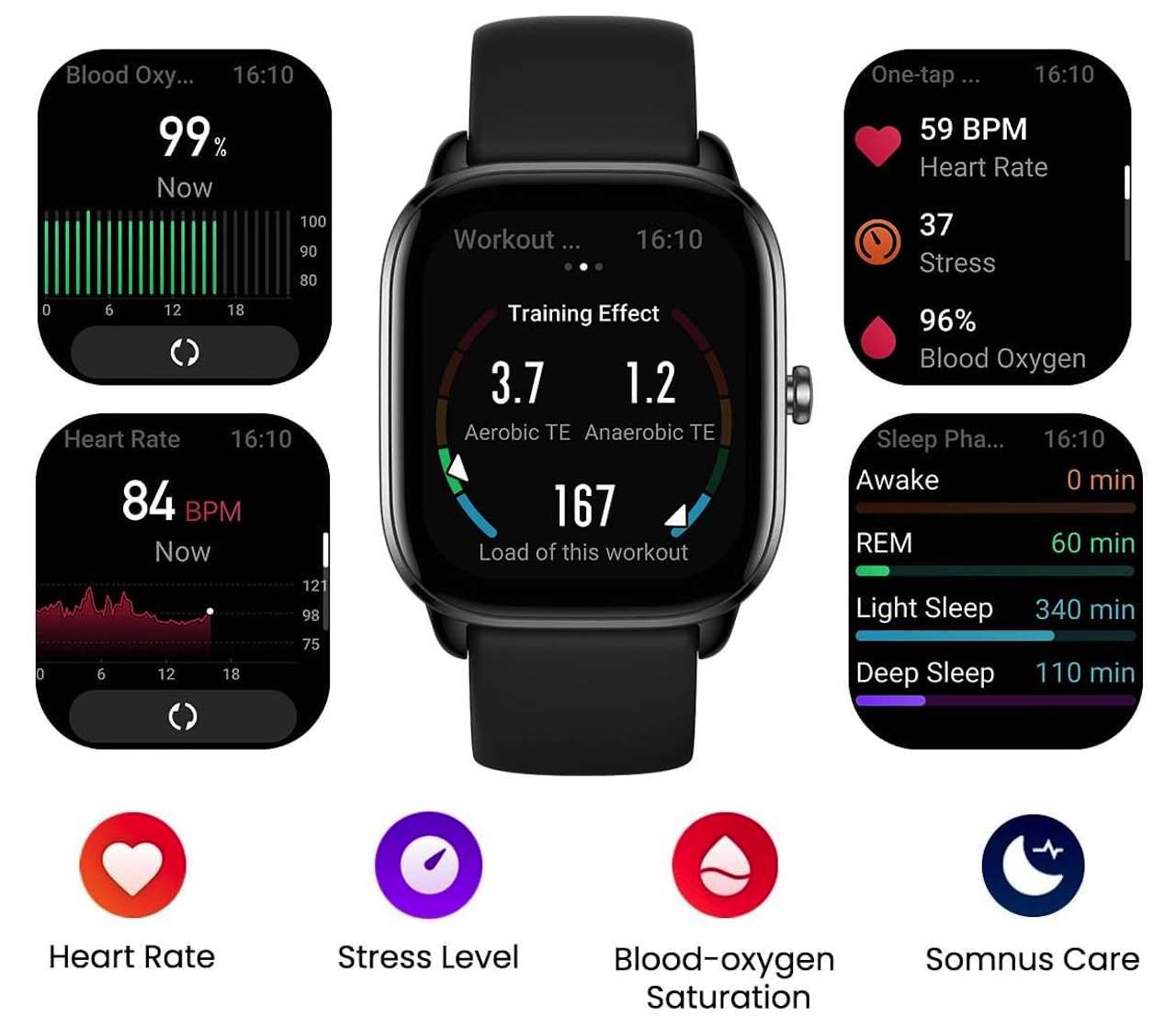
Not everyone wants a band. The GTS 4 Mini looks like an Apple Watch, costs a fraction of one, and handles the fitness basics without pretending to be a medical device.
Price: $74.88 (On Sale from $119.99)
Where to Buy: Walmart
The 1.65-inch AMOLED display is crisp and responsive, and the slim polycarbonate case feels more solid than the soft rubber of most budget bands. The automatic workout detection covers seven workout types including walking, outdoor running, and elliptical without manual intervention. GPS is built-in, and lock times in open areas are generally fast.
Where it compromises is third-party app support. There is no Spotify offline playback, no contactless payment, and no third-party app store, Alexa is built in for voice commands and smart home control, but the Zepp OS ecosystem is otherwise closed. This is a fitness tracker dressed as a smartwatch, not the other way around. Battery life holds at around 15 days with typical use, dropping to 7 if you enable the always-on display.
Key specs:
- Display: 1.65-inch AMOLED, 309 PPI
- Battery: Up to 15 days
- Sensors: BioTracker 3.0 PPG, SpO2, sleep, stress
- Water resistance: 5 ATM
- Price: ~$69–89 (street price varies; check current listings)
5. Huawei Band 9: The Sleep Specialist
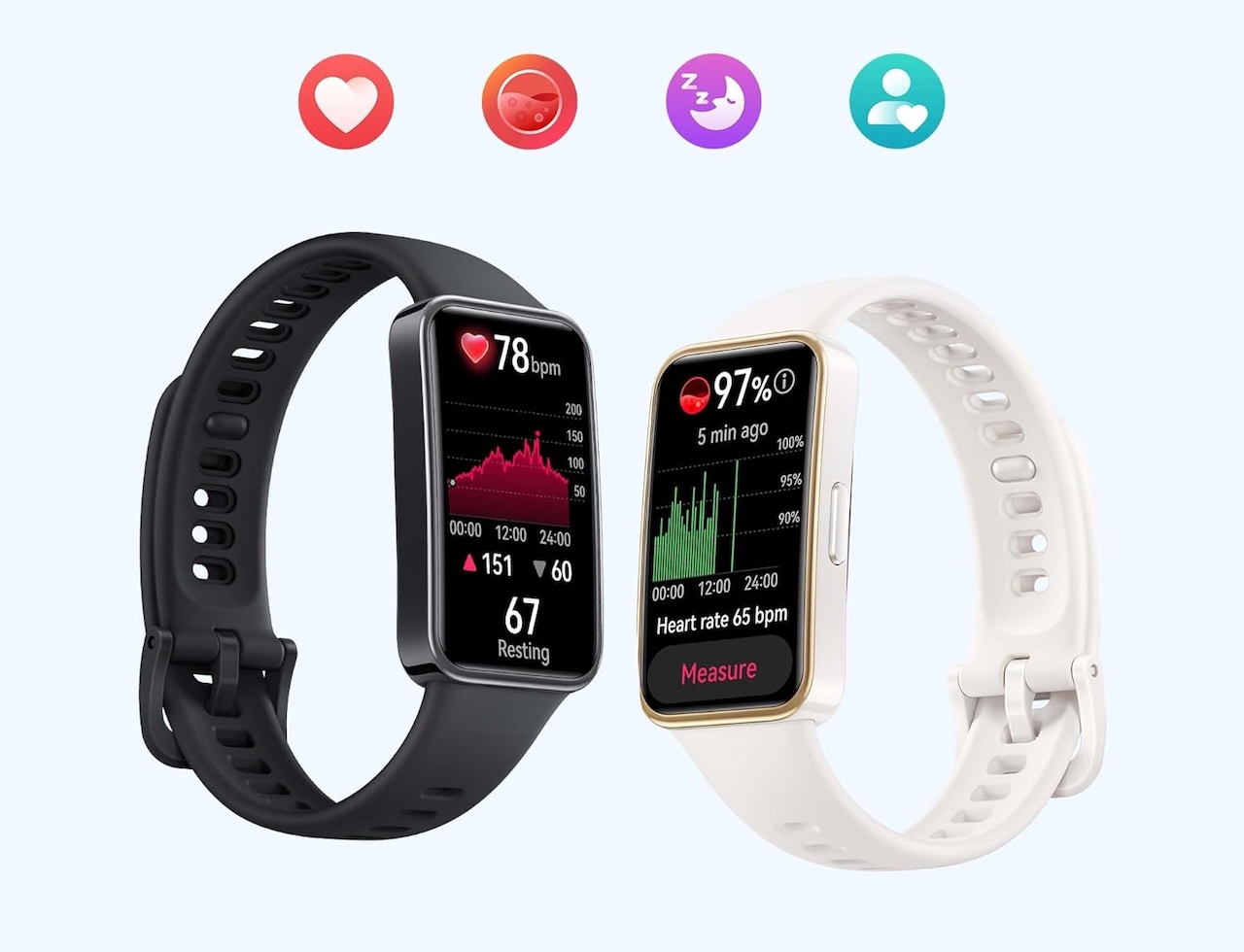
Huawei has iterated the Band series nine times, and the sleep algorithms are now genuinely competitive. The Band 9 uses TruSleep 4.0, which breaks rest into light, deep, REM, and awake stages with morning sleep scores that feel calibrated rather than random. Note: Huawei rates the Band 9 at 9 days of typical use and up to 14 days under low-use conditions. Expect closer to 9 days with continuous heart rate and sleep tracking on.
Price: From $32
Where to Buy: Amazon
TruSleep 4.0 has a strong reputation for onset and wake-time detection, with user reports placing it among the more accurate algorithms in the budget tier. The heart rate monitor is solid for steady-state cardio, though like most budget optical sensors it can struggle with rapid fluctuations during HIIT. The 1.47-inch AMOLED display is bright enough for outdoor readability, and the up-to-14-day low-use claim is plausible, though expect closer to 9 days with continuous heart rate and sleep tracking on.
The downside is ecosystem lock-in. The Health app works best on Huawei devices, and some features are gated behind HMS Core on Android. iOS users get a stripped-back experience, so we recommend this primarily for Android users.
Key specs:
- Display: 1.47-inch AMOLED
- Battery: 9 days typical / up to 14 days (low-use)
- Sensors: TruSeen 5.5 heart rate, SpO2, TruSleep 4.0
- Water resistance: 5 ATM
- Price: ~$49
6. Redmi Watch 5 Active: The Budget Smartwatch That Tries Harder
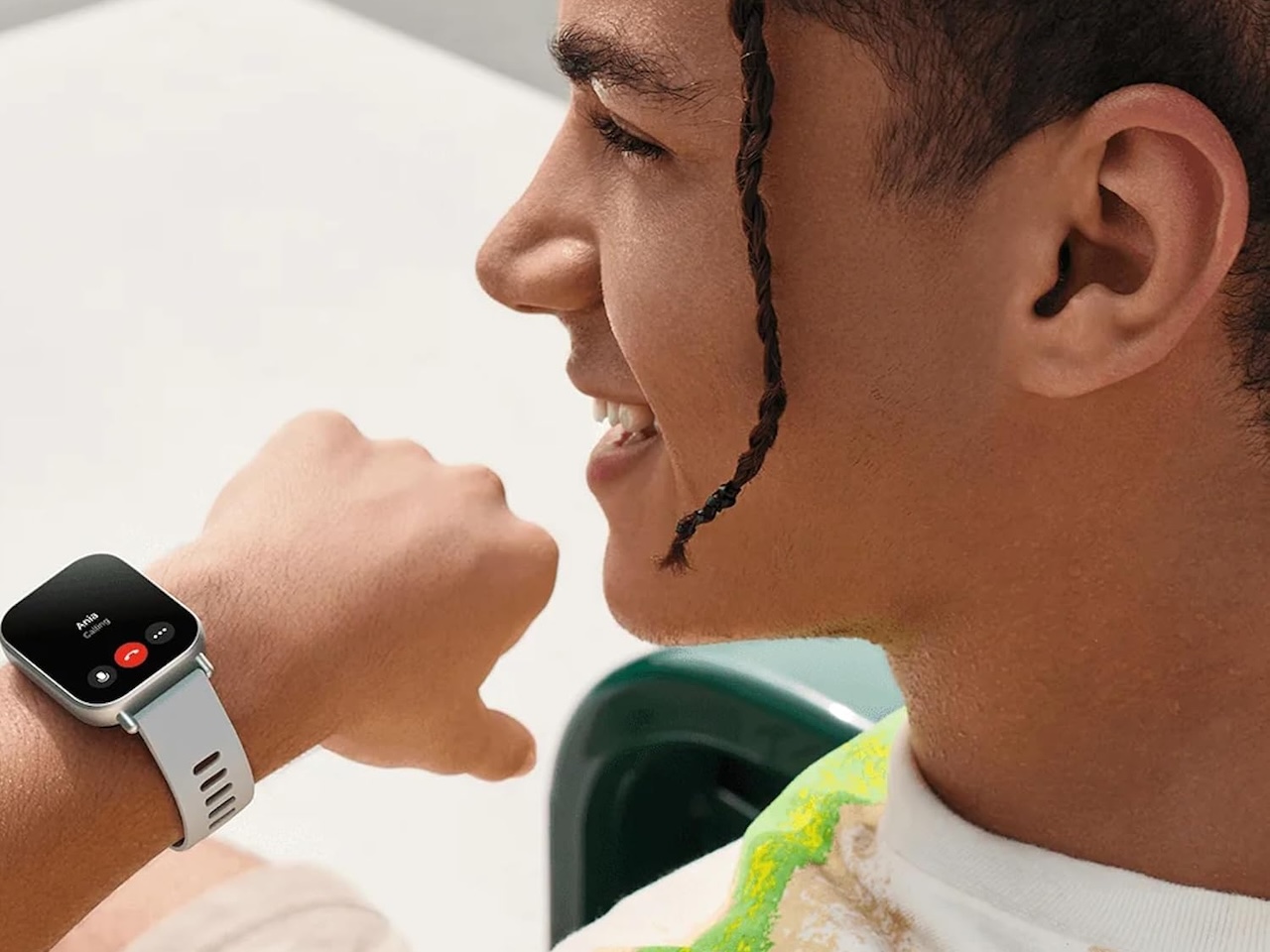
Xiaomi’s sub-brand Redmi cut corners to hit a price point, but the Watch 5 Active still manages to overdeliver. The 2-inch LCD is not AMOLED, yet it is large and legible at 500 nits peak brightness. There is no built-in GPS, so outdoor route tracking requires your phone.
Price: $43.99
Where to Buy: Amazon
The Bluetooth calling feature works acceptably for quick calls when your phone is nearby, a useful addition at this price point. The heart rate sensor is accurate enough for zone-based training, though we would not rely on it for medical-grade monitoring. Battery life is around 18 days in typical use, dropping to around 12 in heavy use with elevated heart-rate polling frequency and regular exercise sessions.
The watch faces are limited and somewhat generic, and the strap is stiff out of the box. Those are fair compromises for a device that costs less than a restaurant dinner.
Key specs:
- Display: 2-inch LCD, 320 x 385 pixels
- Battery: Up to 18 days (typical)
- Sensors: Heart rate, SpO2, sleep tracking
- Water resistance: 5 ATM
- Price: ~$41
7. Samsung Galaxy Fit3: The Build Quality Pick
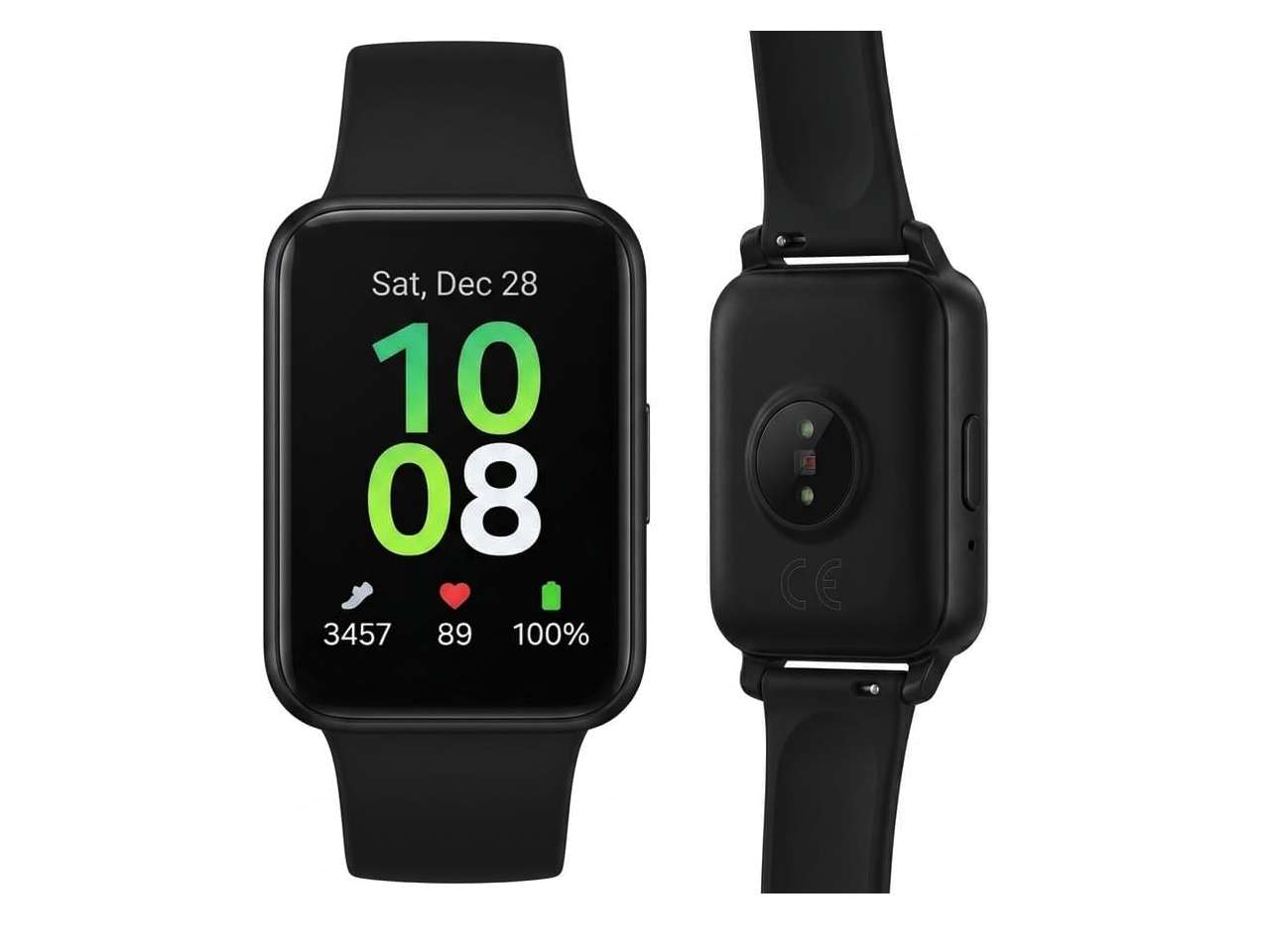
Samsung’s first fitness band in years feels like a product from a company that still cares about hardware. The aluminum body is slim and rigid, the 1.6-inch AMOLED display is vibrant, and Samsung Health integration means it plays nicely with any Android phone, though the experience is tightest on Galaxy devices.
Price: $45.40
Where to Buy: Amazon
Pairing with any Android phone is straightforward, and the Samsung Health app aggregates data cleanly. Sleep tracking includes snore detection (requires a nearby phone for microphone access) and blood oxygen monitoring, though the latter drains battery noticeably.
The Fit3 lacks built-in GPS, so runners will need to carry their phones. Battery life is a solid 13 days with typical use. At $59, it is the best-built band in this price range.
Key specs:
- Display: 1.6-inch AMOLED, 256 x 402 pixels
- Battery: Up to 14 days
- Sensors: Heart rate, SpO2, sleep tracking, fall detection
- Water resistance: IP68
- Price: ~$45–49
8. Wyze Band: A Useful Benchmark for How Far the Floor Has Risen
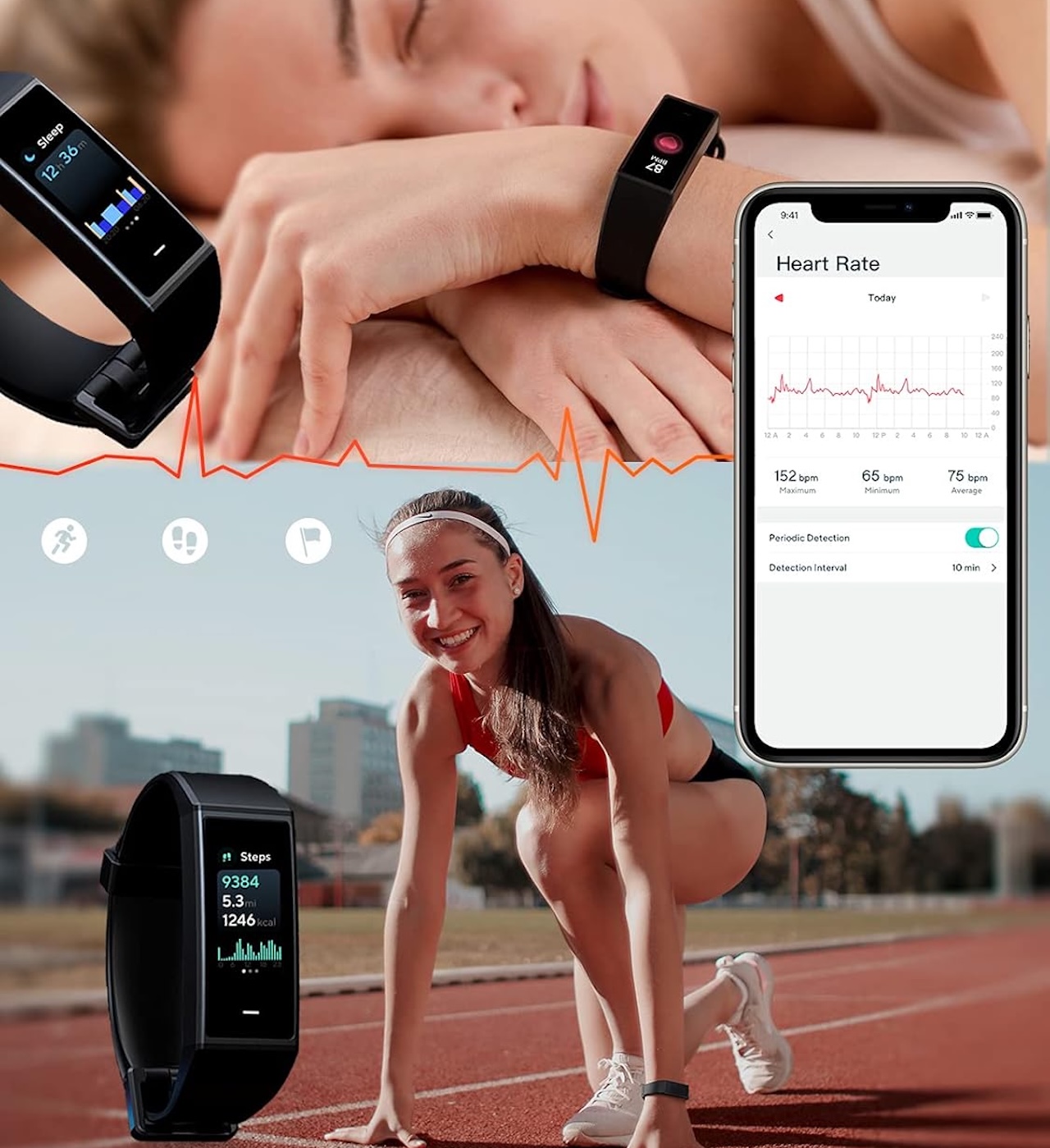
The Wyze Band launched in 2020 and has not been updated since. It is still sold through third-party listings, but Wyze no longer actively supports or markets it as a current product. Including it here is a deliberate choice: it shows exactly what the entry-level looked like before AMOLED became standard at $25.
Price: $29
Where to Buy: Amazon
The 0.95-inch AMOLED display was genuinely impressive for its launch price. Heart rate and sleep tracking cover the basics. Alexa integration works for smart home control. Battery holds at 10 days. What it lacks is everything that has become table stakes since: SpO2, stress monitoring, a health app that has seen meaningful updates, and a supply chain that guarantees you are buying a new unit and not old stock.
The reason to look at the Wyze Band in 2026 is not to buy it. It is to understand how much the Redmi Watch 5 Active at ~$35 now does by comparison, and how aggressively the floor has moved in five years. If you are shopping at $25, the Wyze Band is the ceiling of what that price used to mean. The Xiaomi Smart Band 9 Active at a similar street price is what that money buys today.
Key specs:
- Display: 0.95-inch AMOLED
- Battery: Up to 10 days
- Sensors: Heart rate, sleep tracking (no SpO2)
- Water resistance: 5 ATM
- Price: ~$25 (third-party listings; no longer a current Wyze product)
- Note: If availability is a concern in your market, the Xiaomi Smart Band 9 Active is the closest current equivalent at a similar price point, though note it uses a TFT LCD display rather than AMOLED, so the screen is a step down despite the otherwise competitive spec sheet.
What to Look for in a Summer Fitness Tracker
Summer puts different demands on a wearable than a January gym routine does. Here is what actually matters from June through August:
- Outdoor screen readability. Budget AMOLED panels vary widely in peak brightness. Some handle direct midday sun without issue; others wash out badly in the same conditions. Before buying, check whether the display has an outdoor boost mode or auto-brightness. If you run outside at noon and cannot read your heart rate without cupping the screen, the data is useless.
- Sweat and water resistance that holds up over months, not just the first week. 5 ATM is the minimum. But water resistance degrades with sunscreen, sweat salt, and chlorine exposure. Bands with removable straps let you clean the sensor housing properly; those without tend to accumulate grime by August that throws off optical heart rate readings. Rinse after pool sessions.
- Heat-tolerant heart rate tracking. Optical sensors struggle more in heat because blood vessels dilate and skin surface temperature rises, which distorts the light return the sensor reads. Budget trackers with larger sensor arrays handle this better than single-LED setups. If your band consistently reads 10 to 15 beats high on hot days, that is a sensor limitation, not your fitness.
- Battery life that survives a travel weekend. Summer means trips. A tracker that needs charging every three days is a liability on a five-day beach trip. Ten days of rated battery is the real-world minimum for summer use. Anything less and you are managing your wearable instead of your fitness.
The Sleep Foundation’s stages of sleep reference remains a useful baseline for interpreting sleep data across all eight picks: healthy adults spend roughly 10 to 20 percent of sleep in deep sleep and 20 to 25 percent in REM. If your tracker routinely reports numbers far outside that range, the algorithm needs calibration, not your sleep.
Why Summer Is the Right Time to Start
Longer days and higher temperatures create natural opportunities to build a wearable habit. Morning runs happen in daylight. Evening walks are pleasant. Swimming becomes a viable workout. A tracker that can handle sweat, water, and sunscreen without constant charging removes the friction that kills most fitness tech purchases.
None of these devices will replace a Garmin Forerunner or an Apple Watch for serious athletes. They will, however, tell you whether you are moving enough, sleeping enough, and recovering enough to make this summer count. If you want the broader summer view including higher-end picks, see our The 5 Best Wearables for Summer 2026.
Who Should Skip This Entirely
- Skip if you train seriously and need pool lap tracking, multi-band GPS, or training-load metrics. None of these eight will replace a serious training watch like the 7 Reasons the Garmin Forerunner 70 Belongs on Your Wrist or a Coros Pace, and trying to force them into that role will frustrate you inside a month.
- Skip if you have already convinced yourself you need a $400 watch. A $40 band that gives you accurate data you ignore is worse than a $400 watch that gives you data you act on. The cheaper device only wins if the cheaper device is the one you will actually wear every day.