
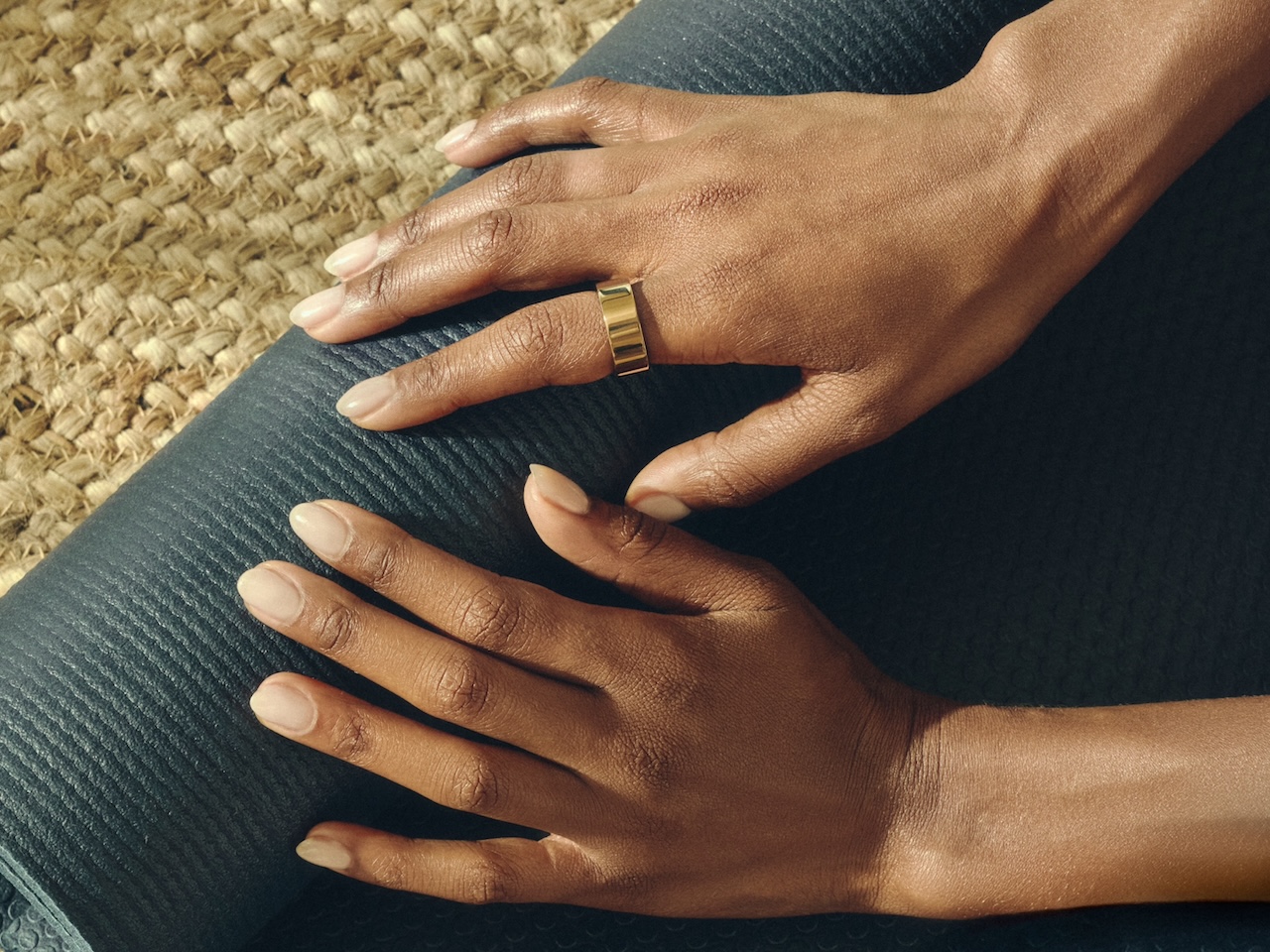
Something shifted in smart rings this year, and it’s not subtle. The category Oura defined for almost a decade isn’t a one-horse race anymore. There are at least three rings on the market right now that beat Oura on a single measurable axis, and the buyer who reflexively types “best smart ring 2026” into Google is walking into a much more interesting decision than they realize.
This isn’t a piece about whether Oura’s still good. It is. It’s a piece about whether Oura’s still the right answer for you, and the honest take is that it depends on which of three things you care about most.
The three things are sleep, training, and design. Pick one. The winner changes.
If sleep is the whole reason you’re buying
The Oura Ring 4 still wins this category, and it’s not particularly close on first principles. Oura’s been chasing sleep architecture longer than anyone else, and the company says the Smart Sensing platform on the Ring 4 dynamically selects from an 18-path PPG sensor array tuned to each user’s finger physiology for a meaningful jump in signal accuracy. The app’s sleep breakdown maps to standard clinical sleep stages, and battery runs five to eight days per charge depending on use, which is enough to never plug it in on weeknights if you charge during a morning shower.
The catch is the subscription. Oura wants $5.99 a month to display the data the ring already collected, and that fee compounds: three years in, you’ve spent another $216 on top of the $349 entry price for Silver or Black (Brushed Silver and Stealth move to $399, Gold and Rose Gold go to $499). Oura claims the membership is what funds the ongoing science work, the Advisor coaching layer in the app, and the new metrics shipping every few months. That framing’s fair. It’s still a recurring charge for hardware you already bought.
When the question is recovery and training load
Price: $299
Where to Buy: Amazon
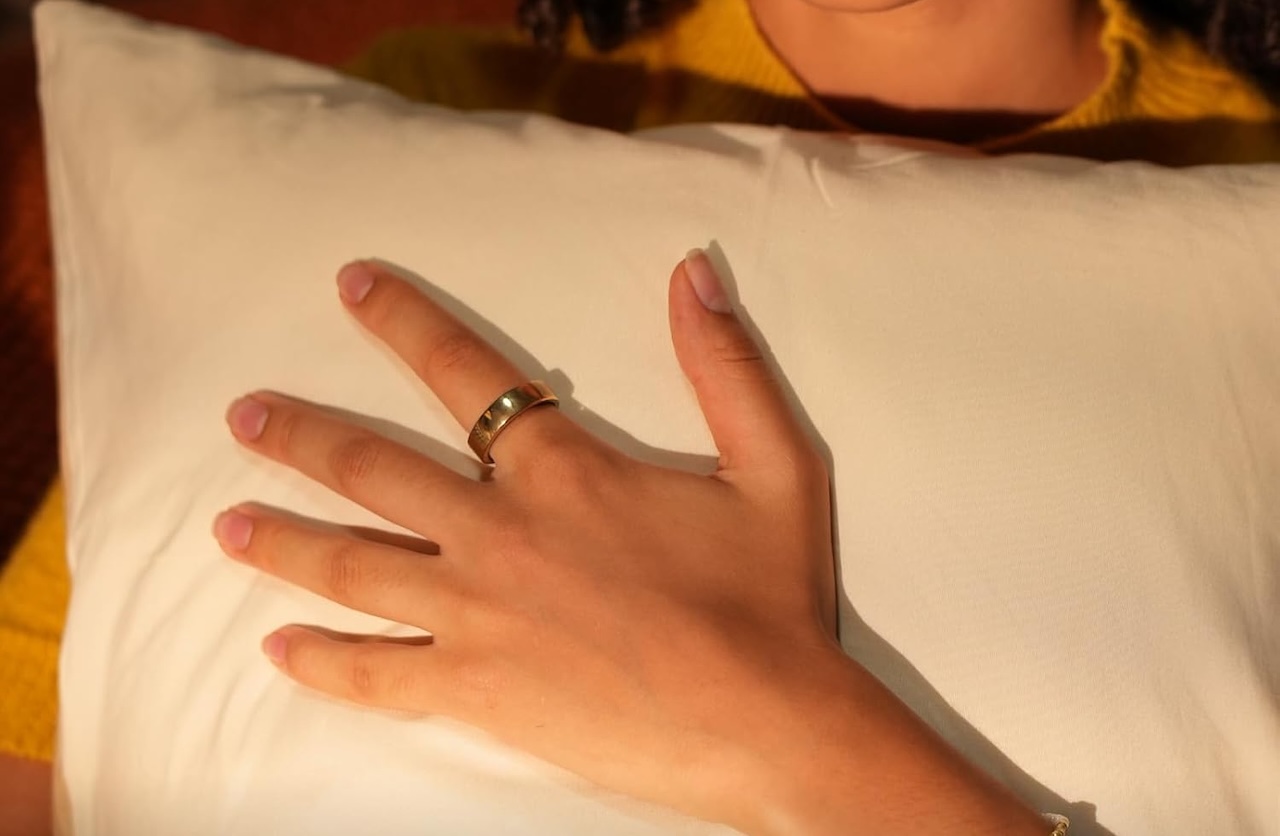
The RingConn Gen 2 is the answer here, and it earns the spot for one reason that gets lost in spec sheets: it costs $299 once and never asks for another dollar. That changes how you’ll wear it. You’ll keep it on through every workout, every recovery week, every travel week where you’re not sure if charging it is worth the bother, because the friction to keep using it is zero.
The Gen 2 weighs 2 to 3 grams depending on size, measures 2 millimeters thick, and runs 10 to 12 days per charge. RingConn ships it with a charging case that brings total stamina to roughly 150 days before you have to plug the case in. The brand reports a 90.7 percent accuracy figure on sleep apnea screening, which is the kind of claim that warrants in-house testing before we take it at face value, but it points at how RingConn’s positioning the Gen 2: not as a luxury accessory, but as a sustained-wear health device.
Where it gives up ground is high-intensity exercise heart rate. A finger sensor will always trail a chest strap on the spikiest moments of a hard interval session, and that’s worth knowing if you train competitively. For the daily-readiness buyer who wants a strong sleep baseline and stress trend without paying rent on their own data, the Gen 2 is the easy pick.
The design-first answer is more complicated
Three rings genuinely compete here, and the right one depends on what you mean by “design.”
Price: $349
Where to Buy: Ultrahuman
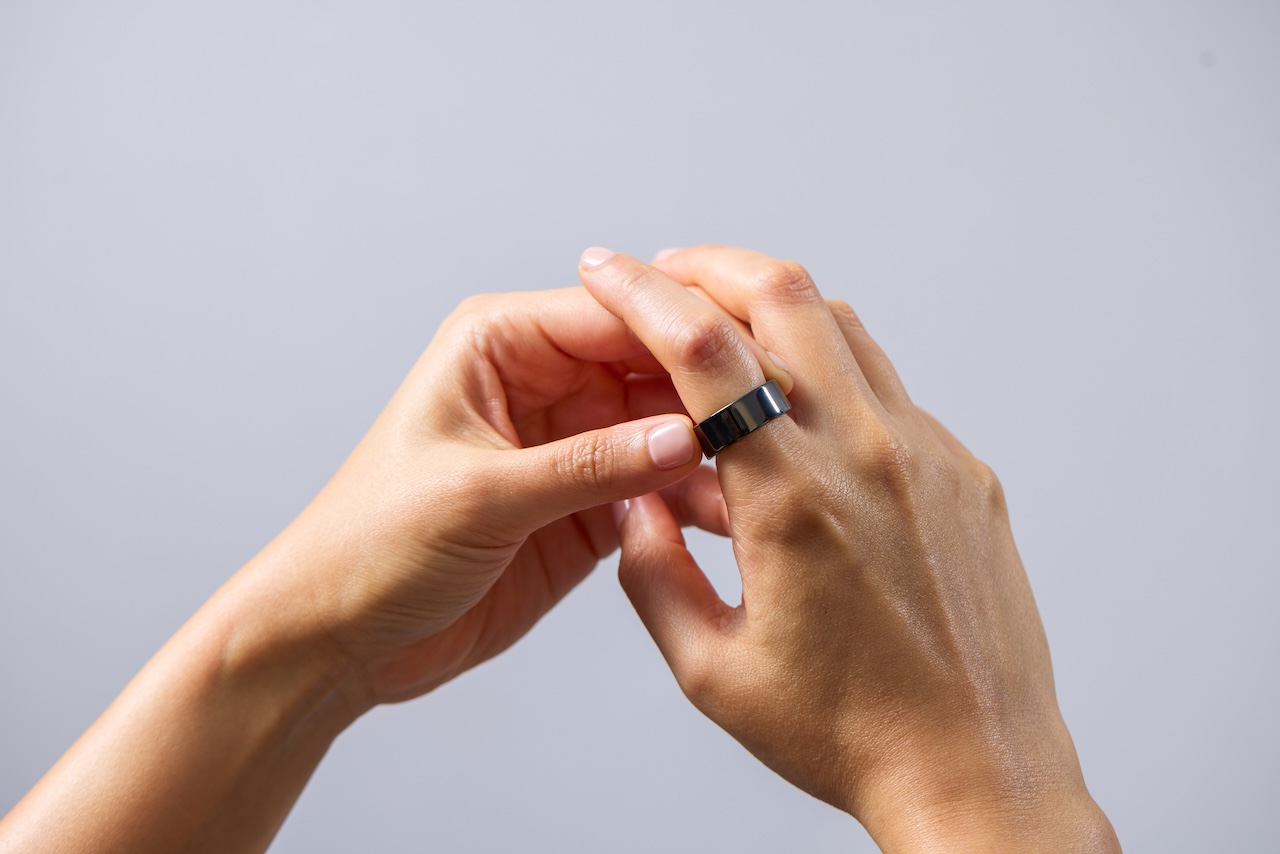
The Ultrahuman Ring AIR at $349 is among the lightest in the design lineup at 2.4 to 3.6 grams depending on size, and it ships in six finishes: Brushed Rose Gold, Raw Titanium, Aster Black, Matte Grey, Bionic Gold, and Space Silver. There’s no subscription, and the Bionic Gold and Brushed Rose Gold options look more like jewelry than tech, which matters if you’re already wearing a watch or a wedding band on the other hand.
Price: $204
Where to Buy: Amazon
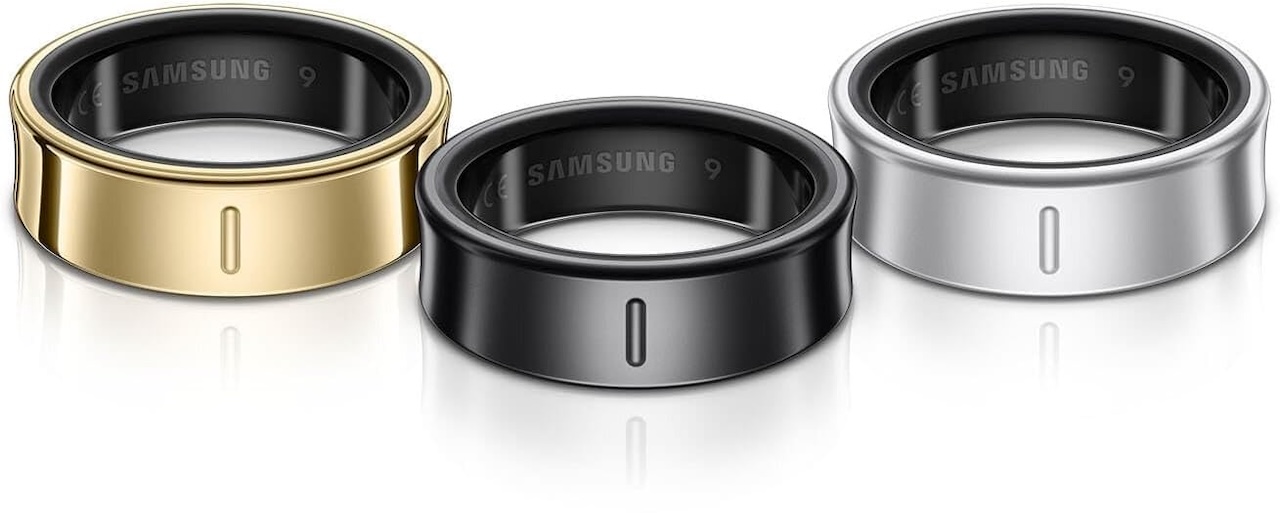
The Samsung Galaxy Ring at $399 leans understated and titanium-clean. There’s no subscription if you stay inside Samsung Health, which is fine for Galaxy owners and limiting for everyone else. Samsung’s own figures put battery at up to seven days per charge, about sixteen with the cradle case.
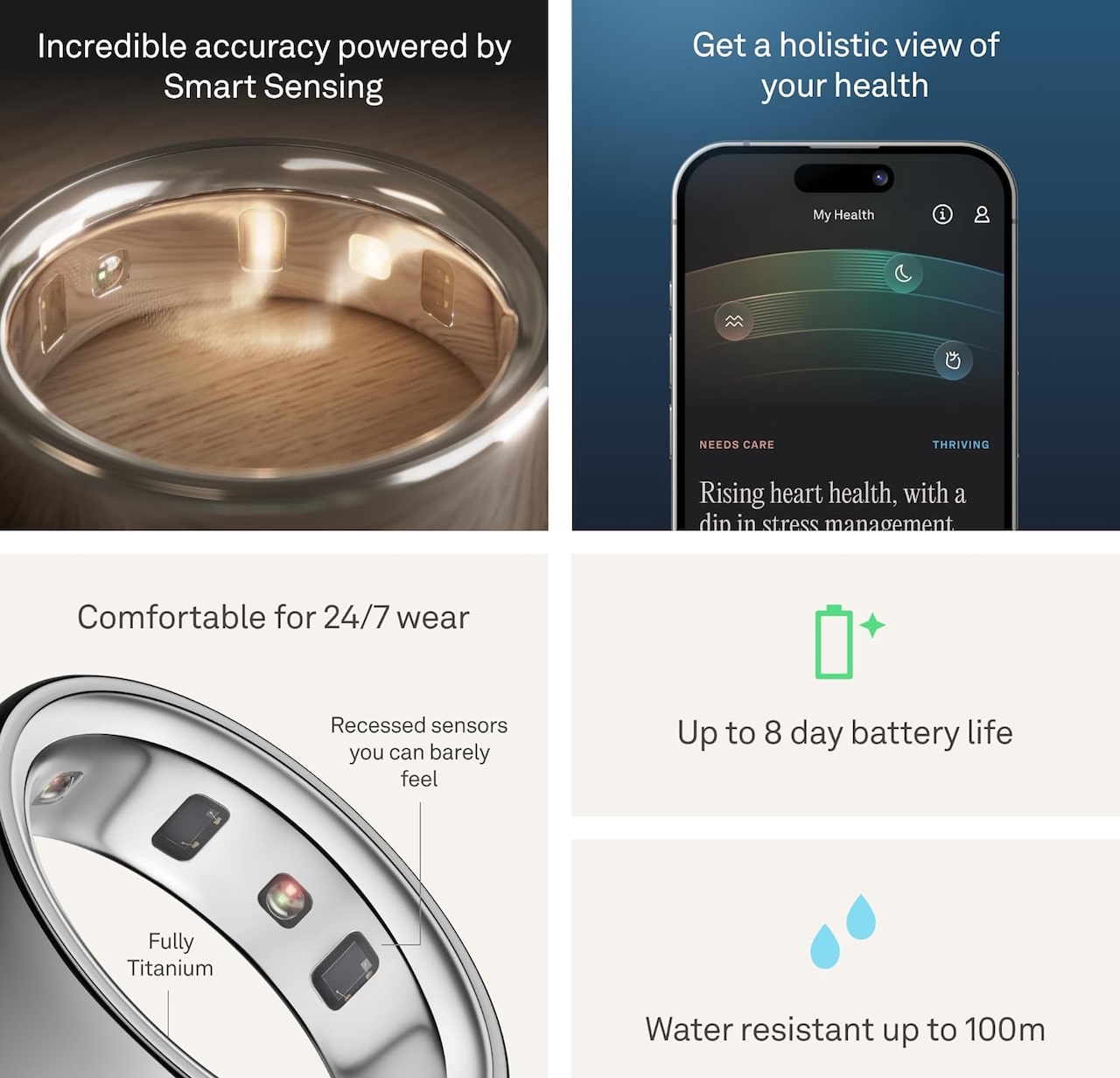
Price: $349
Where to Buy: Amazon
The Oura Ring 4 in Gold or Rose Gold at $499 is the most overtly luxe of the lot, and it’s the one most people will actually recognize on your finger.
The honest reading: Ultrahuman’s Ring AIR is the design pick if you want the ring to disappear into an outfit, Samsung’s the design pick if minimalism is your taste and you’re already in the Galaxy ecosystem, and Oura’s the design pick if you want people to clock it. Three different definitions, three different winners.
The wildcard worth watching
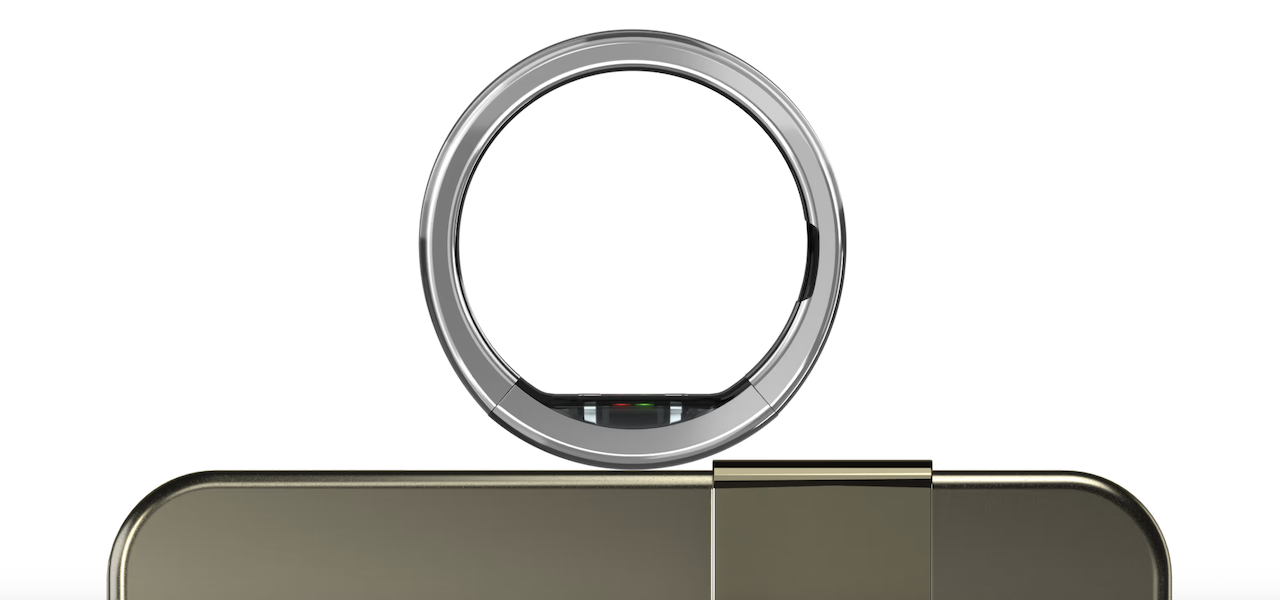
Price: $479
Where to Buy: Ultrahuman
Ultrahuman unveiled the Ring PRO in late February at $479 for the early-bird bundle with the PRO Charging Case, with what the brand calls a 15-day battery and a Jade real-time biointelligence engine. US pre-orders opened 27 March and shipments begin 15 May, with post-launch pricing settling at $399 for the ring plus $100 for the charging case sold separately. If those numbers hold up against measured testing, it would be the longest-running smart ring on the market by a meaningful margin.
We haven’t worn it long enough to call it. But it’s the only ring on the 2026 board that could meaningfully reshape the conversation in the second half of the year, and anyone shopping above $400 should at least know it’s already orderable in the US before committing elsewhere.
So who should still buy the Oura
Three buyer profiles still belong on Oura, no hedging. If you care about sleep more than anything else and you’ve made peace with the membership, the Oura Ring 4 in Silver or Black at $349 is your ring. If you want the most recognizable smart ring on the finger because it doubles as a conversation piece, Oura in Gold or Rose Gold at $499 is your ring. And if you’re already an Oura member and your data history matters to you, stay, because switching costs you continuity.
For everyone else, the conversation’s moved on, and that’s not a knock on Oura. The category finally has real alternatives, and each alternative is genuinely better than Oura on at least one axis the buyer actually cares about.
The best smart ring 2026, in one breath
If you want one sentence to make the decision: sleep first, buy Oura; training and recovery first, buy RingConn Gen 2; design first, pick between Ultrahuman Ring AIR, Samsung Galaxy Ring, and Oura’s premium finishes based on the look you actually want, jewelry, minimalism, or status.
Anything else is overthinking it. The wildcard in the best smart ring 2026 race is Ultrahuman’s Ring PRO, now shipping in the US from May at $479 for the early-bird bundle with that 15-day battery claim, and we’ll have more to say on it after a month on the finger.

Gadgeteer Comment Policy - Please read before commenting
[email protected]
The only negative I have about Oura, is that after one year, charging is required much more frequently. Lasts about 4 days.