Indoor particulate counts can run from a calm 8 µg/m³ to over 80 in under an hour during wildfire smoke or a heavy pollen day, even with every window closed. HVAC returns keep pulling outside air through the building envelope regardless of how tightly the house is shut, and a few hours of bad outdoor air can keep indoor counts elevated long after the outdoor reading has dropped. In rooms that bad, a smart purifier earns its app, its sensors, and a year of filter costs. A right-sized unit can pull the reading back to single digits within minutes, often before anyone in the room registers the air had turned.
That swing is the entire pitch for a smart purifier. It’s not about voice commands or scenes, and it isn’t about smart speaker integrations that look good in a product page screenshot. The real value is an appliance that catches a problem before a person does and ramps without being told. The bonus is a log of every spike, recovery, and filter cycle so the next bad-air day starts from a baseline rather than a guess.
Why this category is booming right now
Smart air purifier searches climbed 656% year over year by April 2026, with monthly volume holding near 9,900 in the US and keyword difficulty sitting at 16. That’s not a niche bump. That’s the appliance category catching up to how most US households now buy: by app reviews, sensor data, and room-by-room coverage maps instead of marketing claims.
Two things changed at once. Wildfire smoke is no longer a West Coast story, and pollen seasons keep stretching on both ends of summer. Households that didn’t think they had an indoor air problem are watching their HVAC return get gray inside a week.
The catch is that ‘smart’ has gotten lazy. Plenty of purifiers ship with apps that do nothing useful, and a few of them ship without the protocols that make them worth the premium. We picked five that earn it.
Five smart purifiers worth the app and the price
Each pick is sized to a room job, with the smart-home protocol and the standout feature called out so you can match it to your setup.
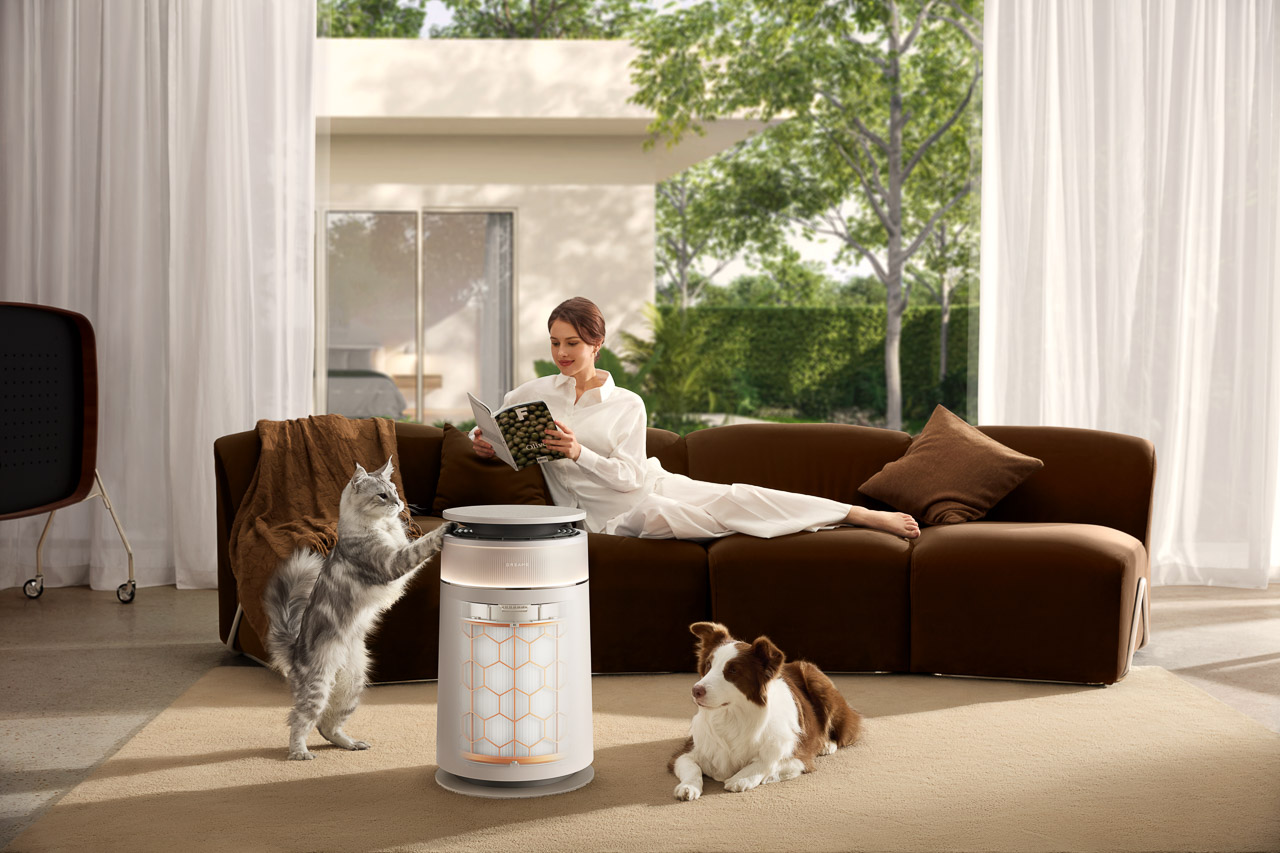
Dreame HEPA Air Purifier with Self-Cleaning Pet Hair
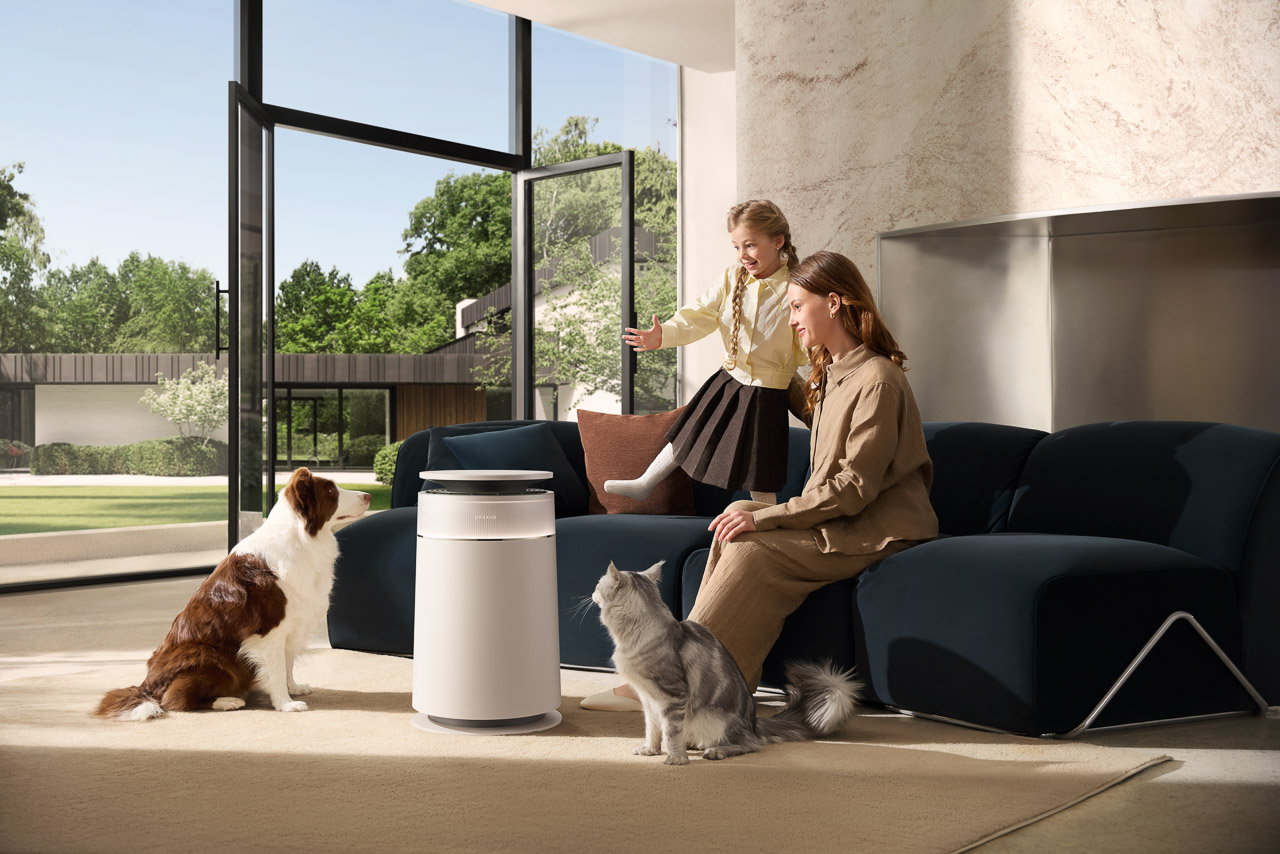
The Dreame FP10 is the world’s first roller self-cleaning air purifier, and that’s not just a marketing claim. A dual-axis rolling brush actively strips hair and particles from the primary filter in 360 degrees, depositing everything into a sealed 460ml collection bin. The filter never needs washing or replacing. Dreame’s lab testing clocked a 99.5% hair collection rate over seven days with two cats running loose, which is the kind of real-world validation that matters.
Filtration for US buyers is a four-stage setup with a HEPA 13 filter rated to capture 99.97% of PM0.3 particles and allergens. What sets the odor control apart is CataFresh, a dual-action layer combining 2.5x more porous activated carbon than Dreame’s previous flagship with a metal functional layer that chemically decomposes odor molecules rather than just absorbing them. Pet smells don’t get masked here; they get eliminated. Sleep Mode runs at a barely perceptible 32 dB(A), and the unit connects to Google Assistant and Alexa.
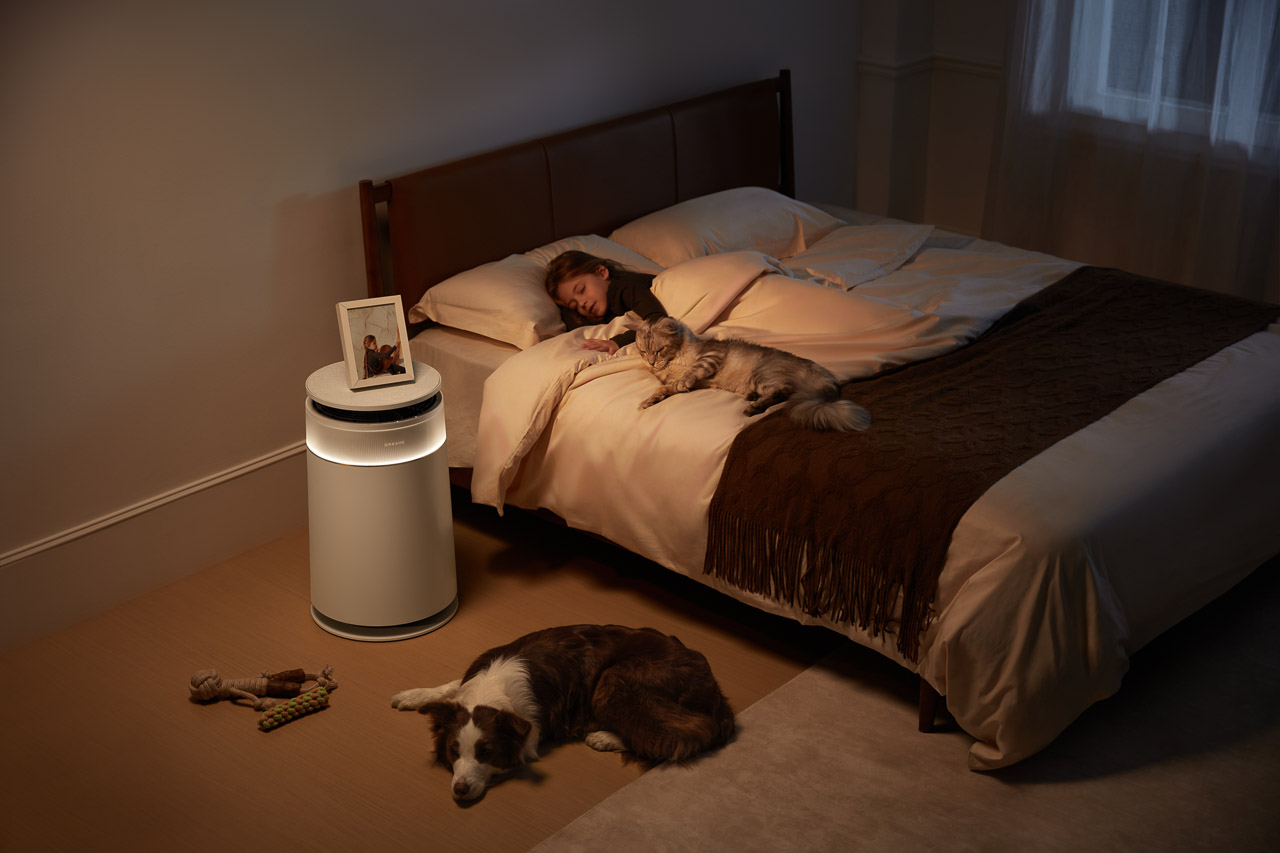
Smart features are genuinely useful rather than just spec-sheet padding. Four onboard sensors monitor PM2.5, TVOC, temperature, and humidity simultaneously, with the unit adjusting purification cycles automatically based on live readings. The optional Pet Weighing Tray tracks weight and daily routines for multiple animals, and when a pet steps on it during Pet Mode, the FP10 gradually reduces airflow to avoid causing stress. It took home a CES 2026 Innovation Award in Home Appliances, and the engineering behind it makes that easy to believe.
Price:
Where to Buy: Amazon
Bedroom: Coway Airmega 250S
Price: $399
Where to Buy: Amazon
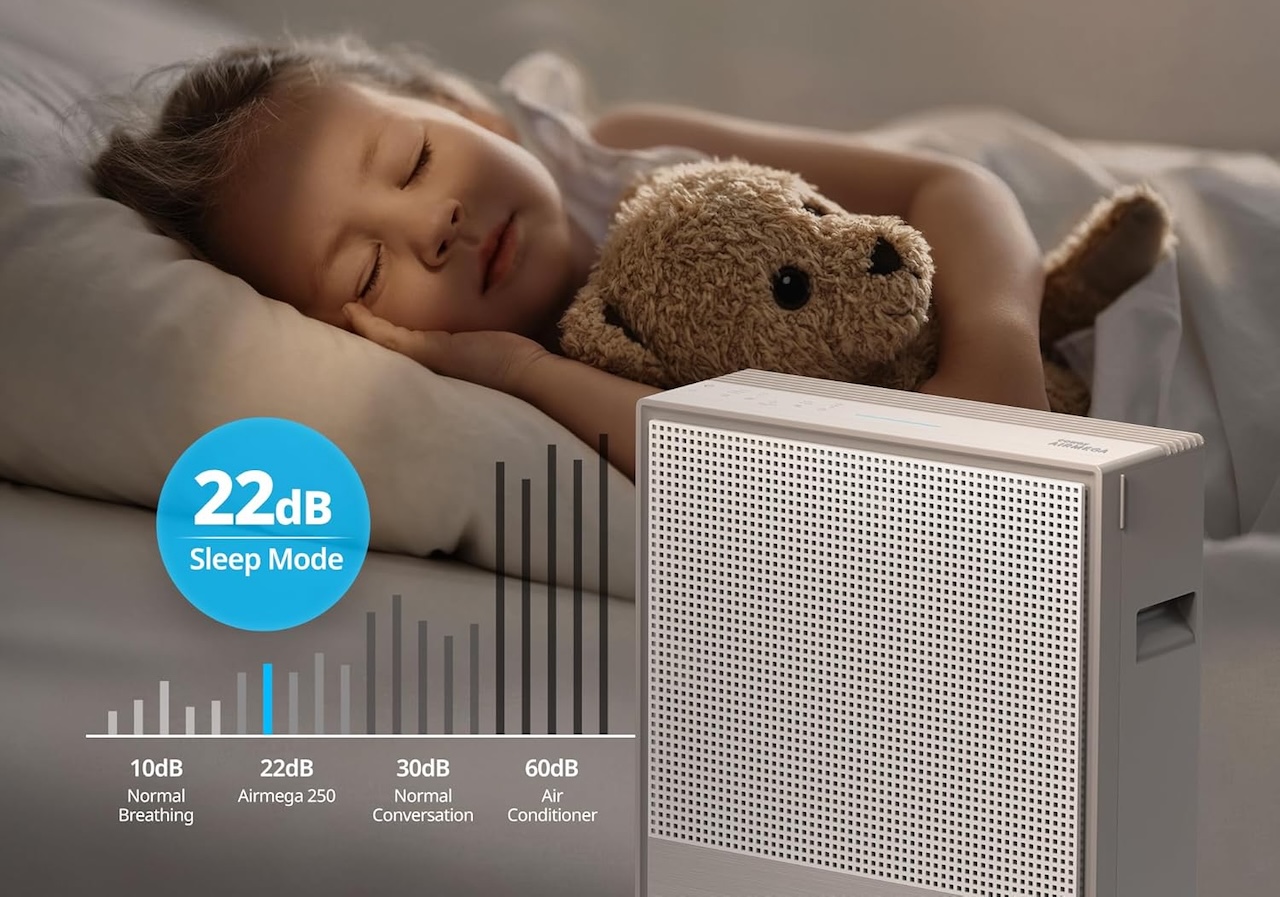
Coway’s 250S stays quiet at its lower fan speeds and reports air quality to its IoCare+ app, with Alexa and Google Home support layered on top. The reason it lands in the bedroom slot is that sleep mode kicks in once the room goes dark, while Smart mode ramps the fan by sensor data instead of a timer.
Living room: Mila Air 3
Price: $399
Where to Buy: Amazon
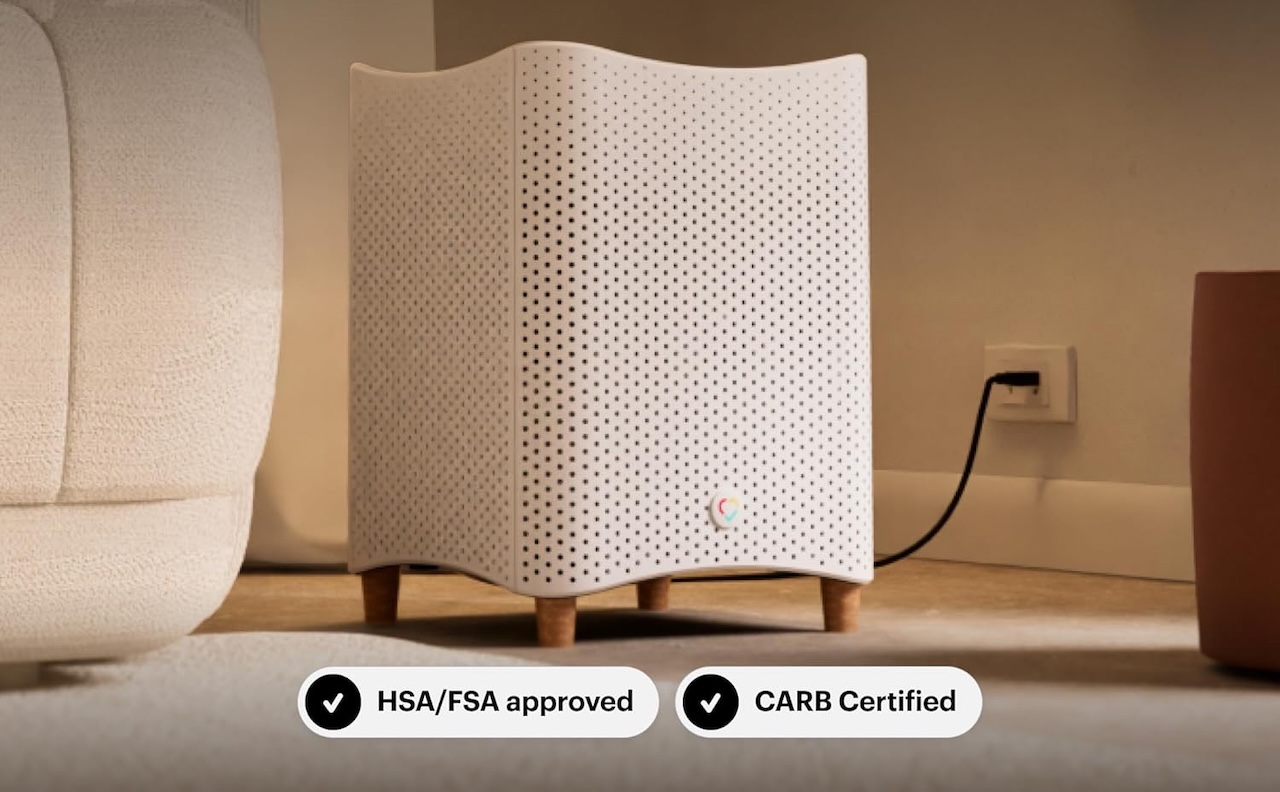
Mila built the air-quality sensor first and the purifier around it, and it shows in the granularity of the readings in the app, with PM1, PM2.5, PM10, VOCs, carbon monoxide, temperature, and humidity all broken out. Mila is also the first consumer purifier to ship a CO sensor. Filter modules swap based on what you actually face: pet allergens with the Critter Cuddler, heavy odors and VOCs with the Overreactor, or seasonal pollen and dust with the Big Sneeze. It’s the pick if you want the sensor data more than the appliance.
Open-plan living and kitchen: Dyson Purifier Big+Quiet
Price: From $1,029
Where to Buy: Amazon
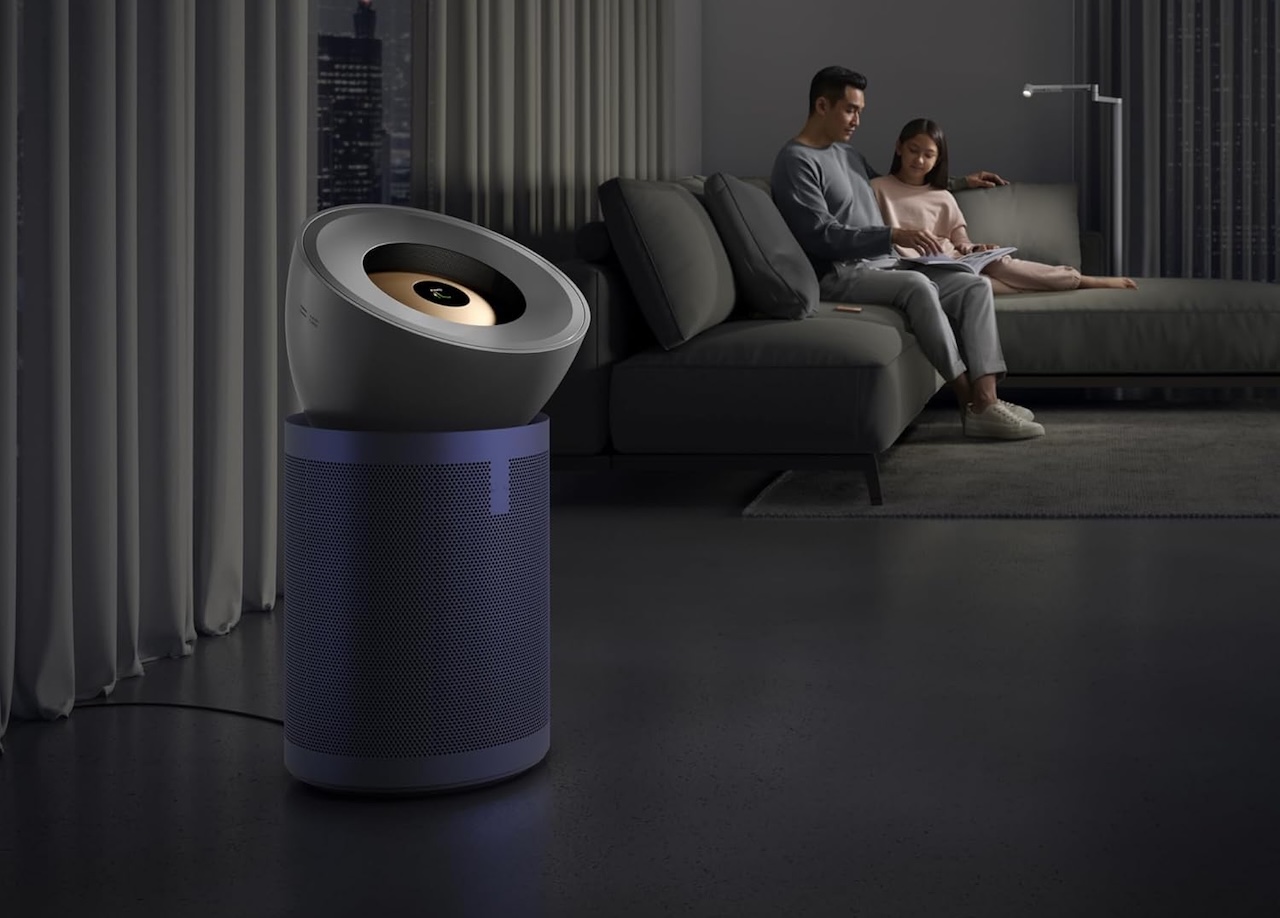
The Big+Quiet projects filtered air over 32 ft across a room with a directional cone, and Dyson rates the US BP03 model for dedicated coverage up to 264 sq ft. The MyDyson app does what you’d want: scheduling, sensor history, and filter-life tracking. It’s expensive, but it earns the price in an open kitchen-and-living combo where a smaller unit gives up.
Whole-home anchor: BlueAir Blue Pure 311i Max
Price: From $189
Where to Buy: Amazon
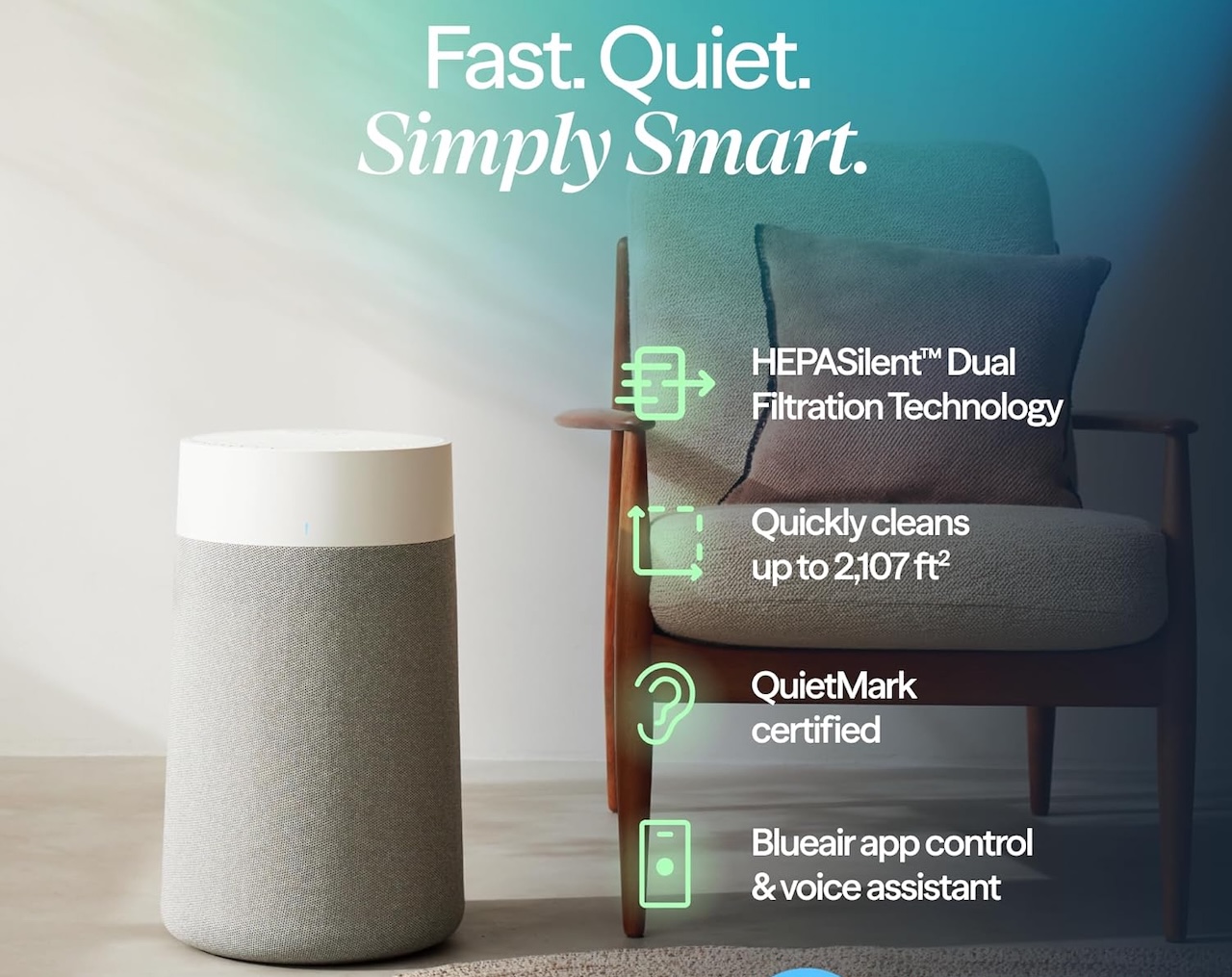
The 311i Max is BlueAir’s mid-size workhorse, rated to clean 387 sq ft in about 12.5 minutes and 929 sq ft in 30, with the Blueair app and Alexa support via the Blueair skill. We’d run two in a typical three-bedroom layout before reaching for a single oversized tower. The HEPASilent filter pairing keeps sound down at higher fan speeds, which matters when the unit is running 24/7 in fire season.
CADR per dollar still wins arguments
A quick sanity check before you click buy: divide a purifier’s smoke CADR by its sticker price, then check the annual filter cost against that math. The Levoit Vital 200S leads this group by a wide margin at roughly 1.2 CFM per dollar (245 CFM CADR at $200 MSRP), with the Coway 250S in the middle near 0.55 CFM per dollar (249 smoke CADR at $449), and the Dyson Big+Quiet trading raw efficiency for coverage area and acoustics at over $1,000. Mila lands mid-pack on CADR-per-dollar and trades raw output for the deepest sensor data in this group.
That tradeoff is the whole point of going smart. You’re not paying for cleaner air alone, you’re paying for the readout that tells you when it’s working.
Where a basic HEPA still wins
If you have a single small room, no smoke risk, and no allergy load to track, a non-smart HEPA at half the price still does the physical work just fine. A purifier doesn’t need an app to filter air. Smart features matter when you’re managing multiple rooms, reacting to outdoor conditions, or trying to justify the unit to a skeptical partner with data.
The other case for going simple: if your home Wi-Fi setup is fragile, a smart purifier that loses its connection becomes a loud, expensive HEPA you can’t see into.
If your goal is just to filter particles in one bedroom, the cheaper unit can run on max for the same money a year of smart-tier filters would cost. That math holds even before you add a Wi-Fi outage to the equation.
What we’d actually buy this month
If we had to spend on one this week, we’d put the Coway Airmega 250S in the bedroom and the Mila in the living room, and call it a system. That pairing covers the two rooms most households spend the most time in, with real sensor data feeding both apps.
For a single-room renter, the Levoit Vital 200S is the cleanest answer. For an open-plan home that has to handle smoke days, the Dyson Big+Quiet is the only unit on this list that doesn’t flinch.
The bigger lesson from this year’s spike is that air quality stopped being a regional concern. Sensors will tell you that long before your nose does, and a smart purifier is the cheapest way to get both halves of that conversation in one box.
That’s the test we’d apply to anything in this category right now: do the readings change behavior, or do they sit in an app you stop opening? If the answer is the second one, you bought a HEPA with a tax.