
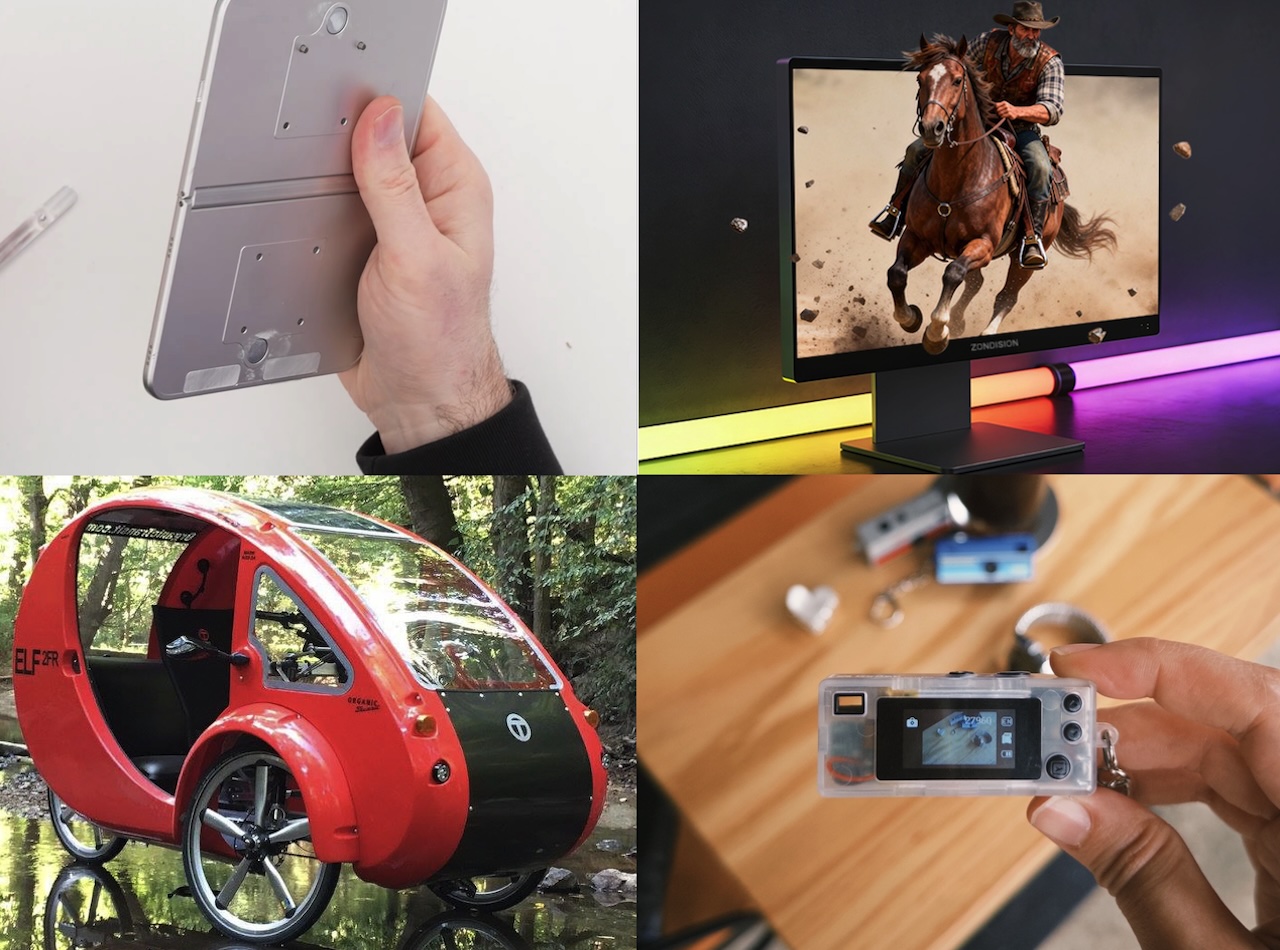
 The week started loud and stayed loud. A keychain camera kept winning design awards normally reserved for $5,000 mirrorless bodies. Razer asked why anyone wanted AI strapped to their face when their ears were already free. A Hong Kong startup tried to undercut Samsung on glasses-free 3D, and an Apple supply leak suggested the long-rumored folding iPhone is actually built around an iPad’s proportions.
This is the catch-up post for everything worth your attention from the past week, sourced from our own coverage. No filler, no recycled press release energy. Just the stories we’ve already vetted and the angles that mattered. Bookmark the ones you want to dig into. Each section links to the full piece.
Razer is putting AI vision in headphones, not glasses
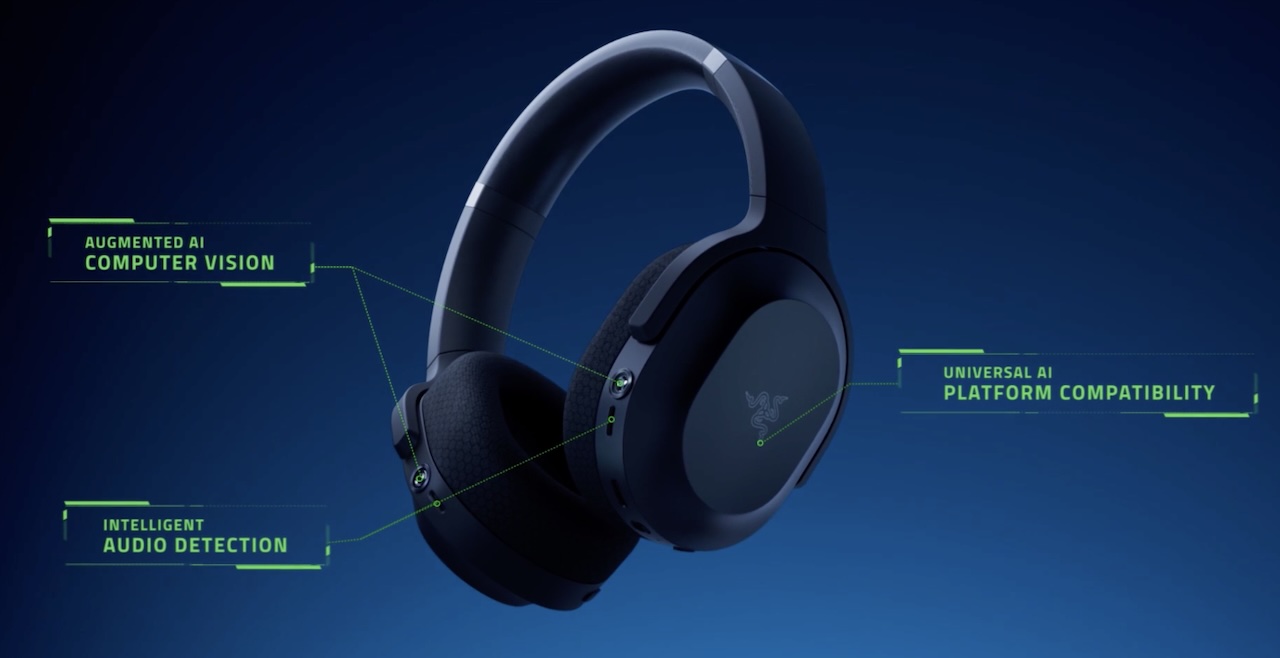 For two years, the wearable AI category has assumed the winning form factor is glasses. Razer’s Project Motoko, unveiled at CES 2026, is the first major-brand answer that drops the face-mount entirely. Two first-person view cameras live inside the ear cups, aligned to your eye line, paired with a Qualcomm Snapdragon platform and dual far-field and near-field microphones.
The pitch is platform-agnostic by design: Razer named Grok, OpenAI, and Gemini as compatible AI partners, so you bring your own model instead of riding one vendor’s roadmap. A public Project Motoko Developer Kit signup opens for a Q2 2026 launch, with no consumer price or release date yet, and the brand hasn’t published a battery runtime figure either.
Your Galaxy Watch6 may know you’ll faint five minutes early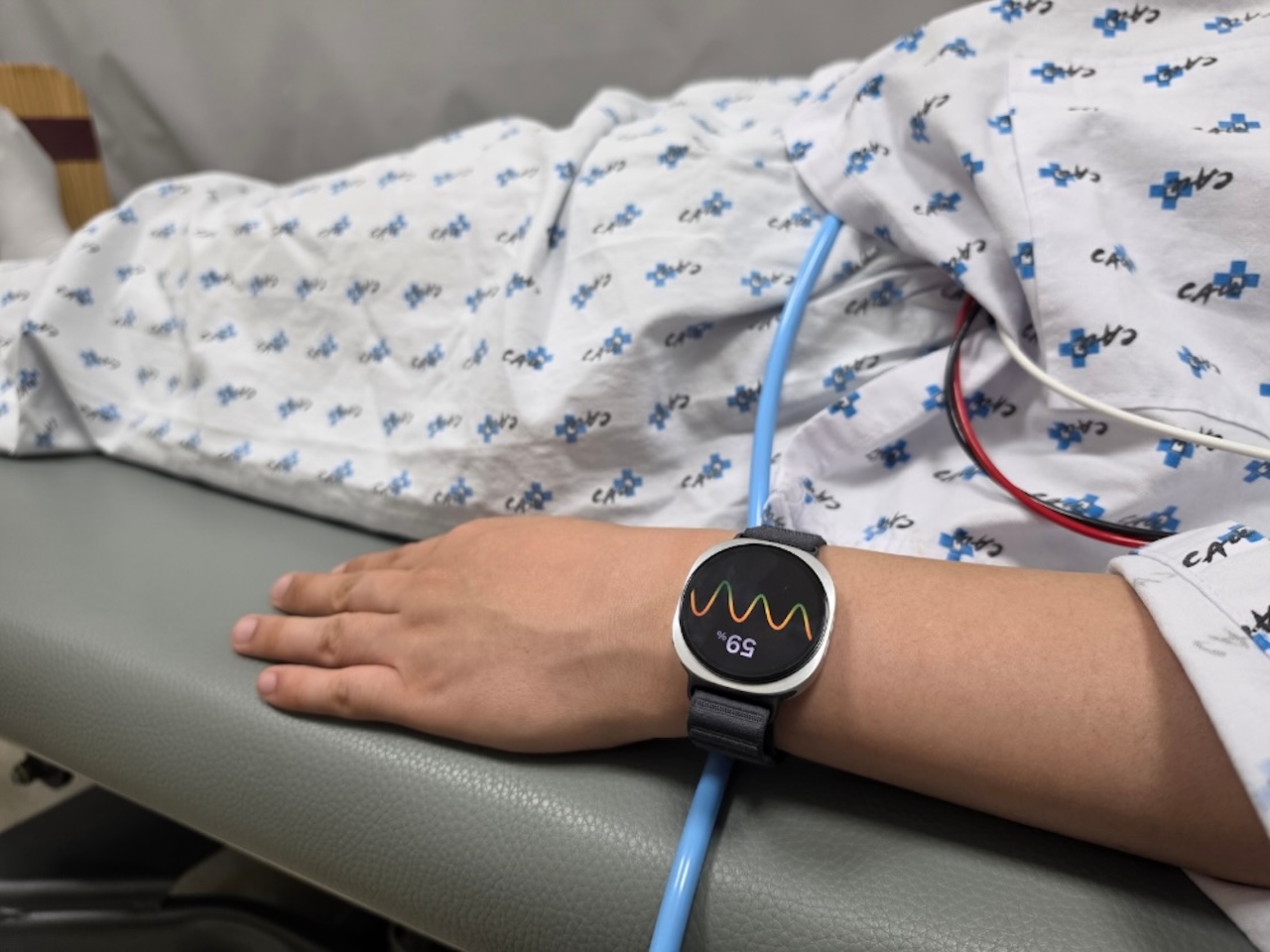
A joint study from Samsung and Chung-Ang University Gwangmyeong Hospital, published in the European Heart Journal Digital Health, shows the Galaxy Watch6’s PPG sensor and an AI model can predict vasovagal syncope up to five minutes ahead with 84.6 percent accuracy across 132 patients in induced fainting tests using heart rate variability as the input signal. Samsung has explicitly said the findings don’t reflect a feature currently available on the device, the 95 percent confidence interval lands between 65 and 92 percent, and FDA, MFDS, and CE clearance haven’t been announced.
Still, the signal is real. Five minutes is enough warning to sit down, lean against a wall, or ask the person next to you for help, and for people with diagnosed vasovagal syncope and the families of older adults at fall risk, this is the most interesting smartwatch research signal of the year so far.
A 27-inch glasses-free 3D monitor that undercuts Samsung
Price: From $1,199
Where to Buy: Kickstarter
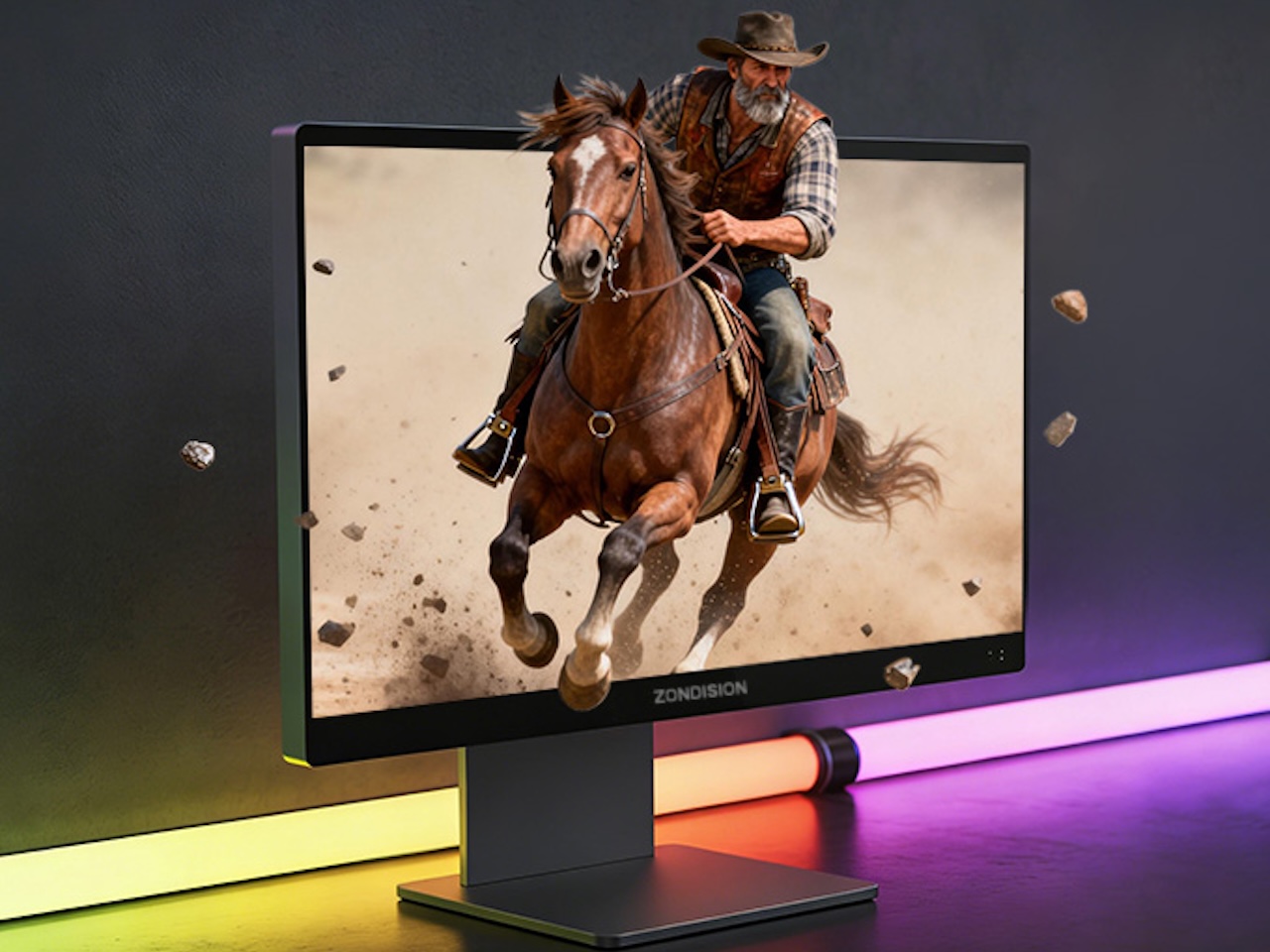
Hong Kong’s Zondision opened Kickstarter for the ZIMO1, a 27-inch interactive glasses-free 3D monitor with 4K resolution, 120Hz dual-eye tracking, and a self-developed 3D ASIC chip that runs without a GPU upgrade. The campaign sits at roughly $85,953 from 90 backers against a $4,979 goal, with single-unit Kickstarter tiers from $999 to $1,299, well under Samsung’s $1,999 Odyssey 3D G90XF and Lenovo’s $2,242 to $3,267 ThinkVision 27 3D, and the package includes lifetime access to a Game Manager (10,000 plus supported titles), a Game Modifier, and a 2D-to-3D Conversion Tool.
The trade-offs are real. The ZIMO1 panel runs at 60Hz against Samsung’s 165Hz, which matters for fast shooters even if refresh rate doesn’t change 3D depth, and crowdfunded hardware means the August 2026 ship window could slip.
The first iPhone Ultra Fold mockup is shaped like a folding iPad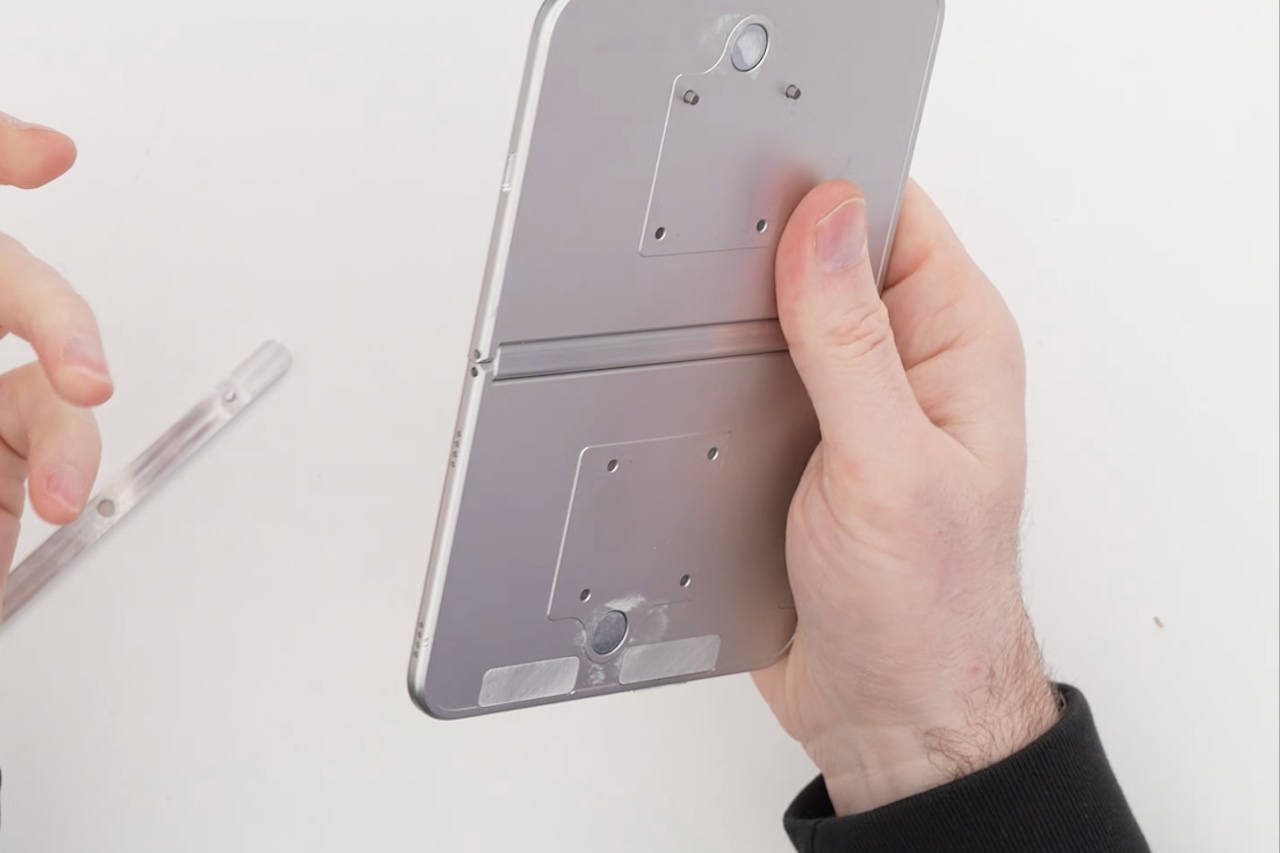
A package from China delivered the clearest physical look yet at Apple’s rumored folding phone, the iPhone Ultra Fold, as featured by Lewis Hilsenteger of Unbox Therapy. The dummy unit is short, wide, and stubby when folded, and the unfolded aspect ratio sits close to an iPad Mini, which means Apple isn’t building a Galaxy Z Fold competitor: the unfolded display lands on a known iPad aspect ratio that thousands of existing apps already target, mapping onto this canvas without the awkward letterboxing competitors have to handle.
The camera bump measures 11mm at the thinnest point and 16.57mm at the bump, more than 5mm of step on a chassis already built around a fold line, so it wobbles aggressively on a table. Touch ID returns through the side power button, Face ID didn’t make the cut, and the Action button and silent switch are both gone.
A 1.6MP toy camera just won iF and Red Dot
Price: $34.99
Where to Buy: Amazon
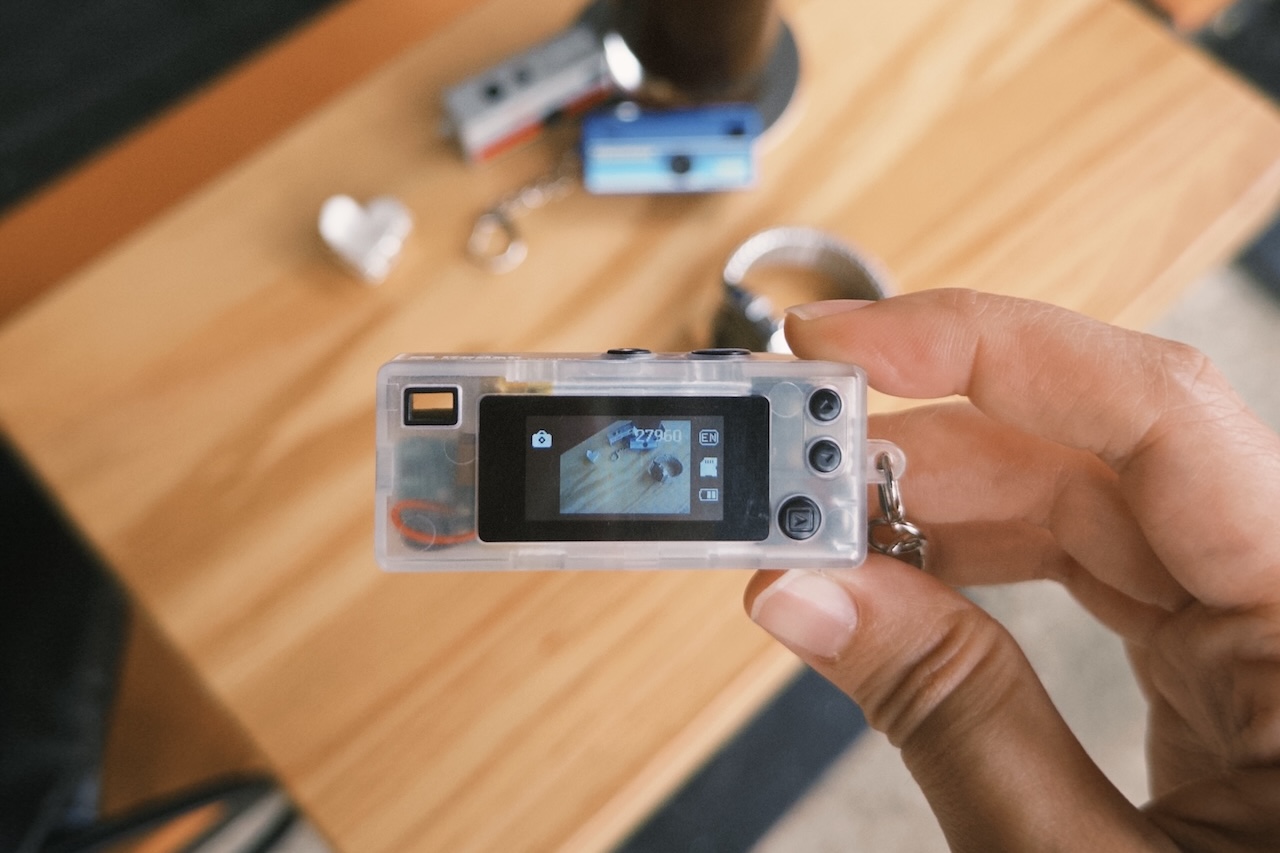
The Kodak Charmera is a $34.99 keychain camera that shoots 1440 by 1080 JPEGs through a fixed 35mm f/2.4 plastic lens onto a 1/4-inch CMOS sensor, weighs 30 grams, and looks like a Kodak Fling. It just picked up the Red Dot Design Award 2026 in Product Design, joining the iF Design Award 2026 it took home in March, prizes that normally go to flagship phones and premium mirrorless bodies and not a $35 keychain that ships in a blind box with seven possible designs, including a rare semi-transparent edition that shows up roughly once every 48 boxes.
Resale prices have hit $180 in the US and over £60 in the UK as the camera keeps selling out. Stick with authorized retailers (B&H, Best Buy, Target, Walmart). The Charmera is fun, but it’s not $180 fun.
A real e-bike on Amazon for $199
Price: From $199
Where to Buy: Amazon
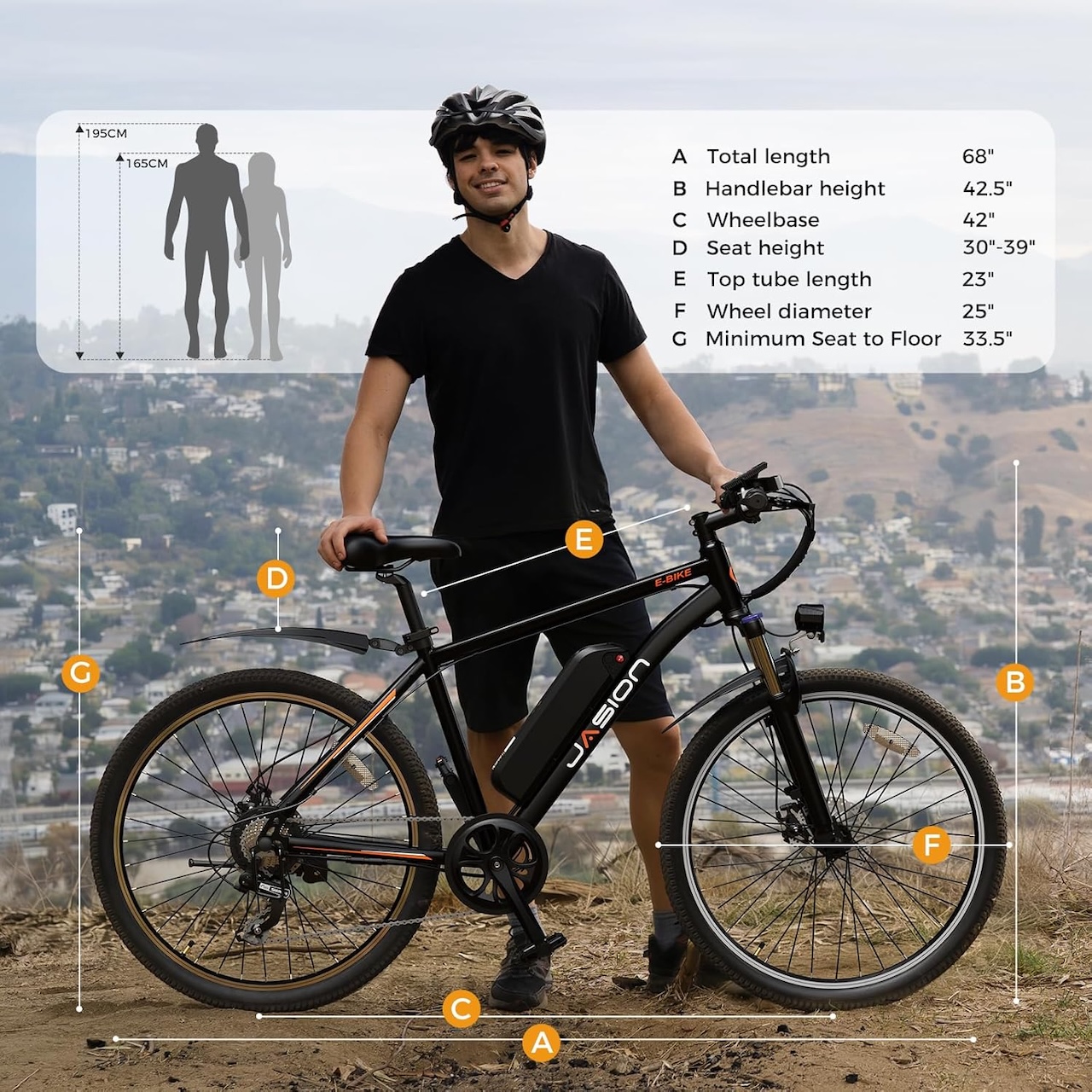
The Jasion EB5 is one of Amazon’s top-selling electric bikes, and it just dropped to $199 (down from $250). You get 40 miles of pedal-assist range, a removable 36V 10Ah battery (360Wh) that lifts off the frame, mountain bike-style tires, a 7-speed drivetrain, a built-in horn and headlight, and a 264 lb (120 kg) max load per Jasion’s user manual. Top speed caps at 20 MPH, the federal Class 2 limit, so this isn’t a highway-shoulder rig, and on rougher roads the EB5 reveals its price the way a budget mattress does around month four.
For under-20-mile commutes, grocery runs, and apartment dwellers who need a battery they can charge inside, this is the cleanest entry point Amazon’s offered in a while. If your commute involves real hills or 30-mile distances, you’ll outgrow this fast, but for everyone in between, the math is hard to argue with.
Vivo’s X300 Ultra brings a 400mm clip-on Zeiss lens to India
Price: ₹1,59,999 (About $1,680)
Where to Buy: Vivo
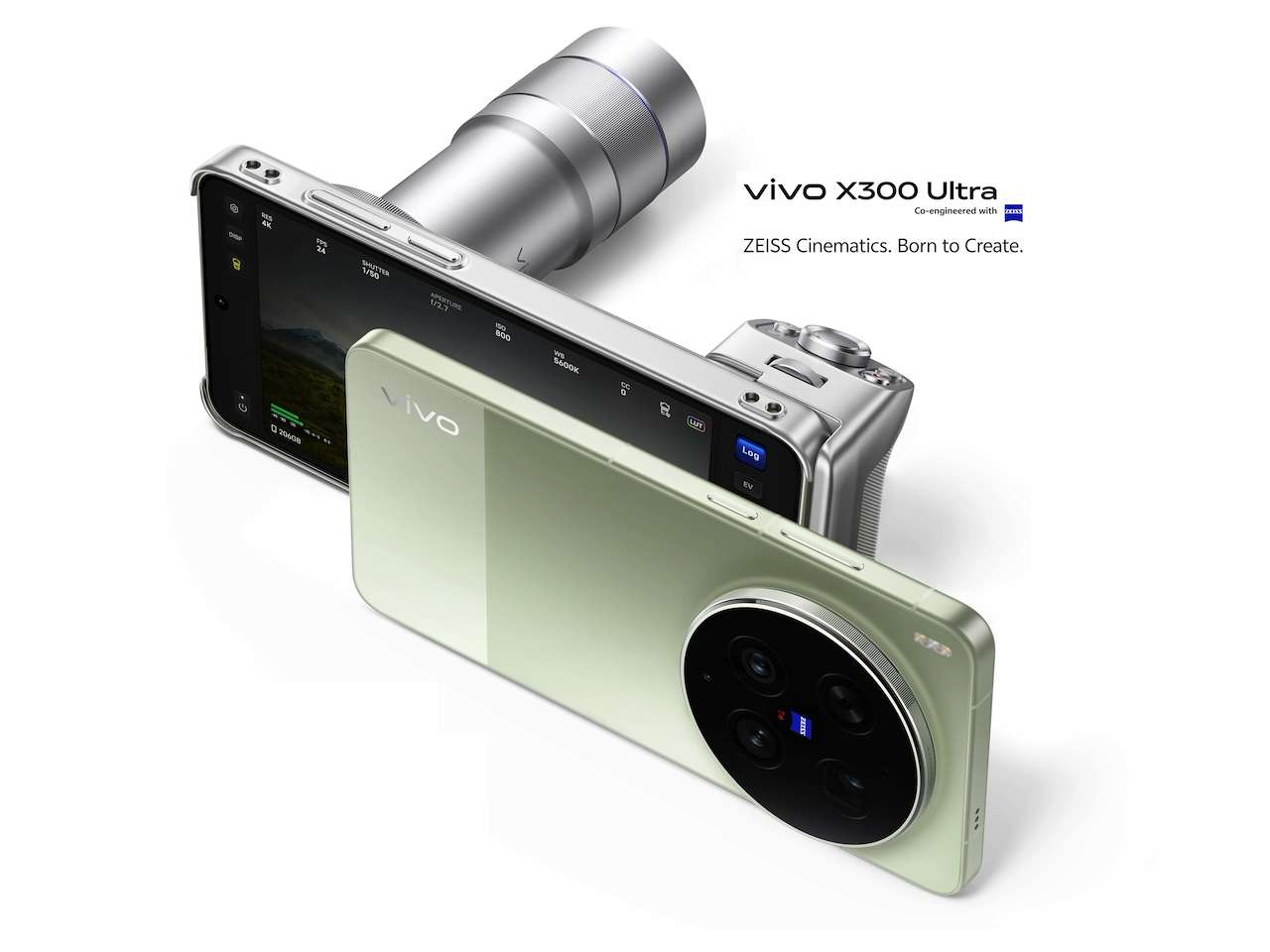
The Vivo X300 Ultra debuted in India on May 6 at an expected ₹1,59,999 (about $1,680) for the 16GB/512GB variant, the first time an Ultra-tier Vivo has reached India directly. The headline isn’t built into the phone: the optional Zeiss Telephoto Extender Gen 2 Ultra is a real Kepler-structure glass element that clips over the rear telephoto and pushes reach to 400mm equivalent with a CIPA 4.5 stabilization rating, and the iPhone 17 Pro Max tops out at 200mm of optical-quality zoom, so the X300 Ultra plus Gen 2 Ultra doubles Apple’s longest end with actual glass instead of computational tricks.
Inside the phone, you get a Snapdragon 8 Elite Gen 5, a 6.82-inch LTPO OLED at 144Hz, a 200MP main on a Sony LYT-901 sensor, a 200MP periscope at 85mm, a 50MP ultrawide, and a 6,600mAh battery with 100W wired charging. The catch: you’re carrying the phone, the lens, and ideally the photography grip, which is closer to a small camera kit than a pocket setup.
Steve Wozniak showed up for a vacuum brand’s modular phone
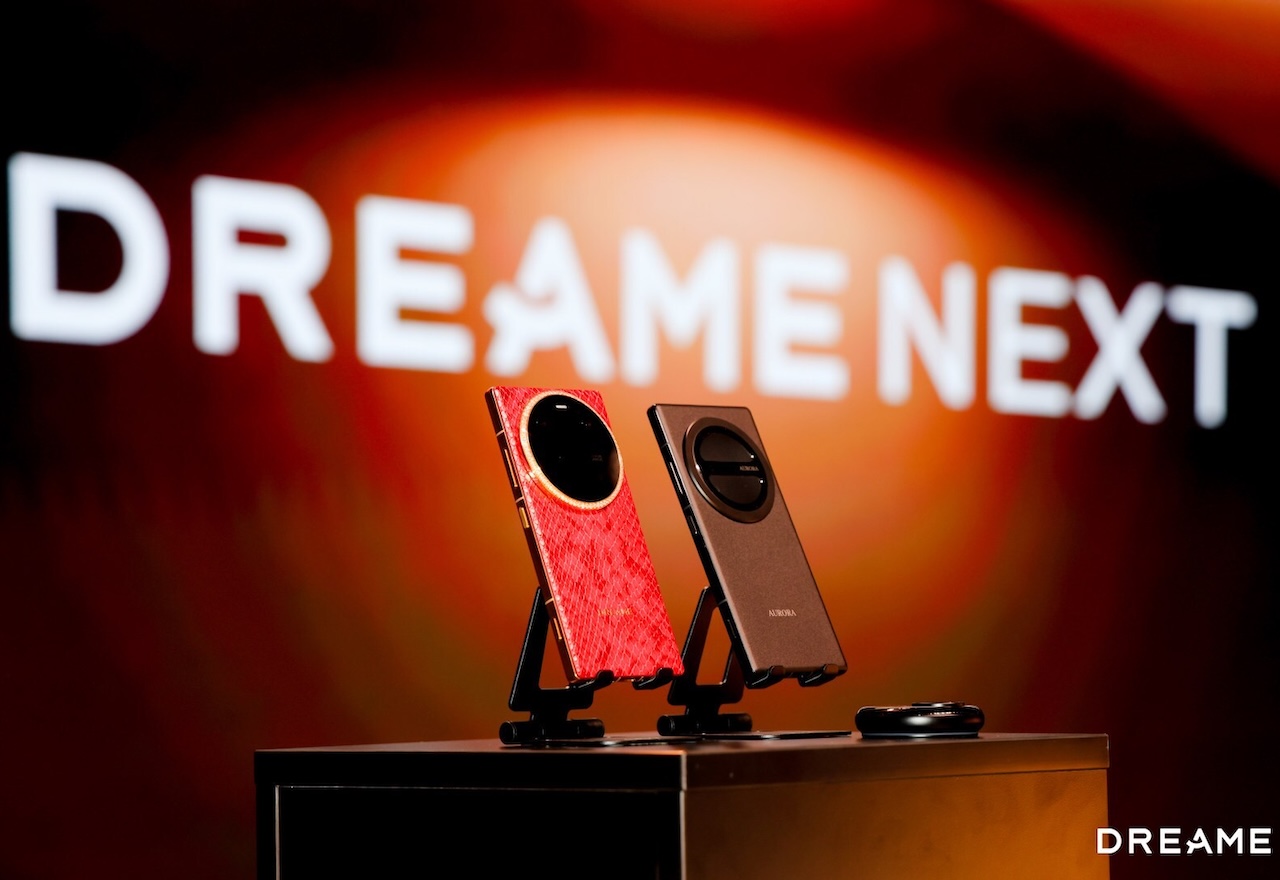
Dreame Technology used the Connect Next part of its DREAME NEXT event at the Palace of Fine Arts in San Francisco to launch the Aurora Nex and Aurora Lux, with Wozniak joining Dreame’s Chang Xinwei on stage and Counterpoint’s Jeff Fieldhack weighing in on positioning. The headline product is a modular smartphone from a company best known for cleaning floors: the Aurora Nex uses a magnetic spot on the back that holds swappable modules including a steady action camera, a low-light telephoto, a satellite module for off-grid use, and a smart module that runs on its own, with camera claims that include 200MP at every focal length, Lofic technology, 8K 60fps video without cropping, 14-bit RAW multi-frame photos, and satellite voice calls that connect in under 10 seconds.
Modular phones have a graveyard: Project Ara never shipped, Moto Mods ran four generations and quietly ended, and the LG G5 lasted one. Pricing and release dates weren’t announced on stage, though Chinese-market reporting has floated $999 for the standard tier and $9,600 to $13,800 for Lux variants.
A solar trike that logged 10 million miles is back, with home backup
Organic Transit, the Durham-based shop behind the original ELF solar electric trike, is bringing the platform back as ELF 3.0. The first ELF logged more than 10 million miles across 850 vehicles with a warranty rate under 3 percent before a change in ownership paused production, and founder Rob Cotter has reacquired the company and is taking reservations now through Organic Transit’s site and a Wefunder equity campaign, with pricing yet to be finalized.
ELF 3.0 gets a fuselage-style chassis borrowed from small aircraft, full front and rear suspension (the original lacked it), 200W solar standard with an optional roughly 400W roof, and a battery that roughly doubles capacity and adds bidirectional charging so the trike can serve as home backup during outages. The drivetrain uses a single programmable system that switches between Class 1, 2, or 3 e-bike, mobility, or NEV profiles over the air, and the ELF to Home (E2H) backup package adds 400W solar and three 2kW battery modules, with up to 6kW available for emergency home backup.
The ZX Spectrum and Commodore 64 are about to fit in your pocket
Price: From $129
Where to Buy: Hyper Mega Tech, Funstock USA
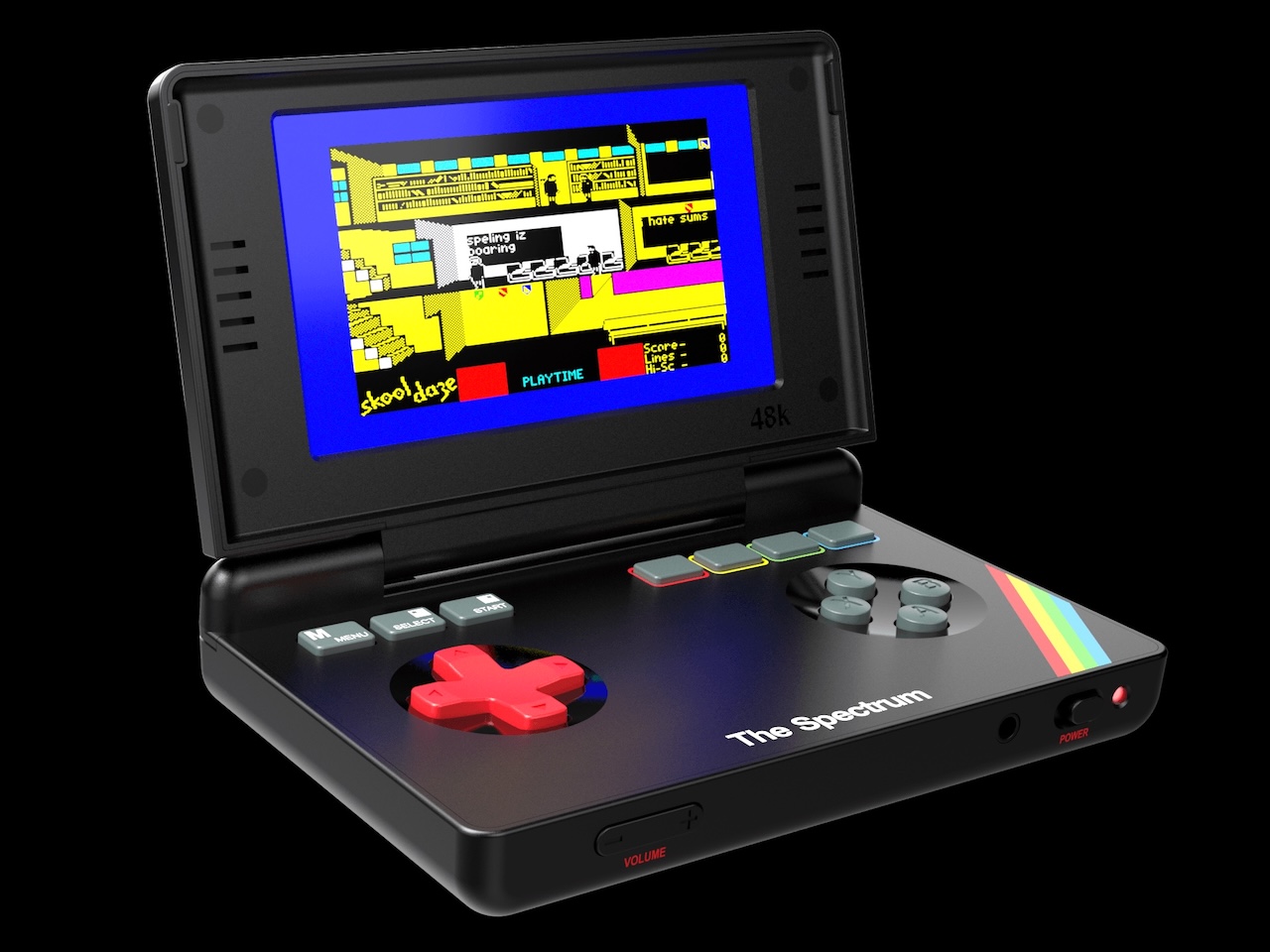
Hyper Mega Tech announced clamshell handheld versions of both the ZX Spectrum and Commodore 64, published by Blaze Entertainment’s Evercade team under license from Retro Games Ltd. Pre-orders open at $129.99 with first units shipping October 15, 2026, and Collector’s Editions hit $149.99 through Funstock with a hard shell case plus a Crash! or Zzap! magazine, capped at 2,000 units each. Both share the same shell (136mm wide, 26mm tall, 86mm deep, 235 grams), a 4.3-inch 840 by 480 IPS panel, a quad-core 1.2GHz processor with 256MB DDR RAM, front-facing stereo speakers, USB-C charging, and a 2,000mAh battery rated at three hours plus, and each ships with 25 preloaded games (Manic Miner, Head Over Heels, Sam’s Journey, Boulder Dash, Speedball 2, and others) with MicroSD expansion.
The format toggles are deeper than you’d expect. The Spectrum Handheld covers 48K, 48K NTSC, 128K, +2, +2A, +3, +3e, and 16K with under and over-clocking, while TheC64 Handheld covers C64 PAL/NTSC, C64C PAL/NTSC, C64SX PAL/NTSC, PET64 PAL/NTSC, and C64 GS. That’s a real nod to people who care about emulation accuracy.
Why this list mattered
Three threads run through this batch. First, AI keeps trying new form factors (headset cameras, smartwatch syncope prediction) that don’t ask you to wear glasses. Second, design and engineering wins are coming from unexpected places: a $35 keychain camera, a vacuum brand’s first phone, a solar trike from Durham. Third, hardware that used to live on wishlists (a 400mm phone telephoto, a $199 e-bike, glasses-free 3D under $1,300) is now something you can reserve or order today.
If you only catch up on one story, make it Project Motoko. The form-factor argument it puts on the table will shape the next two years of AI wearables more than any single spec sheet.

Gerber Gear Suspension 12-in-1 EDC Multi-Plier Multitool with Pocket Knife, Needle Nose Pliers, Wire Cutters and More, Gifts for Men, Camping and Survival, Grey
(as of August 11, 2026 09:55 GMT -05:00 - More infoProduct prices and availability are accurate as of the date/time indicated and are subject to change. Any price and availability information displayed on [relevant Amazon Site(s), as applicable] at the time of purchase will apply to the purchase of this product.)
