
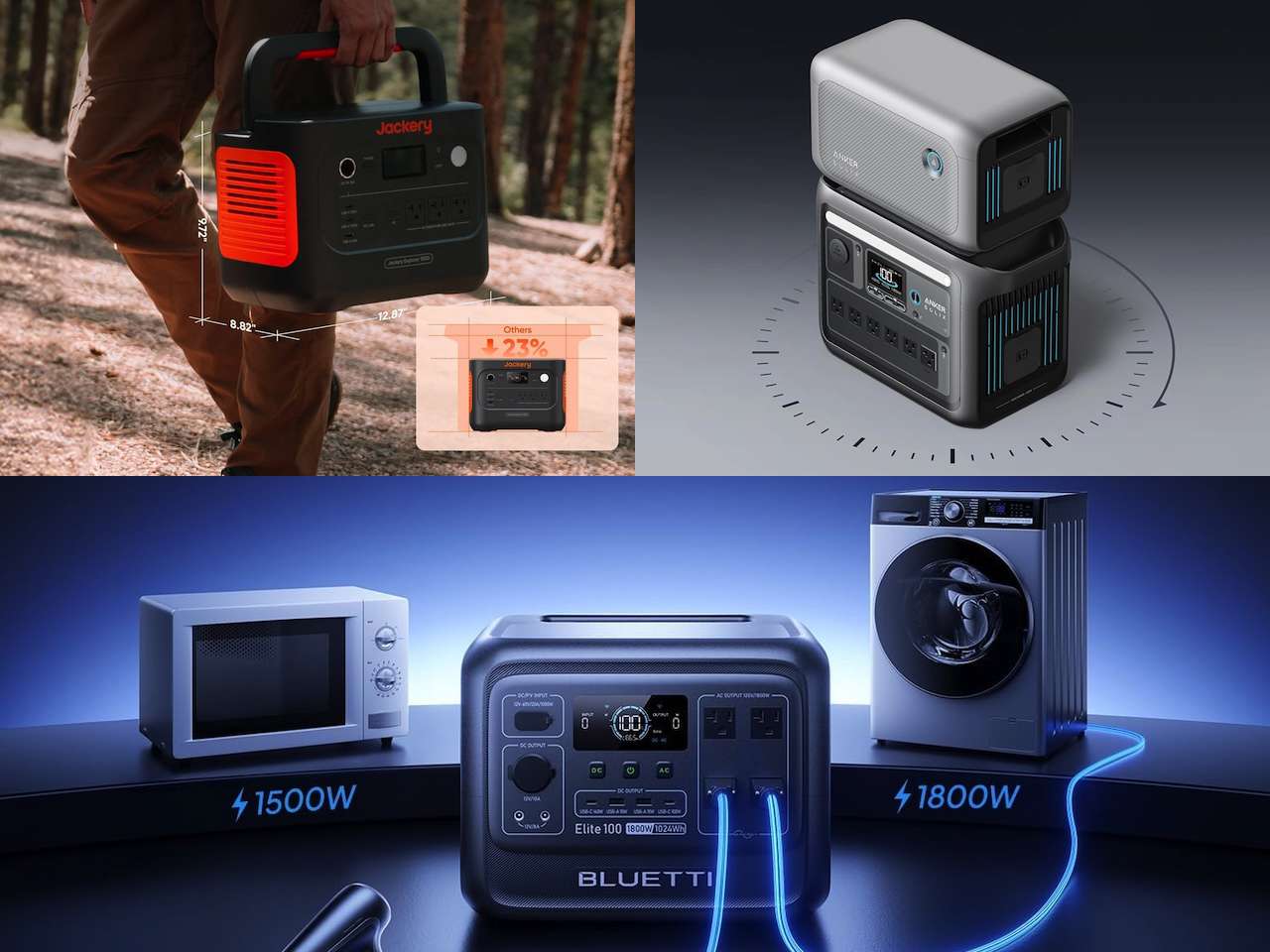
The 2026 portable power station class is the first generation built squarely for renters. EcoFlow, Anker, BLUETTI, and Jackery have all refreshed their 1kWh-tier units over the last 18 to 24 months, swapping in LiFePO4 cells, dropping weight, and pushing UPS passthrough times that used to live only in pro-tier hardware. The category has quietly become apartment-native.
That shift matters now because storm season is bearing down on the U.S. grid, apartment-specific search interest is climbing, and the price gap between a 1kWh LiFePO4 unit and a smaller NMC unit from two years ago has effectively closed.
What Defines the 2026 Apartment-Outage Class
Every unit covered below uses LiFePO4 chemistry, runs silent under load, and slots into a closet without special venting. The category’s 2026 baseline now includes sub-10ms or near-instant passthrough on most premium picks, 1kWh-class capacity at sub-$800 list pricing, and weights under 30 pounds for one-handed carry.
1. EcoFlow DELTA 3 Plus
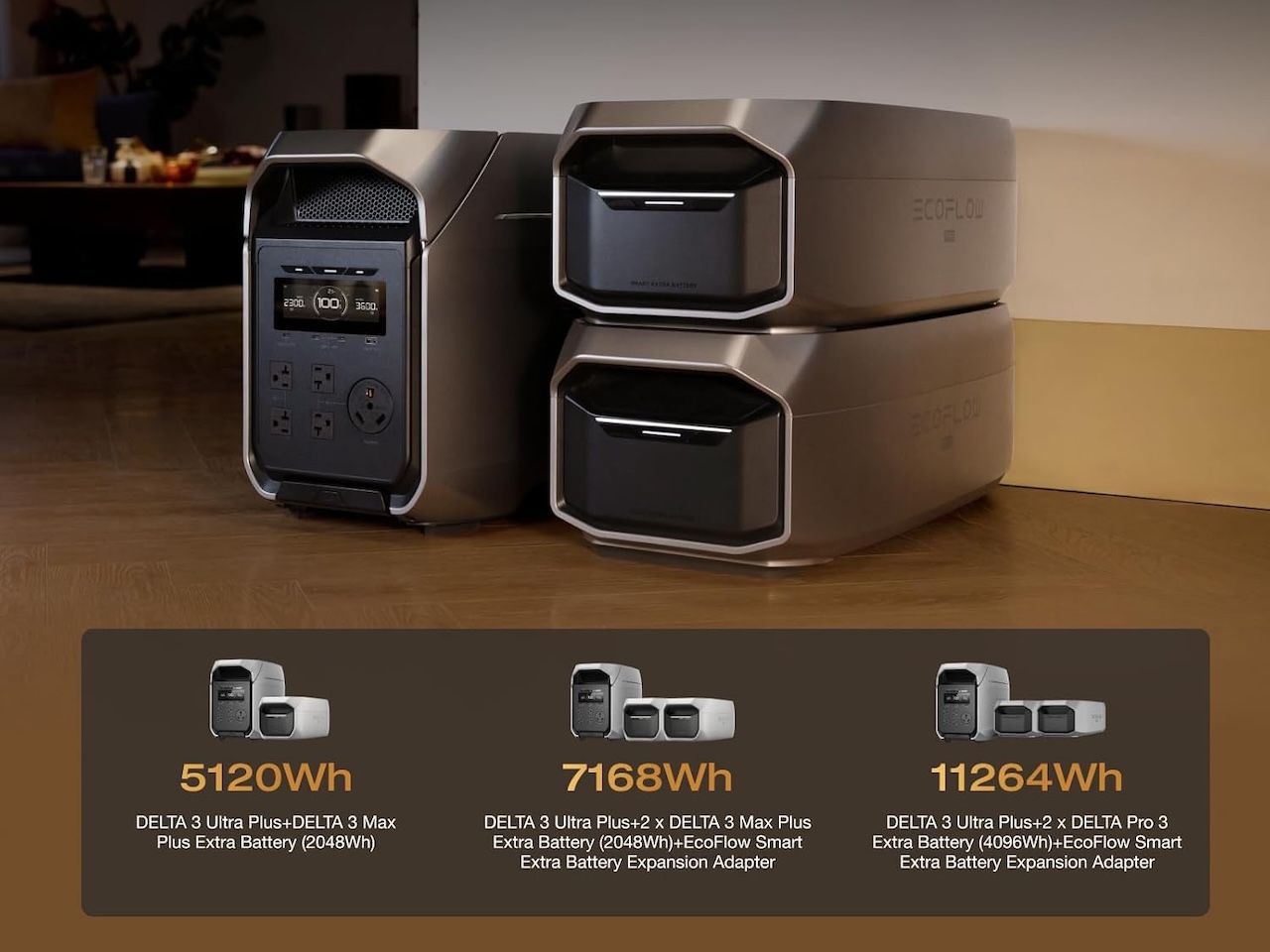
EcoFlow’s DELTA 3 Plus pairs 1,024Wh of LiFePO4 with 1,800W AC output, an X-Boost mode reaching 2,200W for resistive loads, and a 10ms EPS handover that keeps desktops and modems online through grid drops. Per-outlet app control and adjustable charge speeds are the headline software additions for the refreshed line.
Sits at the top of the 1kWh tier on UPS-grade switchover, putting it among the units retailers are featuring in 2026 storm-season promotions.
Price: $1,499 (From $2,199)
Where to Buy: Amazon
2. Anker SOLIX C1000
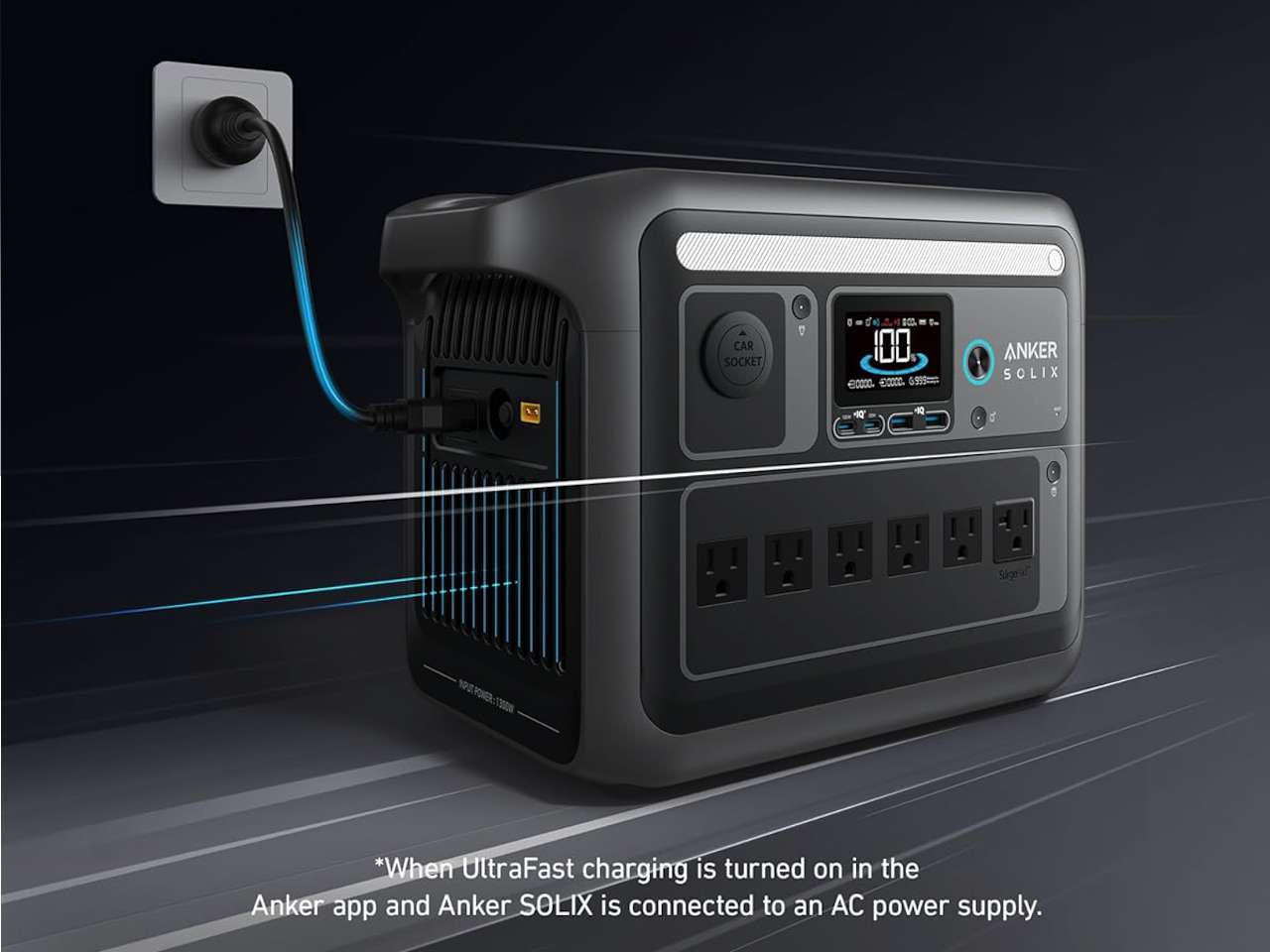
The C1000 packs 1,056Wh of LiFePO4, 1,800W rated AC, and SurgePad bursts to 2,400W. Anker’s UltraFast Charge mode hits 80% in 43 minutes and full charge in 58 minutes, the headline spec for last-minute pre-storm top-offs. The original C1000 ships without a published UPS switchover figure; the Gen 2 unit is rated under 10ms.
Anker’s fan curve continues to draw category-best noise reviews at sustained moderate loads, a key buying signal for apartment-shoppers researching the C1000 in 2026.
Price: $429.98 (From $799)
Where to Buy: Amazon
3. BLUETTI Elite 100 V2
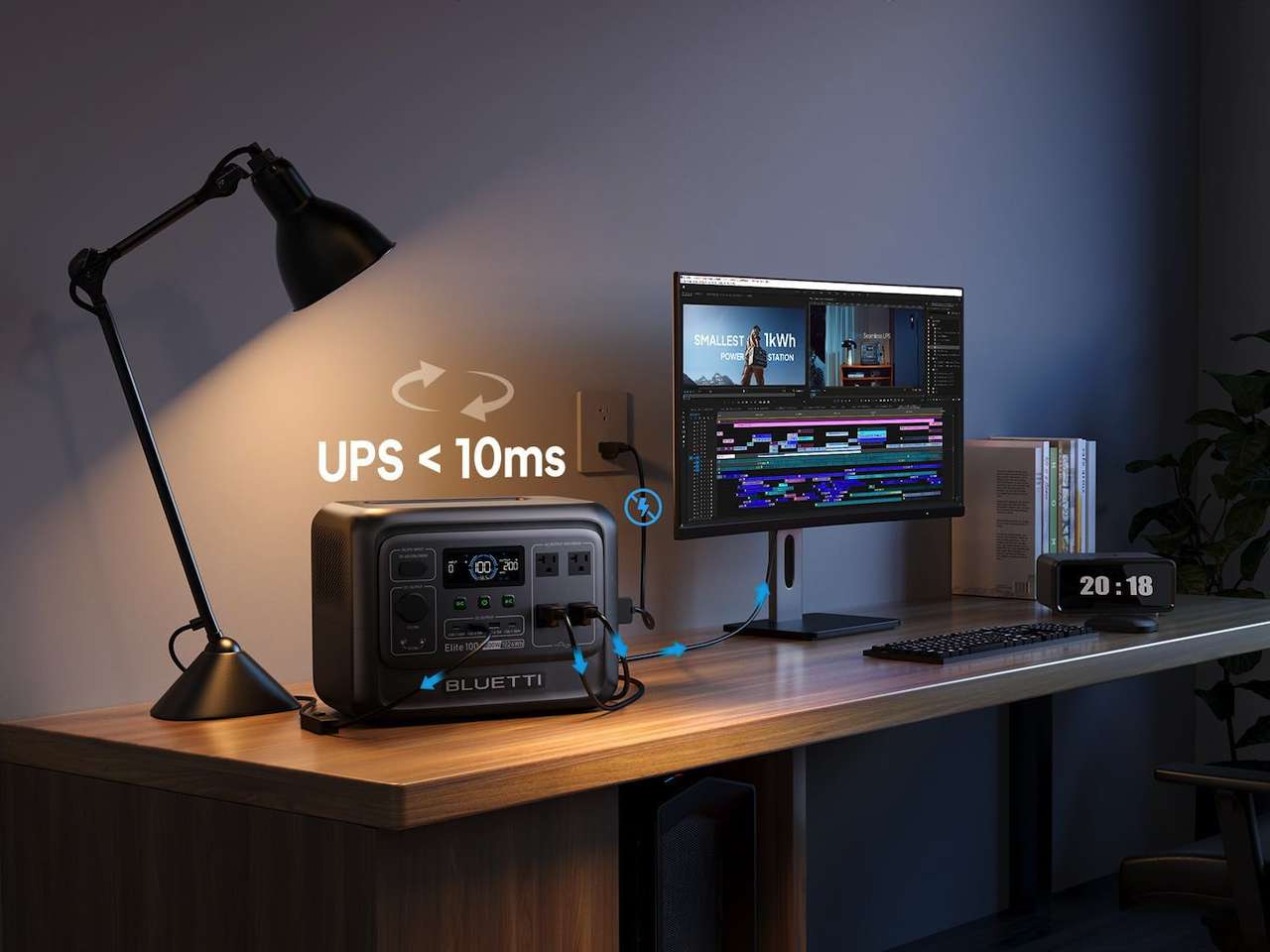
BLUETTI’s Elite 100 V2 hits 1,024Wh LiFePO4 with 1,800W AC output and a Power Lifting mode that pushes resistive loads to 2,700W. At 25 pounds it sits among the lighter 1kWh-class units in this group, second only to Jackery’s v2, and BLUETTI rates UPS switchover at ≤10ms.
Currently one of the most aggressive sale prices in the 1kWh tier, undercutting the DELTA 3 Plus by roughly $50 at promotional pricing and reshaping the value bracket for renters entering the category.
Price: $449 (From $569)
Where to Buy: Amazon
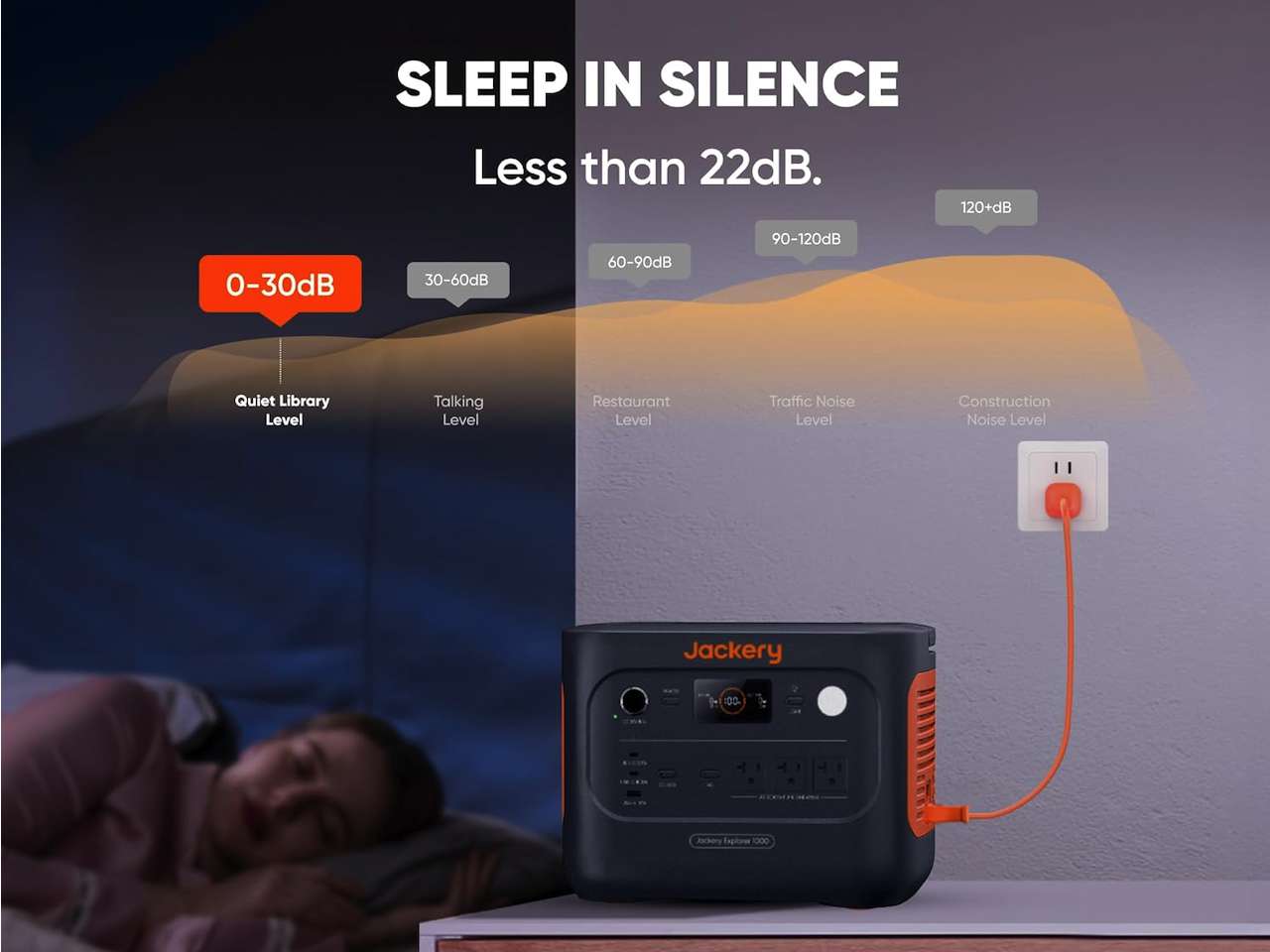
4. Jackery Explorer 1000 v2
Jackery’s v2 swaps the original Explorer 1000’s NMC cells for LiFePO4, lifts capacity to 1,070Wh, and rates AC output at 1,500W with PowerPeak bursts to 3,000W. At 23.8 pounds it is the lightest 1kWh unit in this group. Jackery has not published a UPS switchover figure, positioning the v2 as standard passthrough rather than desktop-grade UPS.
Jackery’s expanded big-box footprint (Best Buy, Costco) keeps the v2 visible to mainstream buyers entering the category, even as more aggressive pricing comes from competitors.
Price: $499 (From $799)
Where to Buy: Amazon
5. Anker SOLIX C300
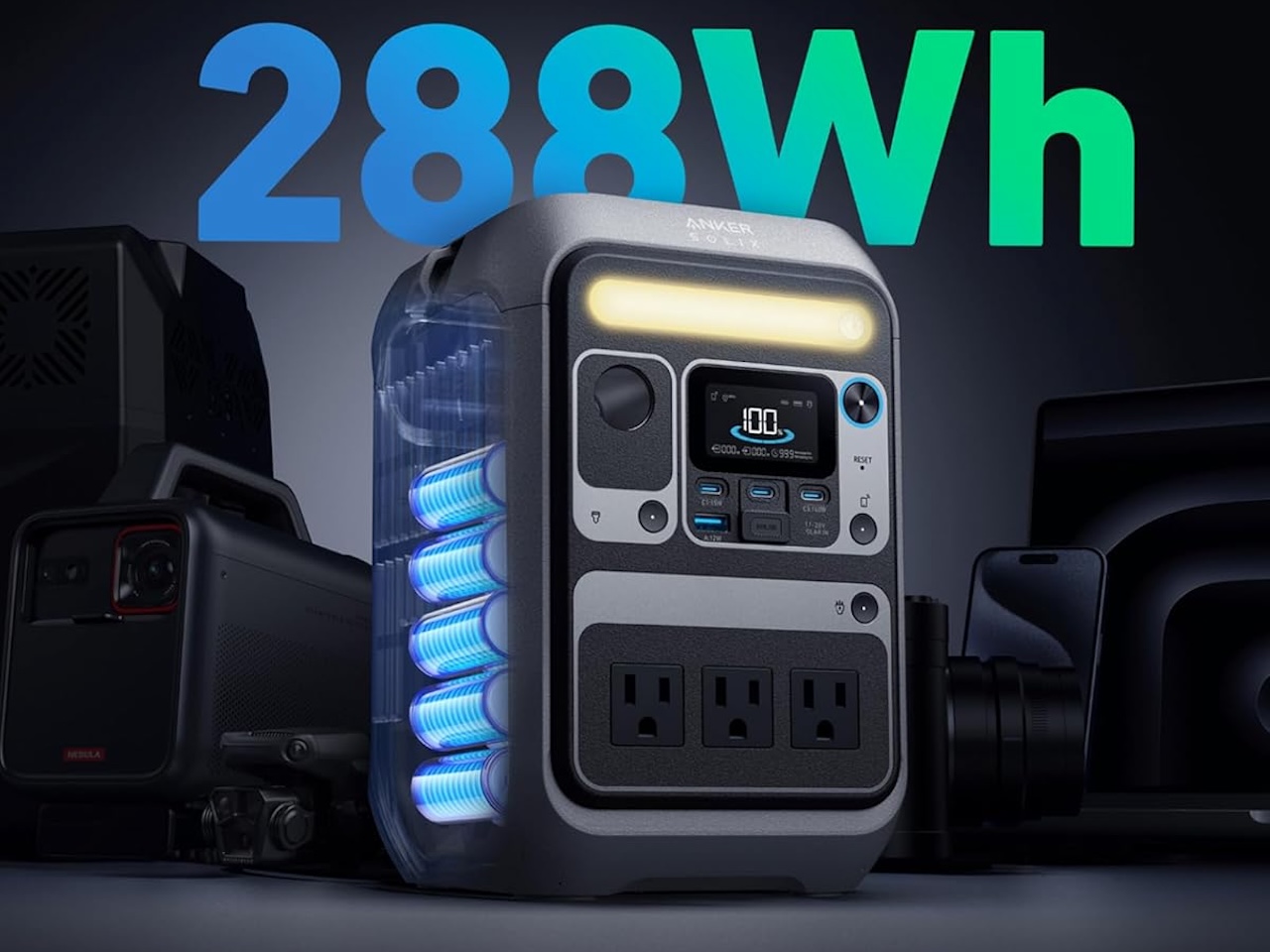
Anker’s compact entry in the apartment-backup conversation, the C300 delivers 288Wh, 300W clean AC, SurgePad bursts to 600W, and an integrated handle. LiFePO4 chemistry and a conservative charge profile make it a category fit for studios and dorms even though it sits well below the 1kWh tier.
Represents the sub-$300 entry tier that has emerged as 1kWh pricing falls and brands push compact LiFePO4 to first-time buyers ahead of storm season.
Price: $249.99 (From $299)
Where to Buy: Amazon
What About Solar
Solar add-ons remain a non-factor for most renters. Few apartment balconies get the unobstructed 4 to 6 hours of direct sun a 100W panel needs, and building rules typically prohibit fire-escape installs. Brands have shifted apartment-tier marketing toward wall charging speed (now under an hour to 80% on premium units) rather than solar bundles.
What 1kWh Actually Buys in an Apartment
A small ENERGY STAR apartment fridge pulls 100 to 150W average across its duty cycle, or roughly 1.5 to 2.5kWh per day. A 1,024Wh unit translates to 6 to 10 hours of fridge-only runtime depending on ambient temperature and door behavior. The 1kWh tier has emerged as the realistic apartment-outage minimum, while the 288Wh class is positioned for router-and-phone scenarios rather than refrigeration.
Where the Category Goes Next
Expect 2026 to be the year apartment-friendly backup goes from niche to mainstream. Sub-10ms UPS is moving down to the value tier, charging speeds are converging on under-an-hour-to-80%, and pricing pressure from BLUETTI and seasonal sale events is forcing EcoFlow and Anker to defend their list prices. The next category shoe to drop is integrated load shedding and smarter app-based home circuit prioritization, hinted at in EcoFlow’s Smart Home Panel ecosystem.
