For two years, the AI wearables fight has been a fight over your face. Frames keep getting thinner. Lenses keep getting smarter. Every new launch asks you to put a small computer between your eyes and the rest of the world, then trusts that you’ll get used to wearing it all day. The bet across the category has been that the future of personal AI lives on the bridge of your nose.
Razer just looked at that whole category and asked an obvious question. What if you don’t wear glasses? Why would you start now?
We’ve been tracking AI wearables closely at The Gadgeteer, from smart rings to AI pendants to camera glasses, and Razer’s answer is the first major-brand bid we’ve seen that doesn’t just iterate on the same face-mounted form factor everyone else is shipping.
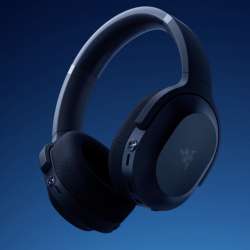
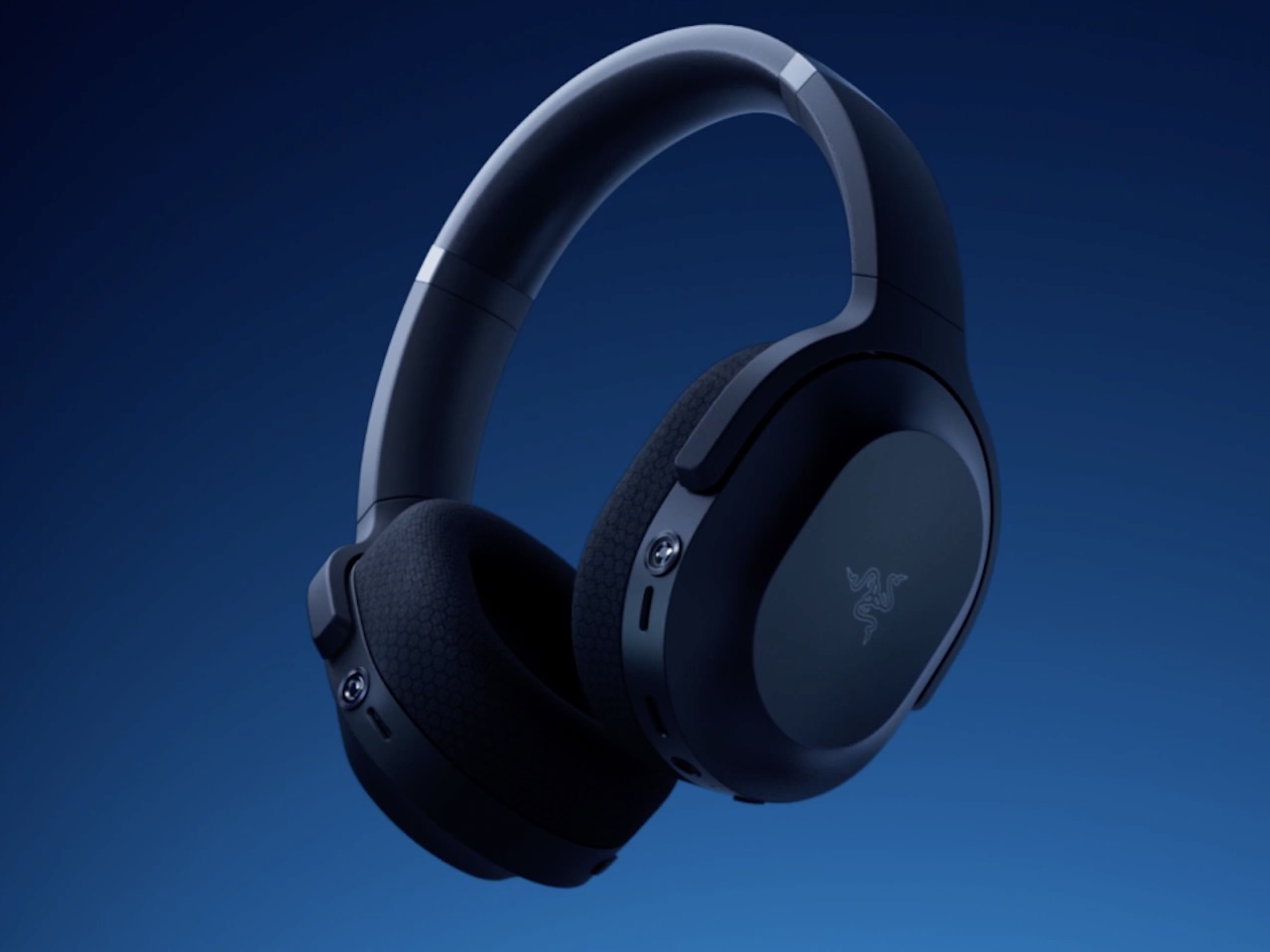
Project Motoko is the answer. It’s a wireless concept headset Razer unveiled at CES 2026 that pulls the camera-and-AI playbook off the bridge of your nose and onto your ears. The cameras live inside the cups of an over-ear headphone, the audio sits where audio already sits, and you end up with a wearable AI device you don’t have to put on a face that already works fine without one.
What Razer Is Actually Pitching
Razer calls Project Motoko an “AI-native wireless headset concept” and routes the entire pitch through Qualcomm’s Snapdragon platform. The headset has dual first-person view cameras built into the ear cups, positioned to roughly track your eye line so the AI sees what you’re already looking at, not some random angle three inches above your eyebrows.
There’s a microphone array doing double duty: voice capture for you, environmental capture for the AI. Razer specifies dual far-field and near-field microphones, which means the headset is supposed to handle both your speaking voice and ambient sound from the room or the person you’re talking to.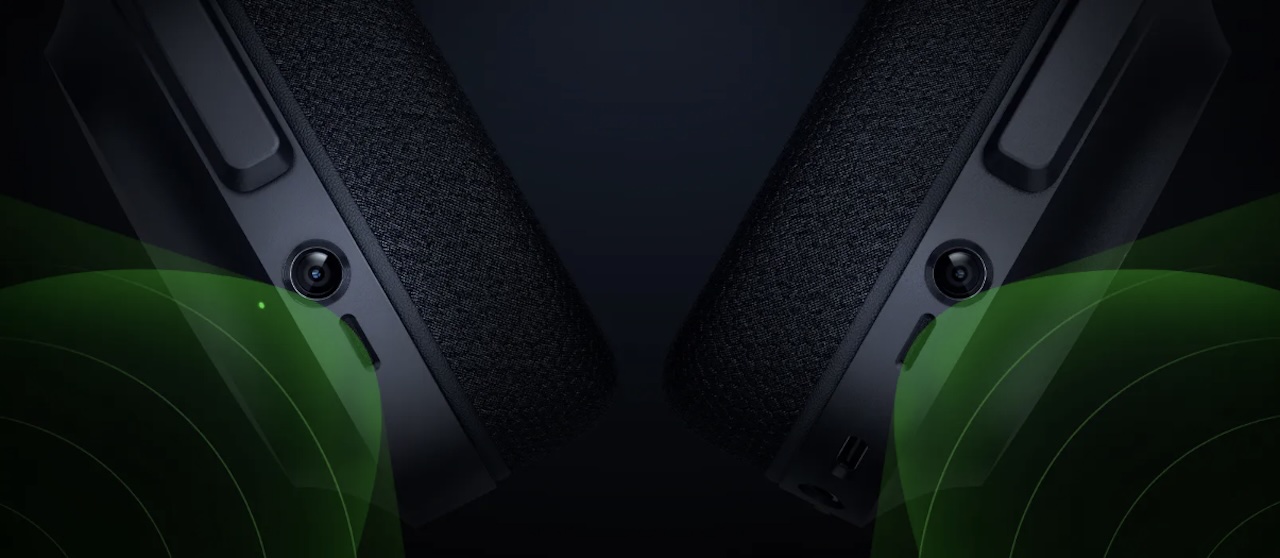
It also doesn’t lock you to one model. Razer says Motoko is platform-agnostic and lists Grok, OpenAI, and Gemini as compatible AI partners. That’s a pointed choice. Most wearables that ship today commit to a single assistant and ride that vendor’s roadmap. Motoko’s pitch is that you bring your own AI.
Why the Form Factor Is the Actual Story
Smart glasses have a usability problem the industry mostly refuses to admit. They only work as wearable computers if you already wear glasses. Otherwise you’re putting frames on your face you don’t need, navigating prescription compromises you didn’t sign up for, and looking conspicuous because the camera sits right at eye level on a stranger’s first impression of you.
Headphones don’t have that problem. People already wear them. They’re already a daily, all-day product for commuters, gamers, people on calls, and anyone working in a noisy office. Putting cameras in the cups means the wearable AI hardware rides along with something you were going to wear anyway.
Razer’s pitch is that this changes the gravity of the category. You’re not buying a new wearable. You’re buying a headphone that happens to carry a Snapdragon, two cameras, and a couple of microphones.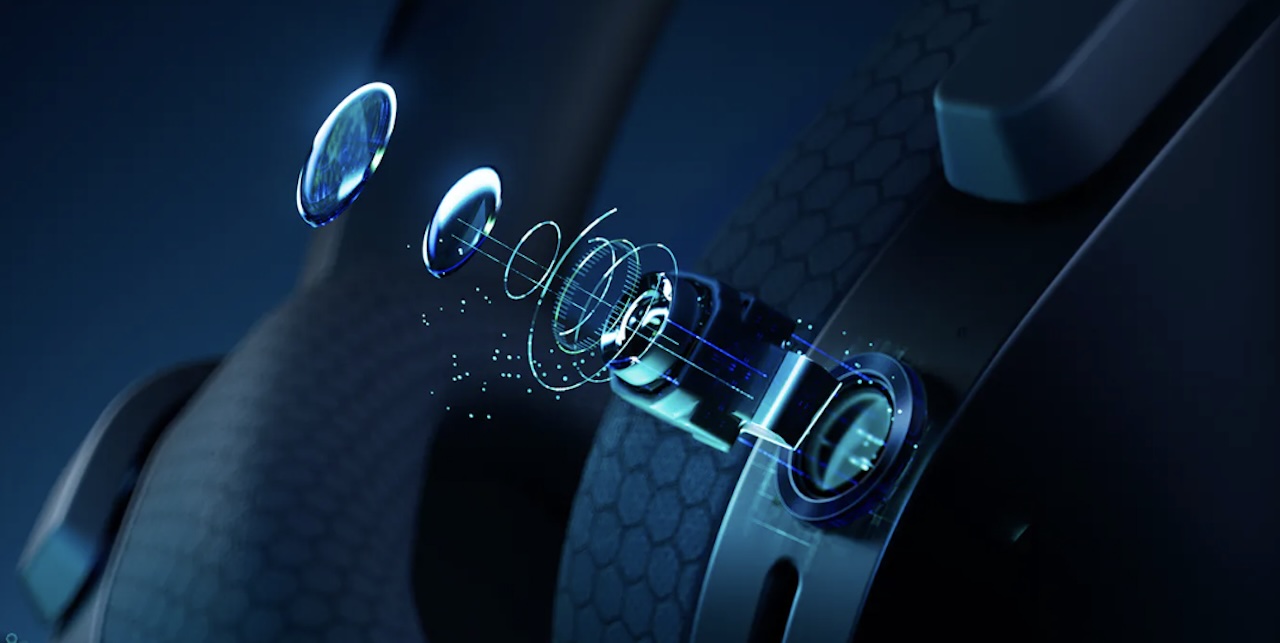
What the Cameras Are Supposed to Do
The cameras are pitched as a continuous visual layer for the AI. Razer leans on phrases like “augmented AI computer vision,” “stereoscopic precision,” “AI-enhanced visual awareness,” and a “wide field of attention beyond human peripheral vision.” In plain language, the headset is meant to see what you see, plus a little extra on the edges, and feed that to a model that can identify objects, read text, transcribe signs, and answer questions about what’s in front of you.
Razer also flags machine learning use as a side benefit. The brand suggests Motoko’s first-person video stream could help train humanoid robots on natural human point-of-view data. That’s not a feature you’ll use at home, but it hints at why Razer is investing in this form factor in the first place. The headset isn’t just an AI assistant. It’s a sensor.
The Battery Question Razer Keeps Quiet On
Battery is the spec Razer hasn’t talked about, and it’s the one that decides whether the rest of the pitch holds up. Razer is selling Motoko as a headset for cooking, travel, work, repairs, and gaming, which only works if the AI features can run for a full day on a single charge.
The headphone form factor leaves more room for a real battery than smart glasses do, but Razer has not published a runtime figure.
Who Project Motoko Is Actually For
This is a concept, not a product, and Razer is clear about that. There’s no consumer price, no consumer release date, no consumer preorder. Razer is, however, opening public signup for a Project Motoko Developer Kit launching in Q2 2026, the first concrete milestone the brand has put on the calendar. Beyond that, Razer is showing the platform and asking the market to react.
The user Razer keeps describing isn’t strictly a gamer. It’s a knowledge worker, a commuter, a creator. Razer’s own examples for daily use cases include step-by-step cooking guidance, real-time translations while traveling, hands-free task management at work, instant audio instructions for repairs, and immersive AI-driven gaming guidance. Gaming sits at the end of that list, not at the front.
That’s Razer pushing past “headset for esports” into “headset for the AI computing layer.” Whether the gaming audience pulls Motoko forward or whether Razer ends up courting a different buyer entirely is the open question.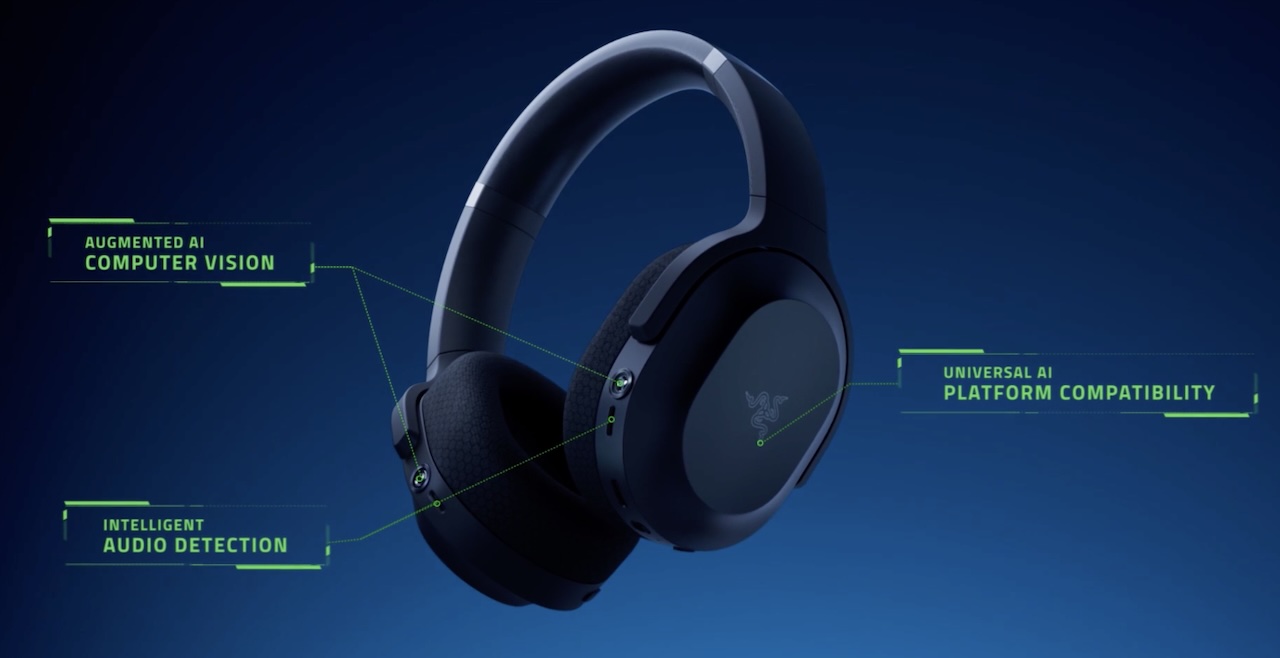
What’s Confirmed and What Isn’t
At CES 2026, Razer confirmed that Project Motoko is an AI-native wireless headset concept, built around dual first-person view cameras integrated into the ear cups and aligned to the wearer’s eye line. The audio system pairs that with dual far-field and near-field microphones, and compute runs on a Qualcomm Snapdragon platform. The headset is positioned as universally compatible with leading AI models, with Grok, OpenAI, and Gemini named as launch partners. Nick Bourne, Razer’s Global Head of Mobile Console Division, attributed the project to a Qualcomm Technologies partnership, and the brand has opened public signup for a Project Motoko Developer Kit launching in Q2 2026.
What Razer has not disclosed matters just as much. The brand has not published a camera resolution or sensor source, has not given a battery life figure, has not stated the headset’s weight, has not announced pricing, and has not committed to a consumer release timeline.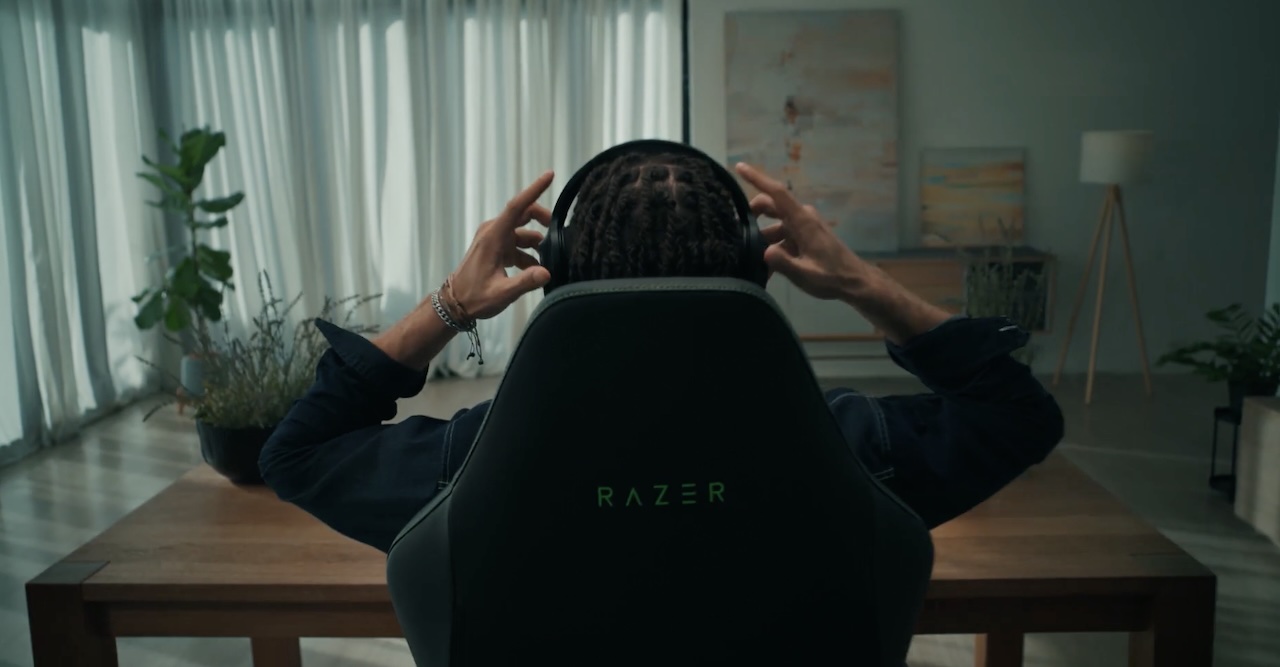
The Takeaway
The race for wearable AI has assumed for two years that the winning form factor is glasses. Razer’s response is that it might not be. Cameras in headphones is a quieter, less aggressive way to put computer vision on your body, and it doesn’t ask you to change what you already wear.
If Project Motoko ships, it’s going to force the rest of the category to answer one question. Why are we strapping AI to people’s faces when their ears are already free?