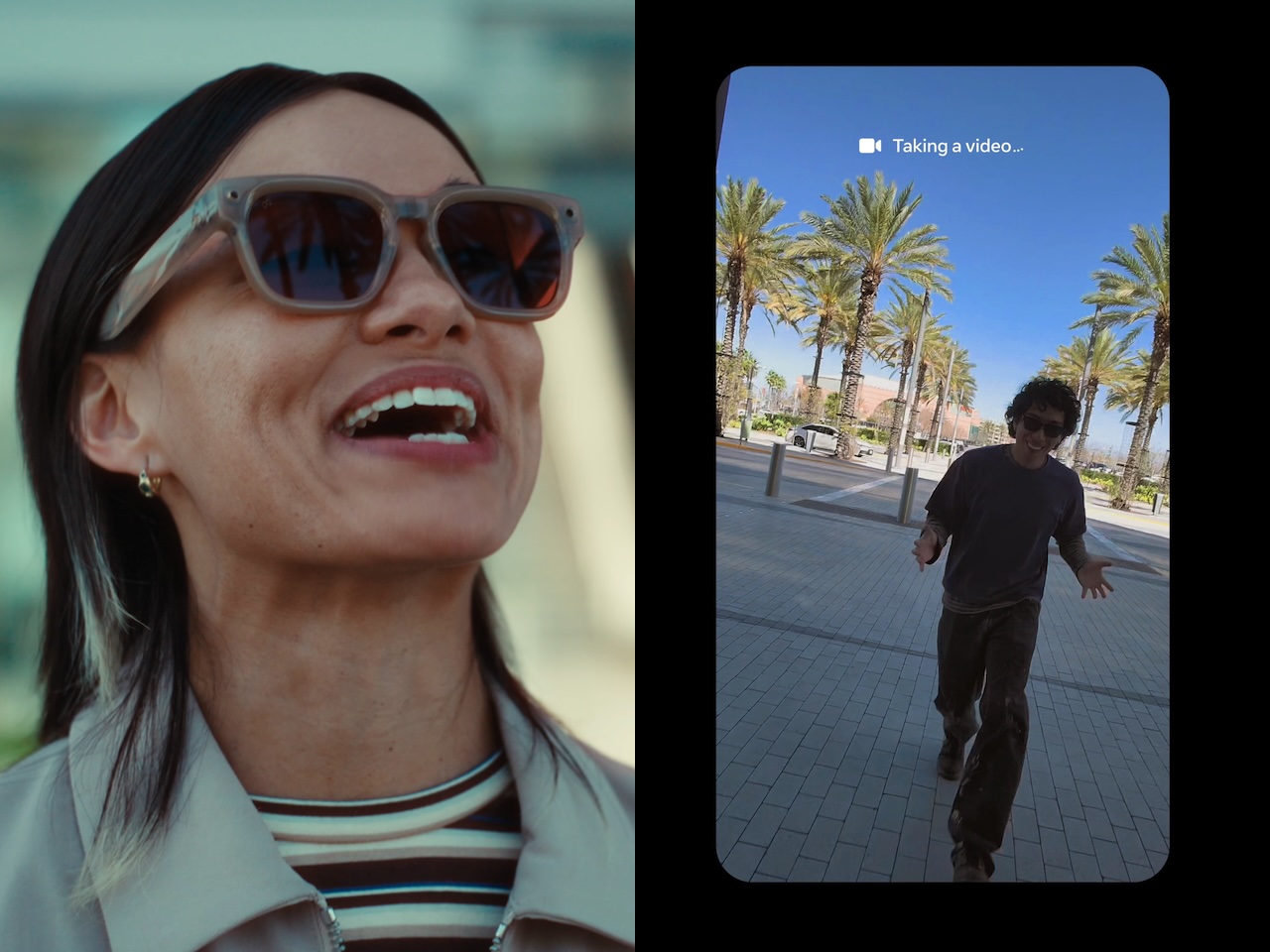
The Ray-Ban Meta line proved AI glasses could actually sell. Now Meta wants the next wave branded as Meta itself, and that’s the real story behind today’s launch.
Price: $299
Where to Buy: Meta
On June 23, 2026, Meta and EssilorLuxottica introduced Meta Glasses, a brand-new AI eyewear line that starts at $299 and ships with three frame shapes, 26 style combos, and prescription-lens support out of the gate. No Ray-Ban wordmark. No Oakley shield. Just Meta.
It’s the company’s cheapest AI glasses to date by roughly $80, undercutting the second-gen Ray-Ban Meta entry price of about $379.
What’s actually launching today
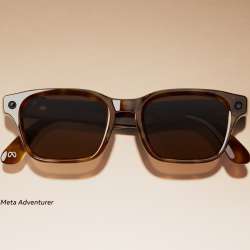
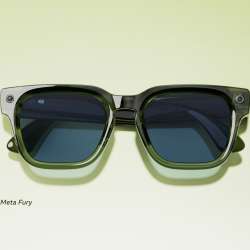
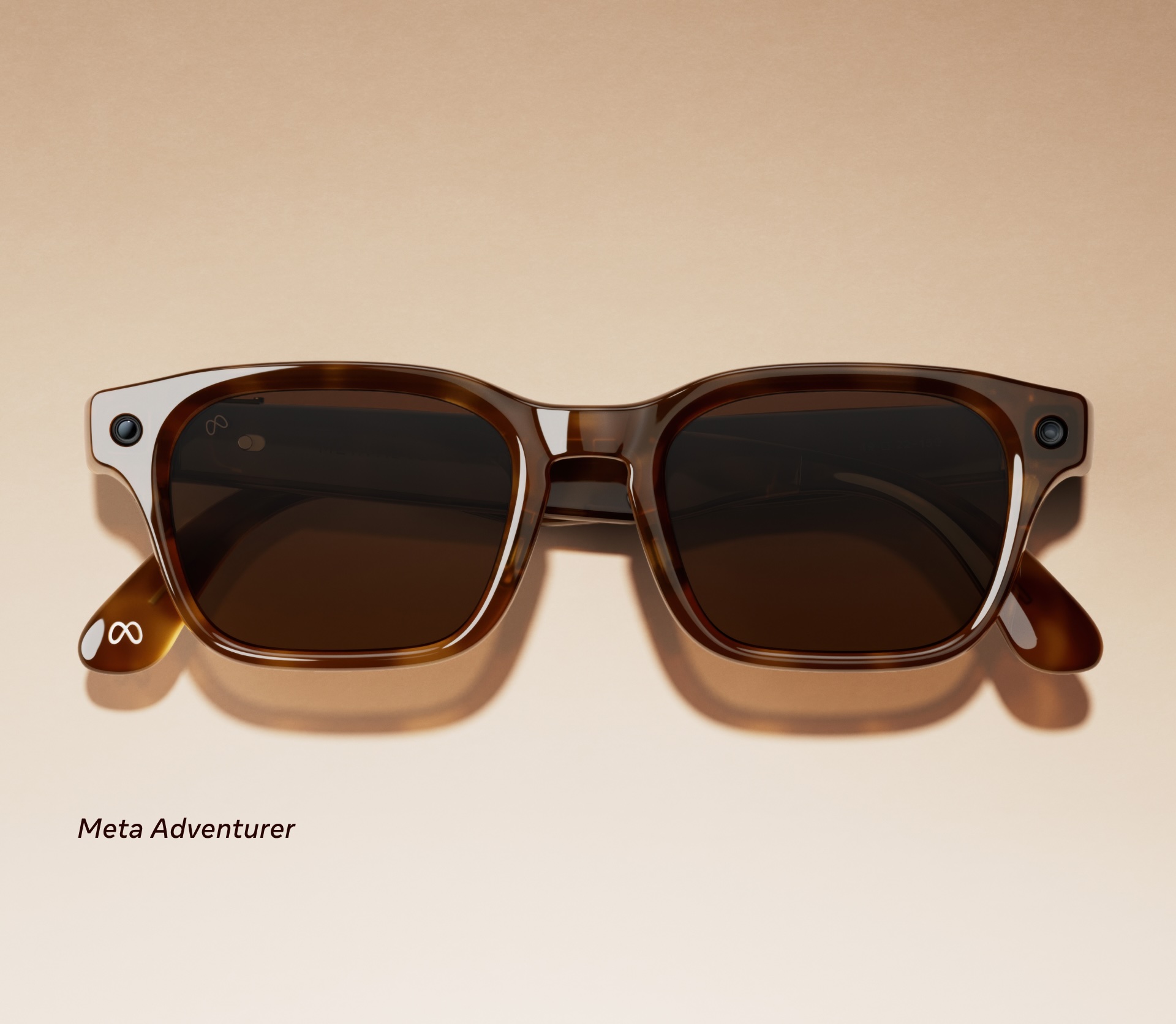
Meta Glasses arrive in three frame families. The Meta Adventurer takes a clean rectangle shape and comes in Standard and Large sizing. The Meta Fury goes bolder, with a chunkier silhouette built to make a statement.
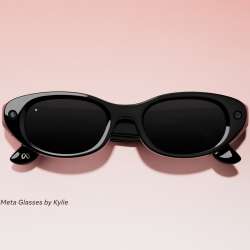
Meta Glasses by Kylie, also tagged as the Starfire Kylie Edition, are co-designed with Kylie Jenner. They’ve got a slim oval frame inspired by her personal style, a charging case with a mirror tucked inside, and a Meta AI that responds in Kylie’s actual voice.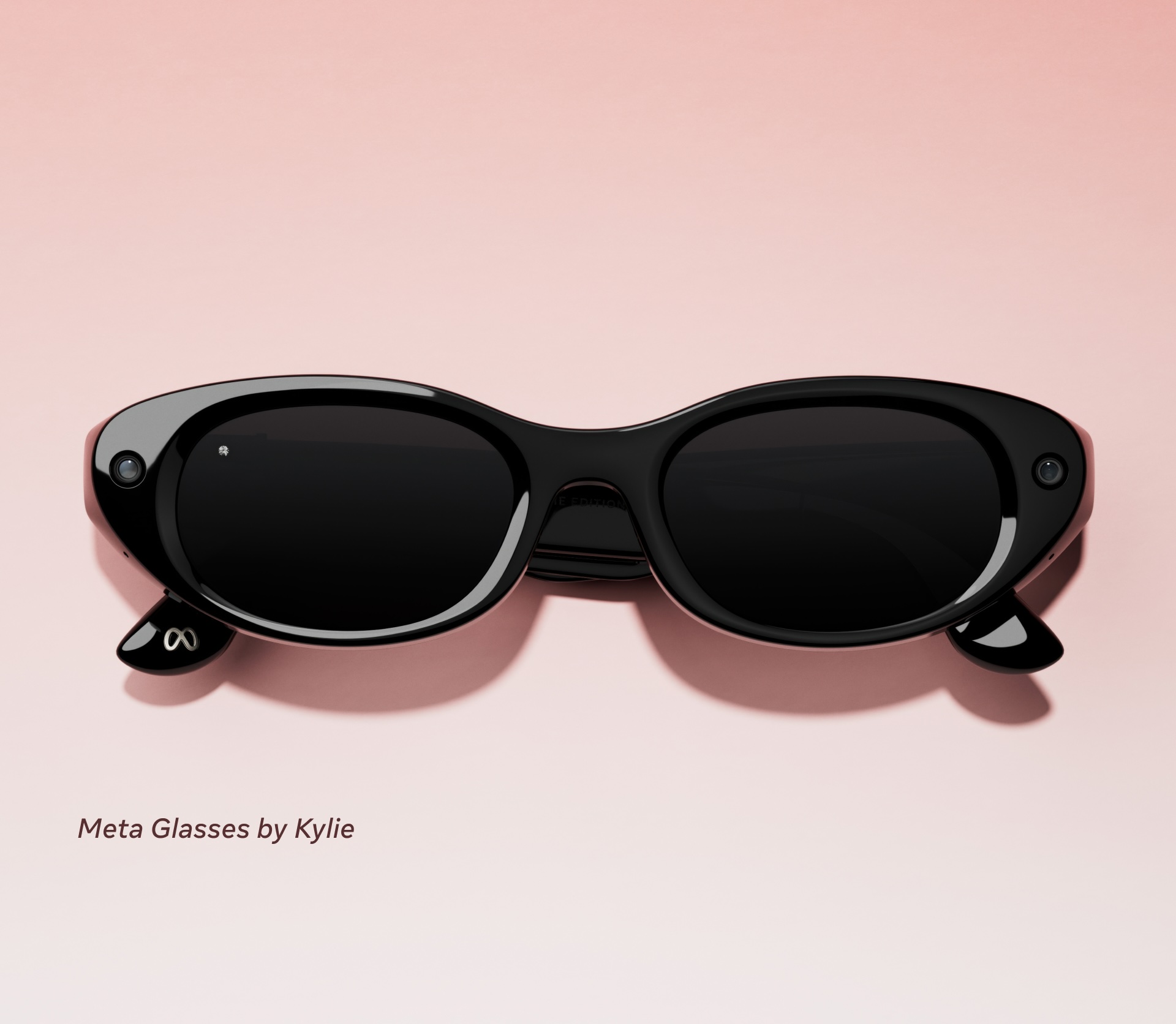
The Kylie frame is the most telling pick of the three. Meta could have launched the new line with three engineering-led shapes and called it a day. Instead, the third style is a fashion-led collab, which signals that Meta wants Meta Glasses to live in lifestyle and beauty press, not just gadget reviews. A Kylie-voiced Meta AI hammers that signal home.
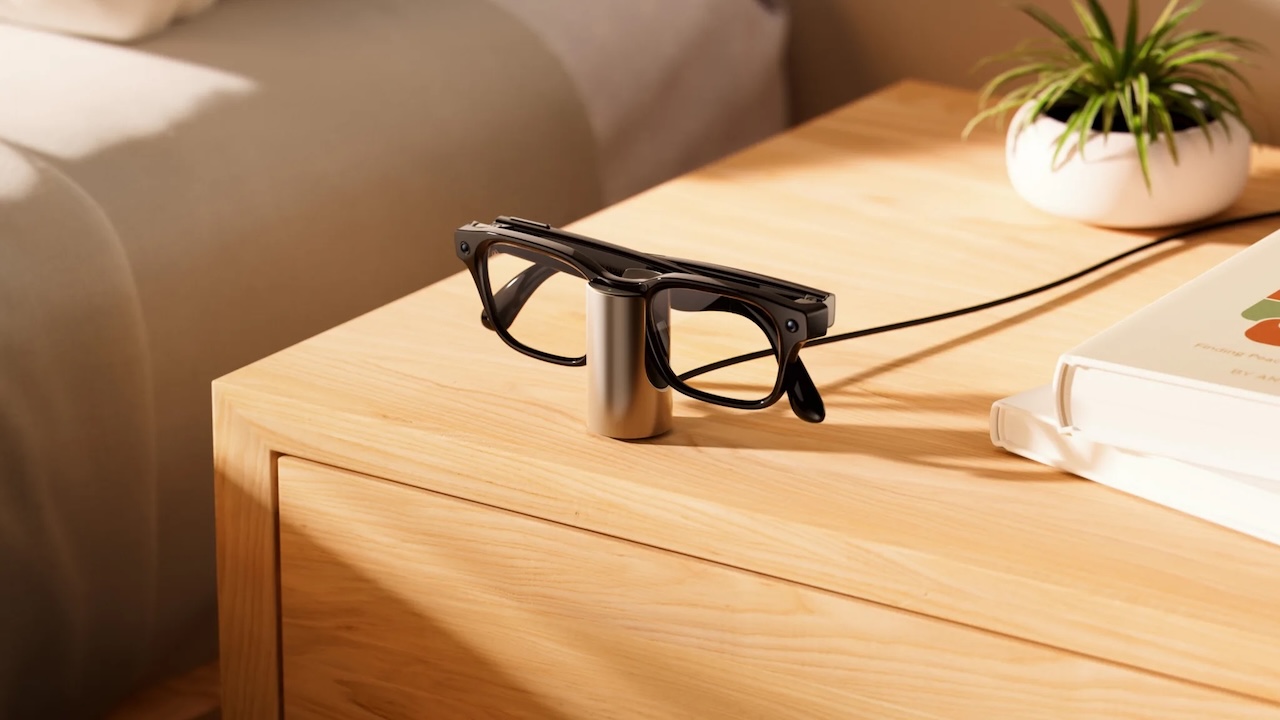
Across the three shapes, you get 26 color and lens combos at launch, and every frame is prescription-compatible. Hardware-wise, you’re looking at 8+ hours of battery life, a foldable charging case rated for an extra 40 hours, open-ear speakers, and a multi-mic array with wind reduction.
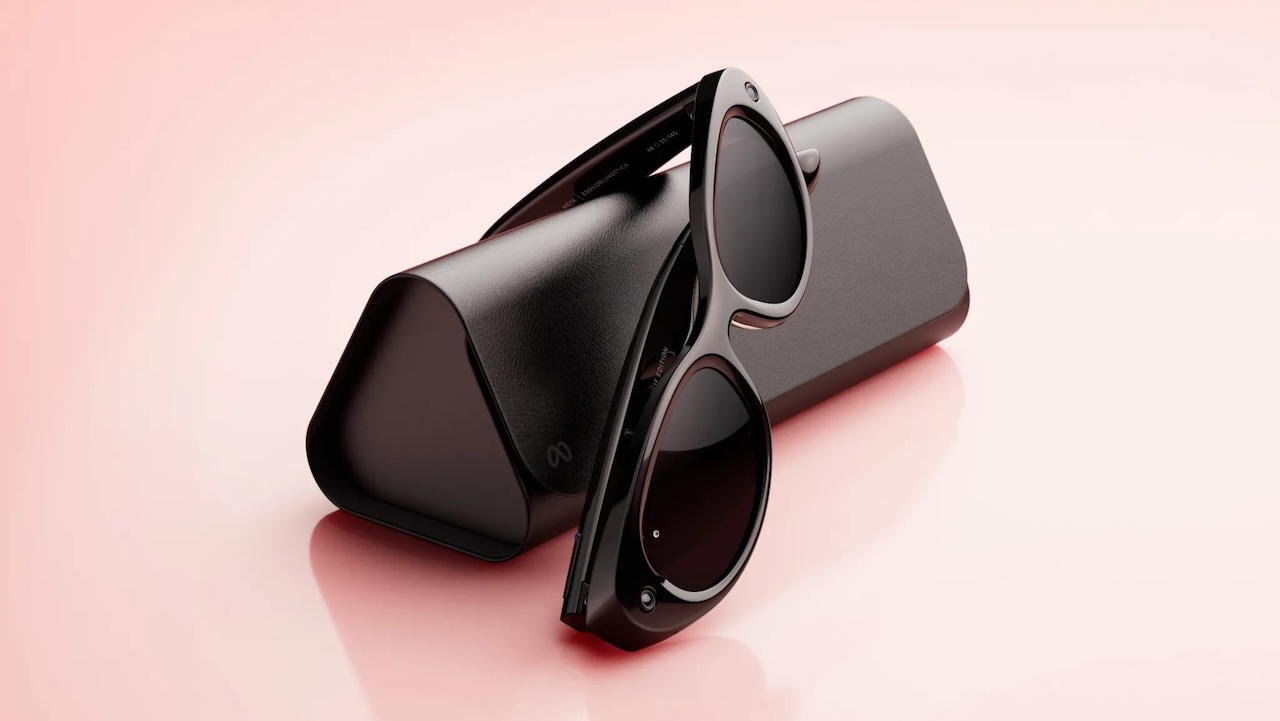
New this round: three-way adjustable nose pads, a dedicated action button for Meta AI, and the same overextension hinges Meta uses across its lineup to give the temples extra rotation for wider faces. The hands-free photo and video capture stays the same as the Ray-Ban Meta playbook.
Privacy controls also get a refresh. Meta says the glasses keep the same opt-in capture settings as the Ray-Ban Meta line, with what it describes as clear, easy controls over what you choose to share. The built-in safeguards meant to respect people around you carry over too, which matters more now that AI glasses are no longer a niche curiosity.
Why Meta dropped the Ray-Ban name now
Meta and EssilorLuxottica already own more than 80% of the smart glasses market, according to Counterpoint Research. When you’re that dominant, a partner logo on the temple starts to feel like a tax on brand equity you’ve already built.
Meta’s been laying groundwork for this for months. The Oakley Meta line launched in 2025. Oakley Meta Vanguard followed that September. The Ray-Ban Meta Display landed at $799 with the Meta Neural Band, an EMG wristband that reads micro-gestures, plus a full-color in-lens display.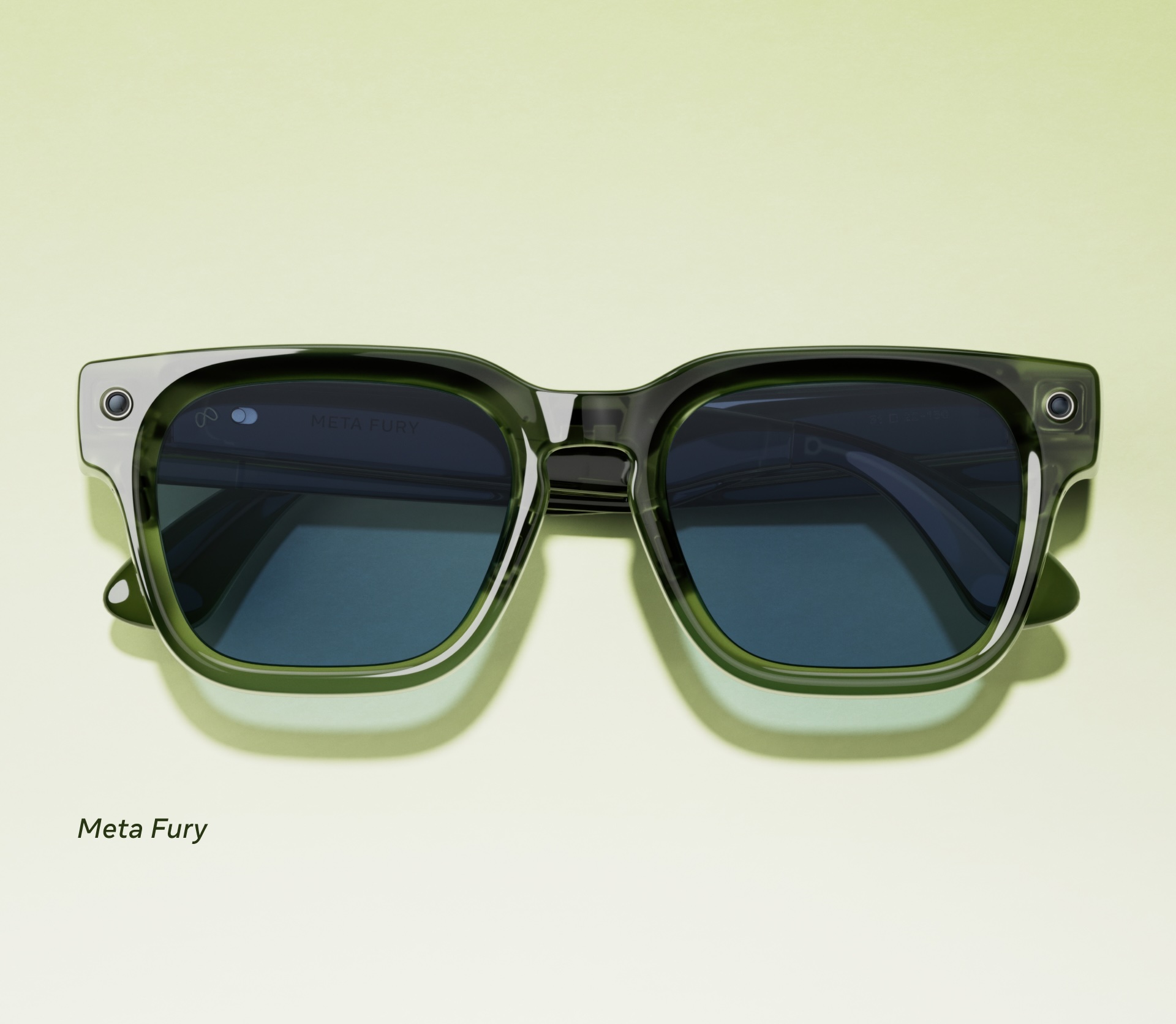
The financials backed the move. EssilorLuxottica said it more than tripled Meta AI glasses sales in 2025. By January, the two companies were reportedly discussing doubling production to at least 20 million pairs a year to keep up with demand. When the numbers get that loud, you stop splitting brand equity with a partner.
Each release walked Meta further away from “Ray-Ban with a chip in it” and closer to “Meta is a hardware brand now.” Dropping the Ray-Ban wordmark on the mainstream $299 SKU is the loudest version of that argument yet. EssilorLuxottica still builds them. You just can’t tell from the box.
Muse Spark is the bigger story
Meta Glasses are the first device to ship with Meta AI powered by Muse Spark from day one. Muse Spark is the first model out of Meta Superintelligence Labs, and it’s built specifically for Meta’s own products rather than as a general-purpose chatbot.
That changes what the glasses can do. Smarter answers on local context like restaurant picks and sports scores. Better multimodal understanding of what you’re looking at. Hands-free calendar and habit-tracking on demand.

Pedestrian turn-by-turn navigation is rolling out soon for displayless frames. Live translation just picked up 14 new languages, including Japanese, Mandarin, Hindi, and Korean. There’s also a new “dynamic photo” feature where the glasses snap a burst, recommend the best frame, and let you override the pick if you want.
Muse Spark is also now available on existing Ray-Ban Meta and Oakley Meta glasses in the US and Canada via software update, so current owners get the new brain without buying new hardware.
Where to buy and what to know first
Meta Glasses are on sale today at Meta.com, Best Buy, Amazon, Lenscrafters, Sunglasses Hut, and select Meta Lab stores across multiple countries. Pricing starts at $299 for the Adventurer and Fury frames. The Kylie Starfire edition lands at $399, and prescription plus premium-lens options price up from there.

There’s no real $299 competitor in the AI glasses category right now. Apple is rumored to be working on smart glasses but hasn’t shipped them. Google has revived its Android XR ambitions but is still working through hardware partners. For the moment, Meta has the entire mainstream tier to itself, and the new pricing makes that lead harder to close.
Price: $299
Where to Buy: Meta
A few things are worth flagging if you’re considering a pair. Prescription lenses are supported across all 26 styles, but the upcharge varies by lens type. The Ray-Ban Meta Display at $799 still exists as a separate product, and these new Meta Glasses don’t have an in-lens display. And if you already own Ray-Ban Meta or Oakley Meta glasses in the US or Canada, Muse Spark arrives via software update, so you don’t need to buy new hardware.